

Camel spiders have stirred fear and curiosity, especially among those living or stationed in desert regions like Arizona or the Middle East. Though they look intimidating with their large jaws and fast movements, camel spiders are often misunderstood. One of the most asked questions is: What happens if a camel spider bites you?
While they are not venomous, a camel spider bite can still be painful, leading to swelling, bleeding, or infection. In this guide, we’ll explore what the bite looks like, how it feels, possible side effects, and the right steps for treatment. Whether you’ve had a close encounter or are just curious, this article will break down everything you need to know.
What Is a Camel Spider Bite?

How Camel Spider Bites Happen
Camel spiders don’t typically seek out humans to bite, but they may attack if threatened or cornered. These arachnids are fast and aggressive predators, and their powerful jaws can deliver a deep bite when provoked.
People often encounter camel spiders in desert regions, especially in parts of the Middle East and the southwestern United States—including Arizona. Accidental bites usually happen when the spider is hiding in boots, sleeping bags, or under rocks.
Is a Camel Spider Bite Dangerous?
Despite common myths, camel spiders are not venomous or poisonous to humans. Their bite, however, can cause significant mechanical damage due to their large chelicerae (jaws). In some cases, this damage may lead to infection if not treated properly.
So, are camel spider bites dangerous? They can be—especially if left untreated or if the person has an allergic reaction. But they are not life-threatening in most cases.
Camel Spider Bite Symptoms
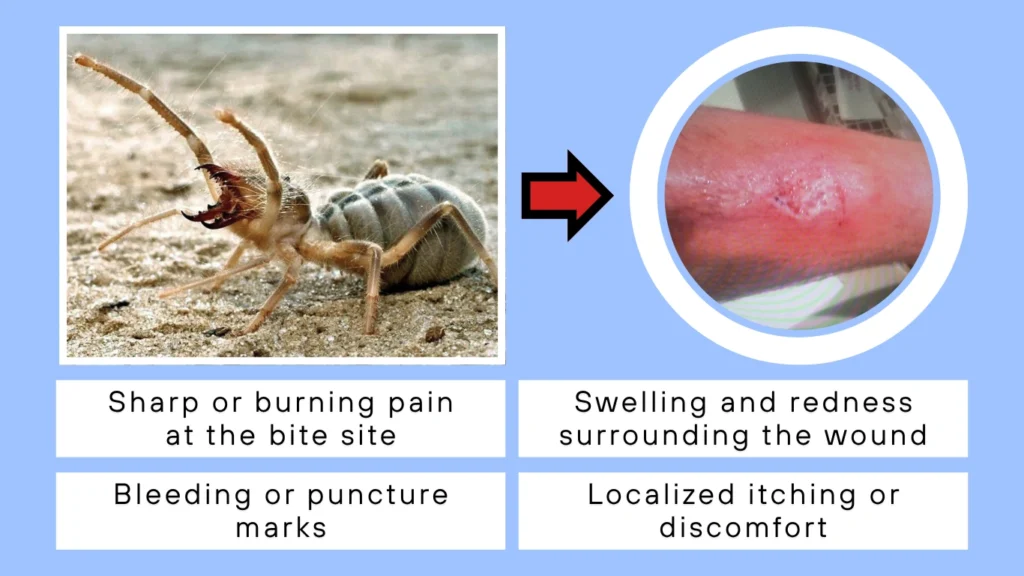
Common Symptoms After a Bite
A camel spider bite may appear minor at first, but symptoms can develop quickly. Common signs include:
- Sharp or burning pain at the bite site
- Swelling and redness surrounding the wound
- Bleeding or puncture marks
- Localized itching or discomfort
- Warmth around the bitten area
These symptoms are typically a result of the spider’s strong bite force, not venom.
Are There Side Effects?
Though not venomous, camel spider bites can lead to several side effects, especially if not cleaned properly:
- Skin infection from bacteria entering the open wound
- Tissue irritation or minor necrosis in deeper bites
- Scarring if the bite becomes inflamed or ulcerated
- Rarely, a mild fever or chills may appear if the infection spreads
Does a Camel Spider Bite Hurt?
Yes—a camel spider bite does hurt, and the pain is usually immediate.
The intensity varies depending on the size of the spider and the bite location. Some people describe it as a deep pinch or stab, while others report a burning sensation that worsens over time.
If the spider was especially large or aggressive, the pain may be more severe and longer-lasting than typical insect bites.
What Does a Camel Spider Bite Look Like?

Visual Appearance on Human Skin
A camel spider bite often looks like a small open wound or puncture mark, usually surrounded by red, swollen skin. In some cases, it may resemble a blister or torn skin due to the spider’s strong jaws.
The area might appear bruised, especially within the first 24 hours. If the wound gets infected, pus, discoloration, or scabbing may occur. It’s important to keep an eye on how the bite site changes.
Camel Spider Bite Wound
The wound from a camel spider bite varies depending on the bite force and depth.
- Light bites may look like shallow cuts
- Moderate bites leave visible tissue damage
- Severe bites from large camel spiders can cause deep tears or lacerations, especially if the spider held on for a few seconds
These wounds often need proper cleaning and monitoring to prevent complications.
Camel Spider Bite Force and Pain Level
Camel spiders have an incredible bite force for their size. Their powerful chelicerae can pierce human skin and even tear flesh, contributing to the pain and wound size.
Compared to other spider or insect bites, a camel spider bite is more physically damaging, even without venom.
People often wonder, how painful is a camel spider bite? While it’s not as severe as a venomous bite, it’s definitely painful—especially if muscle or deeper tissue is involved.
Are Camel Spider Bites Poisonous or Venomous?

Understanding the Myth
Many people believe that camel spider bites are poisonous or involve venom, but this is false. Camel spiders are non-venomous arachnids. They do not inject any toxins or poisons into their prey or humans.
The confusion may come from their intimidating appearance and the size of the wounds they can cause, which sometimes become infected or inflamed—leading to further assumptions about toxicity.
Are Camel Spider Bites Dangerous?
Although not venomous, camel spider bites can still be dangerous, especially if they lead to:
- Secondary bacterial infection
- Improper wound care
- Delayed medical attention
In rare cases, deep wounds may result in tissue necrosis or long healing periods. However, for most healthy individuals, the bite is painful but not life-threatening.
Separating Fact from Fiction
There are many stories, especially from soldiers stationed in the Middle East or Iraq, about giant camel spiders attacking humans or even killing animals.
In truth, these spiders are not deadly to humans. Their bites may hurt, but they do not possess venom or a toxic effect.
The real risk lies in how the wound is treated, not the bite itself.
Camel Spider Bites in Arizona and Other Regions

Camel Spider Arizona Bite Cases
Camel spiders are found in desert climates, including parts of the southwestern United States—Arizona being one of the most common locations for sightings.
Although they’re more active at night and typically avoid humans, bites can occur when a spider is accidentally disturbed (e.g., inside shoes or bedding).
Reports of camel spider bite Arizona cases often surface during hot months, especially in rural or arid environments.
Big Camel Spider Bite
Larger camel spiders can inflict more serious wounds due to their size and jaw strength.
A big camel spider bite may:
- Tear more skin
- Cause deeper bleeding
- Lead to a more intense healing process
Though not venomous, the larger the spider, the greater the potential damage.
Camel Spider Bite Treatment and First Aid
If bitten, proper treatment is key to preventing complications. Here’s what to do:
- Clean the wound thoroughly with soap and water
- Apply an antiseptic to kill bacteria
- Use a cold compress to reduce swelling
- Keep the area elevated if swelling increases
- Avoid scratching to prevent infection
If you notice signs of infection (increased redness, pus, fever), see a doctor.
In rare cases, antibiotics may be needed, especially for deeper camel spider bite wounds on humans.
Camel Spider Bite vs. Scorpion Sting: Pain and Severity Comparison

Here’s a quick comparison to understand the differences between a camel spider bite and a scorpion sting, especially for those living in desert regions like Arizona.
| Feature | Camel Spider Bite | Scorpion Sting |
| Venom Present | No | Yes (varies by species) |
| Pain Level | Moderate to high (due to bite force) | Ranges from mild to severe |
| Wound Type | Tear or puncture | Puncture with possible redness |
| Danger to Humans | Low (non-venomous) | Can be high (especially with venomous species) |
| Common Symptoms | Swelling, bleeding, redness | Numbness, tingling, burning pain |
| Medical Treatment Needed | Sometimes (infection risk) | Often (especially for children/elderly) |
| Common in Arizona? | Yes | Yes |
FAQs About Camel Spider Bites
1. Can camel spiders bite through clothing?
While their jaws are strong, camel spiders generally cannot bite through thick clothing. However, they might break the skin through light or loose fabrics if provoked or trapped against the body.
2. How long does it take a camel spider bite to heal?
Minor camel spider bites may heal within a week, but deeper wounds or those that get infected could take up to 2–3 weeks. Proper wound care speeds recovery and prevents complications like scarring.
3. Are camel spider bites fatal to humans?
No, camel spider bites are not fatal to humans. They don’t contain venom, and fatalities are not medically documented. The main concern is the risk of infection if the wound is ignored or untreated.
4. Should I go to the hospital after a camel spider bite?
If you experience intense swelling, spreading redness, pus, or fever, you should seek medical attention. These may indicate an infection or allergic reaction, which requires antibiotics or professional wound treatment.
5. Are camel spider bites worse than tarantula bites?
Camel spider bites are typically more mechanically damaging, while tarantula bites may involve mild venom. Neither is usually dangerous to humans, but camel spiders can cause deeper physical wounds due to stronger jaw pressure.