

Many homes across the United States play host to a variety of spiders—some tiny and harmless, others larger and more noticeable. While most of them pose no threat to humans, it helps to know which ones you’re sharing your space with. This guide covers 7 common American house spiders, explaining how to identify them, where they live, how they behave, and what they eat. Let’s start with the most familiar ones found indoors.
1. American House Spider

The American House Spider is one of the most familiar indoor spiders across the United States. Known for its messy cobwebs in corners, basements, and closets, this spider is harmless to humans and plays a role in catching small insects indoors. Despite its spooky appearance, the American House Spider is a quiet resident in many American homes.
Identification
- Small, round body
- Color ranges from dirty white to brown or gray
- Dark markings on the abdomen
- Long, thin legs
- Size: about 5–8 mm (females are larger)
Habitat
This spider prefers dark, undisturbed indoor areas like basements, attics, garages, and behind furniture. They often live near windows or ceilings where they build irregular webs to trap insects.
Behavior
American House Spiders are not aggressive and usually retreat when disturbed. They spend most of their lives in or near their web and are most active during the evening or nighttime.
Diet
Their diet mainly consists of small indoor pests such as flies, mosquitoes, ants, and other insects that get caught in their webs.
2. Cellar Spider
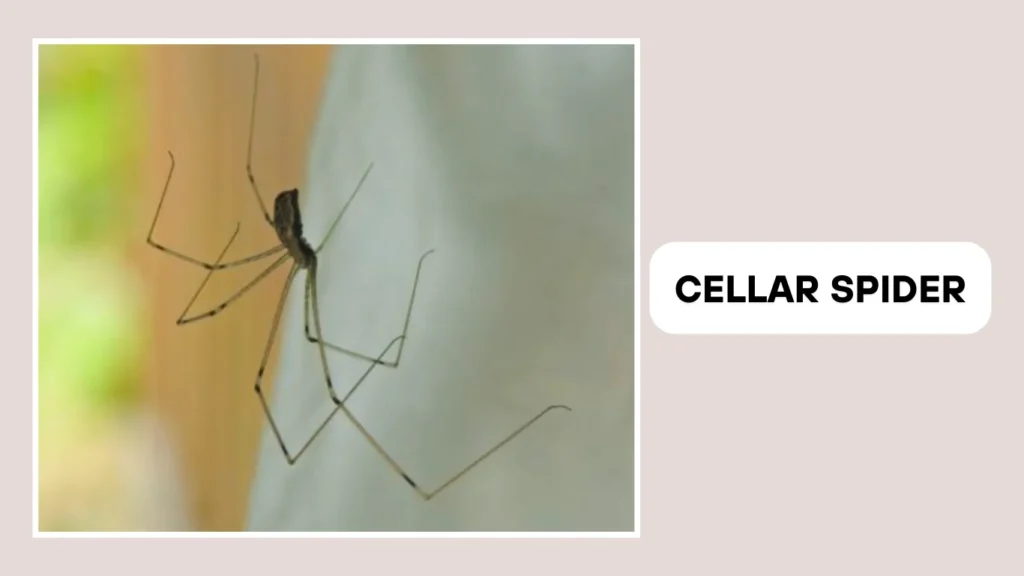
The Cellar Spider, often called the “Daddy Long-Legs” (though it’s not a true daddy long-legs), is a common American house spider known for its extremely long, thin legs and delicate webbing. It’s often found in damp, low-light areas of the home and is completely harmless to humans.
Identification
- Long, slender legs (up to 5–6 times the body length)
- Small, narrow body
- Pale yellow, light brown, or gray color
- Body length: 2–10 mm
- Often vibrates rapidly in its web when disturbed
Habitat
Cellar Spiders are usually found in basements, crawl spaces, garages, and cellars—places that are dark and humid. They build loose, irregular webs high in corners or along ceilings.
Behavior
They are not aggressive and rarely bite. These spiders are known for their defensive “bouncing” behavior—shaking rapidly in their web to confuse predators.
Diet
They feed on small insects, including mosquitoes and flies. They may even prey on other spiders, including their own kind, if food is scarce.
3. Common House Spider

The Common House Spider is a frequent guest in American homes, often found in windowsills, corners, and garages. Though often mistaken for more dangerous spiders due to its coloring, it is harmless and beneficial.
Identification
- Round, bulbous abdomen
- Color: brownish with darker mottling or striping
- Legs are yellowish-brown with dark rings
- Size: 5–10 mm (females larger than males)
- Builds messy, tangled webs
Habitat
They prefer quiet indoor spaces like closets, attics, garages, and basements. Outdoors, they may be found around windows, under eaves, or in sheds.
Behavior
These spiders stay close to their webs, waiting for insects to get trapped. They rarely leave their webs unless relocating or disturbed.
Diet
Their main food source includes flies, ants, mosquitoes, and other small indoor bugs. They help reduce insect populations inside homes.
4. Wolf Spider

The Wolf Spider is a common spider found in and around American homes, especially in basements, garages, and sheds. Unlike many house spiders, it does not spin webs to catch prey. Instead, it hunts down insects using speed and stealth.
Identification
- Large, hairy body
- Color: brown to gray with darker markings
- Prominent eye pattern (two large central eyes)
- Size: 10–35 mm depending on species
- Strong, fast-moving legs
Habitat
Wolf Spiders live in ground-level spaces like basements, garages, and outdoor areas near foundations. Indoors, they hide under furniture, in storage boxes, or behind clutter.
Behavior
These spiders are solitary hunters. They don’t build webs but roam at night to find food. They can move quickly when disturbed but are not aggressive toward humans.
Diet
Wolf Spiders eat a wide range of ground-dwelling insects like roaches, crickets, ants, and beetles. They help control household pests naturally.
5. Jumping Spider
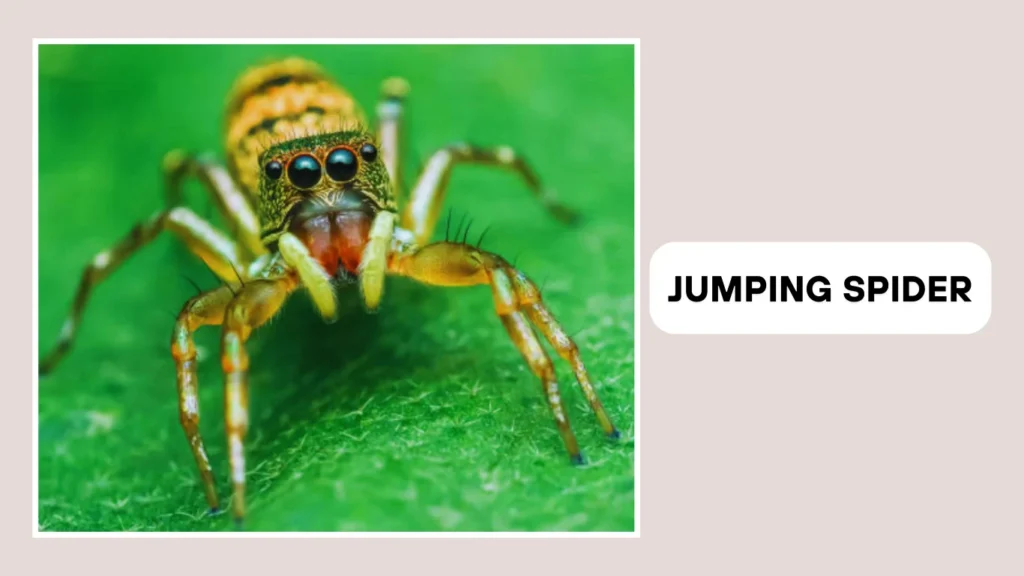
Jumping Spiders are small but bold spiders found throughout the United States. Known for their excellent vision and leaping abilities, they are easily recognized by their curious behavior and large front eyes.
Identification
- Compact body with short legs
- Color: black, brown, or metallic with white or colorful markings
- Large front-facing eyes (especially the central pair)
- Size: 4–12 mm
- Often seen moving in short, jerky motions
Habitat
They are usually found on windowsills, ceilings, walls, and indoor plants. Outdoors, they live on fences, decks, and under stones or bark.
Behavior
Jumping Spiders do not spin webs to catch prey. They stalk and leap on their targets with great accuracy. These spiders are not shy and may watch humans closely when approached.
Diet
They feed on flies, moths, ants, and other small insects. Their excellent eyesight and agile movements make them skilled hunters inside homes.
6. Brown Recluse Spider
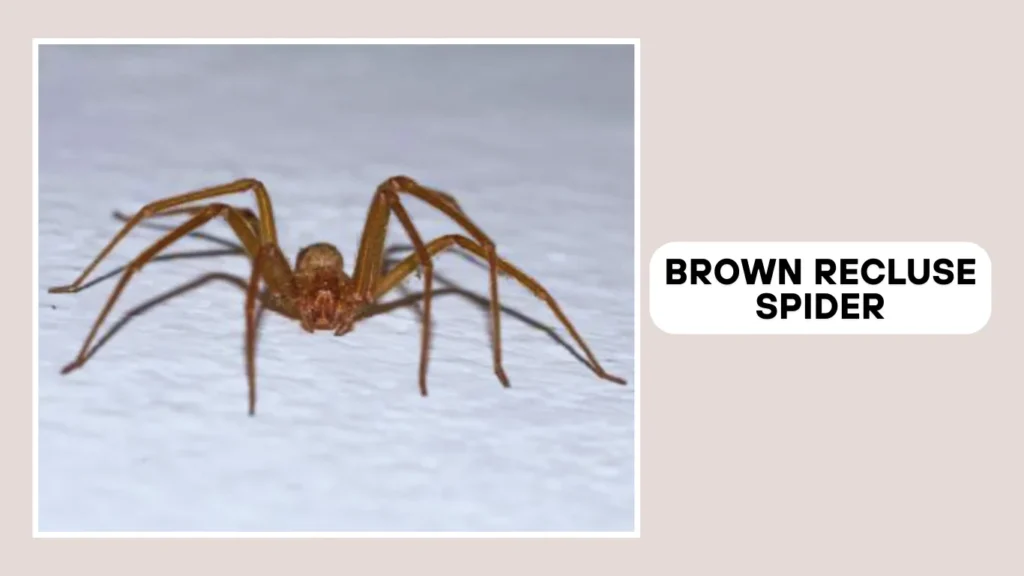
The Brown Recluse is one of the more infamous American house spiders, known for its venomous bite. While not aggressive, it can bite when pressed against the skin. It prefers quiet, hidden indoor areas and is mostly found in the central and southern United States.
Identification
- Light to dark brown color
- Violin-shaped mark on its back (near the head)
- Six eyes arranged in pairs (unlike most spiders with eight eyes)
- Legs are long and slender
- Size: 6–20 mm
Habitat
Brown Recluses hide in undisturbed places like closets, boxes, attics, behind furniture, or under sinks. Outdoors, they live under rocks or woodpiles.
Behavior
These spiders are shy and avoid humans. They are nocturnal and hunt for food at night. During the day, they remain hidden.
Diet
They feed on soft-bodied insects and other small arthropods. They help keep indoor pests in check but should be handled with caution due to their venom.
7. Black Widow Spider
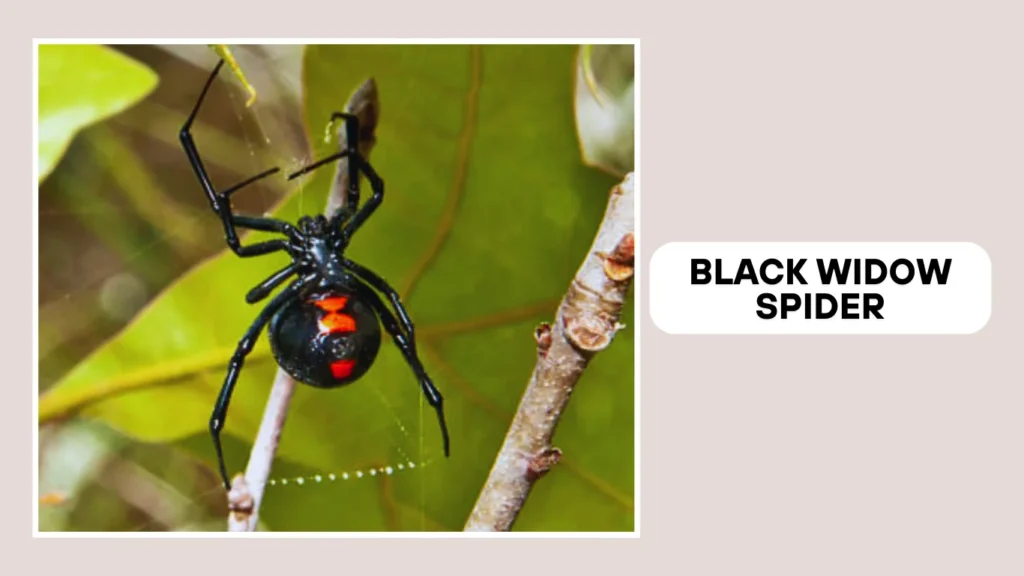
The Black Widow is a well-known American spider due to its shiny black body and red hourglass marking. It has a potent venom but is not aggressive unless threatened. It’s more common in the southern and western parts of the U.S., including outdoor and indoor sheltered areas.
Identification
- Glossy black body
- Red hourglass marking on the underside of the abdomen
- Round abdomen and long legs
- Size: 8–15 mm (females larger than males)
- Web is irregular and sticky
Habitat
Black Widows are found in garages, basements, sheds, woodpiles, and crawl spaces. They prefer dark, undisturbed areas close to the ground.
Behavior
They are solitary and tend to stay in or near their webs. They bite only in self-defense when their web is disturbed.
Diet
Their diet includes flies, mosquitoes, beetles, and caterpillars. They immobilize prey with venom and wrap it in silk before eating.
Summary:
American homes often shelter a range of spiders, from harmless hunters like the Jumping Spider to more cautious ones like the Brown Recluse. Understanding their appearance, preferred hiding spots, and behaviors helps reduce fear and encourages coexistence. Most of these spiders help control indoor pests and rarely pose a danger. Knowing how to identify them can make your home feel safer and better protected against unwanted insect guests.