
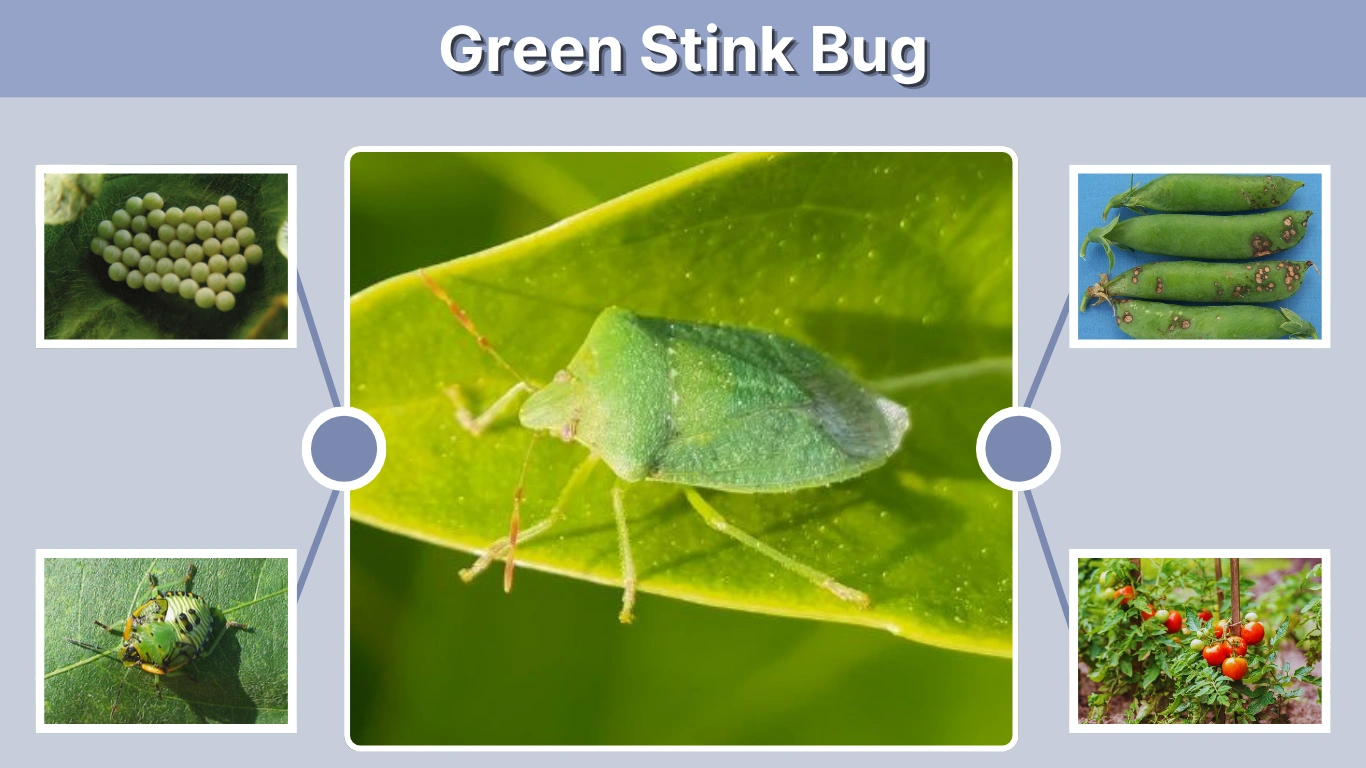
The green stink bug (Chinavia hilaris) is one of the most common and easily recognized insects in North America. Known for its bright color and strong odor, this shield-shaped bug is both fascinating and frustrating to gardeners and farmers. Although it poses no threat to humans, the green stink bug is a serious pest for many crops and ornamental plants. Understanding its characteristics, habitat, and control methods is essential for effective management.
What Is a Green Stink Bug?
The green stink bug, sometimes called the southern green stink bug, belongs to the family Pentatomidae, a group of true bugs known for their foul-smelling defensive secretion. When disturbed, these insects release a pungent odor to deter predators — a unique feature that gives them their name.
While they are most commonly seen in the summer, green stink bugs can survive year-round in warmer regions such as Florida, Texas, and southern California. Their bright green color helps them blend into foliage, making them hard to spot until damage becomes visible on plants.
Scientific Classification and Common Names
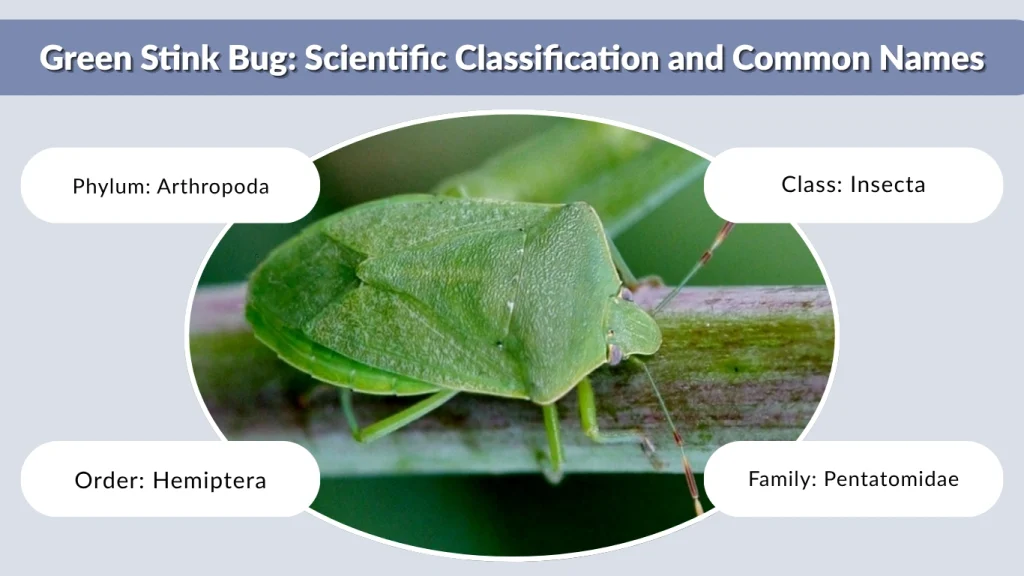
The green stink bug’s scientific name is Chinavia hilaris, though it’s sometimes confused with the southern green stink bug (Nezara viridula), a related but slightly different species found in similar climates.
Scientific classification:
- Kingdom: Animalia
- Phylum: Arthropoda
- Class: Insecta
- Order: Hemiptera
- Family: Pentatomidae
- Genus: Chinavia
- Species: C. hilaris
Other common names include green vegetable bug, green shield stink bug, and lime green stink bug — all referring to its vibrant color and distinctive odor.
Appearance and Identification

The green stink bug has a distinct shield-shaped body that makes it easy to recognize among garden insects.
Key identification features include:
- Color: Bright green with yellow or orange edges along the abdomen.
- Shape: Broad, shield-like body measuring 12–17 millimeters long.
- Wings: Semi-transparent wings that fold neatly over the back.
- Antennae: Five segments, often tipped with reddish or brown hues.
- Odor: Emits a sharp, herbal scent when threatened.
You might also see color variations — from lime to darker green — depending on the bug’s age and environment. Some even develop brownish tones in cooler months.
The green stink bug is often mistaken for the green shield bug or brown marmorated stink bug, but it can be identified by its smoother green color and slightly rounded edges.
Green Stink Bug vs. Brown Stink Bug
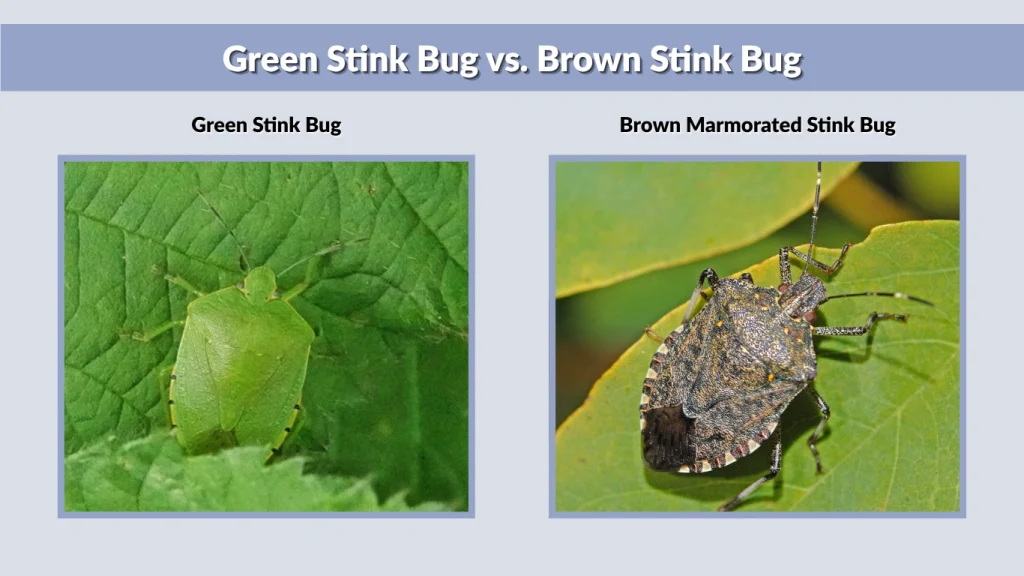
The brown and green stink bugs belong to the same family but differ in color, range, and behavior. Brown stink bugs, especially the brown marmorated stink bug, are invasive species from Asia, while green stink bugs are native to the Americas.
| Feature | Green Stink Bug | Brown Marmorated Stink Bug |
| Color | Bright or lime green | Mottled brown or gray |
| Native Region | North America | East Asia (invasive) |
| Habitat | Gardens, farms, forests | Urban and agricultural areas |
| Behavior | Feeds on crops year-round in warm areas | Seeks homes in fall for warmth |
| Odor Strength | Mild, herbal scent | Strong, musty odor |
Understanding the difference is important since green stink bugs are more destructive to crops, while brown stink bugs are more of a nuisance indoors.
Life Cycle of the Green Stink Bug

Like all stink bugs, the green stink bug undergoes simple metamorphosis, consisting of egg, nymph, and adult stages.
- Eggs: Females lay clusters of 20–80 barrel-shaped eggs on the undersides of leaves. The eggs are light green when first laid and turn pinkish before hatching.
- Nymphs: Newly hatched nymphs are small, round, and colorful — often black with orange or red patches. As they mature, they transition through five stages (instars), gradually turning bright green.
- Adults: By late summer, fully developed adults emerge, ready to reproduce and feed. They survive through fall, overwintering in leaf litter or bark crevices before restarting the cycle in spring.
In warm states like Florida, Georgia, and Texas, green stink bugs can produce two to three generations per year, which increases their population quickly.
Habitat and Distribution

The green stink bug is widespread across North America, thriving in both rural and suburban environments. It prefers warm, humid regions but can adapt to cooler climates by overwintering as an adult.
Common habitats include:
- Crop fields: Soybeans, cotton, corn, and rice.
- Orchards: Citrus, peaches, and pecans.
- Home gardens: Tomatoes, okra, beans, and peppers.
- Forests and grasslands: Natural vegetation offers shelter and feeding sites.
They are especially abundant in southern states like Florida, Alabama, and Louisiana, where mild winters allow them to stay active nearly year-round.
Diet and Feeding Habits

Green stink bugs are sap-feeding insects. Using their piercing mouthparts, they suck juices from stems, fruits, and seeds. This feeding style weakens plants and can cause visible damage:
- Discolored spots on fruit and pods.
- Shriveled seeds or misshapen pods.
- Reduced yield in crops like soybeans and tomatoes.
Their feeding also introduces pathogens that lead to rot and deformities, making them a major agricultural pest. They prefer soft, young plants but will also attack mature fruits when populations are high.
Green Stink Bug Nymphs and Eggs
The early life stages of the green stink bug are fascinating yet destructive.
Eggs: Females attach eggs in clusters on the undersides of leaves to protect them from sunlight and predators. Each egg is about 1 mm in diameter and shaped like a tiny barrel.
Nymphs: When they hatch, the young are brightly colored — black with red or orange markings — and move in groups. As they grow, their color changes to light green, and their shield shape becomes more defined.
Behavior: Nymphs are less mobile than adults but feed heavily on plant juices. They release a milder odor when disturbed and are often seen clustering on stems or fruit.
By late summer, large numbers of green stink bug nymphs can cover garden plants, causing significant damage before maturing into adults.
Are Green Stink Bugs Harmful or Poisonous?

Despite their unpleasant smell and bright color, green stink bugs are not poisonous or harmful to humans and pets. They do not bite or sting. Their mouthparts are designed to pierce plants, not skin, so they pose no direct physical danger.
However, they are highly destructive to plants. Their feeding causes wilting, yellow spots, shriveled seeds, and reduced fruit quality. In commercial farming, heavy infestations can lead to major yield losses, especially in soybeans, cotton, and citrus crops. While they don’t transmit diseases to humans, they can spread plant pathogens that weaken vegetation over time.
Behavior and Flying Ability
The green stink bug is an active flier and can travel long distances in search of food or mates. They are strong fliers, often seen buzzing around lights at dusk. Adults are most active during warm, sunny days and prefer to rest under leaves or debris when temperatures drop.
During winter, they overwinter as adults, hiding under bark, leaves, or inside barns, sheds, and occasionally homes. As spring approaches, they reemerge, mate, and lay eggs, beginning the cycle again. Their adaptability allows them to survive both in agricultural lands and urban environments.
The Green Stink Bug’s Smell: Why It Stinks

The trademark odor of a stink bug is a chemical defense mechanism. When threatened or crushed, the bug releases a compound from glands on its thorax. The smell is often described as herbal, grassy, or similar to cilantro, though some find it closer to burnt almonds.
This odor repels predators like birds and lizards and also warns nearby stink bugs of danger. While the smell is harmless to people, it can linger on skin or clothing if the bug is handled roughly.
Predators and Natural Enemies

Though green stink bugs can be difficult to manage, nature provides several natural predators that help keep their numbers balanced.
Common predators include:
- Birds such as sparrows, swallows, and mockingbirds.
- Parasitic wasps (especially Trissolcus basalis) that lay eggs inside stink bug eggs.
- Spiders and assassin bugs that prey on nymphs and adults.
- Frogs and lizards in southern areas that feed on adult bugs.
- Predatory beetles that attack egg clusters.
Encouraging these beneficial creatures in gardens helps control stink bugs without relying on chemicals.
Green Stink Bug Control and Management
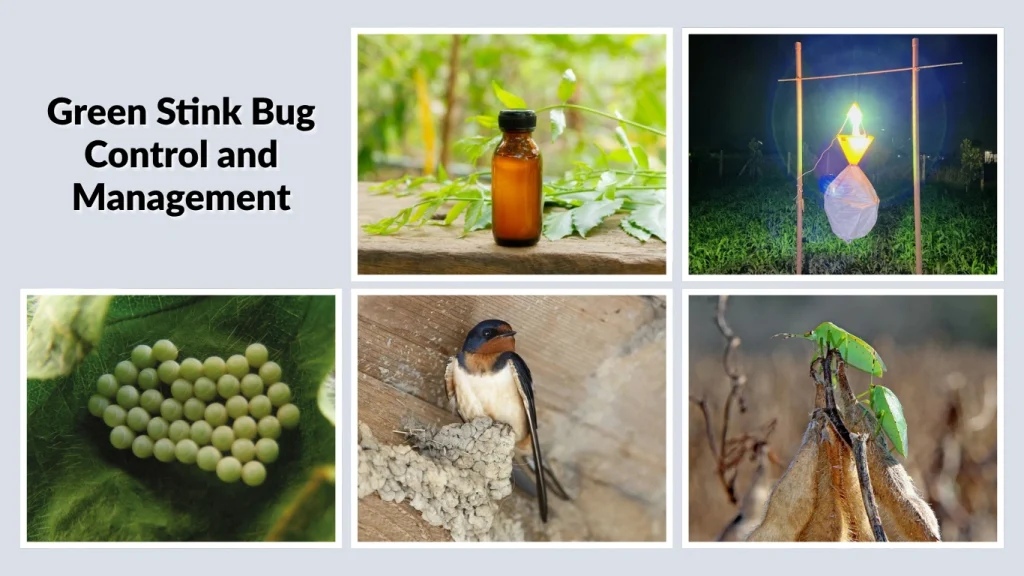
Managing green stink bug populations requires integrated pest management (IPM) — combining natural methods with targeted treatments.
1. Manual Removal
Inspect plants regularly and remove egg clusters from the underside of leaves. Use gloves to pick off adults or gently shake them into soapy water to kill them safely.
2. Natural Sprays
Apply neem oil or insecticidal soap, which disrupt feeding without harming beneficial insects. These organic options are safe for gardens and edible crops.
3. Traps and Barriers
Light traps and pheromone traps attract adult stink bugs, reducing breeding populations. Floating row covers can also prevent them from landing on plants.
4. Encourage Natural Predators
Avoid broad-spectrum pesticides that kill beneficial species. Instead, plant flowers and shrubs that attract wasps, spiders, and beetles.
5. Crop Rotation
In agricultural settings, rotating crops each season prevents stink bugs from settling in one area year after year.
Damage to Plants and Crops
The green stink bug’s feeding habits cause extensive agricultural damage. Their piercing mouthparts extract plant sap, leaving behind small puncture wounds that lead to:
- Yellow or brown spots on leaves.
- Distorted fruits and pods in tomatoes, beans, and okra.
- Shriveled seeds in soybean fields.
- Premature fruit drop in citrus and peach orchards.
These damages reduce both yield and market quality, costing farmers millions annually. Even small garden infestations can ruin vegetable harvests if left unchecked.
Are Green Stink Bugs Beneficial?
Although mainly pests, green stink bugs do have minor ecological benefits. Occasionally, they feed on decaying plant matter or weaker insects, helping recycle organic material. However, these benefits are far outweighed by their destructive impact on living crops.
In a balanced ecosystem, their populations remain under control through natural predators. Problems arise when conditions — such as long warm seasons — allow unchecked breeding.
Geographic Highlights
Green Stink Bug in Florida
Florida’s subtropical climate allows the green stink bug to thrive year-round. They are notorious pests in citrus groves and vegetable farms, especially during humid summer months.
Green Stink Bug in California
In California, they are found in orchards, vineyards, and backyard gardens. Populations peak in late summer when fruit crops ripen. Farmers often rely on pheromone monitoring for early detection.
Green Stink Bug in the Southern U.S.
In the southern states, especially Texas, Alabama, and Georgia, the southern green stink bug (Nezara viridula) dominates. It’s invasive and even more destructive, attacking cotton, soybeans, and peanuts.
Difference Between Green Stink Bug and Green Shield Bug
The green shield bug is often mistaken for the green stink bug, but they are separate species.
| Feature | Green Stink Bug | Green Shield Bug |
| Region | Americas, Asia | Europe, UK |
| Size | 12–17 mm | 10–14 mm |
| Color | Bright, smooth green | Duller green with black edging |
| Behavior | Agricultural pest | Mild garden insect |
| Odor | Strong, defensive scent | Fainter odor |
The shield bug is more common in Europe, while the green stink bug dominates the Americas.
Symbolism and Meaning of Green Stink Bugs
In some cultures, the green stink bug symbolizes adaptability and persistence — traits derived from its ability to survive across seasons and climates. Its bright green color is often associated with renewal and nature’s resilience. While not widely celebrated, it occasionally appears in folklore as a sign of balance between good and bad forces in the natural world.
FAQs
Do green stink bugs bite humans?
No. Their mouthparts are built to pierce plants, not skin, so they cannot bite humans or animals.
Are green stink bugs harmful to plants?
Yes. They suck sap from fruits and stems, causing wilting and crop loss in gardens and farms.
Can green stink bugs fly?
Yes. Adults are strong fliers, often drawn to bright lights during warm evenings.
What do green stink bugs eat?
They feed on over 50 plant species, including soybeans, tomatoes, peaches, corn, and citrus fruits.
How can I get rid of green stink bugs naturally?
Use neem oil, remove egg clusters, and attract natural predators like birds, wasps, and spiders for effective long-term control.
