
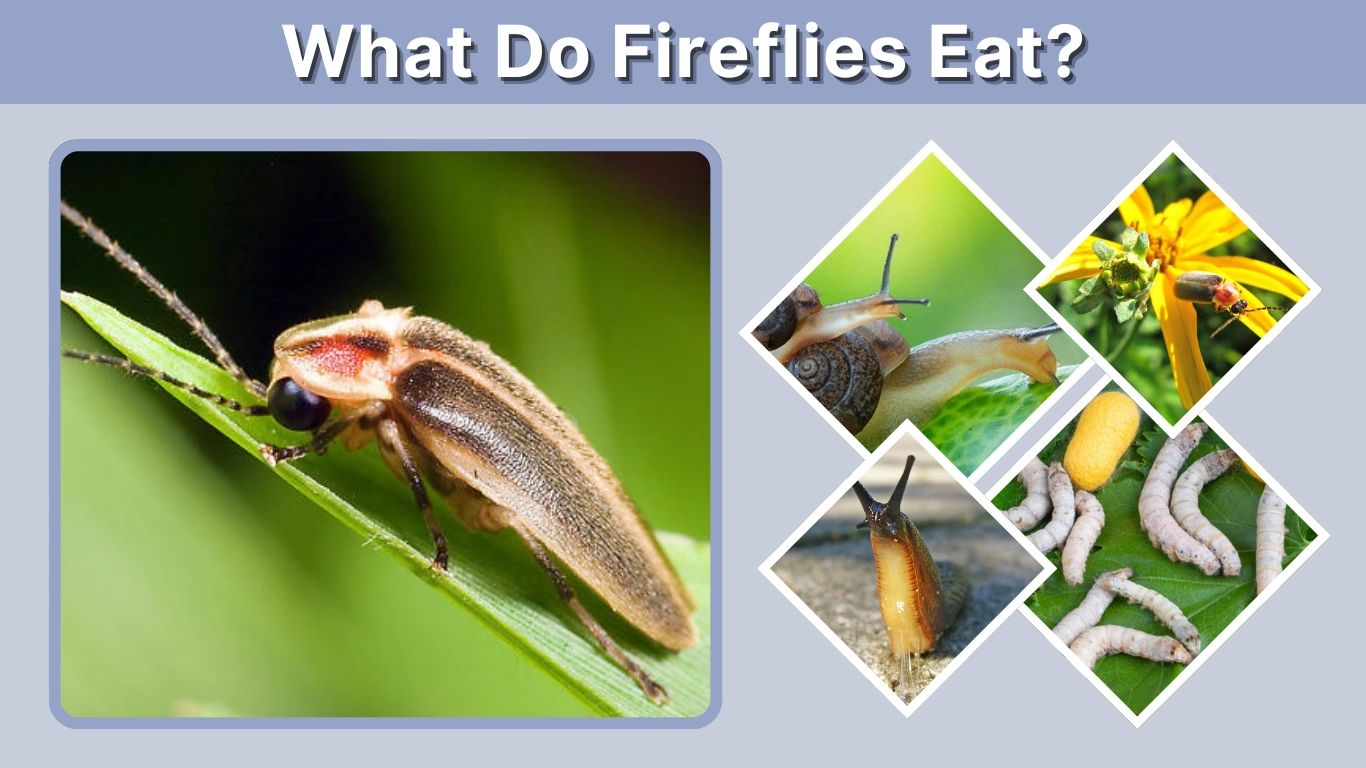
People often wonder what fireflies eat, especially when they see glowing lights on warm summer nights and assume these insects feed on something magical. Searches like “what do fireflies eat,” “what do baby fireflies eat,” and “what do fireflies eat in captivity” reveal how much confusion exists about their diets. The truth is that fireflies eat very differently depending on their stage of life, species, and habitat. This guide explains everything—from larvae to adults, backyard species to tropical varieties—so you finally understand what keeps these glowing insects alive.
What Do Fireflies Eat? Quick Overview

Do All Fireflies Eat the Same Foods?
Fireflies are a diverse group of beetles with more than 2,000 species worldwide, and not all of them eat the same foods. Some fireflies are strict predators, some consume plant-based fluids, and others don’t eat at all as adults. Their diets depend heavily on habitat, local prey availability, and whether the species is predatory or nectar-feeding. Understanding these differences is key, because fireflies evolve to fit the ecological niches around them.
Main Food Groups Fireflies Rely On
Although diets vary, most fireflies fall into a few dietary categories:
- Soft-bodied invertebrates
- Snails and slugs
- Worms and larvae
- Plant juices, nectar, or pollen
- Other fireflies (only specific predatory species)
Larvae tend to be fierce predators, while adults may feed lightly or not at all.
What Do Firefly Larvae Eat? (Most Important Stage)
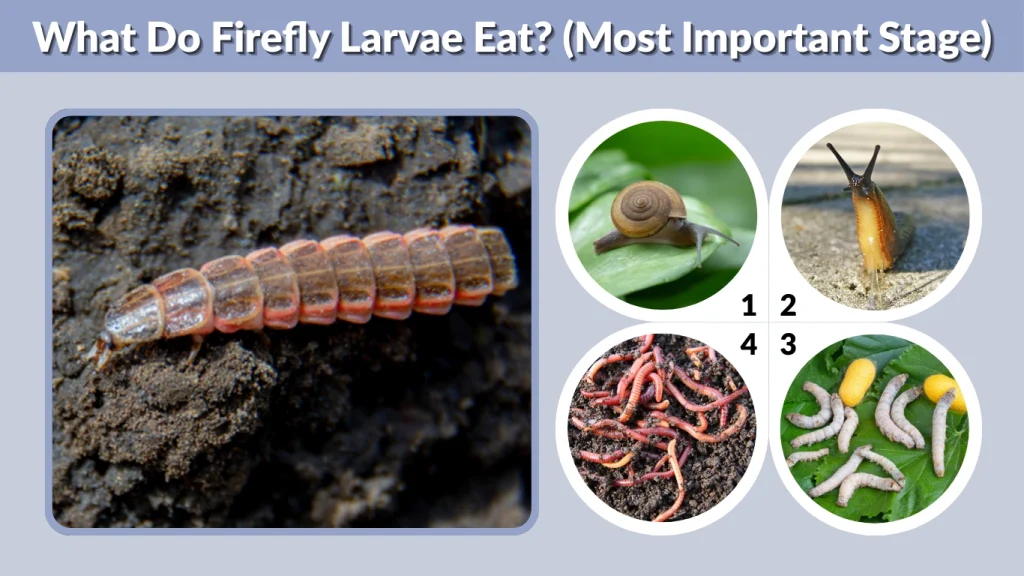
Firefly larvae are the true eaters in the firefly life cycle. During this stage—when they live underground or in leaf litter—they consume enough nutrients to sustain themselves throughout adulthood. Larvae require high-protein diets because they are developing organs, storing energy, and preparing for pupation.
Predatory Nature of Larvae
Larval fireflies are carnivorous and aggressive hunters. Their favorite foods include:
- Snails
- Slugs
- Earthworms
- Soft insect larvae
- Small caterpillars
They use specialized hollow mandibles to inject digestive enzymes into their prey, liquefying the tissues and sucking them out—similar to how some spiders eat.
How Larvae Hunt
Firefly larvae are nocturnal predators. They hide in moist soil and leaf litter, waiting motionless until prey comes close. When a slug or snail appears, larvae immobilize it with their digestive secretions. Because larvae are slow movers, ambush tactics are essential to survival. Moist environments allow them to glide over surfaces and track prey more easily.
What Baby Fireflies Eat (0–7 Days)

Newly hatched larvae immediately begin hunting tiny prey. Their small size restricts them to:
- Micro-snails
- Micro-slugs
- Tiny soil organisms
- Microscopic insect larvae
Because hatchlings are delicate, they rely on moisture-rich environments that support small, soft-bodied prey. Without access to these micro-habitats, young larvae die quickly.
What Do Adult Fireflies Eat?

Adult fireflies have drastically different eating habits than larvae. Many people don’t realize that some adult fireflies don’t eat anything at all. They rely on fat reserves built during the larval stage.
Do Adults Eat at All?
Different species behave differently:
- Some adults eat nothing and live only a few weeks.
- Some drink nectar, pollen, or plant sap.
- Some sip water droplets for hydration.
- Predatory species eat other fireflies.
Because adults focus mainly on mating and producing eggs, feeding is not as essential during this stage. Their metabolism is slow, and they conserve energy whenever possible.
Predatory Adult Females (Photuris Species)
The most famous firefly predators are females from the genus Photuris. These “femme fatales” mimic the mating flashes of males from other firefly species—especially Photinus males. When a male approaches to mate, the female attacks and eats him.
She does this not only for food but also to steal the toxic chemicals (lucibufagins) from Photinus males, which protect her from predators.
What Fireflies Eat During the Day & Night
Most adults do not actively hunt during the day; they rest under leaves. At night:
- Predatory species hunt fireflies
- Nectar-feeders search for flowers
- Non-eating species focus solely on mating
Their glowing behavior is more about communication than feeding.
What Do Fireflies Eat in Specific Regions?

U.S. Regions (Michigan, Ohio, Illinois, Tennessee, Wisconsin, Virginia, Alabama)
Fireflies across the United States rely on prey found in moist soils:
- Snails
- Slugs
- Small worms
- Larval insects
- Decomposers living in leaf litter
Different climates affect prey availability. For example:
- Michigan & Wisconsin fireflies thrive in forest edges with abundant snails.
- Tennessee & Alabama fireflies have access to rich insect diversity, supporting both larvae and predatory adults.
Caribbean, Australian & Asian Fireflies
Fireflies in warmer regions often have broader diets due to higher biodiversity. Tropical larvae feed on a larger range of soft-bodied prey, while some adults supplement their diets with nectar because tropical flowers bloom year-round. In the Caribbean and parts of Australia, moisture-rich coastal habitats support especially large populations of snails and worms, ideal for larvae.
What Do Fireflies Eat in Their Habitat?

Forests, Meadows & Wetlands
Natural firefly habitats are filled with soft-bodied prey. Larvae commonly feed on snails, slugs, worms, and insect larvae. Wetlands provide moisture-rich soil where these prey species thrive. Leaf litter and decaying logs create ideal feeding grounds, offering both shelter and a buffet of tiny organisms.
Backyard Environments
In suburban gardens, firefly larvae often feed on garden pests such as:
- Small snails
- Slugs
- Insect larvae hiding in mulch
- Soil-dwelling worms
This makes fireflies beneficial insects for backyard ecosystems.
What Plants Do Fireflies Eat?
Fireflies do not eat leaves or plant matter like caterpillars do. However, some adult species drink:
- Nectar
- Plant sap
- Fruit juices
- Honeydew from aphids
Their plant interaction involves sipping fluids, not consuming foliage.
Insects Fireflies Commonly Eat
Predatory species (especially Photuris) may consume:
- Firefly males from other species
- Small beetles
- Ant larvae
- Soft-bodied worms
- Flies or gnats (rarely)
Larvae remain the more active insect predators compared to adults.
What Do Fireflies Eat in Captivity?

Larvae in Captivity
Firefly larvae can survive in captivity when provided the right diet:
- Fresh micro-snails or tiny slugs
- Small worms
- Moist soil habitat
- Leaf litter
They must have humidity, darkness, and access to hiding spots.
Adult Fireflies in Captivity
Adults are more fragile because some species don’t eat at all. Species that do feed may accept:
- Diluted sugar water
- Nectar substitutes
- Fruit mash (banana, peach, or melon)
- Flower nectar
Still, captivity is rarely recommended; adults usually live only 2–4 weeks.
What Fireflies Drink
Fireflies generally drink:
- Water droplets
- Nectar
- Plant sap
- Moisture from prey (larvae)
Because they dehydrate easily, access to humidity is essential for survival.
What Do Fireflies Eat in the House?

Indoors Diet Patterns
Fireflies cannot eat or survive normally indoors. Snails and slugs aren’t inside homes, and they cannot feed on human food. Adult fireflies trapped indoors typically die within days because they cannot find moisture, prey, or suitable habitat.
Why Fireflies Come Indoors
Most accidentally enter homes because:
- They follow artificial lights
- Doors or windows are open
- They mistake indoor light for mating flashes
They are harmless indoors but require release back outside.
Species-Specific Diets
Common Eastern Fireflies (Photinus pyralis)
- Larvae eat worms, slugs, and soil organisms
- Adults mostly drink nectar or nothing at all
Big Dipper Fireflies
- Heavy slug- and snail-based larval diets
- Adults rarely feed
Blue Ghost Fireflies
- Larvae consume soft-bodied insects
- Adults feed minimally, if at all
Black Fireflies
- Moist-soil predators
- Larvae feed on worms and insect larvae
Firefly Squid (Not a Firefly)
Included due to high search volume.
Firefly squid eat:
- Small fish
- Plankton
- Crustaceans
- Shrimp-like organisms
They glow using photophores, not bioluminescent reactions like terrestrial fireflies.
Safety Information for Pets & Humans
What If a Cat or Dog Eats a Firefly?
Fireflies contain lucibufagins, toxic chemicals that can cause vomiting, drooling, or even seizures in pets. Although many pets recover, immediate veterinary attention is recommended if symptoms appear.
Bearded Dragons & Fireflies
Fireflies are deadly to bearded dragons. Even one firefly can cause fatal toxicity. Owners should ensure reptiles cannot access glowing insects.
Can Humans Eat Fireflies?
No. Fireflies are toxic due to their chemical defenses. Humans should never consume them.
Fun Extras & Trivia
What Candy Do They Eat in “Grave of the Fireflies”?
The children in the film eat Sakuma Drops, a popular Japanese hard candy. The candy symbolizes hope and fragility, not something fireflies themselves eat.
Firefly Jokes (Family Friendly)
Why did the firefly get bad grades?
Because he wasn’t very bright in class!
FAQs
Do fireflies eat at all as adults?
Some adults do, some don’t. Many species rely on the fat reserves they built as larvae and never need to eat. Others drink nectar, sap, or small droplets of fruit juice. Only predatory species—mainly Photuris females—actively hunt other fireflies.
What do baby fireflies eat?
Baby fireflies (newly hatched larvae) eat tiny soft-bodied prey such as micro-snails, micro-slugs, small worms, and microscopic soil larvae. They depend on moist environments to access this prey and cannot survive without humidity and organic micro-habitats.
Do fireflies eat plants or leaves?
No. Fireflies do not chew or consume leaves. Some adults may sip nectar or plant sap, but they do not eat solid plant matter. Larvae are exclusively carnivorous and focus on small soil animals like worms and snails.
What do fireflies drink in nature or captivity?
Fireflies drink water droplets, nectar, plant sap, and moisture extracted from prey. In captivity, adults may accept diluted sugar water or fruit juice mixtures, while larvae absorb moisture from their prey and habitat.
Can pets get sick from eating fireflies?
Yes. Fireflies contain toxic compounds (lucibufagins) that can harm pets—especially reptiles like bearded dragons. Dogs and cats may experience vomiting, drooling, or lethargy. Any severe reaction requires immediate veterinary care.
