
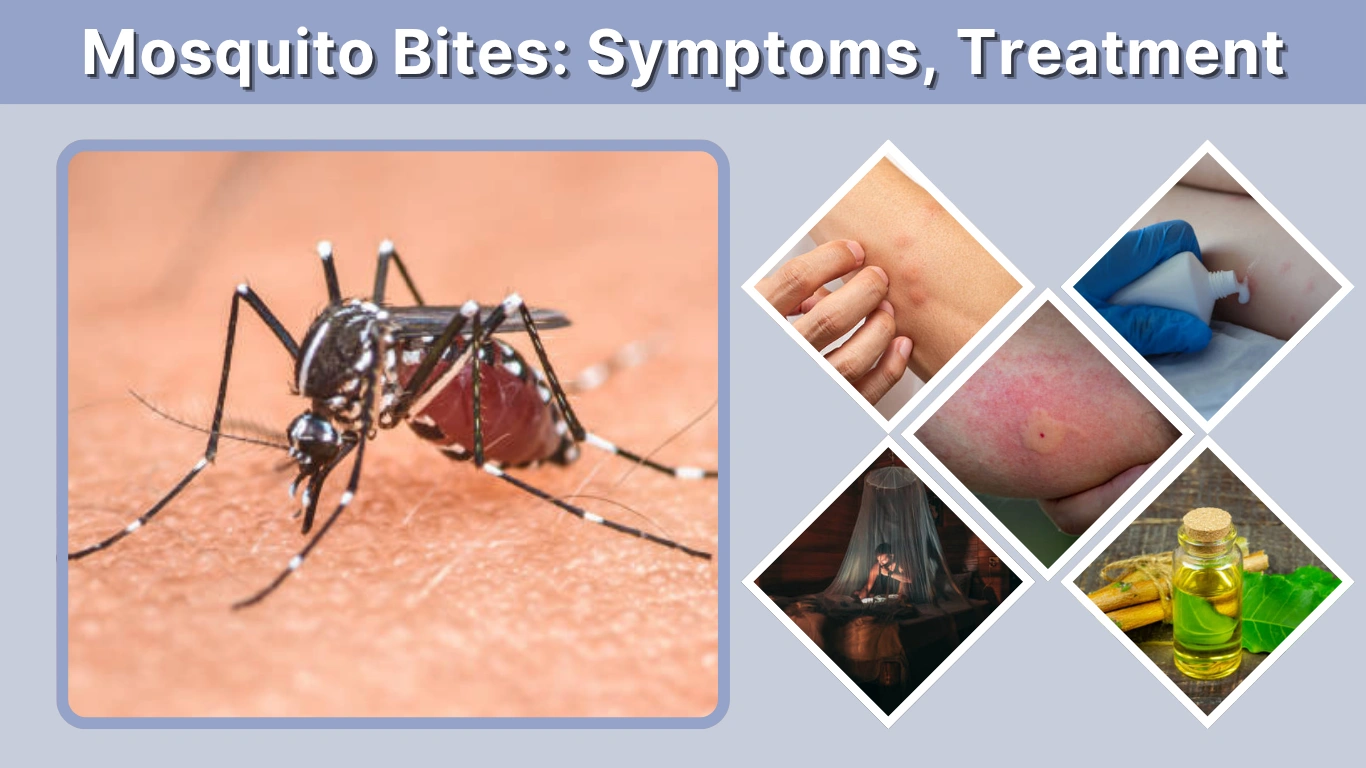
Mosquito bites are a common problem, especially in warm and humid regions. Almost everyone experiences them at some point, often resulting in itchy, red bumps on the skin. While most mosquito bites are harmless and only cause mild irritation, they can sometimes lead to more serious health concerns, including allergic reactions and the transmission of diseases such as dengue and malaria.
Understanding mosquito bites is important for managing discomfort and preventing complications. By learning why mosquitoes bite, how the body reacts, and what symptoms to watch for, individuals can take better care of their skin and overall health. This article explores mosquito bites in detail, including their causes, symptoms, and early treatment options.
What Are Mosquito Bites?
Mosquito bites occur when a female mosquito pierces the skin using its specialized mouthpart, known as a proboscis, to feed on blood. Blood provides essential nutrients that help female mosquitoes produce eggs. Male mosquitoes, on the other hand, do not bite and feed only on plant nectar.
During the biting process, the mosquito injects a small amount of saliva into the skin. This saliva contains proteins that prevent blood from clotting, allowing the mosquito to feed easily. However, it is this saliva that triggers the body’s immune response, leading to itching and swelling.
Mosquito bites can happen almost anywhere on exposed skin and are more common during outdoor activities, especially in the early morning and evening when mosquitoes are most active.
Why Do Mosquito Bites Itch?
The itching sensation from mosquito bites is caused by the body’s natural immune response. When a mosquito injects saliva into the skin, the immune system recognizes it as a foreign substance and reacts to it.
This reaction leads to the release of histamine, a chemical that helps the body fight off potential threats. Histamine increases blood flow to the affected area and causes the characteristic redness, swelling, and itching.
The intensity of itching can vary from person to person. Some individuals may experience only mild irritation, while others may develop larger, more uncomfortable bumps. In some cases, repeated exposure to mosquito bites can either increase sensitivity or reduce the reaction over time.
Mosquito Bite Symptoms
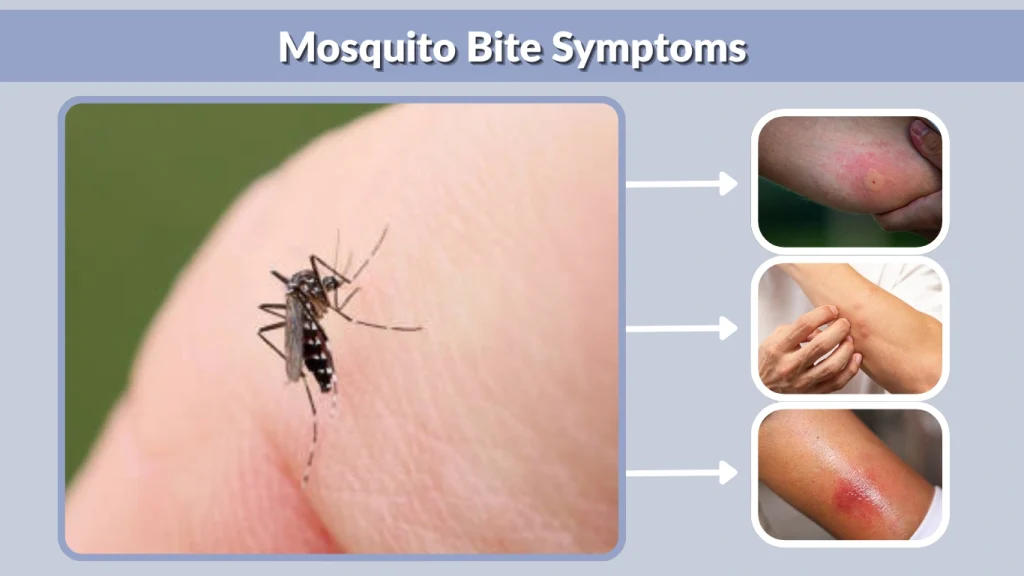
Mosquito bites usually appear as small, raised bumps on the skin and are often accompanied by itching. The severity of symptoms can vary depending on the individual’s sensitivity and the type of mosquito.
Common Symptoms
- Red, swollen bumps on the skin
- Itching or irritation around the bite area
- Mild pain or discomfort
- Small hard lumps that may develop shortly after the bite
These symptoms typically appear within a few minutes of being bitten and may last for a few hours to a few days.
Severe Symptoms
In some cases, mosquito bites can cause more serious reactions, especially in children or people with sensitive skin.
- Large areas of swelling
- Blisters or skin inflammation
- Intense itching
- Allergic reactions (rare but possible)
If symptoms worsen or unusual reactions occur, it is important to monitor the condition closely.
How Long Do Mosquito Bites Last?
The duration of mosquito bites depends on how the body reacts to the mosquito’s saliva. In most cases, mosquito bites are temporary and heal on their own without treatment.
For most people, the itching and swelling last between one to three days. The redness usually fades gradually as the body recovers. However, in individuals with more sensitive skin, the symptoms may persist for up to five to seven days.
Scratching the bite can make it worse and delay healing. It may also increase the risk of infection, especially if the skin breaks. Keeping the affected area clean and avoiding irritation can help speed up recovery.
Mosquito Bite Treatment
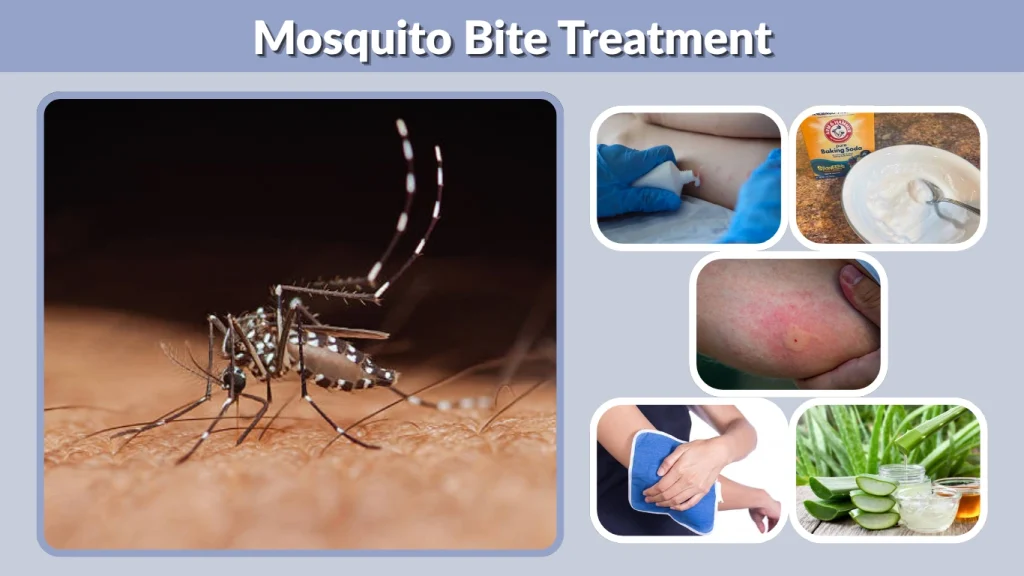
Treating mosquito bites focuses on reducing itching, swelling, and discomfort. Most treatments are simple and can be done at home using either medical products or natural remedies.
Medical Treatments
Over-the-counter medications are often effective in relieving symptoms.
- Antihistamine creams help reduce itching by blocking histamine reactions
- Hydrocortisone cream reduces inflammation and swelling
- Calamine lotion soothes the skin and provides a cooling effect
These treatments are widely available and can provide quick relief when applied to the affected area.
Home Remedies
Several natural remedies can also help ease discomfort from mosquito bites.
- Applying an ice pack can reduce swelling and numb the itching
- Aloe vera has soothing and anti-inflammatory properties
- A paste made from baking soda and water can help calm the skin
- Honey may reduce irritation due to its natural antibacterial properties
While home remedies are generally safe, they may need to be applied more frequently than medical treatments.
When to See a Doctor
Most mosquito bites are harmless and heal on their own. However, in some cases, medical attention may be necessary, especially if symptoms become severe or unusual.
Seek Medical Help If:
- You experience severe swelling or pain around the bite
- There are signs of infection such as pus, redness, or warmth
- You develop fever, headache, or body aches
- Symptoms of mosquito-borne diseases like dengue or malaria appear
- You notice signs of a serious allergic reaction, such as difficulty breathing
Early medical care can prevent complications and ensure proper treatment if a disease is involved.
How to Prevent Mosquito Bites
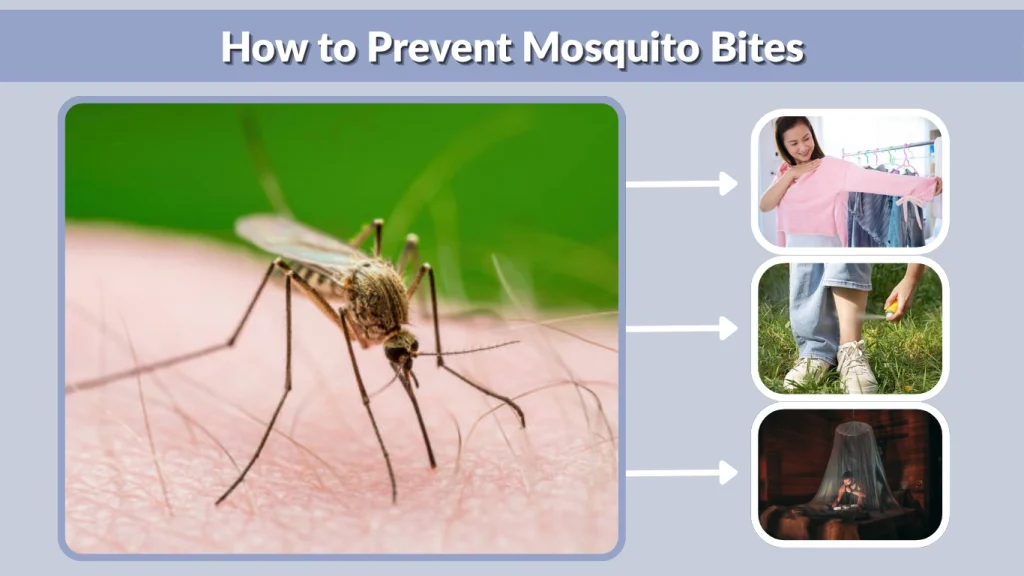
Preventing mosquito bites is the best way to avoid discomfort and reduce the risk of disease. Both personal protection and environmental control are important.
Personal Protection
- Apply mosquito repellents containing DEET or picaridin
- Wear long-sleeved clothing to cover exposed skin
- Use mosquito nets while sleeping
- Avoid outdoor activities during peak mosquito hours (dawn and dusk)
Environmental Control
- Remove standing water from containers, buckets, and tires
- Keep drains clean and unclogged
- Cover water storage tanks properly
- Use window screens and fans to keep mosquitoes out
Consistent preventive measures can significantly reduce mosquito exposure.
Best Products for Mosquito Bite Relief
Using the right products can provide quick and effective relief from itching and irritation.
Types of Products
- Anti-itch creams: Reduce irritation and swelling
- Roll-ons: Easy to apply and portable
- Cooling gels: Provide instant soothing effect
Choosing products with safe and effective ingredients ensures better skin protection and comfort.
Natural Ways to Prevent Mosquito Bites
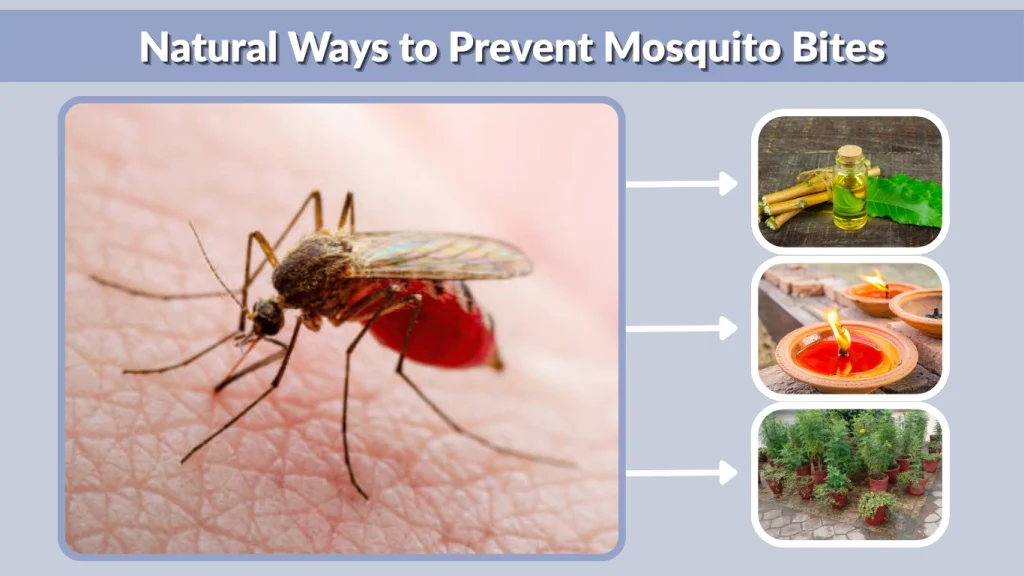
Natural methods are a good option for those who prefer chemical-free solutions.
Methods
- Use essential oils like citronella or neem
- Grow mosquito-repelling plants such as tulsi and lavender
- Use natural sprays made from plant extracts
- Keep your living area clean and well-ventilated
Although natural remedies are safer, they may need to be reapplied more often for effectiveness.
Quick Tips to Stop Itching Fast
- Apply a cold compress immediately
- Avoid scratching the bite
- Use anti-itch creams or aloe vera
- Keep the affected area clean and dry
FAQs
Why do mosquito bites itch so much?
Mosquito bites itch because the body reacts to the saliva injected during the bite. This triggers the release of histamine, causing redness, swelling, and itching.
How can I stop mosquito bites from itching quickly?
You can apply ice, aloe vera, or antihistamine creams to reduce itching quickly. Avoid scratching to prevent irritation and possible infection.
Are mosquito bites harmful?
Most mosquito bites are harmless, but some can transmit diseases like dengue or malaria. In rare cases, people may experience allergic reactions.
Why do mosquitoes bite some people more?
Mosquitoes are attracted to carbon dioxide, body heat, and certain skin chemicals. Some people naturally produce more of these attractants.
How long do mosquito bites take to heal?
Most mosquito bites heal within a few days, but in sensitive individuals, they may last up to a week before fully disappearing.
Conclusion
Mosquito bites are a common yet often irritating problem that affects people worldwide. While most bites are harmless, they can cause discomfort and, in some cases, lead to serious health risks due to disease transmission.
By understanding why mosquito bites occur, recognizing their symptoms, and applying effective treatments, it is possible to manage them easily. More importantly, taking preventive measures such as using repellents and eliminating breeding grounds can significantly reduce the chances of being bitten.
Staying aware and proactive is the key to protecting yourself and maintaining a healthy, mosquito-free environment.
