

Ground dwelling wasps are a common sight in yards, gardens, and open spaces. Many people notice small holes in the soil or wasps flying low to the ground but are unsure what they are. These wasps can range from harmless solitary species to aggressive colony-forming insects, making proper identification important.
If you’re dealing with ground dwelling wasps or trying to understand a ground-dwelling wasp nest, this guide will help you identify them, understand their behavior, and know when they may pose a risk.
What Are Ground Dwelling Wasps
Ground dwelling wasps are species that build their nests underground instead of in trees, walls, or roofs. These nests are often hidden beneath soil, making them harder to detect until activity becomes noticeable.
There are two main categories of ground-dwelling wasps. Social wasps, such as yellowjackets, live in large colonies and are often aggressive. Solitary wasps, like digger or sand wasps, live alone and are usually non-aggressive.
These wasps typically choose loose or sandy soil, where they can easily dig tunnels or use existing holes. This is why they are commonly found in lawns, gardens, and dry outdoor areas.
Types of Ground Dwelling Wasps
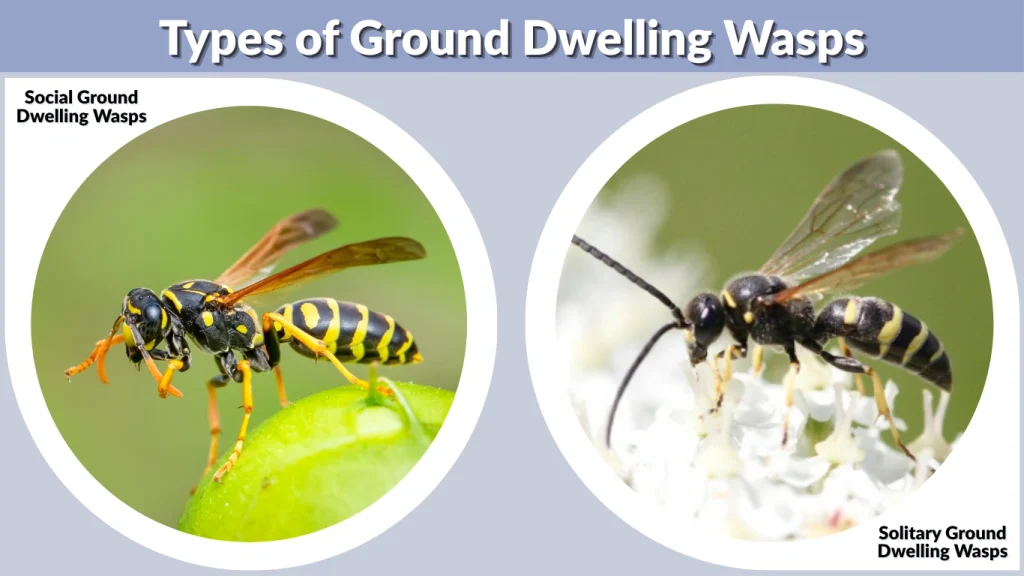
Social Ground Dwelling Wasps
Social species are the most concerning type of ground dwelling wasps. Yellowjackets are the most well-known example, often recognized as black and yellow ground dwelling wasps.
They build large underground colonies that may contain hundreds of wasps. These nests can have multiple entrances and show constant activity. Because they are highly protective of their nests, they can become aggressive if disturbed and may sting multiple times.
Solitary Ground Dwelling Wasps
Solitary wasps include species like digger wasps and sand wasps. These small ground dwelling wasps build individual nests rather than living in colonies.
You will usually find scattered holes instead of a single large nest. These wasps are not aggressive and rarely sting humans. In fact, they are beneficial because they help control pests in the environment.
Size-Based Categories
Ground dwelling wasps can also be identified by size. Small ground dwelling wasps are typically solitary and less dangerous. Large or giant ground dwelling wasps, such as cicada killers, are much bigger and may look intimidating.
Despite their size, these larger wasps are usually not aggressive and only sting when directly threatened.
Ground Dwelling Wasp Nest Identification
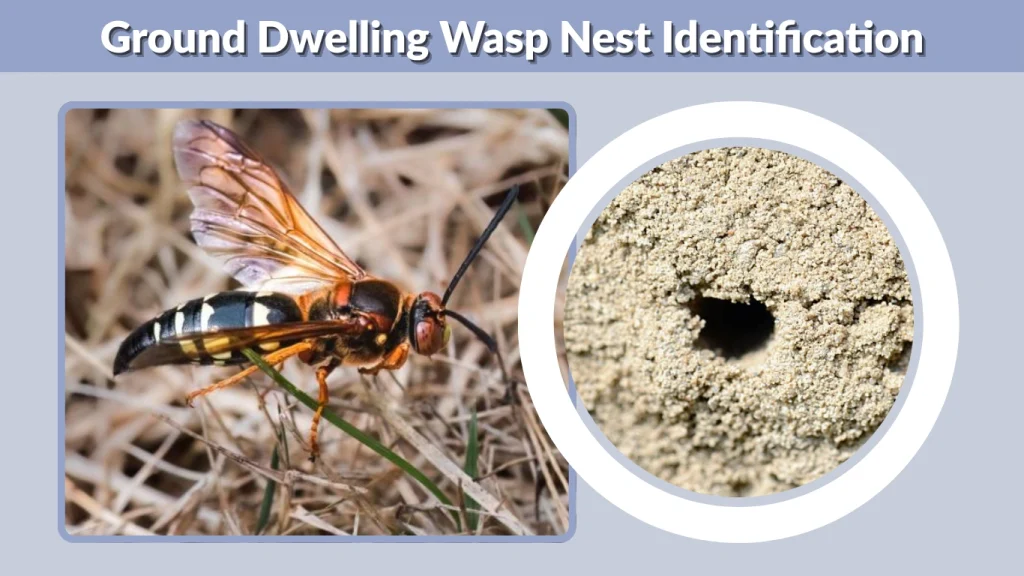
What Do Ground-Dwelling Wasp Nests Look Like
Ground-dwelling wasp nests are usually identified by small holes in the soil. These holes may be round and clean or surrounded by loose dirt.
Some nests have only one entrance, while others, especially those of social wasps, may have multiple openings. In many cases, the nest itself is hidden underground, leaving only the entrance visible.
Activity Signs Around Nests
Observing wasp behavior is one of the best ways to confirm a nest. Ground dwelling wasps tend to fly low and repeatedly enter and exit the same hole.
Activity is usually highest during warm daylight hours. If you notice heavy traffic around a single spot, it is likely a colony nest. Lighter, scattered activity usually indicates solitary wasps.
Ground Dwelling Wasps vs Bees
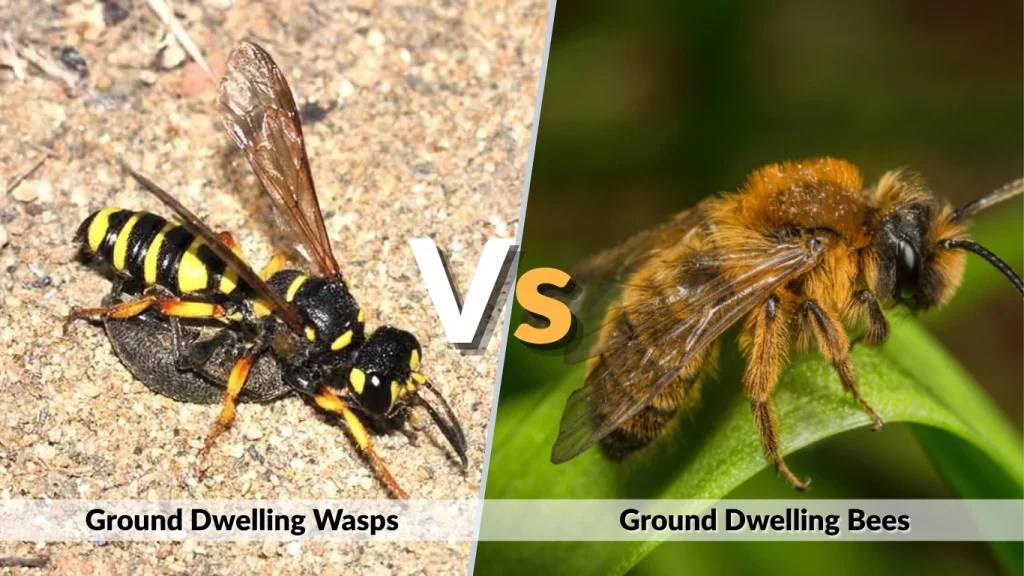
| Feature | Ground Dwelling Wasps | Ground Dwelling Bees |
| Body Shape | Slim, narrow waist, smooth body | Rounder, thicker body, often hairy |
| Color | Bright black and yellow or dark colors | Muted colors like brown, yellow, or golden |
| Behavior | More aggressive (especially social species) | Generally calm and less aggressive |
| Sting Ability | Can sting multiple times | Usually sting once (some rarely sting) |
| Nest Structure | Underground tunnels, sometimes multiple entrances | Small burrows, often single entrance |
| Activity Level | High activity, constant movement | Lower activity, less noticeable |
| Social vs Solitary | Both social and solitary species | Mostly solitary species |
| Risk to Humans | Higher risk (especially yellowjackets) | Low risk unless provoked |
| Benefit | Controls pests (insects, larvae) | Important pollinators for plants |
Where Ground Dwelling Wasps Are Found
Common Locations
Ground dwelling wasps prefer areas with loose, dry soil. They are commonly found in lawns, gardens, and sandy areas.
You may also find them in open fields or areas with minimal disturbance. Bare patches of soil are especially attractive because they make digging easier.
Seasonal Behavior
These wasps are most active during warmer months. Nests typically begin forming in spring and grow throughout the summer.
By late summer, activity reaches its peak, especially for social species like yellowjackets. During cooler seasons, most ground-dwelling wasps become inactive or die off.
Are Ground Dwelling Wasps Dangerous
The danger of ground dwelling wasps depends on the species. Social wasps, such as yellowjackets, can be aggressive and pose a higher risk of stings.
Solitary wasps, however, are generally harmless and rarely sting unless provoked. They play an important role in controlling pests, making them beneficial to the environment.
The main risk comes from accidental disturbance, such as stepping near a nest or mowing over it. Understanding the type of wasp helps determine whether action is necessary.
How to Get Rid of Ground Dwelling Wasps
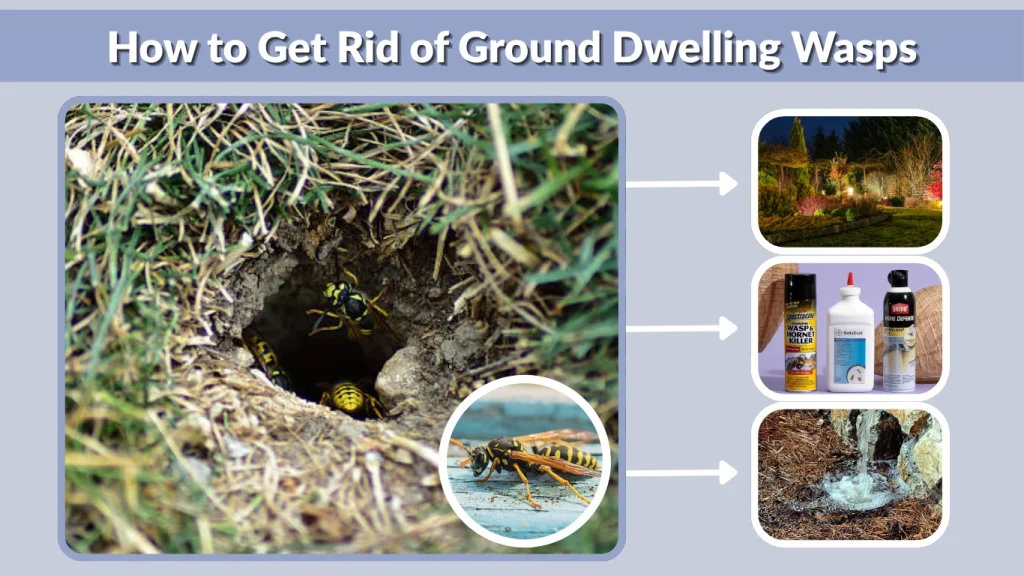
Getting rid of ground dwelling wasps depends on the type of species and the size of the nest. Some nests can be handled safely, while others require caution due to aggressive behavior. Choosing the right method is important to avoid stings and ensure effective removal.
DIY Removal Methods
For small or moderate nests, DIY methods can be effective. The best time to treat a ground-dwelling wasp nest is at night when most of the wasps are inside and less active.
Using a proper wasp insecticide can help eliminate the colony. Apply it directly into the nest entrance and then move away carefully. After confirming that activity has stopped, the hole can be sealed to prevent reuse.
Natural Ways to Get Rid of Ground Dwelling Wasps
If you prefer natural solutions, there are several options. Pouring water into the nest can disrupt small nests and discourage wasps from returning.
Sprays made from vinegar or essential oils can also act as repellents. These methods are best for small, non-aggressive ground dwelling wasps and may require repeated application.
How to Kill Ground Dwelling Wasps Safely
If elimination is necessary, safety should always come first. Wear protective clothing and avoid getting too close to the nest.
Never attempt to treat a nest during the day when wasps are most active. Using approved insecticides and following instructions carefully is the safest approach.
Step-by-Step Ground Wasp Removal Process
Proper Removal Steps
- Locate the nest by observing wasp activity
- Identify whether the species is aggressive or not
- Choose the right treatment method
- Apply treatment at night
- Wait and monitor activity the next day
- Seal the nest entrance once inactive
Following these steps reduces the risk of stings and increases the chances of successful removal.
When to Call Pest Control
Situations That Need Professional Help
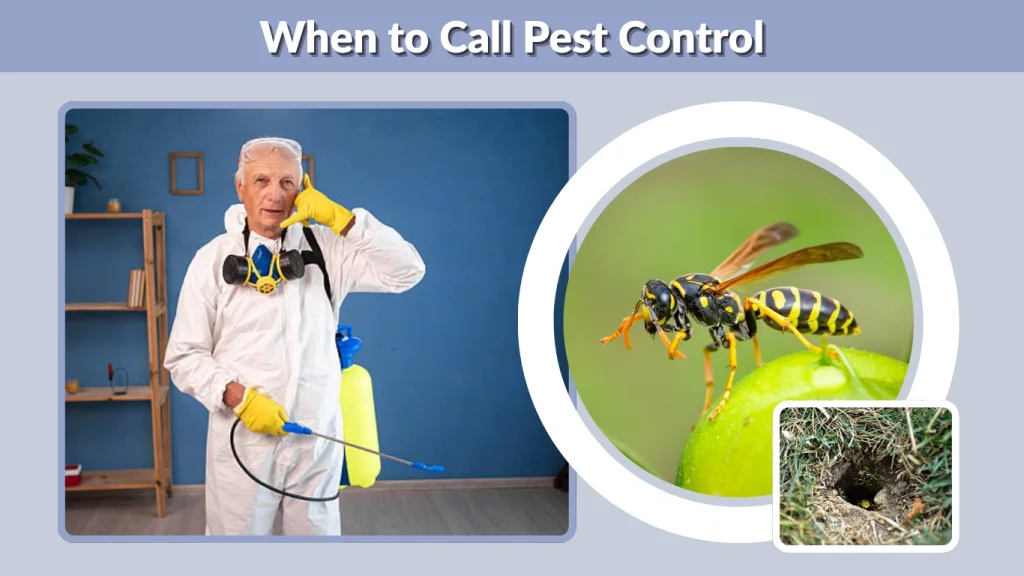
There are situations where professional help is the safest option. Large nests, aggressive species, or nests located near entrances and walkways can be dangerous to handle on your own.
Repeated infestations may also indicate a deeper problem that requires expert treatment.
Benefits of Hiring Professionals
Pest control experts have the tools and knowledge to remove nests safely. They can identify the exact type of ground-dwelling wasp and apply targeted treatments. This ensures effective removal and reduces the risk of future nesting.
Prevention Tips for Ground Dwelling Wasps
Yard Maintenance
Maintaining your yard can significantly reduce the chances of wasps nesting in the ground.
- Keep grass trimmed regularly
- Fill holes and cracks in the soil
- Remove food sources like fallen fruit
- Keep outdoor areas clean
Environmental Control
Ground dwelling wasps prefer loose, dry soil. Making your yard less attractive can help prevent nesting.
- Water dry areas to compact soil
- Cover bare ground with grass or mulch
- Inspect your yard regularly
- Address early signs of nesting quickly
Common Mistakes to Avoid
Treating Nests During the Day
Attempting to remove a nest during the day can be dangerous. Wasps are more active and aggressive, increasing the risk of multiple stings.
Sealing the Nest Too Early
Blocking the entrance before eliminating the wasps can trap them inside and force them to create new exits. This can make the situation worse.
Ignoring Aggressive Species
Not all ground dwelling wasps are harmless. Ignoring aggressive species like yellowjackets can lead to larger and more dangerous infestations.
Using Unsafe DIY Methods
Some methods, such as using fire or excessive water pressure, can be risky and ineffective. Always use safe and recommended techniques.
FAQs
What are ground dwelling wasps
Ground dwelling wasps are species that build nests underground in soil, lawns, or sandy areas. They can be social or solitary and vary in aggression depending on the species.
How do I identify ground-dwelling wasp nests
You can identify them by small holes in the ground with wasps flying in and out. Some nests have dirt mounds, while others are hidden with only visible activity.
Are ground dwelling wasps dangerous
Some species are aggressive and can sting multiple times, while others are harmless. The level of danger depends on the type of wasp and how close you get to the nest.
How do you get rid of ground dwelling wasps
You can remove them using insecticides at night, natural methods, or by calling professionals for large or aggressive nests.
What is the difference between ground dwelling bees and wasps
Wasps are smooth-bodied and often more aggressive, while bees are fuzzy and less aggressive. Their nesting behavior and activity levels also differ.
