
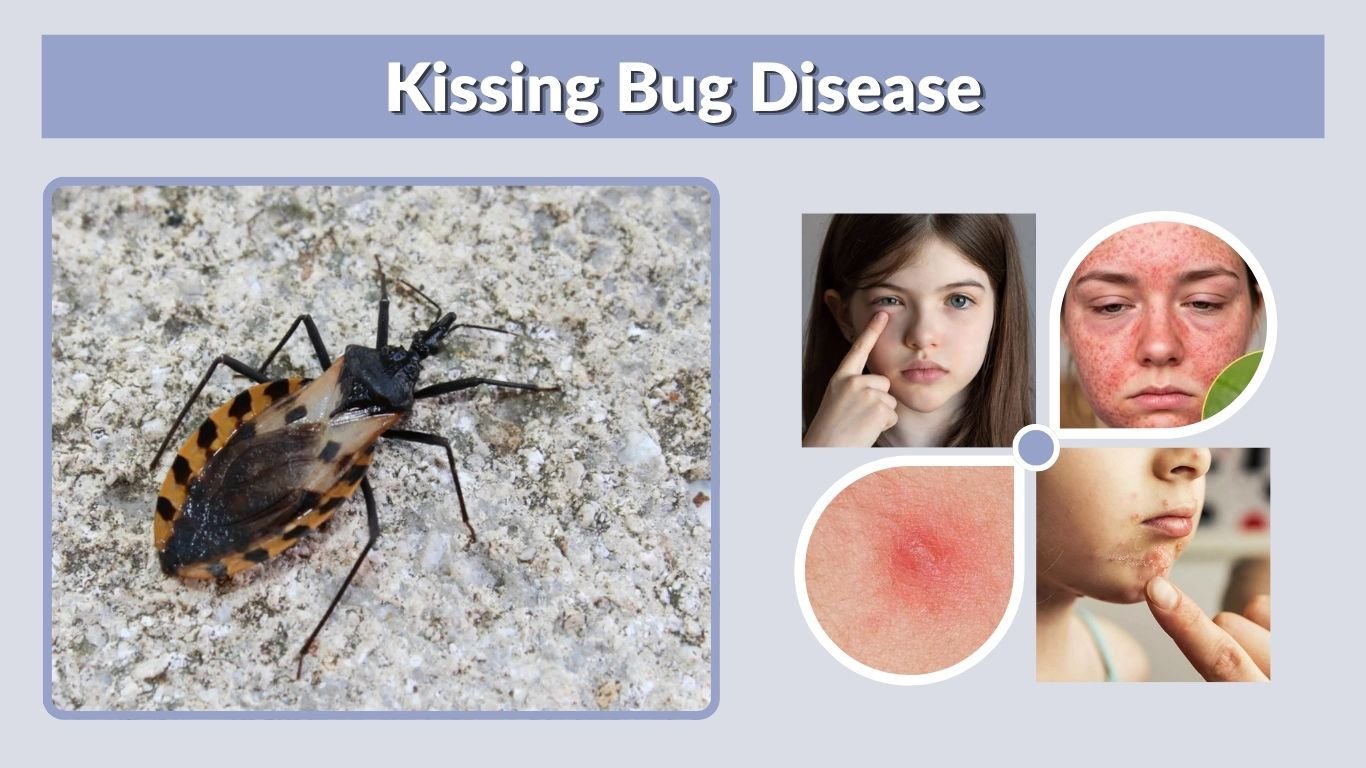
Kissing bug disease is the common name many people use for Chagas disease, a potentially serious infection caused by the parasite Trypanosoma cruzi. The parasite can spread when infected kissing bug feces enter broken skin, a bite wound, the eyes, or the mouth. Early symptoms are often mild or completely absent, but untreated infection may eventually damage the heart or digestive system. Understanding how transmission occurs, who should be tested, and which treatments are available can help prevent long-term complications.
What Is Kissing Bug Disease?
Kissing bug disease is medically known as Chagas disease or American trypanosomiasis. It is caused by the microscopic parasite Trypanosoma cruzi.
Kissing bugs, also called triatomine bugs, are blood-feeding insects. They may carry the parasite after feeding on an infected human or animal. The disease is most common in parts of Mexico, Central America, and South America, although kissing bugs and occasional locally acquired infections also occur in the United States.
A person does not develop Chagas disease simply because a kissing bug bites them. Transmission requires the parasite to enter the body.
How Do Kissing Bugs Transmit Disease?
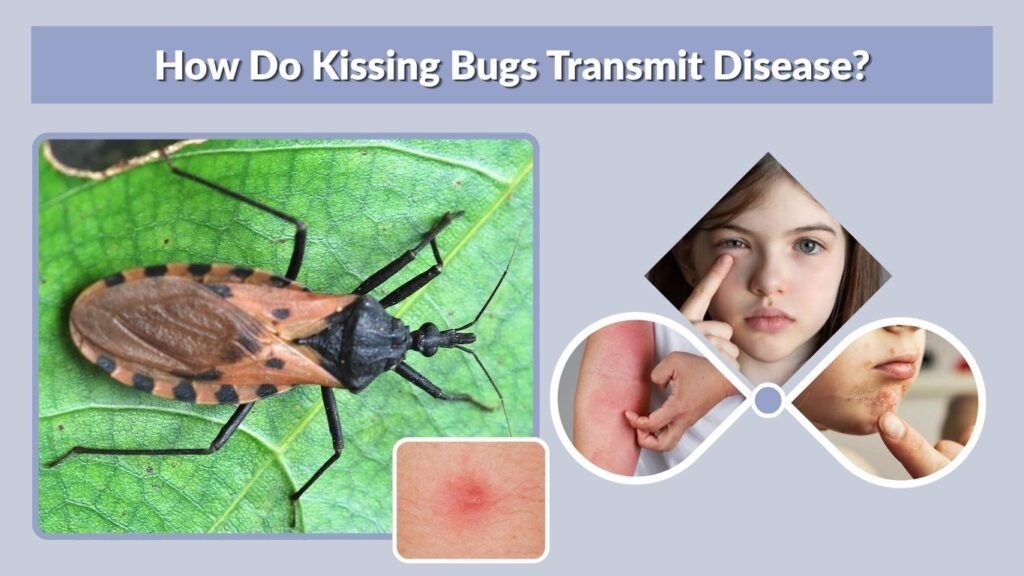
Kissing bugs do not normally inject the parasite through their bite. Instead, an infected bug may defecate on or near the skin after taking a blood meal.
The parasite may enter the body when someone:
- Scratches contaminated feces into a bite wound
- Rubs the eyes after touching infected material
- Touches the mouth with contaminated fingers
- Allows feces to enter a cut or damaged skin
- Crushes an infected bug and contacts its body fluids
Because bites may itch, scratching can accidentally move contaminated material into the skin.
Chagas disease can also spread through pregnancy and childbirth, contaminated food or drinks, blood transfusions, organ transplants, and laboratory accidents. Modern screening has made transmission through donated blood and organs less common in countries with established testing programs.
Do All Kissing Bugs Carry Chagas Disease?
No. Not every kissing bug carries Trypanosoma cruzi, and not every infected bug successfully transmits the parasite.
The level of risk depends on several factors, including:
- The kissing bug species
- The geographic location
- Whether the insect carries the parasite
- How soon it defecates after feeding
- Whether contaminated material enters the body
- Housing and sleeping conditions
Finding a kissing bug inside a home does not prove that anyone has Chagas disease. Similarly, a bite mark cannot show whether the parasite was transmitted.
The insect should be collected safely and identified rather than crushed with bare hands.
Kissing Bug Disease Symptoms
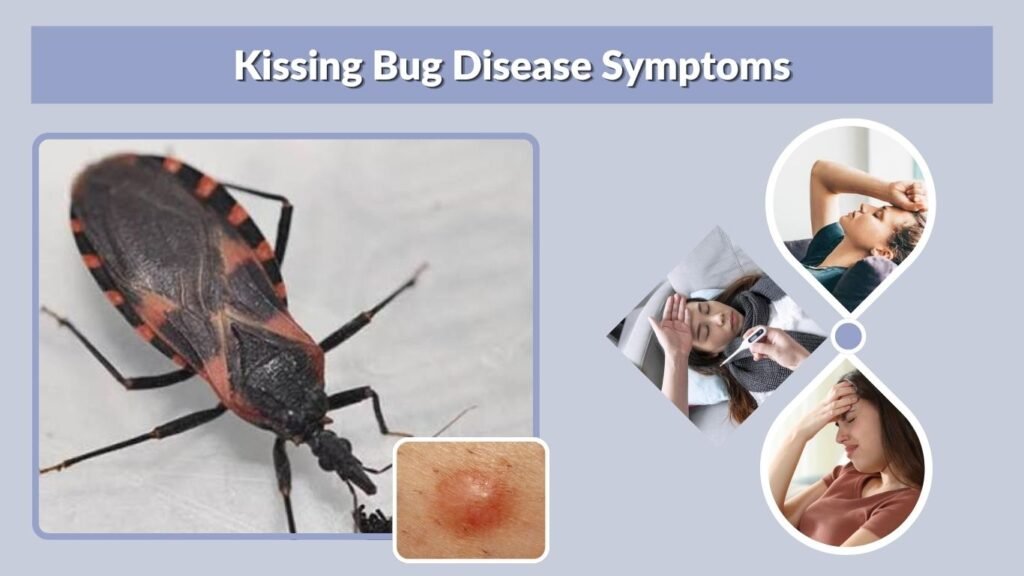
Chagas disease usually develops in two stages: an acute phase and a chronic phase. Symptoms vary greatly, and many infected people do not initially feel sick.
Acute Chagas Disease Symptoms
The acute phase begins soon after infection and may last for several weeks or months. During this stage, parasites may be circulating in the blood.
Possible symptoms include:
- Fever
- Fatigue
- Headache
- Body aches
- Swollen lymph nodes
- Loss of appetite
- Nausea or vomiting
- Diarrhea
- Mild rash
- Swelling near the infection site
Some people develop a firm, swollen area where the parasite enters the skin. This is sometimes called a chagoma.
When contaminated material enters an eye, one eyelid may become swollen. This sign is known as Romaña’s sign. However, most cases do not produce this distinctive symptom.
Acute infection may be mistaken for the flu or another common illness. In rare cases, especially among young children or people with weakened immune systems, it can cause dangerous inflammation of the heart or brain.
Chronic Chagas Disease Symptoms
After the acute stage, the infection may enter a long-lasting chronic phase. Many people remain in an indeterminate form of the disease, meaning they test positive but have no noticeable organ damage.
However, some people later develop serious complications, sometimes years or decades after the original infection.
Possible chronic complications include:
- Irregular heartbeat
- Enlarged heart
- Heart muscle disease
- Heart failure
- Blood clots
- Stroke
- Sudden cardiac arrest
- Difficulty swallowing
- Severe constipation
- Enlargement of the esophagus or colon
Heart disease is the most recognized serious complication. Digestive problems are more common in some regions than others. Chronic Chagas disease may also affect the nervous system in certain cases.
What Does a Kissing Bug Disease Rash Look Like?
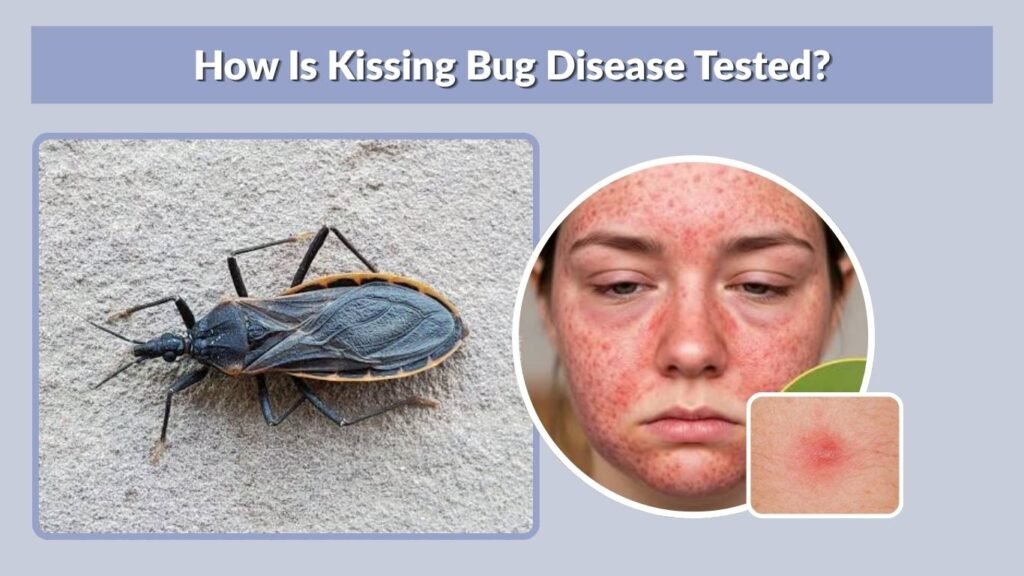
Chagas disease does not produce one specific rash that can confirm infection. During the acute phase, some people may develop a mild, widespread rash. Others may experience localized redness or swelling around the place where the parasite entered.
A regular kissing bug bite may look like:
- A red bump
- An itchy welt
- Mild swelling
- Several bites near one another
- A small irritated area
These marks can resemble mosquito, flea, bed bug, or other insect bites. A rash or bite picture cannot diagnose Chagas disease. Laboratory testing is required.
Is Kissing Bug Disease Contagious?
Chagas disease does not normally spread through ordinary personal contact. You cannot catch it by hugging, sharing a room, coughing, sneezing, or touching intact skin.
However, the parasite can pass from one person to another through:
- Pregnancy or childbirth
- Infected blood
- Organ transplantation
- Rare accidental exposure to infected blood or tissue
Anyone who has Chagas disease and is pregnant or planning a pregnancy should discuss testing and monitoring with a qualified healthcare provider.
How Is Kissing Bug Disease Tested?
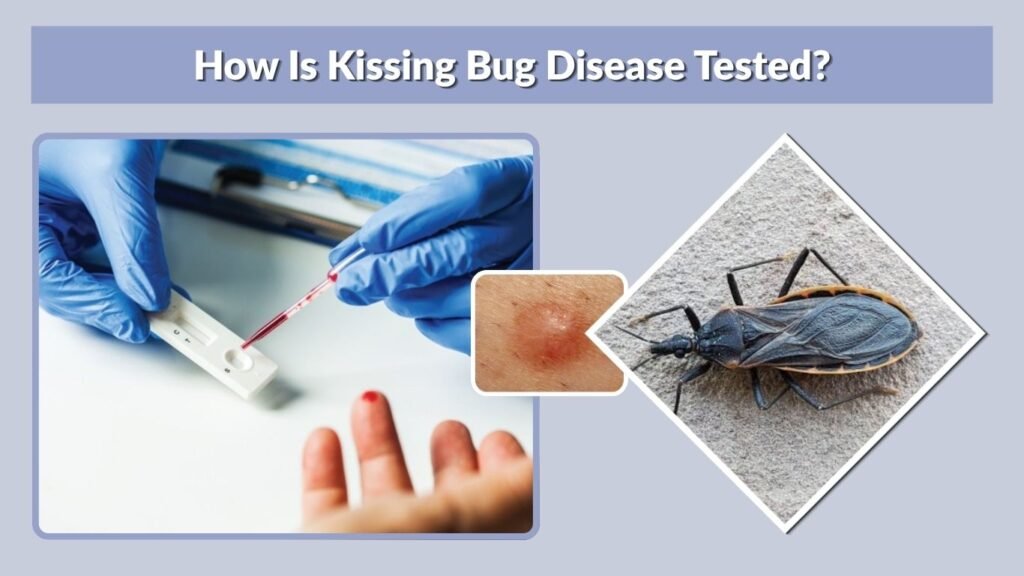
Testing depends partly on whether the infection is new or long-standing.
Testing During Acute Infection
During the acute phase, healthcare professionals may examine blood samples for the parasite. Because parasite levels are usually higher during early infection, the organism may be visible under a microscope. Molecular testing may also be used in certain circumstances.
Testing During Chronic Infection
In chronic Chagas disease, the parasite may be difficult to find directly in the blood. Doctors usually test for antibodies produced by the immune system.
Because no single antibody test is considered sufficient in every situation, diagnosis generally involves two or more tests that use different methods or parasite antigens.
After diagnosis, additional evaluations may include:
- Electrocardiogram
- Heart rhythm monitoring
- Echocardiogram
- Chest imaging
- Digestive-system testing
- Other examinations based on symptoms
Testing decisions should consider travel history, birth country, housing history, family exposure, pregnancy history, blood transfusions, organ transplantation, and possible contact with kissing bugs.
Is There a Cure for Kissing Bug Disease?
Chagas disease can be treated with antiparasitic medication. Treatment is most effective when started soon after infection, particularly during the acute phase and in babies who acquired the infection before birth.
The two principal antiparasitic medicines are:
- Benznidazole
- Nifurtimox
These medications work by killing the parasite. Their effectiveness generally decreases after a person has been infected for many years, but treatment may still be recommended for some people with chronic infection. Decisions depend on age, pregnancy status, overall health, disease stage, and possible medication risks.
Treatment may cause side effects, so patients need medical supervision. People with advanced heart or digestive complications may also need medicines, devices, surgery, or other care to manage organ damage.
Never attempt to treat suspected Chagas disease with insecticides, antibiotics, herbal remedies, or over-the-counter products.
Is Kissing Bug Disease Deadly?
Chagas disease can become life-threatening, but most kissing bug encounters do not lead to infection.
Many infected people remain symptom-free for years. According to health authorities, a proportion of chronically infected individuals eventually develop cardiac, digestive, neurological, or mixed complications. Serious heart damage may cause heart failure, stroke, abnormal heart rhythms, or sudden death.
Early diagnosis gives patients the best chance of eliminating the parasite and reducing future health risks.
Kissing Bug Disease in the United States
Kissing bugs occur in several parts of the United States, particularly southern and southwestern regions. They have been reported in states including Texas, Arizona, California, New Mexico, Louisiana, Florida, Georgia, and others.
The presence of kissing bugs does not mean human transmission is common in every state. Many U.S. residents diagnosed with Chagas disease acquired the infection while living in Latin America. However, locally acquired cases have been documented, and infected wildlife and kissing bugs are present in parts of the country.
State-specific searches for Texas, California, Florida, Arizona, Ohio, Michigan, Colorado, or Illinois should be interpreted carefully. A report of an insect or infected animal does not provide the same information as a confirmed human case.
Can Dogs Get Kissing Bug Disease?
Yes. Dogs can become infected with Trypanosoma cruzi. Possible routes include contact with infected bug feces or eating kissing bugs or infected animals.
Some dogs show no immediate symptoms. Others may develop:
- Weakness
- Tiredness
- Reduced appetite
- Fainting
- Exercise intolerance
- Abnormal heart rhythm
- Heart enlargement
- Heart failure
A veterinarian should evaluate a dog with suspected exposure, especially in regions where infected kissing bugs are known to occur. Human and veterinary tests are not interchangeable.
How to Prevent Kissing Bug Disease
There is currently no vaccine or preventive medicine for Chagas disease. Prevention focuses on reducing contact with kissing bugs and their feces.
Protect Your Home
Seal openings that may allow bugs to enter:
- Repair damaged window and door screens.
- Seal cracks in walls and foundations.
- Close gaps around pipes and utility lines.
- Repair roofing, siding, and attic openings.
- Install weatherstripping beneath exterior doors.
- Check vents and crawl-space entrances.
Reduce Outdoor Hiding Places
Kissing bugs may live near animal nests and sheltered debris. Keep woodpiles, stones, brush, and unused materials away from exterior walls. Control rodents safely and discourage wildlife from nesting under porches, sheds, or roofs.
Keep pet bedding and outdoor kennels clean. In higher-risk locations, bringing pets indoors overnight may reduce exposure.
Handle Suspected Bugs Safely
Do not crush a suspected kissing bug with bare fingers. Place it in a sealed container using gloves or a tool. Clean the surrounding surface and wash your hands.
A local health department, university extension service, entomologist, or pest-control professional may be able to identify the insect.
When Should You See a Doctor?
Contact a healthcare professional when:
- You handled or crushed a suspected kissing bug
- Bug feces may have entered your eye, mouth, or broken skin
- You develop fever, unusual swelling, rash, or fatigue after possible exposure
- One eyelid becomes swollen without another clear cause
- You lived in a region where Chagas disease is common
- Your mother had Chagas disease
- You received blood or an organ in a place without reliable screening
- You have unexplained heart rhythm or digestive problems
A kissing bug bite alone does not confirm disease, but meaningful exposure should not be ignored.
FAQs
What disease does a kissing bug carry?
Some kissing bugs carry Trypanosoma cruzi, the parasite that causes Chagas disease. Not every insect is infected, and transmission usually occurs when contaminated bug feces enter a wound, the eyes, or the mouth rather than directly through the bite.
How do you get kissing bug disease?
A person may become infected after rubbing infected kissing bug feces into broken skin, a bite wound, the eyes, or the mouth. Chagas disease can also spread during pregnancy, through contaminated food, or more rarely through infected blood and organ transplantation.
Can a kissing bug bite cause immediate disease symptoms?
Most infected people have no immediate symptoms. When acute symptoms appear, they may include fever, fatigue, headache, body aches, rash, swollen lymph nodes, or swelling near the infection site. Symptoms alone cannot establish a diagnosis.
How do doctors test for kissing bug disease?
Acute infection may be diagnosed by finding the parasite in a blood sample. Chronic infection is usually diagnosed through antibody blood tests. Doctors commonly use more than one testing method before confirming a chronic Chagas disease diagnosis.
Can kissing bug disease be treated years later?
Treatment may still be considered after years of infection, but it is most effective when given early. A specialist considers the patient’s age, disease stage, heart or digestive damage, pregnancy status, other health conditions, and the possible side effects of antiparasitic medication.
