

Botfly infestations can cause severe discomfort and health issues for both animals and humans. These parasitic larvae burrow under the skin, leading to painful swelling, infection, and distress. This guide covers safe and effective methods for botfly removal from animals, including cats, dogs, and birds. Whether you’re dealing with a bot fly removal in cats, dogs, or even rare human cases, timely action is crucial for proper healing and prevention.
What Is a Botfly and How It Affects Animals
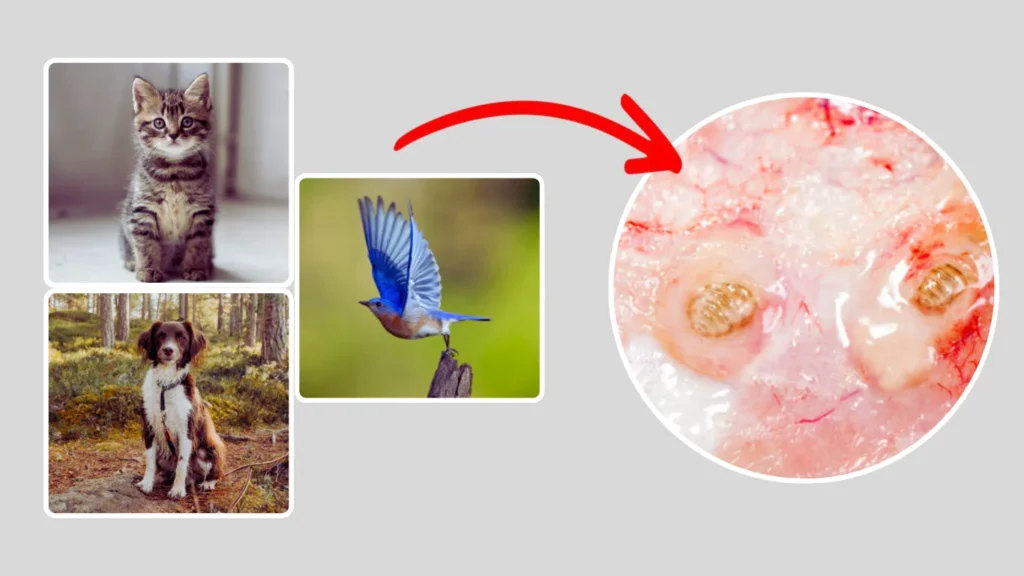
Botflies are parasitic insects that cause painful skin infestations in various animals. These pests rely on a host—usually a warm-blooded animal—for their larvae to grow. Once the eggs hatch, the larvae burrow into the skin and remain there for weeks, feeding on the host’s tissue. If left untreated, botfly infestations can lead to serious infections and discomfort.
Life Cycle of a Botfly
The botfly has a unique life cycle. Adult females lay their eggs on mosquitoes, ticks, or directly on an animal’s body. When the eggs hatch, the larvae enter the skin through small wounds or natural openings. They develop beneath the skin, causing a lump that often has a breathing hole. After several weeks, the mature larva exits the host and drops to the ground to pupate and become an adult fly.
Common Symptoms of Botfly Infestation in Animals
Animals infected with botfly larvae often show signs such as swelling, irritation, or a raised bump with a central hole. You may also notice behavioral changes like excessive scratching or licking. Sometimes, you can even see the larva moving beneath the skin.
Why Immediate Removal Is Crucial
Quick removal is essential to prevent infection and reduce discomfort. Delaying treatment can cause severe inflammation, secondary bacterial infections, and tissue damage. It also increases the risk of complications if the larva dies inside the skin.
Botfly Larvae Removal Process Overview
- Gently examine the lump to identify the breathing hole.
- Apply pressure around the area or use tools to coax the larva out safely.
After removal, always disinfect the wound thoroughly. Avoid squeezing too hard, as crushing the larva inside can trigger further infection. If you’re unsure, seek veterinary assistance to ensure complete and safe removal.
Botfly Removal from Cats

Cats, especially outdoor ones, are common hosts for botfly larvae. These parasites often enter through the nose, ears, or open wounds. Timely detection and safe removal are essential to prevent further health complications.
Signs of Botfly Infestation in Cats
Your cat may show signs such as persistent scratching, grooming a specific spot, swelling with a tiny hole, or unusual behavior like hiding or loss of appetite. In many cases, a soft lump with a visible opening may form, sometimes accompanied by discharge or a foul smell.
Bot Fly Removal in Cats: Step-by-Step Guide
Veterinary removal is always the safest choice, but here’s a basic overview if you need to act immediately:
- Gently part the fur and inspect the swelling for a breathing hole.
- Use sterilized tweezers or a gentle squeezing motion to extract the larva without crushing it.
Clean the area with antiseptic after removal and monitor for signs of infection. It’s best to visit a vet afterward for wound care and possible antibiotics.
How to Handle Bot Fly Removal in Kittens
Kittens are more delicate, and their smaller bodies make infestations more dangerous. Avoid trying to remove the larva at home. Instead, cover the hole with petroleum jelly to block the larva’s air supply. This can help force it to the surface while you arrange for urgent veterinary care.
Botfly Removal from Cat Nose: Extra Precautions
Nasal infestations are especially sensitive. Never insert tools or apply pressure inside your cat’s nose. If you suspect a botfly in the nasal passage, seek immediate veterinary help. Signs may include sneezing, nasal discharge, or breathing issues.
Botfly Removal from Dogs

Dogs, especially those that spend time outdoors, are frequent targets for botfly larvae. These parasites usually enter through open wounds or natural body openings like the ears or nose. Prompt removal is necessary to avoid infection, pain, and long-term tissue damage.
Identifying Botfly Larvae in Dogs
Look for unusual lumps on your dog’s skin—typically soft, raised bumps with a small central hole. Your dog might obsessively lick or scratch the area, or show signs of discomfort when touched. Some dogs may also appear lethargic or experience appetite changes. A visible movement in the lump is a strong indication of botfly presence.
Step-by-Step Dog Botfly Removal Guide
If you’re confident the lump is a botfly, follow these precautions:
- Use gloves and sterilized tweezers.
- Gently press around the lump to expose the larva’s head.
- Firmly grip the larva and pull it out slowly and entirely.
Avoid crushing the larva inside, as this could lead to serious infection. After removal, clean the area thoroughly with antiseptic and keep it dry. Apply an antibiotic ointment if recommended by a vet.
When to Visit the Vet
If the lump is in a sensitive location (like near the eyes or nose), if the larva resists removal, or if there’s significant swelling or pus, visit the vet immediately. Veterinary professionals can ensure full removal and proper treatment, including medication to reduce inflammation and prevent infection.
Botfly Removal from Birds

Birds—especially nestlings or those living in humid environments—are also vulnerable to botfly infestations. The larvae often attach to soft areas like under the wings or around the neck, where feathers are sparse. Quick removal is crucial, as the parasites can severely weaken or even kill the bird if left untreated.
Symptoms of Botfly Infestation in Birds
Infested birds may show signs like constant pecking at one area, reduced mobility, fluffed feathers, or visible swellings. In nestlings, botflies can be seen as large lumps under thin skin, often accompanied by restlessness, weakness, or poor feeding response.
How to Remove Botfly Larvae from Birds
Birds are delicate, so extreme care is needed. If you are experienced or guided by a vet, here’s a cautious method:
- Gently secure the bird and locate the breathing hole on the lump.
- Use sterilized tweezers to slowly pull out the larva once it’s visible.
Do not squeeze the lump forcefully, as internal rupture may cause infection. After removal, disinfect the area using a mild antiseptic solution and keep the bird warm and calm.
Preventing Future Infestation
Keep bird habitats clean and dry. Regularly inspect pet birds or rescue birds for unusual swellings. For wild or outdoor birds, maintaining a clean, parasite-free environment is key to preventing future botfly attacks. In high-risk regions, working with wildlife rehabilitators is often the best approach.
Botfly Removal from Humans (Including Sensitive Areas)
Though rare, humans can also become hosts to botfly larvae, especially when traveling to tropical or subtropical regions. The infestation typically occurs when a mosquito carrying botfly eggs bites a person, allowing the larvae to enter the skin. Prompt, careful removal is essential to avoid infections and scarring.
Common Sites of Botfly Infestation in Humans
Botflies can burrow into various body parts, including the arms, back, scalp, face, and genital area. Symptoms include a painful, raised lump with a small central hole and occasional discharge. Some people may feel the larva move under their skin, which can be both painful and disturbing.
Botfly Removal from Human Face
Facial infestations are highly sensitive and visible. Attempting self-removal is risky and can lead to scarring. Instead, apply petroleum jelly or bacon over the breathing hole to suffocate the larva, forcing it closer to the surface. Then, a medical professional can extract it safely. Avoid cutting the skin or applying pressure, especially around the eyes or lips.
Botfly Removal from Vagina: Medical Attention Required
Botfly infestations in the genital area are extremely rare but medically serious. Symptoms include intense pain, swelling, and discharge. Do not attempt removal on your own. Immediate consultation with a gynecologist or dermatologist is essential for safe extraction and to avoid internal damage or infection.
Botfly Removal from Head: Risks and Techniques
On the scalp, botflies often go unnoticed until they cause pain or swelling. Due to hair and skin sensitivity, a proper diagnosis through ultrasound or dermatoscopy is ideal. Medical professionals typically use local anesthesia and make a small incision to extract the larva completely, followed by cleaning and antibiotics.
Professional Treatment vs Home Remedies
Botfly removal can sometimes be done at home, but professional care is often safer—especially when the larva is embedded in a sensitive area or when removal is difficult. Understanding the difference between home and clinical approaches helps avoid unnecessary risks.
When to See a Vet or Doctor
Professional intervention is strongly recommended in the following cases:
- The botfly is located in or near sensitive areas such as the nose, eyes, or genitals.
- The larva is deeply embedded or unresponsive to non-invasive methods.
- There are signs of infection like pus, redness, swelling, or fever.
- The host is a baby animal, a bird, or a human with underlying health conditions.
Veterinarians and doctors can use surgical tools, anesthesia, and post-removal medications to ensure complete healing and minimize complications.
Safe Home Removal Methods
In less severe cases, particularly with animals like cats or dogs, experienced owners may attempt home removal. The most common approach involves applying petroleum jelly, bacon, or adhesive tape to block the larva’s air supply, encouraging it to surface. Once visible, it can be gently extracted with sterilized tweezers. Afterward, clean the wound using antiseptic and apply antibiotic ointment.
However, incorrect home removal can lead to:
- Partial larva removal, causing infection
- Crushing the larva inside the wound
- Secondary bacterial infections
- Scarring and prolonged healing
Risks of Improper Removal
Attempting to remove a botfly without proper technique or hygiene can do more harm than good. It may result in:
- Serious infection if the larva breaks apart
- Prolonged healing and open wounds
- Severe tissue inflammation
- Emotional distress, especially in humans
In short, if you’re ever unsure—choose the vet or doctor over DIY.
Conclusion
Botfly infestations can affect a wide range of animals—including cats, dogs, and birds—as well as humans. Recognizing the signs early and removing the larvae safely is crucial for preventing infection and minimizing pain. While home methods may work in mild cases, professional assistance is often the safest choice, especially for sensitive areas. With proper care and awareness, botfly removal can be handled effectively and humanely.
