

Wasp stings can cause sudden pain, swelling, and in some cases, serious allergic reactions. Whether you’ve been stung on your hand, lip, or near your eye—or your child or pet was the victim—knowing how to treat a wasp sting quickly and correctly is essential. This complete guide walks you through every aspect of wasp sting treatment, from immediate first aid and home remedies to medical care and prevention tips, so you can stay safe and reduce discomfort fast.
What Happens When a Wasp Stings You?

A wasp sting causes sudden pain and inflammation due to venom injected into the skin. Unlike bees, wasps can sting multiple times, making them more dangerous in certain situations. Understanding the effects of the sting helps you respond quickly and appropriately.
How a Wasp Sting Works
When a wasp stings, it pierces the skin with its smooth stinger and delivers venom. This venom contains proteins that affect blood cells and signal the immune system to respond. As a result, you feel a sharp, burning pain almost immediately. The area may swell or turn red within minutes.
Wasp stings are a defensive response, often triggered when the insect feels threatened or its nest is disturbed. Unlike bees, wasps retain their stinger and can sting again.
Common Symptoms of a Wasp Sting
The severity of symptoms depends on individual sensitivity and the number of stings. Most people experience mild to moderate symptoms at the sting site.
- Sharp, burning pain at the moment of the sting
- Redness and swelling around the affected area
- Itching or a raised welt that lasts for a few hours
In some cases, symptoms can last for a day or two, especially if the sting occurs on sensitive skin areas.
Allergic Reactions to Wasp Venom
Some individuals may experience allergic reactions ranging from mild to severe. These may include swelling beyond the sting site, widespread hives, or difficulty breathing. In rare cases, a life-threatening reaction called anaphylaxis can occur and requires emergency medical attention.
If someone has been stung and shows signs of rapid swelling, dizziness, vomiting, or trouble breathing, seek emergency care immediately.
Immediate First Aid: What to Do Right After a Wasp Sting

Responding quickly to a wasp sting can help reduce pain and prevent complications. The first few minutes are crucial, especially if the sting occurs on the face, neck, or near the throat.
Stay Calm and Move to Safety
Wasps release pheromones when they sting, which can attract other wasps. Immediately leave the area to avoid additional stings. Try not to panic, as rapid movement may provoke more attacks.
Clean the Sting Area
Wash the affected spot gently with soap and cool water. This helps remove any venom residue and reduces the risk of infection. Avoid using hot water, as it may increase irritation.
Apply a Cold Compress
Use an ice pack or cold, damp cloth to reduce swelling and numb the pain. Apply it in 10-minute intervals, with short breaks in between, to avoid frostbite.
Use Basic First Aid Items (one-time list)
- Ice pack or cold compress
- Soap and water
- Clean towel
- Over-the-counter pain reliever or antihistamine if needed
If pain or swelling worsens within an hour, especially around the eyes or throat, seek medical attention.
Best Treatment for a Wasp Sting (Quick Overview)

While many wasp stings resolve on their own, using the right treatments can speed up healing and reduce discomfort. This section outlines simple but effective approaches that work for most people.
Pain Relief Options
For mild pain, non-prescription pain relievers such as ibuprofen or acetaminophen can help. Apply a soothing cream like hydrocortisone or calamine lotion to reduce itching and irritation.
Swelling Control
To reduce swelling, continue applying a cold compress every 2–3 hours for the first day. Elevate the stung area if it’s on a limb. Avoid scratching, which can worsen inflammation or lead to infection.
When to Use Antihistamines
If itching is intense or you notice red patches spreading around the sting site, an oral antihistamine such as diphenhydramine (Benadryl) may help. Only take these according to label instructions or under medical advice.
One-Glance Treatment Checklist
- Ice for swelling
- OTC pain relievers
- Antihistamines for itching
- Clean and elevate the area
Wasp Sting Home Remedies That Actually Work

Many mild wasp stings can be treated effectively at home using simple, natural remedies. These options are especially helpful when you’re away from immediate medical help or prefer non-medicinal solutions.
Baking Soda Paste
Make a thick paste by mixing baking soda with a few drops of water. Apply it to the sting site for 10–15 minutes. This may help neutralize the venom and reduce itching.
Vinegar Application
Apply diluted apple cider vinegar or white vinegar to a cotton ball and press it gently against the sting area. Its acidity may help break down wasp venom, easing pain and swelling.
Other Common Home Remedies (one-time list)
- Cold tea bag (especially chamomile)
- Honey for natural antibacterial relief
- Aloe vera gel for soothing the skin
Always test a small amount of any remedy to ensure there’s no adverse skin reaction.
How to Treat Wasp Stings in Adults

Most adults recover quickly from wasp stings, but knowing how to treat symptoms properly helps minimize discomfort and prevent complications.
Step-by-Step Care
Start by cleaning the sting area with soap and cool water. Apply a cold compress to reduce swelling and use a pain reliever like ibuprofen if necessary.
Over-the-Counter Treatment
Hydrocortisone cream or antihistamines can help with itching and redness. Oral antihistamines are useful if the reaction is more widespread but still mild.
Monitor for Delayed Reactions
Adults may sometimes experience delayed swelling or redness after 24 hours. Continue using cold compresses or switch to warm compresses after the first day if swelling persists.
Adult Wasp Sting Treatment Basics (one-time list)
- Clean, ice, and elevate
- Apply anti-itch cream
- Take antihistamines if needed
- Seek medical attention if symptoms worsen
Wasp Sting Treatment for Children

Children may react more strongly to wasp stings due to their smaller body size and more sensitive skin. Immediate and gentle care is essential to keep them comfortable and safe.
Calm the Child First
Reassure the child and remove them from the sting site. Keep them seated and still to reduce venom spread. Avoid letting them scratch the sting.
Treatment Steps for Kids
Gently clean the area with soap and cool water. Use a cold compress and watch for swelling. Only administer medications (like antihistamines) after checking dosage with a pediatrician or pharmacist.
When to Seek a Doctor’s Advice
If your child experiences facial swelling, vomiting, trouble breathing, or widespread hives, go to the emergency room immediately. Even mild symptoms should be monitored closely for 24 hours.
Quick Remedy Checklist for Children (one-time list)
- Clean the sting site
- Apply cold compress
- Give child-safe medication if needed
- Watch for signs of allergic reaction
Natural and Alternative Wasp Sting Treatments

If you prefer to avoid chemicals or want additional ways to soothe a wasp sting, several natural remedies and alternative treatments can help relieve pain, itching, and inflammation.
Herbal Options
Certain herbs like basil, lavender, and calendula have anti-inflammatory or soothing properties. You can apply crushed fresh leaves or diluted essential oils (with a carrier oil) directly to the sting area.
Clay and Plant-Based Remedies
Bentonite clay mixed with water can be applied as a paste to draw out venom and toxins. Plantain leaves, commonly found in lawns, can be crushed and placed on the sting to reduce swelling.
Natural Treatment Tools (one-time list)
- Aloe vera gel (natural, pure form)
- Lavender oil mixed with coconut oil
- Bentonite or green clay paste
- Crushed plantain or basil leaves
Use only dog-safe or child-safe ingredients if treating pets or young children.
Treating a Wasp Sting with Vinegar or Baking Soda

Both vinegar and baking soda are common household remedies, but their effectiveness depends on the type of insect sting. For wasp stings, vinegar is often more suitable due to the venom’s alkaline nature.
When to Use Vinegar
Soak a cotton pad in white or apple cider vinegar and apply it gently to the sting site for 5–10 minutes. This can help neutralize venom and reduce itching and inflammation.
When to Use Baking Soda
Though more commonly recommended for bee stings, a baking soda paste (sodium bicarbonate and water) may still offer relief for wasp stings by reducing surface irritation.
Remedy Comparison (one-time list)
- Vinegar: better for wasp venom
- Baking soda: mild skin soother
- Never mix both together on skin
Monitor for signs of irritation and discontinue use if skin becomes overly dry or irritated.
Wasp Sting Swelling Treatment

Swelling is a natural immune response to venom. In most cases, it peaks within 24 hours and gradually subsides, but certain areas of the body—like the face or throat—may require extra care.
Reducing Swelling in the First 24 Hours
Apply a cold compress in 10-minute intervals to the sting site. Elevate the affected area, especially if the sting is on a hand, arm, or leg, to reduce blood flow and swelling.
Switching to Warm Compresses
After the first 24 hours, if swelling persists, switch to a warm compress. This helps increase circulation and can promote faster healing of bruising or fluid buildup.
Remedies That Help with Swelling (one-time list)
- Cold compress for early swelling
- Warm compress after 24–48 hours
- OTC anti-inflammatories like ibuprofen
- Avoid tight clothing or jewelry
If swelling spreads or becomes hard, hot, or painful, seek medical advice as it may indicate infection or a more serious reaction.
Severe Reactions: Allergic Symptoms and Anaphylaxis

Most wasp stings cause mild discomfort, but some people may experience severe allergic reactions. Knowing the signs of anaphylaxis can save lives, especially if symptoms escalate quickly after the sting.
Signs of a Severe Allergic Reaction
Reactions can start within minutes and affect multiple parts of the body. Symptoms may include difficulty breathing, rapid heartbeat, swelling in the face or throat, or loss of consciousness. These are medical emergencies.
What Is Anaphylaxis?
Anaphylaxis is a life-threatening, full-body allergic reaction. It causes the immune system to overreact, leading to dangerous drops in blood pressure and airway swelling. Immediate treatment with epinephrine is required.
Emergency Actions (one-time list)
- Call emergency services immediately
- Use an EpiPen if prescribed
- Keep the person lying flat with legs elevated
- Loosen tight clothing and stay with them
Even if symptoms improve after using epinephrine, a hospital visit is essential for follow-up care.
Wasp Sting Relief Medication Options

Medications can help control symptoms like pain, itching, and inflammation. Over-the-counter options are usually enough for mild stings, while prescription drugs may be needed for stronger reactions.
Antihistamines
Oral antihistamines like diphenhydramine (Benadryl) or loratadine (Claritin) reduce itching, swelling, and hives. Use only as directed and be cautious with drowsy formulas.
Pain and Itch Relief
Ibuprofen or acetaminophen can reduce pain and discomfort. For skin-level relief, apply creams such as hydrocortisone or calamine lotion directly to the sting site.
Medications to Consider (one-time list)
- Diphenhydramine (for itching or hives)
- Ibuprofen or acetaminophen (for pain)
- Hydrocortisone cream (for inflammation)
- EpiPen (for known severe allergy cases)
Consult a healthcare provider before mixing medications or if symptoms persist beyond two days.
Multiple Wasp Stings Treatment

Getting stung several times increases the risk of a severe reaction. The larger dose of venom can overwhelm the body, even in people without previous allergies.
Increased Venom Load
With multiple stings, more venom enters the body, causing stronger immune responses like swelling, nausea, fever, or dizziness. In rare cases, kidney or heart complications may follow.
When Emergency Care Is Needed
Seek immediate help if someone receives five or more stings in a short time or shows any systemic symptoms. Children, elderly individuals, and those with weakened immunity are at greater risk.
How to Treat Multiple Stings (one-time list)
- Apply cold compresses to each sting area
- Take antihistamines and pain relievers as advised
- Drink fluids to stay hydrated
- Get medical attention even if symptoms seem mild
Prompt action can prevent complications such as shock or delayed allergic reactions.
Wasp Sting on Face, Lip, or Eyelid Treatment

Stings to the face, especially around the eyes, lips, or nose, require extra caution. Swelling in these areas can be more pronounced and, in some cases, may affect vision or breathing.
Treating Facial Stings Safely
Gently clean the sting area with cool water and a mild cleanser. Avoid using harsh ointments near the eyes or mouth. Apply a cold, damp cloth, but do not press too hard.
Special Considerations for Eyelid or Lip
If swelling occurs on the eyelid, monitor for changes in vision. For lip stings, avoid hot foods and drinks that may worsen irritation. Do not apply baking soda or vinegar near the eyes.
What You Can Use (one-time list)
- Cold compress (wrapped in soft cloth)
- Over-the-counter antihistamines for internal relief
- Petroleum jelly to prevent dryness on lips
- Seek medical care for facial swelling near the eyes
If symptoms spread or breathing is affected, seek emergency help right away.
Wasp Sting on Hand or Leg: Best Relief Methods

Hands and legs are common sting locations, especially during outdoor activity. Swelling in these areas can be uncomfortable, but it’s usually manageable with the right steps.
Initial Care for Hands and Feet
After cleaning, apply ice wrapped in a towel to reduce swelling. Keep the affected limb elevated to reduce fluid accumulation. Remove rings or tight items immediately to prevent circulation issues.
Monitoring Movement and Pain
Check your ability to move fingers or toes freely. If swelling restricts movement or if numbness occurs, it could be a sign of restricted blood flow and requires a doctor’s evaluation.
Simple Treatment Checklist (one-time list)
- Ice and elevate the area
- Take pain relievers like ibuprofen
- Use anti-itch cream if needed
- Avoid scratching or applying pressure
Continue icing for the first 24 hours, then switch to a warm compress if stiffness develops.
Wasp Sting Treatment in Dogs (and Cats)
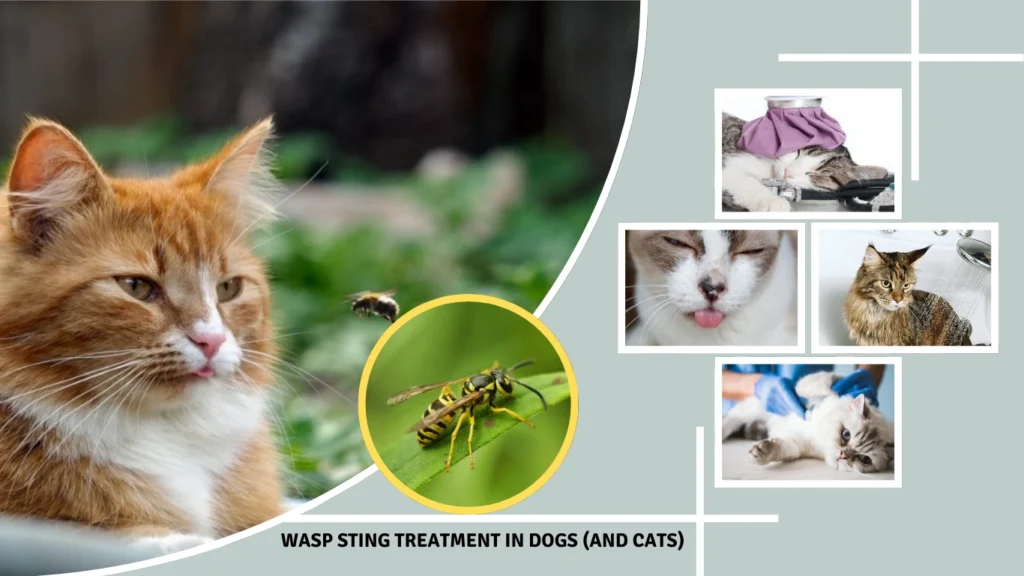
Pets, especially dogs and outdoor cats, are at risk of wasp stings—often on their paws, face, or mouth. Prompt care can prevent serious reactions and ease their discomfort.
Signs of a Wasp Sting in Pets
Look for pawing at the face, sudden yelping, limping, localized swelling, or licking a specific spot. In some cases, allergic reactions in pets include vomiting or breathing problems.
What to Do If Your Pet Is Stung
Move your pet away from the area and keep them calm. Use a damp cloth to wipe the area and apply a cold compress. If safe, you can give antihistamines—but only under vet guidance.
Pet-Friendly Treatments (one-time list)
- Cold compress on sting site
- Rinse with cool water
- Vet-approved antihistamine (check dosage)
- Visit the vet for facial, mouth, or multiple stings
Watch your pet closely for at least 12 hours after a sting. Seek immediate veterinary care if swelling worsens or breathing changes.
Ground Wasp and Yellow Jacket Sting Treatment

Ground wasps and yellow jackets are more aggressive than many other stinging insects. Their stings often result in intense pain and prolonged swelling due to the deep injection of venom.
How These Stings Differ
Ground wasps and yellow jackets often sting repeatedly and target exposed areas like ankles, legs, or hands. Their venom can cause sharp burning sensations and sometimes trigger allergic reactions.
Steps to Treat the Sting
Move away from the nest area immediately. Clean the sting site thoroughly with soap and water, then apply a cold compress. Use an antihistamine if swelling or itching becomes uncomfortable.
What You Need for Relief (one-time list)
- Cold compress
- Soap and clean water
- Oral antihistamine if swelling spreads
- Pain reliever such as ibuprofen or acetaminophen
If stung multiple times or symptoms worsen, seek professional medical attention.
Red Wasp and Black Wasp Sting First Aid
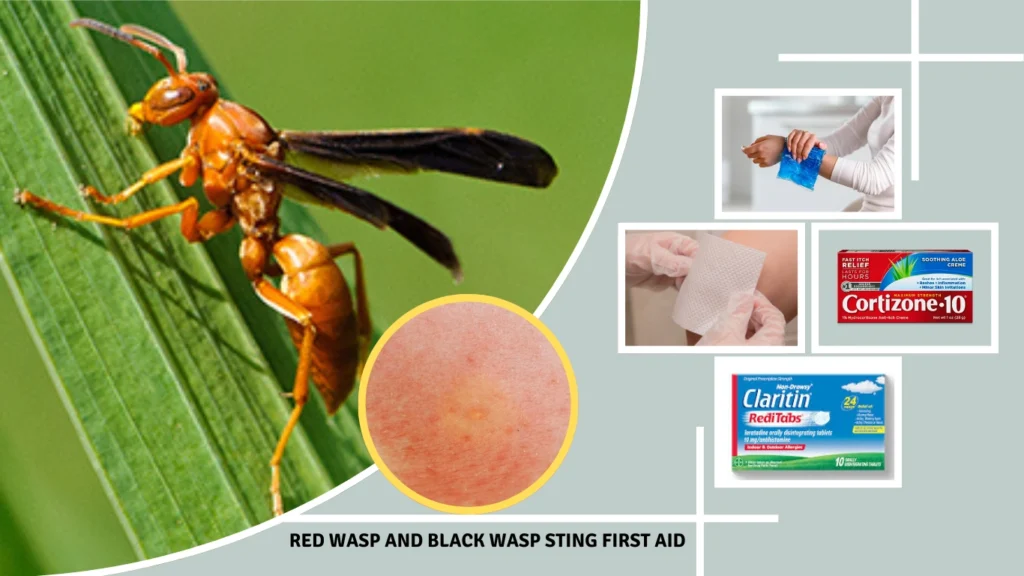
Red and black wasps can deliver painful stings. While the treatment is generally the same, some people report a more intense initial pain or larger swelling from these species.
Identifying the Sting
Red wasps are common in warm climates and tend to be more territorial. Black wasps are often solitary but still capable of causing discomfort. Their venom can provoke stronger local reactions in sensitive individuals.
Effective First Aid Steps
Clean the area immediately. Apply a cold compress and monitor for increased redness or warmth. Red wasp stings may swell more quickly, while black wasp stings may cause prolonged itching.
Key Relief Items (one-time list)
- Ice pack wrapped in cloth
- Topical hydrocortisone for itching
- Oral antihistamine if needed
- Clean, loose bandage if skin becomes irritated
Allergic individuals should remain alert for more serious symptoms, especially after multiple stings.
Hornet vs. Wasp Sting Treatment

Hornet stings are similar to wasp stings but often more painful due to a higher venom concentration. The treatment approach is similar, though symptoms can be stronger.
Venom and Pain Comparison
Hornets, a type of large wasp, inject more venom with each sting. This often results in deeper pain and longer-lasting swelling. They can sting repeatedly and are more aggressive when defending their nests.
How to Manage a Hornet Sting
Begin with standard sting care: clean the area, apply ice, and monitor symptoms. Pain relievers and antihistamines may be more necessary than with a typical wasp sting.
What Helps with Hornet Stings (one-time list)
- Cold compress every 2–3 hours
- Ibuprofen or acetaminophen for pain
- Oral antihistamine for swelling
- Calamine or hydrocortisone for itching
Due to the intensity of hornet venom, observe the sting site for 24–48 hours for signs of worsening or delayed reactions.
Late Reactions: Itching, Swelling, and Cellulitis After 48 Hours
Some wasp sting symptoms can appear or worsen after 48 hours, including itching, prolonged swelling, or signs of infection like cellulitis. These delayed reactions require careful attention.
Why Symptoms Return Later
While the initial pain may fade, the body can still react to venom proteins hours or days later. Swelling that increases after two days may indicate inflammation or infection rather than just irritation.
Signs of Cellulitis
Cellulitis is a bacterial skin infection that may develop at the sting site. Look for expanding redness, warmth, tenderness, or pus. If fever or fatigue accompanies these signs, consult a doctor promptly.
What to Watch and Use (one-time list)
- Warm compress to improve circulation
- Topical antibiotic ointment
- Oral antibiotics (prescribed) if infection is diagnosed
- Seek medical advice if redness spreads rapidly
Avoid scratching to prevent bacteria from entering the sting site and worsening inflammation.
Medical Help: When to See a Doctor
Most wasp stings don’t require medical attention, but certain symptoms should never be ignored. Timely intervention can prevent complications from allergic reactions or infections.
Warning Signs That Need Attention
Seek medical help if there’s trouble breathing, swelling in the throat or face, chest pain, fainting, or vomiting. These could signal a systemic reaction, especially if it occurs within minutes of the sting.
Non-Emergency But Concerning Symptoms
Delayed swelling, intense pain, or symptoms lasting more than three days also warrant a doctor’s visit. Multiple stings—especially in children, seniors, or allergic individuals—should be evaluated promptly.
When to Go to the Doctor (one-time list)
- Difficulty breathing or swallowing
- Swelling spreading far from the sting site
- Signs of infection (pus, redness, fever)
- Sting inside mouth or throat
Always err on the side of caution if symptoms seem unusual or persistent.
How to Prevent Future Wasp Stings
Preventing stings is the best approach, especially for those with known allergies. Simple lifestyle habits and awareness can dramatically reduce the risk of getting stung again.
Behavior Tips Outdoors
Avoid walking barefoot in grassy areas or near flowering plants. Don’t leave food or sweet drinks exposed. Wasps are attracted to strong scents, so minimize perfume or scented lotion use during outdoor activities.
Reduce Wasp Presence at Home
Seal trash cans tightly and clean up spills or food crumbs quickly. Regularly check around your home for nests—especially under eaves, in sheds, or wall voids. Call a professional to remove nests safely.
Practical Prevention Checklist (one-time list)
- Wear light-colored clothing outdoors
- Use insect repellent in grassy or wooded areas
- Cover food and drinks when outside
- Hire pest control for large or recurring nests
With awareness and quick response, most wasp stings can be handled easily—and often prevented altogether.
