

Carpet beetles are tiny pests that can cause big problems in your home, damaging clothes, furniture, and carpets. This guide covers everything you need to know—from identifying different types and spotting signs of infestation to getting rid of them naturally or with treatment.
Whether you’ve seen one beetle or suspect a hidden problem, here’s how to handle carpet beetles effectively and prevent them from coming back.
Introduction to Carpet Beetles
What is a Carpet Beetle?
A carpet beetle is a small indoor pest that feeds on natural fibers like wool, feathers, and even carpet. These insects can live unnoticed for a long time while damaging clothing, upholstery, and stored items.
What Are Carpet Beetles?
Carpet beetles belong to the Dermestidae family. While adults typically live outdoors and feed on pollen, their larvae are a major nuisance indoors. These larvae are the real culprits behind most of the fabric and furniture damage in homes.
Carpet Beetles Identification

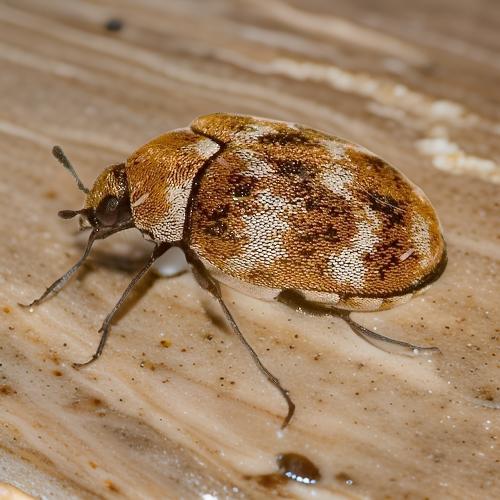
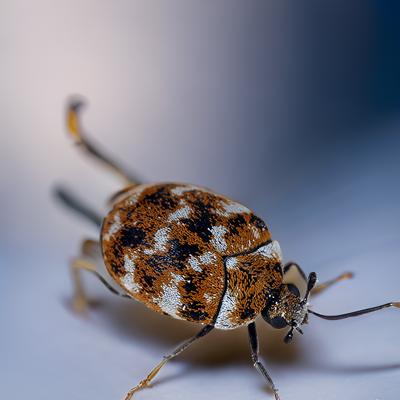
Adult carpet beetles are oval-shaped and usually range from 1.5 to 4 mm in size. Depending on the species, they appear solid black or patterned with white, brown, or yellow scales. They are often seen near windows, light sources, or crawling slowly on walls.
What Do Carpet Beetles Look Like?
They are tiny and dome-shaped. The black carpet beetle is solid black, while the varied carpet beetle has a speckled appearance. Their larvae look like fuzzy, brown caterpillars with bristles along their bodies.
Carpet Beetles Size
Most adult carpet beetles are about the size of a grain of rice. Their small size makes them difficult to spot until you notice signs of damage or shed skins.
Carpet Beetles Life Cycle
The carpet beetle life cycle has four stages: egg, larva, pupa, and adult. The larval stage is the most destructive and can last several months depending on conditions like temperature and food supply.
Carpet Beetles Molt
As larvae grow, they molt multiple times, leaving behind brown, dry, shell-like skins. These skins are often found near affected fabrics or carpets.
Carpet Beetle Moth
People often confuse carpet beetles with clothes moths. While both can damage fabrics, they are different pests. Carpet beetles are not moths—they’re beetles with different life cycles and behaviors.
Types of Carpet Beetles

Black Carpet Beetle
The black carpet beetle is one of the most common types found in homes. Adult beetles are dark brown to black and measure around 3–5 mm. Their larvae are elongated, golden to reddish-brown, and covered in bristles. Black carpet beetle larvae feed on wool, feathers, hair, and other natural fibers, making them a serious threat to household items.
Varied Carpet Beetle
The varied carpet beetle is smaller and has a distinctive pattern of white, brown, and yellow scales on its back. Its larvae are short, oval, and fuzzy. They also feed on natural materials and shed skins as they grow.
Carpet Beetle Larvae and Eggs
Carpet Beetle Larvae
Carpet beetle larvae are the most destructive stage in the beetle’s life cycle. They are small, hairy, and brownish, often resembling tiny caterpillars. Their bodies are covered in bristles, and some species have a tuft of longer hairs at one end. These larvae feed on natural fibers such as wool, feathers, leather, fur, and even pet hair. They avoid light and tend to hide in dark, undisturbed areas like under furniture, in closets, or behind baseboards.
Carpet Beetles Larvae Pictures
If you’re unsure what you’re dealing with, searching for carpet beetles larvae pictures online can help with identification. These images show their distinctive bristled appearance and can help you spot them in infested areas. You may also find shed skins nearby, which look like empty, fuzzy shells.
Carpet Beetles Eggs
Adult carpet beetles lay eggs in hidden, protected areas close to food sources. A single female can lay 30–100 eggs, which hatch in 1 to 2 weeks. These eggs are tiny, white, and hard to see without close inspection. You’ll often find them in fabrics, carpets, air vents, or corners of furniture. Removing these eggs early is key to preventing a larger infestation.
Carpet Beetles Behavior and Habits
Do Carpet Beetles Fly?
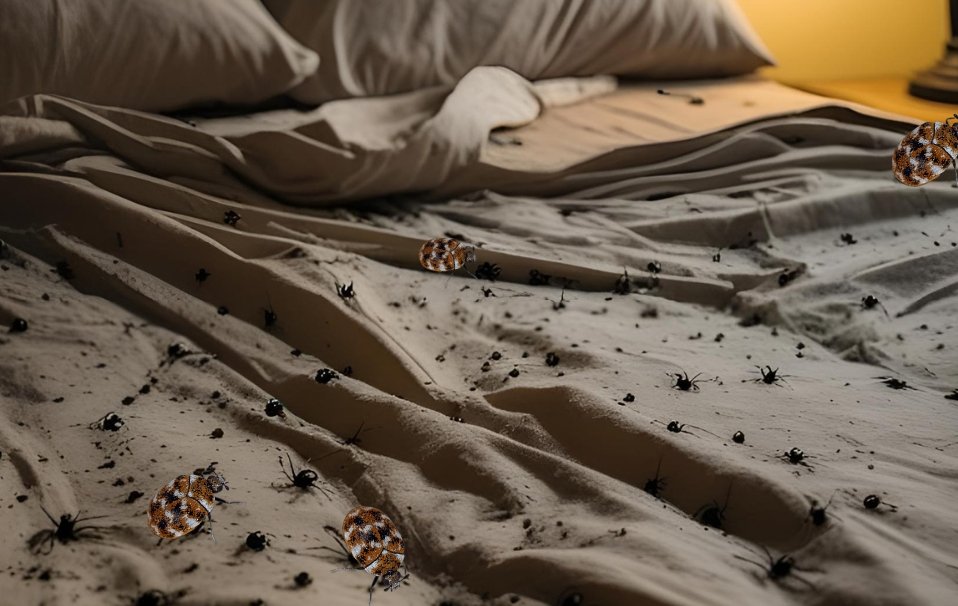
Yes, adult carpet beetles can fly. They often enter homes through open windows or doors while searching for pollen, nectar, or a place to lay eggs. You might see them flying near light sources like lamps or windows.
Can Carpet Beetles Jump?
No, carpet beetles do not jump. Their larvae crawl, and the adults either walk or fly. If you see a small bug jumping, it’s likely a different insect like a springtail or flea.
Carpet Beetles Nest
Carpet beetles don’t create traditional nests like ants or bees. Instead, they hide and lay eggs in dark, undisturbed areas near food sources—such as behind furniture, under carpets, in closets, or inside air ducts. These hiding spots become their breeding grounds.
What Do Carpet Beetles Eat?
Carpet beetles, especially in the larval stage, feed on natural materials such as wool, feathers, silk, leather, and even dead insects. They are also known to eat lint, pet hair, and crumbs. Adult beetles feed on pollen and plant nectar and are usually not responsible for fabric damage.
Do Carpet Beetles Eat Clothes?
Yes, the larvae can chew through woolen clothes, scarves, coats, and even stuffed animals made with natural fibers. Synthetic materials are generally safe unless blended with natural fibers.
Do Spiders Eat Carpet Beetles?
Yes, some spiders may prey on carpet beetles if they come across them, especially the larvae. However, relying on spiders for pest control isn’t a practical solution.
Carpet Beetles Outside
Carpet beetles often live outdoors in flowerbeds, bird nests, or under tree bark. They feed on pollen and lay eggs in sheltered places. From there, they may find their way inside through vents, windows, or small cracks.
Carpet Beetles vs Other Insects
Carpet Beetles vs Bed Bugs
Carpet beetles and bed bugs are often mistaken for each other, but they have different habits, appearances, and risks. Here’s a quick comparison:
| Feature | Carpet Beetles | Bed Bugs |
| Appearance | Small, oval-shaped, may have patterns or hairs | Flat, oval, reddish-brown |
| Size | 1.5 – 4 mm | 4 – 5 mm |
| Feeds On | Natural fibers (wool, feathers, fur, etc.) | Human blood |
| Active Stage | Larvae cause damage | Adult and nymphs bite humans |
| Common Locations | Carpets, clothes, furniture, closets | Beds, mattresses, bed frames, cracks |
| Do They Bite Humans? | No | Yes, painful and itchy bites |
| Shed Skins | Yes, from larvae | Yes, from nymph stages |
| Visible Signs | Holes in fabrics, shed skins, crawling beetles | Bite marks, blood spots, live bugs in bed |
| Attracted to Light? | Yes | No |
Bugs That Look Like Carpet Beetles
Some insects such as spider beetles and certain weevils can resemble carpet beetles. However, they do not cause the same kind of fabric damage. If unsure, examine the damage type or consult a pest expert.
Carpet Beetles or Bed Bugs?
If you see tiny beetles near windows and holes in natural fabrics—think carpet beetles. If you wake up with bites and spot flat bugs in your bed—it’s likely bed bugs. Correct identification is the first step toward the right treatment.
Signs of Carpet Beetle Infestation
Carpet Beetles Infestation
A carpet beetle infestation can start small and go unnoticed for weeks or even months. These pests often live in hidden spots, so you may not see them right away. However, once the larvae begin feeding, the signs become more obvious.
Carpet Beetles Damage
The most common sign is damage to natural fabrics. You might find irregular holes in wool clothing, blankets, carpets, or upholstery. Unlike moths, carpet beetle larvae don’t leave webbing—they leave behind shed skins and fecal pellets instead.
Carpet Beetles in House
You may notice small beetles crawling near windows, baseboards, or vents. Adult beetles are often attracted to sunlight and can be seen flying near windows or sitting on sills. If you see even one, there could be more hiding somewhere inside your home.
Carpet Beetles in Clothes
Clothing made from natural fibers like wool, silk, or fur is especially vulnerable. If you pull something out of storage and find strange holes, it could be a sign of carpet beetles rather than wear and tear.
Carpet Beetles on Wall
Adult beetles may crawl slowly along walls or ceilings as they search for light or exit points. Their presence, especially in spring or early summer, often indicates that larvae have matured indoors.
Carpet Beetles All Over House
If left untreated, carpet beetles can spread throughout the entire home, infesting multiple rooms. This is why early detection is crucial.
How to Know If You Have Carpet Beetles
Look for tiny beetles, shed larval skins, or damage to fabric and furniture. A musty smell in closets or drawers can also be a sign. Regular inspections can help catch the problem before it worsens.
Bites, Health Risks, and Harm
Do Carpet Beetles Bite?
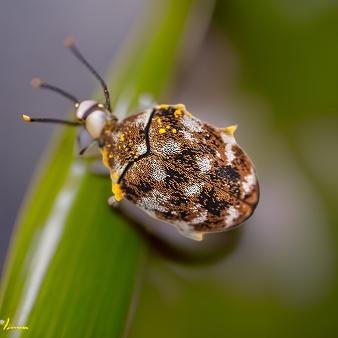
No, carpet beetles do not bite humans. Unlike bed bugs or fleas, they don’t feed on blood. The adult beetles and larvae focus on natural fibers and organic materials found in your home.
Carpet Beetles Bites on Humans
While carpet beetles don’t bite, their larval bristles can irritate the skin. These tiny hairs may cause an allergic reaction or rash in sensitive individuals. This reaction is often confused with insect bites, but it’s actually a form of contact dermatitis.
Are Carpet Beetles Harmful to Humans?
Carpet beetles are not dangerous to most people. However, in rare cases, they can cause skin irritation, itching, or respiratory discomfort due to allergic reactions from airborne larval hairs or shed skins. The damage they cause is more of a threat to household items than to health.
Carpet Beetles Rash
Some people may develop a red, itchy rash after contact with carpet beetle larvae or their bristles. These rashes are usually mild and go away on their own. If symptoms persist or worsen, it’s a good idea to consult a doctor, especially if you have asthma or allergies.
Causes and How Carpet Beetles Get In

How Do You Get Carpet Beetles?
Carpet beetles often enter your home without you even noticing. They can come through open windows, doors, or small cracks around your house. You might also bring them in accidentally through infested items like second-hand furniture, rugs, clothing, or even fresh flowers.
What Causes Carpet Beetles?
Carpet beetles are attracted to homes that offer food sources and shelter. Dust, pet hair, dead insects, and natural fabrics like wool and fur create the perfect environment. Lack of regular cleaning or cluttered areas can increase the risk of an infestation.
Where Do Carpet Beetles Come From?
Outdoors, carpet beetles live in gardens, nests, and under tree bark, feeding on pollen and nectar. From there, they find their way inside looking for food and a place to lay eggs. Once inside, they settle into dark, quiet spots where they can reproduce undisturbed.
Where Do Carpet Beetles Lay Eggs?
Female carpet beetles lay eggs in hidden places close to a food source—inside wardrobes, behind baseboards, in air ducts, under carpets, or on upholstered furniture. These eggs hatch into larvae that feed and grow, continuing the infestation cycle.
What Are Carpet Beetles Attracted To?
They are naturally drawn to materials like wool, silk, leather, feathers, and lint. They’re also attracted to light, which is why you might find adults near windows. Regular vacuuming, deep cleaning, and storing clothes properly can help prevent them from settling in.
How to Get Rid of Carpet Beetles
Getting Rid of Carpet Beetles
If you’ve spotted signs of an infestation, quick action is important. The first step in carpet beetles treatment is deep cleaning. Vacuum carpets, rugs, furniture, and cracks where lint and pet hair may collect. Don’t forget behind and under furniture!
How to Eliminate Carpet Beetles
Wash affected clothing, bedding, and fabric in hot water. Steam cleaning carpets and upholstery can also kill larvae and eggs. For serious infestations, combine cleaning with targeted insecticides or professional pest control.
How to Get Rid of Carpet Beetles Naturally
Natural methods include using diatomaceous earth, which is a fine powder that kills insects by damaging their exoskeletons. Sprinkle it in corners, baseboards, and areas where larvae hide. You can also try boric acid, which works similarly but should be kept away from pets and children.
What Kills Carpet Beetles
Both larvae and adult beetles can be killed with contact sprays and dust treatments. Vacuuming and laundering remove live bugs and eggs. Consistent cleaning is key.
Best Insecticide for Carpet Beetles
Look for insecticides labeled for carpet beetles. Products like Nyguard Plus contain an insect growth regulator (IGR), which stops larvae from developing into adults. This breaks the life cycle and helps control the infestation long-term.
Carpet Beetles Spray
Use insecticidal sprays on carpets, upholstery, and cracks where larvae hide. Be sure to follow all label instructions for safety. Re-treat the area after a few weeks to catch any new hatchlings.
Prevention and Long-Term Control
How to Prevent Carpet Beetles
Regular cleaning is the most effective way to prevent carpet beetles. Vacuum carpets, rugs, furniture, and baseboards at least once a week—especially in areas with pet hair, lint, or natural fabrics. Store seasonal clothing in airtight containers and keep your home clutter-free.
Carpet Beetles Keep Coming Back
If carpet beetles keep returning, it may be due to missed eggs or larvae hiding in unseen areas. Be thorough with cleaning, and consider using insect growth regulators (IGRs) to disrupt their life cycle. Monitor problem areas closely and re-treat after a few weeks if needed.
How to Get Rid of Carpet Beetles Permanently
Permanent control requires a mix of deep cleaning, insecticides, regular monitoring, and preventative habits. Seal cracks and crevices, repair window screens, and inspect second-hand furniture or textiles before bringing them into your home.
What Temperature Kills Carpet Beetles
Extreme temperatures can kill carpet beetles. Wash infested items in hot water (at least 120°F / 49°C), or freeze items for 72 hours at 0°F / -18°C to kill eggs, larvae, and adults.
Does Cedar Repel Carpet Beetles?
Yes, cedar can help repel carpet beetles naturally. Cedarwood blocks, balls, or essential oil sprays can be placed in closets and drawers to protect clothing. However, cedar is more of a deterrent than a complete solution.
Carpet Beetles Traps
Sticky traps can help monitor adult beetle activity. Place them near windows, doorways, or known infestation spots to catch beetles and keep track of the infestation level.
Carpet Beetles Pest Control
If the infestation is widespread or keeps coming back despite your efforts, it’s time to call professional pest control. Experts can apply targeted treatments and locate hidden breeding areas you may have missed.
