
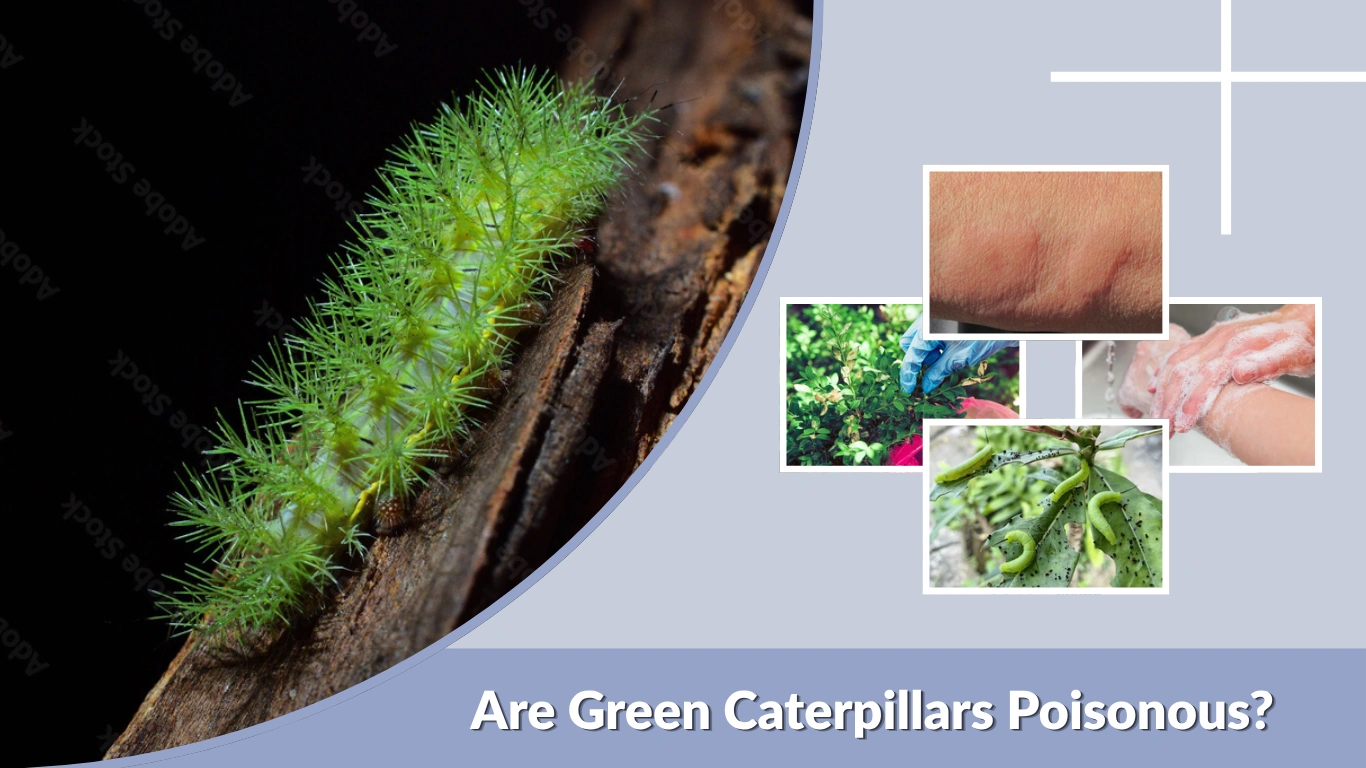
Green caterpillars are commonly found in gardens, forests, and even on household plants, which often raises concern about their safety. Many people wonder whether these small, leaf-colored insects are poisonous or capable of causing harm. The truth is that most green caterpillars are harmless, but a few species have developed defense mechanisms such as stinging spines. Understanding how to identify risky species and what to do if you encounter one can help you stay safe while still appreciating these important parts of nature.
Are Green Caterpillars Poisonous?
Most green caterpillars are not poisonous and do not pose a serious threat to humans. However, some species are venomous, meaning they can inject toxins through spines or hairs when touched. The level of risk depends on the species and its physical characteristics.
General Safety Overview
- Most species are harmless
- A few can sting or irritate skin
- Identification is key to avoiding risk
Why Some Caterpillars Are Dangerous
- Use venom as a defense against predators
- Bright colors or spines act as warning signals
- Contact with skin can trigger reactions
Poisonous vs Venomous Caterpillars
Understanding the difference between poisonous and venomous caterpillars helps clarify confusion and improves safety awareness. While these terms are often used interchangeably, they describe two different types of biological defense.
What Does Poisonous Mean?
A poisonous caterpillar would be harmful if eaten or ingested. This is relatively rare among caterpillars. Most species do not rely on toxins that affect predators through consumption.
What Does Venomous Mean?
Venomous caterpillars deliver toxins through direct contact, usually via spines or tiny hairs. This is more common and explains why touching certain caterpillars can result in a painful reaction.
How to Identify Dangerous Green Caterpillars

Not all green caterpillars are safe to handle, so learning how to recognize warning signs is important. Visual features often provide clear clues about whether a caterpillar may be harmful.
Warning Signs to Look For
- Spines, hairs, or bristles covering the body
- Bright or contrasting colors
- Unusual patterns or markings
Features of Harmless Caterpillars
- Smooth, soft bodies without spines
- Plain green coloration
- Slow, non-defensive movement
Common Green Caterpillars That Can Sting
Some green caterpillars are known for their ability to sting and should be avoided. These species use venom as a defense and can cause noticeable skin reactions.
Io Moth Caterpillar
The Io moth caterpillar is bright green and covered in stinging spines. Contact with its body can cause a burning sensation, redness, and irritation. It is commonly found in many parts of North America.
Saddleback Caterpillar
This caterpillar has a distinctive green body with a brown patch on its back. It is well known for delivering a painful sting when touched and should not be handled.
Puss Caterpillar
Although it may appear soft and harmless, this caterpillar is highly venomous. Its sting can cause severe discomfort, making it one of the most dangerous caterpillars to encounter.
Symptoms of Caterpillar Stings

When a venomous caterpillar comes into contact with skin, it can cause a range of symptoms. These reactions vary depending on the species and the sensitivity of the individual.
Mild Symptoms
- Burning or stinging sensation
- Redness and swelling
- Itching or irritation
Severe Reactions
- Blisters or prolonged pain
- Headache or nausea in rare cases
- Allergic reactions in sensitive individuals
What to Do If a Green Caterpillar Stings You
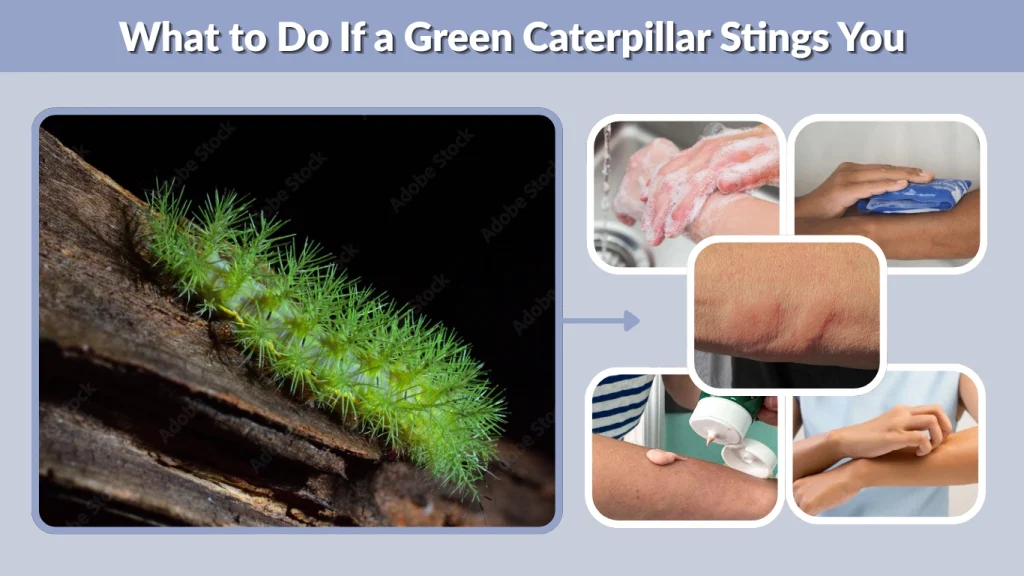
Knowing how to respond quickly after a sting can help reduce discomfort and prevent complications. Immediate care is usually simple and effective for most mild reactions.
First Aid Steps
- Use adhesive tape to remove any remaining hairs or spines
- Wash the affected area with soap and water
- Apply a cold compress to reduce swelling
When to Seek Medical Help
- If pain becomes severe or spreads
- If there are signs of an allergic reaction
- If symptoms do not improve over time
Are Green Caterpillars Dangerous to Pets?
Green caterpillars can pose a risk to pets, especially curious animals like dogs that may try to sniff, touch, or bite them. While most caterpillars are harmless, venomous species can cause irritation or discomfort if contact occurs.
Risks to Dogs and Cats
Pets may experience irritation in the mouth, nose, or paws after contact with stinging caterpillars. Symptoms can include drooling, pawing at the face, or mild swelling. Serious reactions are uncommon but possible in sensitive animals.
Safety Tips for Pet Owners
Keep pets away from areas where caterpillars are present, especially during peak seasons. Supervising outdoor activity and checking plants regularly can help prevent accidental contact and reduce risk.
Are Green Caterpillars Harmful to Plants?
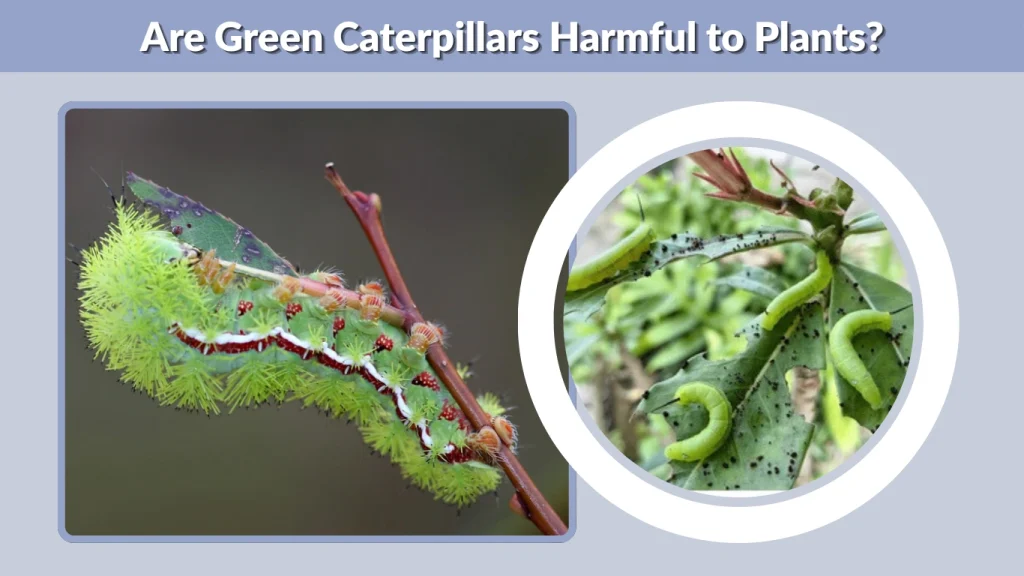
Green caterpillars primarily feed on leaves, which can sometimes lead to visible plant damage. In most cases, the damage is minor, but larger populations can affect plant health if not managed.
Plant Damage
Caterpillars chew holes in leaves and may strip foliage if present in large numbers. This can reduce a plant’s ability to photosynthesize and weaken its overall growth.
When It Becomes a Problem
Damage becomes more serious when caterpillars appear in large groups or repeatedly infest the same plants. In such cases, intervention may be necessary to protect plant health.
How to Handle Green Caterpillars Safely
Handling caterpillars should always be done with caution, especially when the species is unknown. Simple precautions can help prevent accidental stings or irritation.
Safe Handling Tips
- Avoid touching caterpillars with bare hands
- Use gloves if removal is necessary
- Wash hands after any contact
How to Get Rid of Green Caterpillars
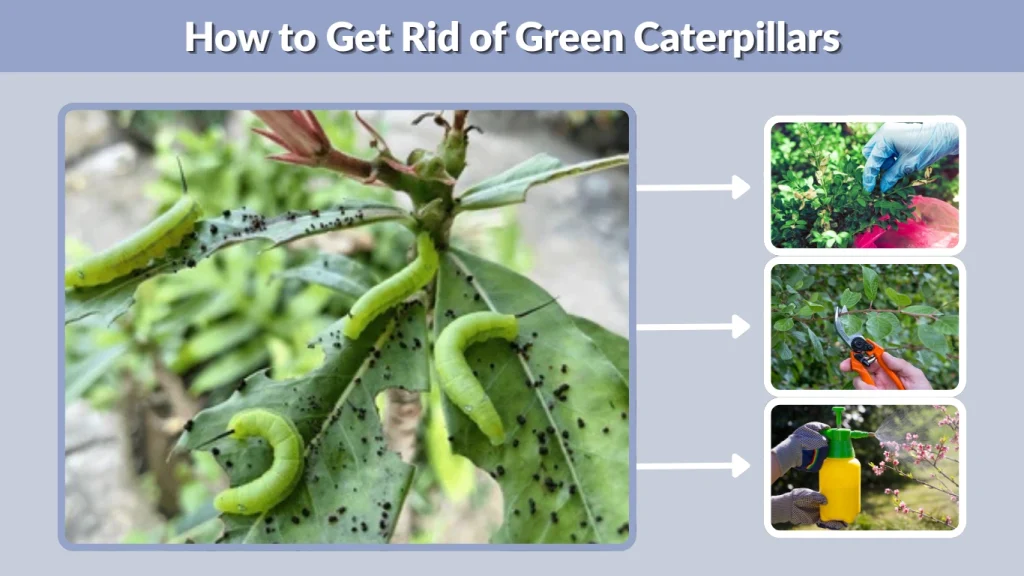
If green caterpillars begin to damage plants or become too common, there are several safe and effective ways to manage their population without harming the environment.
Natural Control Methods
- Remove caterpillars by hand using gloves
- Encourage birds and beneficial insects
- Apply neem oil or insecticidal soap
Prevention Strategies
- Inspect plants regularly for eggs or larvae
- Keep plants healthy and well-maintained
- Remove affected leaves early
Common Harmless Green Caterpillars
Many green caterpillars are completely harmless and play a beneficial role in nature. Recognizing these species can help reduce unnecessary concern.
Examples of Harmless Species
- Inchworms, known for their looping movement
- Cabbage loopers, commonly found in gardens
- Tomato hornworms, large but non-stinging
Why Some Caterpillars Are Bright Green
The green coloration of many caterpillars serves important survival purposes. It helps them blend into their surroundings while also signaling potential danger in some species.
Camouflage
Green coloration allows caterpillars to blend in with leaves, making them less visible to predators. This natural disguise is one of their most effective survival strategies.
Warning Signals
In some species, bright colors combined with spines act as a warning to predators. This signals that the caterpillar may be venomous or unpleasant to touch.
Interesting Facts About Green Caterpillars
Green caterpillars are more diverse and complex than they may appear. Their behaviors and adaptations make them an important part of ecosystems.
- Most eventually become moths or butterflies
- Some mimic leaves or twigs to avoid predators
- Many have evolved defensive features for survival
FAQs
Are all green caterpillars poisonous?
No, most green caterpillars are not poisonous and are safe to observe. Only a small number of species have venomous spines that can cause irritation. Identifying physical features like hairs or bright patterns can help determine potential risk.
How can you tell if a caterpillar is dangerous?
Dangerous caterpillars often have visible warning signs such as spines, hairs, or bright colors. Smooth, plain green caterpillars are usually harmless. If unsure, it is best to avoid touching any caterpillar.
What happens if you touch a poisonous caterpillar?
Contact with a venomous caterpillar can cause a burning sensation, redness, swelling, or itching. Symptoms are usually mild but can vary depending on sensitivity. Proper first aid can help reduce discomfort quickly.
Are green caterpillars safe to touch?
Not all green caterpillars are safe to touch. While many are harmless, some can sting or cause skin irritation. It is always safer to avoid handling caterpillars unless you are certain of the species.
