
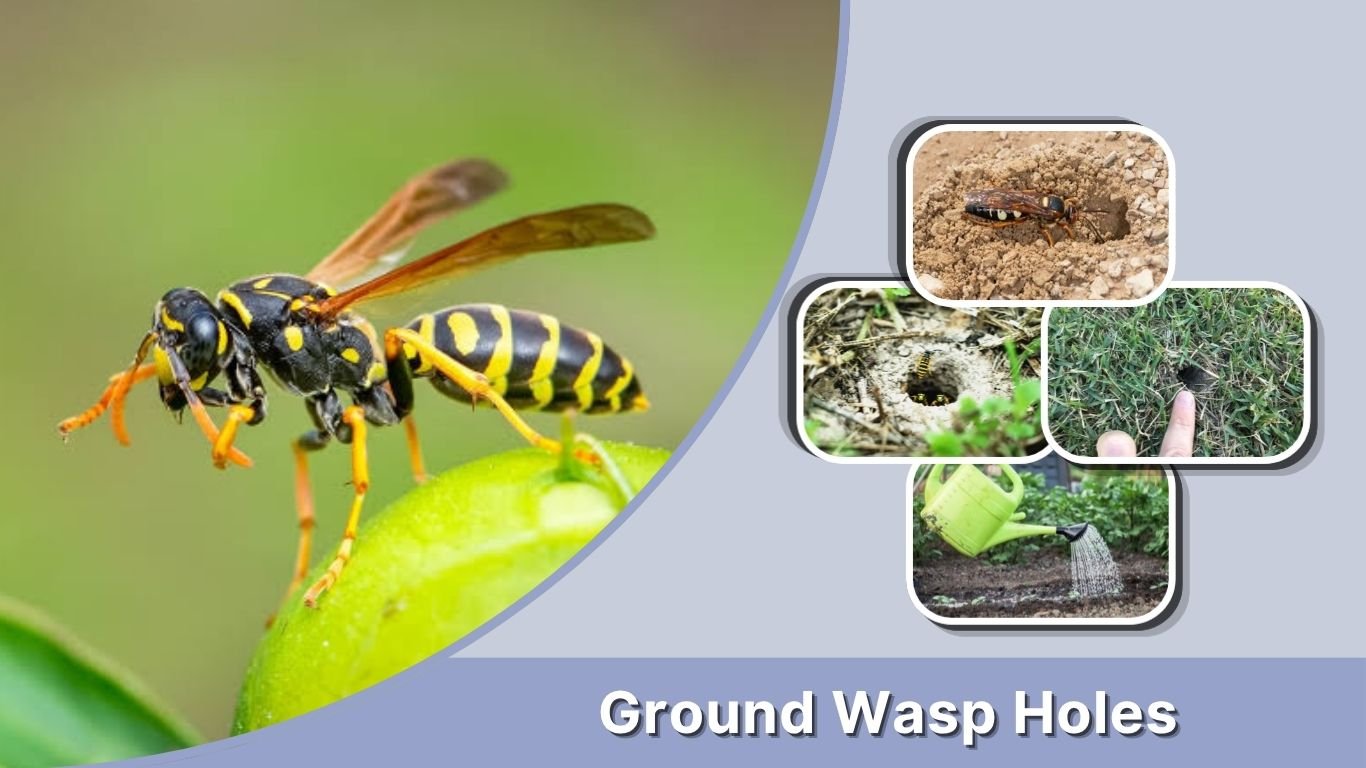
Ground Wasp Holes: Identification, Risks, and Safe Removal
Ground wasp holes can appear in lawns, gardens, flower beds, sandy soil, and along sidewalks or foundations. Some belong to solitary digger wasps that rarely … Read More
Ground wasp holes can appear in lawns, gardens, flower beds, sandy soil, and along sidewalks or foundations. Some belong to solitary digger wasps that rarely … Read More
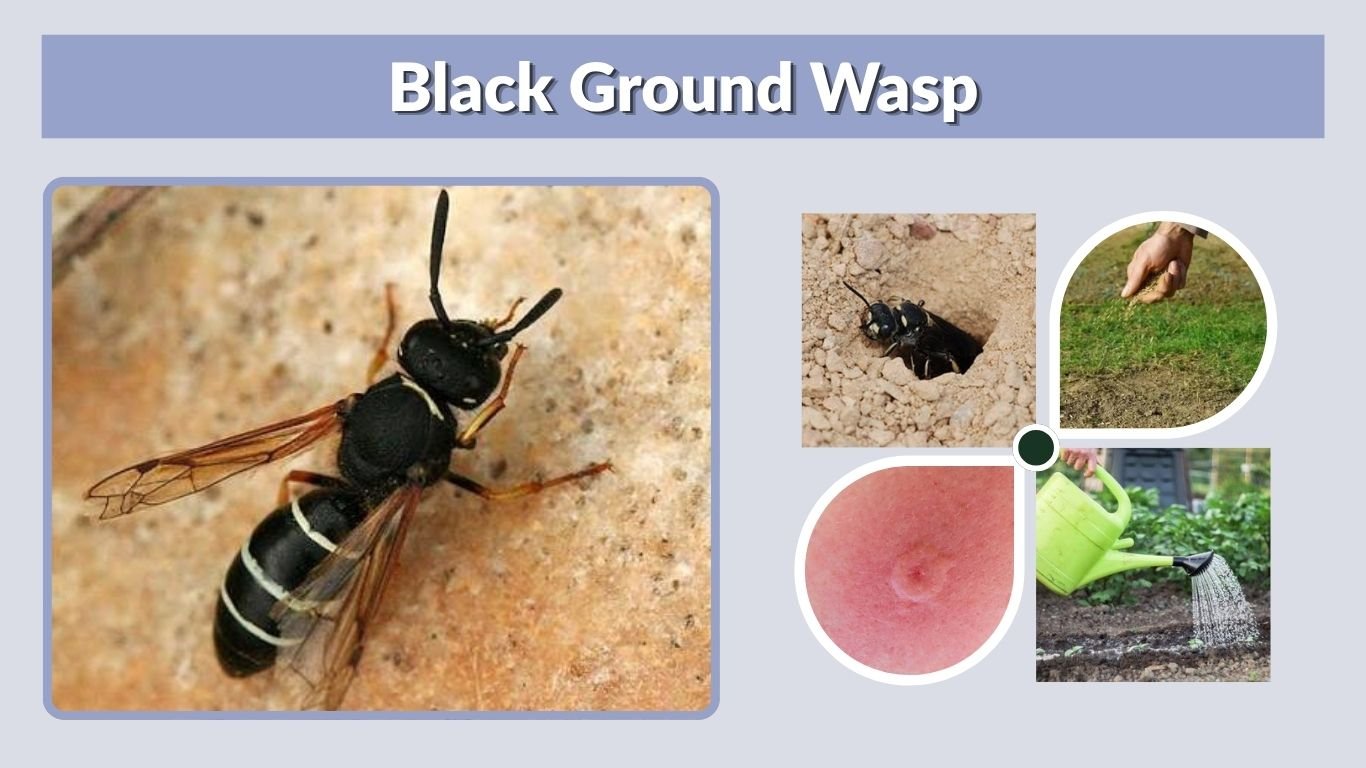
A black wasp flying close to the lawn or disappearing into a small hole can be alarming. However, “black ground wasp” is a general description … Read More
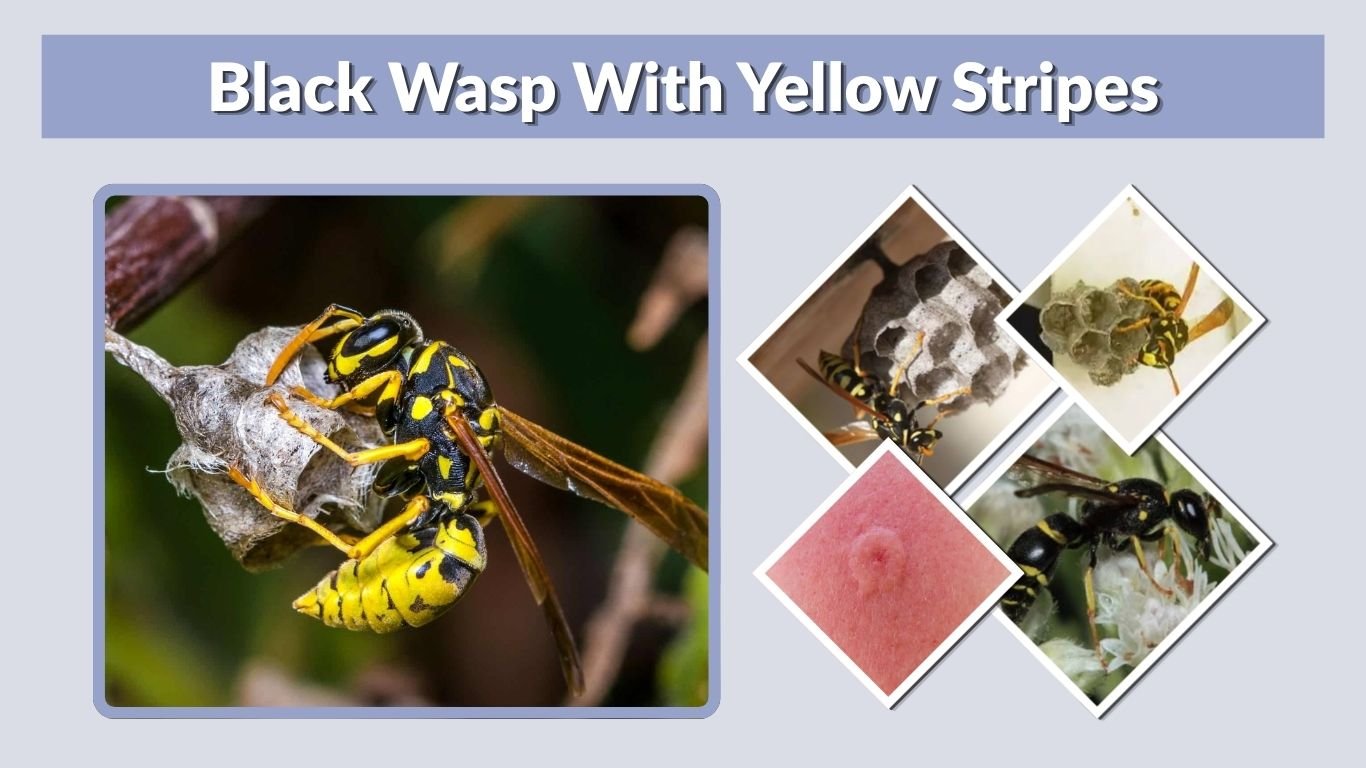
A black wasp with yellow stripes may be a yellowjacket, paper wasp, potter wasp, mason wasp, mud dauber, or another solitary hunting wasp. Color alone … Read More
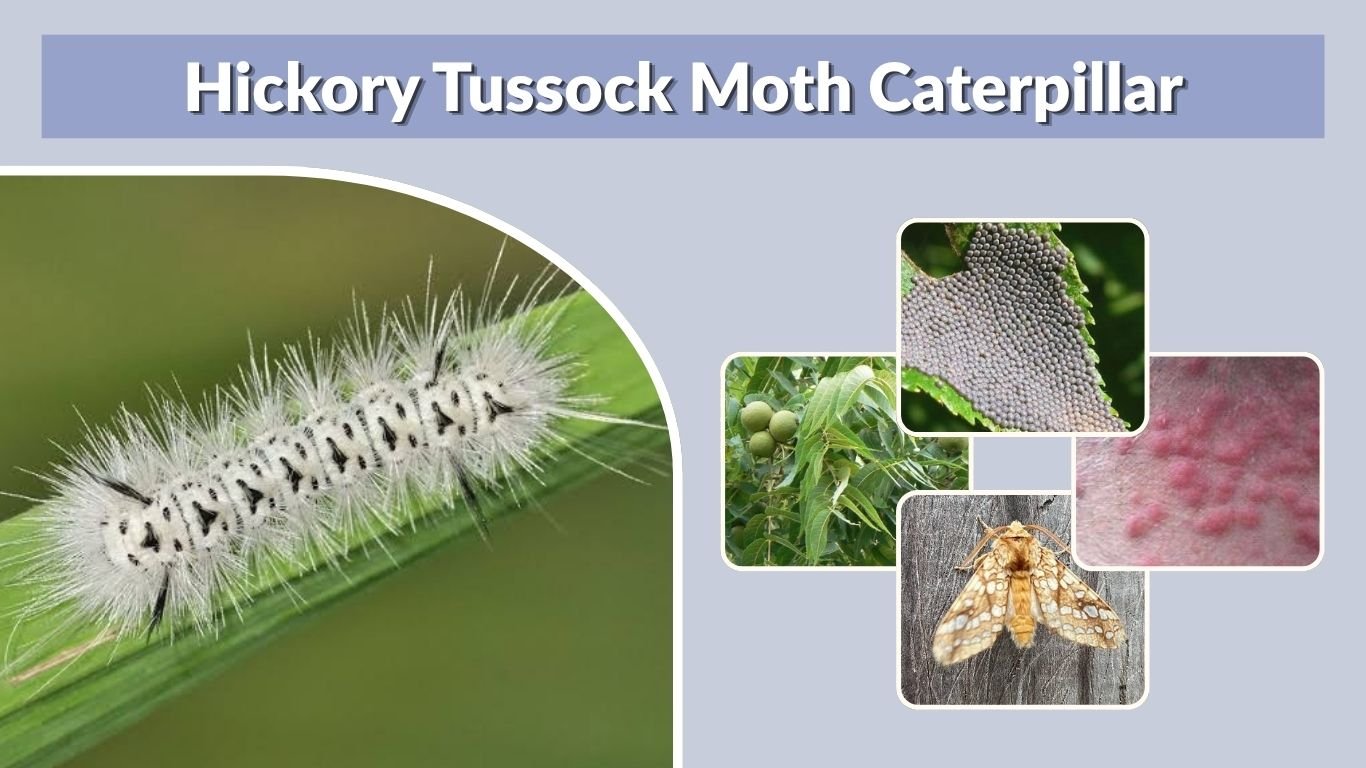
The hickory tussock moth caterpillar is a white, fuzzy caterpillar with black markings and long hair tufts. It is the larval stage of the hickory … Read More
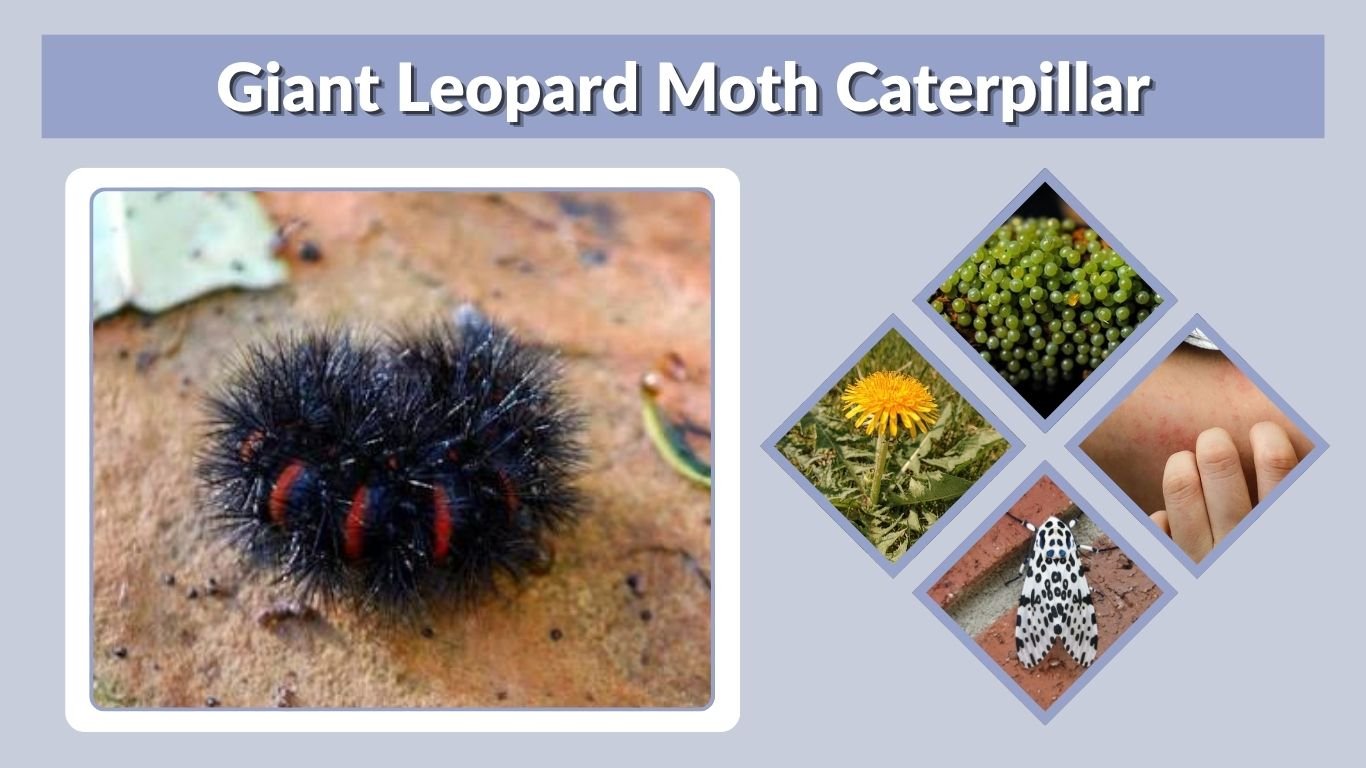
The giant leopard moth caterpillar is a black fuzzy caterpillar that later becomes the beautiful giant leopard moth, Hypercompe scribonia. It is also called the … Read More
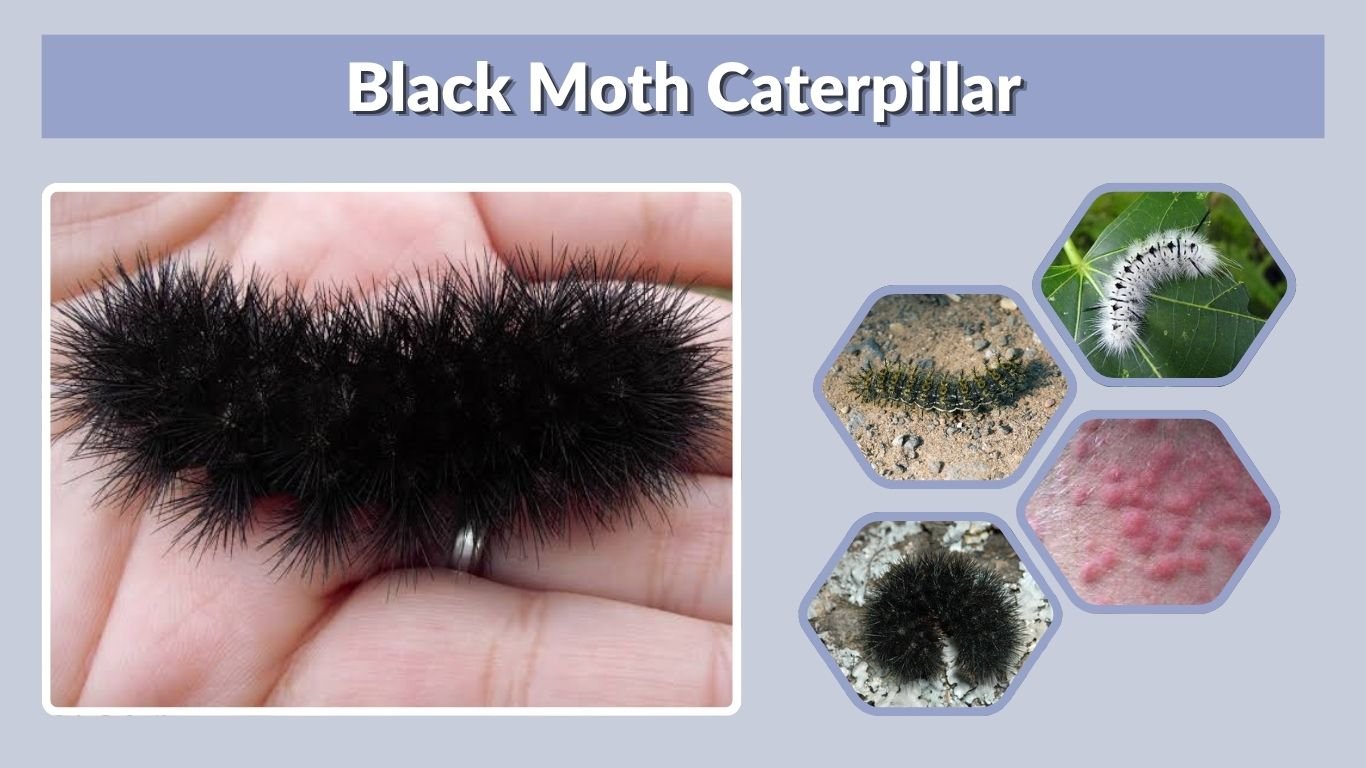
A black moth caterpillar can be the larva of many different moth species. Some are harmless fuzzy caterpillars, while others can sting, irritate skin, or … Read More
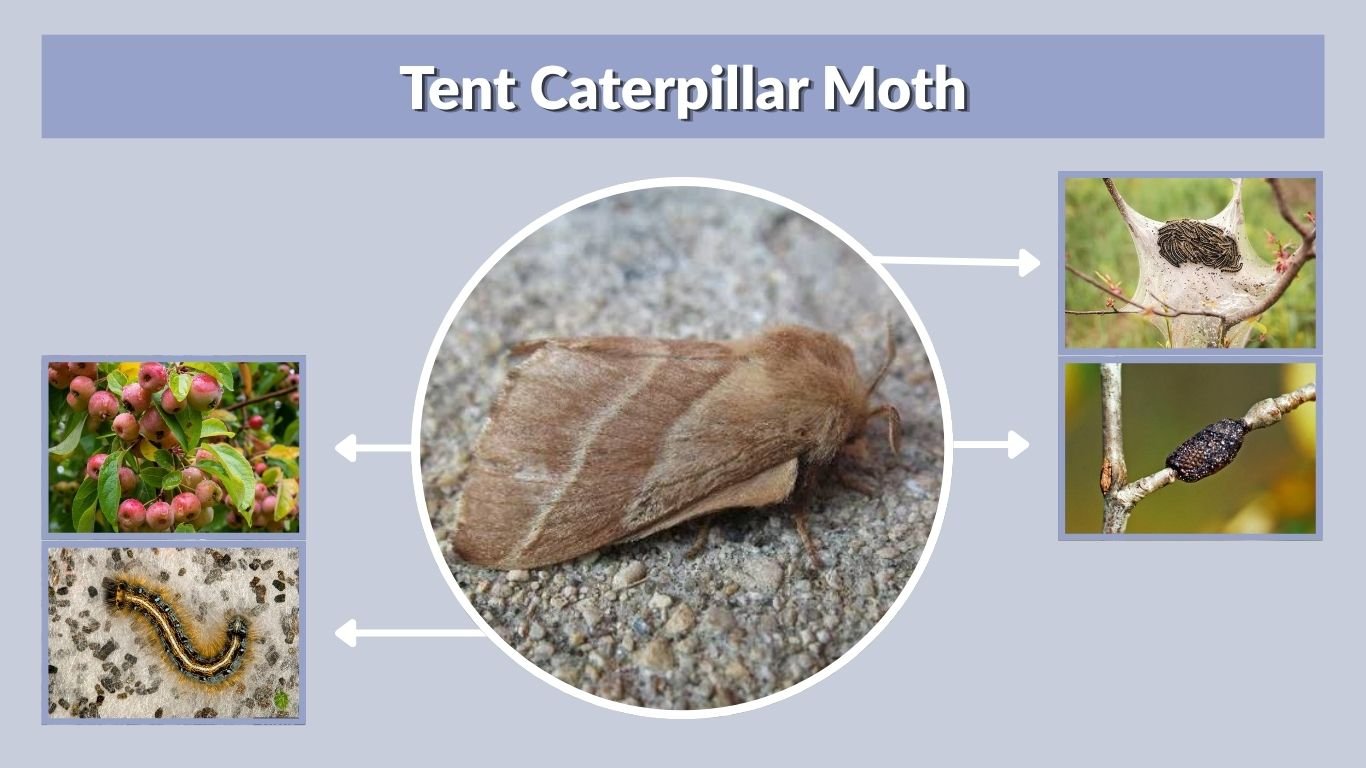
The tent caterpillar moth is the adult stage of several caterpillars in the genus Malacosoma. These insects are best known for their social caterpillars, which … Read More
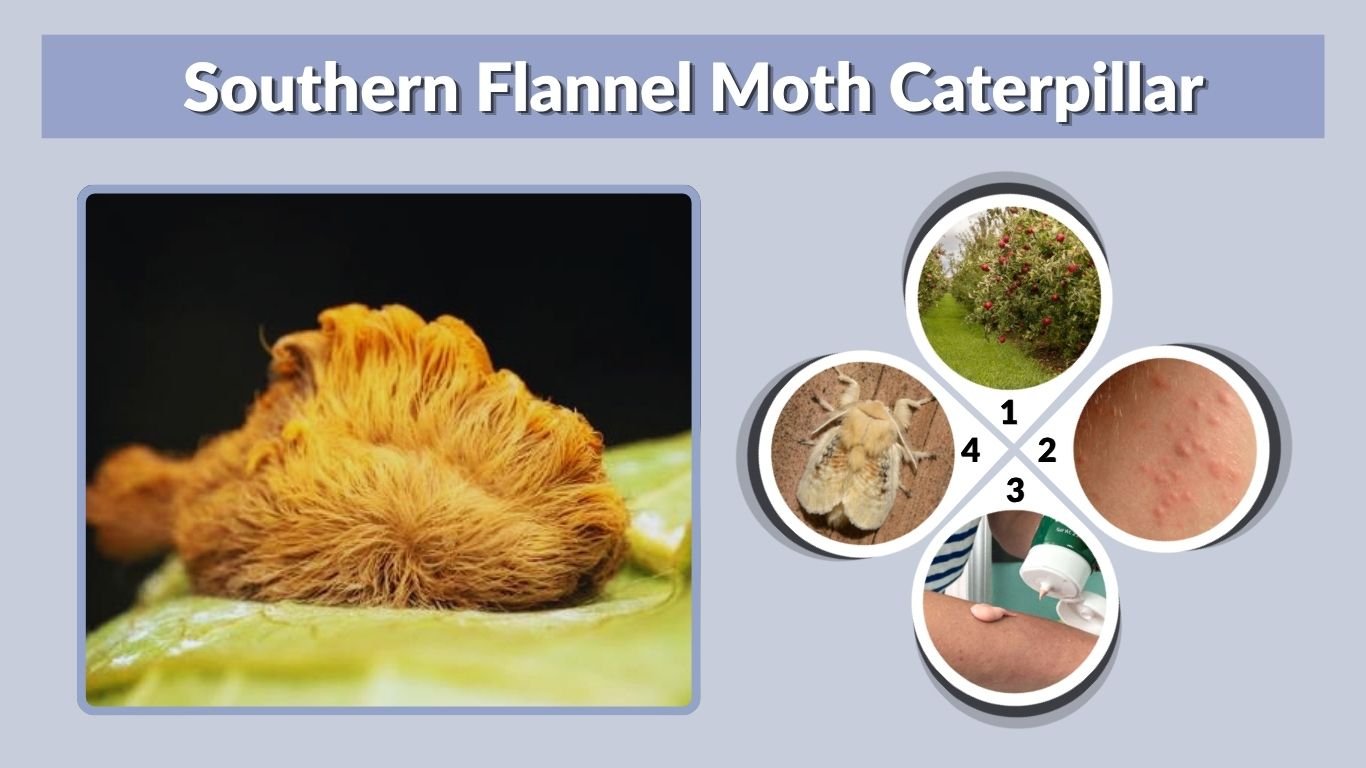
The southern flannel moth caterpillar is one of the most dangerous-looking “cute” caterpillars in the United States. It is also called the puss caterpillar, tree … Read More
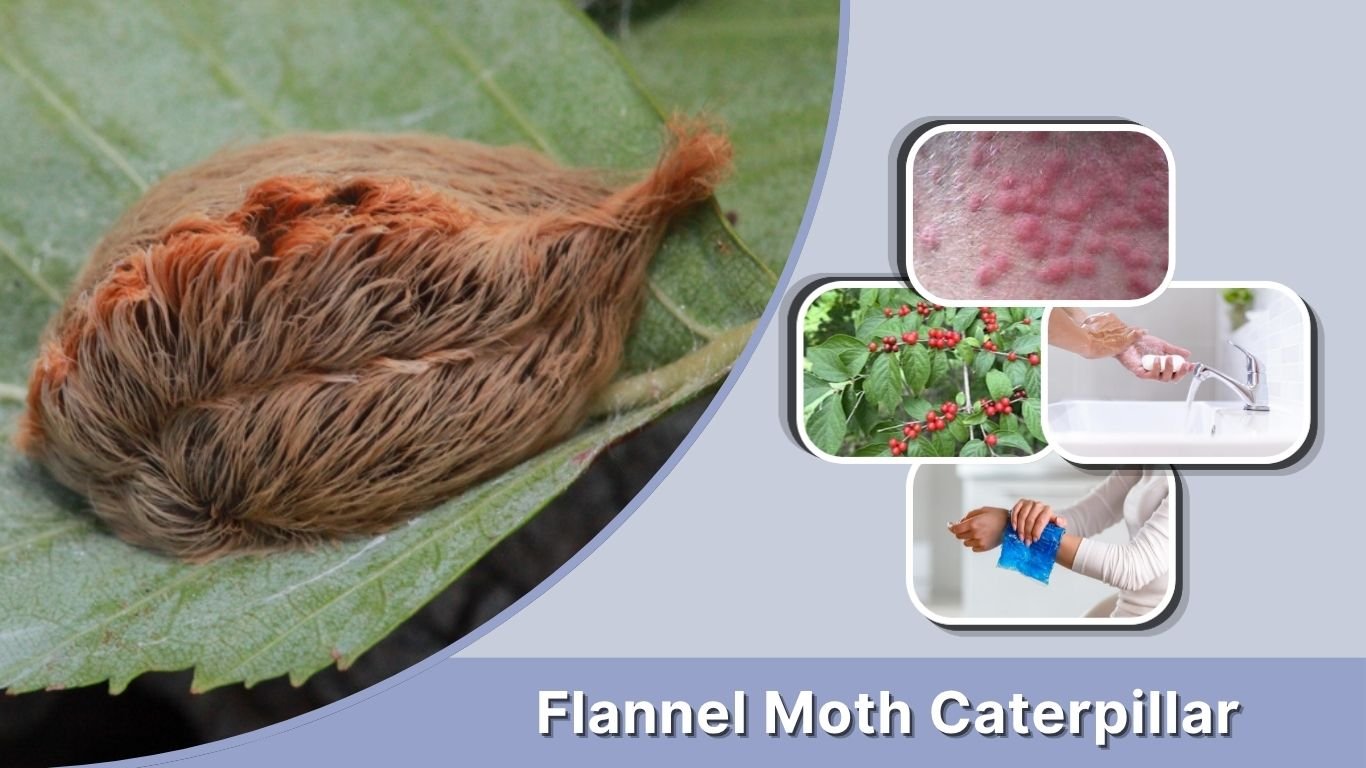
The flannel moth caterpillar is one of the most important stinging caterpillars to recognize in the United States. The best-known species is the southern flannel … Read More
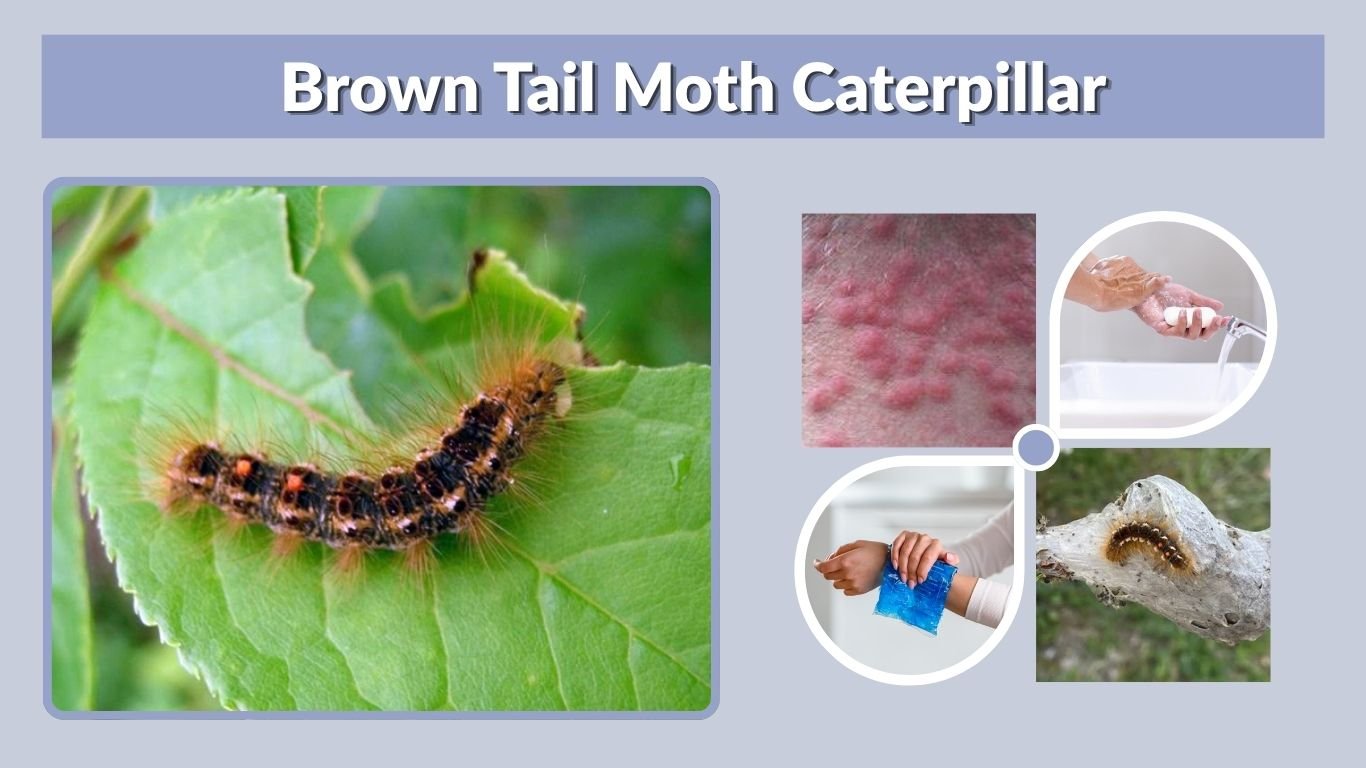
The brown tail moth caterpillar is the larval stage of Euproctis chrysorrhoea, a moth known for causing itchy skin rashes and breathing irritation. The caterpillar’s … Read More