
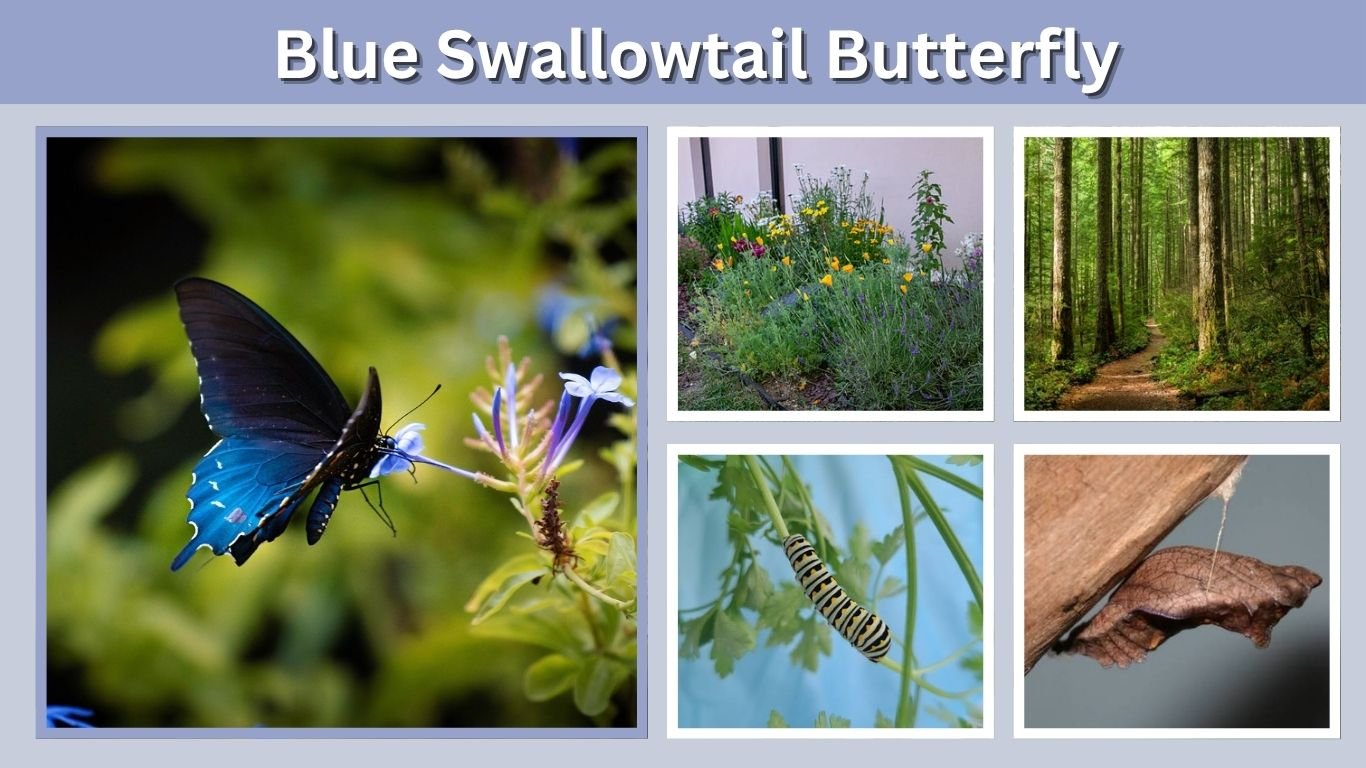
Blue Swallowtail Butterfly: Identification & Life Cycle
The blue swallowtail butterfly is admired for its striking black wings, shimmering blue markings, and elegant flight. In North America, this name commonly refers to … Read More
The blue swallowtail butterfly is admired for its striking black wings, shimmering blue markings, and elegant flight. In North America, this name commonly refers to … Read More
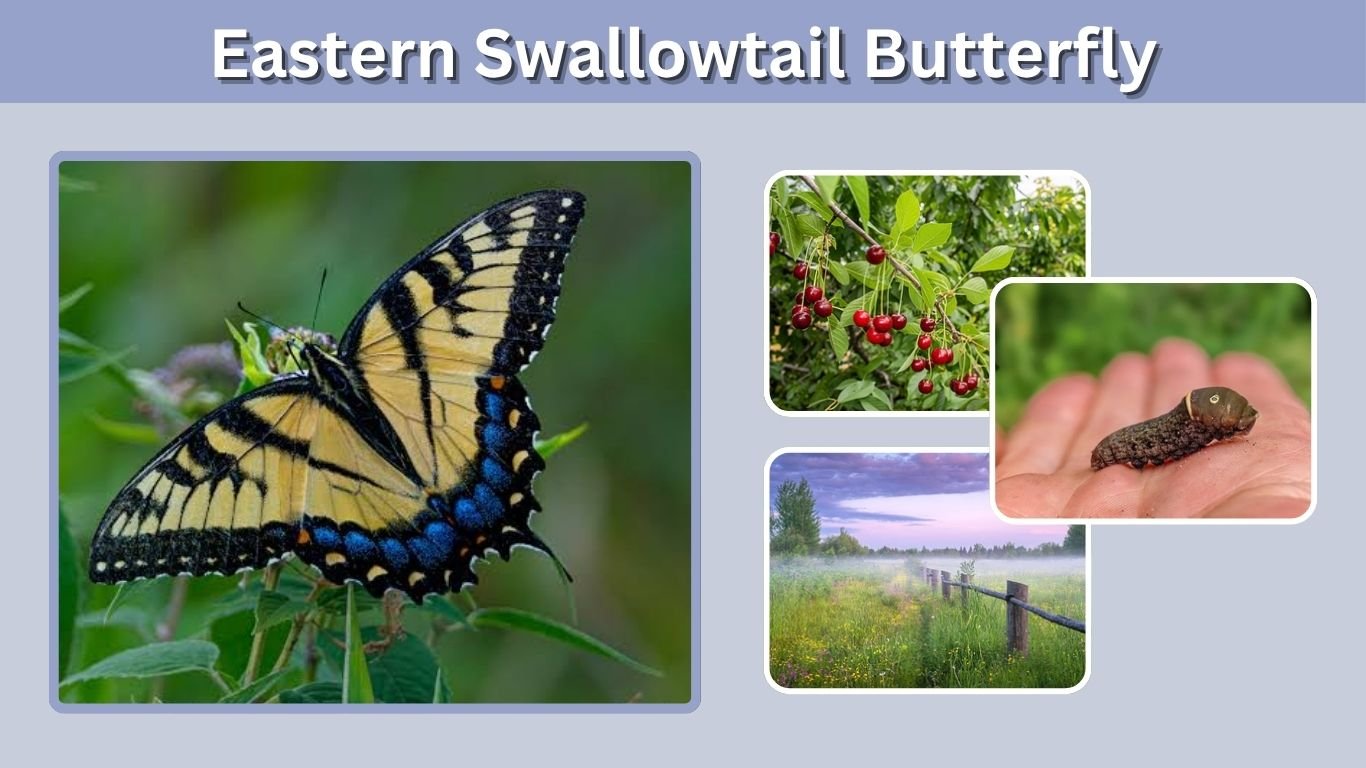
The eastern swallowtail butterfly is one of North America’s most recognizable butterflies, admired for its colorful wings and graceful flight. The eastern tiger swallowtail (Papilio … Read More
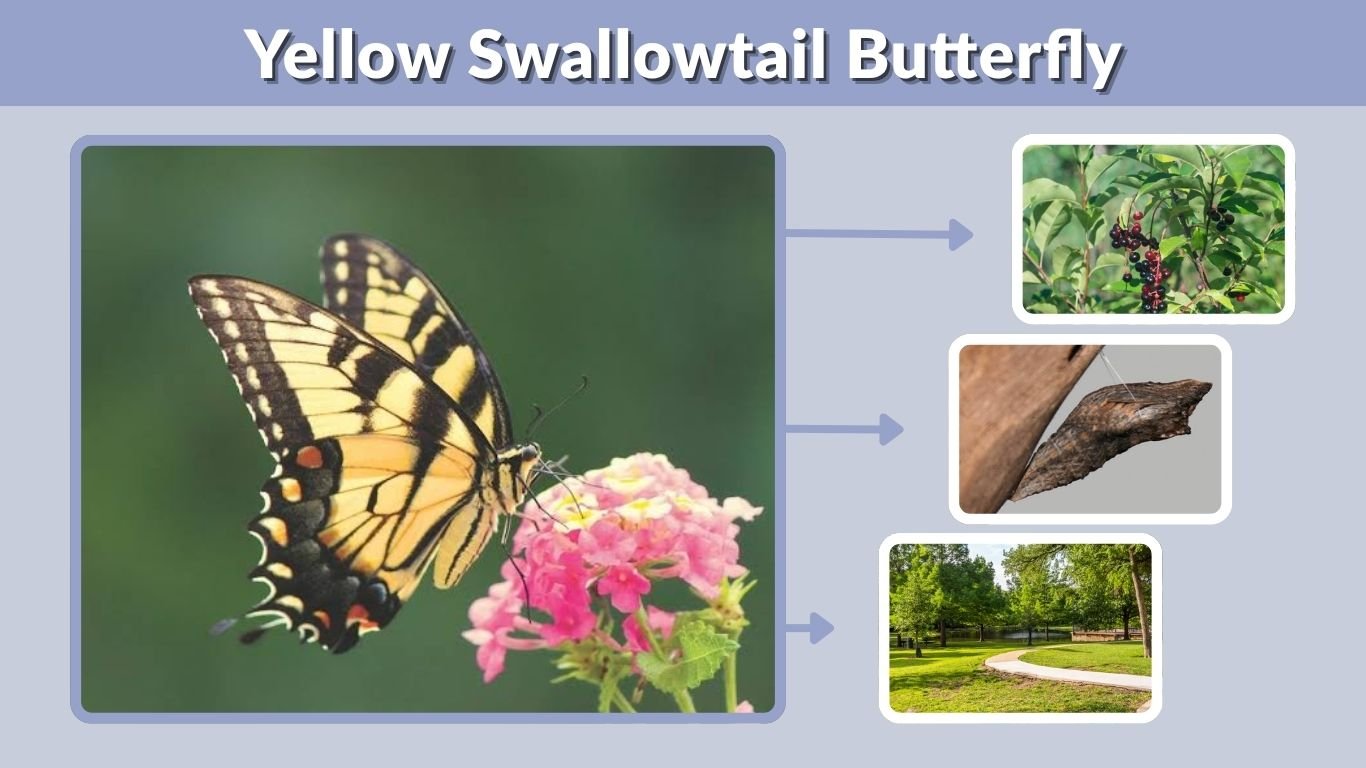
The yellow swallowtail butterfly is recognized by its bright yellow wings, bold black markings, and distinctive tail-like extensions on the hindwings. The name is commonly … Read More
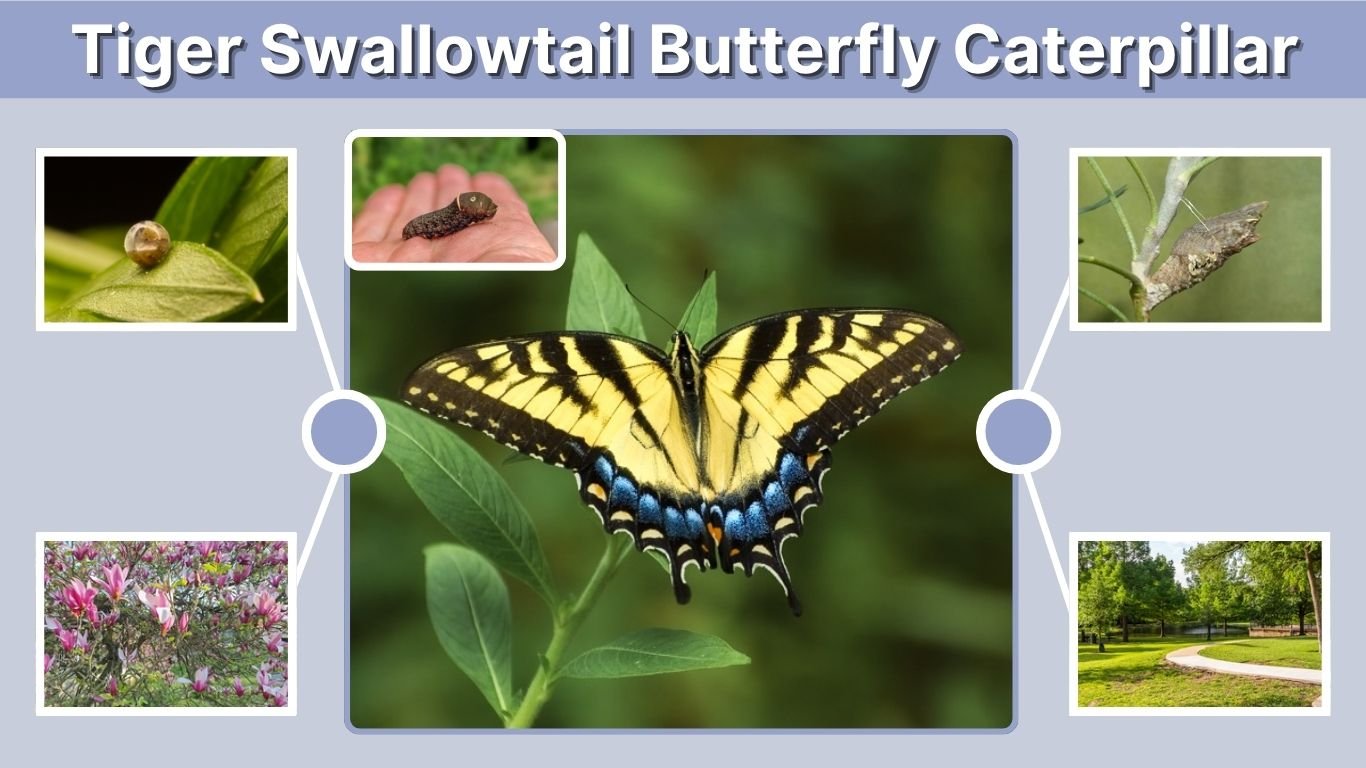
The tiger swallowtail butterfly caterpillar is a fascinating larval stage known for its green body, large false eyespots, and remarkable camouflage. Depending on the species, … Read More
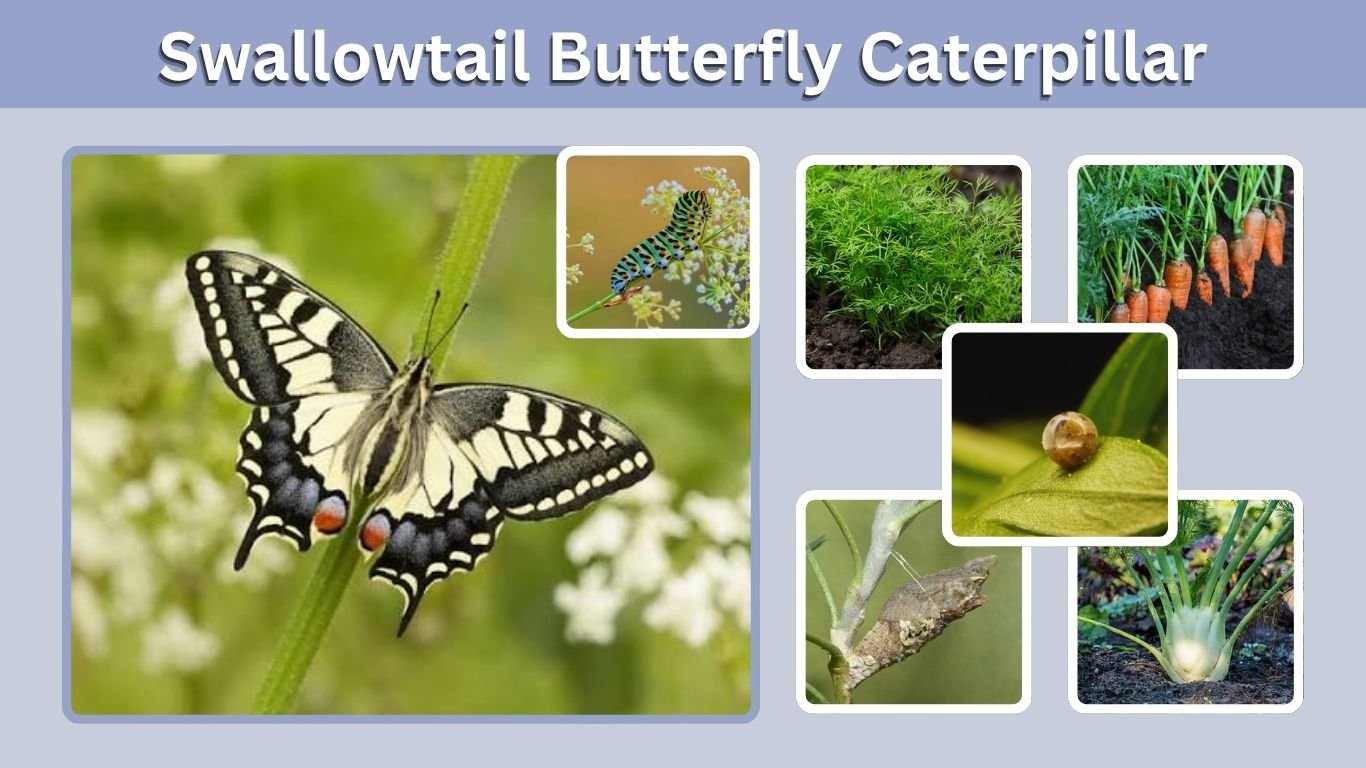
A swallowtail butterfly caterpillar can look surprisingly different depending on its species and stage of development. Some are bright green with colorful spots, while others … Read More
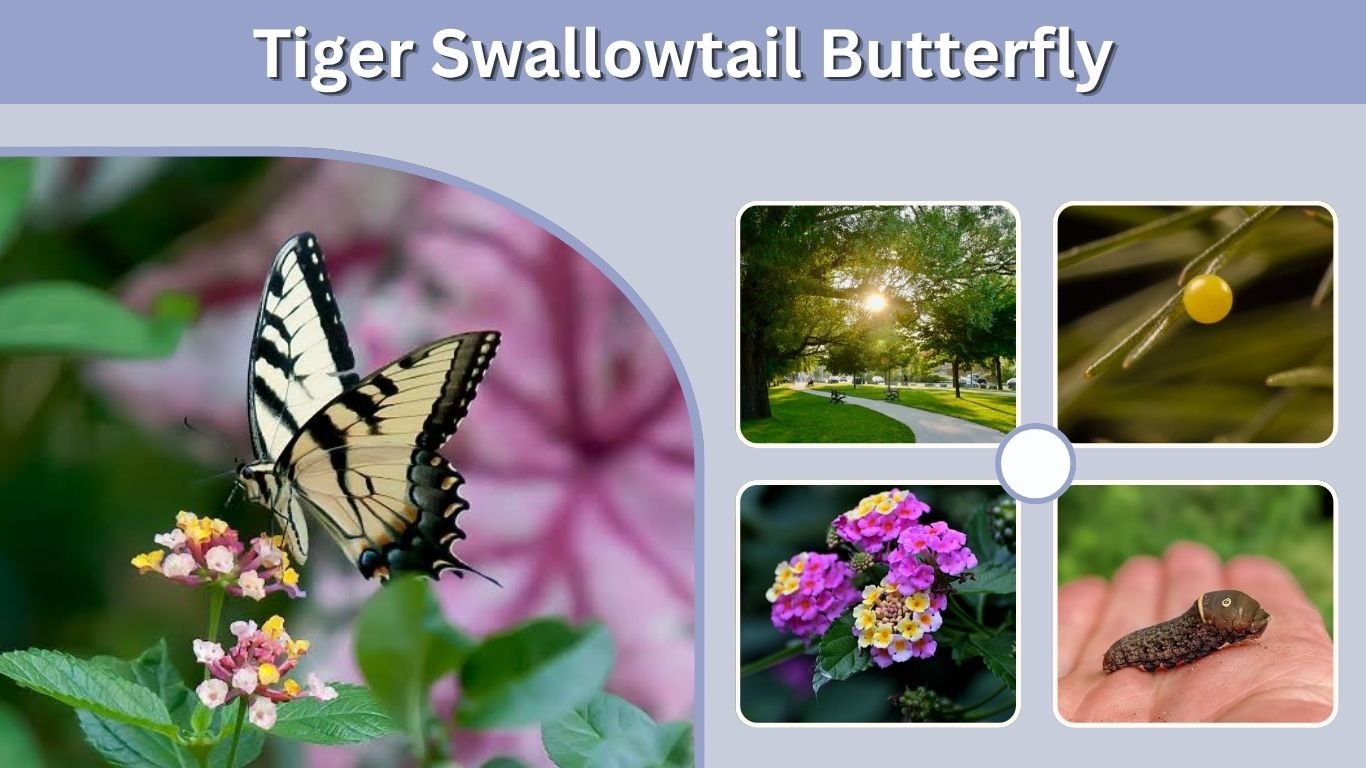
The Tiger Swallowtail butterfly is one of North America’s most recognizable butterflies, famous for its large yellow wings crossed by bold black tiger-like stripes. Several … Read More
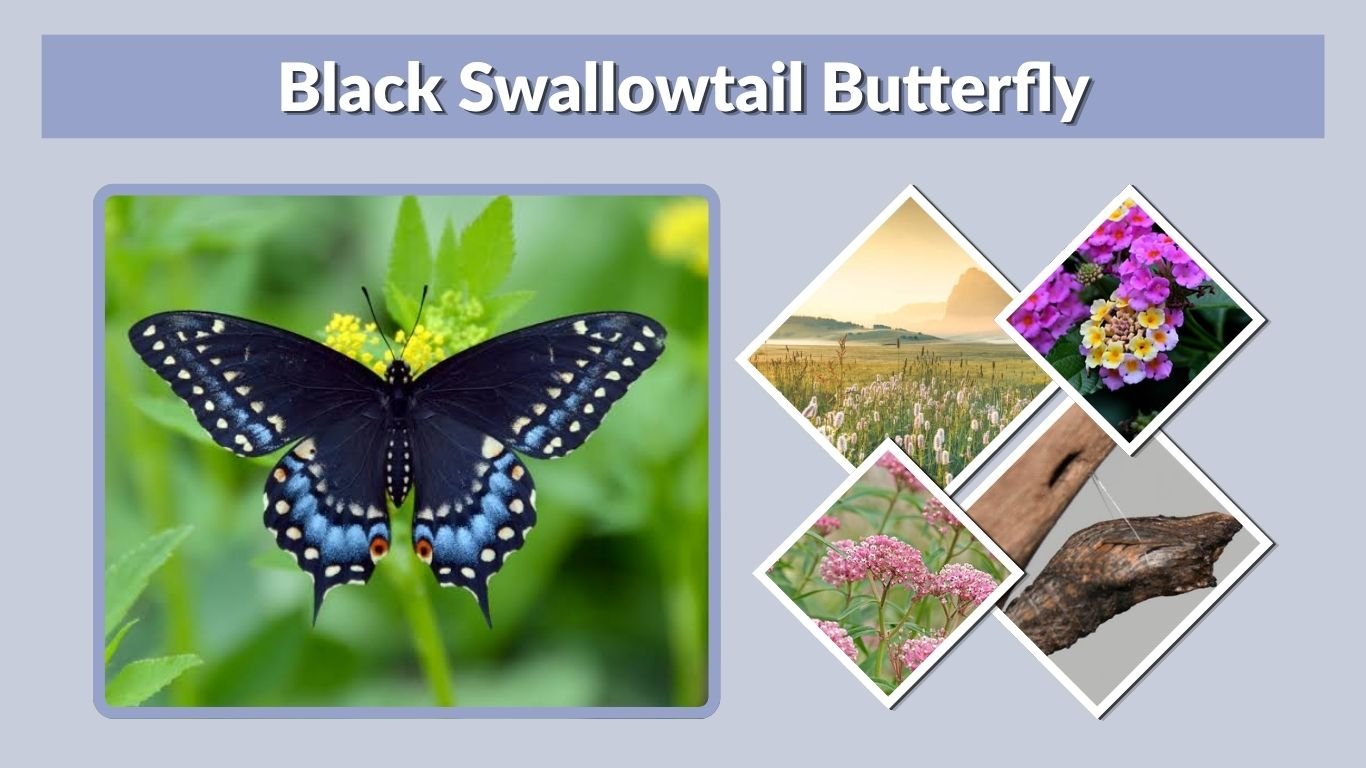
The Black Swallowtail butterfly is a striking North American species known for its dark wings, colorful spots, and distinctive tail-like hindwings. Often seen in gardens, … Read More
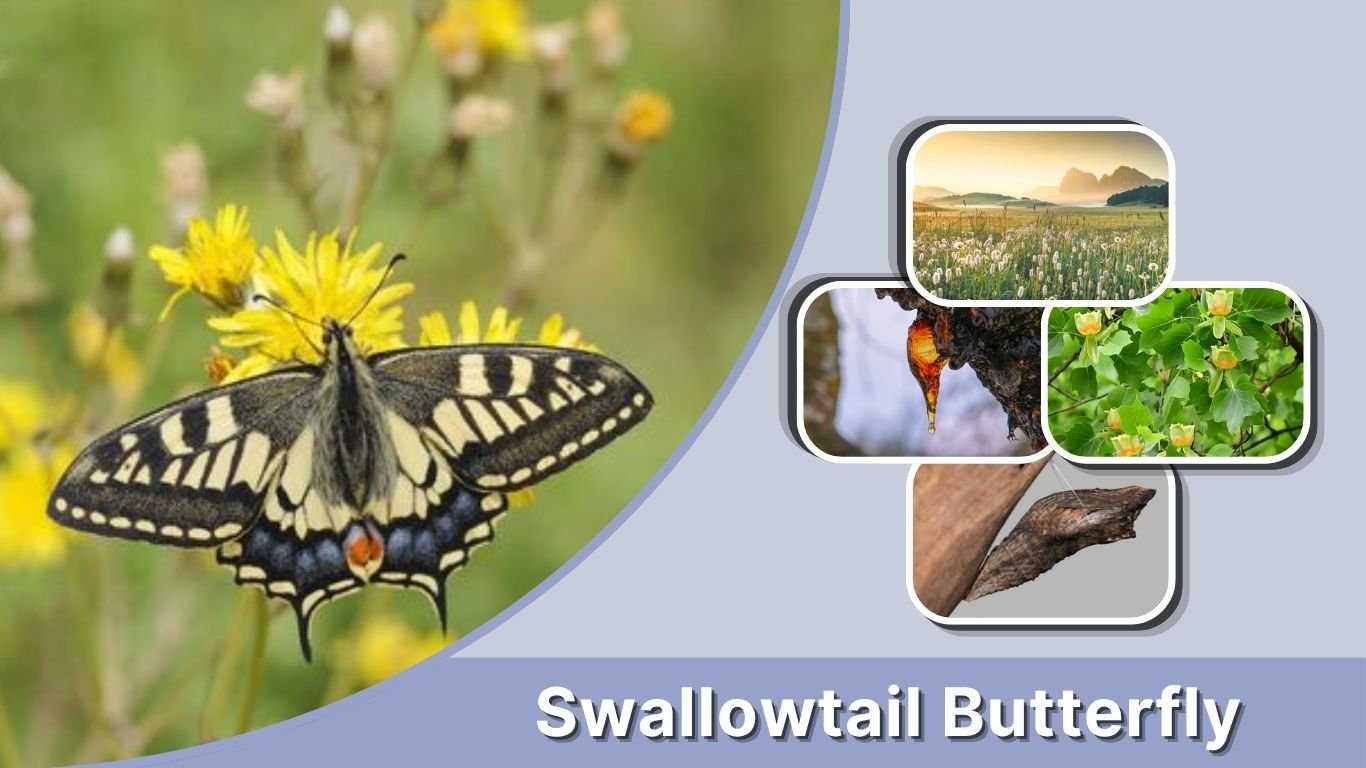
Swallowtail butterflies are among the most recognizable butterflies in the world, known for their large wings, striking colors, and tail-like extensions on the hindwings of … Read More
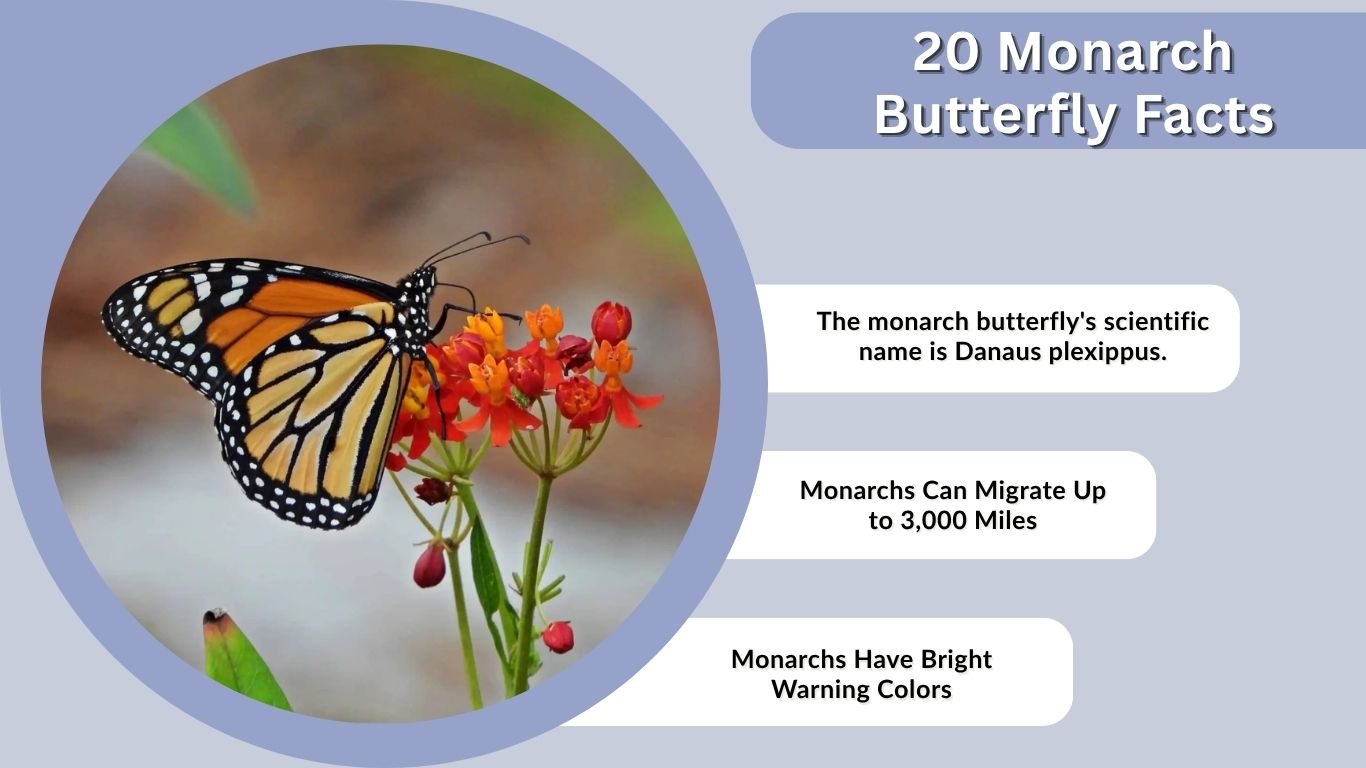
Monarch butterflies are famous for their brilliant orange wings, remarkable migration, and close relationship with milkweed. But there is much more to these insects than … Read More
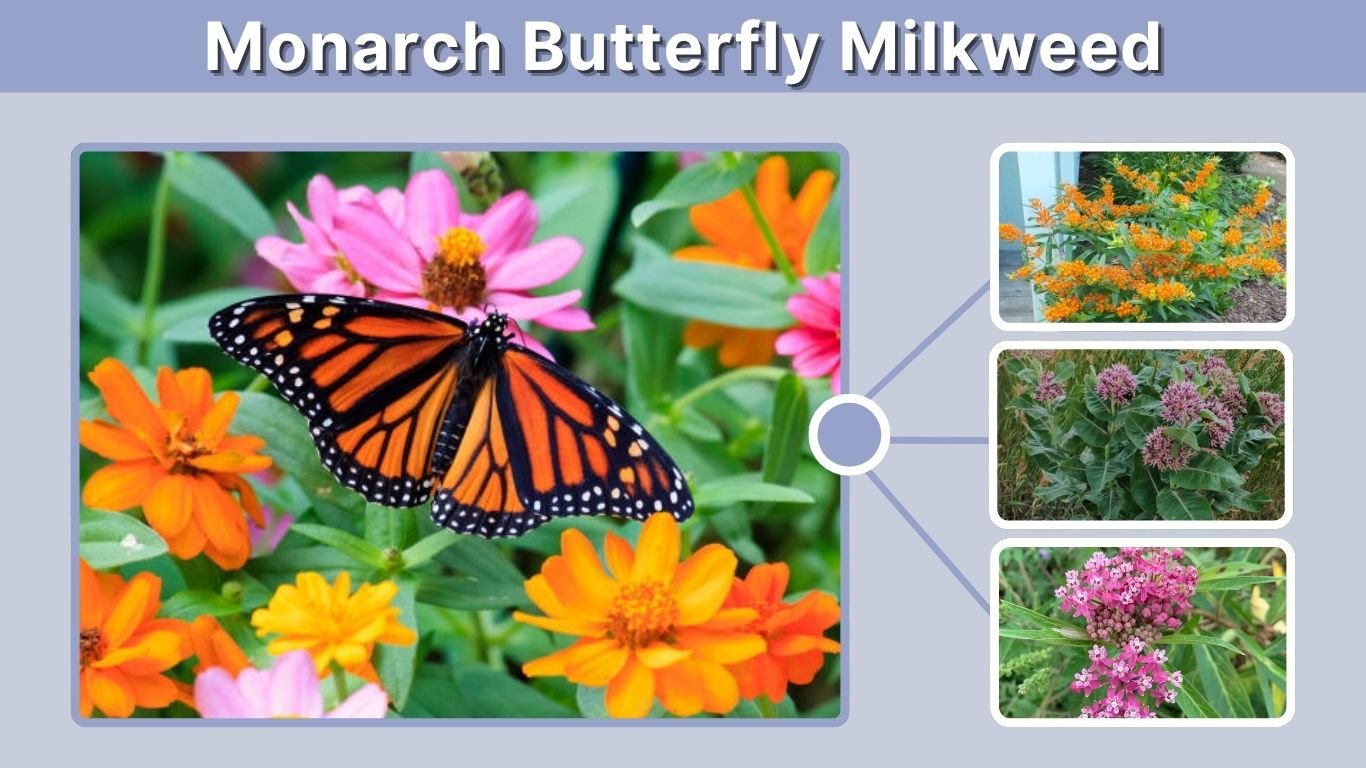
Monarch butterfly milkweed has one of the most important plant–insect relationships in North America. Female monarchs seek milkweed when laying eggs because their caterpillars depend … Read More