
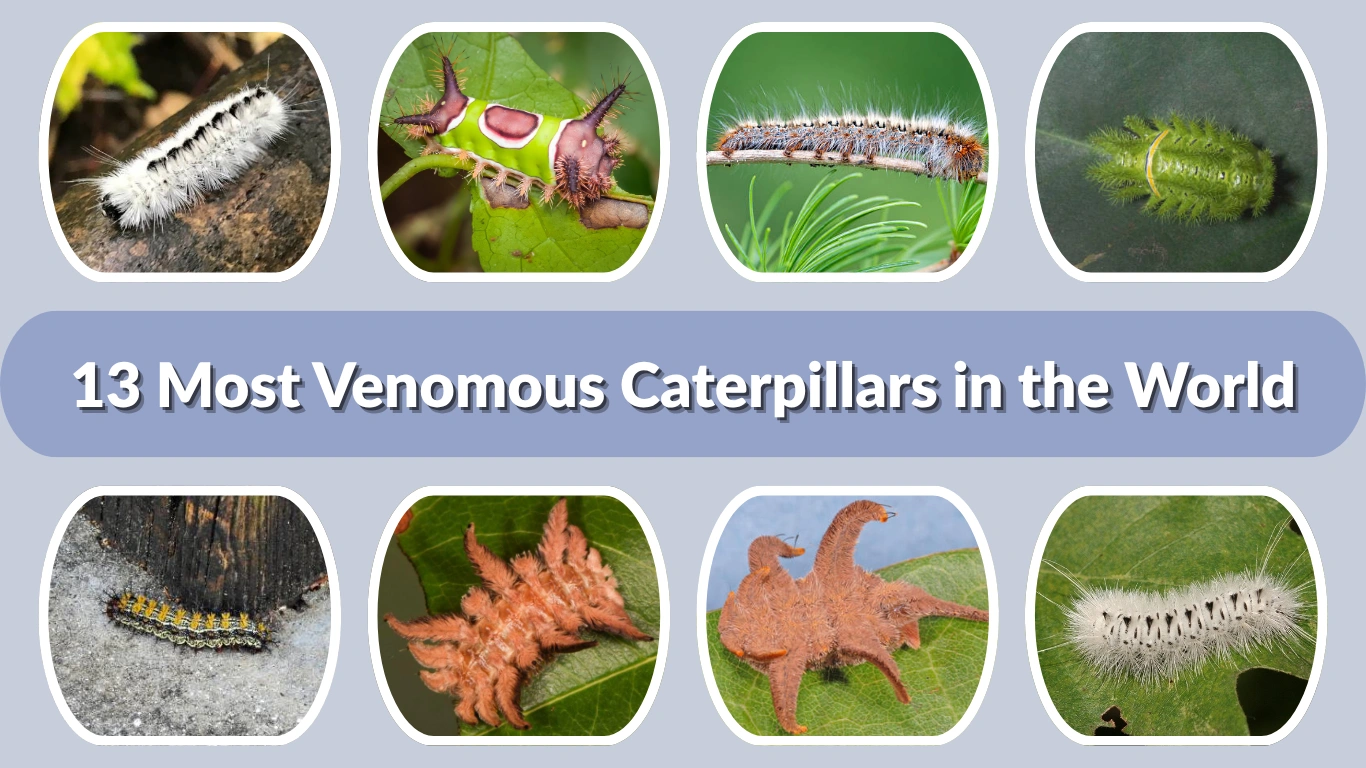
Caterpillars may seem harmless, but some species are equipped with venomous spines or irritating hairs that can cause painful reactions. From intense stings to skin irritation and allergic responses, these tiny creatures can pose unexpected risks. Many of them are brightly colored or covered in soft-looking fur, which can be misleading. Understanding which caterpillars are dangerous helps you stay safe while exploring nature or gardening. In this guide, you will discover some of the most dangerous caterpillars and learn why it is best to avoid direct contact with them.
1. Puss Caterpillar
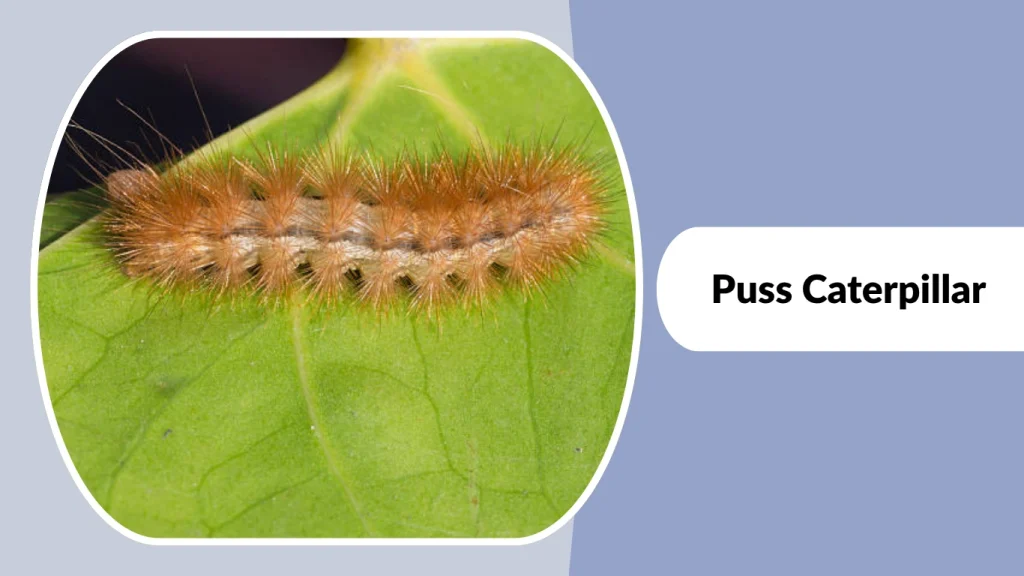
The Puss Caterpillar is widely recognized as one of the most dangerous caterpillars due to its highly venomous nature. Its soft, fur-like appearance often misleads people into thinking it is harmless, but beneath that dense coating are sharp, toxic spines. Even light contact can trigger an intense reaction. This species is actually the larval stage of the Southern Flannel Moth and is commonly reported in areas where people may accidentally brush against it. Because of its deceptive look and painful sting, it is considered a serious hazard, especially for children and outdoor workers.
Identification
- Small, teardrop-shaped body with a thick, fur-like covering
- Hair ranges in color from gray and brown to golden or reddish
- Looks like a small tuft of cotton or fur
- Venomous spines hidden beneath the soft outer hairs
Habitat
The Puss Caterpillar thrives in warm environments and is often found on a variety of trees and shrubs. Common host plants include oak, elm, sycamore, and citrus trees. It is frequently seen in gardens, parks, and suburban areas where vegetation is abundant. During peak seasons, it may appear on outdoor furniture, fences, or even walls, increasing the risk of accidental contact. Its ability to blend into surroundings makes it harder to notice, especially when resting on leaves or branches.
Danger to Humans
This caterpillar delivers one of the most painful stings among insects of its kind. When touched, the hidden spines inject venom into the skin, causing immediate burning pain that can radiate outward. Symptoms may include redness, swelling, headaches, nausea, and in severe cases, difficulty breathing. The pain can last for several hours or longer, depending on the level of exposure. Some individuals may experience allergic reactions, making the encounter even more dangerous.
Safety Tips
Avoid touching any caterpillar that appears fuzzy or hair-covered, as these often conceal stinging spines. If you spot a Puss Caterpillar, maintain a safe distance and do not attempt to handle it. Wear gloves when gardening or working near plants where it may be present. Educating children about its appearance is crucial, as they are more likely to be attracted to its soft look. If stung, remove any spines carefully using adhesive tape and seek medical attention if symptoms worsen.
2. Saddleback Caterpillar
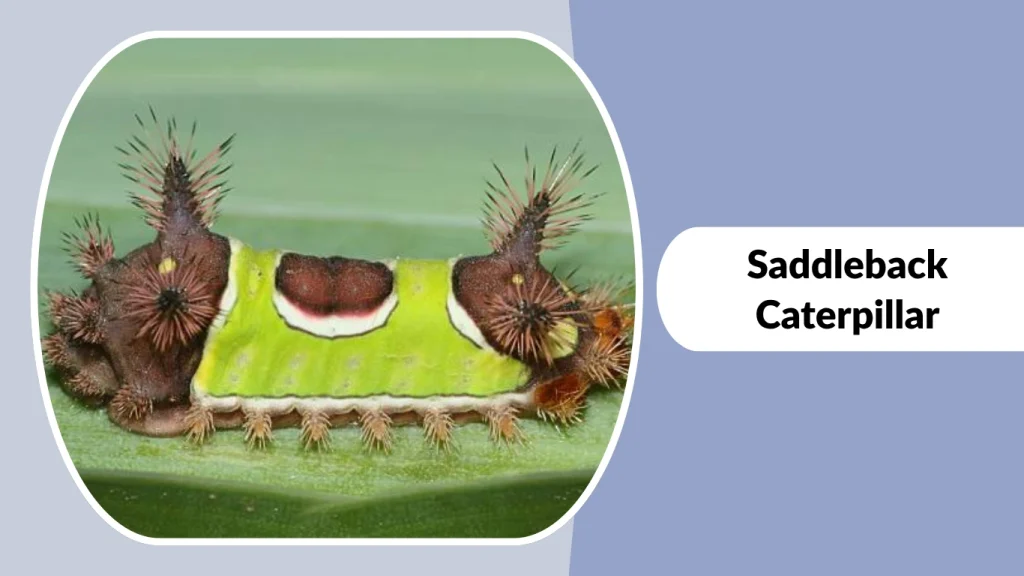
The Saddleback Caterpillar is another highly dangerous species known for its striking appearance and painful sting. Its bright green body with a distinctive brown “saddle” marking makes it easy to identify, but also visually deceptive. This caterpillar is covered with venomous spines that can inject toxins upon contact. Even a slight brush against it can result in immediate discomfort. It is commonly encountered in vegetation-rich areas, where people may unknowingly come into contact with it while gardening or walking through foliage.
Identification
- Bright green body with a brown, saddle-like patch in the center
- Thick, fleshy body with a slug-like appearance
- Covered in sharp, venomous spines on both ends and sides
- Prominent horn-like structures at the front and rear
Habitat
The Saddleback Caterpillar is typically found on a wide range of plants, including ornamental shrubs, grasses, and trees. It thrives in warm and humid environments and is commonly seen in gardens, farms, and forest edges. Because it feeds on many types of leaves, it can appear in both natural and residential settings. Its bright coloration may stand out, but it can still be overlooked when resting on similarly colored foliage.
Danger to Humans
This caterpillar delivers a painful sting through its venomous spines. The pain is often described as sharp and burning, followed by redness and swelling at the contact site. In some cases, individuals may develop rashes, nausea, or prolonged irritation. The severity of the reaction can vary depending on skin sensitivity and the extent of contact. Though not usually life-threatening, the sting can be extremely uncomfortable and alarming.
Safety Tips
Avoid direct contact with any brightly colored or spiny caterpillar. When working outdoors, wear protective clothing such as gloves and long sleeves to reduce the risk of exposure. Be cautious when handling plants, especially in areas where these caterpillars are known to live. If stung, gently remove any spines using tape and clean the affected area. Seek medical advice if symptoms become severe or persist.
3. Io Moth Caterpillar

The Io Moth Caterpillar is well known for its bright green color and rows of venomous spines that make it both eye-catching and dangerous. While it may appear harmless at first glance, these spines contain toxins that can cause painful reactions upon contact. As the larval stage of the Io Moth, it is commonly found in areas with abundant plant life. Its vibrant appearance often attracts attention, increasing the risk of accidental contact, especially among those unfamiliar with its defensive capabilities.
Identification
- Bright green body with distinct longitudinal stripes
- Covered in clusters of branched, venomous spines
- Spines may appear yellowish or green with darker tips
- Medium-sized caterpillar with a slightly segmented body
Habitat
The Io Moth Caterpillar is commonly found on a wide variety of host plants, including trees, shrubs, and garden vegetation. It thrives in warm climates and is often seen in forests, parks, and residential gardens. Because it feeds on many types of leaves, it can adapt easily to different environments. It may be found on low-hanging branches or shrubs, where accidental contact is more likely during outdoor activities.
Danger to Humans
Contact with the Io Moth Caterpillar can result in a sharp, stinging sensation caused by its venomous spines. The pain is often immediate and may be accompanied by redness, swelling, and irritation. In some cases, individuals may experience more intense reactions such as itching, rash, or mild systemic symptoms. Although not typically life-threatening, the discomfort can last for several hours and may require basic first aid.
Safety Tips
Avoid touching caterpillars that have visible spines or bright coloration, as these are often warning signs of toxicity. When gardening or handling plants, wear gloves and protective clothing. Stay alert when walking through areas with dense vegetation. If contact occurs, remove the spines carefully using adhesive tape and wash the affected area thoroughly. Seek medical attention if symptoms worsen or if an allergic reaction is suspected.
4. Hickory Tussock Caterpillar
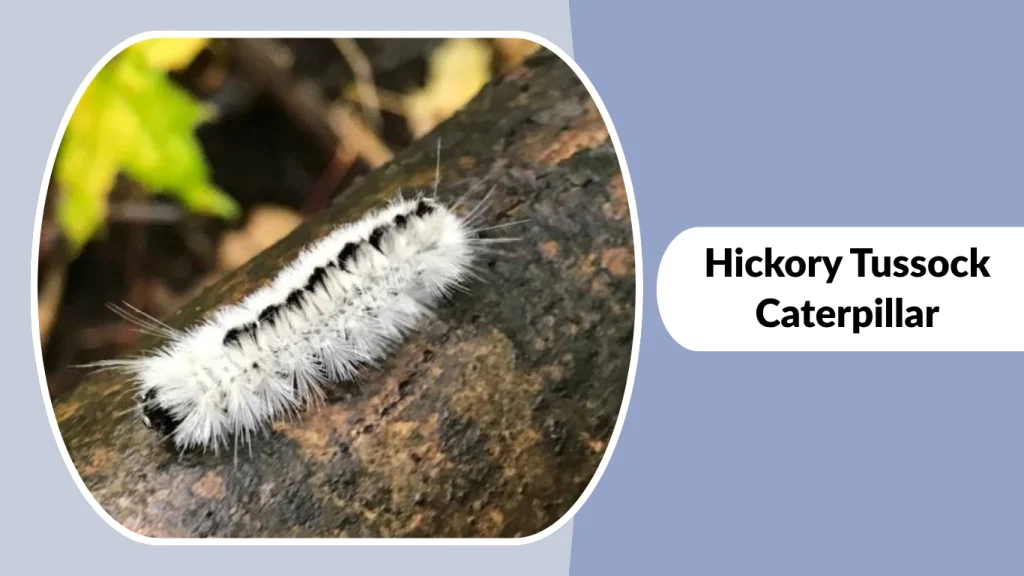
The Hickory Tussock Caterpillar is a striking yet hazardous species known for its dense covering of white and black hairs. While it may look soft and harmless, these hairs can cause irritation and allergic reactions when touched. This caterpillar is commonly seen during late summer and fall, often attracting attention due to its bold appearance. Despite not being as intensely venomous as some others, it still poses a risk, especially to sensitive individuals.
Identification
- White, fuzzy body with a series of black tufts along the back
- Long black hair “pencils” extending from the front and rear
- Thick coat of fine hairs covering the entire body
- Medium-sized caterpillar with a slightly elongated shape
Habitat
The Hickory Tussock Caterpillar is typically found on hardwood trees such as hickory, walnut, oak, and elm. It thrives in wooded areas but is also commonly seen in suburban neighborhoods where these trees are present. During certain seasons, it may wander away from host trees in search of pupation sites, increasing the likelihood of human encounters. It can often be spotted on tree trunks, sidewalks, or outdoor surfaces.
Danger to Humans
Contact with this caterpillar can cause skin irritation due to its barbed hairs. While it does not inject venom like some species, the hairs can break off and embed in the skin, leading to itching, redness, and sometimes a rash. In more sensitive individuals, the reaction may be more pronounced and uncomfortable. The irritation can last for several hours or longer depending on exposure.
Safety Tips
Avoid handling fuzzy caterpillars, even if they appear harmless. If you encounter a Hickory Tussock Caterpillar, do not touch it with bare hands. Wear gloves when working near trees or handling foliage. If contact occurs, wash the area with soap and water and use adhesive tape to remove any embedded hairs. Seek medical advice if irritation becomes severe or persistent.
5. Buck Moth Caterpillar

The Buck Moth Caterpillar is a highly venomous species known for its dark body covered in clusters of stiff, branching spines. These spines contain toxins that can deliver a painful sting upon contact. Often found in groups, this caterpillar increases the risk of multiple stings if disturbed. Its bold coloration serves as a warning, but it can still be overlooked when resting on tree bark or leaves. Due to its potent sting, it is considered one of the more dangerous caterpillars in its range.
Identification
- Dark-colored body, usually black or deep brown
- Rows of branching, venomous spines along the body
- Small white spots or markings may be present
- Medium-sized caterpillar with a slightly thick build
Habitat
The Buck Moth Caterpillar is commonly found on oak trees, which serve as its primary host. It prefers warm regions and is often seen in forests, parks, and residential areas with oak vegetation. These caterpillars tend to cluster together, especially in early stages, making them more noticeable in groups. As they grow, they may spread out but still remain within the same general area, increasing the chance of human contact.
Danger to Humans
This caterpillar delivers a strong, burning sting through its venomous spines. The pain is often immediate and can be intense, sometimes radiating beyond the point of contact. Symptoms may include swelling, redness, and prolonged discomfort. In some cases, individuals may experience more severe reactions such as nausea or localized muscle pain. The sting can last for several hours and may require medical attention in sensitive individuals.
Safety Tips
Avoid contact with any dark, spiny caterpillar, especially those found in groups. When working around oak trees or dense vegetation, wear protective clothing such as gloves and long sleeves. Stay cautious when touching tree branches or leaves where they may be resting. If stung, remove the spines carefully using adhesive tape and clean the area thoroughly. Seek medical help if symptoms are severe or do not improve.
6. Hag Moth Caterpillar

The Hag Moth Caterpillar, also known as the Monkey Slug, is one of the strangest-looking and potentially harmful caterpillars. Its unusual, twisted shape with multiple hairy lobes can make it resemble debris or a dead leaf. Despite its odd and somewhat harmless appearance, it possesses venomous hairs capable of causing skin irritation. Because of its camouflage and unique form, people may accidentally touch it without realizing the risk.
Identification
- Flattened body with multiple curved, hairy “arms” or lobes
- Brown to dark tan coloration, often resembling dried leaves
- Covered in fine, stinging hairs
- Irregular, fuzzy shape that looks unlike typical caterpillars
Habitat
The Hag Moth Caterpillar is commonly found on a variety of deciduous trees, including oak, hickory, and dogwood. It prefers wooded areas but can also appear in gardens and residential landscapes. Its ability to blend in with bark and dried foliage makes it difficult to spot. It is usually found resting on the underside of leaves or along tree branches.
Danger to Humans
Contact with this caterpillar can cause mild to moderate skin irritation due to its stinging hairs. The reaction may include redness, itching, and a burning sensation at the contact site. While not as intensely painful as some other species, it can still be uncomfortable, especially for individuals with sensitive skin. Symptoms typically remain localized and subside after some time.
Safety Tips
Avoid touching caterpillars with unusual shapes or hairy coverings, as they may have defensive spines. Be cautious when handling leaves or branches where this species may be present. Wearing gloves while gardening can help reduce the risk of contact. If irritation occurs, wash the affected area and use adhesive tape to remove any remaining hairs. Seek medical advice if symptoms persist or worsen.
7. Spiny Oak Slug Caterpillar
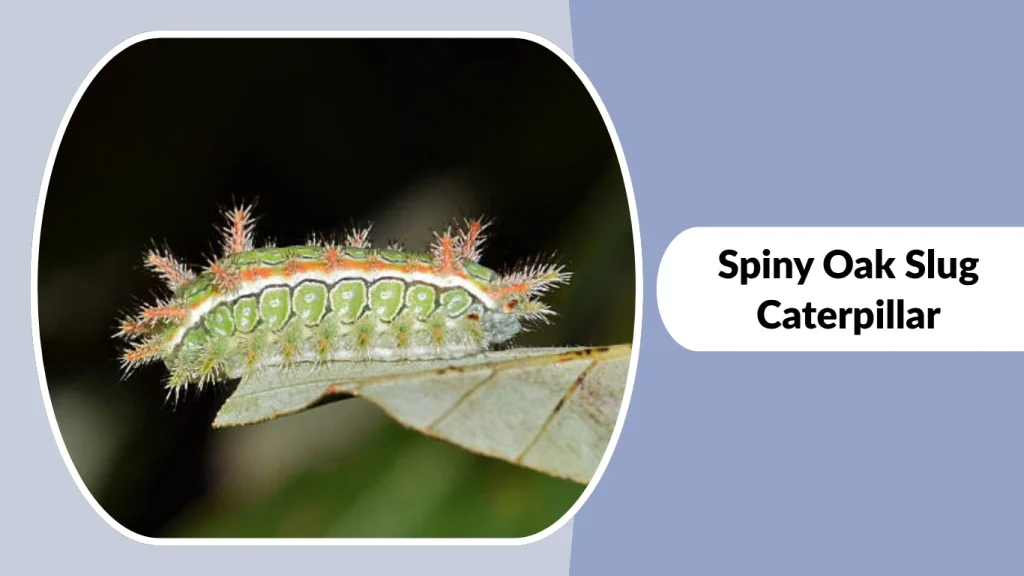
The Spiny Oak Slug Caterpillar is a small but highly defensive species known for its flattened body and sharp, venomous spines. Its leaf-like shape helps it blend into foliage, making it easy to overlook. Despite its size, it can deliver a noticeable sting if touched. This caterpillar is commonly encountered in areas with oak trees and other host plants, where it quietly feeds while relying on its camouflage and spines for protection.
Identification
- Flattened, slug-like body with a broad shape
- Green to yellowish coloration with darker markings
- Covered in branching, venomous spines along the edges
- Small size but with a distinct, leaf-like appearance
Habitat
The Spiny Oak Slug Caterpillar is typically found on oak trees, as well as other hardwood species such as maple and chestnut. It prefers wooded areas but is also common in parks, gardens, and suburban landscapes. Because it rests flat against leaves, it can be difficult to spot, increasing the chances of accidental contact during outdoor activities or gardening.
Danger to Humans
This caterpillar can deliver a mild to moderate sting through its spines. The reaction often includes a sharp, stinging sensation followed by redness and irritation. In some cases, itching or slight swelling may occur. While the pain is usually not severe, it can still be uncomfortable and may last for a few hours depending on individual sensitivity.
Safety Tips
Be cautious when handling leaves, especially from oak and similar trees. Avoid touching small, flat caterpillars with visible spines. Wearing gloves while gardening or working outdoors can help prevent contact. If stung, gently remove any spines with adhesive tape and clean the area thoroughly. Monitor symptoms and seek medical advice if irritation becomes severe.
8. Monkey Slug Caterpillar
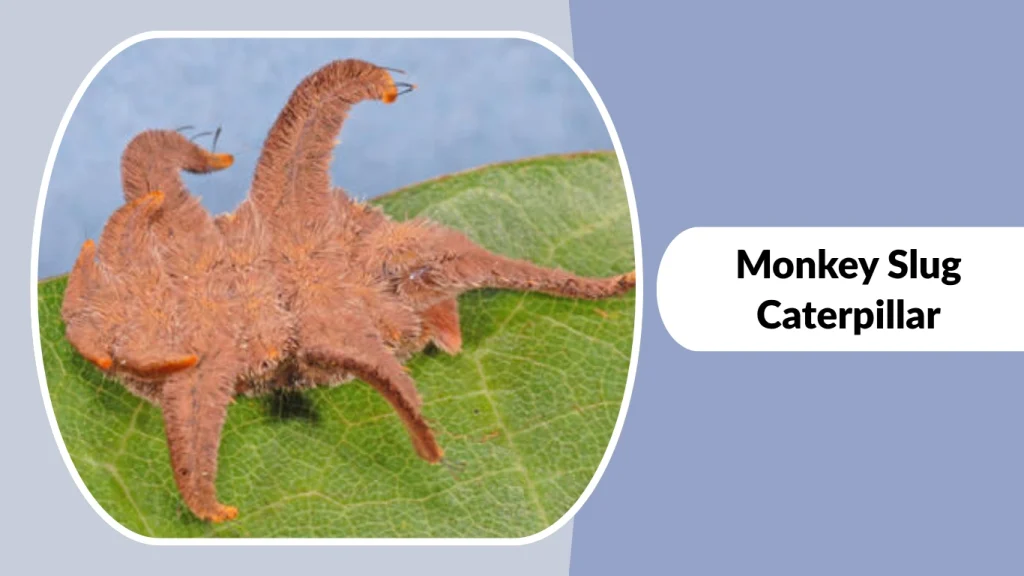
The Monkey Slug Caterpillar is another unusual and potentially harmful species known for its bizarre, leg-like projections. Its strange appearance often confuses people, making it look more like a piece of debris than a living insect. Despite its harmless look, it is covered with stinging hairs that can cause irritation upon contact. Its ability to blend into natural surroundings increases the likelihood of accidental encounters, especially in outdoor environments.
Identification
- Flattened body with multiple hairy, leg-like extensions
- Brown or tan coloration, often resembling dried plant matter
- Covered in fine, stinging hairs across its surface
- Distinct, irregular shape unlike typical caterpillars
Habitat
The Monkey Slug Caterpillar is commonly found on deciduous trees such as oak, elm, and fruit trees. It prefers wooded areas but can also appear in gardens and residential landscapes. It is often seen on leaves or branches, where its camouflaged appearance helps it avoid predators. Because it resembles natural debris, it can be easily overlooked during outdoor activities.
Danger to Humans
Contact with this caterpillar can result in mild to moderate skin irritation caused by its stinging hairs. Symptoms may include itching, redness, and a slight burning sensation. While the reaction is generally not severe, it can still be uncomfortable and may last for several hours depending on skin sensitivity.
Safety Tips
Avoid touching caterpillars with unusual shapes or hairy coverings. When working around trees or handling foliage, wear gloves to reduce the risk of contact. Stay alert in areas with dense vegetation where such species may be present. If irritation occurs, wash the affected area and remove any hairs using adhesive tape. Seek medical attention if symptoms persist or worsen.
9. Flannel Moth Caterpillar
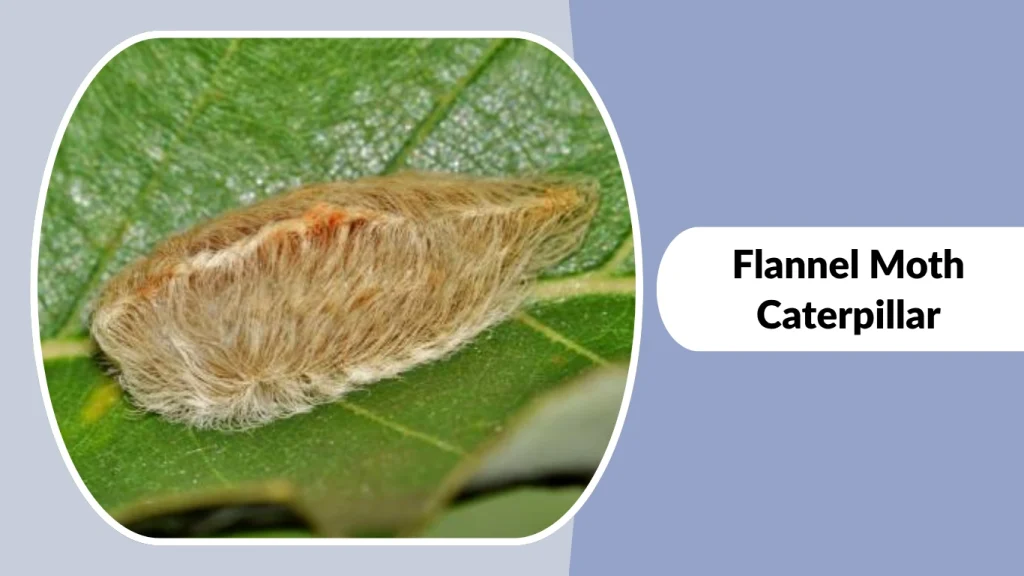
The Flannel Moth Caterpillar is closely related to the Puss Caterpillar and is equally dangerous due to its venomous spines hidden beneath a soft, woolly covering. Its thick, hair-like coat gives it a harmless appearance, which often leads to accidental contact. Despite its small size, it can deliver a powerful sting. This caterpillar is commonly found in areas with dense vegetation, where it feeds quietly while relying on its deceptive look for protection.
Identification
- Small body covered in dense, wool-like hairs
- Colors range from pale yellow to brown or gray
- Soft, fluffy appearance that hides venomous spines
- Compact, rounded shape resembling a tuft of fur
Habitat
The Flannel Moth Caterpillar is typically found on a variety of trees and shrubs, including oak, elm, and ornamental plants. It thrives in warm climates and is often seen in gardens, parks, and forested areas. It may rest on leaves, branches, or even man-made surfaces like fences and walls, increasing the risk of accidental contact in residential environments.
Danger to Humans
This caterpillar can deliver a painful sting through its hidden spines. The reaction is often immediate, causing a burning sensation followed by redness and swelling. In some cases, symptoms may include headaches, nausea, or prolonged discomfort. The severity of the reaction can vary, but the pain is often intense and may last for several hours.
Safety Tips
Avoid touching any caterpillar that appears soft or furry, as these may conceal venomous spines. When gardening or working outdoors, wear protective clothing such as gloves and long sleeves. Be cautious when handling plants or objects where the caterpillar may be resting. If stung, remove the spines using adhesive tape and clean the area thoroughly. Seek medical attention if symptoms are severe or persist.
10. White Flannel Moth Caterpillar
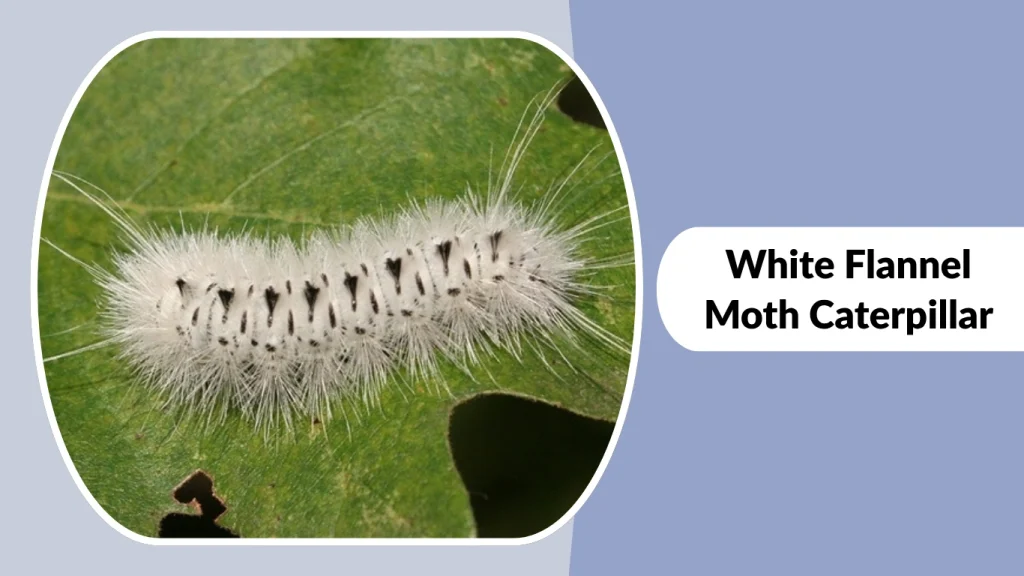
The White Flannel Moth Caterpillar is a dangerous species known for its soft, pale appearance that conceals venomous spines. Its bright, fuzzy body can easily attract attention, especially from those who assume it is harmless. However, like other flannel caterpillars, it delivers a painful sting when touched. Its presence in residential and natural environments increases the chances of accidental contact, making it important to recognize and avoid.
Identification
- Bright white or creamy-colored body with a fluffy appearance
- Dense, hair-like covering that hides venomous spines
- Small to medium size with a rounded, compact shape
- May have subtle yellow or pale markings beneath the hairs
Habitat
The White Flannel Moth Caterpillar is commonly found on trees and shrubs, including oak, citrus, and ornamental plants. It thrives in warm climates and is often seen in gardens, parks, and suburban areas. It may rest on leaves, branches, or nearby surfaces, blending in with light-colored surroundings. Its adaptability allows it to exist in both natural and human-populated environments.
Danger to Humans
This caterpillar can cause a severe stinging reaction due to its hidden venomous spines. The pain is usually immediate and intense, often described as burning or throbbing. Additional symptoms may include redness, swelling, and in some cases, nausea or headaches. The discomfort can last for several hours, and sensitive individuals may experience stronger reactions.
Safety Tips
Do not touch any white or fluffy caterpillar, as it may be venomous. Wear gloves and protective clothing when working near plants or trees where it may be present. Stay cautious in outdoor areas, especially when handling leaves or branches. If stung, carefully remove any spines with adhesive tape and wash the affected area. Seek medical help if symptoms are severe or do not improve.
11. Stinging Rose Caterpillar

The Stinging Rose Caterpillar is a vividly colored species known for its flattened body and clusters of sharp, venomous spines. Its bright warning colors signal danger, yet it can still be accidentally touched when resting on leaves. Despite its small size, it is capable of delivering a painful sting. It is often found in gardens and natural areas where it feeds on a variety of plants, increasing the likelihood of human encounters.
Identification
- Flattened, oval-shaped body with a slug-like appearance
- Bright colors such as green, yellow, red, or orange
- Covered in clusters of branching, venomous spines
- Distinct patterns that may include stripes or spots
Habitat
The Stinging Rose Caterpillar is commonly found on a wide range of plants, including roses, shrubs, and various trees. It thrives in warm environments and is often seen in gardens, parks, and forest edges. Because it feeds on ornamental plants, it frequently appears in residential areas. It typically rests on the upper surface of leaves, where it may blend in with colorful foliage.
Danger to Humans
This caterpillar delivers a sharp, stinging sensation when touched due to its venomous spines. The reaction can include immediate pain, redness, swelling, and itching. In some cases, the irritation may persist for several hours. While not usually severe, the sting can be quite uncomfortable and may cause concern, especially for those unfamiliar with it.
Safety Tips
Avoid handling brightly colored or spiny caterpillars. When gardening or working with plants, wear gloves to reduce the risk of contact. Stay alert when touching leaves, especially in areas where these caterpillars are known to live. If stung, remove the spines using adhesive tape and wash the area thoroughly. Seek medical attention if symptoms become severe or prolonged.
12. Crowned Slug Caterpillar
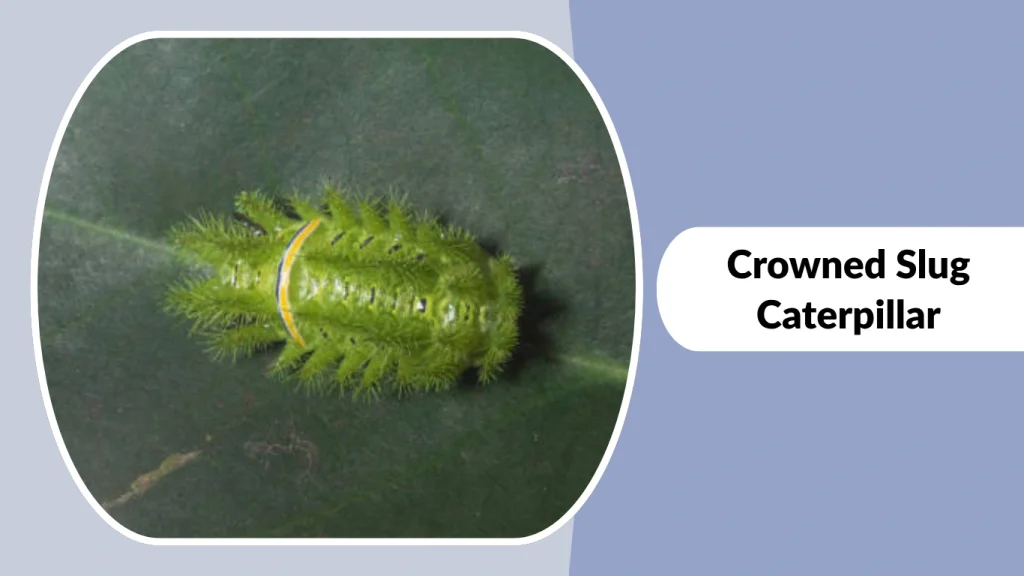
The Crowned Slug Caterpillar is a small but striking species recognized for its crown-like arrangement of spines. Its flattened body and decorative appearance may seem harmless, but it possesses venomous spines that can cause irritation when touched. Often found on leaves, it blends well with its surroundings, making it easy to overlook. Despite its size, it can still deliver a noticeable sting, especially if handled carelessly.
Identification
- Flattened, oval-shaped body with a slug-like form
- Green body with a distinctive ring or “crown” of spines
- Bright markings along the edges, sometimes with contrasting colors
- Small size with a smooth, leaf-like appearance
Habitat
The Crowned Slug Caterpillar is typically found on various trees such as oak, maple, and basswood. It prefers warm, humid environments and is commonly seen in forests, gardens, and parks. It rests on the surface of leaves, where its green coloration helps it blend in. Because of its small size and camouflage, it may go unnoticed during routine outdoor activities.
Danger to Humans
This caterpillar can cause mild to moderate irritation through its venomous spines. Contact may result in a stinging sensation, followed by redness and slight swelling. While the pain is generally not severe, it can still be uncomfortable and may last for a few hours depending on sensitivity.
Safety Tips
Avoid touching small, brightly colored caterpillars, especially those with visible spines. When working around plants, wear gloves to minimize the risk of contact. Be cautious when handling leaves where it may be resting. If stung, remove any spines using adhesive tape and wash the affected area. Seek medical advice if irritation persists or worsens.
13. Pine Processionary Caterpillar
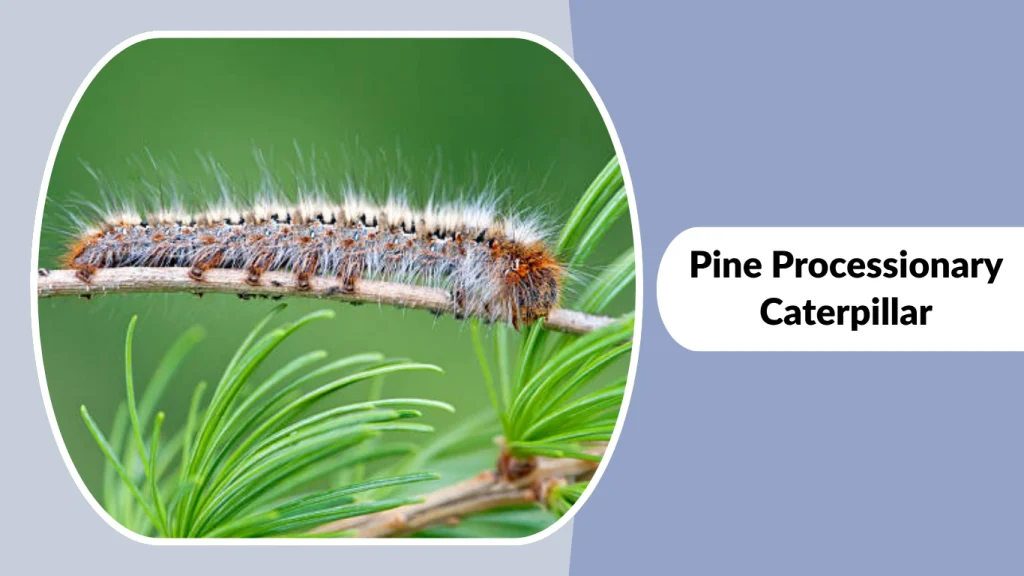
The Pine Processionary Caterpillar is one of the most dangerous species due to its highly irritating hairs and group behavior. It is known for moving in long, head-to-tail lines, which increases the chance of multiple exposures. These caterpillars release tiny, toxic hairs into the air that can cause reactions even without direct contact. Commonly found in pine forests, they pose risks not only to humans but also to animals.
Identification
- Dark body with fine, dense hairs covering the surface
- Brown to black coloration with lighter markings
- Moves in long, single-file “processions”
- Medium-sized caterpillar often found in large groups
Habitat
The Pine Processionary Caterpillar is typically found in pine forests and wooded areas where pine trees dominate. It builds silk nests on tree branches, which are often visible as white clusters. During certain times of the year, these caterpillars leave the trees and travel across the ground in groups. This behavior increases the likelihood of encounters in both natural and nearby residential areas.
Danger to Humans
This caterpillar is highly dangerous due to its airborne, toxic hairs. Contact or even proximity can cause skin irritation, itching, rashes, and eye problems. Inhaling the hairs may lead to respiratory discomfort. The reaction can be severe, especially with repeated exposure. Unlike many other caterpillars, it does not require direct touch to cause harm.
Safety Tips
Avoid areas where these caterpillars are present, especially during their active movement periods. Do not approach or disturb their nests or processions. Wear protective clothing if you must be near pine trees in affected regions. Keep children and pets away from infested areas. If exposed, wash thoroughly and seek medical attention if symptoms are severe.
FAQs
What makes caterpillars dangerous to humans?
Some caterpillars have venomous spines or irritating hairs that release toxins when touched. These defenses help protect them from predators but can cause pain, rashes, or allergic reactions in humans. The severity depends on the species and individual sensitivity.
Are all hairy caterpillars harmful?
Not all hairy caterpillars are dangerous, but many use hairs as a defense mechanism. Some hairs are harmless, while others can sting or irritate the skin. It is safest to avoid touching any fuzzy or spiny caterpillar to prevent unexpected reactions.
What should I do if I touch a dangerous caterpillar?
If contact occurs, avoid rubbing the area. Use adhesive tape to remove any spines or hairs, then wash the skin with soap and water. Apply a cold compress to reduce discomfort and seek medical help if symptoms become severe or unusual.
Can caterpillar stings be life-threatening?
Most caterpillar stings are not life-threatening, but they can be very painful. In rare cases, individuals may experience severe allergic reactions or systemic symptoms. Immediate medical attention is important if there are signs like difficulty breathing or intense swelling.
How can I avoid contact with dangerous caterpillars?
Wear gloves and long sleeves when gardening or handling plants. Be cautious around trees and shrubs, especially in warm seasons. Teach children not to touch caterpillars, and always observe them from a safe distance instead of handling them directly.
