

Florida is home to a variety of caterpillars, some of which can deliver painful stings. These venomous species often have bright colors or hairy bodies that serve as a warning to predators. While they may look harmless or even attractive, contact can lead to skin irritation, swelling, and discomfort. Learning to identify these caterpillars is important for avoiding accidental stings, especially in gardens, parks, and wooded areas. This guide covers eleven venomous caterpillars found in Florida to help you stay informed and safe.
1. Saddleback Caterpillar
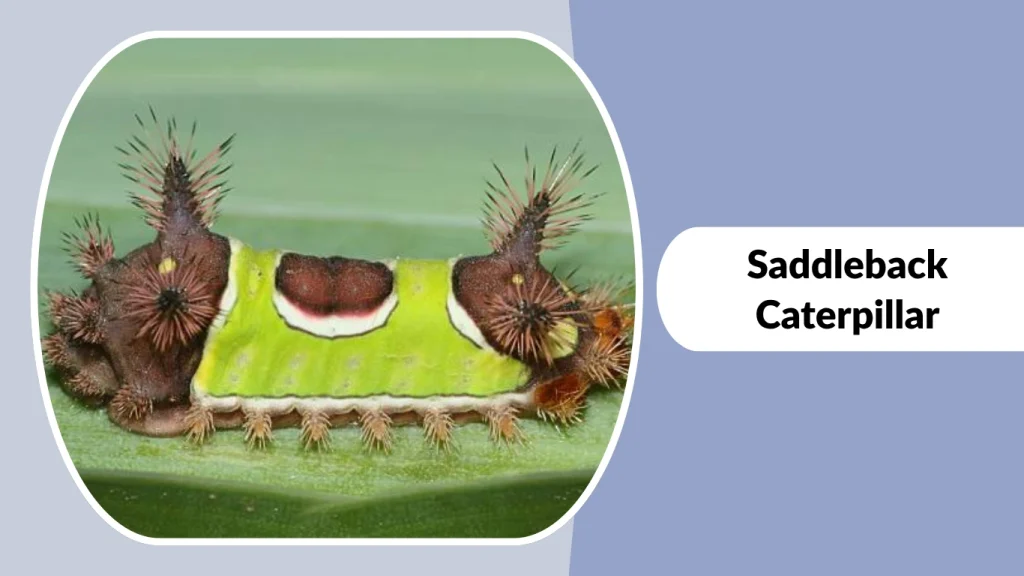
The Saddleback Caterpillar is one of the most well-known venomous caterpillars in Florida, easily recognized by its bold colors and unusual shape. It belongs to the slug caterpillar family and is famous for its painful sting. Its bright green body with a contrasting “saddle” marking serves as a warning to predators. Despite its small size, this caterpillar can cause significant discomfort if touched, making it important to identify and avoid in natural environments.
Identification
- Bright green body with a distinct brown or purple “saddle” marking in the center
- Thick, flattened, slug-like body without visible legs
- Prominent horn-like spines at both the front and rear ends
- Covered with venomous hairs connected to toxin glands
- Usually grows up to 2–3 cm in length
Habitat
The Saddleback Caterpillar is commonly found in forests, gardens, parks, and residential landscapes across Florida. It feeds on a wide range of plants, including trees, shrubs, and ornamental plants. Because of its adaptability, it can thrive in both natural and urban environments. It is often located on leaves, either on the upper surface or underside, where it feeds quietly. Its green coloration helps it blend into foliage, making it difficult to spot unless closely observed.
Behavior
This caterpillar is slow-moving and spends most of its time feeding on leaves. It relies heavily on its bright coloration as a warning signal rather than hiding. When threatened, it may raise both ends of its body in a defensive posture. It does not actively attack but uses its venomous spines as a passive defense mechanism. Most stings occur when people accidentally brush against it while gardening or handling plants.
Sting Effects
The sting of the Saddleback Caterpillar can cause immediate, sharp pain, often described as burning or stinging. The affected area may become red, swollen, and irritated. Some individuals may also experience itching or a rash that lasts for several hours or even days. In rare cases, more sensitive individuals might have stronger reactions.
2. Io Moth Caterpillar
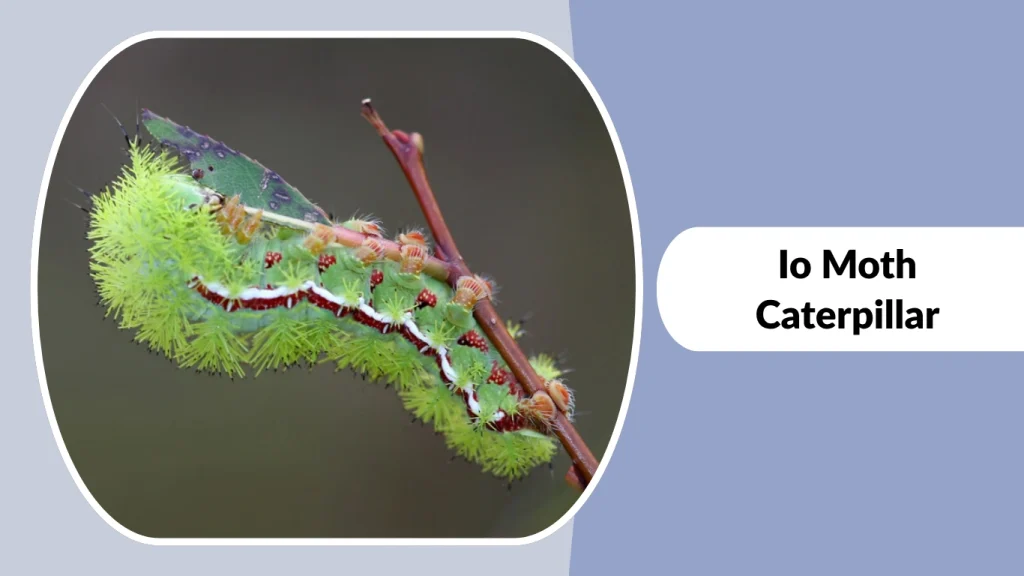
The Io Moth Caterpillar is a bright green and highly venomous caterpillar commonly found in Florida. It is known for its clusters of stinging spines that can cause a painful reaction upon contact. Despite its attractive appearance, it is considered one of the more dangerous caterpillars to handle.
Identification
- Bright green body with a distinct white or red stripe along the sides
- Covered in rows of branched, venomous spines
- Slightly elongated and segmented body
- Spines connected to toxin glands
- Can grow up to 5–7 cm in length
Habitat
The Io Moth Caterpillar is commonly found in forests, gardens, and suburban areas throughout Florida. It feeds on a wide variety of plants, including oak, willow, corn, and other shrubs. Its adaptability allows it to thrive in both natural and cultivated environments. It is often seen resting or feeding on leaves, where its green color helps it blend in with foliage.
Behavior
This caterpillar is generally slow-moving and spends most of its time feeding. In its early stages, it may gather in groups, but it becomes more solitary as it matures. Its spines act as a strong defense mechanism against predators. When disturbed, it may remain still or slightly curl its body, relying on its venomous spines for protection.
Sting Effects
Contact with the Io Moth Caterpillar can result in a sharp, burning pain similar to a bee sting. The affected area may become red, swollen, and irritated. Some individuals may also experience itching or mild allergic reactions that can last for several hours or longer depending on sensitivity.
3. Puss Caterpillar
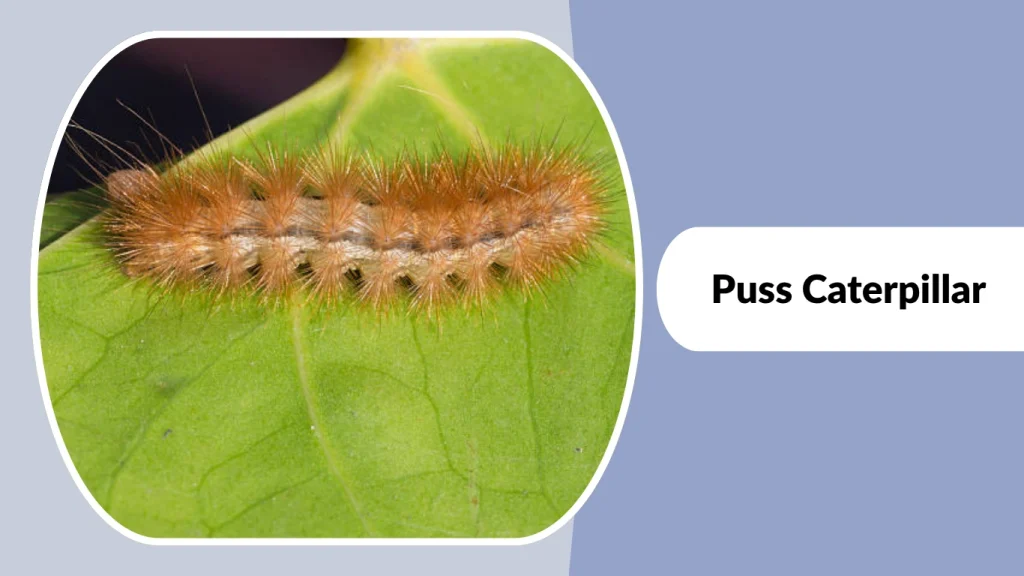
The Puss Caterpillar is considered one of the most venomous caterpillars in Florida. Despite its soft, furry appearance, it can deliver a very painful sting. It is the larval stage of the Southern Flannel Moth and is often mistaken for something harmless due to its plush look.
Identification
- Covered in dense, soft, fur-like hairs that hide its body
- Colors range from gray and yellow to reddish-brown
- Teardrop or oval-shaped body
- Venomous spines hidden beneath the outer hairs
- Typically grows up to 2.5–3.5 cm in length
Habitat
The Puss Caterpillar is commonly found in trees and shrubs across Florida, especially in gardens, parks, and wooded areas. It feeds on a variety of plants, including oak, elm, citrus, and ornamental trees. It prefers warm environments and is often seen on leaves or branches where it blends in due to its fuzzy appearance.
Behavior
This caterpillar moves slowly and relies on its deceptive appearance for protection. Its soft, fur-like covering makes it look harmless, increasing the risk of accidental contact. It does not display aggressive behavior and depends on its hidden venomous spines as a defense mechanism.
Sting Effects
The sting of the Puss Caterpillar can cause intense, radiating pain that may spread beyond the contact area. Symptoms often include redness, swelling, and a burning sensation. In some cases, individuals may also experience headache or nausea, and the pain can last for several hours or longer depending on sensitivity.
4. Hag Moth Caterpillar

The Hag Moth Caterpillar, also known as the Monkey Slug, is a strange-looking venomous caterpillar found in Florida. Its unusual shape and hairy projections make it look harmless, but it has stinging hairs that can cause irritation upon contact.
Identification
- Flattened, brown body with long, curved, hair-like projections
- “Leg-like” lobes extending outward in all directions
- Covered with fine venomous hairs hidden among the projections
- Irregular shape resembling dried leaves or debris
- Typically grows up to 2–3 cm in length
Habitat
The Hag Moth Caterpillar is commonly found in forests, gardens, and orchards throughout Florida. It feeds on a variety of trees such as oak, hickory, and fruit trees. Its natural camouflage helps it blend in with leaves and branches, making it difficult to detect. It is often seen resting on the upper surface of leaves.
Behavior
This caterpillar is slow-moving and spends most of its time resting or feeding. Its unusual shape helps it mimic plant debris, reducing the chance of being noticed by predators. It does not actively defend itself but relies on its hidden stinging hairs as a passive defense when touched.
Sting Effects
Contact with the Hag Moth Caterpillar may cause mild to moderate irritation. Symptoms include a stinging or burning sensation, redness, and itching. The reaction is usually temporary but can be uncomfortable, especially for sensitive individuals.
5. Buck Moth Caterpillar

The Buck Moth Caterpillar is a dark-colored, highly venomous species commonly found in Florida. It is known for its clusters of sharp, stinging spines that can deliver a painful reaction. This caterpillar is often seen in groups, especially in its early stages, making it more noticeable on trees.
Identification
- Dark brown to black body with small white spots
- Covered in rows of thick, branched, venomous spines
- Spines grouped in clusters along the body
- Rough, slightly elongated body shape
- Typically grows up to 5–6 cm in length
Habitat
The Buck Moth Caterpillar is commonly found in oak forests, parks, and wooded areas across Florida. It primarily feeds on oak leaves, which are its main host plant. During certain times of the year, large numbers may gather on the same tree, making infestations more visible. It can also be found in suburban areas where oak trees are present.
Behavior
In early stages, these caterpillars often stay together in groups, feeding on leaves. As they mature, they may become more independent. They are slow-moving and rely on their venomous spines for defense. When disturbed, they may raise their bodies slightly as a warning, but they do not actively attack.
Sting Effects
The sting from a Buck Moth Caterpillar can cause intense pain, often described as a burning or throbbing sensation. The affected area may become red, swollen, and itchy. In some cases, individuals may experience stronger reactions depending on sensitivity.
6. Spiny Oak Slug Caterpillar
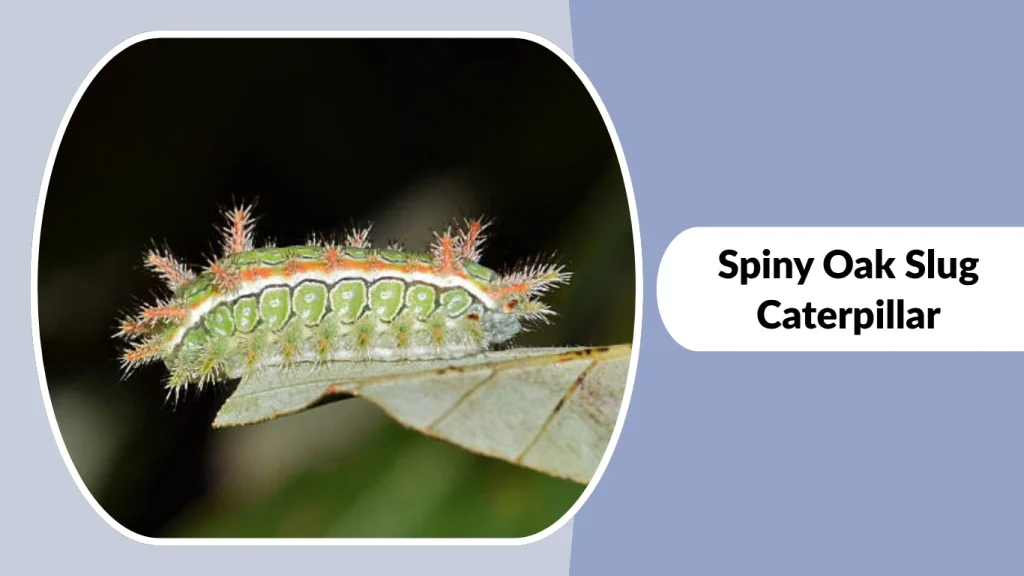
The Spiny Oak Slug Caterpillar is a small but venomous species commonly found in Florida. It is known for its colorful appearance and sharp, stinging spines. Despite its size, it can cause noticeable irritation when touched, making it important to recognize and avoid.
Identification
- Flattened, bright green body with orange or yellow patches
- Covered in clusters of branched, venomous spines
- Rounded shape with spines extending outward
- Slug-like appearance without visible legs
- Typically grows up to 1.5–2 cm in length
Habitat
The Spiny Oak Slug Caterpillar is commonly found in forests, gardens, and suburban areas across Florida. It primarily feeds on oak leaves but can also be seen on other deciduous trees. Its small size and leaf-like coloration help it blend into foliage, making it harder to detect.
Behavior
This caterpillar moves slowly and stays on leaves while feeding. It relies on its bright colors as a warning to predators. When disturbed, it does not attack but depends on its venomous spines for defense. It remains mostly inactive except when feeding.
Sting Effects
Contact with the Spiny Oak Slug Caterpillar can cause a sharp stinging sensation. The affected area may become red, swollen, and itchy. Symptoms are usually mild to moderate but can be more uncomfortable for sensitive individuals.
7. Crowned Slug Caterpillar
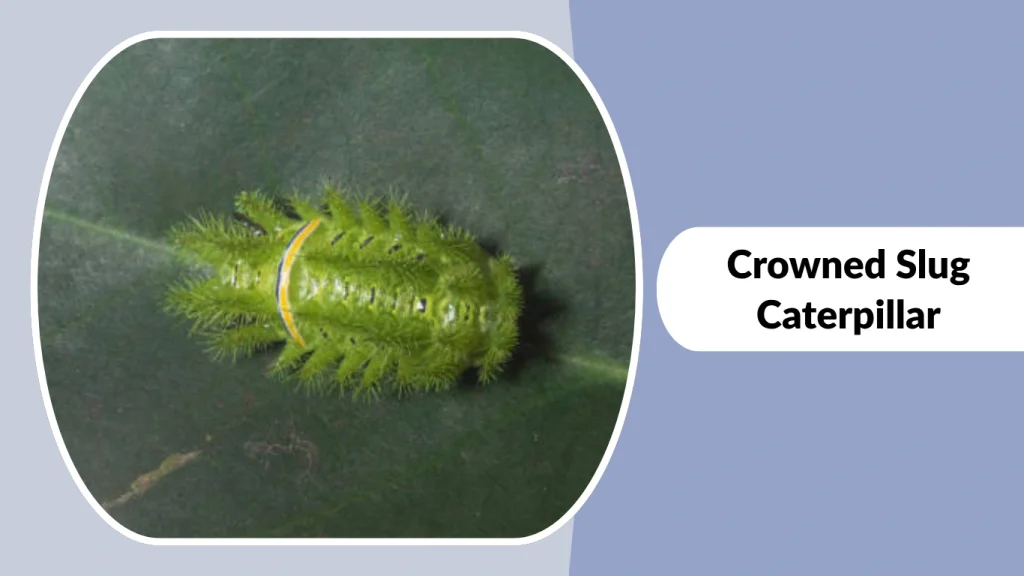
The Crowned Slug Caterpillar is a small but venomous species found in Florida, recognized for its unique circular shape and crown-like spines. Its bright green body helps it blend into leaves, while its stinging hairs provide protection against predators.
Identification
- Flattened, oval-shaped bright green body
- Ring of sharp, crown-like spines around the edges
- Smooth center with spines concentrated on the border
- Compact, symmetrical shape
- Typically grows up to 1.5–2 cm in length
Habitat
The Crowned Slug Caterpillar is commonly found in forests, gardens, and parks throughout Florida. It feeds on a variety of trees such as oak, maple, and elm. Its green coloration allows it to remain hidden on leaves, making it difficult to notice unless closely inspected.
Behavior
This caterpillar is slow-moving and spends most of its time feeding or resting on leaves. It does not actively defend itself but relies on its venomous spines for protection. Its shape and color provide effective camouflage against predators.
Sting Effects
Contact with the Crowned Slug Caterpillar can cause a sharp, localized sting. Symptoms may include redness, mild swelling, and itching. The reaction is usually not severe but can be uncomfortable for several hours, especially for sensitive individuals.
8. Monkey Slug Caterpillar
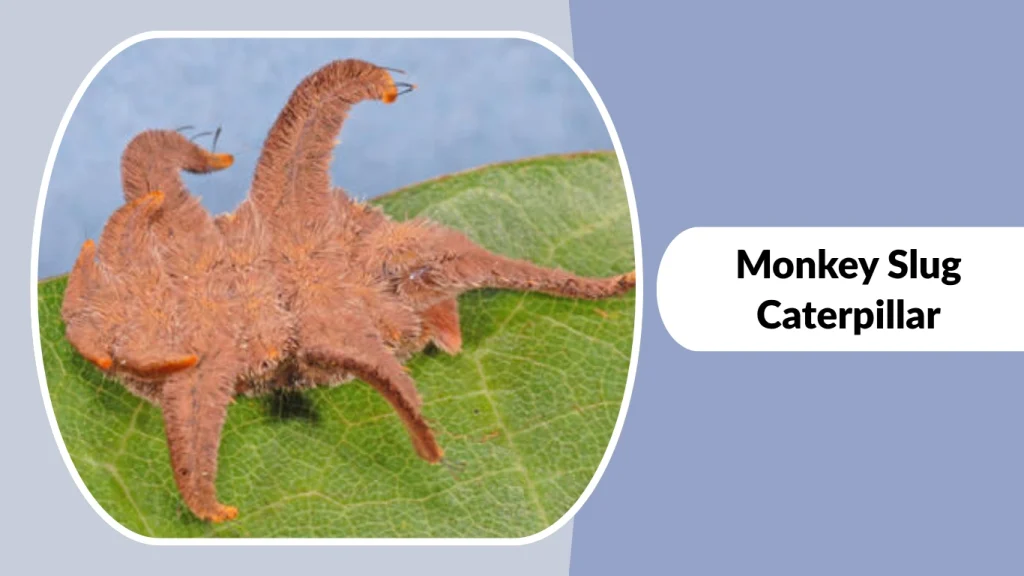
The Monkey Slug Caterpillar is a strange-looking venomous species found in Florida. It is closely related to the hag moth caterpillar and is known for its unusual, hairy “arm-like” projections. Despite its harmless appearance, it has stinging hairs that can cause irritation.
Identification
- Flattened body with multiple long, curved, hairy projections
- Brown to tan coloration with a rough texture
- Covered with fine venomous hairs hidden within the projections
- Irregular shape resembling plant debris
- Typically grows up to 2–3 cm in length
Habitat
The Monkey Slug Caterpillar is commonly found in forests, gardens, and orchards throughout Florida. It feeds on trees such as oak, hickory, and fruit trees. Its camouflaged appearance helps it blend into leaves and branches, making it difficult to spot in natural surroundings.
Behavior
This caterpillar moves slowly and often remains still to avoid detection. Its unusual shape helps it mimic dried leaves or debris. It relies on its stinging hairs as a passive defense rather than active movement or aggression.
Sting Effects
Contact with the Monkey Slug Caterpillar can cause mild to moderate irritation. Symptoms include a stinging or burning sensation, redness, and itching. The reaction is usually temporary but may be more noticeable in sensitive individuals.
9. Flannel Moth Caterpillar
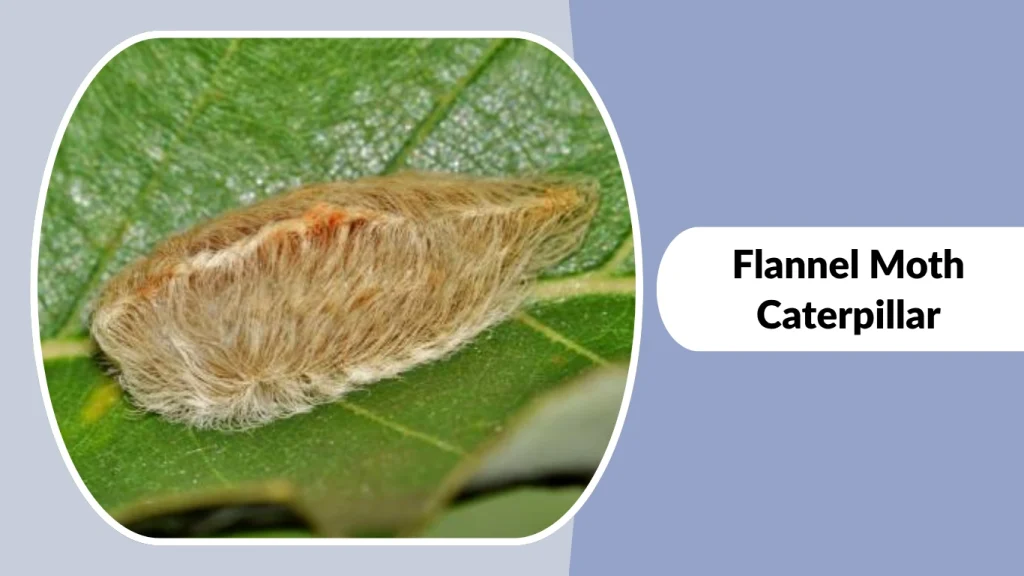
The Flannel Moth Caterpillar is a venomous species found in Florida, known for its soft, furry appearance. Despite looking harmless, it has hidden stinging spines beneath its hair-like covering that can cause painful reactions when touched.
Identification
- Body covered in dense, woolly, fur-like hairs
- Colors range from cream and yellow to light brown
- Oval, compact shape with no visible segmentation
- Venomous spines hidden beneath the soft outer layer
- Typically grows up to 2–3 cm in length
Habitat
The Flannel Moth Caterpillar is commonly found in gardens, parks, and wooded areas across Florida. It feeds on a variety of plants, including shrubs, trees, and ornamental species. It prefers warm environments and is often seen on leaves or small branches where it can remain partially hidden.
Behavior
This caterpillar moves slowly and relies on its soft appearance for camouflage. It does not display warning colors, which increases the risk of accidental contact. It remains mostly inactive while feeding and uses its hidden venomous spines as a passive defense.
Sting Effects
Contact with this caterpillar can cause a painful sting, often described as burning or prickling. The affected area may become red, swollen, and itchy. Symptoms can last for several hours and may be more severe in sensitive individuals.
10. White Flannel Moth Caterpillar
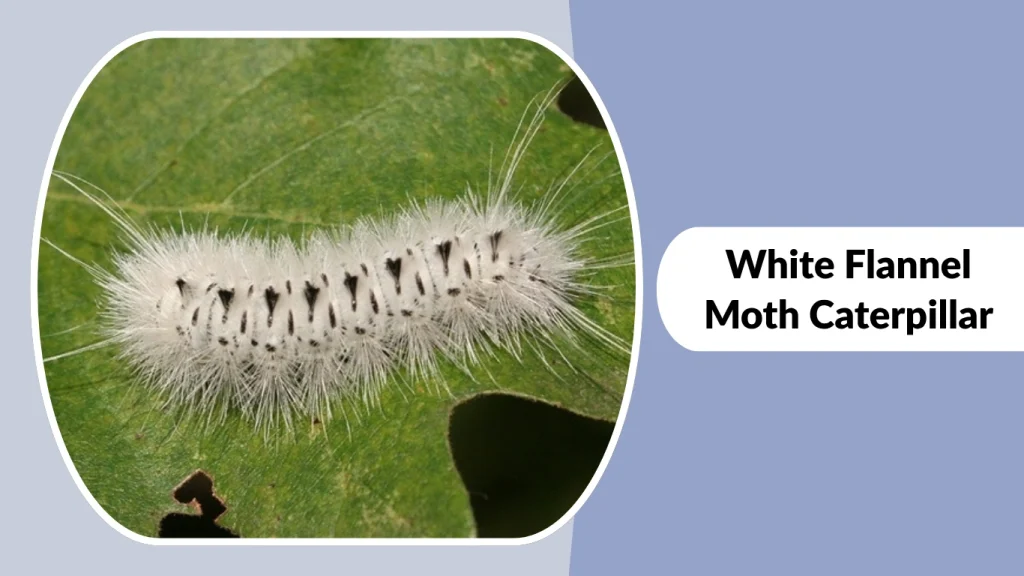
The White Flannel Moth Caterpillar is a venomous species found in Florida, known for its bright, silky appearance. Its soft, white hairs give it a harmless look, but beneath them are stinging spines that can cause irritation when touched.
Identification
- Bright white or pale yellow body with long, silky hairs
- Compact, oval-shaped body with a smooth, fluffy appearance
- Hidden venomous spines beneath the outer hairs
- Slightly raised body profile
- Typically grows up to 2–3 cm in length
Habitat
The White Flannel Moth Caterpillar is commonly found in forests, gardens, and landscaped areas across Florida. It feeds on a variety of plants, including trees, shrubs, and ornamental vegetation. It prefers areas with dense foliage where it can remain hidden among leaves.
Behavior
This caterpillar is slow-moving and spends most of its time feeding or resting. It relies on its soft appearance and camouflage to avoid predators. It does not actively defend itself but uses its hidden spines as a passive defense when disturbed.
Sting Effects
Contact with the White Flannel Moth Caterpillar can cause a painful stinging sensation along with redness and mild swelling. Some individuals may also experience itching or irritation. The reaction is usually moderate but can vary depending on sensitivity.
11. Stinging Rose Caterpillar

The Stinging Rose Caterpillar is a brightly colored venomous caterpillar found in Florida. It is known for its vibrant patterns and clusters of sharp spines that can deliver a painful sting. Its striking appearance serves as a warning to predators and humans alike.
Identification
- Bright green body with purple, yellow, or red markings
- Covered in clusters of sharp, venomous spines
- Flattened, slug-like shape
- Colorful patterns across the back
- Typically grows up to 2–3 cm in length
Habitat
The Stinging Rose Caterpillar is commonly found in gardens, parks, and wooded areas throughout Florida. It feeds on a variety of plants, especially roses, shrubs, and small trees. It prefers environments with plenty of foliage where it can remain partially hidden while feeding.
Behavior
This caterpillar is slow-moving and spends most of its time feeding on leaves. Its bright colors act as a warning signal to predators. It does not actively attack but depends on its venomous spines for protection when touched or disturbed.
Sting Effects
Contact with the Stinging Rose Caterpillar can cause a sharp, painful sting. Symptoms include redness, swelling, and a burning sensation. In some cases, itching or mild irritation may persist for several hours depending on individual sensitivity.
FAQs
What are venomous caterpillars in Florida?
Venomous caterpillars in Florida are species that have stinging hairs or spines capable of injecting toxins. These caterpillars use venom as a defense mechanism against predators. Contact with them can cause pain, irritation, or allergic reactions in humans.
Are all Florida caterpillars dangerous?
No, most caterpillars in Florida are harmless and do not sting. Only certain species have venomous spines or hairs. It is important to identify them properly and avoid touching any unfamiliar caterpillar to prevent accidental stings.
What happens if you touch a venomous caterpillar?
Touching a venomous caterpillar can cause immediate pain, redness, swelling, and itching. In some cases, people may experience stronger reactions such as rashes or mild allergic symptoms depending on their sensitivity.
How can you treat a caterpillar sting?
If stung, gently remove any hairs using tape, then wash the area with soap and water. Applying a cold compress can reduce pain and swelling. Anti-itch creams may help, but severe reactions should be treated by a medical professional.
How can you avoid caterpillar stings?
Avoid touching caterpillars, especially those that are brightly colored or hairy. Wear gloves when gardening, check plants before handling them, and teach children not to pick up unknown insects to reduce the risk of stings.
