
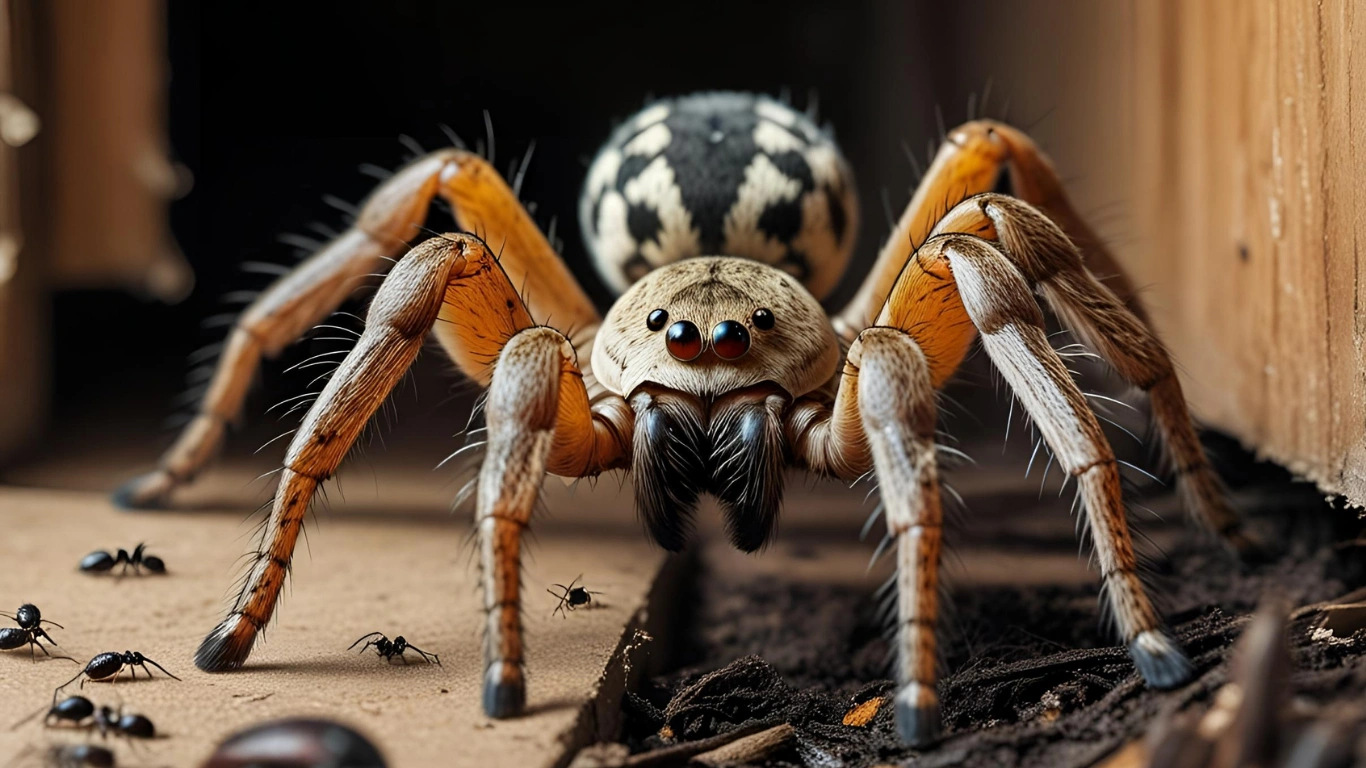
Wolf spiders are fast-moving, ground-dwelling hunters that often raise questions due to their intimidating appearance. Are they venomous? Do they bite humans? Can they eat other spiders? In this guide, we answer 41 of the most common questions about wolf spiders—clearly and directly. Whether you’re curious, concerned, or just spotted one in your home, this Q&A covers everything you need to know about their behavior, danger level, diet, and more.
General Behavior and Traits

Wolf spiders are some of the most misunderstood arachnids. Unlike web-building spiders, they are hunters that actively chase down their prey. They belong to the family Lycosidae and can be found in many parts of the world, especially in North America. These spiders are typically fast, solitary, and ground-dwelling, often seen roaming gardens, grassy areas, and even inside homes during colder months.
What does a wolf spider look like?
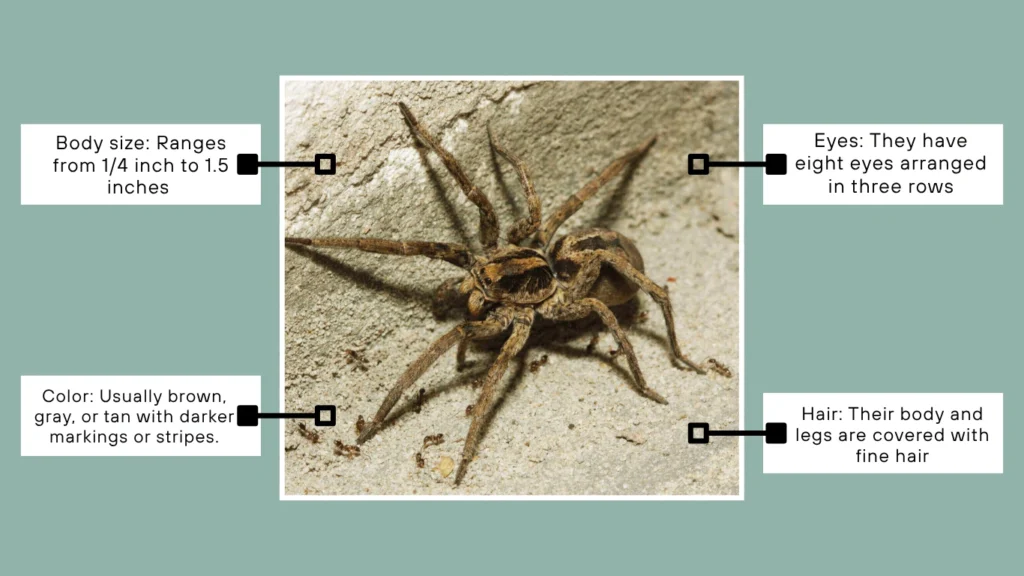
- Body size: Ranges from 1/4 inch to 1.5 inches (not including legs).
- Color: Usually brown, gray, or tan with darker markings or stripes.
- Eyes: They have eight eyes arranged in three rows – two large central eyes provide excellent night vision.
- Hair: Their body and legs are covered with fine hair, giving them a somewhat furry appearance.
- Legs: Long, strong, and built for speed rather than web-weaving.
Their rugged appearance and large eyes help distinguish them from other spiders.
Why are wolf spiders called wolf spiders?
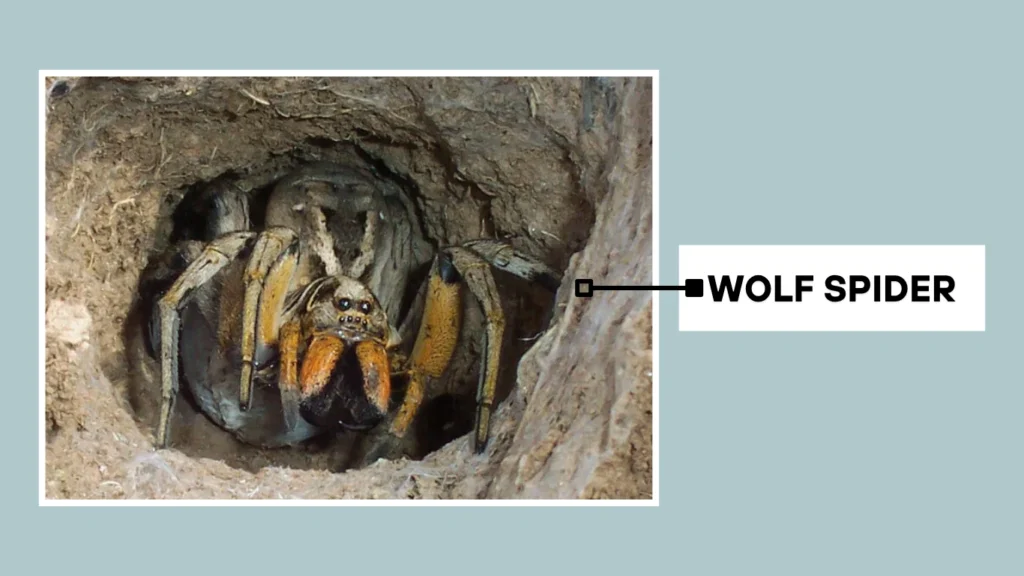
The name “wolf spider” comes from their hunting style. Instead of spinning webs to catch prey, they chase it down much like a wolf would stalk its food. This active pursuit is uncommon among spiders, which is why they were likened to wolves. They don’t hunt in packs, though—wolf spiders are entirely solitary.
Why are wolf spiders in my house?
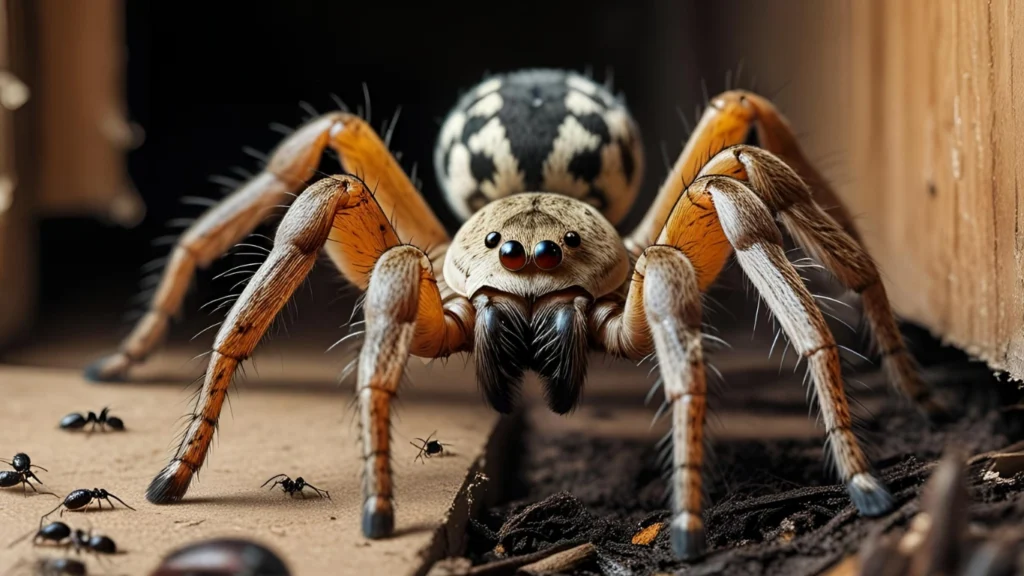
Wolf spiders often enter homes in search of warmth, shelter, or prey. Here are a few common reasons:
- Seasonal changes: In colder months, they may wander indoors to escape the cold.
- Hunting insects: If your home has other pests (like ants, roaches, or small insects), wolf spiders may come in to hunt.
- Dark, quiet areas: Basements, garages, and storage areas are perfect hiding spots.
While their presence might be alarming, they’re usually harmless and may even help reduce indoor pest populations.
Are wolf spiders friendly?
“Friendly” might be a stretch for any spider, but wolf spiders are not aggressive toward humans. They will avoid confrontation whenever possible. If you approach one, it’s more likely to flee than fight. In rare cases, if handled or trapped, they may bite in self-defense—but they’re not out to get you.
Are wolf spiders harmless?
To most humans, yes, wolf spiders are harmless. Their bite may cause mild irritation (similar to a bee sting), but it’s not dangerous unless the person has an allergic reaction. They don’t transmit disease, don’t damage structures, and can even serve as natural pest control by feeding on bugs in and around your home.
Venom, Poison, and Danger to Humans

Wolf spiders often look intimidating due to their size and speed, but their danger to humans is frequently misunderstood. Many people confuse venomous and poisonous, or assume large spiders are deadly. Let’s clear that up.
Are wolf spiders poisonous?
No, wolf spiders are not poisonous. “Poisonous” typically refers to something harmful when ingested or touched. You could technically eat a wolf spider (not recommended) and it wouldn’t poison you. So, the term “poisonous” does not apply here.
Are wolf spiders venomous?
Yes, wolf spiders are venomous, but only to their prey. They inject venom through their fangs to immobilize insects, which they then consume. This venom is not potent enough to cause serious harm to humans. So while technically venomous, they are not dangerous to people in the way black widows or brown recluse spiders can be.
Are wolf spiders poisonous to humans?

No. Again, they are not poisonous—you won’t be harmed by touching or being near one. They don’t release toxins through the skin or fur. Their venom is only delivered through a bite and is not toxic to humans in any dangerous way.
Are wolf spiders venomous to humans?
Wolf spiders do have venom, but for humans, it’s generally harmless. The most common symptoms of a bite include:
- Minor swelling
- Redness
- Mild pain or itching
Serious reactions are very rare and usually limited to those with spider bite allergies.
Are wolf spiders dangerous?
Not at all. They may look scary, especially the larger ones, but wolf spiders are not dangerous to humans. They don’t carry diseases and won’t attack unless provoked. Most will try to escape when disturbed.
Are wolf spiders dangerous to humans?
In general, no. Their bite may cause some localized discomfort but does not pose a medical risk to the average person. It’s always good to clean any spider bite and monitor it, but most wolf spider encounters end with the spider running away, not biting.
Are wolf spiders deadly?
Absolutely not. There are no recorded deaths from a wolf spider bite. They’re much more helpful than harmful, often acting as natural pest control.
Can wolf spiders hurt you?
Only mildly. If you try to pick one up or trap it with your hand, it might bite, causing minor pain. But it won’t inject dangerous levels of venom or cause lasting damage.
Biting Behavior

Wolf spiders don’t bite humans unless they feel threatened. While their appearance can be alarming, they are typically non-aggressive and prefer to run than fight. Still, it’s important to understand their bite behavior in case of close contact.
Do wolf spiders bite?
Yes, wolf spiders can bite, but they usually don’t unless provoked. They may bite if:
- You accidentally trap or squeeze them
- You try to pick them up
- They feel cornered and have no escape
Their fangs are capable of piercing human skin, but the bite is more defensive than aggressive.
Do wolf spiders bite humans?
Wolf spiders do not actively seek to bite humans. Bites are rare and usually happen by accident. For example, you might get bitten if one is hiding in your clothes or shoes and feels threatened when disturbed.
Can wolf spiders bite?
Yes, they can. They have strong, sharp fangs designed to subdue insect prey. These same fangs can pierce human skin if needed, but again—they only bite when forced to.
Can wolf spiders bite humans?
They can, but the bite is not medically significant for most people. It might feel like a bee sting and show mild swelling or redness. For individuals with sensitive skin or allergies, symptoms may be stronger, but still not dangerous in most cases.
Will wolf spiders bite humans?
Only if they are provoked, threatened, or handled carelessly. In normal circumstances—like spotting one crawling across the floor—they will not attempt to bite. Their first instinct is to run away.
Web and Reproduction
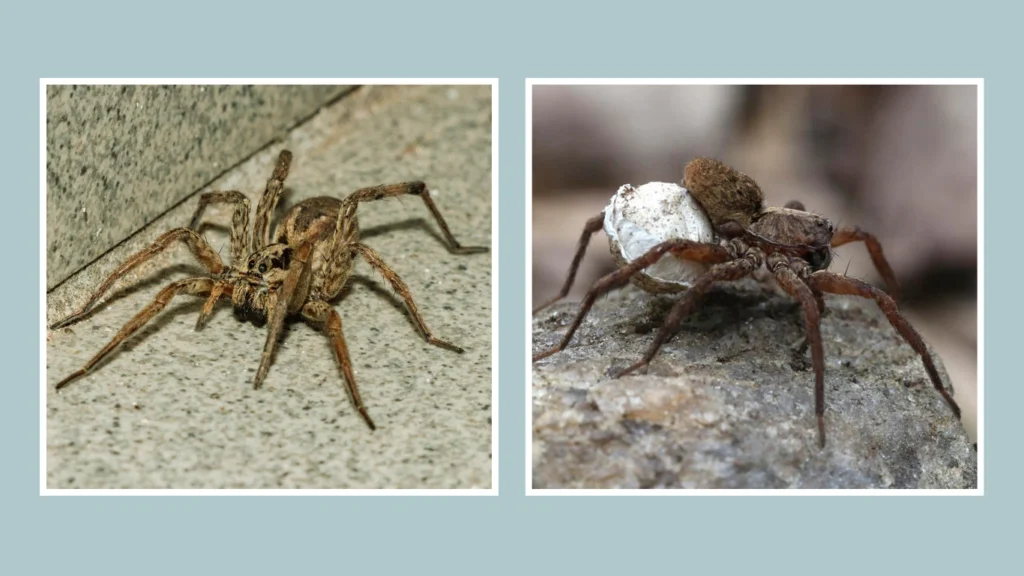
Wolf spiders are unique among spiders in how they live, hunt, and reproduce. Unlike web-building spiders, they are ground-dwelling hunters and use silk for purposes other than catching prey.
Do wolf spiders make webs?
No, wolf spiders do not build webs to catch food. Instead, they rely on speed and stealth to chase and capture prey. They are active hunters and use their excellent vision to track and pounce on their target.
Do wolf spiders spin webs?

Yes, they do spin silk, but not for web traps. They use their silk in other ways, including:
- Creating a silken retreat or burrow lining for shelter
- Securing eggs inside a round egg sac
- Leaving draglines to navigate and retreat safely
- Wrapping up prey in some cases
So while they do spin silk, it’s used for protection and reproduction—not hunting.
Can wolf spiders make webs?
Technically, yes—they can produce silk, but as mentioned above, they don’t construct typical spider webs. Their silk glands are used more for practical purposes than prey capture.
Do wolf spiders have webs?
No, not in the traditional sense. You won’t find classic orb-shaped or messy cobwebs made by wolf spiders. Instead, they may create silk-lined tunnels or hideaways in soil, leaves, or under debris, depending on the species.
Do wolf spiders carry babies on their back?

Yes, and this is one of the most fascinating traits of wolf spiders. After the female lays her eggs, she wraps them in a silk sac and attaches it to her spinnerets, carrying it wherever she goes. Once the spiderlings hatch:
- They climb onto the mother’s back
- Stay there for several days to a week
- Disperse when ready to live independently
This behavior is rare among spiders and makes wolf spiders excellent mothers in the arachnid world.
Movement and Abilities

Wolf spiders are highly mobile and equipped with physical traits that make them efficient hunters. Their speed, agility, and ability to adapt to different terrains help them thrive both indoors and outdoors.
Can wolf spiders jump?
Yes, wolf spiders can jump, but they’re not like jumping spiders. They don’t leap far or often, but they may make short, quick jumps:
- To pounce on prey
- To escape danger
- To move across uneven terrain
Their jumps are more practical than dramatic, often just a few inches.
Do wolf spiders jump?
Yes, though it’s not their primary mode of movement. They rely more on running quickly than jumping. However, in close-range situations, they may spring forward suddenly to snatch prey or retreat defensively.
Can wolf spiders swim?
Surprisingly, yes—wolf spiders can swim. They’re capable of floating and paddling across water surfaces if necessary. You may even spot them:
- Crossing puddles or small streams
- Escaping rising water during rain
- Hiding under objects near water sources
Though they’re not aquatic spiders, they are resilient and adaptable to a range of environments, including wet conditions.
Regional Presence
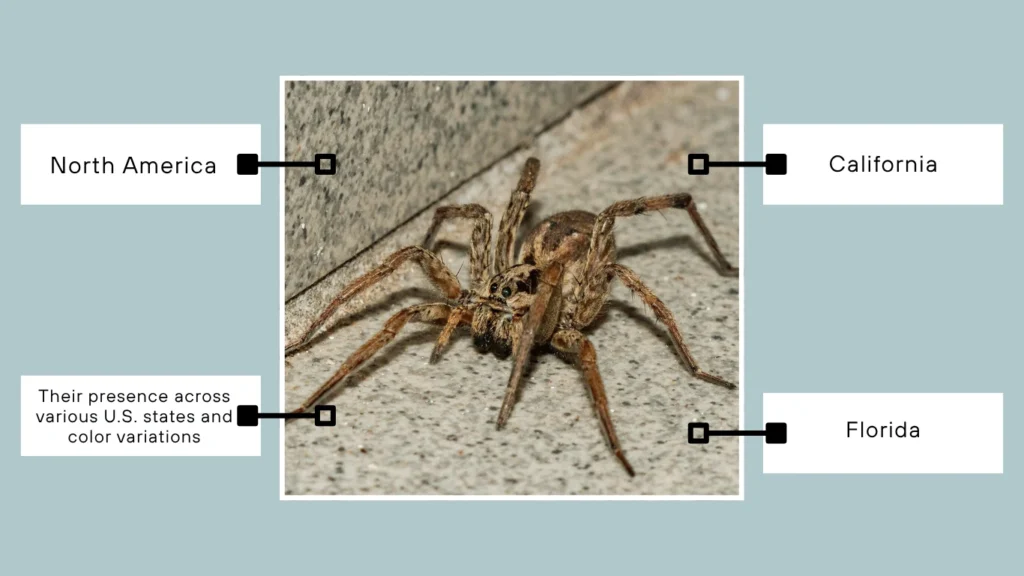
Wolf spiders are widely distributed across North America and many parts of the world. They’re highly adaptable and can be found in forests, grasslands, deserts, and even urban environments. Below are specific insights into their presence across various U.S. states and color variations.
Are wolf spiders in California?
Yes, wolf spiders are found throughout California. They thrive in both rural and urban areas, often seen in gardens, parks, and basements. Due to the state’s diverse habitats—from dry deserts to coastal forests—California supports multiple wolf spider species.
Are wolf spiders in Florida?
Absolutely. Florida has a high population of wolf spiders due to its warm and humid climate. They’re commonly seen in:
- Lawns and yards
- Wooded areas
- Around porches and garages
Their presence indoors increases during rainy seasons or in search of prey.
Do wolf spiders live in Florida?
Yes, this repeats the question above. Wolf spiders live and breed naturally in Florida and are often considered beneficial for pest control.
Are wolf spiders in Michigan?
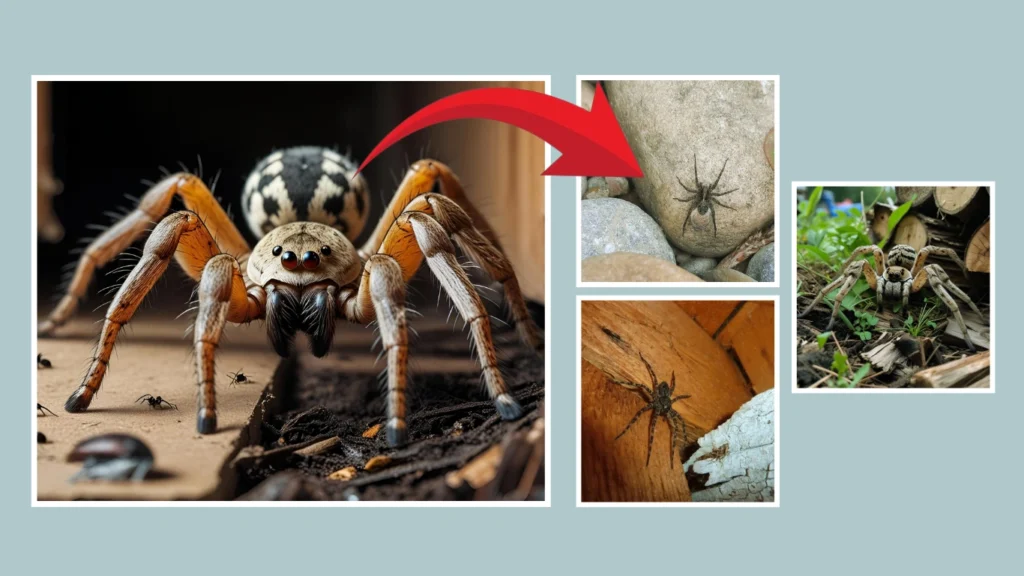
Yes. Despite the colder winters, wolf spiders are common in Michigan during the warmer months. They are typically found:
- Under rocks and logs
- In basements and sheds
- Near gardens and woodpiles
In winter, some may enter homes to avoid the cold.
Are wolf spiders in Minnesota?
Yes. Minnesota has several native wolf spider species, active mostly during the spring through fall. Like in Michigan, they may seek warmth indoors when temperatures drop.
Are wolf spiders in Ohio?
Yes, wolf spiders are widespread in Ohio. They are most active from late spring through early fall and are commonly found in fields, wooded areas, and home foundations.
Can wolf spiders be black?
Yes, some species of wolf spiders can appear very dark brown or nearly black. While most are brown or tan with markings, coloration can vary depending on the species and environment. Black wolf spiders are often mistaken for other types, like funnel weavers or even tarantulas.