
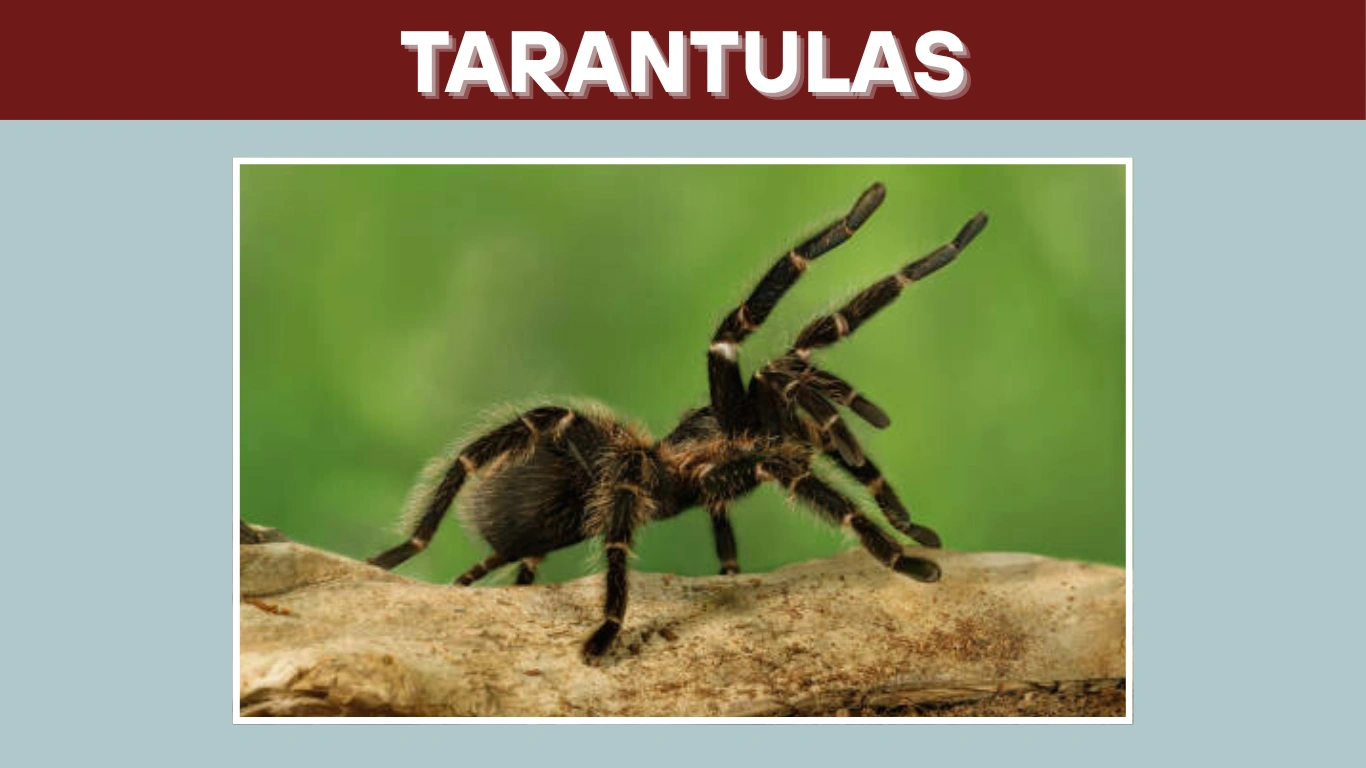
Tarantulas are some of the most misunderstood spiders in the world. Are they dangerous? Can they bite? Do they make good pets? In this complete guide, we answer 75 of the most common and curious questions about tarantulas—from their venom and diet to where they live and how long they survive. Whether you’re a curious reader or a new tarantula owner, this Q&A-style breakdown covers everything you need to know.
Overview
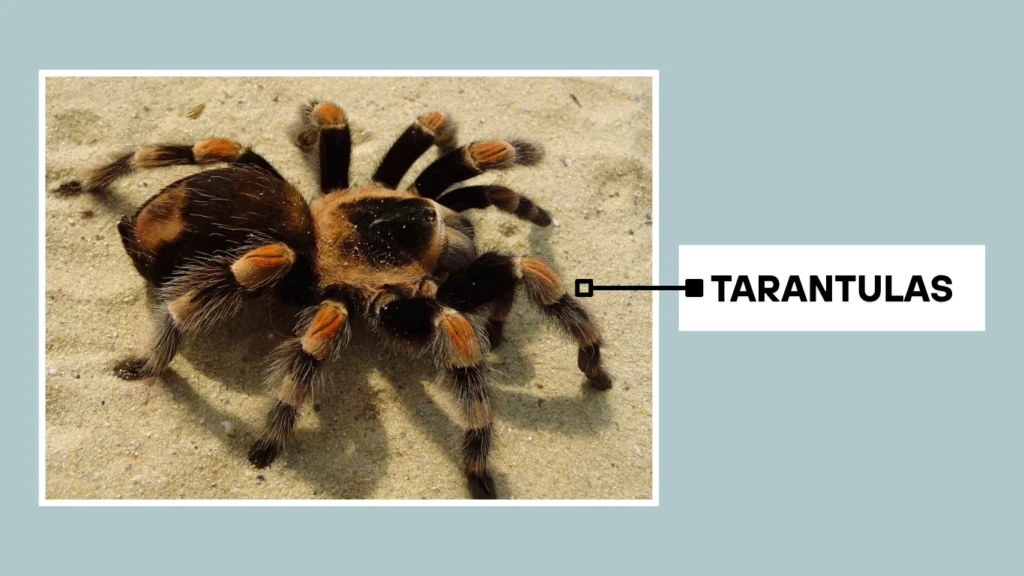
Tarantulas are some of the most recognizable and fascinating spiders in the world. Known for their large size, hairy bodies, and calm demeanor, these creatures are often misunderstood. Despite their intimidating appearance, many tarantulas are slow-moving and non-aggressive. This section breaks down what they are and how they fit into the animal kingdom.
What are tarantulas?
Tarantulas are a group of large, hairy spiders belonging to the family Theraphosidae. There are over 1,000 known species, and they’re spread across various regions, including the Americas, Africa, Asia, and parts of Europe. Unlike most spiders that rely on speed or webs to catch prey, tarantulas are slow, methodical ambush predators. They use stealth and their fangs to take down insects and small animals.
Are tarantulas spiders?
Yes, tarantulas are a type of spider. They belong to the order Araneae, just like orb weavers, wolf spiders, and jumping spiders. What sets them apart is their robust body structure, slow movement, and reliance on ambush hunting instead of web traps.
Are tarantulas arachnids?
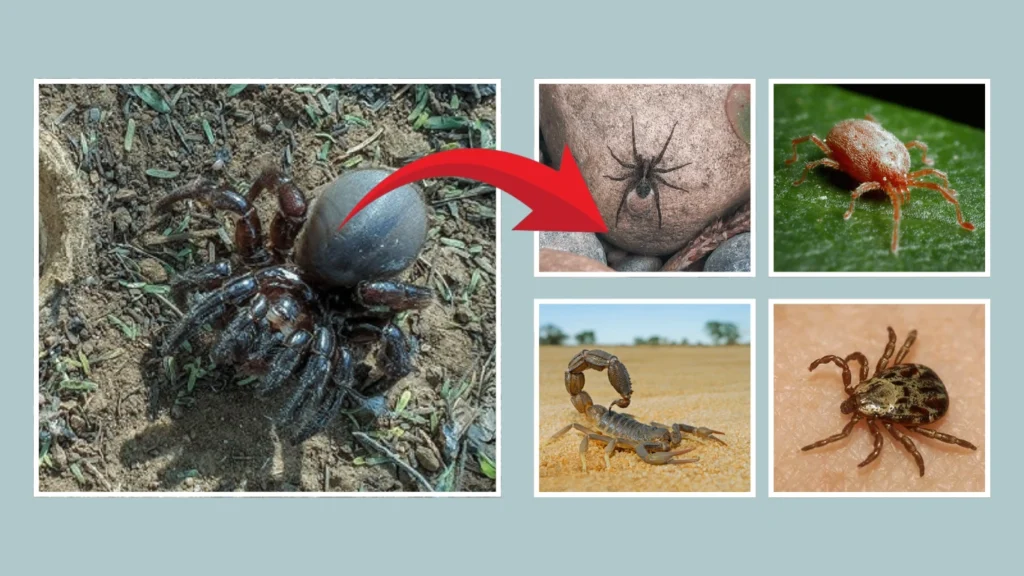
Yes. All spiders, including tarantulas, are arachnids. Arachnids are a class of joint-legged invertebrates that include:
- Spiders
- Scorpions
- Mites
- Ticks
Tarantulas share common arachnid traits like having eight legs, no antennae, and a body divided into two parts: the cephalothorax and abdomen.
Are tarantulas true spiders?
This question often comes from confusion around tarantulas’ size and appearance. The answer is yes—they are true spiders. However, they fall into a more primitive group of spiders called mygalomorphs, which includes trapdoor spiders and funnel-web spiders. They differ from the more common araneomorph spiders in fang orientation and certain behaviors, but they are 100% spiders.
Are tarantulas insects?

No, tarantulas are not insects. They are arachnids, which is a different class entirely. Key differences include:
- Arachnids have eight legs; insects have six
- Arachnids have two body segments; insects have three
- Arachnids lack wings and antennae, which insects often have
This confusion usually comes from grouping all small, creepy-crawly creatures together, but biologically, tarantulas and insects are very different.
Are tarantulas carnivores?
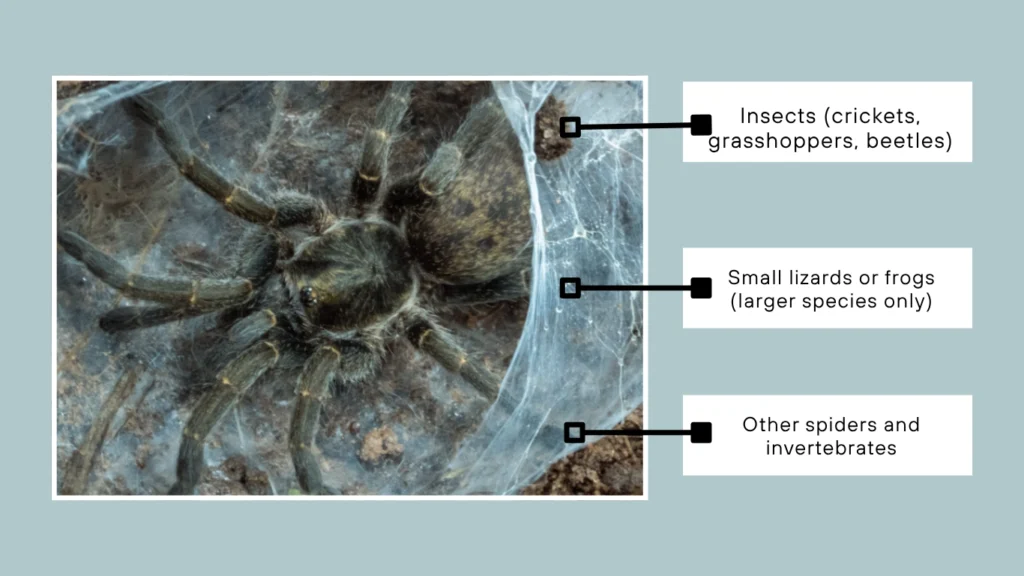
Yes, tarantulas are strictly carnivorous. They eat:
- Insects (crickets, grasshoppers, beetles)
- Small lizards or frogs (larger species only)
- Other spiders and invertebrates
They use venom to immobilize prey and digest it externally using special enzymes before consuming the liquefied tissue.
Appearance and Features

Tarantulas have a bold, unmistakable look that sets them apart from other spiders. Their size, hairy bodies, and unique movement patterns make them both feared and fascinating. This section covers everything from their physical traits to some common myths.
What do tarantulas look like?

Tarantulas are large, hairy spiders with a sturdy build. Key features include:
- Hairy body and legs, often brown, black, or reddish with stripes or color accents
- Two main body parts: the cephalothorax (head/thorax combined) and abdomen
- Large fangs located under the head, used for biting and injecting venom
- Leg span: Ranges from 4 to 11 inches depending on the species
- Some species have bright-colored hairs used for defense
How many legs do tarantulas have?
Like all spiders, tarantulas have eight legs. Additionally, they have:
- Two pedipalps near their mouth used for sensing and mating
- Each leg has multiple joints and is covered in sensory hairs
These legs allow them to move smoothly, sense vibrations, and climb surfaces.
How many eyes do tarantulas have?
Tarantulas have eight eyes, arranged in a cluster on the front of the cephalothorax. However, their eyesight is not very sharp. Instead of relying on vision, they:
- Sense movement through vibrations
- Detect air currents and ground shifts using their leg hairs
Their poor eyesight is compensated by exceptional touch sensitivity.
How big are tarantulas?
Tarantula size varies widely by species:
- Body length: Typically 2 to 4 inches
- Leg span: From 4 inches up to 11 inches
- Weight: Larger tarantulas can weigh over 85 grams (~3 oz)
One of the largest species, the Goliath birdeater, can grow to the size of a dinner plate.
Why do tarantulas have hair?

Tarantulas are covered in specialized hairs called setae that serve multiple functions:
- Sensory detection: They feel vibrations and air currents
- Defense: Some hairs are barbed (urticating hairs) and can be flicked at predators
- Camouflage: Their hairy bodies help them blend into surroundings
These hairs are part of why tarantulas are so recognizable and effective in the wild.
Do tarantulas have bones?
No, tarantulas do not have bones. Instead, they have an exoskeleton—a hard outer shell that supports their body and protects their internal organs. As they grow, they shed this exoskeleton in a process called molting.
Do tarantulas have paws?
Not really. What people sometimes call “paws” are actually the tips of their legs, which are equipped with:
- Claws for gripping surfaces
- Hair pads for traction
- Sensitive bristles for detecting vibrations
These adaptations help tarantulas climb, hunt, and navigate different environments.
Venom, Bites, and Danger
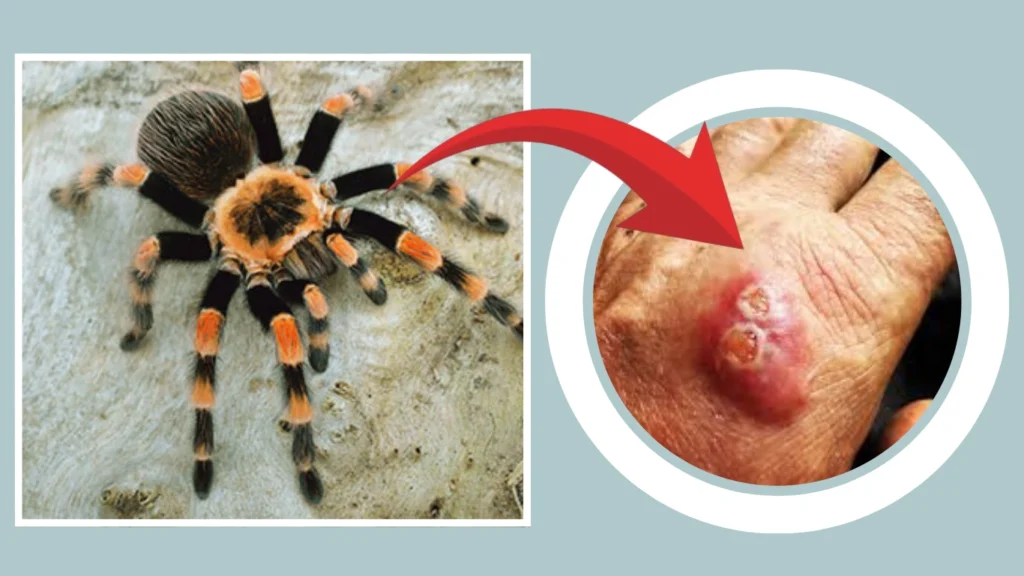
Tarantulas look intimidating, especially with their size and fangs. But are they actually dangerous? This section clears up confusion about venom, biting behavior, and whether tarantulas pose any real risk to humans.
Are tarantulas poisonous?
No, tarantulas are not poisonous. Poison refers to something harmful when ingested or touched. Tarantulas don’t secrete toxins through their skin or hair that can poison humans. The confusion often comes from mixing up the terms poisonous and venomous.
Are tarantulas venomous?
Yes, all tarantulas are venomous. They use venom to:
- Immobilize or kill prey
- Begin digestion before consuming it
- Defend themselves when threatened
However, their venom is mild to humans and not medically significant in most cases.
Are tarantulas poisonous to humans?

No. Even if you touch or accidentally handle a tarantula, it will not poison you. While their urticating hairs (used by New World species) can cause irritation, tarantulas are not toxic through skin contact.
Do tarantulas have venom?
Yes. Tarantulas inject venom through their fangs when they bite prey. The venom starts breaking down internal tissues, making it easier for the spider to suck in the liquefied contents. For humans, this venom usually causes:
- Mild pain
- Redness or swelling
- Itching or irritation
Serious reactions are rare and often involve allergic sensitivity.
Are tarantulas dangerous?
To humans, tarantulas are not considered dangerous. They rarely bite, and their venom is not strong enough to cause significant harm to a healthy adult. However, their appearance can be intimidating, and their urticating hairs (in some species) can irritate eyes and skin.
Are tarantulas dangerous to humans?
Not in any serious way. A tarantula bite may be no worse than a bee sting for most people. Common symptoms include:
- Localized pain or burning
- Slight swelling
- Temporary discomfort
Medical attention is only necessary if symptoms worsen or if there’s an allergic reaction.
Can tarantulas bite?
Yes, they can bite, but only if provoked, threatened, or handled improperly. Tarantulas prefer to flee rather than fight and will usually display warning signs like:
- Raising front legs
- Showing fangs
- Flicking urticating hairs
Can tarantulas bite humans?
Yes, but it’s very rare. Most pet owners never get bitten because tarantulas are generally docile if left alone. Bites typically happen when a spider feels trapped or is handled too roughly.
Do tarantulas bite?
Yes, they are capable of biting both prey and humans. A bite to a human is almost always defensive, not aggressive.
Can tarantulas kill humans?
No. There are no recorded deaths from tarantula bites. Their venom isn’t potent enough to be fatal to humans. In fact, they are far less dangerous than many other spiders or insects.
Can tarantulas shoot their hairs on you?
Yes, certain tarantulas (mostly New World species) can flick tiny barbed hairs from their abdomen using their back legs. These urticating hairs can:
- Irritate your skin
- Cause itching or rash
- Harm your eyes if airborne
Why do tarantulas kick hairs?
Tarantulas kick hairs as a defensive mechanism. When threatened, they use their back legs to flick hairs at predators or perceived threats. These hairs can be irritating to skin and harmful to the eyes or respiratory tract of small animals or humans.
Do tarantulas growl?
Not exactly. Tarantulas don’t have vocal cords, but some species can produce a hissing or rasping sound called stridulation. This is done by rubbing body parts together, often as a warning signal when threatened.
Behavior and Lifestyle

Tarantulas may look intimidating, but their behavior is usually calm, calculated, and defensive rather than aggressive. They are solitary, nocturnal, and low-energy animals that spend most of their lives hiding, waiting, or slowly hunting. Let’s explore how they behave in the wild and in captivity.
Are tarantulas friendly?
Tarantulas are not friendly in the way mammals or birds might be, but they’re generally docile and non-aggressive. They don’t form bonds with humans or recognize people, but many tolerate gentle handling. That said, not all tarantulas are equally calm—temperament varies by species.
Are tarantulas harmless?
Yes, for the most part. Tarantulas are harmless to humans unless mishandled. Their bite is rarely serious, and their urticating hairs are a minor irritant unless they get in your eyes or lungs. They are quiet, solitary creatures that pose little risk.
Are tarantulas aggressive?
Most tarantulas are not aggressive, but they can be defensive. Some species are more skittish and prone to biting or hair flicking, especially Old World tarantulas (those from Africa and Asia). New World tarantulas (from the Americas) tend to rely more on urticating hairs than biting.
Are tarantulas nocturnal?
Yes, tarantulas are nocturnal hunters. They spend the day hiding in burrows, logs, or dark enclosures and become more active at night when they search for food. Their excellent ability to detect ground vibrations makes nighttime hunting easier for them.
Can tarantulas jump?
Yes, some tarantulas can jump short distances, especially arboreal (tree-dwelling) species. However, they are not known for jumping frequently like jumping spiders. A jump is usually a last-resort escape move or a quick attack on prey.
Can tarantulas climb walls?
Yes, tarantulas can climb smooth vertical surfaces, especially glass or plastic walls in enclosures. Their feet have tiny claws and adhesive hairs that help them grip, although heavier ground species may not climb as well as lighter arboreal ones.
Can tarantulas walk on water?
While they can’t walk on water like some small insects, tarantulas can float and paddle across water if needed. They are not aquatic, but they can survive in damp environments and may cross puddles or shallow streams.
Can tarantulas swim?
Yes, tarantulas can swim short distances. They use a dog-paddle–like motion with their legs. Although not natural swimmers, they can survive brief water exposure if necessary.
Do tarantulas hibernate?
Tarantulas don’t hibernate in the true sense, but they may go dormant or become less active in cold or dry seasons. In captivity, lower temperatures or seasonal changes may lead to slower movement, less feeding, and more time in their burrows.
When do tarantulas come out?
Tarantulas are most active at night, emerging from their burrows or hides to hunt. In the wild, males may roam during mating season, often at dusk or after rain. In captivity, activity spikes after feeding or environmental changes.
When do tarantulas mate?
Tarantulas typically mate in late summer to early fall, depending on species and region. Males reach maturity, spin a sperm web, and go in search of a receptive female. After mating, males often die within months, while females may live for many more years.
What is a group of tarantulas called?
There’s no official collective noun for tarantulas because they are solitary creatures. However, some jokingly refer to a group as a “hairball” or “terror,” though these are not scientific terms. In nature and captivity, tarantulas are housed and live alone.
Webs and Hunting
Unlike typical spiders, tarantulas don’t spin webs to catch prey. Their use of silk is more functional than decorative. As ambush predators, they rely on stealth, strength, and sensitivity to vibrations rather than intricate web traps.
Do tarantulas make webs?
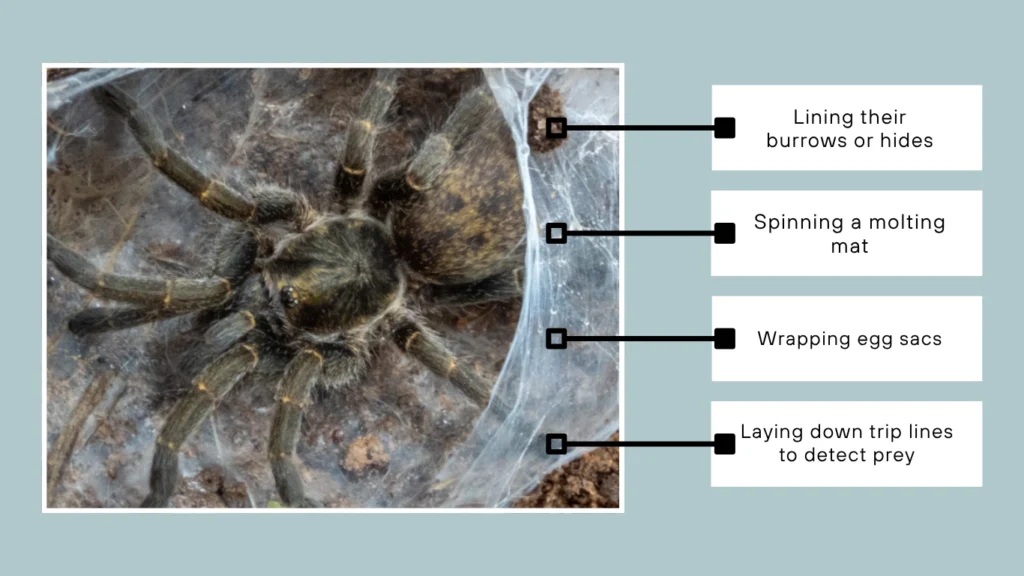
Tarantulas do produce silk, but they don’t spin traditional aerial webs like orb-weaver spiders. Instead, they use silk in practical ways:
- Lining their burrows or hides
- Spinning a molting mat
- Wrapping egg sacs
- Laying down trip lines to detect prey
Their silk helps them survive, but it’s not used for catching food mid-air.
Do tarantulas spin webs?
Yes, but again—not for trapping insects. They may cover the floor of their enclosure with a light layer of silk to sense vibrations from prey or threats. Tree-dwelling (arboreal) tarantulas may spin tube-like retreats between bark, leaves, or enclosure corners.
Can tarantulas make webs?
Yes, all tarantulas can spin silk, though the amount and usage vary by species. Arboreal tarantulas tend to use more silk than terrestrial (ground-dwelling) ones.
How tarantulas eat
Tarantulas are ambush predators. Here’s how the process works:
- They detect prey using ground vibrations or trip lines.
- They pounce and bite, injecting venom to immobilize the victim.
- Enzymes in their venom begin breaking down the prey’s tissues.
- The tarantula then sucks up the liquefied insides, leaving behind an empty shell.
Tarantulas cannot chew, so everything they eat must be liquefied first.
What tarantulas eat
In the wild, tarantulas eat:
- Crickets
- Grasshoppers
- Beetles
- Caterpillars
- Small lizards or frogs (larger species only)
- Other spiders and insects
In captivity, owners commonly feed them:
- Gut-loaded crickets
- Mealworms
- Roaches
- Occasional pinky mice (for large species)
Feeding frequency depends on the species, age, and size of the tarantula.
What eats tarantulas?
Despite their size and strength, tarantulas have natural predators, including:
- Pepsis wasps (tarantula hawks) — their main enemy
- Birds such as owls and hawks
- Snakes and lizards
- Small mammals like coatis, opossums, and mongooses
- Humans, in some cultures, eat tarantulas as a delicacy
Lifespan and Care

Tarantulas are known for their long lifespan and low-maintenance needs, which is why many people consider them suitable exotic pets. Their care depends on species, gender, and environment.
How long do tarantulas live?
Lifespan varies significantly between males and females:
- Male tarantulas usually live 5–7 years, sometimes less
- Female tarantulas can live 15–30 years, depending on species
Females often outlive males by a decade or more, especially in captivity where conditions are controlled.
How long do tarantulas live in captivity?
In captivity, tarantulas generally live longer due to steady food, controlled climate, and lack of predators.
- Females often live 20+ years
- Males still tend to die within a year or two after maturing, even in captivity
Proper care, humidity, and enclosure setup play a major role in lifespan.
How fast can tarantulas run?
Tarantulas can move surprisingly fast over short distances—up to 10 body lengths per second for some species. While not as fast as insects or smaller spiders, their sudden bursts of speed are used for:
- Escaping threats
- Catching prey
- Mating pursuits
Ground-dwelling species are typically slower than tree-dwelling ones.
How long can tarantulas go without food?
Tarantulas have slow metabolisms and can survive weeks or even months without food, especially adults.
- Juveniles may need feeding weekly
- Adults can go 1–2 months or more without eating, especially before molting
They require water more frequently than food, so a shallow water dish is important in captivity.
Distribution and Habitat
Tarantulas are found in a wide range of habitats across the globe. From deserts to rainforests, they have adapted to live in various environments. This section explores where tarantulas live, including their range across the U.S. and specific species’ habitats.
Where do tarantulas live?
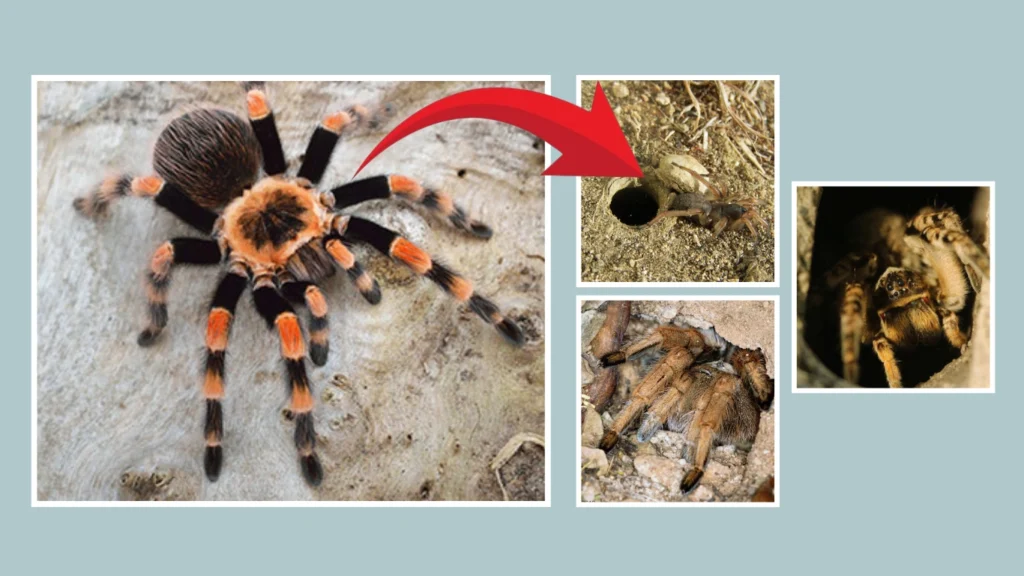
Tarantulas typically live in:
- Burrows underground
- Hollow logs, under rocks, or inside tree bark
- Self-dug tunnels or abandoned rodent holes
They prefer warm climates and are found on nearly every continent except Antarctica.
Where are tarantulas found?

Tarantulas are native to:
- North and South America (especially the U.S., Mexico, Brazil, and Chile)
- Africa (home to fast, defensive species)
- Southeast Asia and India
- Parts of the Middle East and Mediterranean
Each region has distinct species with varying temperaments and care needs.
Where do tarantulas live map?
While there’s no single map for all species, tarantulas are mostly found:
In tropical and subtropical zones
Southern U.S. states, like Texas, Arizona, and Florida
Rainforests, savannas, deserts, and scrublands
A global distribution map would highlight Central and South America as biodiversity hotspots.
Do tarantulas live in Arizona?
Yes, Arizona is home to several tarantula species, especially in desert areas. They are most visible during mating season, when males roam at night looking for females.
Do tarantulas live in California?
Yes, California has native tarantula populations, especially in the foothills and dry woodlands. The California ebony tarantula (Aphonopelma eutylenum) is commonly seen during late summer and fall.
Do tarantulas live in Florida?
Yes, although less common, Florida does have a few native species. Most sightings are of introduced or escaped pet species, especially in the southern part of the state.
Do tarantulas live in Texas?
Yes, Texas has one of the largest tarantula populations in the U.S. Species like the Texas brown tarantula (Aphonopelma hentzi) are widespread in grasslands and arid regions.
Does Texas have tarantulas?
Yes—repeating the previous question—Texas not only has tarantulas, but they are especially common during summer and early fall, when males are seen crossing roads or wandering in open areas.
Where do Mexican red knee tarantulas live?
The Mexican red knee tarantula (Brachypelma hamorii) is native to the Pacific coast of Mexico. It lives in dry forests, scrublands, and sometimes agricultural land, usually hiding in self-dug burrows or under logs and stones.
Unique & Fun Facts
Tarantulas aren’t just fascinating predators—they also have some truly unexpected traits. From odd myths to quirky behaviors, this section covers the lesser-known and often surprising facts about these hairy arachnids.
Do tarantulas keep frogs as pets?
This sounds like a myth, but it has some truth. In the wild, some tarantulas and tiny frogs have been observed sharing burrows. The frog eats ants that would harm the tarantula’s eggs, and the tarantula tolerates the frog. It’s a rare example of mutualism—not true “pet-keeping,” but close!
Can tarantulas hear?
Tarantulas cannot hear sounds like humans do, but they are highly sensitive to vibrations. They detect movement through:
- Hair-like structures on their legs
- Ground vibrations and air currents
This sensitivity allows them to sense nearby threats or prey.
When do tarantulas spawn ACNH?
In Animal Crossing: New Horizons, tarantulas spawn:
- Between 7 PM and 4 AM
- During specific months depending on hemisphere
- On open, flat areas without too much clutter
Players hunt them to earn bells—but beware, they’ll chase you if provoked!
What do tarantulas taste like?
In some cultures, especially in parts of Cambodia and Venezuela, tarantulas are fried and eaten as a delicacy. Descriptions of their taste include:
- Crunchy on the outside
- Soft, earthy, or nutty on the inside
While not for everyone, they’re a source of protein in survival situations.
How many species of tarantulas are there?
There are over 1,000 recognized tarantula species worldwide, with more being discovered regularly. They vary in:
- Size
- Color
- Habitat
- Temperament
Popular species include the Goliath birdeater, Mexican red knee, and Greenbottle blue.