
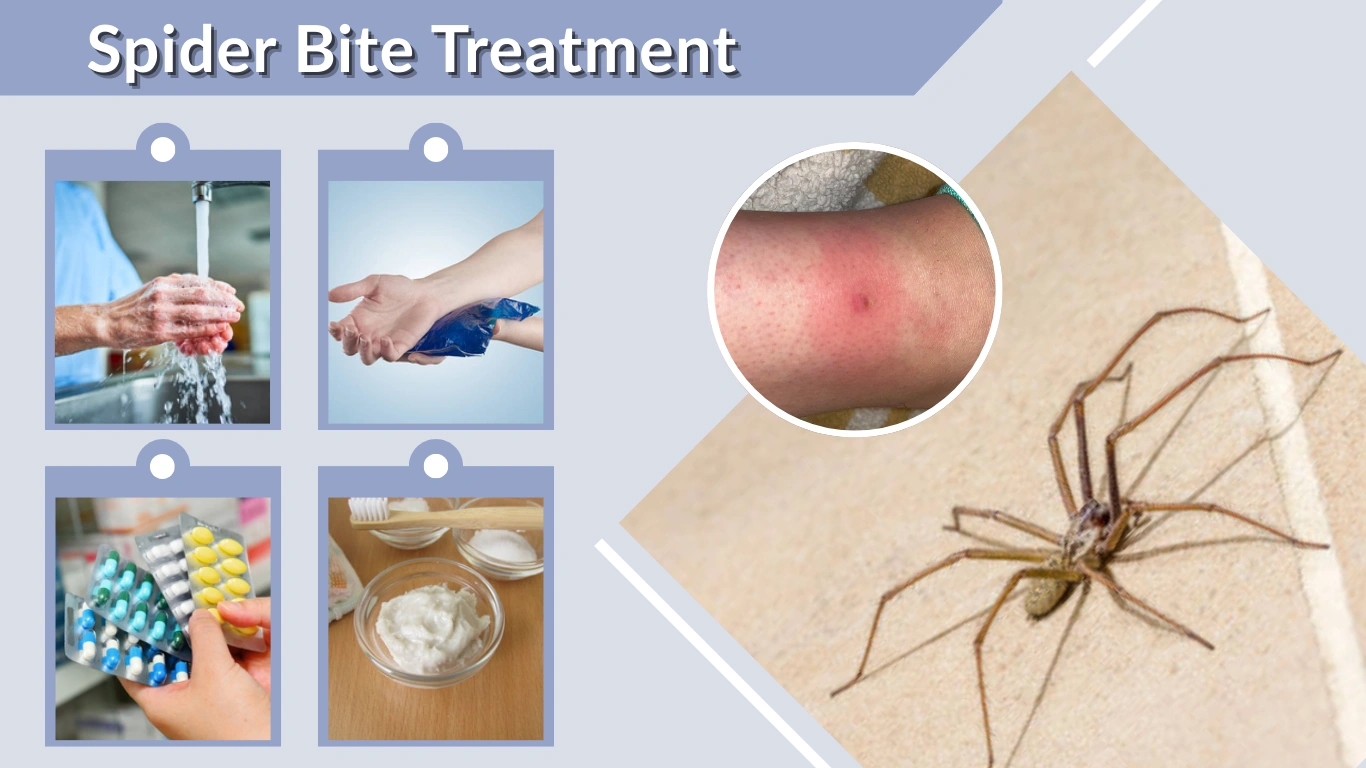
Spider bites can be frightening, especially when you notice sudden redness, swelling, or sharp pain on your skin. Fortunately, most spider bites are harmless and heal within a few days with proper care. However, incorrect treatment or delayed action can lead to infection or complications. Understanding the right spider bite treatment steps can ease discomfort, reduce swelling, and prevent serious problems. In this guide, you’ll learn seven effective ways to treat a spider bite safely and recognize when medical attention is necessary.
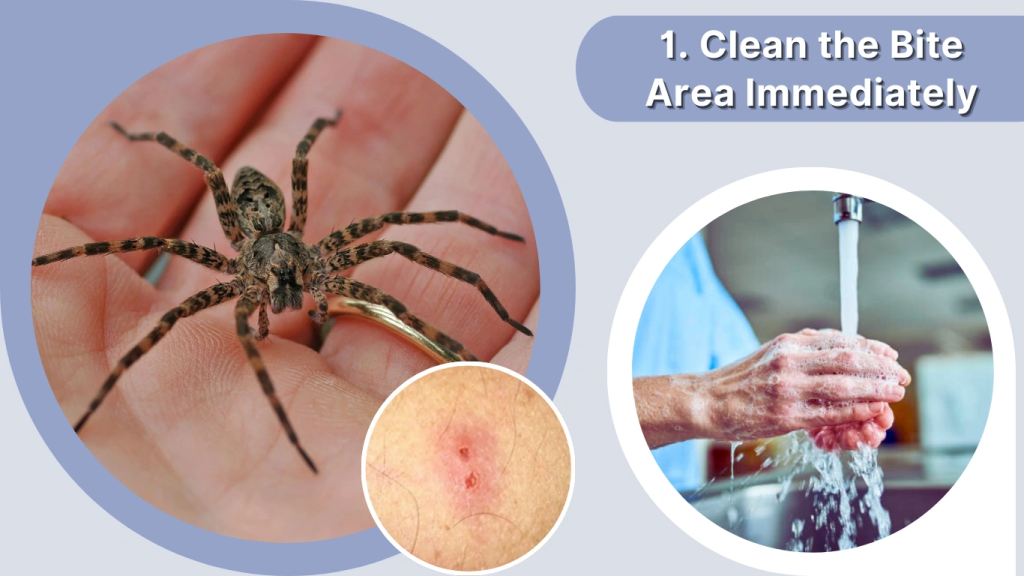
1. Clean the Bite Area Immediately
Why Immediate Cleaning Is Crucial
Cleaning the bite area as soon as possible is the first and most important step in spider bite treatment. Even if the spider is not venomous, bacteria from the skin or environment can enter through the tiny puncture wound. This increases the risk of infection, which can cause additional redness, warmth, pus formation, and pain. Prompt cleaning reduces the number of bacteria and prevents minor bites from turning into more serious skin infections.
Step-by-Step Cleaning Process
Start by washing your hands thoroughly with soap and water. Then gently rinse the bite area under lukewarm running water. Use mild soap to clean the surrounding skin without scrubbing aggressively. Lightly pat the area dry with a clean towel. If available, apply a small amount of antiseptic solution to further reduce infection risk. Repeat gentle cleaning once or twice daily until the bite begins healing.
Best Soaps and Antiseptics to Use
Choose a mild, fragrance-free soap that won’t irritate the skin. Antibacterial soaps are helpful but not always necessary. For antiseptics, povidone-iodine or chlorhexidine solutions are effective options. Avoid harsh chemical disinfectants that can damage skin tissue. The goal is to disinfect without causing further irritation.
Common Cleaning Mistakes to Avoid
- Using hydrogen peroxide repeatedly, which can delay healing
- Scrubbing the bite aggressively
- Ignoring the bite for several hours
- Applying dirty cloths or contaminated materials
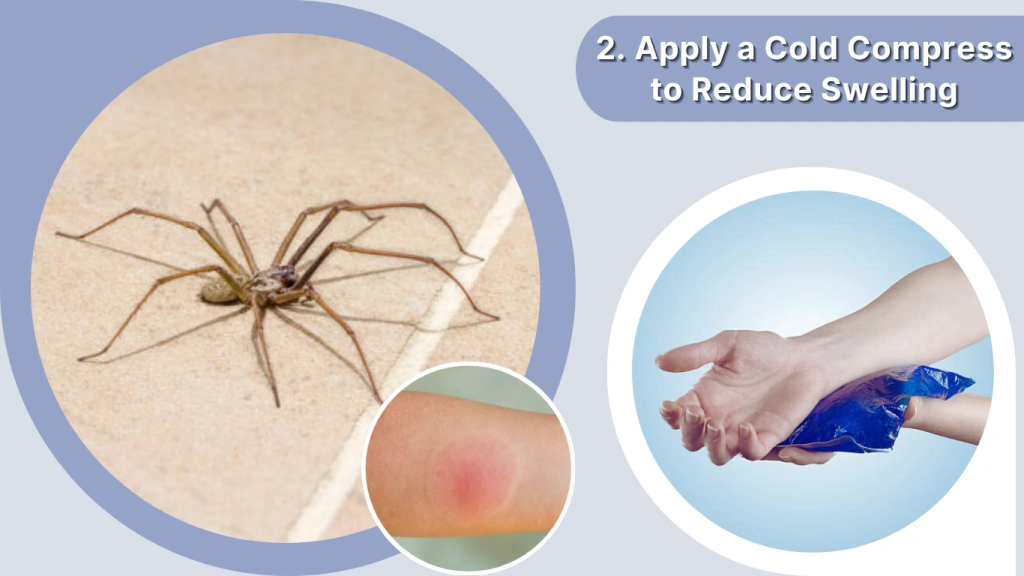
2. Apply a Cold Compress to Reduce Swelling
How Cold Therapy Works
Swelling and redness occur because your body sends extra blood and immune cells to the bite area. Applying a cold compress constricts blood vessels, reducing inflammation and slowing the spread of venom in mild cases. Cold therapy also numbs the area slightly, which helps relieve pain and itching.
Proper Way to Use Ice Packs
Never place ice directly on the skin. Wrap an ice pack or a few ice cubes in a clean cloth before applying it to the bite. Hold the compress in place for 10 to 15 minutes at a time. Remove it for at least 10 minutes before reapplying. This prevents skin damage and frostbite.
How Often to Repeat Cold Treatment
During the first 24 to 48 hours, you can apply a cold compress every few hours as needed. If swelling and discomfort are significant, consistent use during the first day can greatly reduce symptoms. As swelling decreases, reduce the frequency.
When to Stop Using Cold Compress
If the skin becomes pale, overly numb, or irritated, stop cold treatment. Additionally, if swelling continues to worsen despite regular cold application, this may indicate a more serious reaction requiring medical evaluation.
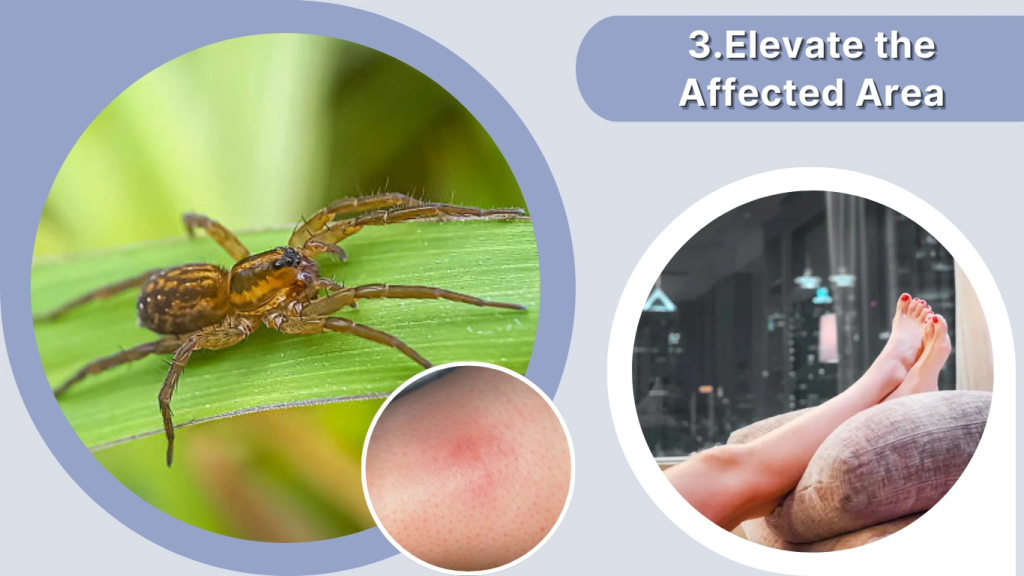
3.Elevate the Affected Area
Why Elevation Reduces Swelling
Elevation is a simple but highly effective method for controlling swelling. When the affected limb is raised above heart level, gravity helps prevent excess fluid from accumulating in the tissues. This reduces inflammation and throbbing discomfort.
Best Positions for Arm Bites
If the bite is on your arm or hand, rest your arm on pillows while sitting or lying down. Keep it elevated comfortably above your chest. Avoid letting it hang downward for extended periods.
Best Positions for Leg or Foot Bites
For bites on the leg, ankle, or foot, lie down and prop the leg on two or three pillows. Elevation during rest or sleep can significantly reduce swelling overnight.
Situations Where Elevation May Not Help
Elevation alone will not relieve symptoms of severe venom reactions. If you notice intense pain, spreading redness, muscle cramps, or systemic symptoms such as fever, seek medical attention rather than relying solely on elevation.
4. Use Over-the-Counter Medications
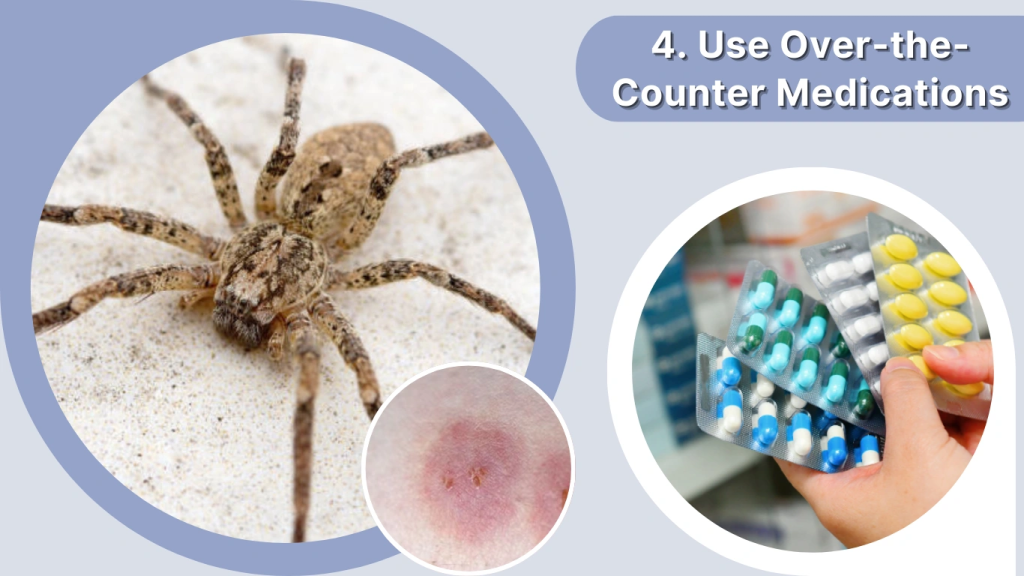
Antihistamines for Itching and Allergic Reactions
Itching is one of the most common symptoms of spider bites. Oral antihistamines like diphenhydramine or loratadine can help reduce itching and mild allergic reactions. These medications block histamine, a chemical released during allergic responses. For mild reactions, antihistamines are often very effective.
Pain Relievers for Discomfort
Over-the-counter pain relievers such as acetaminophen or ibuprofen can reduce discomfort. Ibuprofen has the added benefit of reducing inflammation. Always follow the recommended dosage on the label and avoid exceeding daily limits.
Topical Steroid Creams for Inflammation
Hydrocortisone cream (1%) can reduce redness, swelling, and itching when applied directly to the bite. Use a thin layer once or twice daily for short periods. Avoid applying steroid creams to open wounds or broken skin.
Medication Safety Tips
- Always follow dosage instructions carefully
- Do not mix medications without medical advice
- Check labels for allergy warnings
- Consult a healthcare provider before giving medication to children or pregnant individuals
5. Try Safe Home Remedies for Mild Bites
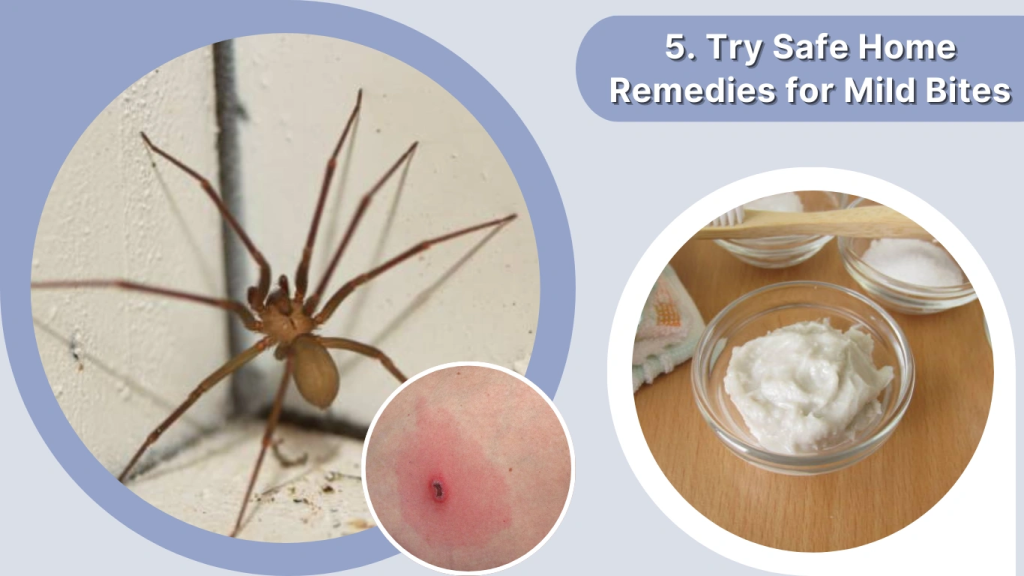
Aloe Vera for Skin Soothing
Aloe vera is widely known for its soothing and anti-inflammatory properties. Applying fresh aloe gel directly to the bite may help reduce redness and calm irritated skin. It also keeps the area moisturized, which can promote faster healing.
Baking Soda Paste for Itch Relief
Baking soda can help neutralize skin irritation. To make a paste, mix one tablespoon of baking soda with a few drops of water until thick. Apply it to the bite and leave it on for 10 to 15 minutes before rinsing off. This remedy can reduce itching temporarily.
Turmeric Paste for Antibacterial Support
Turmeric contains natural antibacterial and anti-inflammatory compounds. Mix turmeric powder with a small amount of water to form a paste. Apply gently to the bite and allow it to dry before rinsing. While helpful for mild bites, it should not replace medical treatment for serious reactions.
Essential Oils: Benefits and Cautions
Certain essential oils, such as tea tree or lavender oil, may provide mild relief. However, they must always be diluted with a carrier oil before application. Undiluted oils can irritate sensitive skin and worsen symptoms. Perform a patch test before full use.
6. Monitor for Signs of Severe Reaction
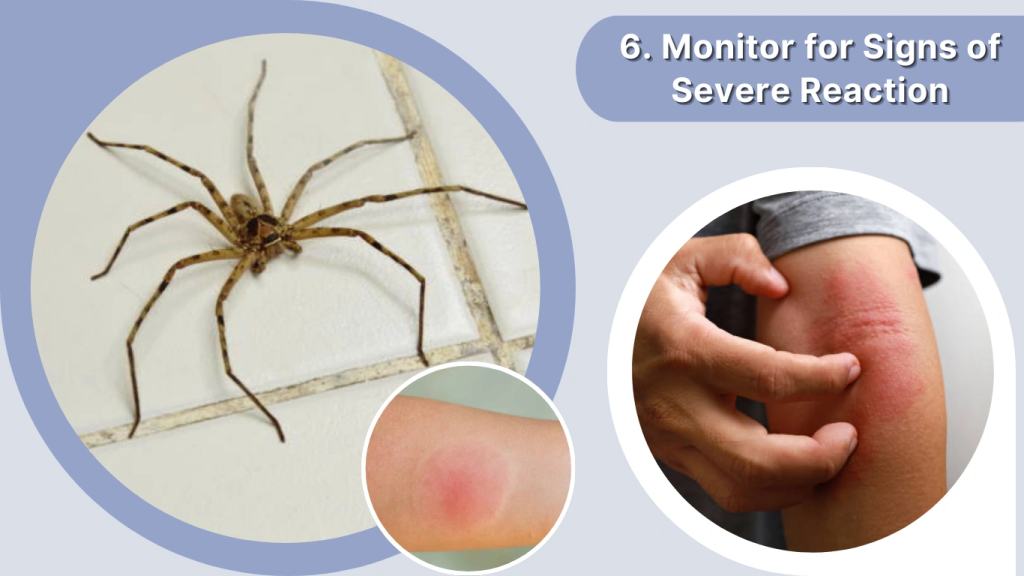
Most spider bites improve within a few days with simple home care. However, certain species—such as black widows and brown recluses—can cause more serious symptoms. Monitoring the bite closely during the first 24 to 72 hours is essential. Early detection of complications allows for faster medical intervention and reduces the risk of long-term damage.
Symptoms of Dangerous Spider Bites
While mild bites cause redness, itching, and slight swelling, dangerous bites often produce more intense symptoms. Warning signs may include severe pain that worsens over time, spreading redness, blister formation, muscle cramping, or fever. Some people may experience nausea, headache, or general weakness.
If symptoms intensify instead of improving within the first day, the bite may require medical evaluation. Rapid changes in skin color, especially darkening or tissue breakdown, should never be ignored.
Identifying Black Widow Bite Symptoms
Black widow bites are known for their neurotoxic venom. The bite itself may feel like a small pinprick at first. Within hours, however, symptoms can escalate.
Common black widow bite symptoms include:
- Severe muscle cramps
- Abdominal stiffness or pain
- Back pain
- Sweating
- Elevated blood pressure
The pain may spread from the bite area to larger muscle groups. Although rarely fatal, black widow bites can be extremely uncomfortable and may require medical treatment for symptom control.
Identifying Brown Recluse Bite Symptoms
Brown recluse bites are often painless initially but can become serious over time. Their venom can damage skin tissue and lead to necrosis (tissue death).
Typical brown recluse bite symptoms include:
- Increasing redness and swelling
- A blister that develops into an open sore
- Skin turning bluish or purple around the bite
- Fever or chills in severe cases
Over several days, the affected area may enlarge and form an ulcer. Early medical attention can limit tissue damage and prevent complications.
Emergency Warning Signs
Seek immediate medical care if you notice:
- Difficulty breathing
- Swelling of the face, lips, or throat
- Rapid heart rate
- Severe abdominal cramps
- Expanding skin necrosis
- Persistent vomiting
These symptoms may indicate a severe allergic reaction or significant venom effect. Emergency treatment can prevent life-threatening complications.
7. Seek Medical Care When Necessary
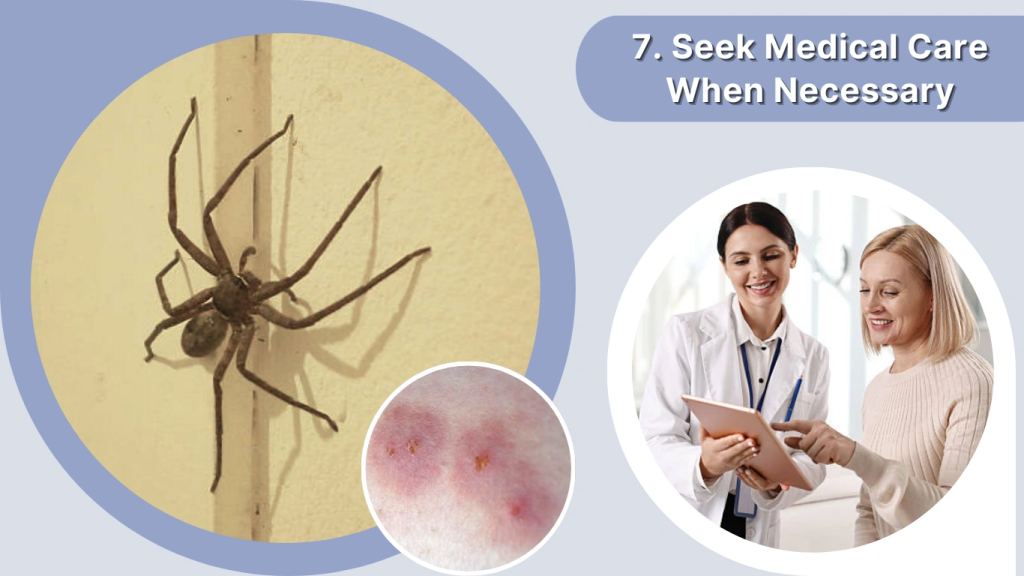
Although most spider bites can be managed at home, some situations require professional medical care. Knowing when to see a doctor is a critical part of safe spider bite treatment.
When to Visit a Doctor
You should consult a healthcare provider if:
- Pain becomes severe or unbearable
- The bite continues worsening after 24–48 hours
- Signs of infection appear (pus, warmth, increasing redness)
- You suspect a black widow or brown recluse bite
- The bite occurs in a child, elderly person, or someone with weakened immunity
Prompt evaluation ensures proper treatment and reduces the risk of complications.
What Treatments Doctors May Provide
Depending on the severity of the bite, a doctor may recommend:
- Prescription pain medication
- Stronger antihistamines
- Corticosteroids to reduce inflammation
- Antibiotics if infection develops
- Tetanus vaccination if needed
For confirmed black widow bites, antivenom may be administered in certain cases. Treatment decisions depend on symptom severity and patient health status.
Hospital Treatment for Severe Cases
In rare but serious cases, hospitalization may be necessary. Hospital care may include:
- Intravenous (IV) fluids
- Advanced pain management
- Muscle relaxants for severe cramping
- Continuous monitoring of vital signs
Severe allergic reactions may require epinephrine and emergency supportive care. Thankfully, such cases are uncommon, especially when treatment is sought early.
Prevention Tips to Avoid Future Spider Bites
Preventing spider bites is always better than treating them. Simple precautions can significantly reduce your risk:
- Wear long sleeves and gloves when working outdoors
- Shake out shoes and clothing before wearing
- Keep storage areas clean and clutter-free
- Seal cracks and gaps around doors and windows
- Use caution when reaching into dark spaces
Regular home maintenance and awareness can minimize encounters with potentially harmful spiders.
Conclusion
Spider bites can be uncomfortable, but most are harmless and respond well to simple treatment. Immediate cleaning, cold compresses, elevation, and over-the-counter medications can effectively reduce pain and swelling. Safe home remedies may provide additional relief for mild bites. However, monitoring symptoms carefully is essential, as certain spider species can cause more serious reactions.