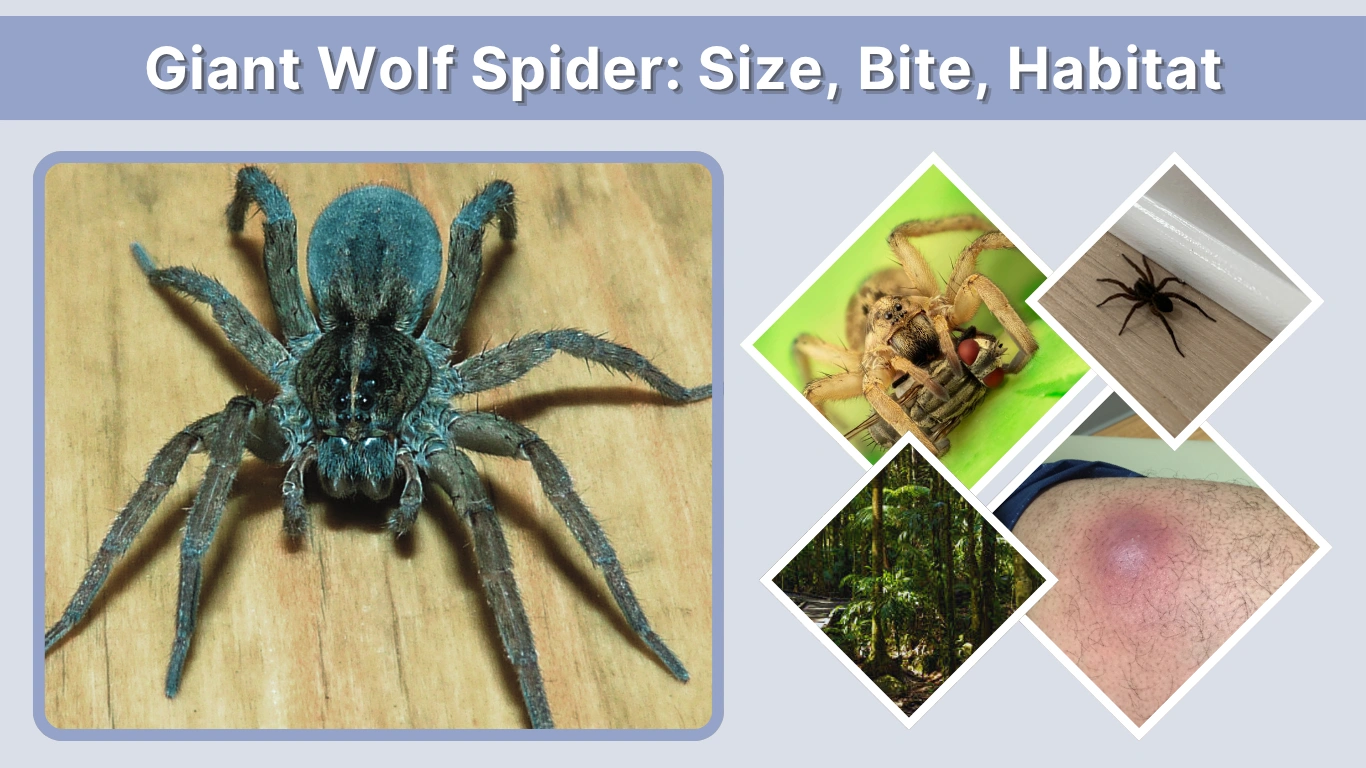
The giant wolf spider is one of the most intimidating spiders you might encounter due to its large size, speed, and hairy appearance. Often mistaken for more dangerous species, these spiders are actually common and play an important role in controlling insect populations. Unlike web-building spiders, they actively hunt their prey, making them fascinating yet misunderstood creatures. But how big do they really get, and should you be worried if you see one?
What Is a Giant Wolf Spider?
Definition and Classification
The term giant wolf spider doesn’t refer to a single species but rather a group of large spiders belonging to the Lycosidae family. These spiders are known for their robust bodies, excellent eyesight, and active hunting behavior. They are ground-dwelling predators and are widely distributed across many regions of the world.
Why They’re Called “Wolf” Spiders
Wolf spiders get their name from their hunting style. Like wolves, they do not rely on traps or webs to catch prey. Instead, they stalk, chase, and ambush insects with impressive speed and precision.
How Big Do Giant Wolf Spiders Get?
Average Size
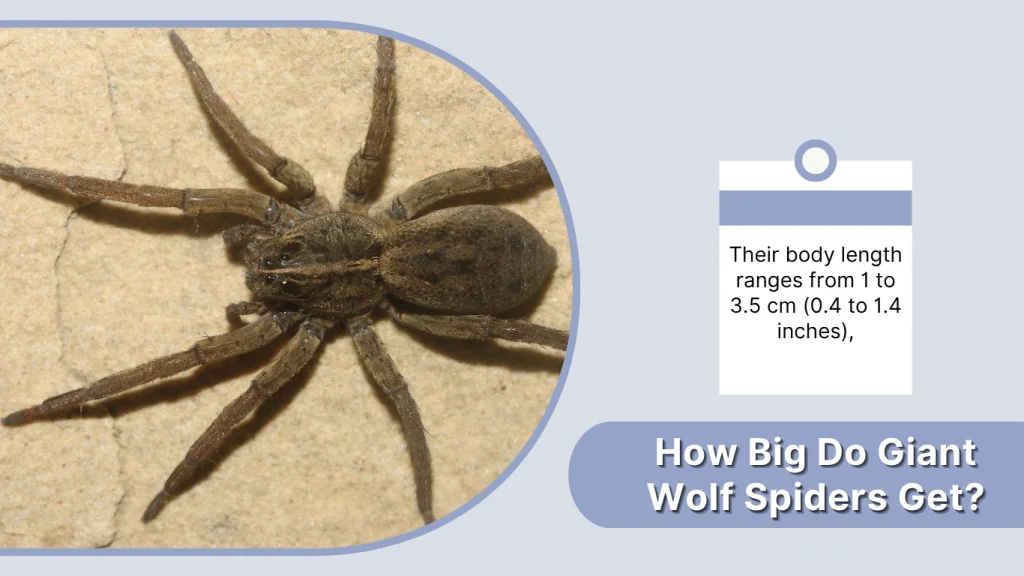
Giant wolf spiders can vary in size depending on the species. On average, their body length ranges from 1 to 3.5 cm (0.4 to 1.4 inches), while their leg span can reach up to 10 cm (about 4 inches). This makes them one of the larger types of spiders commonly found in homes and outdoor environments.
Largest Species
One of the largest known species is the Carolina wolf spider (Hogna carolinensis), which is often considered the biggest wolf spider in North America. Although they may look similar to tarantulas at first glance, wolf spiders are generally smaller and more agile.
Appearance and Identification
Key Physical Features
Giant wolf spiders typically have:
- A hairy, robust body
- Long, powerful legs
- Camouflaged coloring such as brown, gray, or black
These features help them blend into their surroundings, making them effective hunters.
Eye Arrangement (Unique Trait)
One of the easiest ways to identify a wolf spider is by its eye pattern. They have eight eyes arranged in three distinct rows, with two large eyes in the middle that provide excellent night vision.
Male vs Female Differences
Female wolf spiders are usually larger than males. One of their most unique traits is their maternal behavior—females carry egg sacs attached to their abdomen and later carry their spiderlings on their backs after they hatch.
How Big Do Giant Wolf Spiders Get?
Where Do Giant Wolf Spiders Live?
Giant wolf spiders are highly adaptable and can live in a variety of environments, including:
- Forests
- Grasslands
- Deserts
- Gardens
They prefer ground-level habitats where they can easily hunt and hide.
Indoor vs Outdoor Presence
Although they are primarily outdoor spiders, wolf spiders sometimes enter homes, especially in search of food or shelter. They are often found in basements, garages, or near doors and windows.
Global Distribution
Wolf spiders are found almost everywhere in the world, except in extremely cold regions like Antarctica. Their ability to adapt to different climates makes them one of the most widespread spider families.
Behavior and Hunting Style

Active Hunters (No Webs)
Unlike many spiders, giant wolf spiders do not build webs to catch prey. Instead, they rely on their speed and stealth to hunt insects directly.
Nocturnal Activity
These spiders are mostly nocturnal, meaning they are active at night. Their excellent eyesight allows them to navigate and hunt effectively in low-light conditions.
Speed and Agility
Giant wolf spiders are fast runners and can quickly chase down prey. Their agility makes them highly efficient predators in their ecosystem.
Diet and Prey
What Do They Eat?
Wolf spiders primarily feed on:
- Insects
- Beetles
- Crickets
- Other small invertebrates
They play a crucial role in controlling pest populations.
Role in Ecosystem
Because they consume large numbers of insects, giant wolf spiders are considered beneficial to both natural environments and human habitats. They help maintain ecological balance by keeping pest populations under control.
Are Giant Wolf Spiders Dangerous?
Bite Risk
Giant wolf spiders can bite, but this usually happens only if they feel threatened or are accidentally handled. They are not aggressive toward humans and will typically try to escape rather than attack.
Symptoms of a Bite
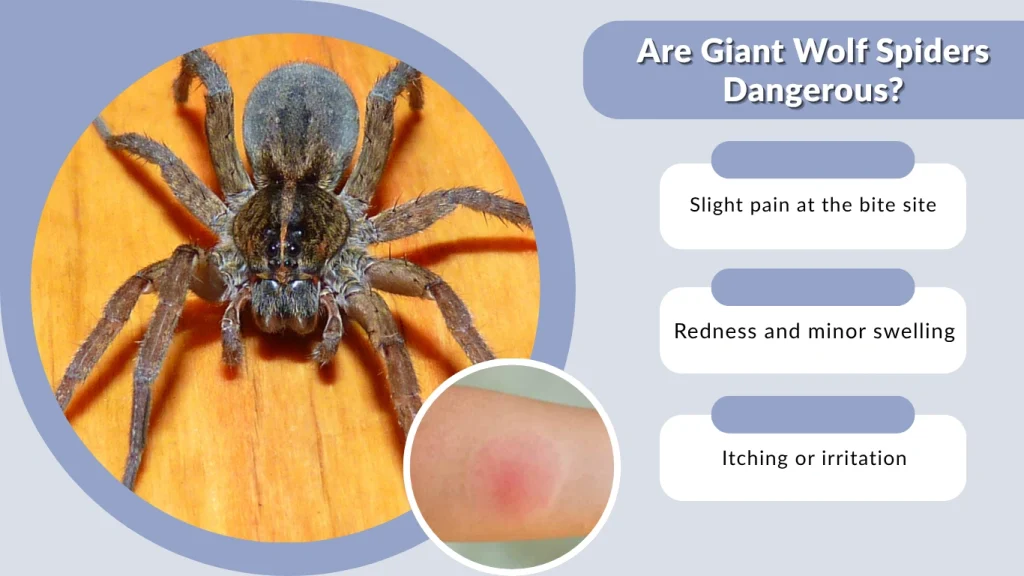
If a bite does occur, the symptoms are generally mild and may include:
- Slight pain or discomfort
- Redness and swelling
- Itching
These effects are similar to a bee sting and usually go away within a few hours to a couple of days.
Toxicity Level
Wolf spider venom is not considered medically significant for most people. Serious reactions are rare, though individuals with allergies may experience stronger symptoms. In general, they are far less dangerous than many people assume.
Giant Wolf Spider vs Tarantula
Key Differences
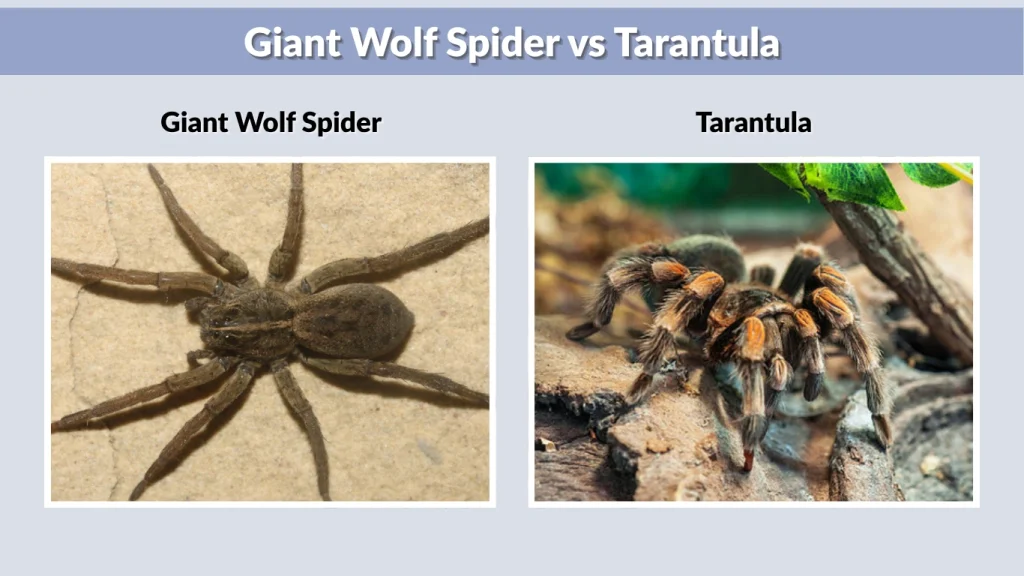
Although they may look similar at first glance, there are clear differences between wolf spiders and tarantulas:
- Size: Tarantulas are generally larger and bulkier
- Behavior: Wolf spiders are fast hunters, while tarantulas are slower and more defensive
- Habitat: Wolf spiders are more commonly found in everyday environments like gardens and homes
Which One Is More Dangerous?
Both spiders are relatively harmless to humans, but tarantulas can deliver a more noticeable bite. However, neither is considered deadly, and both prefer to avoid human interaction.
Life Cycle and Reproduction
Egg Sac Carrying Behavior
Female wolf spiders exhibit unique maternal care by carrying their egg sacs attached to their abdomen. This ensures protection until the eggs hatch.
Spiderlings on Mother’s Back
After hatching, the baby spiders climb onto their mother’s back and stay there for a short period. This behavior is rare among spiders and is one of the most fascinating traits of wolf spiders.
Lifespan
Most giant wolf spiders live for about 1 to 2 years, depending on environmental conditions and availability of food.
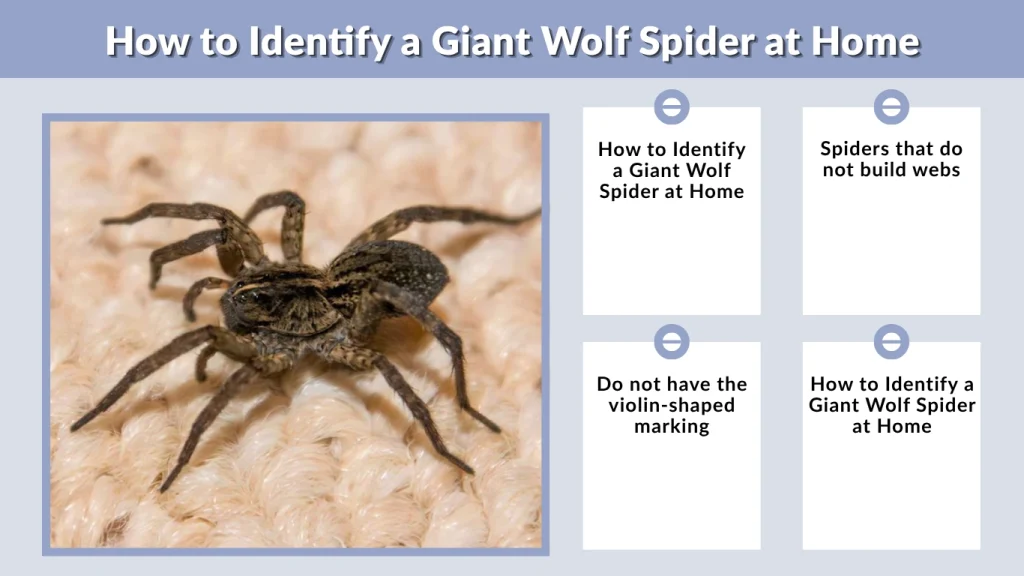
How to Identify a Giant Wolf Spider at Home
Common Signs
You may have a wolf spider in your home if you notice:
- Fast-moving spiders at ground level
- Spiders that do not build webs
- Sudden movement when disturbed
Mistaken Identity
Wolf spiders are often confused with more dangerous species like the brown recluse. However, wolf spiders:
- How to Identify a Giant Wolf Spider at Home
- Move quickly instead of hiding
- Do not have the violin-shaped marking
Correct identification helps reduce unnecessary fear.
How to Get Rid of Giant Wolf Spiders (If Needed)
Natural Prevention Tips
To reduce the chances of wolf spiders entering your home:
- Keep your home clean and clutter-free
- Seal cracks and gaps in walls and doors
- Reduce outdoor lighting that attracts insects
Safe Removal Methods
If you find one indoors:
- Use a container to catch and release it outside
- Avoid using harmful chemicals unless absolutely necessary
Since they are beneficial predators, it’s often best to relocate rather than kill them.
Interesting Facts About Giant Wolf Spiders
- They do not spin webs to catch prey
- Their eyes can reflect light in the dark
- Mothers carry their babies on their backs
- They rely on speed instead of traps
- They are among the best hunters in the spider world
FAQs
How big is a giant wolf spider?
They can reach up to 4 inches (10 cm) in leg span, making them one of the largest common spiders.
Can a wolf spider kill a human?
No, wolf spiders are not dangerous enough to kill humans.
Do wolf spiders jump?
Some species can pounce short distances, but they mainly rely on running.
Are wolf spiders aggressive?
No, they are generally shy and avoid humans.
Should I kill a wolf spider in my house?
It’s better to relocate it, as they help control pests.
Conclusion
The giant wolf spider may look frightening, but it is largely harmless and highly beneficial. With its impressive hunting skills and unique behaviors, it plays an important role in maintaining ecological balance. Instead of fearing these spiders, understanding them can help you appreciate their value in nature—and maybe even see them as helpful allies rather than unwanted pests.