
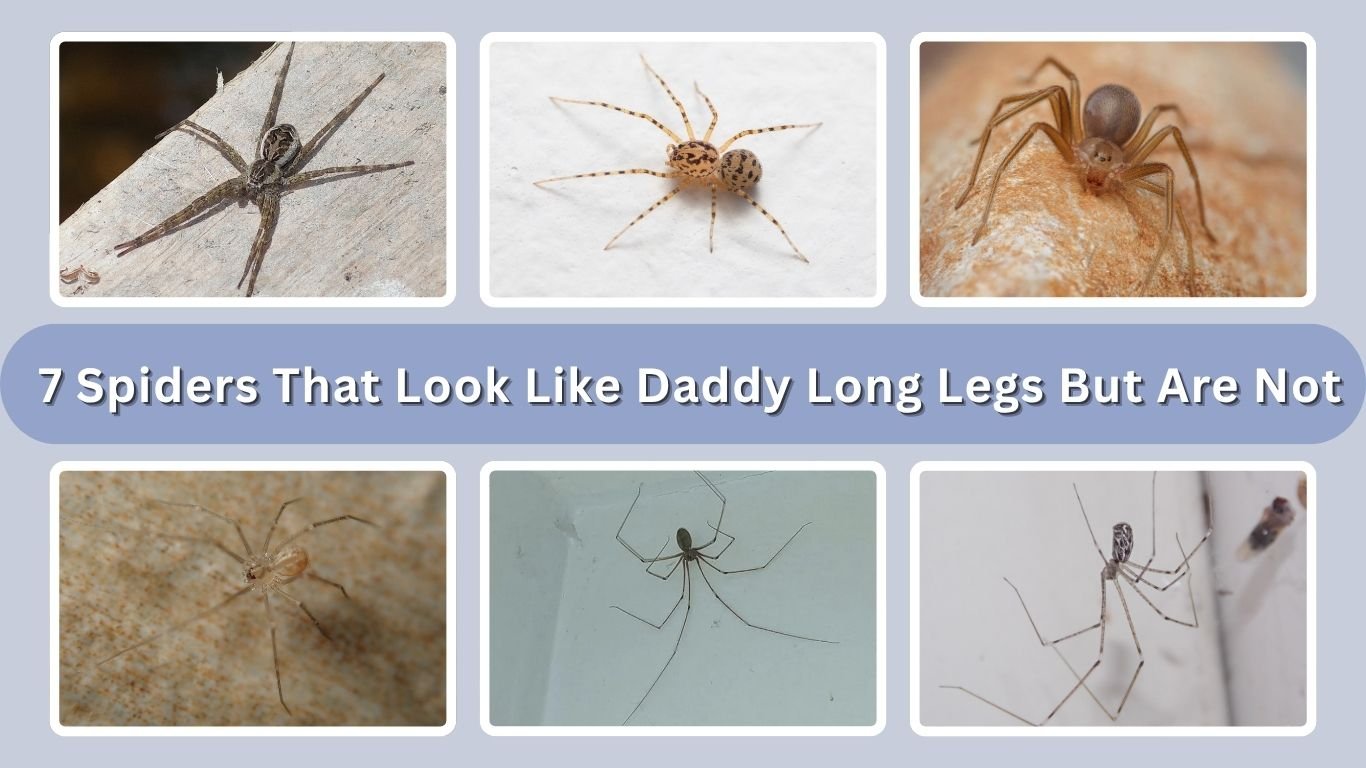
Many long-legged spiders are often mistaken for daddy long legs, especially when they appear in basements, garages, gardens, or dark corners of the house. However, not every thin-legged creature is a true daddy long legs. Some are cellar spiders, some are hunting spiders, and others simply share the same fragile, leggy appearance. Knowing the difference can help you identify whether the spider is harmless, useful, or worth avoiding. In this guide, you will learn about seven spiders that look like daddy long legs but are actually different species with unique bodies, behaviors, habitats, and hunting styles.
1. Long-Bodied Cellar Spider
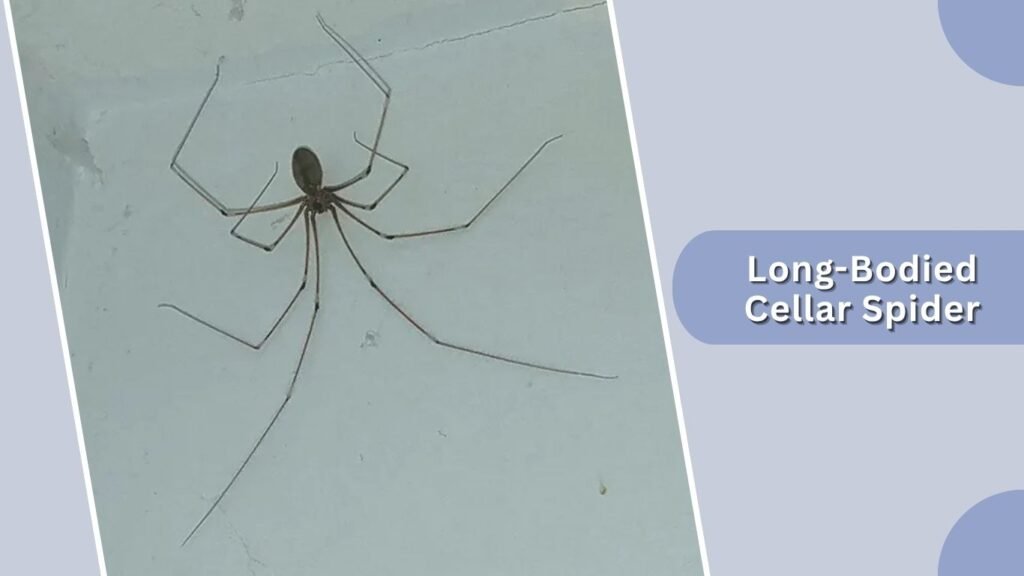
The long-bodied cellar spider is one of the most common spiders mistaken for a daddy long legs. Its scientific name is Pholcus phalangioides, and it belongs to the cellar spider family, Pholcidae. Unlike harvestmen, this spider has two body sections, makes webs, and has very long, thin legs. It is commonly found inside homes, especially in quiet corners, basements, garages, and ceilings.
Identification
You can identify a long-bodied cellar spider by checking its body shape, legs, and web behavior.
- Small, narrow body with very long legs
- Body length usually around 6–10 mm, not including legs
- Pale yellowish, gray, or light brown color
- Two clear body sections, unlike harvestmen
- Long, thin legs that may look fragile
- Loose, messy webs in corners or ceiling areas
- Often hangs upside down in its web
- Vibrates or shakes rapidly when disturbed
Habitat and Distribution
Long-bodied cellar spiders are strongly associated with human buildings. They prefer warm, sheltered, low-light areas where they can build loose webs without much disturbance. Indoors, they are often seen in basements, cellars, garages, attics, bathrooms, storage rooms, and ceiling corners. They are widespread in many parts of the world and are especially common in homes and other buildings.
Behavior and Diet
This spider usually stays in its web and waits for prey. It feeds on small insects, flies, mosquitoes, moths, and even other spiders. Long-bodied cellar spiders may also raid the webs of other spiders to catch them or steal trapped prey. When threatened, they often shake their body quickly in the web, making them harder for predators to target.
Lifecycle
Female long-bodied cellar spiders carry their egg sacs in their mouthparts instead of attaching them to the web. The young spiderlings hatch and stay near the mother for a short time before spreading out. Cellar spiders can live for two or more years after maturity, depending on conditions.
2. Marbled Cellar Spider
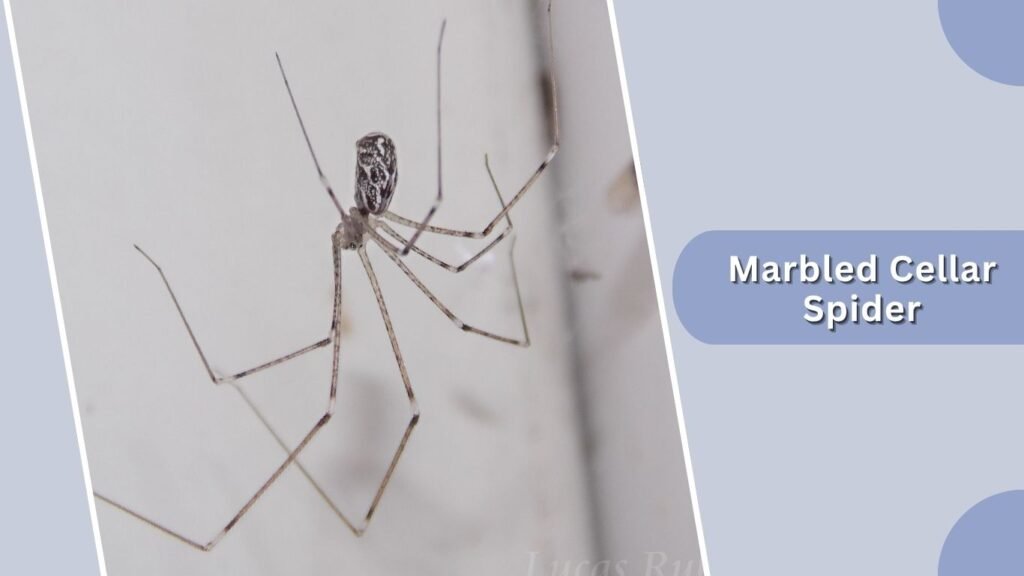
The marbled cellar spider is another spider often confused with daddy long legs because of its thin body and extremely long legs. Its scientific name is Holocnemus pluchei, and it belongs to the cellar spider family, Pholcidae. Unlike harvestmen, it is a true spider with two body sections, silk glands, webs, and venom used for catching small prey. It is mostly harmless to people and is more of a household nuisance.
Identification
You can identify the marbled cellar spider by looking for its patterned body and long, delicate legs.
- Long, thin, fragile-looking legs
- Small body, usually around 5–8 mm long
- Pale tan, gray, or brown body color
- Marbled or mottled markings on the abdomen
- Dark stripe on the underside of the abdomen
- Black and white rings near the leg joints
- Loose, messy web in corners, eaves, or basements
- Often hangs upside down like other cellar spiders
Habitat and Distribution
The marbled cellar spider is native to the Mediterranean region but has spread to other parts of the world. In North America, it is especially known from California and the southwestern United States, where it is common around buildings. It often builds webs under eaves, on walls, in basements, garages, caves, and under rocks. Warm, sheltered places with steady insect activity are ideal for this species.
Behavior and Diet
Marbled cellar spiders usually stay in loose sheet-like webs and wait for small insects to get trapped. They feed on flies, small insects, and other arthropods. Some live alone, while others may share webs with several individuals. Like many cellar spiders, they may shake or bounce in their web when disturbed, making them harder for predators to catch.
Lifecycle
Female marbled cellar spiders produce egg sacs that hatch into tiny spiderlings. Each brood may contain around 50 spiderlings, and females can produce more than one clutch during their life. Young spiders look like smaller versions of adults and go through several molts before maturity. In laboratory conditions, individuals may live up to about one year.
3. Short-Bodied Cellar Spider
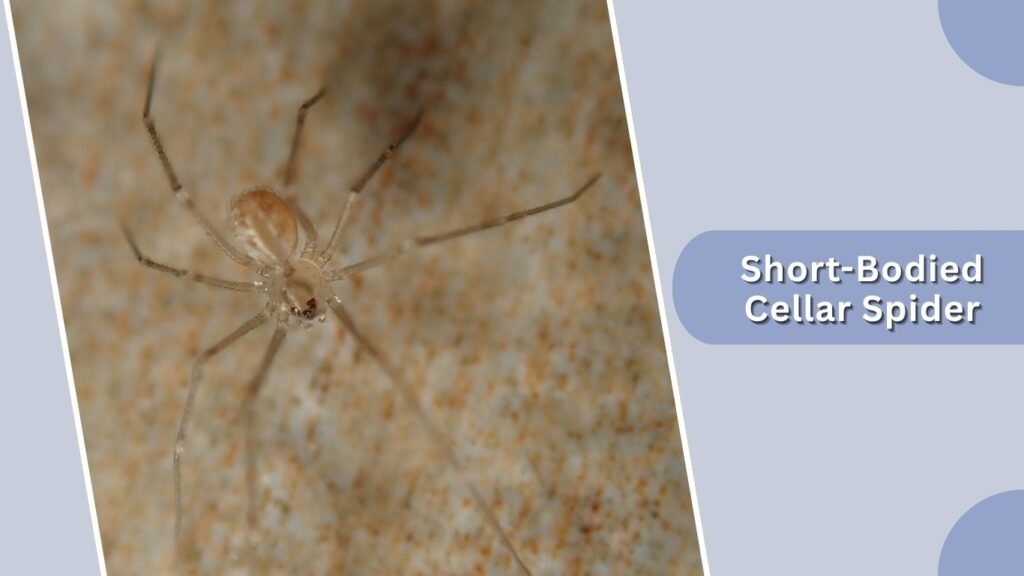
The short-bodied cellar spider is another long-legged spider that can be mistaken for a daddy long legs. Its scientific name is Physocyclus globosus, and it belongs to the cellar spider family, Pholcidae. Unlike harvestmen, it is a true spider with silk glands, two body sections, and the ability to build webs. Its short, rounded abdomen helps separate it from the long-bodied cellar spider.
Identification
You can identify the short-bodied cellar spider by its rounder body and thin, delicate legs.
- Small body, usually around 6 mm long
- Short, broad, rounded abdomen
- Pale brown or light tan body color
- Long, slender legs compared with body size
- Dark line running along the carapace and abdomen
- Eight eyes grouped close together on a raised area
- Loose, irregular web in dark corners
- Often confused with other daddy longlegs spiders
Habitat and Distribution
Short-bodied cellar spiders are often found in warm parts of the world. They live in caves, buildings, basements, garages, wall corners, and other protected places. Around homes, they prefer quiet, dim areas where insects are available and their webs are not often disturbed. This species is considered cosmopolitan and is especially associated with buildings and caves in warmer regions.
Behavior and Diet
Like other cellar spiders, the short-bodied cellar spider waits in a loose, messy web for prey. It feeds on small insects, flies, mosquitoes, tiny arthropods, and sometimes other small spiders. When disturbed, it may shake or vibrate in its web, a common defensive behavior among cellar spiders. This movement can make the spider harder for predators to target.
Lifecycle
The short-bodied cellar spider begins life as an egg, hatches into a tiny spiderling, and grows through several molts before becoming an adult. Young spiders resemble smaller adults but have shorter legs and paler bodies. Females may guard or carry egg sacs depending on conditions, and the spiderlings eventually leave the web to build their own small webs nearby.
4. Brown Recluse Spider
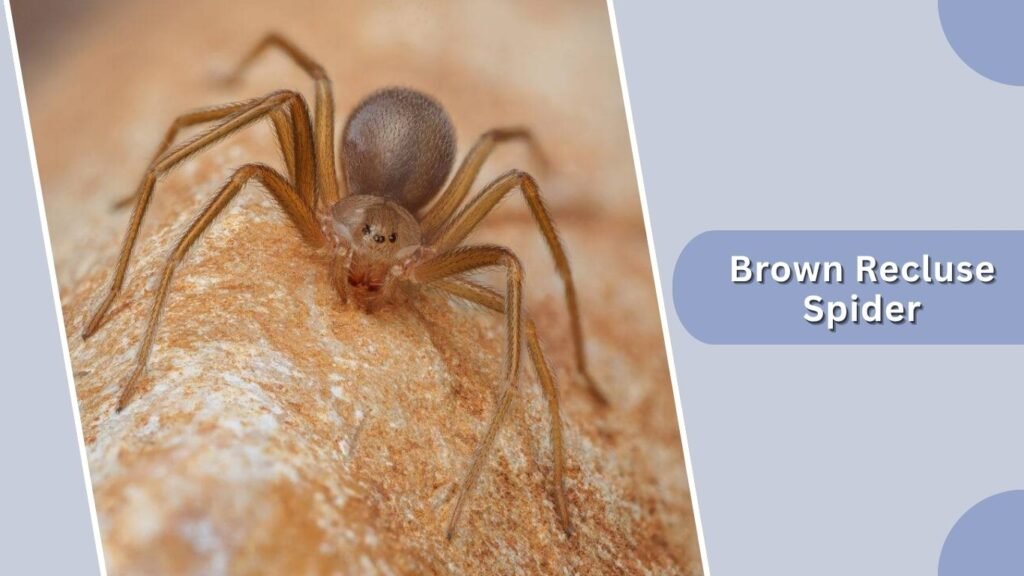
The brown recluse spider is sometimes confused with daddy long legs because it has long, thin legs and a plain brown body. However, it is very different from cellar spiders and harvestmen. Its scientific name is Loxosceles reclusa, and it is a true spider known for its reclusive behavior and medically important bite. It does not have extremely long, threadlike legs, but from a distance, some people may mistake it for other long-legged indoor spiders.
Identification
You can identify a brown recluse spider by checking its body shape, color, eyes, and markings.
- Light brown to dark brown body color
- Plain, smooth legs without bands or spines
- Violin-shaped dark marking on the cephalothorax
- Six eyes arranged in three pairs
- Body length usually around 6–12 mm
- Abdomen is usually plain, not patterned
- Legs are long but not as thin as cellar spider legs
- Often hides in dark, undisturbed places
Habitat and Distribution
Brown recluse spiders are mostly found in the south-central and Midwestern United States. They prefer dry, quiet, hidden areas where they are unlikely to be disturbed. Indoors, they may live in closets, storage boxes, basements, attics, garages, shoes, folded clothes, and behind furniture. Outdoors, they can hide under rocks, woodpiles, bark, and debris. Their secretive habits are the reason they are called “recluse” spiders.
Behavior and Diet
The brown recluse is a shy spider that usually avoids people. It does not build a web to catch flying insects like cellar spiders do. Instead, it makes irregular silk retreats and hunts at night. Its diet includes small insects, soft-bodied arthropods, and dead or weakened prey. Bites usually happen when the spider is accidentally pressed against the skin.
Lifecycle
Female brown recluse spiders produce small egg sacs in protected areas. Spiderlings hatch and grow through several molts before becoming adults. Development can be slow, depending on food and temperature. Adults may live for one to two years, and in suitable indoor spaces, populations can survive for long periods if hiding spots and prey are available.
5. Spitting Spider
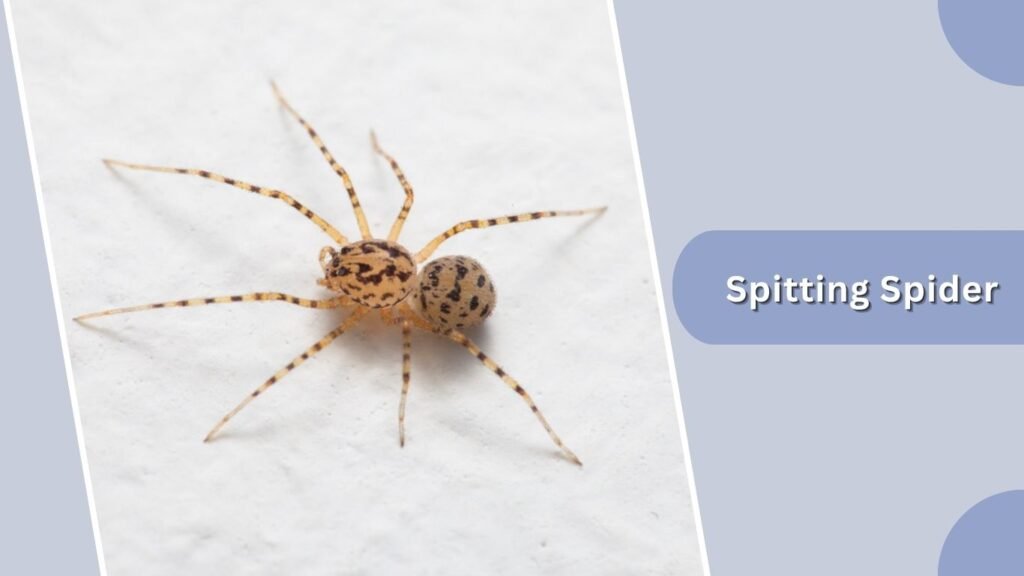
The spitting spider is sometimes mistaken for a daddy long legs because it has long, thin legs and a small body. One common species is Scytodes thoracica. Unlike harvestmen, it is a true spider with two body sections, silk glands, venom glands, and six eyes. Its name comes from its unusual hunting method: it spits sticky silk mixed with venom to trap prey.
Identification
You can identify a spitting spider by its spotted body, long legs, and slow walking style.
- Small body, usually around 3–6 mm long
- Pale yellow, tan, or cream body color
- Dark spots or speckles on the body
- Dome-shaped cephalothorax
- Long, thin legs with dark bands
- Six eyes arranged in three pairs
- Slow-moving compared with many house spiders
- Does not sit in a large messy web like a cellar spider
Habitat and Distribution
Spitting spiders are found in many parts of the world and are often associated with buildings. They prefer quiet, sheltered places such as houses, wall cracks, dark corners, cellars, under stones, and other protected spaces. Scytodes thoracica is widely distributed and has been introduced to places including North America, Argentina, India, Australia, and New Zealand.
Behavior and Diet
The spitting spider is a slow nocturnal hunter. Instead of chasing prey quickly or trapping it in a large web, it carefully approaches and spits sticky silk in a zigzag pattern. This sticky material pins small insects or spiders in place, allowing the spider to bite and feed. Its diet includes soft-bodied insects, mosquitoes, moths, silverfish, crickets, and other spiders.
Lifecycle
Female spitting spiders produce eggs after mating and carry or guard their young during early development. The spiderlings hatch after a few weeks and stay near the female until they can survive alone. They grow through several molts before becoming adults. Spitting spiders can live longer than many small house spiders, with males living about 1.5–2 years and females about 2–4 years.
6. Giant House Spider
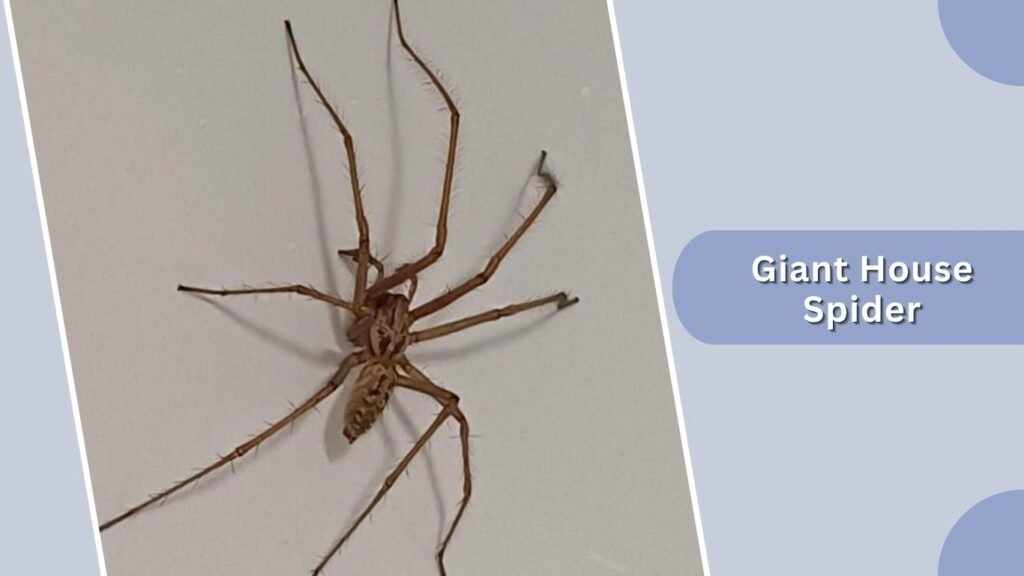
The giant house spider is sometimes mistaken for a daddy long legs because of its long legs, brown body, and habit of appearing inside homes. Its scientific name is Eratigena atrica, though closely related species can look very similar. Unlike harvestmen, it is a true spider with two body sections, silk glands, fangs, and web-building ability. It is usually not dangerous to people and mainly feeds on small indoor pests.
Identification
You can identify a giant house spider by its large size, hairy body, and fast movement.
- Large brown spider with long legs
- Body length can reach about 16–18 mm
- Leg span may reach around 7.5 cm
- Dark, hairy body and legs
- Brown, tan, or muddy markings on the body
- Two clear body sections
- Builds flat sheet webs with a funnel retreat
- Often seen running across floors in late summer or autumn
Habitat and Distribution
Giant house spiders are common in houses, sheds, garages, basements, and other dark indoor spaces. They prefer quiet corners, boxes, cupboards, attics, and areas where their webs will not be disturbed. They are widespread in Britain and parts of Europe, and related populations also occur in parts of North America, especially the Pacific Northwest.
Behavior and Diet
This spider usually stays hidden in a funnel-shaped retreat attached to a flat sheet web. When insects walk across the web, the spider senses the vibration, rushes out, and grabs the prey. It eats flies, moths, crickets, small insects, and other invertebrates. Males are often seen wandering indoors during late summer and early autumn while searching for females.
Lifecycle
Young giant house spiders hatch from egg sacs as tiny spiderlings and grow through several molts. Many reach maturity within about a year, though females can live for several years in protected indoor spaces. Adult males usually wander to find mates and may die after mating, while females can continue producing egg sacs.
7. Fishing Spider
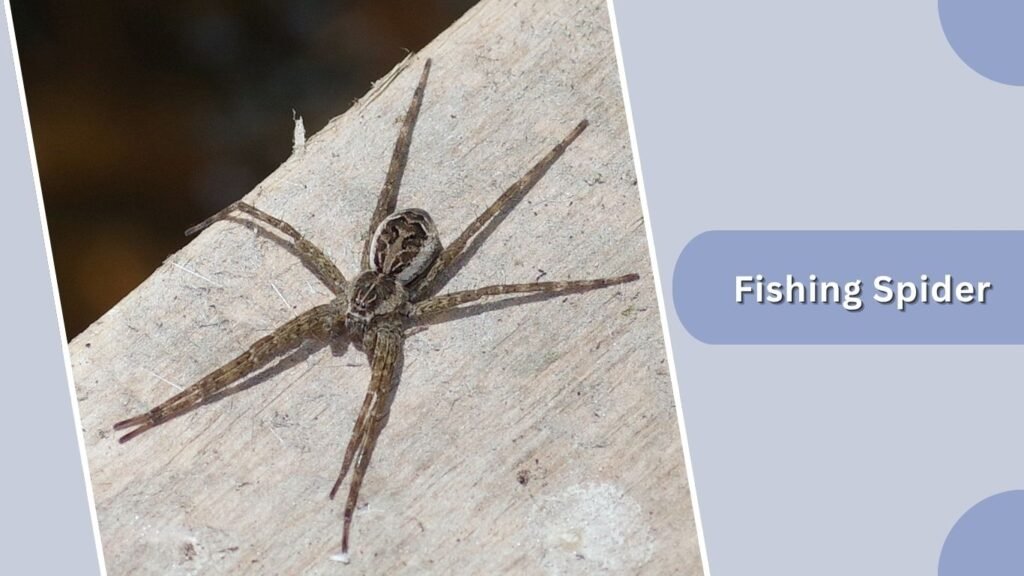
The fishing spider is sometimes mistaken for daddy long legs because of its long legs, spread-out body posture, and habit of appearing on walls, docks, rocks, or near water. Fishing spiders belong to the genus Dolomedes. They are true spiders, not harvestmen, and many species are large, fast hunters that can move across land and water surfaces.
Identification
You can identify a fishing spider by its large body, long legs, and hunting behavior.
- Large spider with long, strong legs
- Brown, gray, tan, or dark patterned body
- Legs often have bands or markings
- Body is flatter and stronger-looking than a cellar spider
- Two clear body sections like other true spiders
- Often found near ponds, streams, docks, or wooded areas
- Does not hang in loose ceiling webs like cellar spiders
- May rest with legs spread wide on walls, tree trunks, or rocks
Habitat and Distribution
Fishing spiders are found in many regions around the world, especially near freshwater habitats. Many species live around ponds, marshes, streams, riverbanks, docks, and wetland edges, where they can hunt insects and other small animals near the water surface. Some species, such as the dark fishing spider, are also found far from water in wooded areas and sometimes inside homes.
Behavior and Diet
Fishing spiders are active hunters rather than web-trapping spiders. They can sense vibrations on the water surface and may catch insects, aquatic invertebrates, and sometimes very small fish or tadpoles. Some species can run across the water surface or dive briefly to escape predators. This behavior makes them very different from daddy longlegs harvestmen, which do not hunt on water.
Lifecycle
Female fishing spiders produce egg sacs and guard their young after hatching. Like other spiders, the young hatch as spiderlings and grow through several molts before becoming adults. Many fishing spiders live one to two years, depending on species, climate, food, and shelter. In some species, females are much larger than males and may show strong size differences during adulthood.
FAQs
What spiders look like daddy long legs but are not?
Several spiders can look like daddy long legs because they have long, thin legs. Common examples include long-bodied cellar spiders, marbled cellar spiders, short-bodied cellar spiders, spitting spiders, giant house spiders, and fishing spiders. Some are true spiders, while harvestmen are not true spiders.
Are daddy long legs and cellar spiders the same?
Not always. In many places, “daddy long legs” can mean a harvestman, a cellar spider, or even a crane fly. Cellar spiders are true spiders that spin webs, while harvestmen are arachnids without venom glands or silk-producing organs.
Are spiders that look like daddy long legs dangerous?
Most spiders that look like daddy long legs are not dangerous to humans. Cellar spiders, spitting spiders, and giant house spiders may look creepy, but they usually avoid people. Brown recluse spiders are an exception because their bites can be medically important.
How can I identify a cellar spider from a harvestman?
A cellar spider has two clear body sections and usually hangs in a loose, messy web. A harvestman has one oval-looking body and does not make webs. If the animal is sitting in a web indoors, it is more likely a cellar spider.
Why do so many spiders get called daddy long legs?
Many long-legged creatures get called daddy long legs because the name is informal, not scientific. People use it for harvestmen, cellar spiders, crane flies, and other thin-legged animals. This creates confusion, so body shape, webs, and number of legs are better identification clues.