

The tarantula hawk wasp is widely known for delivering one of the most painful stings in the insect world. Often found in warm climates, this large and striking wasp rarely interacts with humans—but when it does, the experience is unforgettable. Its sting has earned a top ranking on the Schmidt Pain Index, making it a subject of both fear and fascination.
Despite its intimidating reputation, the tarantula hawk is not naturally aggressive and typically stings only when provoked. Understanding how painful the sting really is, what symptoms to expect, and how to respond can help reduce panic and ensure proper care. In this guide, you’ll learn everything you need to know about tarantula hawk stings—from pain level and effects to treatment and safety tips.
What Is a Tarantula Hawk Wasp?
The tarantula hawk is a large, solitary wasp known for hunting tarantulas as part of its life cycle. It is easily recognizable due to its striking appearance and powerful sting. Although intimidating, it plays an important ecological role and typically avoids human interaction unless disturbed.
- Large wasp with metallic blue-black body
- Bright orange or reddish wings
- Found in warm climates and deserts
- Hunts tarantulas to lay eggs
Do Tarantula Hawks Sting Humans?

Tarantula hawks can sting humans, but they rarely do so without provocation. They are not aggressive and prefer to avoid conflict. Most stings happen when the insect is accidentally handled or threatened, making human encounters uncommon despite their widespread presence.
- Sting only when threatened or touched
- Not naturally aggressive toward people
- Females are the only ones that can sting
- Most encounters are accidental
Are They Dangerous to Humans?
While the sting is extremely painful, it is generally not dangerous for healthy individuals. Serious complications are rare, but caution is still necessary, especially for people with allergies to insect venom.
- Painful but not usually life-threatening
- Allergic reactions are the main risk
- Single stings are typically manageable
Tarantula Hawk Stinger and Venom
The tarantula hawk’s stinger is one of the longest among wasps and is designed to deliver potent venom. This venom is specifically evolved to paralyze tarantulas, allowing the wasp to use them as hosts for its larvae. In humans, it causes intense but short-lived pain.
- Long, curved stinger for deep penetration
- Venom targets the nervous system
- Designed to immobilize large spiders
- Can sting multiple times
How Painful Is a Tarantula Hawk Sting?
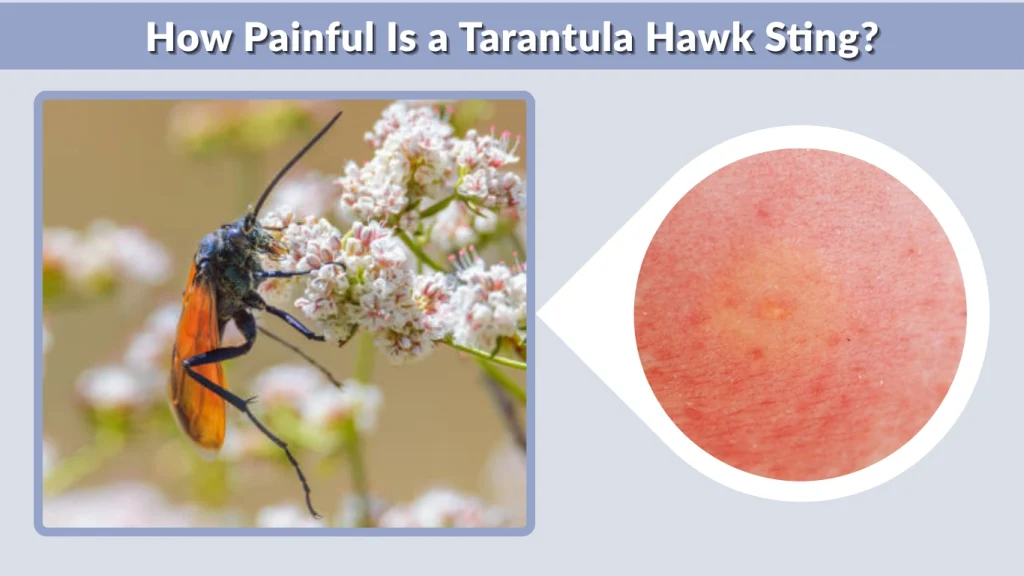
The tarantula hawk sting is ranked among the most painful insect stings ever recorded. It sits at the top of the Schmidt Pain Index, a scale used to measure sting intensity. Despite the extreme pain, it is short-lived and rarely causes lasting damage.
- Ranked Level 4 on Schmidt Pain Index
- Considered one of the most painful stings
- Pain is intense but brief
- Leaves minimal long-term effects
Tarantula Hawk Sting Pain Index Explained
The Schmidt Pain Index categorizes insect stings based on human pain perception. A Level 4 rating places the tarantula hawk at the highest tier, alongside only a few other insects known for extreme sting intensity.
- Level 1: mild (e.g., sweat bee)
- Level 2: moderate (e.g., honeybee)
- Level 4: extreme (tarantula hawk)
What Does a Tarantula Hawk Sting Feel Like?
A tarantula hawk sting is often described as an immediate, overwhelming burst of pain. Many compare it to an electric shock or intense burning sensation. The pain can be so severe that it temporarily disrupts normal movement or concentration.
- Instant sharp, electric-like pain
- Intense burning sensation
- Can cause sudden physical reaction
- Difficult to ignore during peak pain
How Long Does the Pain Last?
Although the pain is extreme, it does not last very long. Most people experience the worst of it within a few minutes, followed by a gradual decrease in intensity.
- Peak pain lasts about 3–5 minutes
- Lingering discomfort may last hours
- No lasting damage in most cases
What Happens When a Tarantula Hawk Stings You?
When stung, the body reacts immediately to the venom. The experience is intense but usually localized. While alarming, the symptoms typically resolve without serious complications for most individuals.
- Immediate sharp pain at the sting site
- Redness and mild swelling
- Increased heart rate or sweating
- Temporary difficulty focusing
Tarantula Hawk Sting Symptoms
Symptoms are mostly limited to the area around the sting, though some people may experience stronger reactions depending on sensitivity.
- Severe localized pain
- Minor swelling and redness
- Rare allergic responses
- Temporary discomfort after peak pain
What Does the Sting Look Like?
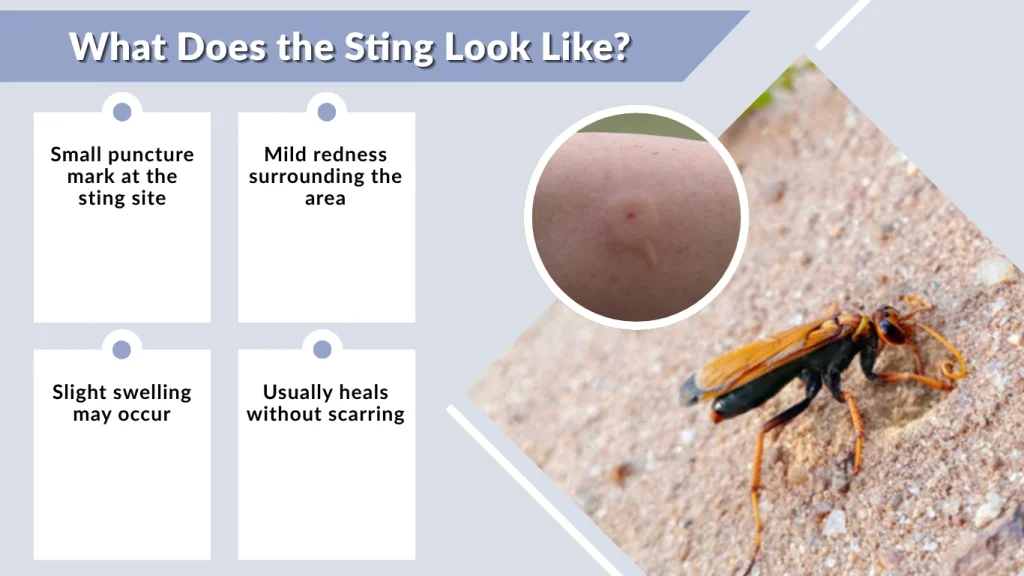
A tarantula hawk sting usually leaves only minor visible signs on the skin. Despite the extreme pain, the physical mark is often small and not very dramatic. Most people notice a tiny puncture point with slight redness, which fades over time without causing lasting damage.
- Small puncture mark at the sting site
- Mild redness surrounding the area
- Slight swelling may occur
- Usually heals without scarring
Can a Tarantula Hawk Sting Kill You?
For most people, a tarantula hawk sting is not life-threatening. While the pain is intense, the venom is not designed to harm humans seriously. However, individuals with allergies to insect stings should be cautious, as reactions can become dangerous if left untreated.
- Extremely unlikely to be fatal
- Higher risk for allergic individuals
- Multiple stings increase risk
- Medical attention may be needed in rare cases
When to See a Doctor
It is important to recognize when a sting requires medical attention. Severe symptoms can indicate an allergic reaction and should never be ignored.
- Difficulty breathing or wheezing
- Swelling beyond the sting area
- Dizziness or fainting
- Rapid worsening of symptoms
How to Treat a Tarantula Hawk Sting
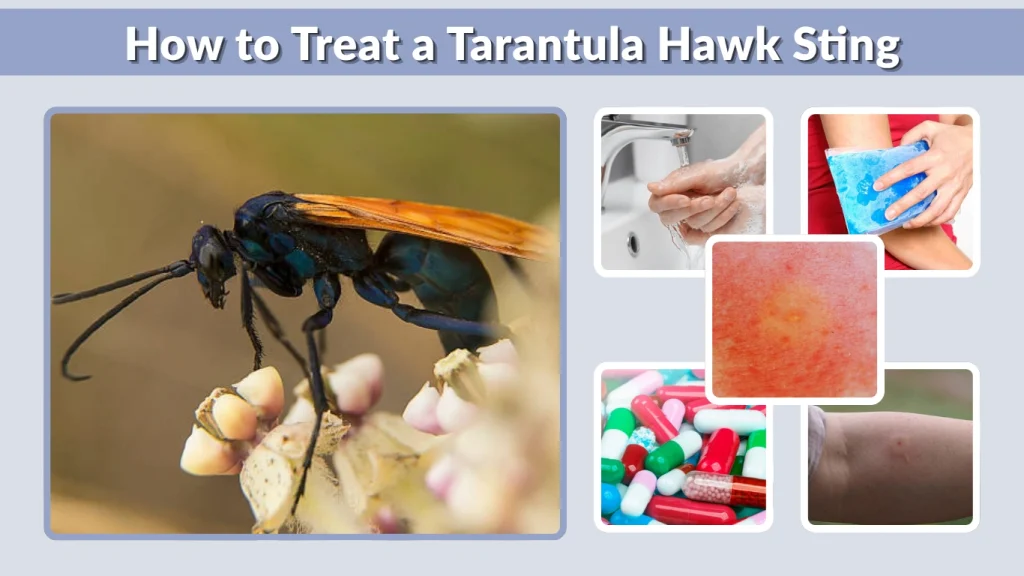
Treating a tarantula hawk sting focuses on reducing pain and preventing infection. Simple first aid measures are usually enough to manage the effects. Acting quickly can help ease discomfort and support faster recovery.
- Wash the area with soap and water
- Apply ice to reduce swelling
- Use pain relievers if needed
- Keep the area clean and dry
What to Avoid
Avoiding certain actions can prevent the sting from becoming worse. Proper care ensures quicker healing and less irritation.
- Do not scratch or rub the area
- Avoid applying unverified remedies
- Do not ignore severe symptoms
Why Does the Sting Hurt So Much?
The intense pain of a tarantula hawk sting comes from its powerful venom, which directly affects nerve cells. This reaction triggers an immediate and overwhelming pain response. The wasp evolved this mechanism primarily for defense and hunting, not for attacking humans.
- Venom stimulates pain receptors instantly
- Designed to immobilize large prey
- High intensity but short duration
- Acts as a strong defense mechanism
Tarantula Hawk vs Other Painful Insect Stings
The tarantula hawk is often compared to other insects known for painful stings. While many insects can sting, only a few reach the same level of intensity. These comparisons help put its pain level into perspective.
- Bullet ant also ranks at the top for pain
- Bulldog ant delivers strong, lasting stings
- Honeybee stings are much less intense
- Tarantula hawk pain is shorter but sharper
Do Tarantula Hawks Die After Stinging?
Unlike honeybees, tarantula hawks do not die after they sting. Their stinger is smooth, allowing them to withdraw it easily and sting again if necessary. This makes them more capable of defending themselves without fatal consequences.
- Do not lose their stinger after use
- Can sting multiple times
- Survive after stinging
- Use sting mainly for defense
What Happens to Tarantulas After Being Stung?
Tarantula hawks use their sting primarily on spiders, not humans. When they sting a tarantula, the venom paralyzes it completely. The wasp then uses the immobilized spider as a host for its larvae, which eventually consume it.
- Tarantula becomes fully paralyzed
- Remains alive but unable to move
- Used as a food source for larvae
- Rarely survives the process
FAQs
How bad is a tarantula hawk sting?
A tarantula hawk sting is considered one of the most painful insect stings in the world. The pain is extremely intense but short-lived, usually lasting only a few minutes at peak intensity. Most people recover quickly without lasting effects, making it severe but manageable.
Can a tarantula hawk sting a dog?
Yes, tarantula hawks can sting dogs if they are provoked or accidentally disturbed. Pets may experience intense pain similar to humans. It’s important to monitor your dog for unusual symptoms and contact a veterinarian if signs of an allergic reaction appear.
Where are tarantula hawks found?
Tarantula hawks are commonly found in warm regions, especially deserts and tropical areas. They are widespread in parts of North and South America. These wasps prefer dry environments where tarantulas are present, as they rely on them for reproduction.
Will a tarantula hawk chase you?
Tarantula hawks are not aggressive and will not chase humans. They prefer to avoid confrontation and only sting when threatened or handled. Most encounters happen accidentally, so maintaining distance is usually enough to stay safe.
Conclusion
The tarantula hawk sting is one of nature’s most intense pain experiences, yet it is rarely dangerous. While the pain can be overwhelming, it is short-lived and leaves little lasting harm. Understanding their behavior and knowing how to respond can help you stay safe and confident if you ever encounter one.