
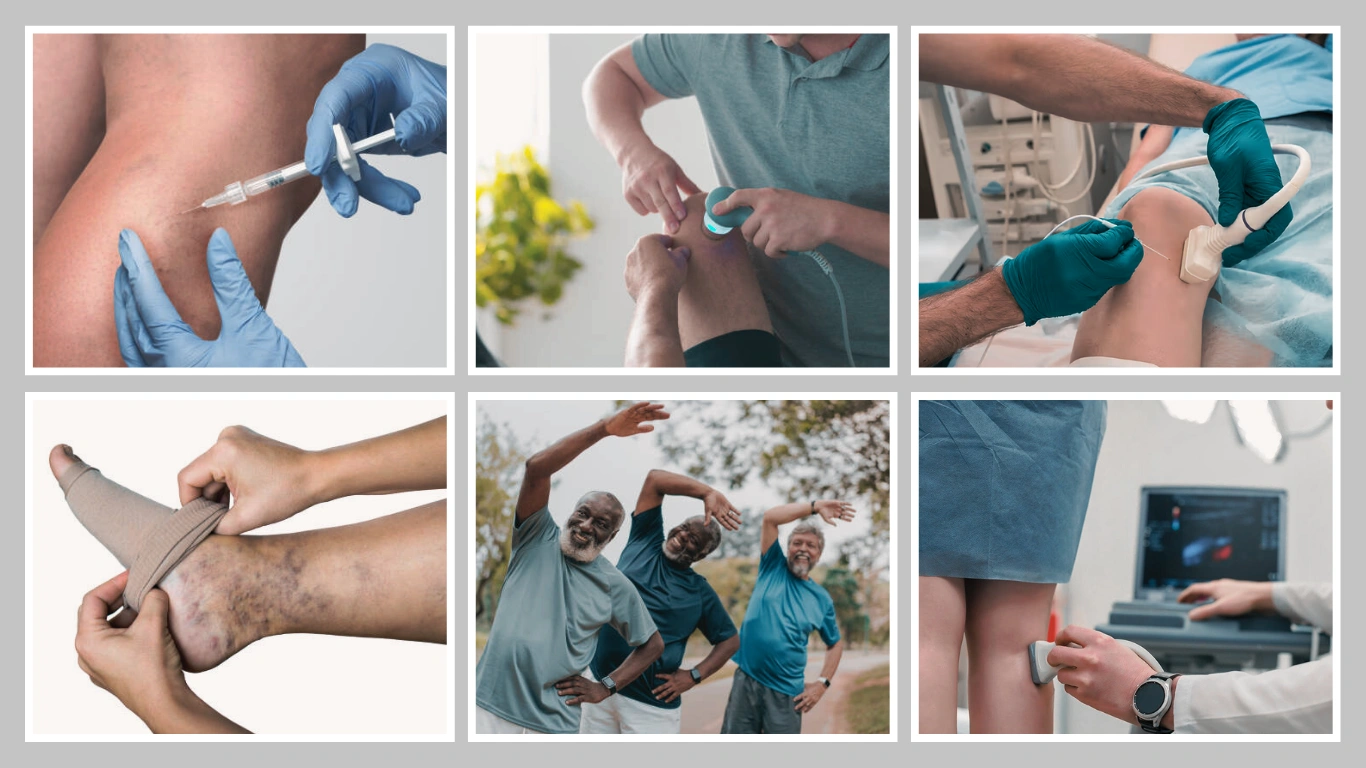
Spider veins—those small, red, blue, or purple lines that appear on the legs or face—can be frustrating and even embarrassing. While they’re generally harmless, many people seek ways to reduce or eliminate them for cosmetic reasons or overall comfort. Whether caused by genetics, prolonged standing, aging, or hormonal changes, the good news is that several treatments can help. In this article, I’ll walk you through 7 highly effective methods to get rid of spider veins—ranging from professional procedures to supportive lifestyle changes—so you can choose what’s best for you.
1. Sclerotherapy: The Most Common Treatment
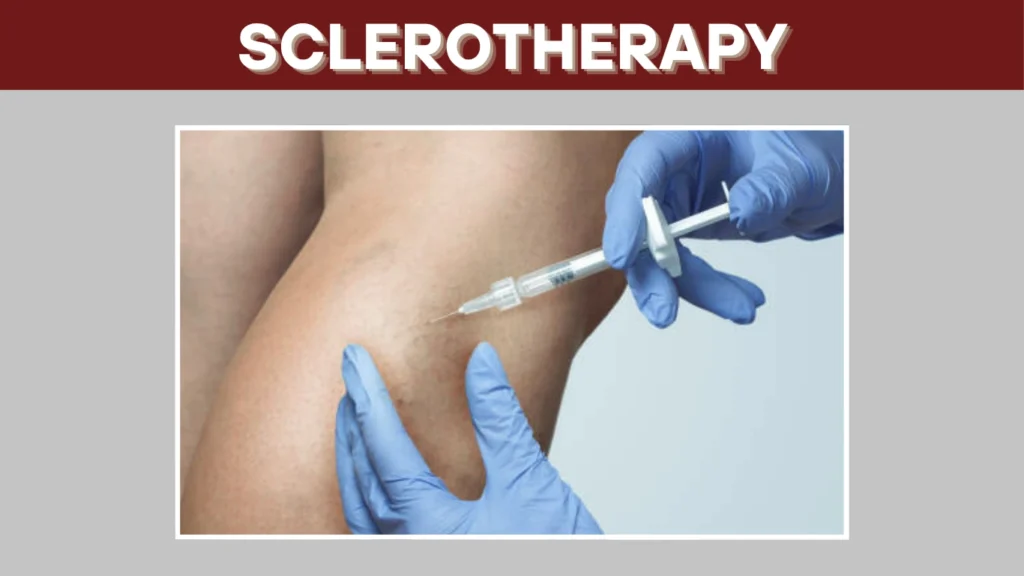
Sclerotherapy is one of the most popular and widely used treatments for spider veins—and for good reason. It’s minimally invasive, highly effective, and doesn’t require general anesthesia.
What Is Sclerotherapy?
Sclerotherapy involves injecting a special solution directly into the affected veins. This solution irritates the lining of the blood vessels, causing them to collapse and eventually be reabsorbed by the body. Over time, the spider veins fade from view.
How It Works
A healthcare provider uses a fine needle to inject a saline-based or chemical solution into each targeted vein. The entire process typically takes about 15 to 30 minutes depending on how many veins are treated. After the injection, the vein walls stick together, close off, and gradually disappear as the body reroutes blood through healthier veins.
Benefits and Risks
Benefits:
- Visible results in just a few weeks
- Minimal downtime (most people resume daily activities the same day)
- Long-lasting effects
Risks:
- Mild bruising, redness, or itching at the injection site
- Temporary skin discoloration
- Rarely, blood clots or allergic reactions
Who Is It Suitable For?
Sclerotherapy is ideal for individuals with small to medium spider veins who are in generally good health. It’s not recommended for pregnant women or those with certain circulation problems. A consultation with a vein specialist will help determine if this method is right for you.
2. Laser Therapy: Non-Invasive but Powerful
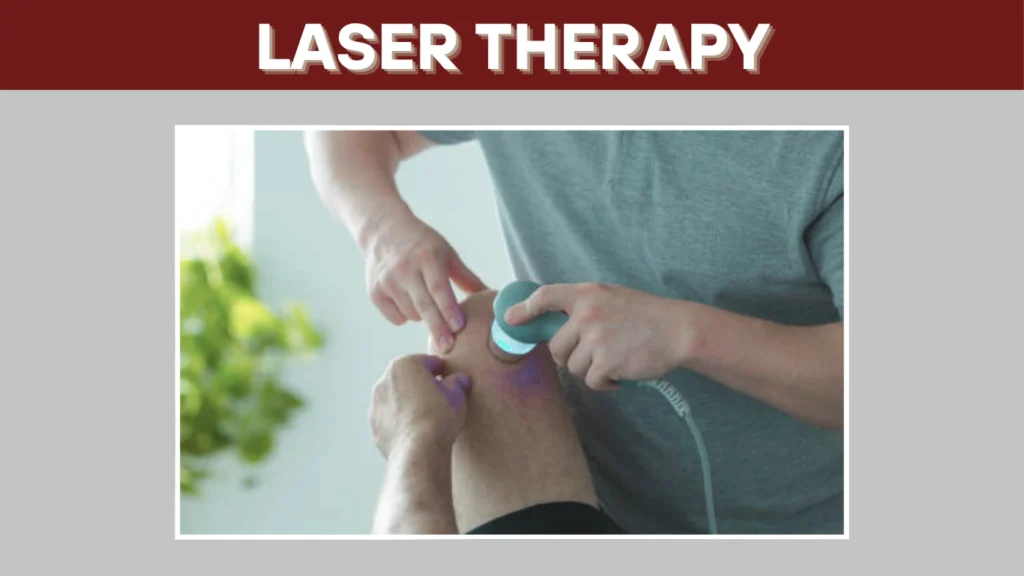
Laser therapy is another highly effective option for treating spider veins, especially small or facial veins. It’s completely non-invasive, making it a good alternative for those who prefer not to deal with needles or injections.
What Is Laser Therapy?
Laser therapy uses focused beams of light to target and destroy spider veins beneath the skin. The heat from the laser damages the vein walls, causing them to collapse and fade away over time, just like in sclerotherapy—but without any injections.
Types of Laser Used
- Nd:YAG Laser: Effective for deeper veins and darker skin tones
- Pulsed Dye Laser (PDL): Works best on smaller, red spider veins
- Intense Pulsed Light (IPL): Useful for a wider range of skin concerns, including spider veins on the face
What to Expect During Treatment
During the procedure, a laser device is moved over the skin where the spider veins are located. You may feel a snapping or stinging sensation, but it’s usually tolerable. Each session lasts about 15 to 30 minutes, and multiple sessions may be needed for best results.
Side Effects and Aftercare
- Mild redness or swelling immediately after treatment
- Temporary darkening of the treated veins before they fade
- Use of sunscreen and avoiding direct sunlight for a few weeks
- Avoid hot baths, saunas, or vigorous exercise for 24–48 hours
Laser therapy is a great choice if you want a needle-free approach or if the veins are too small for sclerotherapy. It’s also ideal for treating delicate areas like the face.
3. Radiofrequency Ablation (RFA)
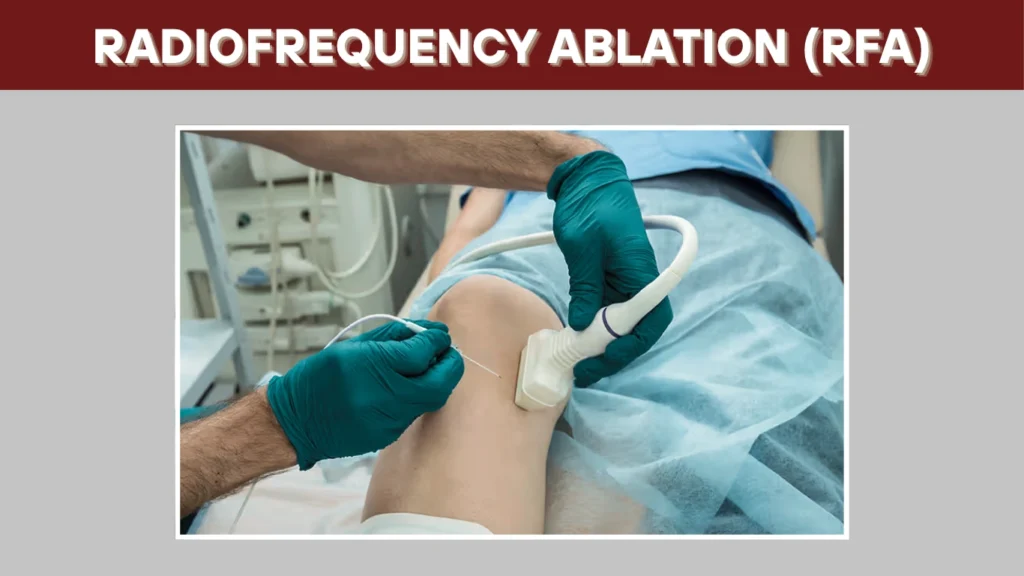
Radiofrequency Ablation is a medical procedure that uses thermal energy to eliminate problematic veins. It’s most commonly used for larger varicose veins but can also help reduce the appearance of spider veins in some cases.
How RFA Destroys Veins
A thin catheter is inserted into the affected vein, and controlled radiofrequency energy is delivered to heat the vein walls. This heat causes the vein to shrink and collapse, eventually being absorbed by the body. Blood naturally reroutes through healthier veins.
Procedure Time and Recovery
The procedure typically takes less than an hour. Local anesthesia is used, and patients can usually go home the same day. Recovery is fast, though light walking is recommended to promote circulation.
Effectiveness Compared to Other Treatments
- Highly effective for larger, deeper veins
- Less commonly used for small spider veins unless they’re linked to larger vein issues
- Offers long-term results with minimal discomfort
RFA is more advanced and may be recommended if spider veins are symptomatic of broader venous insufficiency.
4. Compression Stockings: A Supportive Option
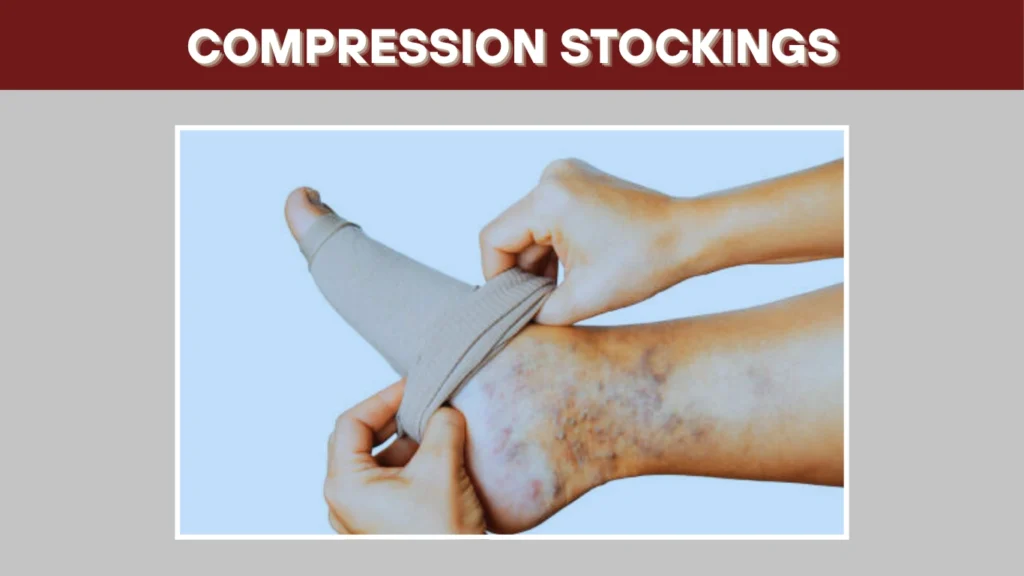
While compression stockings don’t remove spider veins, they play a crucial role in managing symptoms and preventing them from getting worse.
How They Help Reduce Veins
Compression stockings gently squeeze the legs, helping veins push blood back toward the heart. This reduces pooling, swelling, and the appearance of surface veins over time.
When and How to Wear Them
- Best worn during the day, especially when standing or sitting for long periods
- Available in different compression levels (measured in mmHg)
- Should be properly fitted for comfort and effectiveness
Best Brands or Features to Look For
- Graduated compression (stronger at the ankle, lighter toward the knee)
- Breathable, moisture-wicking fabric
- Open-toe or closed-toe designs based on personal preference
- Brands to consider: Sigvaris, Jobst, Mediven, and Comrad
Compression stockings are especially beneficial post-treatment to maintain results and improve circulation.
5. Lifestyle Changes to Prevent Worsening
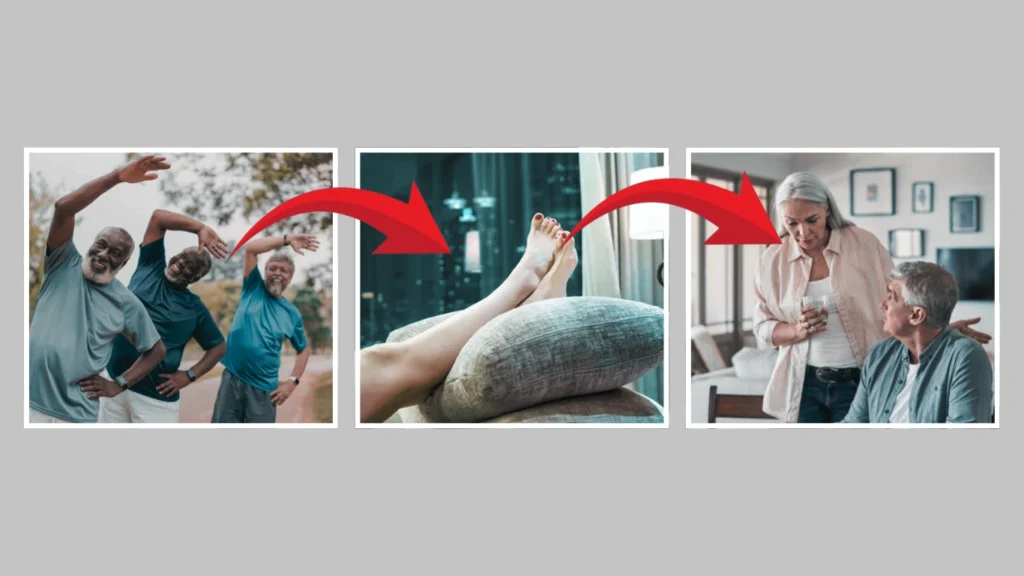
Making a few adjustments to your daily habits can significantly reduce the risk of developing more spider veins and may improve the appearance of existing ones.
Exercise and Movement
Regular physical activity improves blood circulation and vein strength.
- Walking, swimming, and cycling are especially effective
- Avoid sitting or standing in the same position for long periods
- Stretch your legs often if you have a sedentary job
Elevating Legs Regularly
Raising your legs above heart level for 15–20 minutes a few times a day helps blood flow back toward your heart and relieves pressure on leg veins.
Avoiding Prolonged Standing or Sitting
- Take breaks every 30–60 minutes to walk or stretch
- If standing is required, shift your weight from one leg to another frequently
- Use a footrest or stool to keep blood moving when seated
Consistent lifestyle changes can support all medical treatments and help prevent recurrence.
6. Natural Remedies and Topical Treatments

Some people prefer to explore natural options before or alongside medical treatments. While results may vary, these remedies can provide mild improvement and relief.
Witch Hazel and Apple Cider Vinegar
- Witch hazel: Acts as a natural astringent that may reduce inflammation and improve appearance
- Apple cider vinegar: Improves circulation when applied topically, potentially reducing spider vein visibility
Essential Oils That May Help
- Horse chestnut extract: Known for improving vein tone and circulation
- Ginger and cypress oil: May promote blood flow and relieve pressure on veins
- Always dilute essential oils and test for skin sensitivity
Evidence Behind Natural Options
While some natural remedies have shown promise in small studies or anecdotal use, they are generally less effective than medical procedures. However, they can be a good complement for early-stage spider veins or for people seeking gentler alternatives.
7. Medical Consultation and Vein Specialists
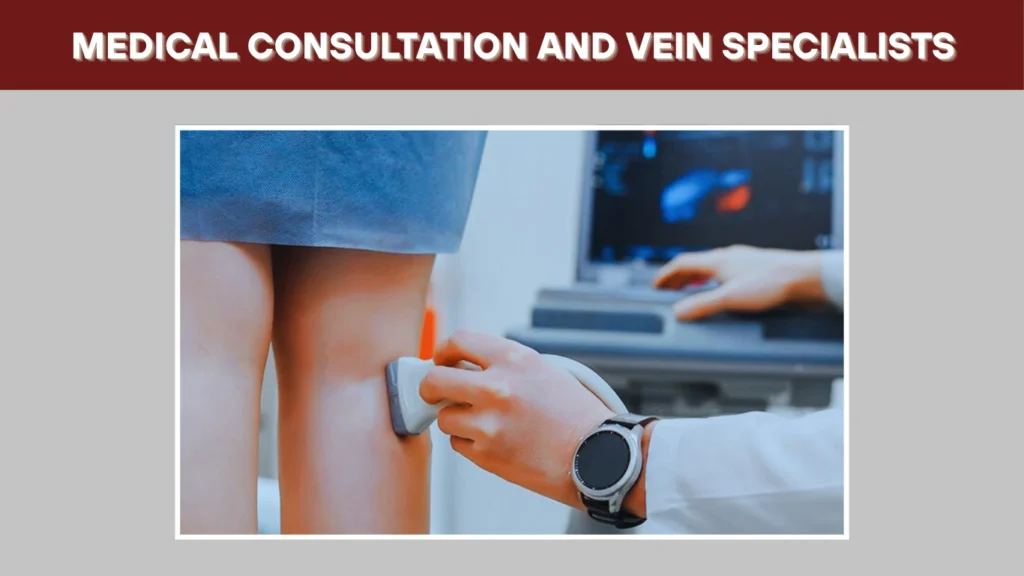
If you’re serious about treating spider veins effectively, consulting a qualified vein specialist is a smart step. A professional can assess your condition, identify underlying causes, and recommend the most suitable treatment plan.
When to See a Doctor
- If your spider veins are painful, itchy, or worsening
- When over-the-counter or home treatments aren’t showing results
- If you have a family history of vein problems
- For cosmetic concerns you want addressed properly and safely
What Diagnosis and Evaluation Involve
- A physical examination of the affected areas
- Detailed medical history review
- In some cases, an ultrasound to check for underlying venous insufficiency
- Discussion of your symptoms, goals, and treatment options
Choosing the Right Clinic or Specialist
- Look for a board-certified vascular surgeon or vein specialist
- Clinics that offer multiple treatment options (sclerotherapy, laser, RFA) often provide more customized care
- Read reviews and ask about past patient results
- Make sure the provider explains procedures clearly and answers all your questions
Early diagnosis and expert guidance can make a big difference, especially if you want long-lasting, visible results with minimal side effects.
FAQs
Are spider veins dangerous?
No, spider veins are generally harmless and mainly a cosmetic concern. However, if accompanied by pain, swelling, or itching, they could indicate a more serious underlying issue that requires medical attention.
Can spider veins go away on their own?
Spider veins rarely disappear without treatment. While lifestyle changes and compression stockings can help prevent them from worsening, medical procedures are typically required to remove them completely.
Is spider vein treatment painful?
Most treatments, like sclerotherapy and laser therapy, involve minimal discomfort. You may feel a slight sting or heat during the procedure, but it’s usually well tolerated and requires little to no downtime.
How many sessions are needed to treat spider veins?
It depends on the size, number, and location of the veins. Some people see improvement after one session, while others may need two to four treatments spaced a few weeks apart for optimal results.
Can men get spider veins too?
Yes, although spider veins are more common in women, men can develop them too—especially due to genetics, prolonged standing, or pressure on the legs.