
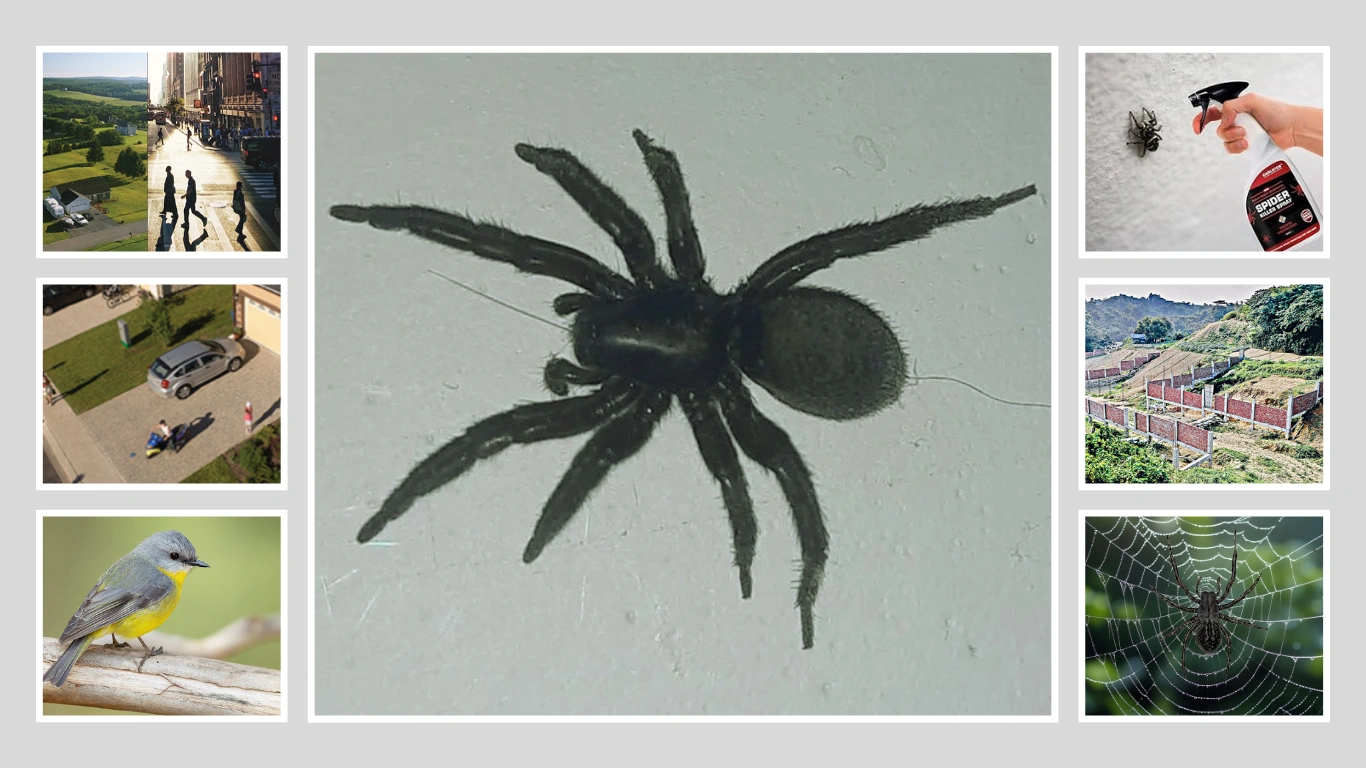
Black house spiders often surprise us when we spot them resting in their thick, messy webs around windows, sheds, or outdoor corners. Known for their dark, hairy bodies and funnel-like silk retreats, these spiders may look intimidating, but they play an important role in controlling insect populations. With increasing habitat changes and climate concerns, one question sometimes arises: Are black house spiders endangered or at risk of extinction?
In this article, we explore the current conservation status of the black house spider, what affects their survival, and whether there’s any reason to worry about their future.
What Is a Black House Spider?
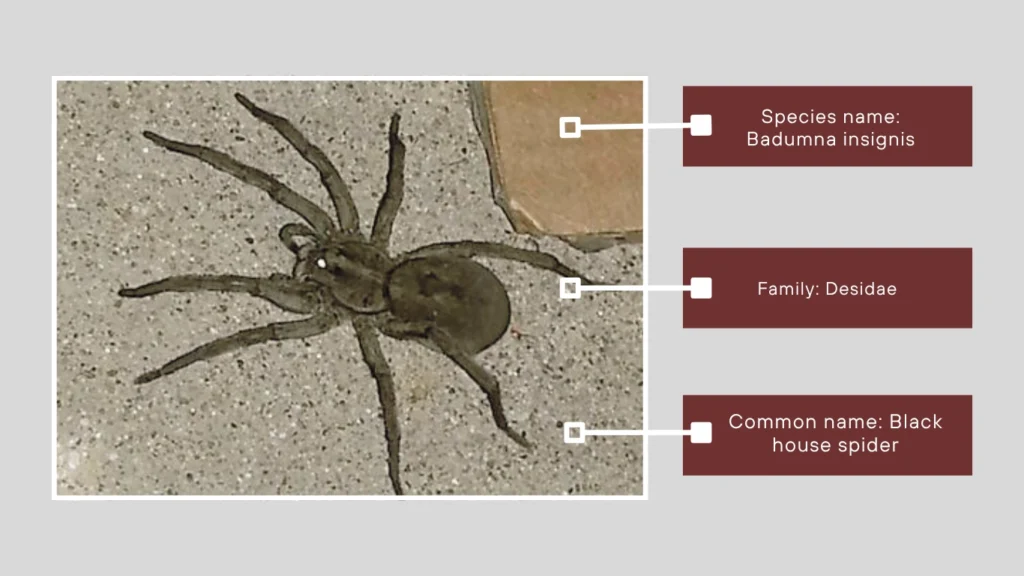
Scientific Classification
- Species name: Badumna insignis
- Family: Desidae
- Common name: Black house spider
These spiders are native to Australia and have also established themselves in New Zealand and parts of Asia due to human activity. Despite their fearsome appearance, they are generally non-aggressive and rarely bite humans unless provoked.
Is the Black House Spider Endangered?
Not Listed as Endangered
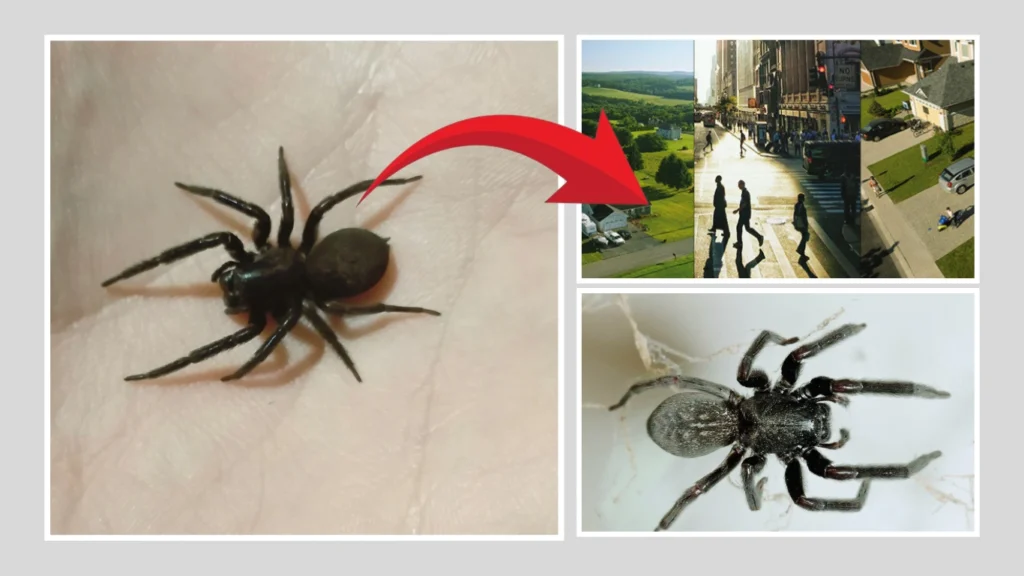
As of now, the black house spider is not listed as an endangered species by the IUCN Red List or any regional conservation agency. There are no formal warnings or population alerts related to this species.
These spiders are actually widespread and abundant, especially in urban and suburban areas. Their adaptability to human environments helps them survive where many other native species might decline.
A Stable Population
In areas like eastern Australia and New Zealand, black house spiders are commonly found in gardens, public buildings, and natural rock formations. This suggests their populations are stable and healthy, with no immediate threats of collapse.
What Helps Black House Spiders Survive?
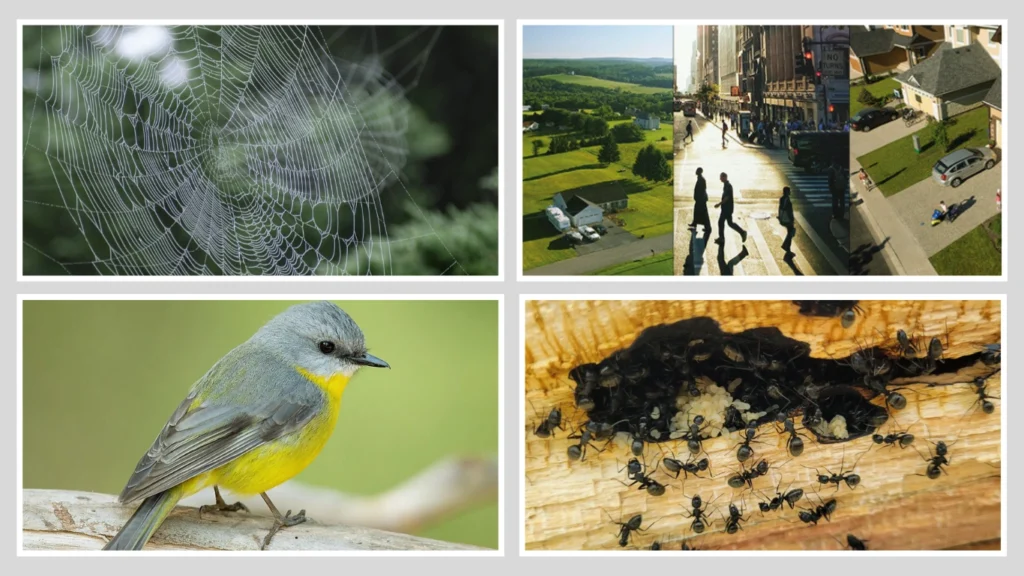
Black house spiders are highly resilient, and several factors contribute to their stable numbers.
1. Adaptability to Human Structures
They prefer dry, undisturbed spots to build their webs—something our buildings and fences provide. They’re among the few spider species that have benefited from urbanization, instead of being threatened by it.
2. Wide Distribution
Although originally native to Australia, black house spiders are now established in other regions, helping ensure the species isn’t localized or isolated. If a local population declines, it doesn’t threaten the entire species.
3. Low Predation Pressure
While birds and larger spiders may prey on them occasionally, black house spiders face limited natural threats compared to many other species. Their thick webs and secluded habits help protect them from predators.
4. Diet Flexibility
They consume a wide range of insects—from moths to ants—and thrive anywhere insects are plentiful. This adaptability in diet allows them to sustain themselves in changing environments.
Are There Any Potential Threats?
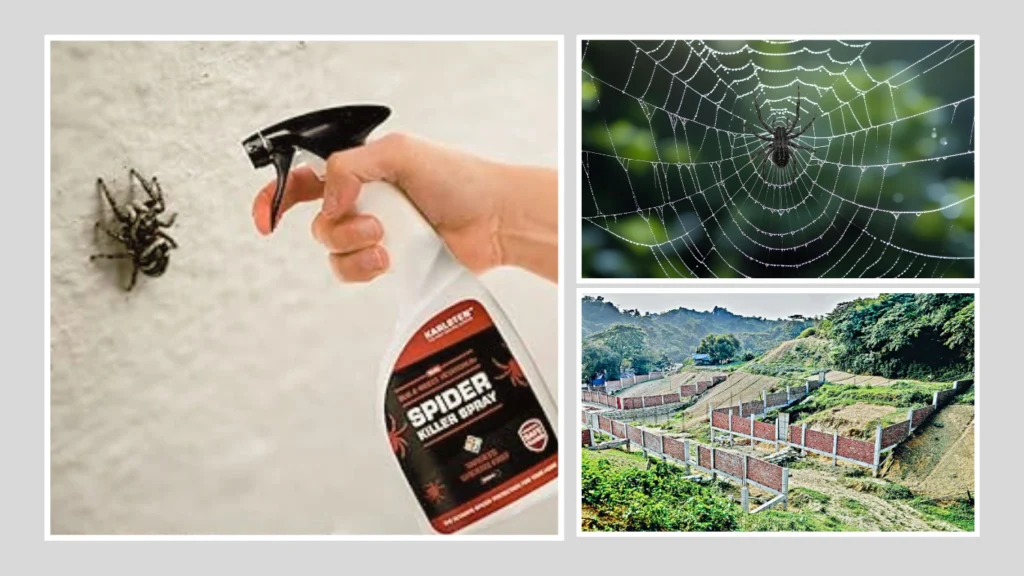
Even though black house spiders are not endangered, that doesn’t mean they are immune to environmental pressures.
1. Widespread Pesticide Use
Excessive use of chemical insecticides can kill spiders directly or reduce their food sources. When prey insects decline, so does the spider population.
2. Climate Change
Shifts in temperature and humidity can impact spider breeding cycles, web stability, and prey availability. Extended droughts or floods could potentially disrupt their life cycle in affected regions.
3. Habitat Destruction
While they adapt well to buildings, natural populations (those living in caves, tree bark, or cliffs) could face habitat loss due to land clearing or development projects.
However, despite these localized pressures, the overall species remains secure.
Do Black House Spiders Need Conservation?
No Current Conservation Measures Required
Since black house spiders are widespread, stable, and thrive in human-altered habitats, they do not currently require conservation attention. They are far from vulnerable or endangered under global standards.
But Monitoring Is Still Important
Local population monitoring is always valuable. If black house spiders began to disappear from certain regions, it could be a sign of larger environmental issues, such as pollution, ecosystem imbalance, or insect population crashes.
Why Are Spiders Like These Important?
Although some people dislike them, black house spiders provide real ecological benefits.
1. Natural Pest Control
They reduce the number of insects inside and around homes. Without them, flies, moths, and other pests could grow unchecked.
2. Part of the Food Chain
Black house spiders are both predators and prey. While they hunt insects, they also feed birds, reptiles, and other spider species. Their role keeps the food web balanced.
3. Indicator Species
A healthy spider population often indicates a balanced, non-toxic environment. When spider numbers drop, it could signal pesticide overuse or biodiversity loss.
How You Can Support Spider Populations
Even though black house spiders don’t need urgent protection, you can still help maintain a healthy local spider ecosystem.
1. Limit Pesticide Use
Use natural pest repellents or physical barriers instead of harsh chemical sprays. This protects both spiders and their food sources.
2. Allow Spiders to Stay in Safe Areas
If a black house spider builds a web in a non-intrusive place like a shed or garden wall, consider leaving it alone. It’s not hurting anyone—and it’s likely catching unwanted insects.
3. Educate Others
Many people kill spiders out of fear. By sharing knowledge about their harmless nature and usefulness, you can help reduce unnecessary killing and increase appreciation for these creatures.
Final Verdict: Are Black House Spiders at Risk?
No. Black house spiders are not endangered and are not at risk of extinction in the foreseeable future. They are a resilient species, thriving in human environments and adapting to changes with ease.
Although they face small-scale threats from pesticides or habitat changes, their global population remains healthy and secure. There is no reason to worry about their survival at this time—but ongoing respect for their role in the ecosystem will help keep their numbers stable for years to come.
FAQs
1. Are black house spiders on the endangered species list?
No. They are not listed as endangered, vulnerable, or threatened. Their populations are stable and do not require conservation intervention.
2. Do environmental changes threaten their survival?
Not significantly. While local weather changes and pesticide use may affect small populations, the species overall adapts well to different environments.
3. Why are black house spiders important in ecosystems?
They control insect populations naturally and serve as food for other animals. Their presence supports a balanced, functioning ecosystem.
4. Can human activity harm black house spiders?
Yes—pesticides and habitat destruction can reduce their numbers in some places. However, they thrive in many urban areas, making them less vulnerable overall.
5. Should we protect black house spiders?
Formal protection isn’t necessary now, but we should avoid unnecessary killing and reduce chemical use. Supporting spider health helps maintain biodiversity and natural pest control.