
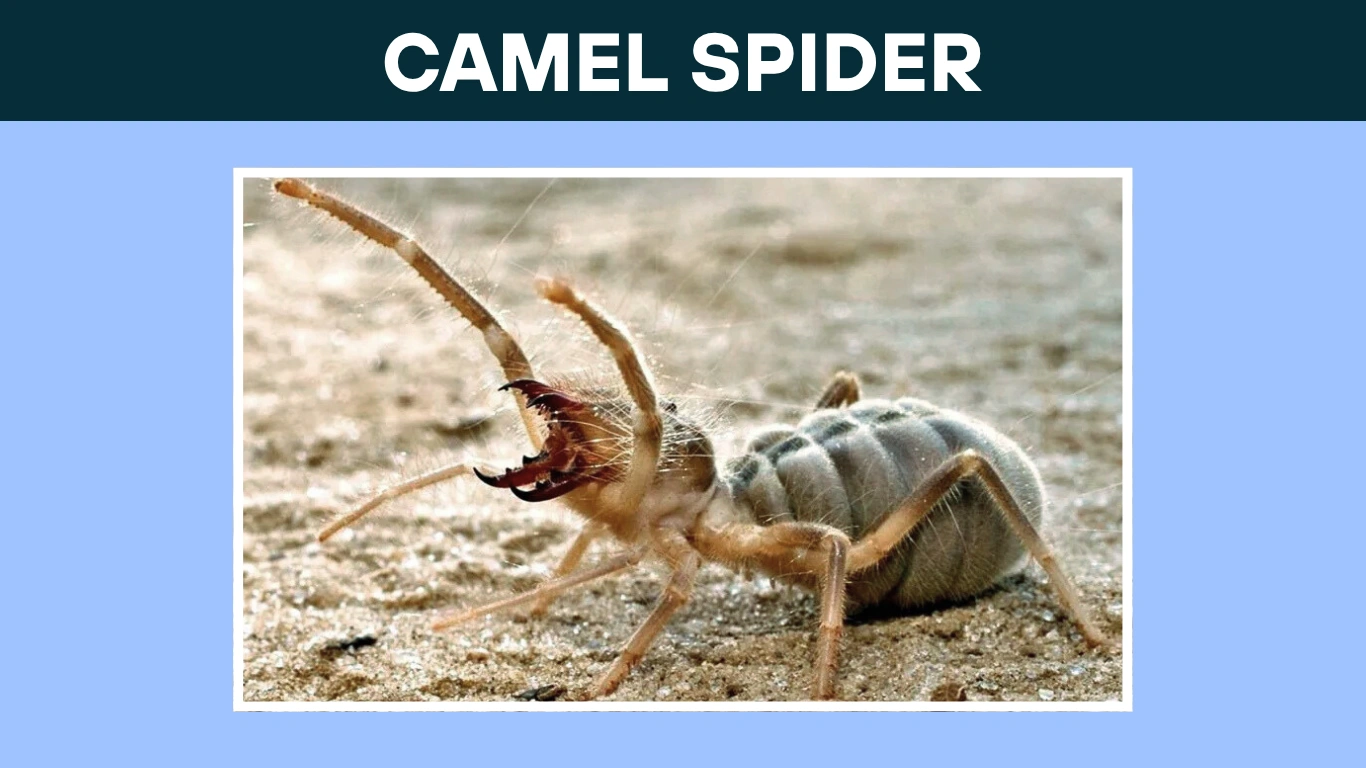
Camel spiders, also known as wind scorpions or solifuges, are some of the most misunderstood arachnids in the animal kingdom. These fast-moving, fearsome-looking desert dwellers have captured public imagination—often surrounded by myths about their size, speed, and danger. But one question that’s often overlooked is: how long do camel spiders actually live? Understanding the camel spider lifespan gives better insight into their life cycle, behavior, survival tactics, and why they rarely appear in captivity.
In this article, we’ll explore their average lifespan, factors affecting their longevity, stages of life, and comparisons with other spiders and arachnids.
Camel Spider Lifespan Overview
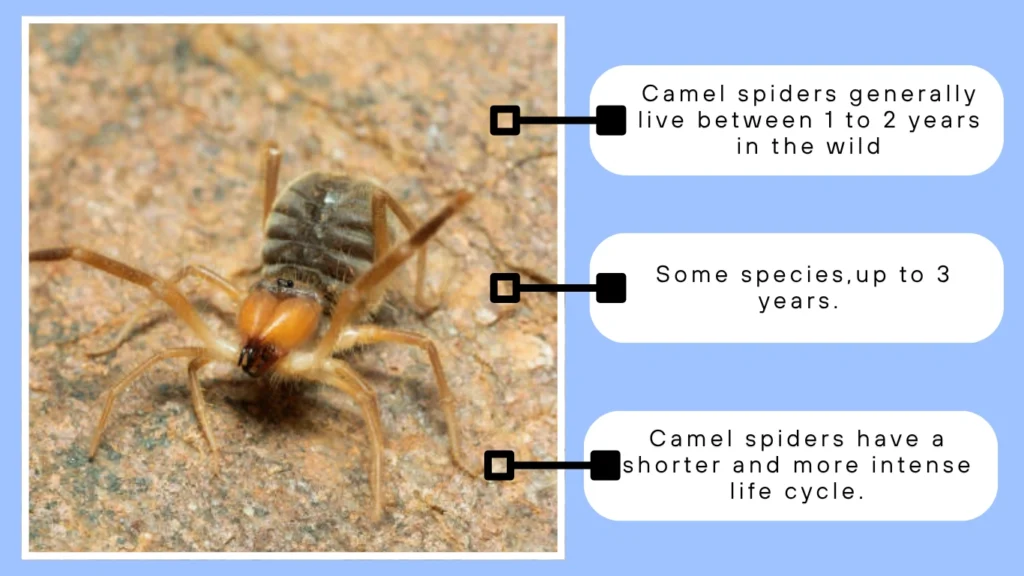
Camel spiders generally live between 1 to 2 years in the wild. Some species, particularly those living in stable environments with consistent food sources and shelter, may survive slightly longer—up to 3 years. However, in harsh conditions, their lifespan can be much shorter.
Unlike some spiders that can survive for over a decade, camel spiders have a shorter and more intense life cycle, characterized by aggressive hunting, fast growth, and quick reproduction.
Stages of a Camel Spider’s Life

To understand their lifespan, it’s important to break it down by life stage:
1. Egg Stage
A female camel spider lays 50 to 200 eggs, typically in a burrow she digs in sandy soil. She guards the eggs and remains with them until they hatch, often going without food during this period.
- Duration: 3 to 4 weeks (depending on temperature and humidity)
- Behavior: Females stay hidden to protect the clutch from predators or desiccation
2. Juvenile Stage (Nymph)
Once hatched, camel spider nymphs resemble miniature adults but go through several molts before reaching maturity. They are vulnerable to predators and often cannibalize one another when food is scarce.
- Duration: 6 to 9 months
- Molts: 8 to 10 times
- Survival Rate: Less than 20% typically reach adulthood
3. Adult Stage
Adult camel spiders are solitary hunters. Once they reach maturity, their primary focus becomes survival and reproduction. They may live for several months to over a year, depending on environmental factors and predation.
- Duration: 6 months to 1.5 years
- Behavior: Aggressive, territorial, and nocturnal
Factors That Affect Camel Spider Lifespan
Not all camel spiders live the same length of time. Several internal and external factors influence how long they survive:
1. Climate and Environment
Camel spiders thrive in hot, arid conditions. Excessive rainfall, cold temperatures, or high humidity can cut their lives short. In regions where winter arrives suddenly, they may fail to adapt and perish quickly.
2. Predators
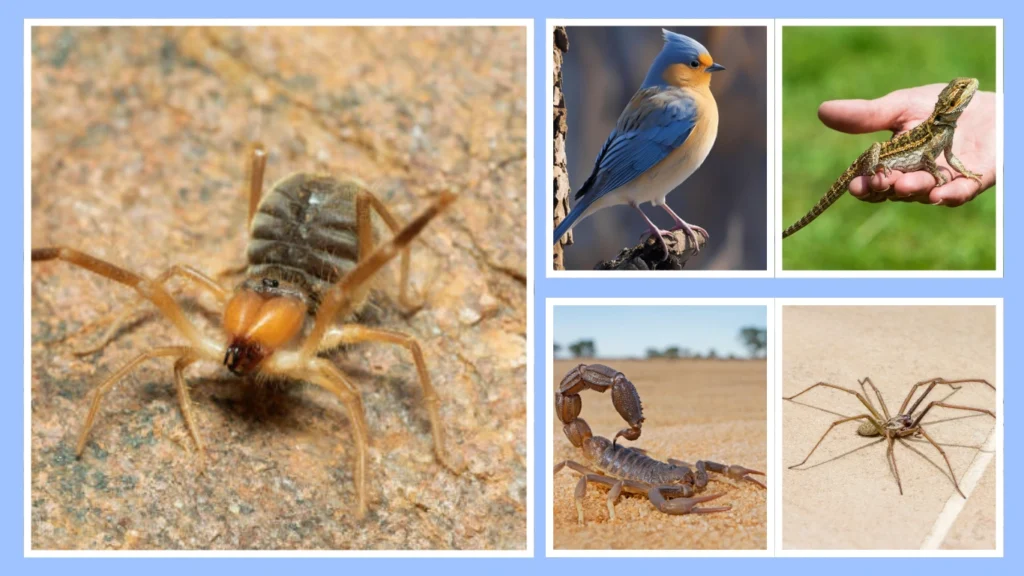
Even though they are fierce hunters, camel spiders are prey for:
- Birds
- Reptiles
- Scorpions
- Larger spiders
- Small mammals
Predation is a significant cause of death, especially in juvenile and molting stages when they are most vulnerable.
3. Food Availability
Camel spiders are voracious eaters. They require regular meals to maintain energy for hunting and molting. In environments where insects are scarce, starvation becomes a major threat.
4. Mating and Reproduction
After mating, male camel spiders often die shortly afterward. In many species, the act of reproduction marks the beginning of decline. Females may live longer, especially if they produce and guard eggs.
Camel Spiders in Captivity: Do They Live Longer?
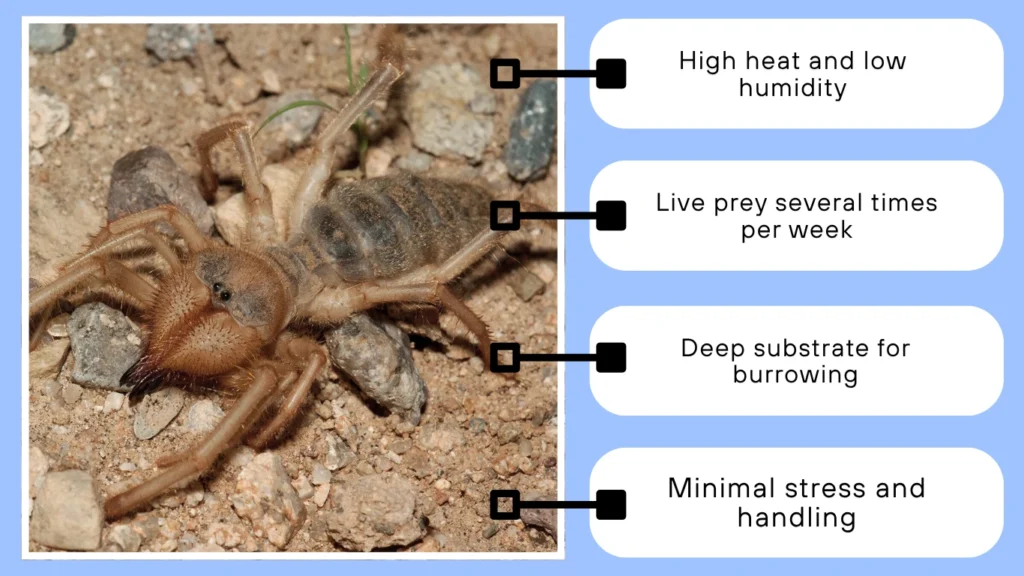
Keeping camel spiders in captivity is difficult. Though not impossible, they require:
- High heat and low humidity
- Live prey several times per week
- Deep substrate for burrowing
- Minimal stress and handling
Even with optimal care, captive camel spiders often live 12 to 18 months, which aligns with the upper range of their natural lifespan. Stress, dehydration, or improper habitat setup can drastically shorten their life expectancy.
Comparison: Lifespan of Camel Spiders vs Other Arachnids

Here’s how camel spiders compare to other similar arachnids in terms of average lifespan:
| Arachnid | Average Lifespan |
| Camel Spider | 1–2 years (up to 3 max) |
| Tarantula | 10–20 years (females) |
| House Spider | 1–2 years |
| Scorpion | 3–8 years |
| Wolf Spider | 1–2 years |
Camel spiders live a fast-paced, short life, especially when compared to tarantulas or scorpions, which can survive for several years or even decades.
Do Male and Female Camel Spiders Live the Same Length of Time?

In most cases, female camel spiders live longer than males. Here’s why:
- Males: Often die shortly after mating, living only several months as adults
- Females: Live longer to produce, guard, and hatch eggs
- The reproductive role of females typically extends their lifespan by several months
Males also roam more in search of mates, increasing their risk of predation and exhaustion.
Can Camel Spiders Live Longer With Human Care?
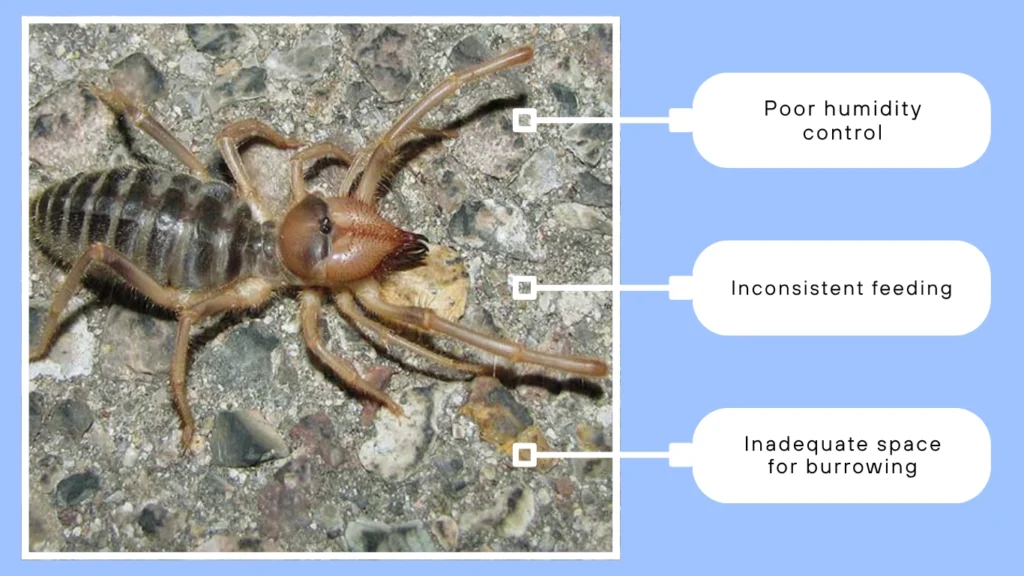
While some people attempt to keep camel spiders as exotic pets, they are not beginner-friendly. If properly cared for, they might reach or slightly exceed their natural lifespan. However, issues like:
- Poor humidity control
- Inconsistent feeding
- Inadequate space for burrowing
can lead to early death. Also, since they’re aggressive and require live prey, their care needs are more complex than many other invertebrates.
FAQs About Camel Spider Lifespan
1. How long do camel spiders live in the wild?
Most camel spiders live 1 to 2 years in natural conditions. Some may reach up to 3 years, but predators, harsh climates, or starvation often shorten their lifespan.
2. Do camel spiders live longer in captivity?
They may live slightly longer—up to 18 months—as adults if kept in optimal conditions, but many die early due to stress, improper care, or unsuitable habitat setups.
3. Why do male camel spiders die after mating?
Males invest a lot of energy in finding a mate, and the stress of mating, along with their natural life cycle, often causes them to die shortly afterward. Some are even killed by females post-mating.
4. What causes early death in camel spiders?
The most common causes are lack of food, cold exposure, predation, infections during molting, or habitat disturbances—both in the wild and in captivity.
5. Do baby camel spiders live long?
Most baby camel spiders (nymphs) do not survive to adulthood. Less than 20% make it past the juvenile stages due to cannibalism, predators, and harsh environmental conditions.
Final Thoughts
Camel spiders may not have the long lives of tarantulas or scorpions, but they make the most of their time. Their short, active lives are filled with hunting, digging, and surviving in some of the harshest conditions on Earth. While they aren’t venomous or deadly to humans, their fascinating biology—including their lifecycle and lifespan—makes them a subject worth understanding. Whether you encounter one in the wild or attempt to raise one in captivity, knowing how long they live adds depth to their mysterious reputation.
