



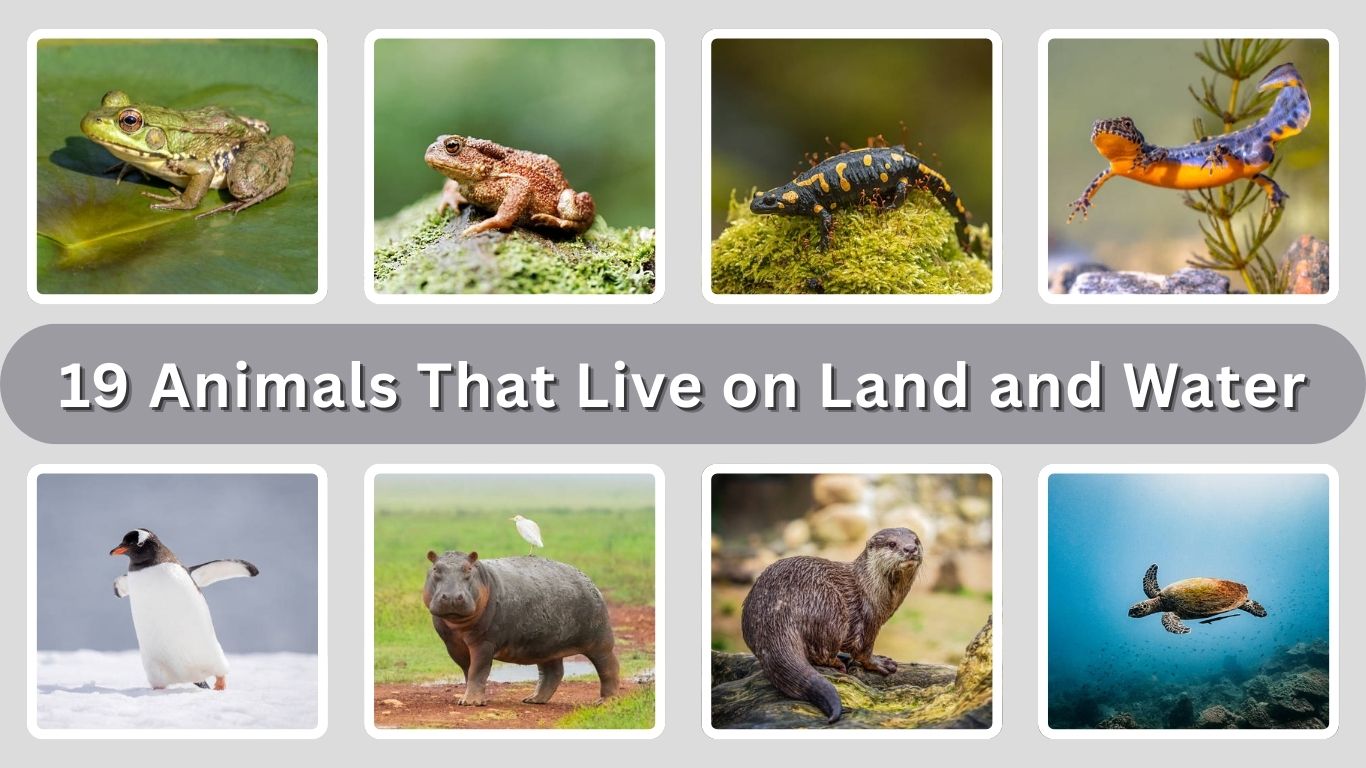
Animals that live on both land and water are some of the most fascinating creatures on Earth. These animals are specially adapted to survive in two very different environments, allowing them to swim, walk, rest, hunt, and breed across land and water habitats. They include amphibians, reptiles, mammals, and birds, each with unique physical features and behaviors that help them thrive. From frogs and turtles to seals and penguins, these animals play an important role in maintaining ecological balance and supporting healthy ecosystems around the world.
1. Frog
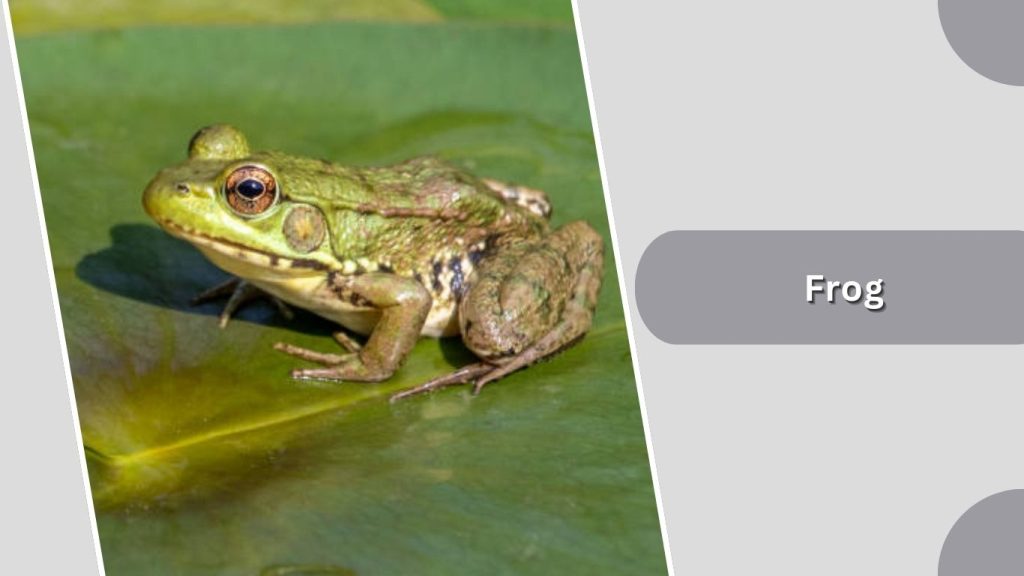
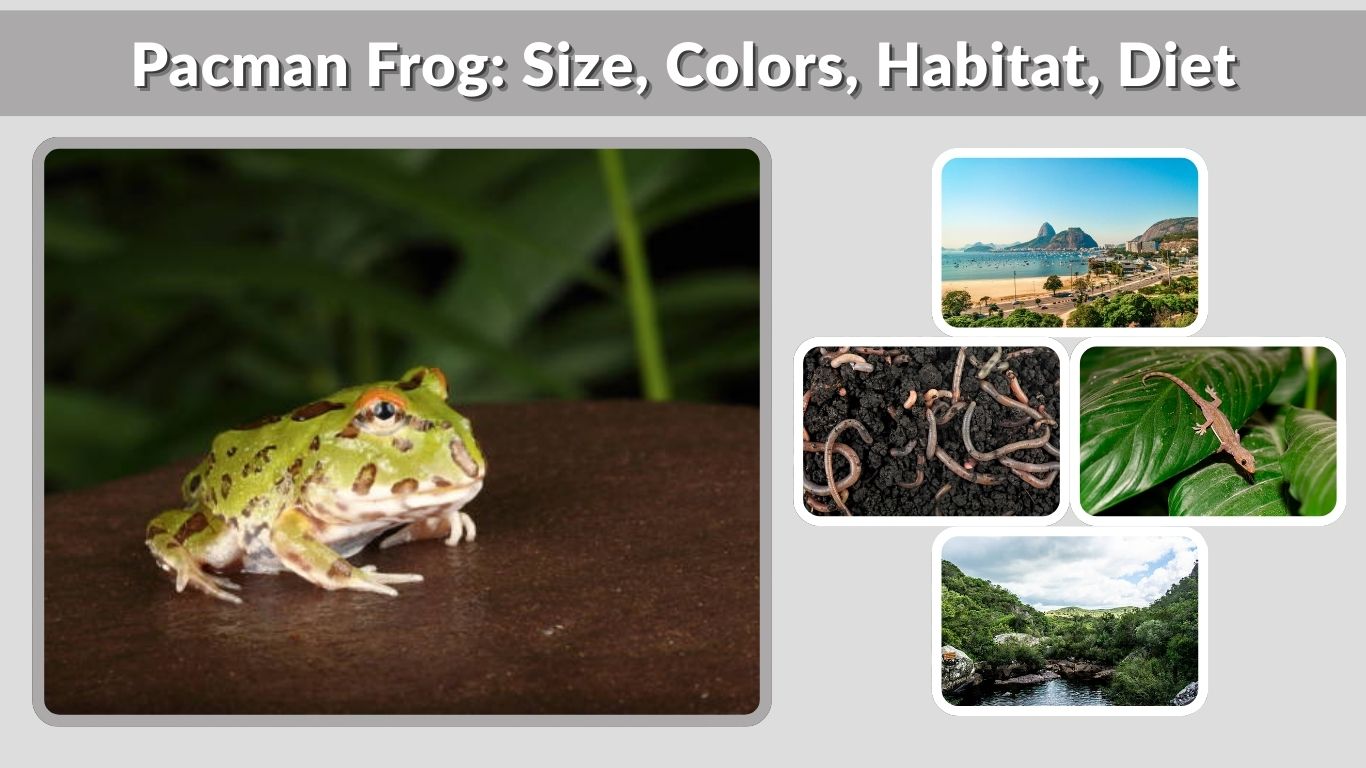
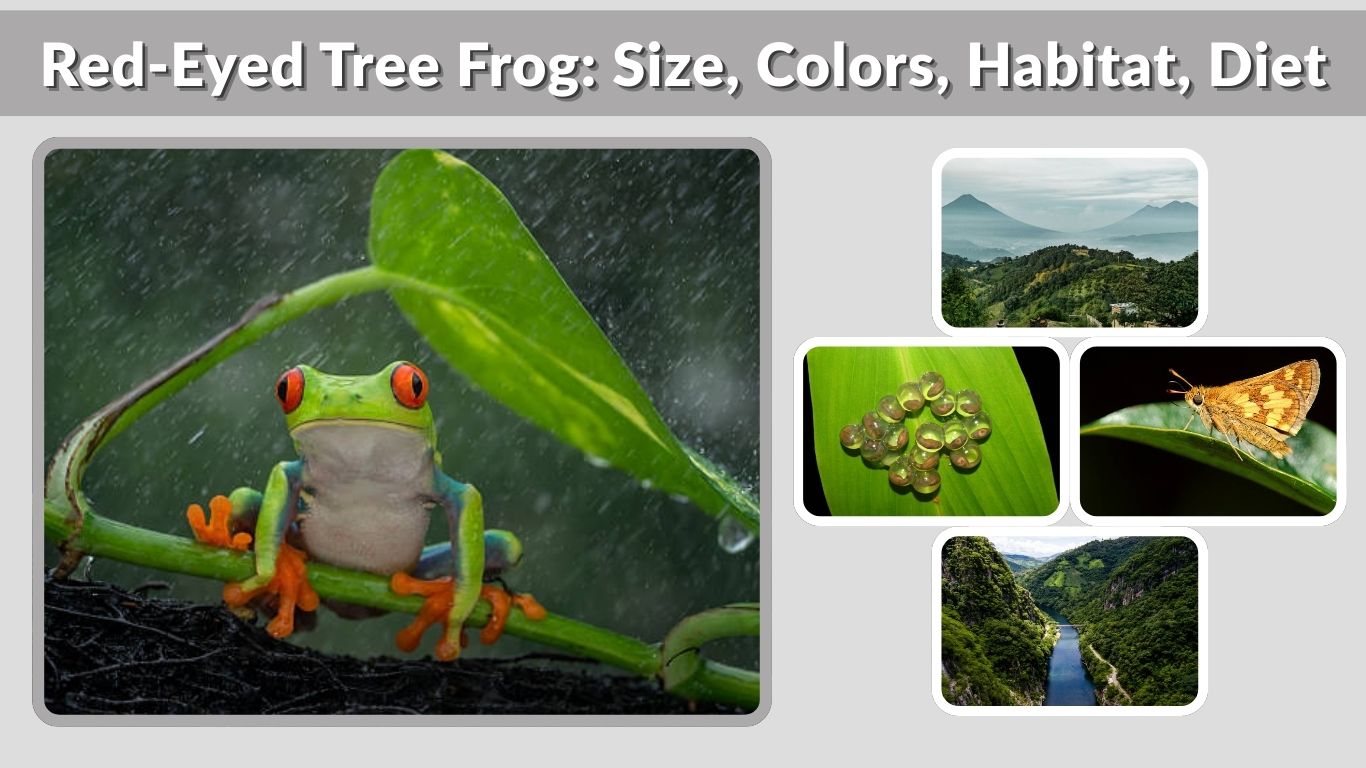
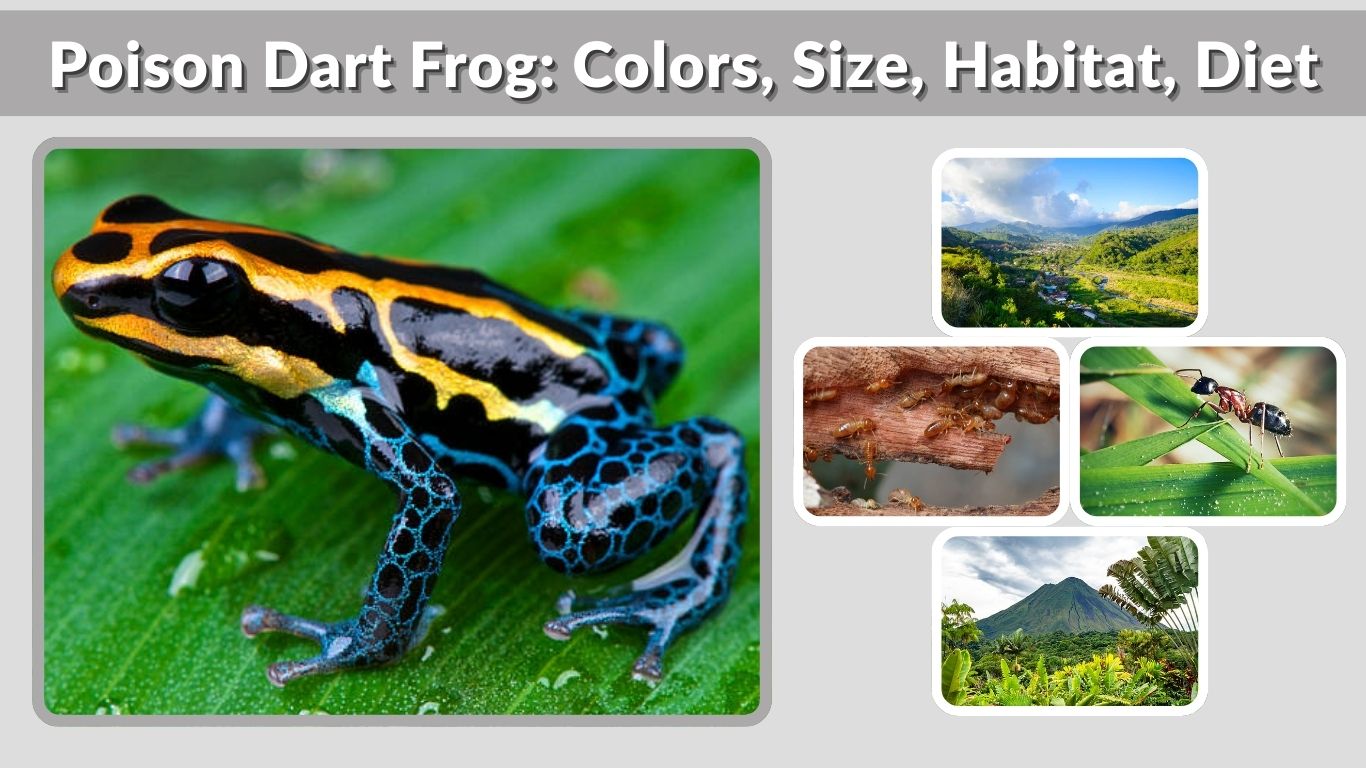
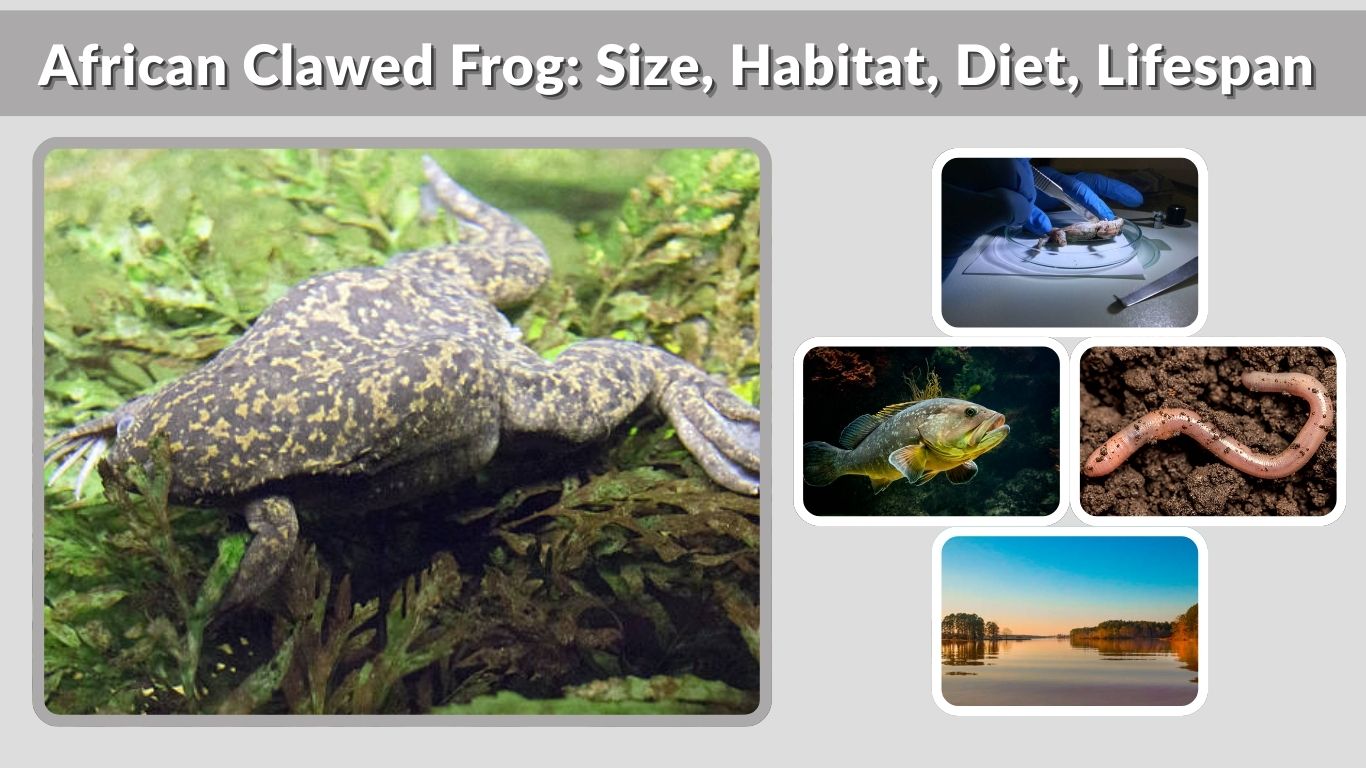
Frogs are amphibians that can live both on land and in water, making them a perfect example of animals adapted to dual environments. They are widely known for their jumping skills, croaking sounds, and smooth, moist skin. Frogs are found on every continent except Antarctica and play a vital role in maintaining ecological balance. By feeding on insects and serving as prey for larger animals, they help keep food chains stable. Their life cycle is unique, beginning in water as tadpoles and gradually transforming into land-dwelling adults.
Identification
- Soft, smooth, and moist skin
- Long and strong hind legs designed for jumping and swimming
- Bulging eyes located on the top of the head
- Webbed feet for efficient movement in water
- No tail during the adult stage
Habitat
Frogs usually live in moist and freshwater environments such as ponds, lakes, rivers, wetlands, marshes, and forest floors. Some species also adapt to grasslands, deserts, or tropical rainforests, as long as there is access to water. Moist surroundings are essential because frogs absorb water and oxygen through their skin.
Behaviors
Frogs are mostly nocturnal, becoming more active at night to hunt and avoid predators. They are excellent jumpers and swimmers. Many frogs communicate through croaking or calling, especially during mating seasons, to attract partners or warn rivals.
Diet
Frogs are carnivorous and primarily eat insects like flies, mosquitoes, ants, and beetles. Larger frogs may also consume worms, small fish, or even smaller frogs.
Lifespan
The lifespan of frogs varies depending on species and environment. In the wild, most frogs live between 4 and 15 years. Some species can live over 20 years in protected or captive conditions.
2. Toad
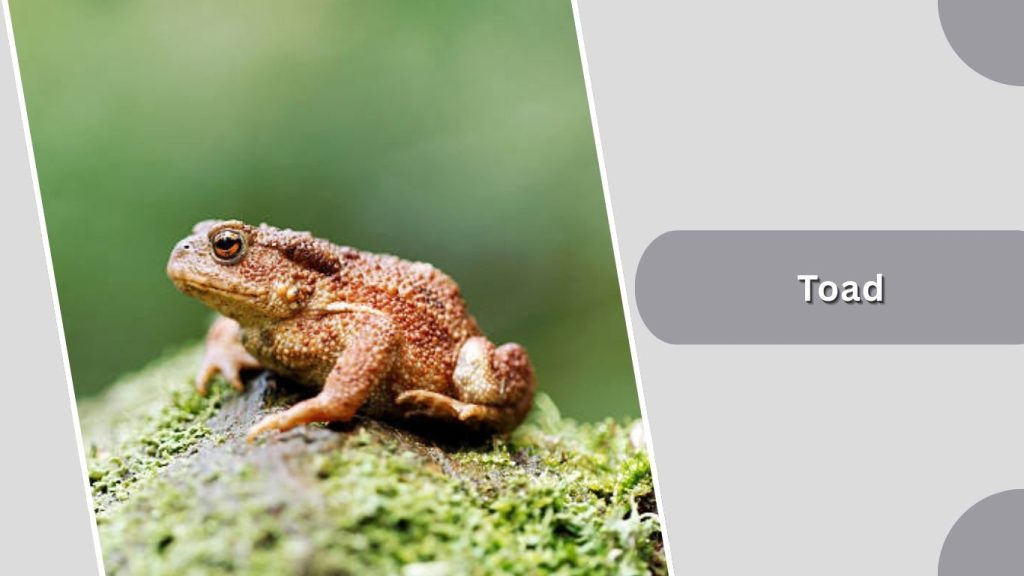
Toads are amphibians closely related to frogs, but they are usually more adapted to life on land while still depending on water for breeding. They are known for their dry, bumpy skin and slow, steady movement. Toads are hardy creatures and can survive in a wide range of environments, including gardens and farmlands. Like frogs, they help control insect populations and are an important part of the ecosystem.
Identification
- Dry, rough, and bumpy skin
- Shorter hind legs compared to frogs
- Stocky and wide body shape
- Prominent parotoid glands behind the eyes
- Usually brown, gray, or olive in color
Habitat
Toads live in forests, grasslands, fields, gardens, and even near human settlements. They prefer damp areas but are more tolerant of dry conditions than frogs. During breeding season, toads move to ponds, lakes, or slow-moving water to lay their eggs.
Behaviors
Toads are mostly nocturnal and spend the day hiding under rocks, logs, or burrows to stay cool and moist. When threatened, they may puff up their bodies or release a mild toxin from glands behind their eyes to deter predators. Toads are generally solitary except during mating seasons.
Diet
Toads are carnivorous and feed mainly on insects such as ants, beetles, worms, slugs, and spiders. They hunt by sitting still and quickly snapping prey with their sticky tongues.
Lifespan
In the wild, toads usually live between 10 and 15 years, depending on the species and environmental conditions. Some toads have been known to live over 30 years in captivity.
3. Salamander
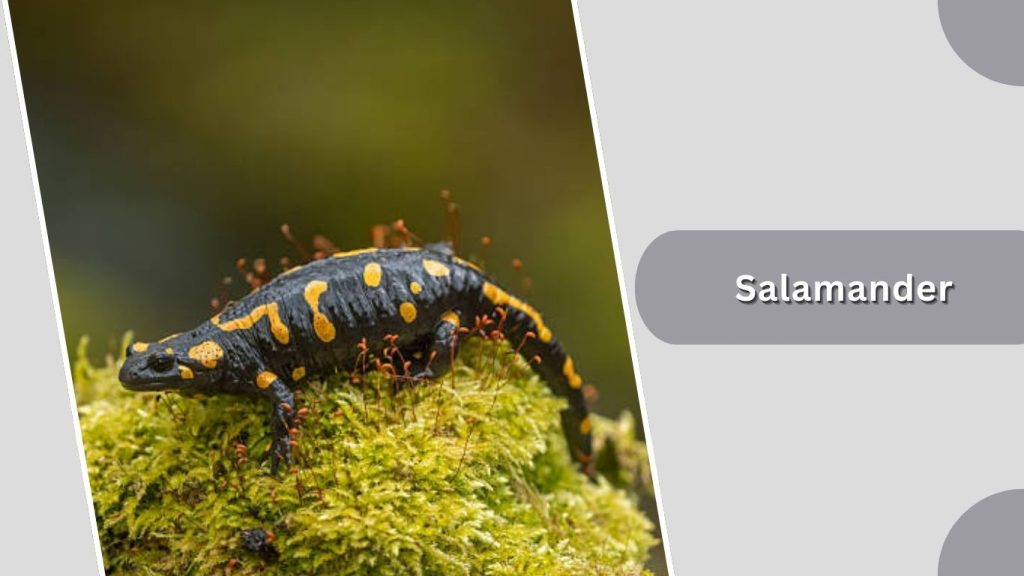
Salamanders are amphibians known for their lizard-like appearance and smooth, moist skin. They live both on land and in water, depending on their life stage and species. Salamanders are quiet, secretive animals that prefer cool, damp environments. They play an important role in ecosystems by helping control insect populations and serving as indicators of environmental health due to their sensitivity to pollution.
Identification
- Slender, lizard-like body
- Smooth and moist skin without scales
- Long tail present throughout life
- Short legs positioned on the sides of the body
- Usually dark-colored with spots, stripes, or bright markings
Habitat
Salamanders are commonly found in moist forests, under logs, rocks, and leaf litter. Many species live near streams, ponds, or wetlands, while others spend most of their lives in water. Moist environments are essential for their survival because their skin absorbs water and oxygen.
Behaviors
Salamanders are mostly nocturnal and avoid sunlight to prevent drying out. They move slowly and rely on camouflage or remaining still to escape predators. Some species can regenerate lost body parts such as tails and limbs, which is a unique survival ability.
Diet
Salamanders are carnivorous and feed on small invertebrates like insects, worms, snails, and spiders. Aquatic species may also eat small crustaceans or larvae.
Lifespan
The lifespan of salamanders varies widely by species. Many live between 5 and 20 years in the wild. Some larger species, such as the giant salamanders, can live for several decades under favorable conditions.
4. Newt
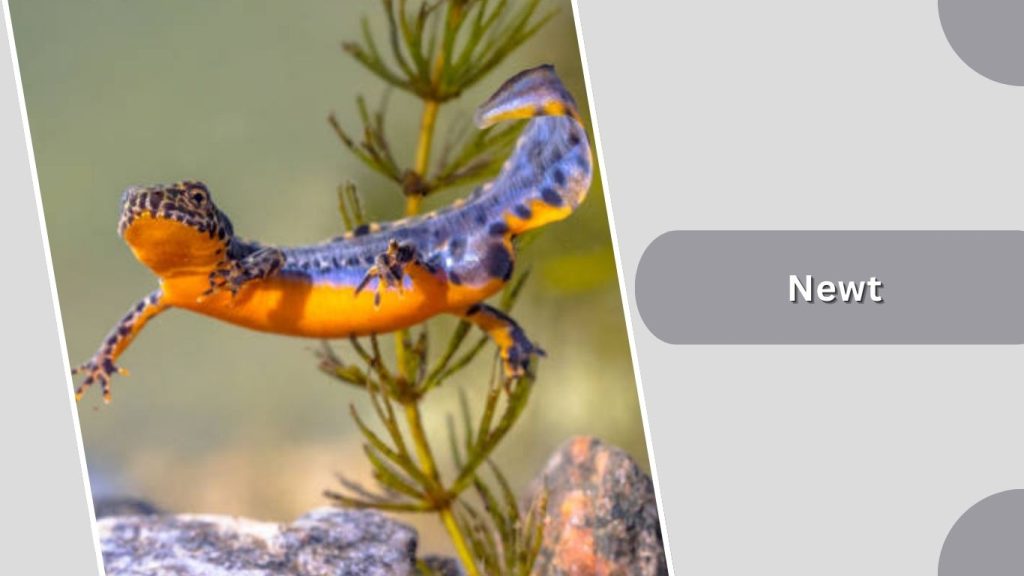
Newts are a type of salamander that spend part of their lives in water and part on land. They are known for their bright colors, especially during the breeding season, and their ability to adapt to both aquatic and terrestrial environments. Newts are often used as symbols of regeneration because they can regrow lost body parts. They are generally small, quiet animals and are important for maintaining balance in wetland ecosystems.
Identification
- Smooth or slightly rough skin
- Slender body with a long, flattened tail
- Short legs with well-developed toes
- Bright colors or patterns, especially during breeding season
- Moist skin that helps with breathing
Habitat
Newts are commonly found in ponds, lakes, slow-moving streams, and surrounding woodlands. Outside the breeding season, many newts live on land in damp forests, hiding under logs, stones, or leaf litter. Clean water sources are essential for their reproduction.
Behaviors
Newts are mostly active at night and during wet weather. During the breeding season, males perform courtship displays using tail movements to attract females. When threatened, some species secrete toxins through their skin as a defense mechanism.
Diet
Newts are carnivorous and feed on insects, worms, small crustaceans, snails, and aquatic larvae. They hunt by slowly approaching prey and snapping it up with quick movements.
Lifespan
Newts generally live longer than many other amphibians. In the wild, their lifespan ranges from 10 to 20 years, while some species can live even longer in protected or captive environments.
5. Crocodile
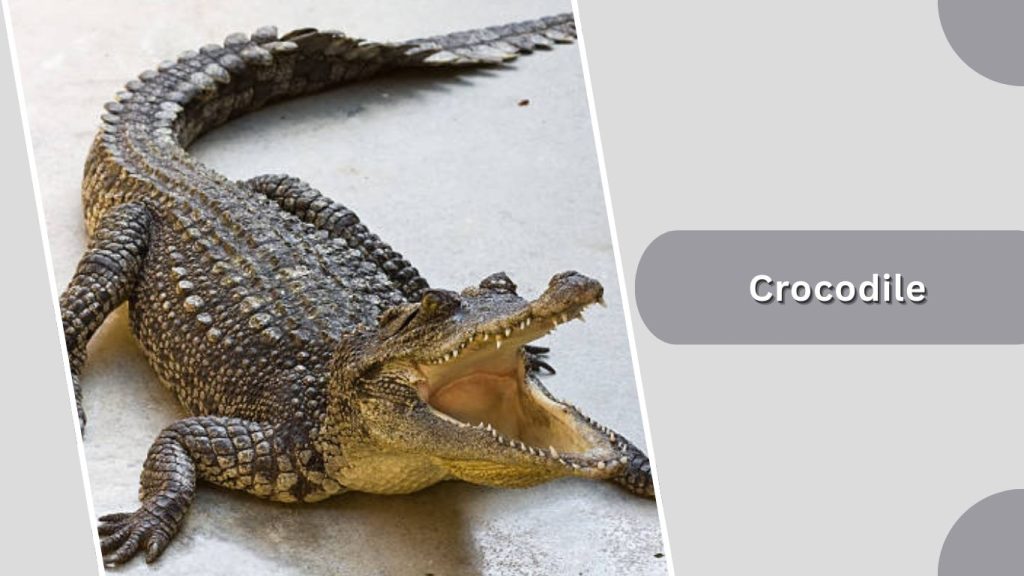
Crocodiles are large, powerful reptiles that live both on land and in water. They are among the oldest living animals on Earth, having existed for millions of years. Crocodiles are known for their strong jaws, armored bodies, and stealthy hunting techniques. Although they appear slow on land, they are excellent swimmers and can move quickly in water. Crocodiles play a key role in aquatic ecosystems by controlling prey populations.
Identification
- Thick, scaly, armored skin
- Long, muscular tail used for swimming
- Powerful jaws with sharp teeth
- Eyes and nostrils positioned on top of the head
- Dark gray, green, or brown body color
Habitat
Crocodiles live in rivers, lakes, swamps, marshes, and coastal areas in tropical and subtropical regions. They spend much of their time in water but often bask on riverbanks or muddy shores to regulate body temperature.
Behaviors
Crocodiles are mostly ambush predators. They remain still in water and suddenly attack prey that comes close. They bask in the sun to stay warm and can be aggressive when defending territory or nests. Crocodiles communicate through vocal sounds, body postures, and water movements.
Diet
Crocodiles are carnivorous and eat fish, birds, reptiles, and mammals. Larger crocodiles can take down big prey such as deer or livestock. They have strong stomach acids that help digest bones and tough materials.
Lifespan
Crocodiles are long-lived animals. In the wild, they commonly live between 50 and 70 years. Some individuals have been known to live over 100 years, especially in protected environments.
6. Alligator
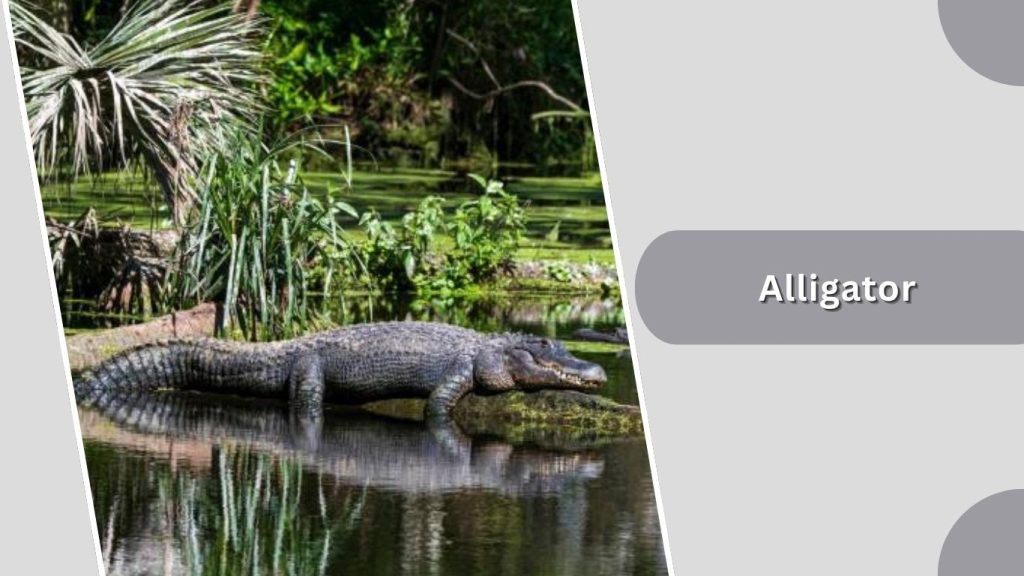
Alligators are large reptiles closely related to crocodiles and are well adapted to life on both land and water. They are known for their broad snouts, powerful bodies, and calm appearance compared to crocodiles. Alligators have existed since prehistoric times and are important apex predators in their habitats. By creating water holes used by other animals, they help support entire ecosystems.
Identification
- Broad, rounded snout
- Thick, armored skin with bony plates
- Strong tail used for swimming
- Dark gray to black body color
- Upper teeth visible when the mouth is closed
Habitat
Alligators mainly live in freshwater environments such as rivers, lakes, swamps, marshes, and wetlands. They are commonly found in the southeastern United States and parts of China. Alligators prefer slow-moving or still water and often rest on muddy banks or grassy shores.
Behaviors
Alligators are generally less aggressive than crocodiles but can be dangerous if threatened. They bask in the sun to regulate body temperature and are most active during warm weather. During the breeding season, males produce loud bellows to attract females and warn rivals.
Diet
Alligators are carnivorous and feed on fish, turtles, birds, mammals, and amphibians. Younger alligators eat insects and small fish, while adults hunt larger prey.
Lifespan
Alligators can live a long time. In the wild, they usually live between 35 and 50 years. Some individuals have been recorded living over 70 years, especially in captivity.
7. Hippopotamus
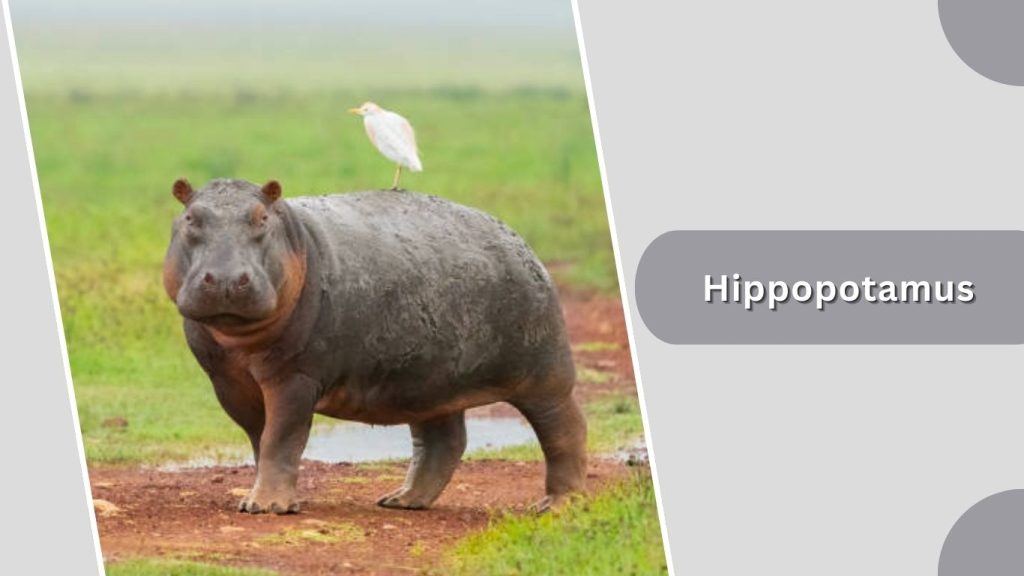
The hippopotamus is a massive semi-aquatic mammal that spends much of its life in water but comes onto land to feed. Despite its bulky appearance, the hippo is surprisingly fast both in water and on land. It is one of Africa’s most recognizable animals and plays a significant role in river ecosystems by influencing water flow and nutrient distribution. Hippos rely on water to keep their skin moist and protect themselves from the sun.
Identification
- Very large, barrel-shaped body
- Thick, nearly hairless skin
- Short legs with wide, webbed feet
- Large head with a wide mouth and tusk-like teeth
- Grayish to brown skin color
Habitat
Hippos live in rivers, lakes, swamps, and wetlands across sub-Saharan Africa. They spend most daylight hours submerged in water or mud to stay cool. At night, they leave the water and travel onto land, often along the same paths, to graze on grass.
Behaviors
Hippos are mostly nocturnal grazers and spend the day resting in water. They are territorial in water and can be highly aggressive when defending their space. Hippos communicate through grunts, snorts, and loud calls, both above and below water.
Diet
Hippos are herbivores and primarily eat grass. An adult hippo can consume large amounts of grass in a single night. Occasionally, they may chew on aquatic plants, but grass makes up most of their diet.
Lifespan
In the wild, hippos typically live between 40 and 50 years. With proper care in protected environments, some individuals can live slightly longer.
8. Otter
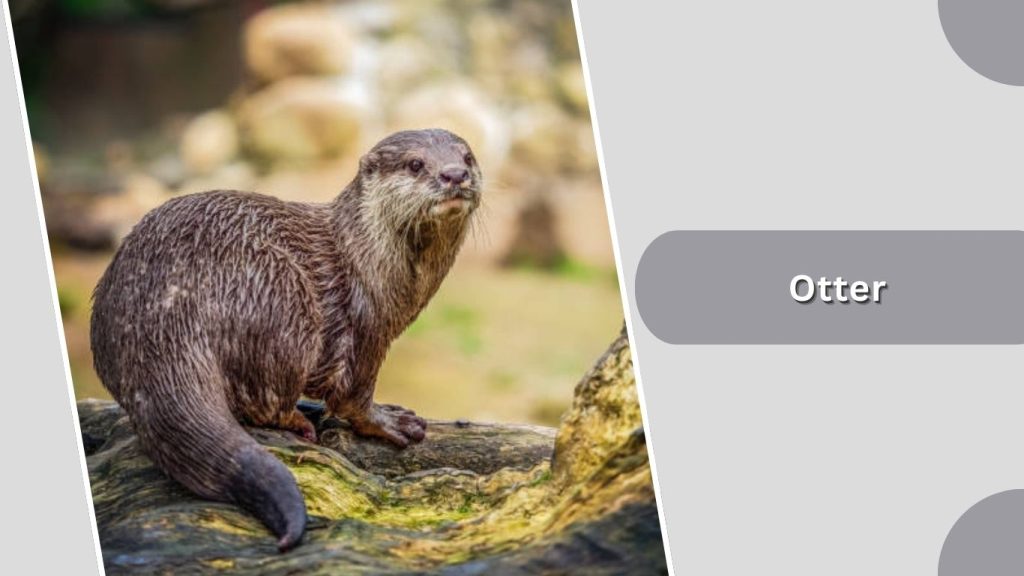
Otters are playful, intelligent mammals that are well adapted to life in both water and on land. They are known for their sleek bodies, thick fur, and energetic behavior. Otters spend much of their time swimming and hunting in water but rest, travel, and raise their young on land. They are important indicators of healthy aquatic ecosystems because they depend on clean water and abundant food sources.
Identification
- Long, streamlined body
- Dense, waterproof fur
- Short legs with webbed feet
- Long, muscular tail
- Small ears and whiskered face
Habitat
Otters live in rivers, lakes, wetlands, coastal areas, and oceans, depending on the species. They require clean water and nearby land areas for resting and shelter. Dens are often located along riverbanks, under roots, or in abandoned burrows.
Behaviors
Otters are active during the day or night, depending on the species. They are known for playful behaviors such as sliding on mud or snow and tossing objects. Otters are social animals and often live in small family groups or larger communities.
Diet
Otters are carnivorous and mainly eat fish, crabs, frogs, shellfish, and other small aquatic animals. They use their sensitive whiskers to detect prey underwater.
Lifespan
Otters typically live between 10 and 20 years in the wild. In protected or captive environments, some species may live longer due to reduced threats and steady food supplies.
9. Beaver
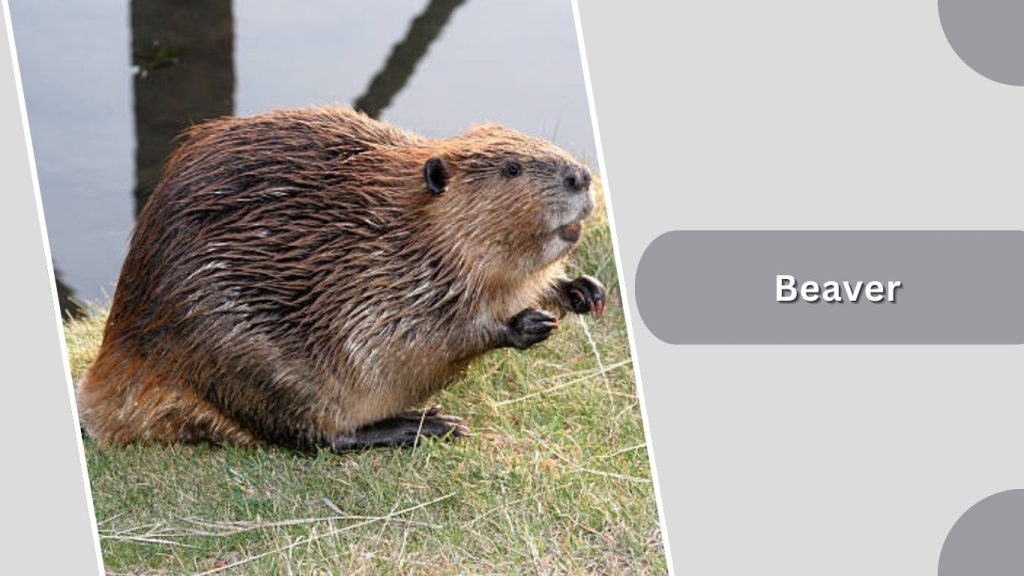
Beavers are large, semi-aquatic rodents famous for building dams and lodges. They live both on land and in water and are considered ecosystem engineers because their activities dramatically change the environment. By creating wetlands, beavers help support many other plant and animal species. They are strong swimmers and use their powerful teeth and tails to shape their surroundings.
Identification
- Stocky body covered in thick brown fur
- Large, flat, paddle-shaped tail
- Strong front teeth that continuously grow
- Webbed hind feet for swimming
- Small eyes and ears
Habitat
Beavers live near freshwater sources such as rivers, streams, lakes, and ponds. They build dams to slow water flow and create deep pools where they construct lodges for shelter. These habitats provide safety from predators and stable access to food.
Behaviors
Beavers are mostly nocturnal and are best known for cutting down trees and building dams. They use mud, sticks, and logs to construct structures. Beavers communicate through tail slaps on the water to warn others of danger and live in family groups.
Diet
Beavers are herbivores and feed on bark, leaves, twigs, and aquatic plants. They especially prefer trees like willow, aspen, and birch. During winter, they rely on stored food underwater.
Lifespan
In the wild, beavers usually live between 10 and 12 years. Some individuals can live up to 20 years in protected environments with fewer predators.
10. Platypus
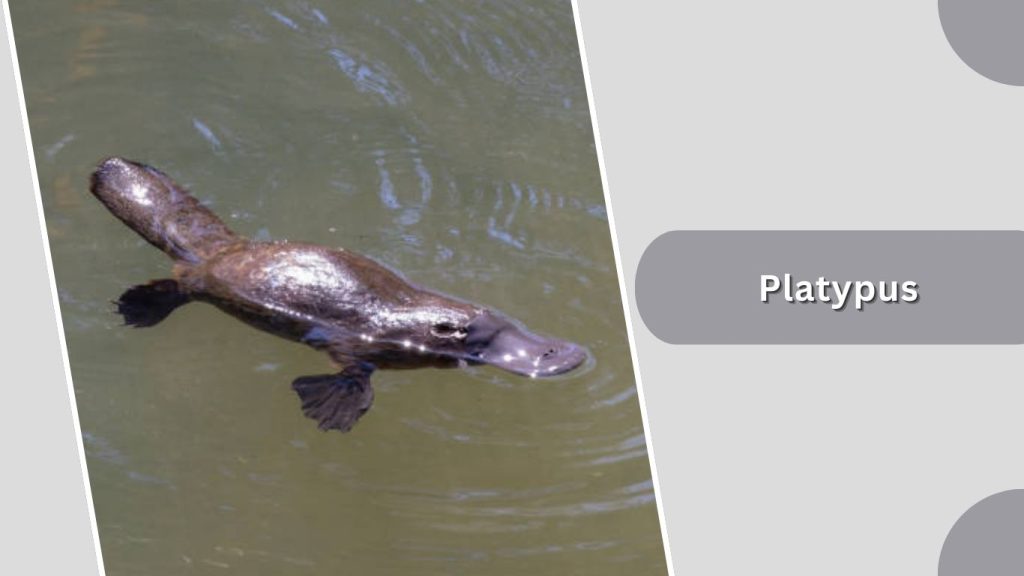
The platypus is a unique semi-aquatic mammal known for its unusual appearance and rare biological traits. It is one of the few egg-laying mammals in the world. With its duck-like bill, webbed feet, and beaver-like tail, the platypus is perfectly adapted for life in both water and on land. Native to Australia, it spends much of its time hunting underwater.
Identification
- Flat, duck-like bill
- Dense, waterproof fur
- Webbed feet for swimming
- Broad, flat tail similar to a beaver’s
- Sleek, low-profile body
Habitat
Platypuses live in freshwater rivers, streams, and lakes in eastern Australia and Tasmania. They dig burrows along riverbanks where they rest and raise their young. Clean, stable waterways are essential for their survival.
Behaviors
Platypuses are mostly nocturnal and spend hours swimming underwater in search of food. They close their eyes and ears while diving and rely on special sensors in their bills to detect prey. Males have venomous spurs on their hind legs used for defense.
Diet
Platypuses are carnivorous and feed on insects, worms, crustaceans, and larvae found in riverbeds. They scoop up food while swimming and store it in cheek pouches before eating at the surface.
Lifespan
In the wild, platypuses typically live between 10 and 17 years. In protected environments, they may live slightly longer due to reduced threats.
11. Turtle
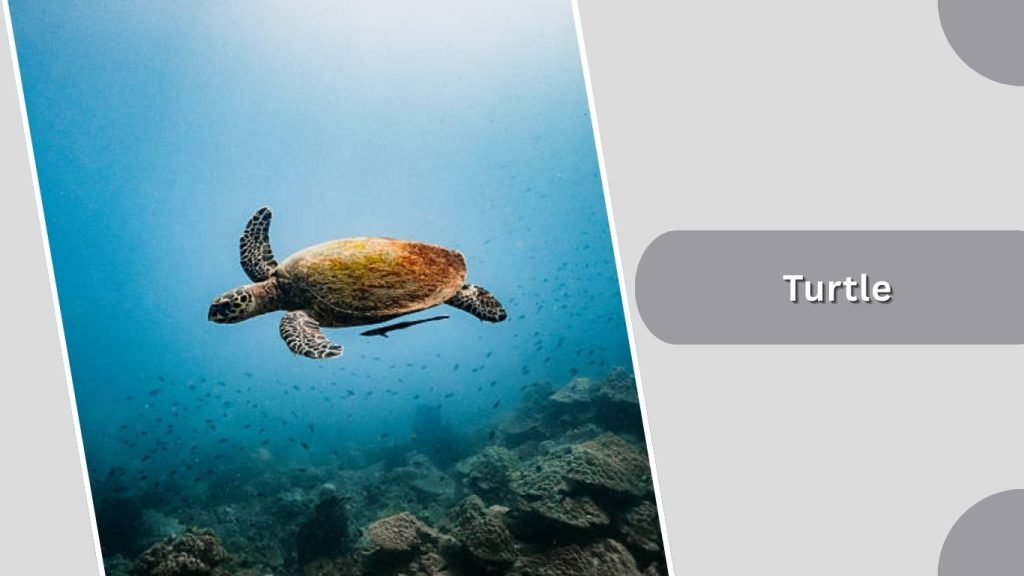
Turtles are reptiles that live both on land and in water, recognized for their hard protective shells. They are ancient animals that have existed for millions of years. While many turtle species spend most of their time in water, they still come onto land for basking and nesting. Turtles play an important role in maintaining healthy aquatic ecosystems.
Identification
- Hard shell covering the body
- Beak-like mouth with no teeth
- Scaly skin and strong limbs
- Webbed feet or flippers, depending on species
- Ability to pull head and limbs into the shell
Habitat
Turtles live in a wide range of habitats including ponds, lakes, rivers, wetlands, and coastal areas. Some species also live on land but stay close to water. They prefer calm waters with plenty of vegetation and basking spots.
Behaviors
Turtles are generally slow-moving and spend long periods basking in the sun to regulate body temperature. They are solitary animals and migrate short distances to nesting sites. Many turtles return to the same nesting areas each year.
Diet
Turtles have varied diets depending on species. Some are herbivores eating plants and algae, others are carnivores feeding on insects and fish, and many are omnivores consuming both plant and animal matter.
Lifespan
Turtles are known for their long lifespans. Many species live between 30 and 50 years, while some can live over 100 years in the wild or captivity.
12. Tortoise
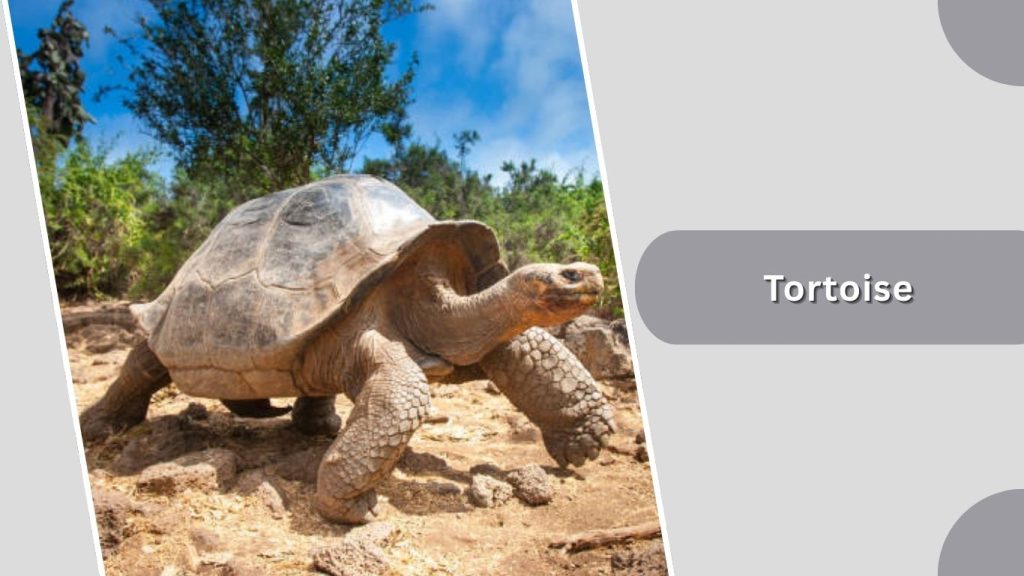
Tortoises are reptiles closely related to turtles, but they are mainly adapted for life on land while still relying on water for drinking and sometimes soaking. They are known for their slow movement, heavy shells, and long lifespans. Tortoises symbolize patience and longevity in many cultures. Although they are not strong swimmers like turtles, they still depend on moist environments and shallow water for survival.
Identification
- High-domed, heavy shell
- Thick, scaly skin
- Strong, sturdy legs with clawed feet
- Blunt head with a beak-like mouth
- Usually brown, tan, or gray in color
Habitat
Tortoises live in grasslands, deserts, forests, and scrublands, depending on the species. They prefer dry to moderately moist environments but stay near water sources. Some species dig burrows to escape extreme heat or cold.
Behaviors
Tortoises are mostly diurnal and are active during the day. They move slowly and spend much time basking in the sun to regulate body temperature. When threatened, tortoises withdraw into their shells for protection.
Diet
Tortoises are primarily herbivores. They eat grasses, leaves, flowers, fruits, and shrubs. Some species may occasionally consume insects or carrion, but plant matter makes up most of their diet.
Lifespan
Tortoises are among the longest-living animals. Many species live between 50 and 100 years, and some individuals have been known to live well over 150 years under favorable conditions.
13. Terrapin
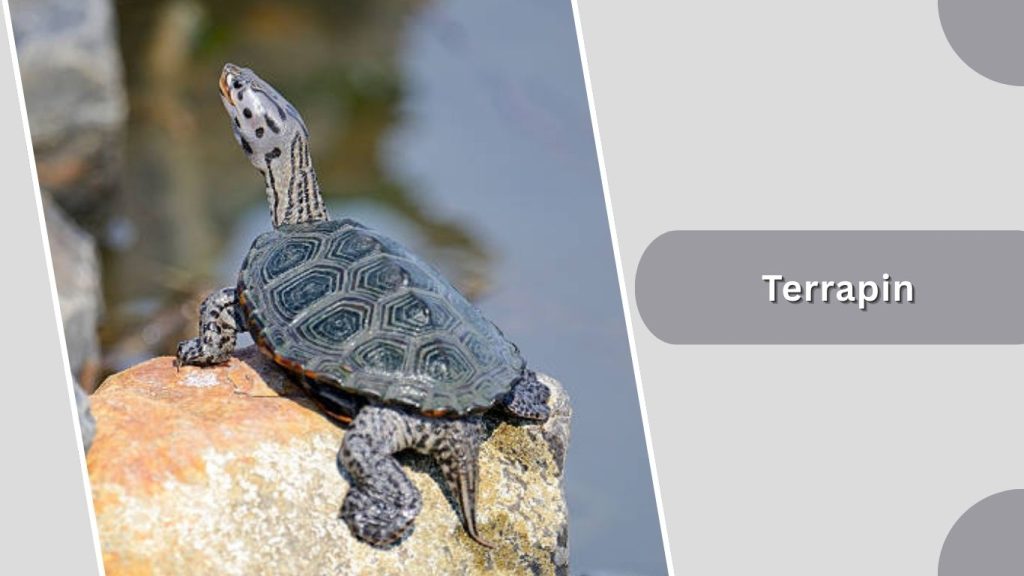
Terrapins are small to medium-sized turtles that live in both land and water, especially in coastal and brackish environments. They are best known for inhabiting areas where freshwater mixes with saltwater. Terrapins are adaptable reptiles and play an important role in maintaining balance in marsh and estuary ecosystems.
Identification
- Smooth, patterned shell with rings or markings
- Medium-sized body compared to other turtles
- Webbed feet with strong claws
- Dark or olive skin with light spots or stripes
- Beak-like mouth
Habitat
Terrapins are commonly found in brackish waters such as estuaries, salt marshes, coastal lagoons, and tidal creeks. They often come onto land to bask in the sun or to nest in sandy or grassy areas near water.
Behaviors
Terrapins spend much of their time swimming or resting in shallow water. They bask on logs, rocks, or muddy banks to regulate body temperature. During nesting season, females travel onto land to lay eggs in dry, sandy soil.
Diet
Terrapins are omnivores. They feed on small fish, crabs, snails, insects, and aquatic plants. Their strong jaws help them crush hard-shelled prey like mollusks.
Lifespan
In the wild, terrapins typically live between 20 and 40 years. With protection and reduced human threats, some individuals can live even longer.
14. Seal
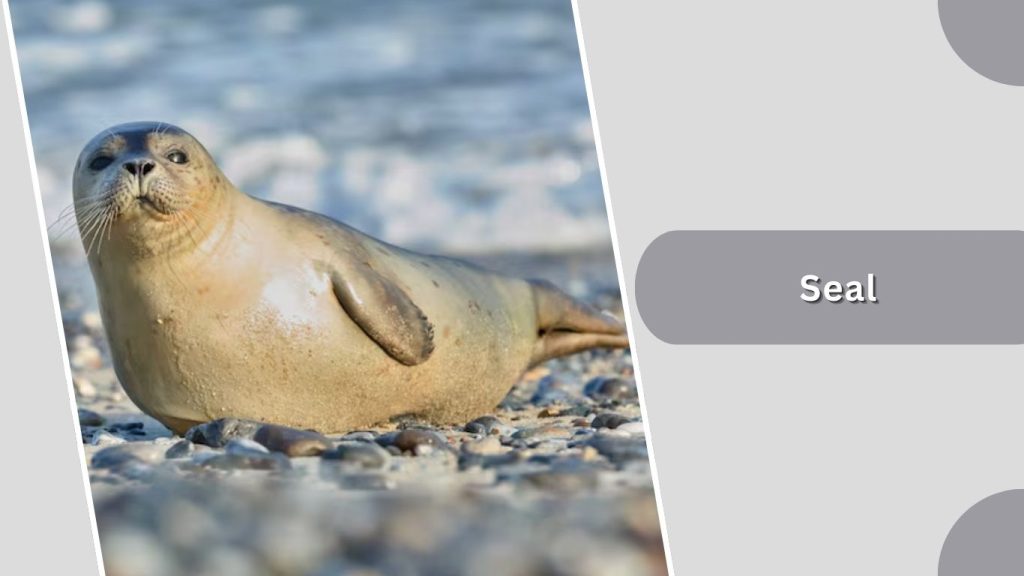
Seals are semi-aquatic marine mammals that spend much of their lives in water but regularly come onto land or ice to rest, breed, and give birth. They are well adapted for swimming, with streamlined bodies and flippers. Seals are intelligent and social animals and are important predators in marine ecosystems, helping maintain balanced fish populations.
Identification
- Smooth, streamlined body
- Short fur covering thick blubber
- Front and rear flippers for swimming
- Large, dark eyes and visible whiskers
- Rounded head with no external ear flaps
Habitat
Seals live in oceans and coastal waters around the world, especially in cold and temperate regions. They haul out on beaches, rocky shores, and ice floes to rest and breed. Access to both water and land or ice is essential for their survival.
Behaviors
Seals are strong swimmers and can dive deep and stay underwater for long periods. On land, they move by wriggling on their bellies. Seals are social and often gather in large groups during breeding seasons.
Diet
Seals are carnivorous and feed mainly on fish, squid, octopus, and crustaceans. They hunt underwater using their sensitive whiskers to detect movement and vibrations.
Lifespan
Most seal species live between 20 and 30 years in the wild. Some can live longer, especially in protected environments with fewer predators and threats.
15. Sea Lion
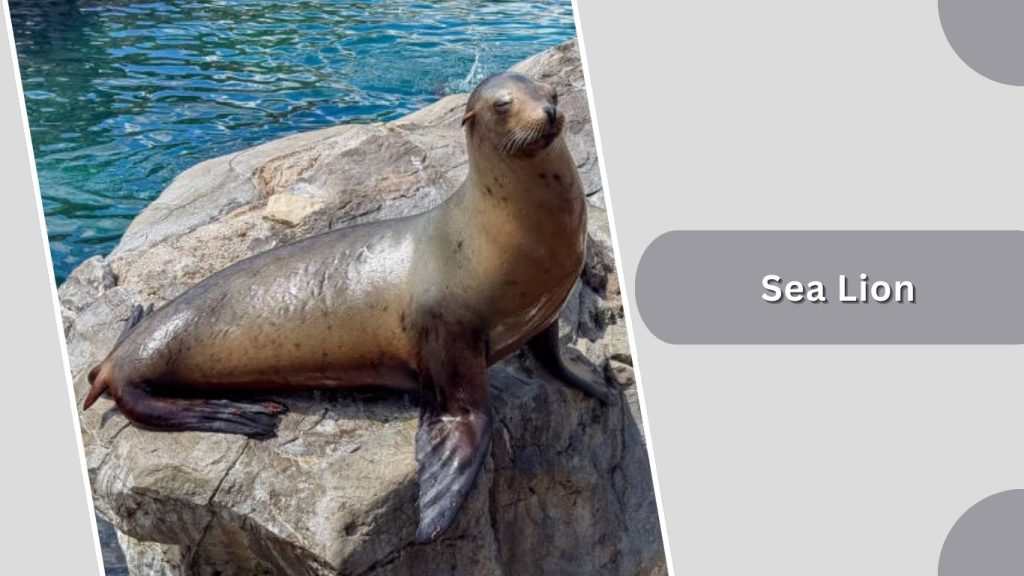
Sea lions are intelligent and highly social marine mammals that live both in water and on land. Unlike seals, sea lions have visible ear flaps and can move more easily on land using their strong flippers. They are known for their loud vocalizations, playful nature, and impressive swimming skills. Sea lions are commonly seen resting in large groups along coastlines and rocky shores.
Identification
- External ear flaps visible on the head
- Long, powerful front flippers
- Streamlined body covered in short fur
- Flexible hind flippers that rotate forward
- Brown to dark tan body color
Habitat
Sea lions live in coastal waters of the Pacific Ocean and parts of the Southern Hemisphere. They haul out on beaches, rocky shores, docks, and islands to rest, breed, and raise their young. They depend on both land and water to complete their life cycle.
Behaviors
Sea lions are very social and often gather in noisy colonies. They are agile swimmers and can perform quick turns and dives underwater. On land, they can walk and even run using their flippers. Sea lions communicate through barks, growls, and body movements.
Diet
Sea lions are carnivorous and mainly eat fish, squid, octopus, and crustaceans. They hunt in water, sometimes working together to herd schools of fish.
Lifespan
Sea lions typically live between 20 and 30 years in the wild. Some individuals may live longer in protected or captive environments.
16. Walrus
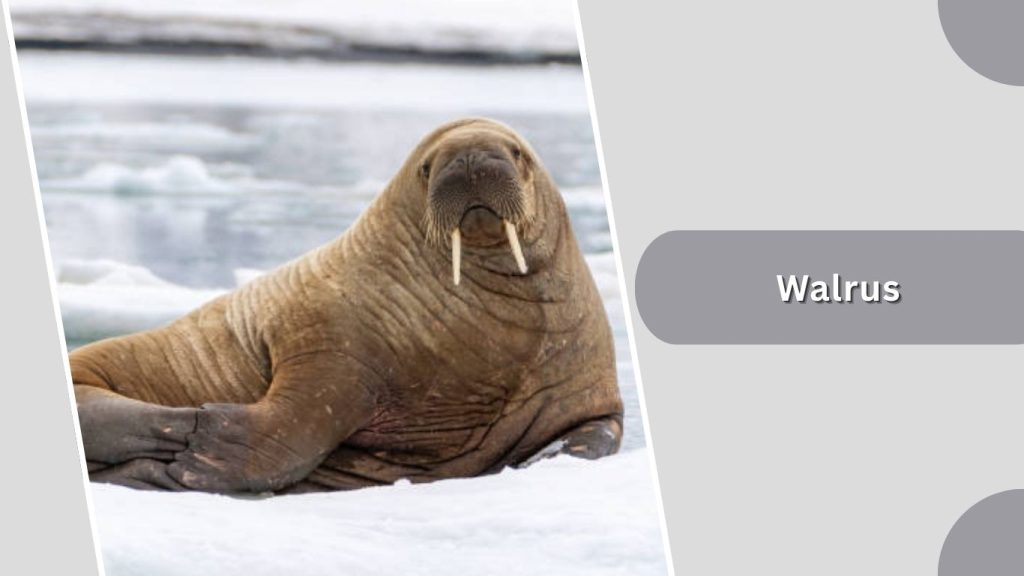
Walruses are large marine mammals that live both in the ocean and on land or sea ice. They are easily recognized by their long tusks, thick whiskers, and massive bodies. Walruses depend on water for feeding but haul out onto ice or shorelines to rest and socialize. They play an important role in Arctic ecosystems by stirring up the sea floor while searching for food.
Identification
- Large, heavy body with thick skin
- Long ivory tusks in both males and females
- Dense whiskers on the snout
- Short flippers for swimming and movement on land
- Brown to pinkish skin color
Habitat
Walruses live in the cold Arctic waters of the Northern Hemisphere. They prefer shallow seas where food is abundant and rely on sea ice or rocky shores as resting areas between feeding trips.
Behaviors
Walruses are social animals and often gather in large groups. They use their tusks for defense, climbing onto ice, and establishing dominance. Walruses are strong swimmers but move slowly and awkwardly on land.
Diet
Walruses are carnivorous and mainly feed on clams, mussels, and other bottom-dwelling invertebrates. They use their sensitive whiskers to locate prey on the sea floor.
Lifespan
Walruses generally live between 30 and 40 years in the wild. Some individuals may live longer in environments with fewer threats.
17. Duck
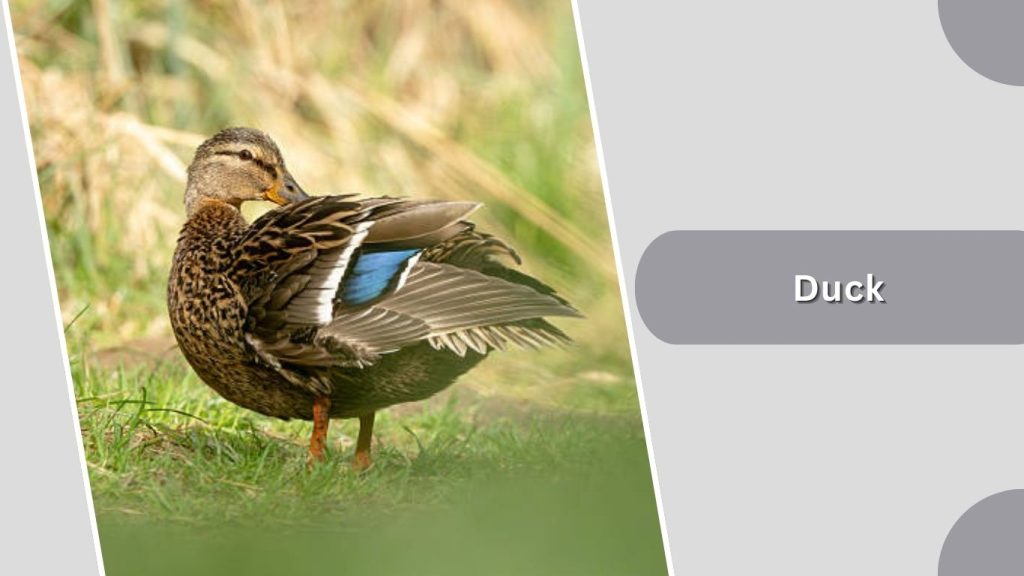
Ducks are waterfowl that live comfortably on both land and water. They are well known for their webbed feet, waterproof feathers, and distinctive quacking sounds. Ducks are highly adaptable birds and can be found in natural wetlands as well as urban parks and ponds. They play an important role in aquatic ecosystems by helping control insects and spreading plant seeds.
Identification
- Medium-sized bird with a broad, flat bill
- Webbed feet adapted for swimming
- Waterproof feathers coated with natural oils
- Short neck and rounded body
- Plumage color varies by species and sex
Habitat
Ducks live in freshwater and saltwater environments such as ponds, lakes, rivers, marshes, wetlands, and coastal areas. They often rest and nest on land near water sources, using grasses or reeds for shelter.
Behaviors
Ducks are social birds and are often seen in groups. They swim, dabble, or dive for food depending on the species. Ducks are active during the day and communicate using vocal sounds and body movements.
Diet
Ducks are omnivores. They eat aquatic plants, seeds, insects, worms, small fish, and crustaceans. Their diet changes with seasons and available food sources.
Lifespan
In the wild, ducks typically live between 5 and 10 years. Some species may live longer in protected environments with fewer predators.
18. Swan
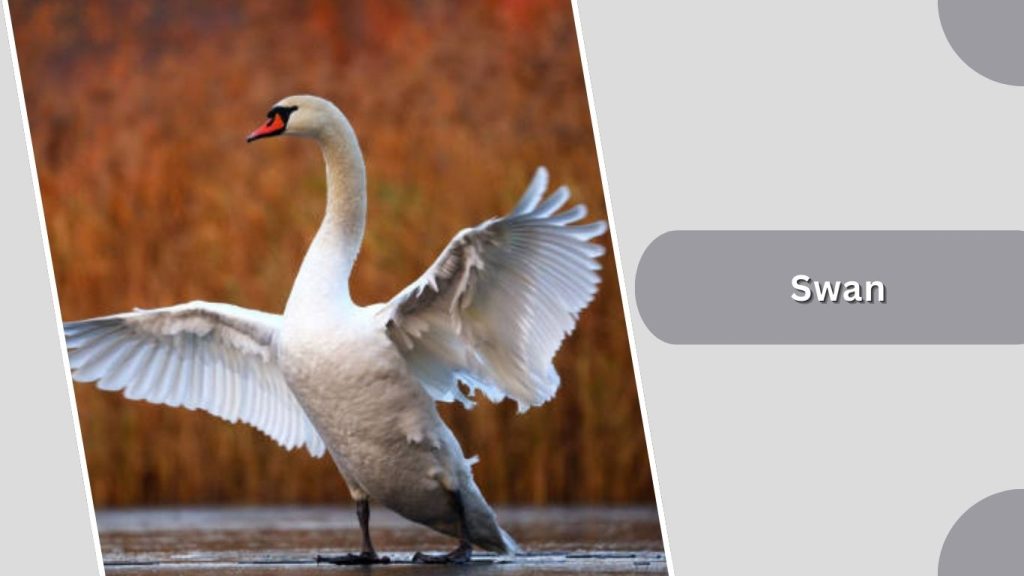
Swans are large, elegant water birds that live on both land and water. They are known for their long necks, graceful swimming, and strong family bonds. Swans are among the largest flying birds and are often associated with beauty and loyalty. While they spend much of their time in water, they nest and rest on land near lakes and rivers.
Identification
- Large body with long, curved neck
- Broad wings with powerful flight muscles
- Webbed feet for swimming
- Long, flat bill, often orange or black
- White, black, or mixed plumage depending on species
Habitat
Swans inhabit freshwater lakes, ponds, rivers, wetlands, and sometimes coastal areas. They prefer calm, shallow waters with plenty of aquatic vegetation. Nesting usually takes place on land close to water.
Behaviors
Swans are generally calm but can be aggressive when protecting their nests or young. They are strong swimmers and capable fliers. Swans are social and often form long-term pair bonds, sometimes lasting for life.
Diet
Swans are mostly herbivores. They feed on aquatic plants, algae, grasses, and roots. Occasionally, they may eat small insects or aquatic animals.
Lifespan
Swans typically live between 20 and 30 years in the wild. In safe environments, some swans can live even longer.
19. Penguin
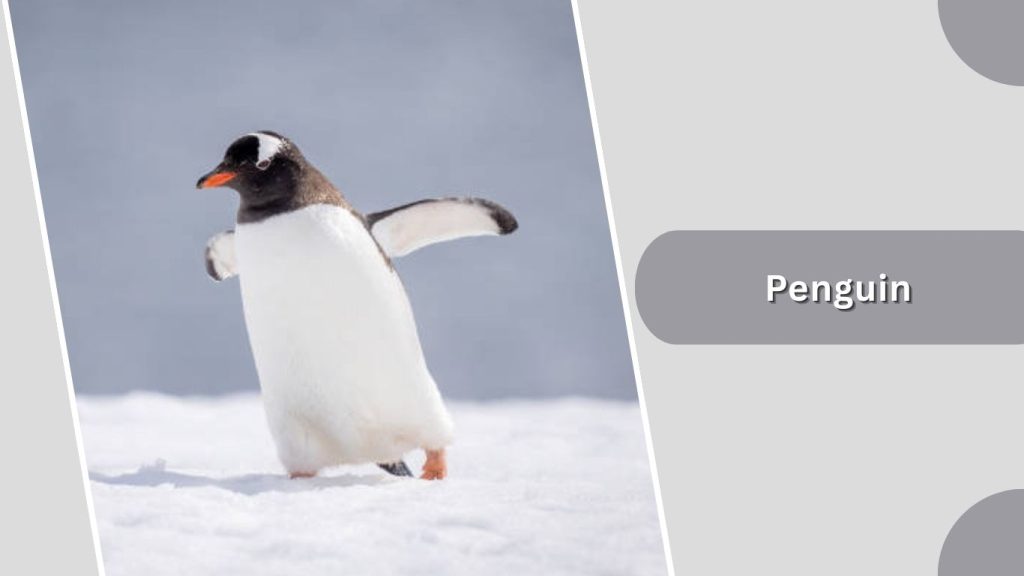
Penguins are flightless birds that live both on land and in water, especially in the Southern Hemisphere. They are perfectly adapted for swimming, using their wings like flippers to move swiftly underwater. Penguins are highly social animals and often live in large colonies. While they spend much of their lives in the ocean, they come onto land or ice to rest, breed, and raise their chicks.
Identification
- Upright posture with a rounded body
- Black and white feather coloration
- Wings modified into flippers
- Short legs with webbed feet
- Dense, waterproof feathers
Habitat
Penguins live in coastal regions, islands, and ice-covered areas, mostly in the Southern Hemisphere. Some species inhabit cold Antarctic environments, while others live in temperate or even tropical regions near the equator. They rely on land or ice for nesting.
Behaviors
Penguins are excellent swimmers and can dive deep to catch prey. On land, they waddle or slide on their bellies. Penguins communicate through vocal calls and body movements and often form strong social bonds within colonies.
Diet
Penguins are carnivorous and mainly eat fish, squid, and krill. They hunt in the ocean and can travel long distances in search of food.
Lifespan
Penguins generally live between 15 and 20 years in the wild. Some species can live longer when environmental conditions are favorable.
FAQs
What are animals that live on land and water called?
Animals that live on both land and water are commonly called amphibious or semi-aquatic animals. This group includes amphibians, reptiles, mammals, and birds that depend on both environments for survival.
Why do some animals need both land and water?
Many animals rely on water for feeding, breeding, or staying cool, while land is needed for resting, nesting, or finding shelter. Living in both environments helps them access more resources and avoid predators.
Are all amphibians able to live on land and water?
Most amphibians, such as frogs, toads, and salamanders, live part of their lives in water and part on land. However, the amount of time spent in each environment varies by species.
Are semi-aquatic animals good swimmers?
Yes, most semi-aquatic animals have special adaptations like webbed feet, flippers, or streamlined bodies that help them swim efficiently in water.
Do these animals face threats in both environments?
Yes, animals that live on land and water face threats such as pollution, habitat loss, climate change, and human activity in both terrestrial and aquatic ecosystems.
Why are these animals important to ecosystems?
They help maintain balance by controlling insect or prey populations, recycling nutrients, and supporting food chains in both land and water environments.