



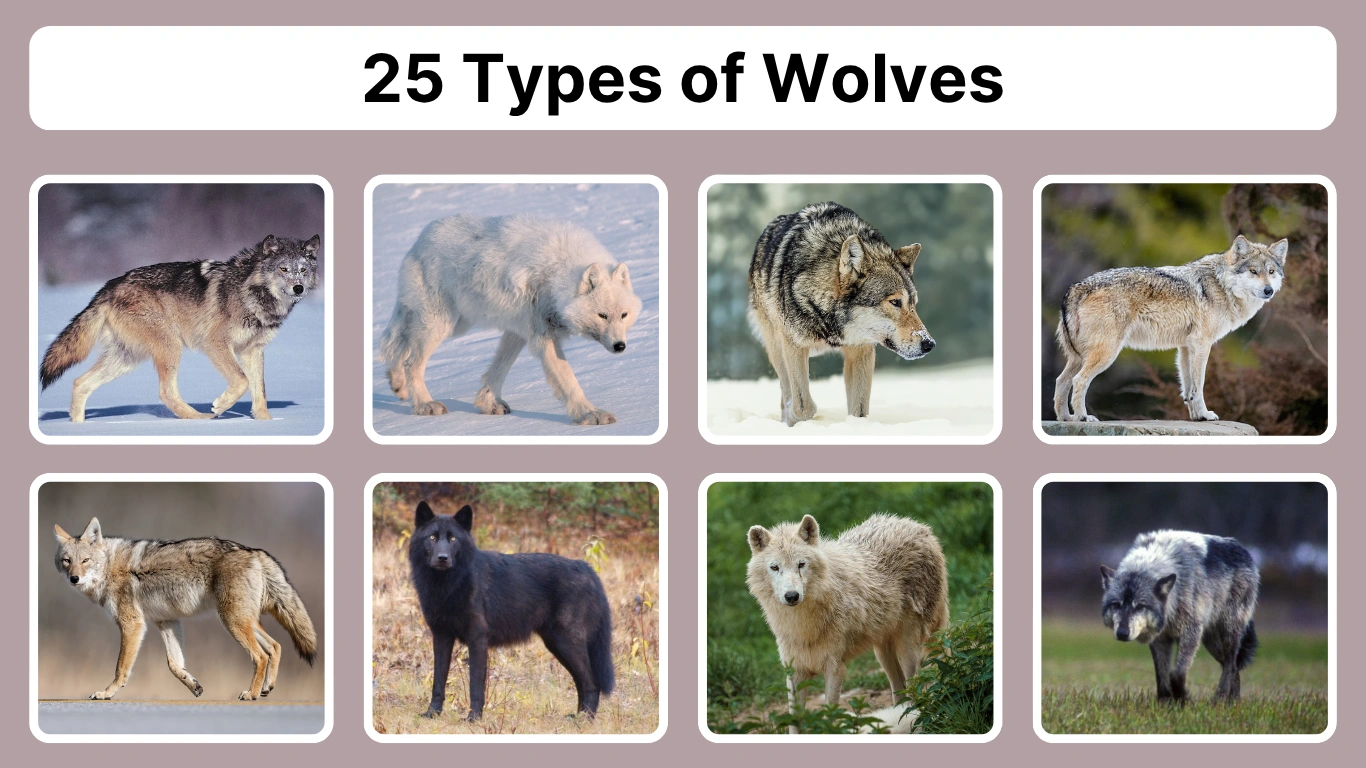
Wolves are among the most iconic and widespread wild canines, found across North America, Europe, and Asia. While often associated with the Gray Wolf, the species branches into many subspecies and regional types—each uniquely adapted to its environment. From the Arctic-dwelling Baffin Island Wolf to the fish-eating British Columbian Wolf, their diversity spans snowy tundras, dense forests, deserts, and high-altitude plateaus.
This guide explores 25 distinct types of wolves around the world. For each one, you’ll find identification details, habitat preferences, diet, and behavioral traits—helping you understand how these magnificent predators vary across regions. Whether you’re a wildlife enthusiast, student, or nature lover, this collection offers a deeper look into the fascinating world of wolves.
1. Gray Wolf (Canis lupus)

The Gray Wolf is the largest and most widespread wild member of the dog family. It has played a crucial ecological role as a top predator and has deep cultural significance in many human societies.
Identification
- Size: 4.5–6.5 feet long (including tail)
- Weight: 50–110 pounds (can vary by region)
- Color: Usually gray with black, brown, white, or red tinges; some individuals are solid white or black
- Build: Long legs, broad skull, and bushy tail
Habitat and Range
Native to North America, Europe, Asia, and the Middle East. Gray Wolves adapt to a wide range of environments, including forests, tundra, grasslands, deserts, and mountainous regions.
Diet and Hunting Behavior
Carnivorous—primarily hunts large ungulates such as deer, elk, moose, and caribou. Also eats smaller mammals, carrion, and occasionally berries. Hunts in coordinated packs, using endurance and strategy.
Social Structure and Behavior
Lives in structured packs typically consisting of a breeding pair and their offspring. Packs communicate through howls, body language, and scent marking. Known for strong family bonds, cooperative hunting, and territorial behavior. Gray Wolves play a vital role in maintaining balanced ecosystems.
2. Arctic Wolf (Canis lupus arctos)
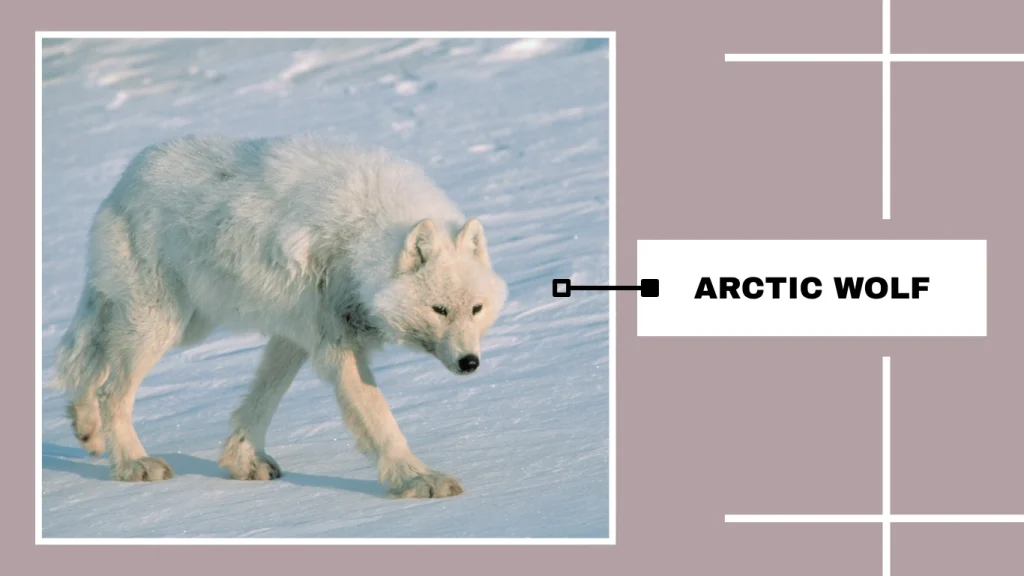
The Arctic Wolf is a subspecies of the Gray Wolf specially adapted to the extreme cold and remote terrain of the Arctic.
Identification
- Size: 3.5–5.5 feet long
- Weight: 70–125 pounds
- Color: Thick white or cream-colored fur for camouflage and insulation
- Features: Shorter ears and muzzle compared to other wolves—helps conserve body heat
Habitat and Range
Found in the high Arctic regions of Canada, Alaska, and Greenland, particularly on the Arctic archipelago. Lives in tundra, ice fields, and rocky outcrops.
Diet and Hunting Behavior
Feeds primarily on muskoxen, Arctic hares, caribou, lemmings, and ptarmigans. Prey is scarce, so they cover vast distances and often rely on group coordination.
Social Structure and Behavior
Lives in small packs. Less exposed to humans than other wolves, making them more elusive. Adapts to darkness of winter and near-constant daylight of summer. Dens often dug into permafrost.
3. Eurasian Wolf (Canis lupus lupus)

Also known as the common wolf or European wolf, the Eurasian Wolf is one of the most widespread subspecies of Gray Wolf across Europe and Asia.
Identification
- Size: 4.5–6 feet long
- Weight: 70–100 pounds
- Color: Usually gray with hints of brown or rust, and a paler underside
- Build: Long legs and large paws, with a well-developed sense of smell
Habitat and Range
Found throughout Eastern Europe, parts of Western Europe, and into Russia, Central Asia, and parts of China. Occupies forests, steppes, and mountainous areas.
Diet and Hunting Behavior
Feeds on deer, wild boar, livestock, rabbits, and carrion. Diet varies based on availability and proximity to humans.
Social Structure and Behavior
Forms structured packs with dominant breeding pairs. Known to travel great distances. Populations are recovering in Europe due to conservation efforts, although human conflict still poses a threat.
4. Indian Wolf (Canis lupus pallipes)
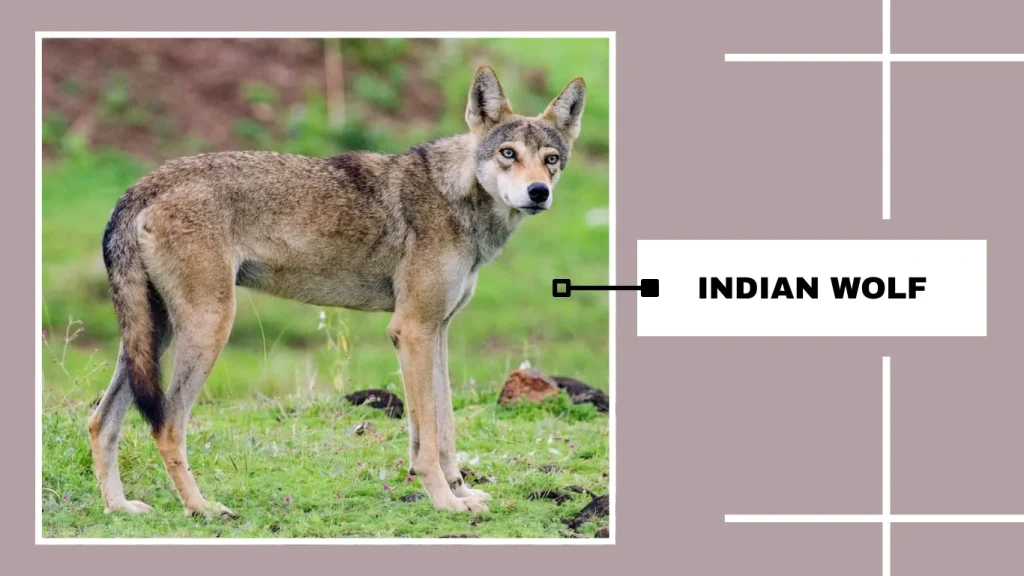
The Indian Wolf is a smaller, desert-adapted subspecies of the Gray Wolf found in the Indian subcontinent and parts of the Middle East.
Identification
- Size: 3.5–5 feet long
- Weight: 40–60 pounds
- Color: Pale brownish-gray coat with a thinner, shorter fur compared to northern wolves
- Build: Lean and slender, adapted for arid environments
Habitat and Range
Native to India, Pakistan, Iran, and parts of Nepal. Inhabits semi-arid grasslands, scrublands, and open plains.
Diet and Hunting Behavior
Feeds on rodents, hares, antelope, livestock, and carrion. Often hunts alone or in small groups due to limited prey.
Social Structure and Behavior
Lives in small packs of 2–6 individuals. Highly intelligent and elusive. Faces severe threats from habitat loss, human conflict, and poaching. Culturally significant in Indian folklore.
5. Iberian Wolf (Canis lupus signatus)

The Iberian Wolf is a distinct subspecies of the Gray Wolf found only on the Iberian Peninsula, with unique markings and behavior.
Identification
- Size: 4.5–6 feet long
- Weight: 60–90 pounds
- Color: Grayish with reddish tints and characteristic black stripes on front legs and tail tip
- Features: Narrower skull and lighter build than northern wolves
Habitat and Range
Found mainly in northwestern Spain and parts of northern Portugal. Lives in forested and mountainous regions, sometimes near agricultural land.
Diet and Hunting Behavior
Feeds on wild boar, deer, rabbits, and livestock. Known for raiding farms, especially in areas where wild prey is scarce.
Social Structure and Behavior
Lives in small to medium-sized packs. Often avoids human contact. Legal protections and cultural support in Spain have helped population recovery, though threats from illegal hunting persist.
6. Mexican Wolf (Canis lupus baileyi)
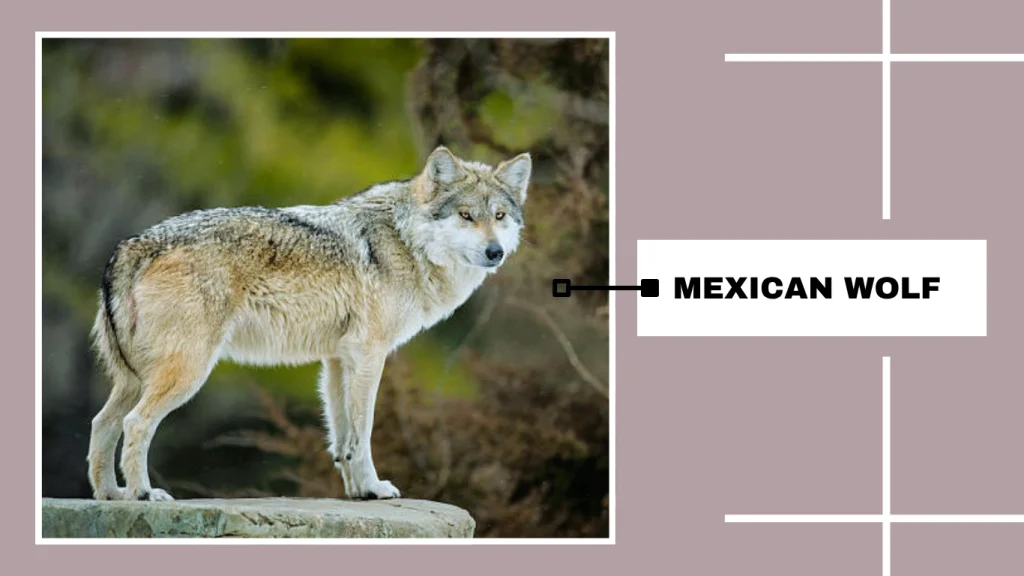
The Mexican Wolf is one of the rarest and most endangered subspecies of the Gray Wolf, known for its smaller size and unique coloration.
Identification
- Size: 4.5–5.5 feet long
- Weight: 50–80 pounds
- Color: A mix of gray, tan, and rust with a distinct black saddle across the back
- Build: Slender frame, long legs, and large ears for heat regulation
Habitat and Range
Historically ranged across southeastern Arizona, southern New Mexico, west Texas, and northern Mexico. Currently reintroduced into parts of the southwestern U.S. and Mexico.
Diet and Hunting Behavior
Preys on elk, deer, javelina, rabbits, and other small mammals. Hunts in pairs or small family groups.
Social Structure and Behavior
Lives in small, closely bonded family units. Conservation programs have reintroduced captive-bred wolves into the wild. Still faces challenges from poaching and limited genetic diversity.
7. Northwestern Wolf (Canis lupus occidentalis)
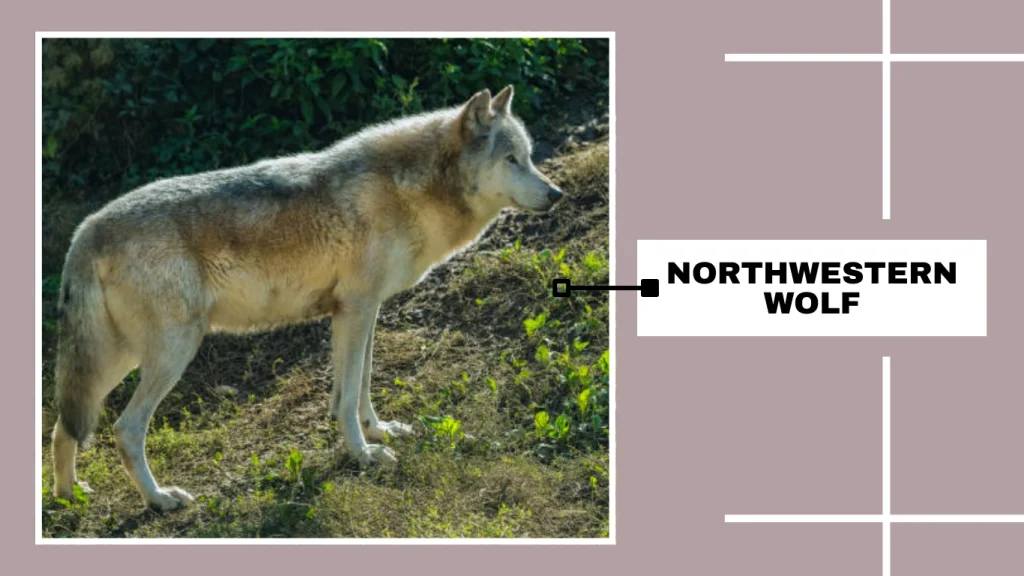
Also known as the Rocky Mountain or Mackenzie Valley Wolf, the Northwestern Wolf is one of the largest North American wolf subspecies.
Identification
- Size: 5.5–7 feet long
- Weight: 85–130 pounds
- Color: Variable—can be gray, black, or white
- Build: Large, muscular body with thick fur and broad head
Habitat and Range
Found in western Canada, Alaska, and parts of the northwestern U.S., including Yellowstone National Park after reintroduction.
Diet and Hunting Behavior
Preys primarily on elk, deer, bison, and moose. Known for taking down large prey cooperatively in coordinated pack hunts.
Social Structure and Behavior
Lives in large, structured packs. Reintroduction into Yellowstone helped balance the ecosystem by controlling elk populations. Resilient and highly adaptable to various wild landscapes.
8. Eastern Wolf (Canis lupus lycaon or Canis lycaon)
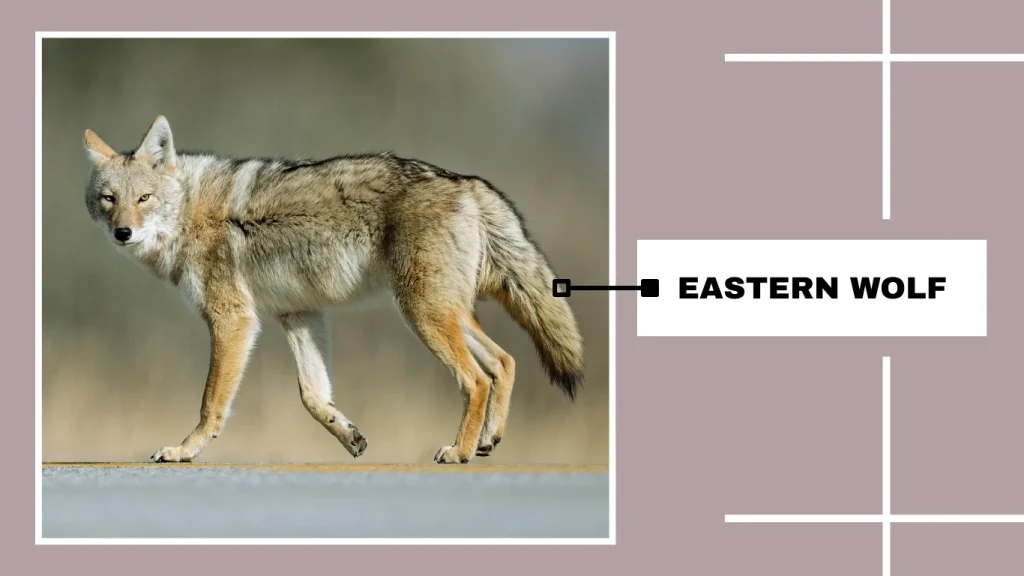
The Eastern Wolf is a debated species or subspecies, often considered either a Gray Wolf variant or a unique species with coyote lineage.
Identification
- Size: 4.5–6 feet long
- Weight: 50–80 pounds
- Color: Tawny or reddish-gray fur with black along the back
- Build: Intermediate between Gray Wolves and coyotes
Habitat and Range
Primarily found in southeastern Canada, especially in and around Algonquin Provincial Park. Prefers mixed forests and wetlands.
Diet and Hunting Behavior
Preys on white-tailed deer, beavers, hares, and small mammals. Sometimes scavenges. Hunts alone or in small groups depending on prey type.
Social Structure and Behavior
Forms family groups or small packs. Vocalizations and behaviors are a blend of wolf and coyote traits. Threatened by habitat fragmentation and hybridization with coyotes and other wolf types.
9. Red Wolf (Canis rufus)
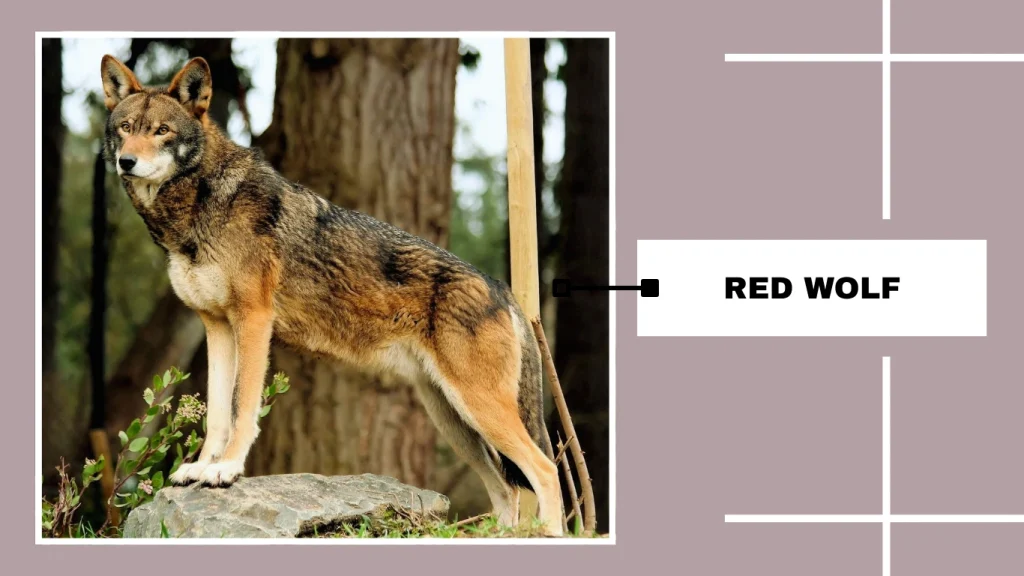
The Red Wolf is a critically endangered species native to the southeastern United States, known for its reddish hue and coyote-like build.
Identification
- Size: 4.5–5.5 feet long
- Weight: 45–80 pounds
- Color: Reddish-tan fur with black along the back and a white muzzle
- Build: Slender body, long legs, and large ears
Habitat and Range
Historically ranged across the southeastern U.S. Now only found in limited areas of North Carolina through reintroduction efforts.
Diet and Hunting Behavior
Feeds on small mammals, raccoons, rabbits, and deer. Opportunistic and adaptable feeder.
Social Structure and Behavior
Lives in monogamous family groups. Populations declined due to habitat loss, hybridization with coyotes, and persecution. Conservation efforts continue, though success is fragile and controversial.
10. Italian Wolf (Canis lupus italicus)
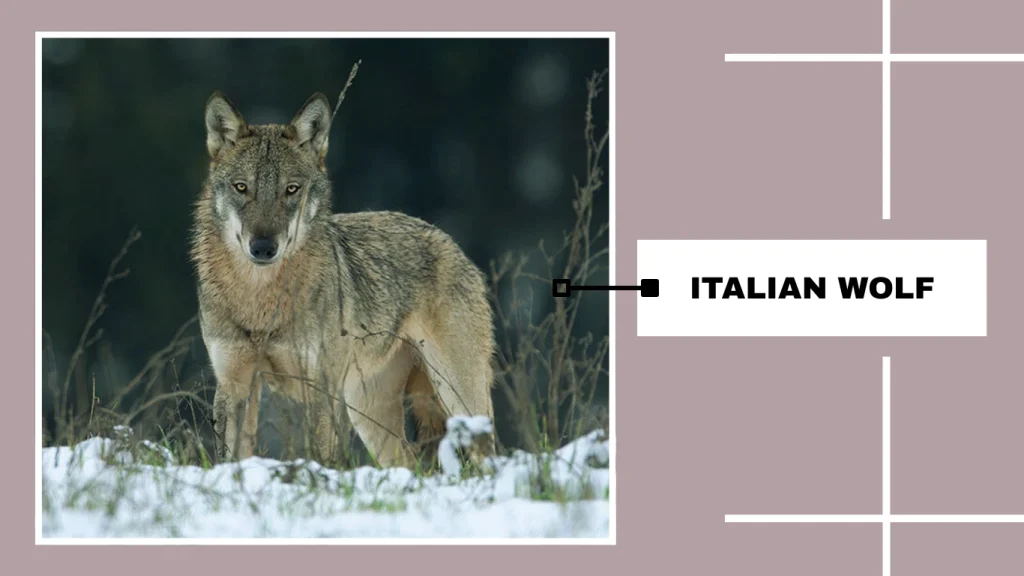
The Italian Wolf, also known as the Apennine Wolf, is a native subspecies of the Gray Wolf found in the Italian Peninsula.
Identification
- Size: 4.5–6 feet long
- Weight: 55–90 pounds
- Color: Grayish-brown with reddish tinges and pale underparts
- Build: Lean body with relatively long legs and a narrow snout
Habitat and Range
Found throughout the Apennine Mountains and parts of the Alps in Italy. Also expanding into France and Switzerland. Prefers wooded mountains, hills, and rural areas.
Diet and Hunting Behavior
Feeds on wild boar, deer, hares, and livestock. Also scavenges when necessary. Known to hunt in pairs or small packs.
Social Structure and Behavior
Forms small family packs. Protected by law in Italy since the 1970s, leading to population recovery. Still threatened by illegal killing and road accidents.
11. Steppe Wolf (Canis lupus campestris)

The Steppe Wolf is a Gray Wolf subspecies adapted to the vast open plains of Central Asia.
Identification
- Size: 4.5–6 feet long
- Weight: 70–100 pounds
- Color: Pale gray or sandy coat suited for arid grassland camouflage
- Build: Long-legged and lean with a narrow face
Habitat and Range
Inhabits the open steppes of Kazakhstan, southern Russia, Ukraine, and parts of Central Asia.
Diet and Hunting Behavior
Feeds on rodents, hares, wild ungulates, and livestock. Occasionally scavenges. Hunting behavior is often solitary or in pairs.
Social Structure and Behavior
Tends to form smaller packs than forest wolves. Faces human conflict due to livestock predation. Some populations are heavily persecuted, though others remain stable in remote areas.
12. Mongolian Wolf (Canis lupus chanco)
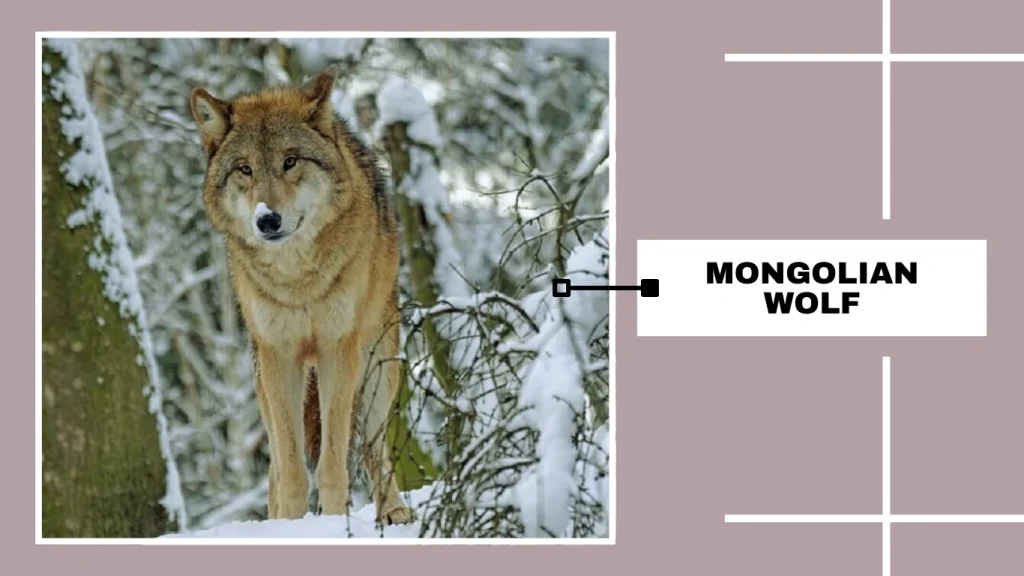
The Mongolian Wolf, also known as the Tibetan or Mongolian Plateau Wolf, is a hardy subspecies adapted to high-altitude and arid environments.
Identification
- Size: 4.5–6 feet long
- Weight: 60–100 pounds
- Color: Pale gray to buff-colored with thick fur suited for cold, dry climates
- Build: Slender yet muscular with long limbs and narrow snout
Habitat and Range
Found in Mongolia, northern China, and parts of the Tibetan Plateau. Inhabits open steppe, grasslands, and mountainous regions.
Diet and Hunting Behavior
Feeds on marmots, hares, gazelles, wild sheep, and livestock. Often scavenges and adapts to scarce prey availability in harsh climates.
Social Structure and Behavior
Forms small packs. Highly adaptable and elusive. Interacts with nomadic pastoral communities, often leading to conflict. Considered resilient despite environmental and human pressures.
13. Tibetan Wolf (Canis lupus filchneri)

The Tibetan Wolf is a subspecies of Gray Wolf that lives in one of the world’s most extreme environments: the high-altitude Tibetan Plateau.
Identification
- Size: 4.5–6 feet long
- Weight: 60–100 pounds
- Color: Thick gray or brownish-gray fur with lighter underparts
- Build: Strong and compact with adaptations for high-altitude cold
Habitat and Range
Inhabits the Tibetan Plateau and surrounding highlands, including parts of Nepal, India (Ladakh and Himachal), Bhutan, and western China.
Diet and Hunting Behavior
Feeds on blue sheep, marmots, pikas, hares, and occasionally livestock. Highly opportunistic and capable of surviving in prey-scarce regions.
Social Structure and Behavior
Usually forms small packs or pairs. Exhibits elusive behavior and is adapted to high elevations (up to 5,000 meters). Faces threats from habitat encroachment and retaliation killings from herders. Some conservation interest exists due to its ecological role and genetic distinctiveness.
14. Caspian Sea Wolf (Canis lupus cubanensis)

Also known as the Caucasian or Transcaucasian Wolf, the Caspian Sea Wolf is a lesser-known subspecies adapted to regions around the Caspian Sea.
Identification
- Size: 4.5–6 feet long
- Weight: 60–90 pounds
- Color: Pale gray with tan or yellowish hues; shorter, coarse fur
- Build: Medium-sized with a slender build and narrow head
Habitat and Range
Found in the Caucasus region, including Azerbaijan, Georgia, southern Russia, and parts of Iran near the Caspian Sea. Inhabits semi-deserts, steppes, and lowland forests.
Diet and Hunting Behavior
Feeds on rodents, hares, birds, wild ungulates, and livestock. Often scavenges and may raid garbage or human settlements.
Social Structure and Behavior
Forms small packs or roams in pairs. Faces frequent conflict with humans and is often hunted or trapped. Adapts well to marginal habitats and human-altered landscapes.
15. British Columbian Wolf (Canis lupus columbianus)
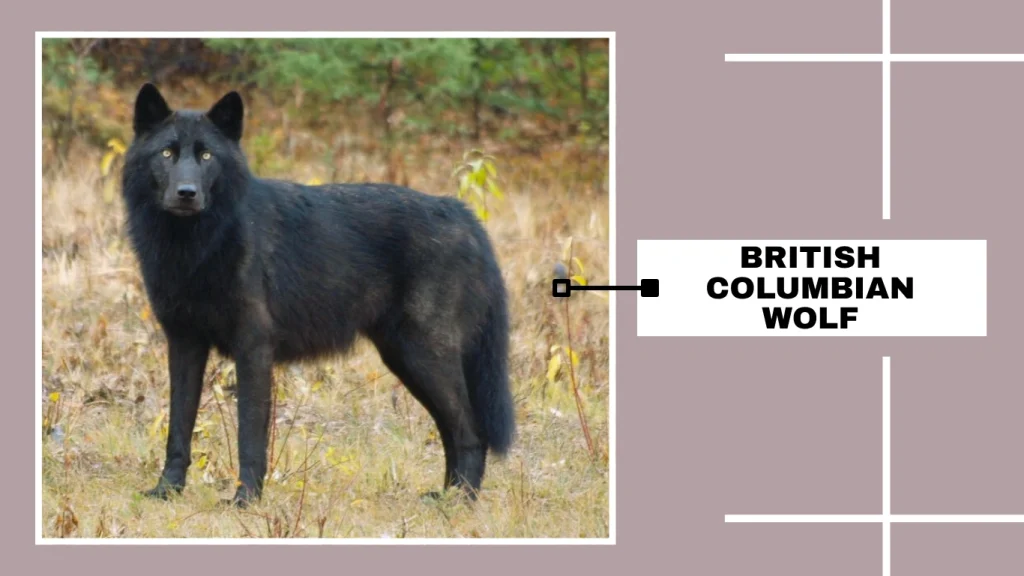
The British Columbian Wolf is a large, forest-dwelling subspecies native to the Pacific Northwest, especially coastal British Columbia.
Identification
- Size: 5.5–7 feet long
- Weight: 80–120 pounds
- Color: Dark gray to nearly black, often with a glossy coat
- Build: Strong, with a heavy frame and thick fur
Habitat and Range
Inhabits temperate rainforests, mountains, and coastal areas of British Columbia and parts of southeastern Alaska.
Diet and Hunting Behavior
Feeds on deer, elk, beavers, salmon (especially during runs), and marine carrion. Known for incorporating fish into its diet—unusual for most wolves.
Social Structure and Behavior
Forms close-knit packs. Highly territorial and intelligent. Conservation status is stable in remote regions but threatened by logging, habitat loss, and human encroachment in some zones.
16. Greenland Wolf (Canis lupus orion)

The Greenland Wolf is a rare and isolated subspecies of the Arctic Wolf found in northeastern Greenland.
Identification
- Size: 4.5–6 feet long
- Weight: 60–100 pounds
- Color: Predominantly white with some pale gray patches
- Build: Stocky with thick fur, adapted to extreme cold
Habitat and Range
Inhabits the remote tundra and glacial valleys of northeast Greenland. One of the least disturbed wolf populations due to its isolation.
Diet and Hunting Behavior
Feeds on muskoxen, Arctic hares, birds, and carrion. Food sources are limited and widely spaced, requiring long-distance travel.
Social Structure and Behavior
Forms small, highly mobile packs. Encounters with humans are rare. Population is small but stable due to its remote, protected habitat within the Northeast Greenland National Park.
17. Yukon Wolf (Canis lupus pambasileus)
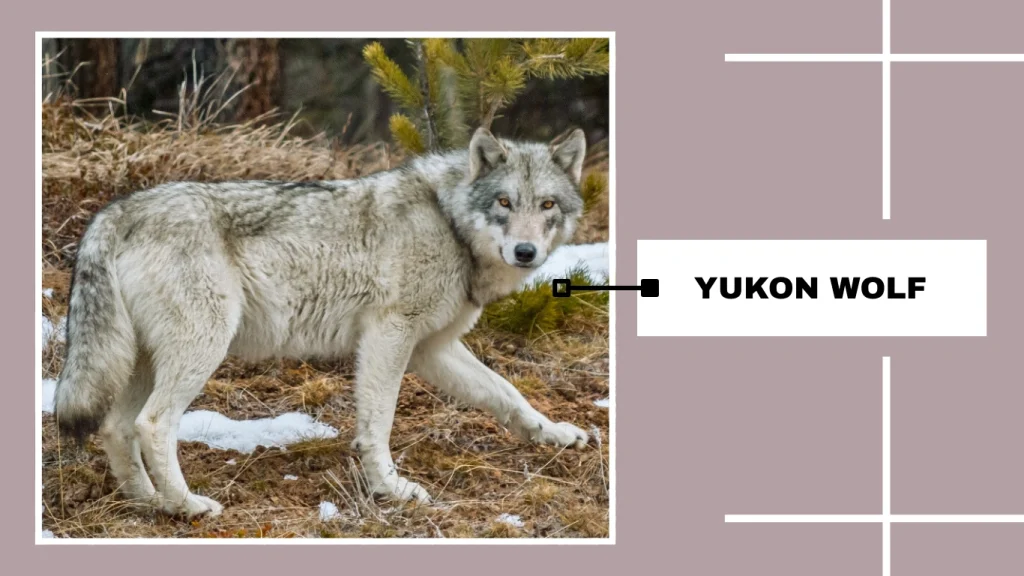
Also known as the Interior Alaskan Wolf, the Yukon Wolf is one of the largest and most robust subspecies of Gray Wolf in North America.
Identification
- Size: 5.5–7 feet long
- Weight: 100–130 pounds
- Color: Varies—black, gray, or a mix of both
- Build: Broad head, thick fur, and muscular limbs
Habitat and Range
Found in Alaska, the Yukon Territory, and parts of northern British Columbia. Inhabits boreal forests, tundra, and river valleys.
Diet and Hunting Behavior
Preys on caribou, moose, Dall sheep, beavers, and hares. Hunts in large, coordinated packs and covers wide ranges in search of prey.
Social Structure and Behavior
Lives in cohesive packs with complex social hierarchies. Highly mobile and essential to northern ecosystem dynamics. Monitored through conservation efforts to balance population with prey abundance.
18. Kenai Peninsula Wolf (Canis lupus alces)

The Kenai Peninsula Wolf is a large subspecies native to the Kenai Peninsula in southern Alaska, known for its robust size and strength.
Identification
- Size: 5.5–7 feet long
- Weight: 100–130 pounds
- Color: Generally dark gray or black, with thick, weather-resistant fur
- Build: Powerful build with broad head and strong limbs
Habitat and Range
Restricted to the Kenai Peninsula. Occupies boreal forests, alpine tundra, and coastal regions with rugged terrain.
Diet and Hunting Behavior
Feeds primarily on moose, beavers, hares, and carrion. Specializes in large prey, thanks to its size and strength.
Social Structure and Behavior
Lives in medium-sized packs. Relatively isolated population, vulnerable to habitat disturbance and human development. Often studied in regional wildlife monitoring programs.
19. Manitoba Wolf (Canis lupus hudsonicus)

The Manitoba Wolf is a mid-sized subspecies found in central Canada, especially around the boreal forests and lake regions.
Identification
- Size: 4.5–6 feet long
- Weight: 80–110 pounds
- Color: Typically gray, but may range from white to black
- Build: Balanced physique with thick fur for harsh winters
Habitat and Range
Found primarily in Manitoba, extending into parts of Saskatchewan and northern Ontario. Prefers forested and wetland environments.
Diet and Hunting Behavior
Feeds on deer, moose, beavers, and small mammals. May hunt alone or in small coordinated groups.
Social Structure and Behavior
Forms structured family packs. Has adapted well to seasonal shifts and wide-ranging prey availability. Human-wolf conflict remains low in remote areas but increases near farmland.
20. Hudson Bay Wolf (Canis lupus hudsonicus)

The Hudson Bay Wolf is a light-colored subspecies native to the subarctic regions surrounding Hudson Bay in Canada.
Identification
- Size: 5–6.5 feet long
- Weight: 80–110 pounds
- Color: Pale gray to almost white, blending with snowy environments
- Build: Stocky, with thick insulating fur and wide paws for snow travel
Habitat and Range
Found in northern Manitoba, Ontario, and along the western coast of Hudson Bay. Prefers tundra, boreal forests, and coastal ice zones.
Diet and Hunting Behavior
Feeds on caribou, moose, hares, birds, and scavenges from seal kills left by polar bears. May travel long distances in winter.
Social Structure and Behavior
Forms small to medium packs. Adapted to extreme cold and seasonal food scarcity. Its population is relatively stable but sensitive to climate shifts affecting prey migration.
21. Alexander Archipelago Wolf (Canis lupus ligoni)
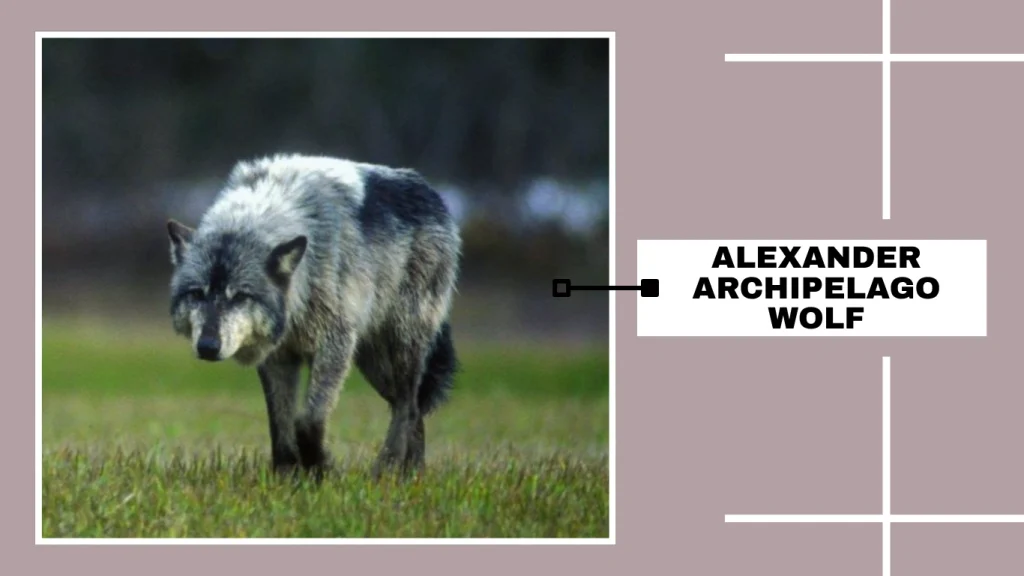
The Alexander Archipelago Wolf is a rare subspecies found only in the coastal rainforests of southeastern Alaska’s islands.
Identification
- Size: 4.5–6 feet long
- Weight: 65–90 pounds
- Color: Usually dark brown to black with a reddish tint
- Build: Medium-sized with a slender, agile frame suited to dense forests
Habitat and Range
Found in the Alexander Archipelago, especially Prince of Wales Island, and parts of the Tongass National Forest. Inhabits temperate coastal rainforests and rugged terrain.
Diet and Hunting Behavior
Feeds heavily on Sitka black-tailed deer, supplemented with salmon, beavers, and small mammals. Often follows salmon streams during runs.
Social Structure and Behavior
Forms small family groups. Faces significant conservation concern due to habitat fragmentation from logging and road development. Conservation efforts continue to monitor and protect the population.
22. Labrador Wolf (Canis lupus labradorius)

The Labrador Wolf is a subspecies native to northeastern Canada, particularly the Labrador Peninsula, where it has adapted to a harsh northern climate.
Identification
- Size: 5–6.5 feet long
- Weight: 85–110 pounds
- Color: Usually pale gray, though some individuals appear darker
- Build: Sturdy body with thick winter fur and broad paws for snow travel
Habitat and Range
Inhabits the boreal forests and tundra of Labrador and northern Quebec. Ranges widely in search of caribou herds and other prey.
Diet and Hunting Behavior
Feeds primarily on migratory caribou, supplemented by hares, birds, and carrion. Travels long distances to follow prey movements.
Social Structure and Behavior
Forms mobile packs that disperse and regroup seasonally. Rarely seen by humans due to the region’s remoteness. Populations fluctuate with caribou migrations and winter severity.
23. Baffin Island Wolf (Canis lupus manningi)

The Baffin Island Wolf is the smallest and one of the most isolated Gray Wolf subspecies, found in Arctic Canada.
Identification
- Size: 4–5.5 feet long
- Weight: 60–85 pounds
- Color: Typically white or very pale gray for Arctic camouflage
- Build: Compact frame with thick, insulating coat and short ears
Habitat and Range
Restricted to Baffin Island and nearby Arctic islands in Nunavut. Lives in frozen tundra and mountainous terrain.
Diet and Hunting Behavior
Feeds on Arctic hares, lemmings, caribou, and seabirds. Food sources are limited and often seasonal.
Social Structure and Behavior
Lives in small, often solitary family units. Very elusive and seldom encounters humans. Harsh climate and low prey density limit population growth. Remarkably resilient to Arctic extremes.
24. Mackenzie River Wolf (Canis lupus mackenzii)

The Mackenzie River Wolf is a robust subspecies native to the Mackenzie River Valley and surrounding boreal regions in Canada.
Identification
- Size: 5.5–7 feet long
- Weight: 90–130 pounds
- Color: Varies from light gray to nearly black
- Build: Large, powerful body with long legs and thick fur
Habitat and Range
Found primarily in the Northwest Territories along the Mackenzie River Basin. Prefers boreal forests, tundra edges, and river valleys.
Diet and Hunting Behavior
Feeds on moose, caribou, and other large mammals. Hunts in large, coordinated packs across vast territories.
Social Structure and Behavior
Highly social with strong pack cohesion. Plays a critical role in regulating ungulate populations in northern ecosystems. Generally avoids human contact due to remoteness of range.
25. Alaskan Interior Wolf (Canis lupus tundrarum)
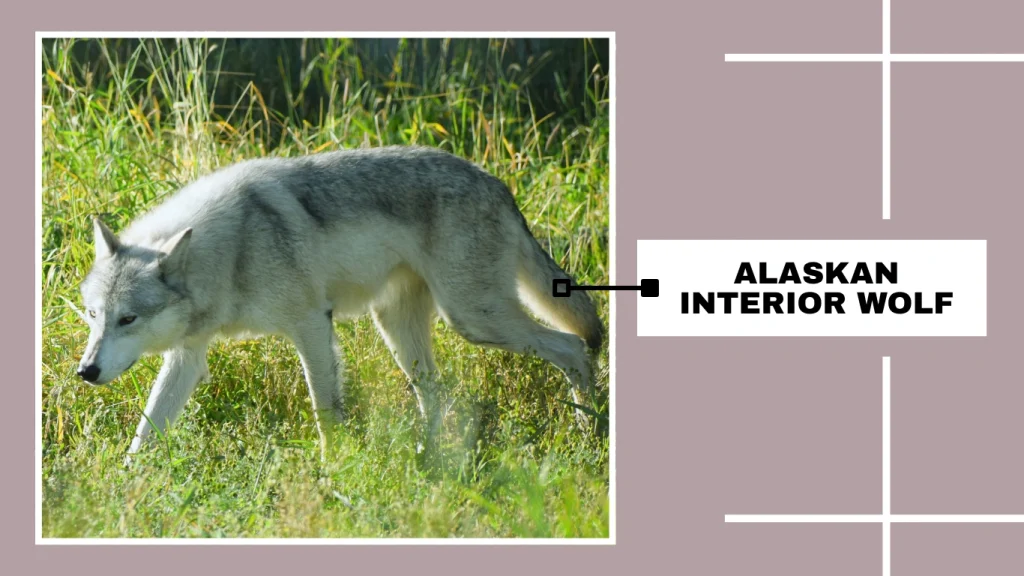
Also known as the Tundra Wolf, the Alaskan Interior Wolf is adapted to the cold, open landscapes of northern Alaska.
Identification
- Size: 5.5–7 feet long
- Weight: 90–120 pounds
- Color: Pale gray to nearly white, aiding camouflage in snowy terrain
- Build: Strong, long-legged with a dense winter coat
Habitat and Range
Inhabits tundra, open woodland, and foothills of northern and central Alaska. May overlap with ranges of other subspecies like the Yukon Wolf.
Diet and Hunting Behavior
Feeds on caribou, moose, snowshoe hares, and birds. Hunts cooperatively and ranges widely with seasonal prey movements.
Social Structure and Behavior
Forms cohesive family-based packs. Survives in harsh climates with extreme cold and prey scarcity. Population is stable in remote regions but vulnerable to environmental change.