




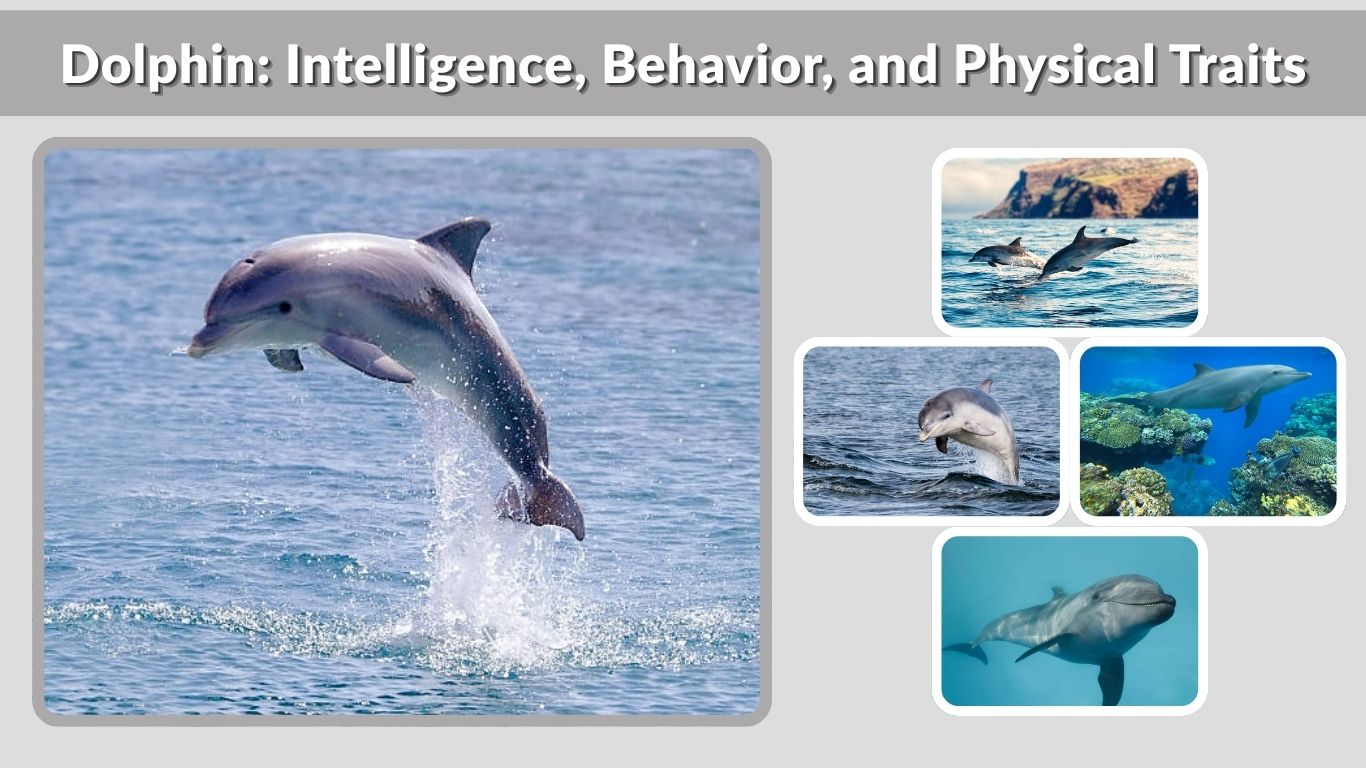
Dolphins are among the most fascinating animals in the ocean, admired for their intelligence, playful behavior, and strong social bonds. These marine mammals have captured human attention for centuries, appearing in myths, research studies, and modern conservation efforts. Found in oceans and rivers around the world, dolphins play a vital role in maintaining healthy aquatic ecosystems. Understanding their biology, behavior, and habitat helps us appreciate why protecting dolphins is so important for the future of marine life.
What Is a Dolphin?
A dolphin is a highly intelligent marine mammal belonging to the order Cetacea, which also includes whales and porpoises. Unlike fish, dolphins are warm-blooded, breathe air through lungs, and give birth to live young. They are known for their streamlined bodies, curved dorsal fins, and friendly appearance.
Dolphins are social animals that often live in groups called pods. They rely on cooperation, communication, and advanced problem-solving skills to survive in the wild. Their intelligence and adaptability have allowed them to thrive in a wide range of aquatic environments.
Scientific Classification of Dolphins
Dolphins are classified under the family Delphinidae, which is the largest family within the cetaceans. Scientifically, dolphins fall under:
- Kingdom: Animalia
- Class: Mammalia
- Order: Cetacea
- Family: Delphinidae
This classification places dolphins among the most evolutionarily advanced marine mammals.
Types of Dolphins
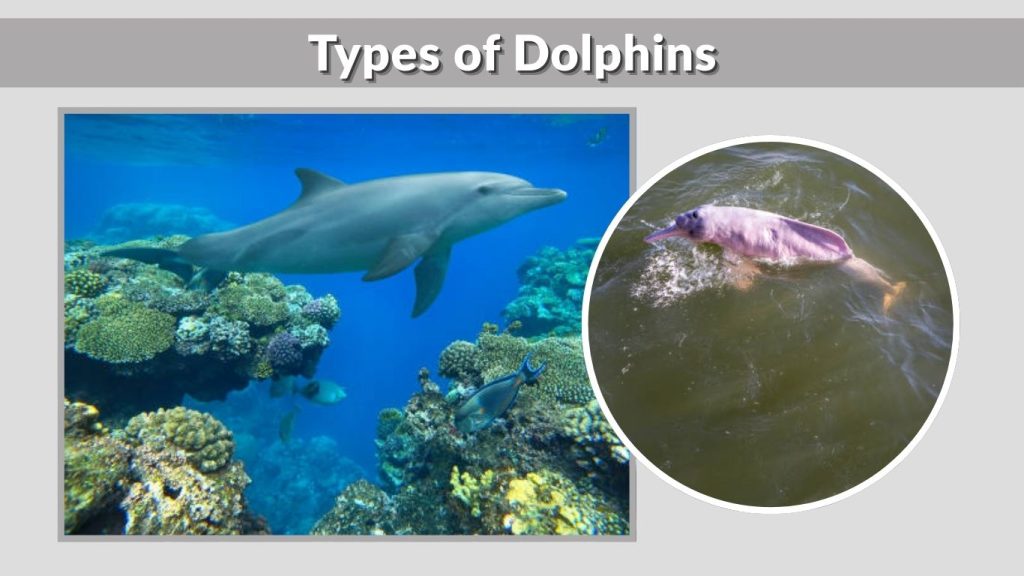
There are over 40 recognized dolphin species, ranging from small coastal dolphins to large oceanic species. These dolphins vary in size, color, behavior, and habitat, but they share common traits such as intelligence and social behavior.
Most Common Dolphin Species
The bottlenose dolphin is the most well-known species and is commonly seen in marine parks and coastal waters. It is recognized for its curved mouth, which gives the appearance of a permanent smile. Other common species include the common dolphin, known for its striking hourglass pattern, and the spinner dolphin, famous for its acrobatic spins above the water.
River Dolphins
River dolphins live in freshwater environments and are less known than their ocean-dwelling relatives. Species such as the Amazon river dolphin and the Ganges river dolphin have adapted to murky waters with reduced eyesight and enhanced echolocation abilities. These dolphins are often more vulnerable due to habitat loss and pollution.
Dolphin Physical Characteristics
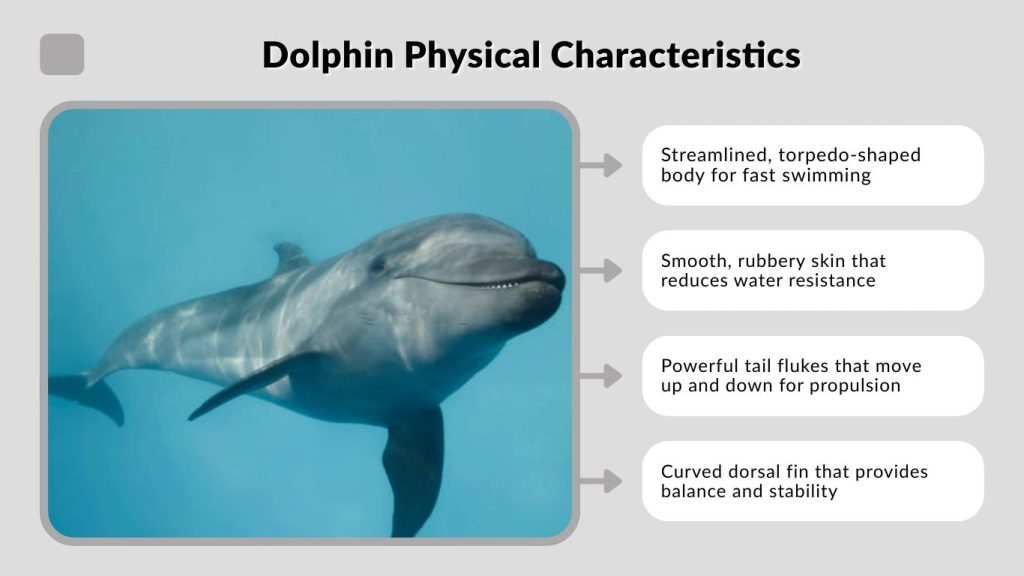
Dolphins have streamlined bodies designed for speed, agility, and efficiency in the water. Their physical features allow them to swim long distances, hunt effectively, and adapt to a wide range of marine environments. Every part of a dolphin’s body plays a role in helping it survive as an active ocean predator.
Key Physical Characteristics of Dolphins:
- Streamlined, torpedo-shaped body for fast swimming
- Smooth, rubbery skin that reduces water resistance
- Powerful tail flukes that move up and down for propulsion
- Curved dorsal fin that provides balance and stability
- Paddle-shaped flippers used for steering and turning
- Blowhole on top of the head for breathing air
- Conical teeth designed for gripping prey, not chewing
- Excellent eyesight both above and below water
- Thick layer of blubber for insulation and energy storage
Dolphin Habitat and Distribution
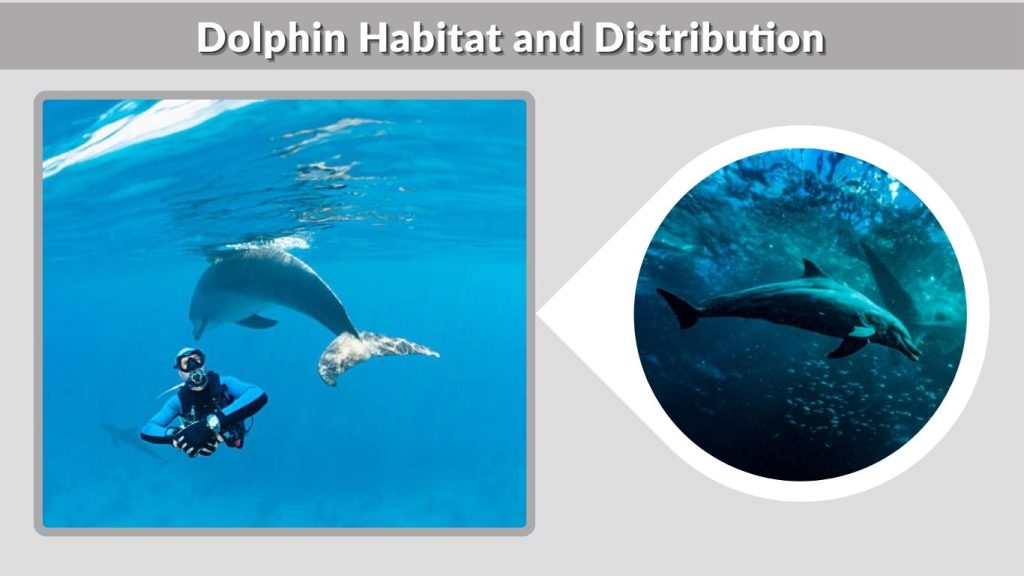
Dolphins are found in oceans and rivers across the globe, from tropical waters to colder seas. Most species prefer shallow coastal areas where food is abundant, while others thrive in deep open oceans.
Ocean Habitats
Ocean dolphins inhabit coastal regions, coral reefs, and offshore waters. Coastal dolphins are often seen near beaches and bays, while pelagic species roam vast stretches of open ocean following fish populations.
Freshwater Habitats
Freshwater dolphins are found in large rivers and river systems, particularly in South America and Asia. Unlike ocean dolphins, these species live in murky waters with strong currents and limited visibility. To survive in such environments, river dolphins rely heavily on echolocation rather than eyesight. Unfortunately, freshwater habitats are among the most threatened ecosystems, making river dolphins especially vulnerable to extinction.
Dolphin Behavior and Social Structure
Dolphins are highly social animals known for forming strong bonds within their groups, called pods. Pod sizes can range from just a few individuals to several dozen, depending on the species and environment. Living in groups helps dolphins protect one another, locate food more efficiently, and care for young members.
Dolphin Social Behavior
Communication plays a crucial role in dolphin social life. Dolphins cooperate while hunting, often working together to herd fish into tight groups. They also show empathy and have been observed helping injured pod members or supporting sick individuals near the surface so they can breathe.
Playful and Intelligent Behavior
Play is an important part of dolphin behavior and learning. Dolphins often leap out of the water, surf ocean waves, and play with seaweed or other objects. These playful actions are believed to strengthen social bonds and improve problem-solving skills. Dolphins are also known to interact positively with humans, demonstrating curiosity and awareness.
Dolphin Intelligence and Communication
Dolphins are widely regarded as one of the most intelligent animals on Earth. Their large, complex brains allow them to recognize themselves in mirrors, learn new behaviors quickly, and remember individuals for many years.
Echolocation
Echolocation is one of the dolphin’s most remarkable abilities. Dolphins emit clicking sounds that bounce off objects and return as echoes. By interpreting these echoes, dolphins can determine the size, shape, distance, and movement of objects around them. This skill is essential for navigation and hunting, especially in dark or murky waters.
Dolphin Communication Methods
Dolphins communicate using a combination of clicks, whistles, and body movements. Each dolphin has a unique “signature whistle” that functions much like a name, allowing individuals to identify and call one another. This advanced communication system strengthens social bonds within pods.
Dolphin Diet and Feeding Habits
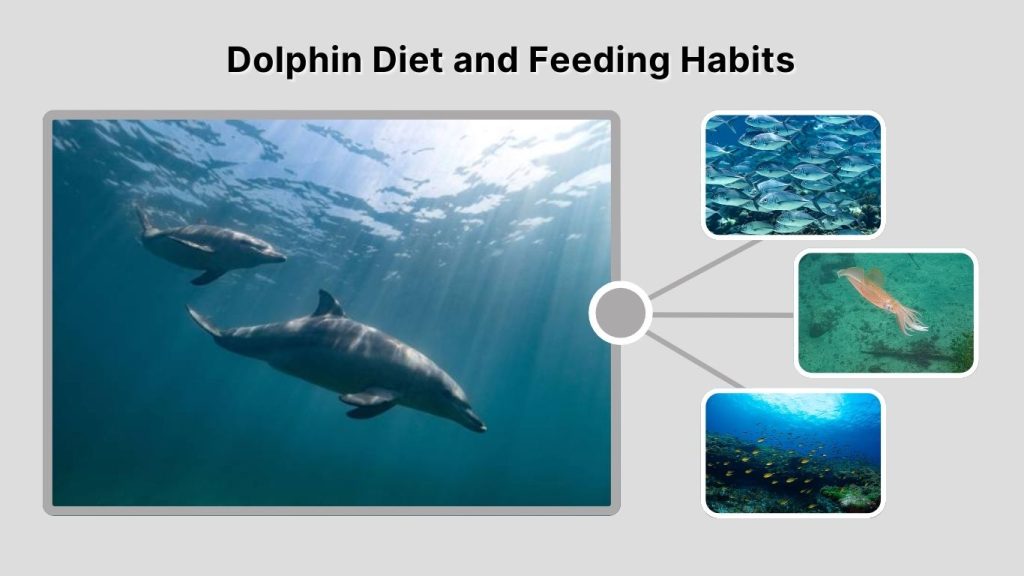
Dolphins are carnivorous and primarily feed on fish, squid, and other small marine animals. Their diet varies depending on species and habitat. Dolphins do not chew their food; instead, they swallow prey whole or break it into smaller pieces.
Hunting Strategies
Some dolphins hunt alone, while others rely on group strategies. Cooperative hunting allows dolphins to surround schools of fish, making it easier to capture prey. This teamwork highlights their intelligence and ability to coordinate complex actions.
Dolphin vs Porpoise
Dolphins and porpoises are often confused, but they are distinct animals. While both belong to the cetacean family, dolphins generally have longer snouts, curved dorsal fins, and more expressive behavior. Porpoises tend to be smaller, shy, and have rounded faces.
Key Differences Between Dolphins and Porpoises
Dolphins are more social and active, while porpoises usually travel in smaller groups. Physical differences and behavioral traits make it possible to distinguish between the two with careful observation.
Threats to Dolphins
Dolphins face many threats in the wild, both natural and human-caused. Predators such as sharks pose a risk, but human activities present the greatest danger.
Human Impact on Dolphins
Fishing nets cause accidental entanglement, known as bycatch, which kills thousands of dolphins each year. Pollution, plastic waste, noise from ships, and climate change also threaten dolphin populations by disrupting their habitats and food sources.
Dolphin Conservation Efforts
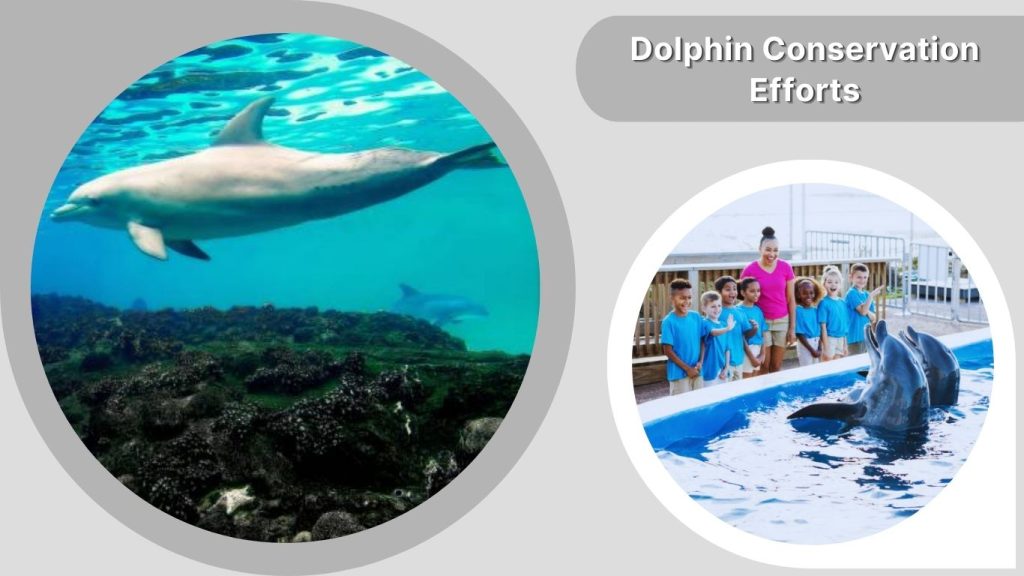
Protecting dolphins is essential for maintaining balanced marine ecosystems. Conservation efforts focus on reducing bycatch, protecting habitats, and raising public awareness.
Global Conservation Programs
Marine protected areas and international laws help safeguard dolphin populations. Organizations around the world work to monitor dolphin numbers and promote sustainable fishing practices.
How Individuals Can Help
Individuals can support dolphin conservation by reducing plastic use, choosing sustainable seafood, and supporting organizations dedicated to marine protection.
Conclusion
Dolphins are intelligent, social, and vital members of aquatic ecosystems. Their remarkable abilities and complex behaviors make them truly unique among marine mammals. By understanding dolphins and the challenges they face, humans can take meaningful steps to protect these extraordinary animals and ensure their survival for generations to come.
FAQs
What type of animal is a dolphin?
A dolphin is a marine mammal, not a fish. Dolphins are warm-blooded, breathe air through lungs, and give birth to live young. They belong to the order Cetacea, which also includes whales and porpoises, and are known for their intelligence and social behavior.
Where do dolphins live?
Dolphins live in oceans and rivers around the world. Most species prefer coastal and open-ocean environments, while some, known as river dolphins, inhabit freshwater rivers and estuaries. They can be found in both warm tropical waters and colder seas.
What do dolphins eat?
Dolphins are carnivorous and mainly eat fish, squid, and crustaceans. Their diet depends on the species and habitat. Dolphins usually swallow prey whole and use cooperative hunting techniques to catch food efficiently in the wild.
How intelligent are dolphins?
Dolphins are considered one of the most intelligent animals on Earth. They can solve problems, recognize themselves in mirrors, learn complex tasks, and communicate using sounds and body language. Their intelligence plays a major role in their social and hunting behaviors.
How do dolphins communicate?
Dolphins communicate using clicks, whistles, and body movements. Each dolphin has a unique signature whistle that works like a name. They also use echolocation to navigate, locate prey, and understand their surroundings underwater.