



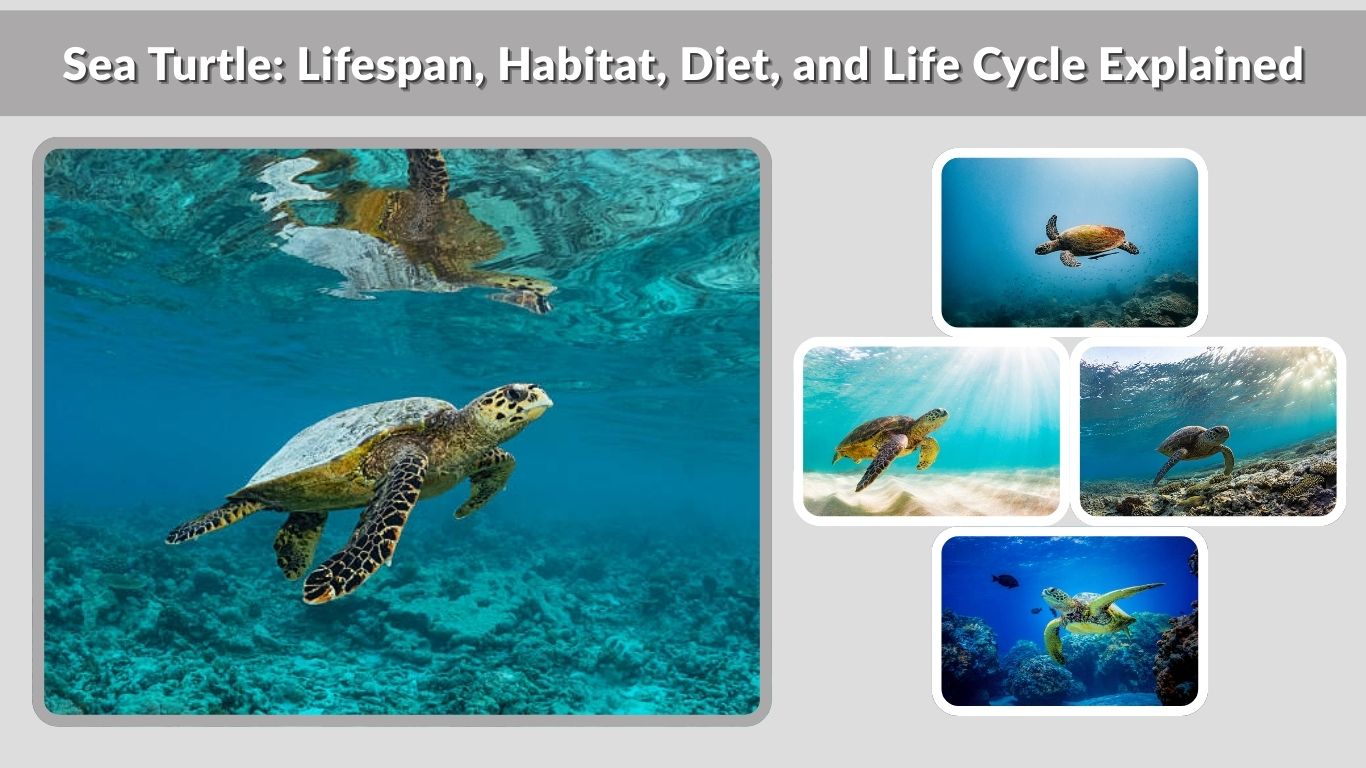
Sea turtles are among the oldest living reptiles on Earth, having existed for over 100 million years. These graceful marine animals spend most of their lives in the ocean, traveling vast distances between feeding grounds and nesting beaches. Known for their long lifespans and slow growth, sea turtles play a vital role in maintaining healthy marine ecosystems. This article explores essential sea turtle facts, including how long they live, where they live, how they grow, and what they eat.
What Is a Sea Turtle?
A sea turtle is a large marine reptile adapted for life in the ocean. Unlike land turtles, sea turtles have streamlined shells and powerful flippers that allow them to swim efficiently over long distances. They cannot retract their heads or limbs into their shells, which helps reduce drag while swimming.
There are seven recognized species of sea turtles worldwide, including the green sea turtle, loggerhead, leatherback, hawksbill, olive ridley, Kemp’s ridley, and flatback. Each species has unique traits, but all share similar life cycles and ecological importance.
Sea Turtle Facts
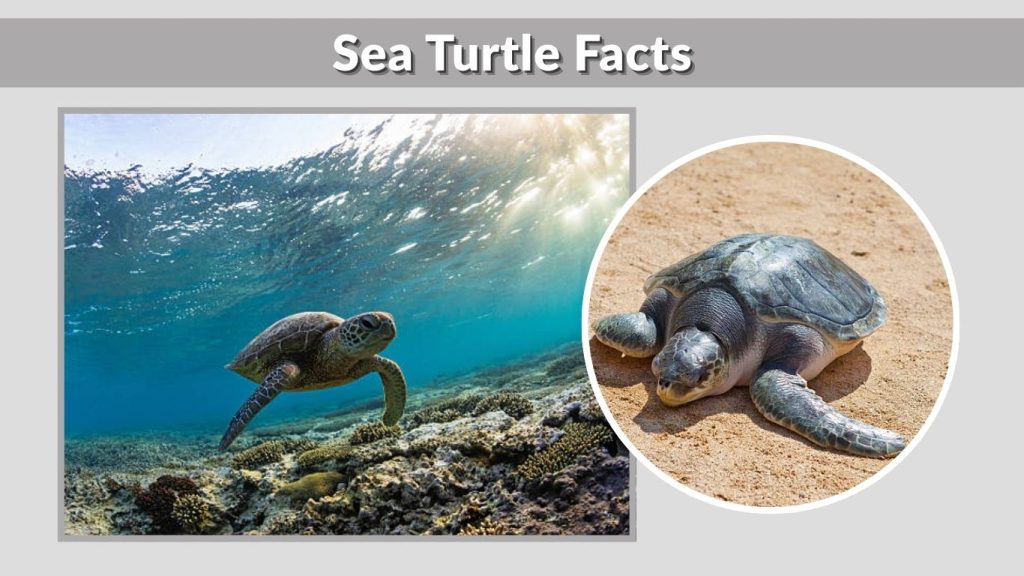
Sea turtles vary greatly in size depending on the species. The leatherback sea turtle is the largest, reaching up to 2,000 pounds, while the Kemp’s ridley is the smallest. Their shells are made of bone and cartilage, providing protection while remaining lightweight enough for swimming.
One fascinating fact about sea turtles is their ability to migrate thousands of miles across oceans. Some species travel from feeding areas to nesting beaches with remarkable accuracy, often returning to the same beach where they were born. Sea turtles also help maintain healthy seagrass beds and coral reefs by controlling prey populations and promoting nutrient cycling.
Sea Turtle Lifespan
How Long Can a Sea Turtle Live?
Sea turtles are known for their long lifespans, often living several decades in the wild. Most species are believed to live between 50 and 80 years, though exact ages are difficult to determine due to the lack of reliable aging methods.
Sea Turtle Age Span by Species
Different sea turtle species have varying lifespans. Green sea turtles commonly live 60 to 70 years, while loggerhead sea turtles may live slightly longer. Leatherback sea turtles are also long-lived, though their exact lifespan remains uncertain due to limited long-term studies.
Factors That Affect Sea Turtle Lifespan
A sea turtle’s lifespan is influenced by many factors, including predation, food availability, environmental conditions, and human activity. Pollution, boat strikes, fishing gear, and climate change significantly reduce survival rates, especially during early life stages.
Sea Turtle Habitat
Where Do Sea Turtles Live?
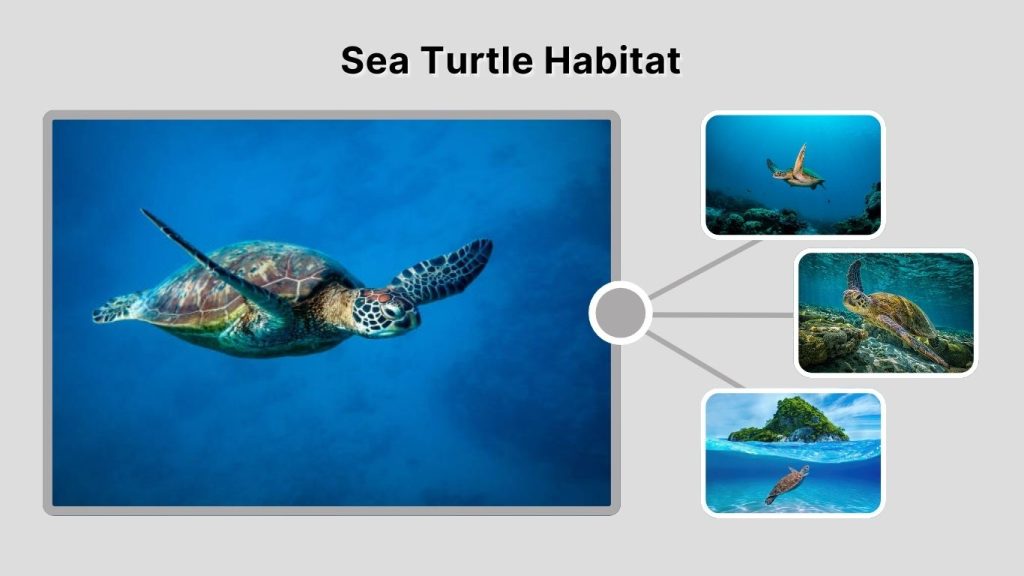
Sea turtles are found in oceans around the world, primarily in tropical and subtropical regions. They inhabit coastal waters, coral reefs, seagrass meadows, and open oceans depending on their life stage and species.
Nesting and Breeding Areas
Female sea turtles come ashore to lay eggs on sandy beaches. These nesting sites are crucial for reproduction and are often located in warm climates. Beach temperature plays a critical role in egg development and even determines the sex of hatchlings.
Migration and Habitat Range
Many sea turtles migrate long distances between feeding and nesting grounds. These migrations can span entire ocean basins, making sea turtles highly dependent on healthy marine habitats across multiple regions.
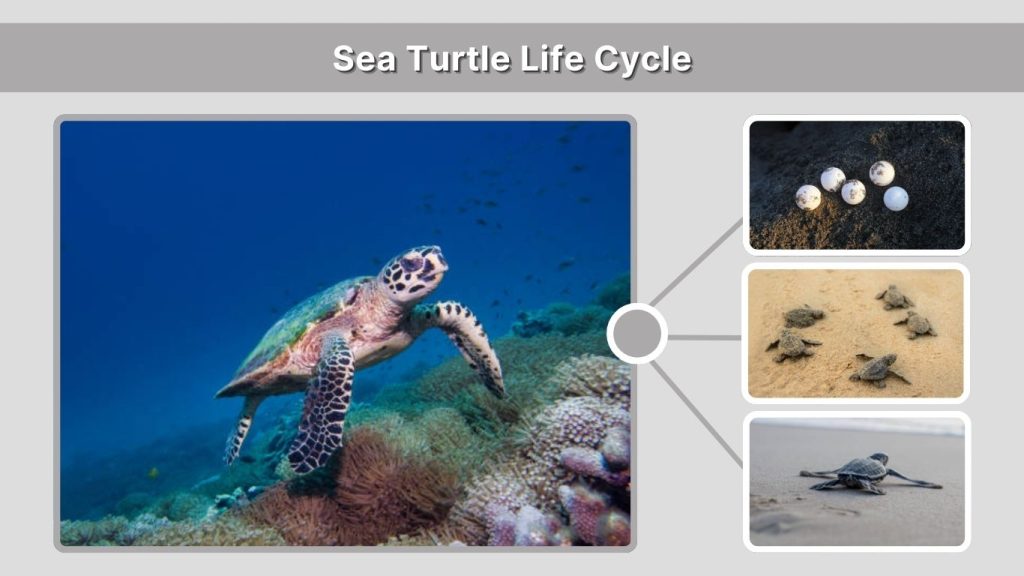
Sea Turtle Life Cycle
Egg Stage
The sea turtle life cycle begins when a female lays around 50 to 200 eggs in a nest dug into the sand. The eggs incubate for about 45 to 70 days before hatching.
Hatchling Stage
Once hatched, baby sea turtles emerge from the nest and rush toward the ocean. This stage is extremely dangerous, as many hatchlings fall prey to birds, crabs, and fish before reaching deeper waters.
Juvenile Stage
Juvenile sea turtles spend several years growing and developing in open-ocean or coastal habitats. During this stage, they gradually increase in size and strength while learning to forage efficiently.
Diet of a Sea Turtle
What Do Sea Turtles Eat?
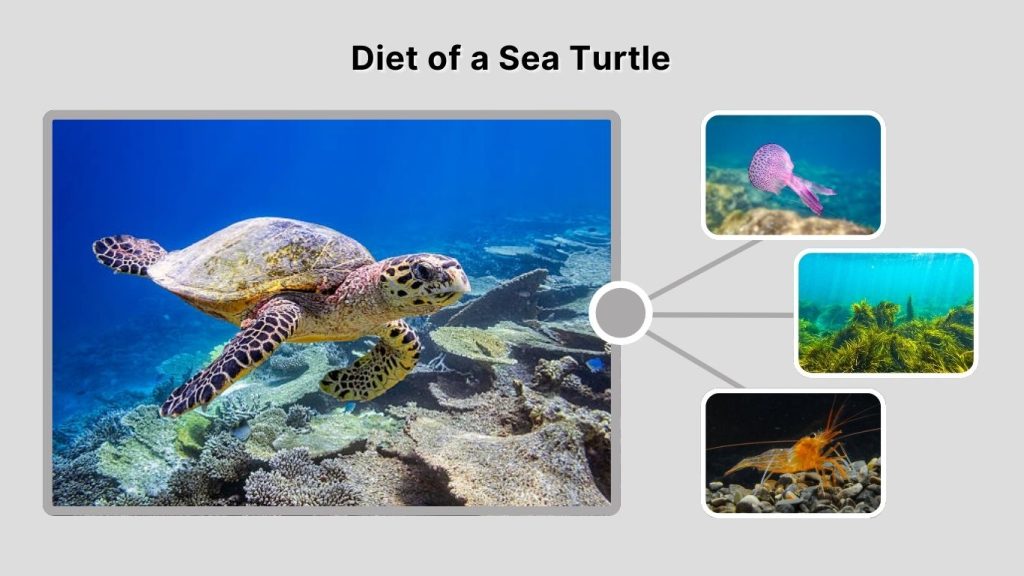
Sea turtle diets vary by species and age. Common foods include jellyfish, seagrass, algae, crabs, shrimp, and mollusks. Their diet plays a major role in maintaining balanced marine ecosystems.
Sea Turtle Diet by Species
Some sea turtles, like green sea turtles, are primarily herbivorous as adults, feeding mostly on seagrass and algae. Others, such as loggerheads, are omnivorous and consume both plants and animals.
How Diet Changes With Age
A sea turtle’s diet changes significantly as it grows. Hatchlings tend to eat small floating organisms found near the ocean surface, such as plankton and tiny invertebrates. As turtles mature into juveniles, their diet expands to include larger prey like crustaceans and soft-bodied animals. Adult sea turtles develop more specialized diets based on their species, habitat, and physical adaptations, such as strong jaws or serrated beaks.
How Diet and Habitat Affect Sea Turtle Lifespan
Diet and habitat quality play a major role in determining how long a sea turtle can live. Access to nutritious food allows turtles to grow properly, maintain strong immune systems, and reproduce successfully. Healthy habitats such as coral reefs and seagrass meadows provide both food and protection from predators.
Unfortunately, habitat degradation and pollution have severely impacted sea turtle survival. Plastic waste is often mistaken for food, especially jellyfish, leading to internal injuries or starvation. Loss of nesting beaches and feeding grounds further reduces life expectancy, making conservation of these habitats essential for long-term survival.
Threats to Sea Turtles
Natural Threats
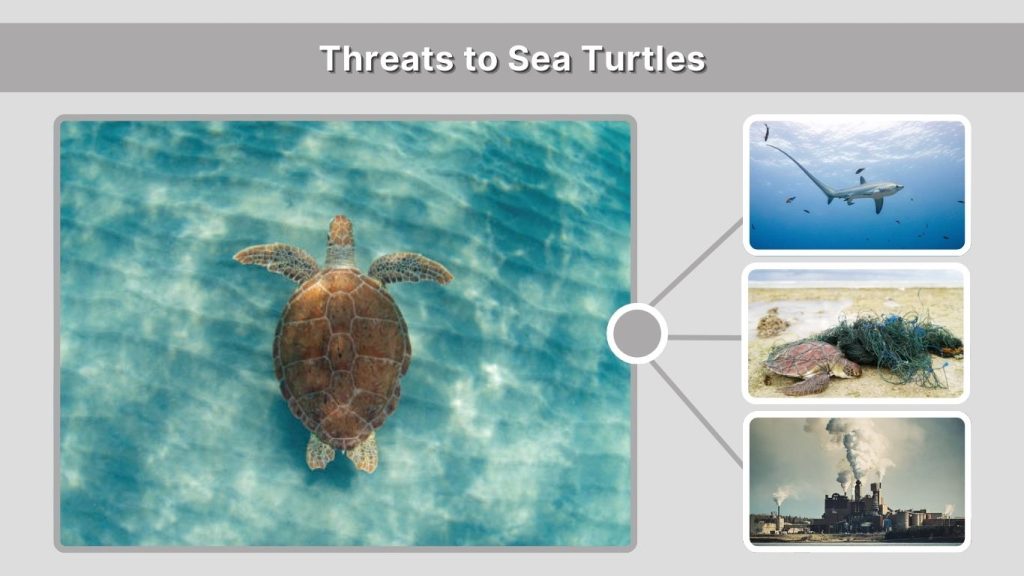
In the wild, sea turtles face natural predators throughout their lives. Eggs and hatchlings are vulnerable to birds, crabs, and mammals, while juveniles may be preyed upon by large fish and sharks. Diseases and parasites can also weaken sea turtles, particularly in polluted environments.
Human-Caused Threats
Human activity poses the greatest threat to sea turtles today. Fishing nets and longlines often trap turtles accidentally, leading to injury or drowning. Boat strikes are common in busy coastal areas. Climate change affects nesting beaches by raising temperatures, which can disrupt hatchling sex ratios and reduce hatching success. Coastal development and artificial lighting also interfere with nesting behavior.
Sea Turtle Conservation Efforts
Sea turtle conservation has become a global priority. Many countries enforce laws protecting sea turtles and their nesting sites. International agreements help regulate fishing practices and reduce accidental capture. Conservation organizations work to protect beaches, rescue injured turtles, and educate communities about sustainable practices.
Individuals can also contribute by reducing plastic use, supporting conservation programs, respecting nesting beaches, and reporting injured sea turtles to local wildlife authorities. Small actions can collectively make a significant impact on sea turtle survival.
FAQs
How Long Can a Sea Turtle Live?
Most sea turtles live between 50 and 80 years in the wild, though some may live longer under ideal conditions. Exact lifespans vary by species and environmental factors.
Where Do Sea Turtles Live Most of the Time?
Sea turtles spend the majority of their lives in the ocean, inhabiting coastal waters, coral reefs, and open seas. They only come ashore to nest.
What Do Sea Turtle Hatchlings Eat?
Hatchlings primarily feed on small marine organisms such as plankton, algae, and tiny invertebrates found near the ocean surface.
Are Sea Turtles Endangered?
Yes, most sea turtle species are classified as endangered or threatened due to habitat loss, pollution, and human activities.
Conclusion
Sea turtles are remarkable creatures with long lifespans, complex life cycles, and vital roles in marine ecosystems. From their fragile beginnings as hatchlings to their migrations across vast oceans, their survival depends heavily on healthy habitats and responsible human behavior. Understanding sea turtle lifespan, diet, habitat, and life cycle highlights the importance of protecting these ancient reptiles so future generations can continue to share the oceans with them.