





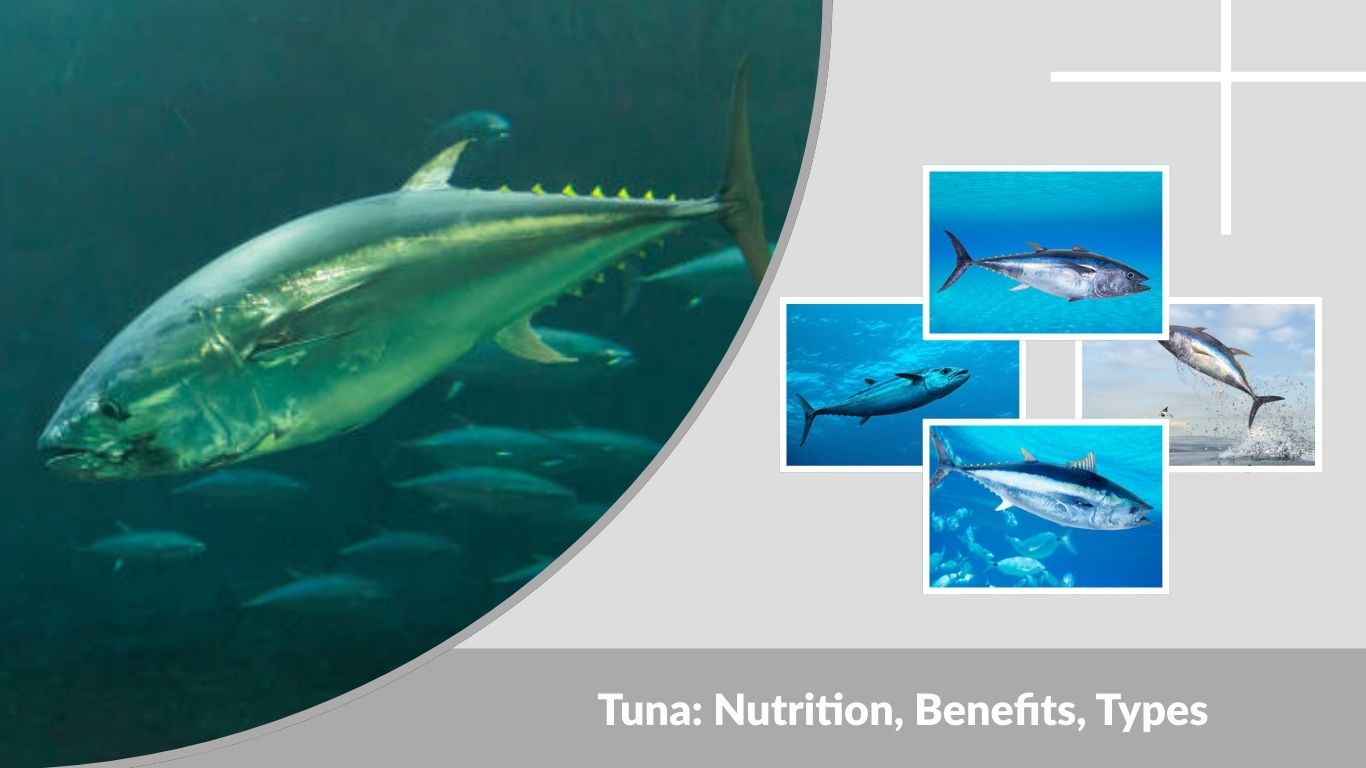
Tuna is one of the most popular and widely consumed fish in the world. From canned tuna sandwiches to premium sushi dishes, this versatile seafood appears in kitchens across nearly every culture. It’s valued for its high protein content, heart-healthy omega-3 fatty acids, and convenience. However, many people also have concerns about mercury levels and whether canned tuna is as healthy as fresh. In this guide, we’ll explore tuna’s types, nutrition facts, health benefits, and what you need to know to eat it safely.
What Is Tuna?
Tuna is a saltwater fish that belongs to the mackerel family (Scombridae). It is known for its streamlined body, speed, and ability to migrate long distances across oceans. Tuna are large predatory fish and can grow to impressive sizes, especially certain species like bluefin tuna.
Tuna plays a major role in the global seafood industry. It is commercially fished in tropical and temperate oceans and sold fresh, frozen, or canned. Because of its mild flavor and firm texture, tuna adapts well to many cooking methods and cuisines.
Where Is Tuna Found?
Tuna are found primarily in the Pacific, Atlantic, and Indian Oceans. They prefer warm waters but can travel across vast distances in search of food. Major tuna fishing regions include Southeast Asia, Japan, the Mediterranean, and parts of the Americas.
The fish’s wide distribution makes it accessible worldwide, contributing to its global popularity.
Why Is Tuna So Popular?
There are several reasons tuna is a staple food:
- It is rich in lean protein.
- It contains beneficial omega-3 fatty acids.
- Canned tuna is affordable and convenient.
- It can be eaten fresh, cooked, or even raw (sushi-grade).
Its versatility allows it to fit into quick weekday meals as well as gourmet dishes.
Types of Tuna
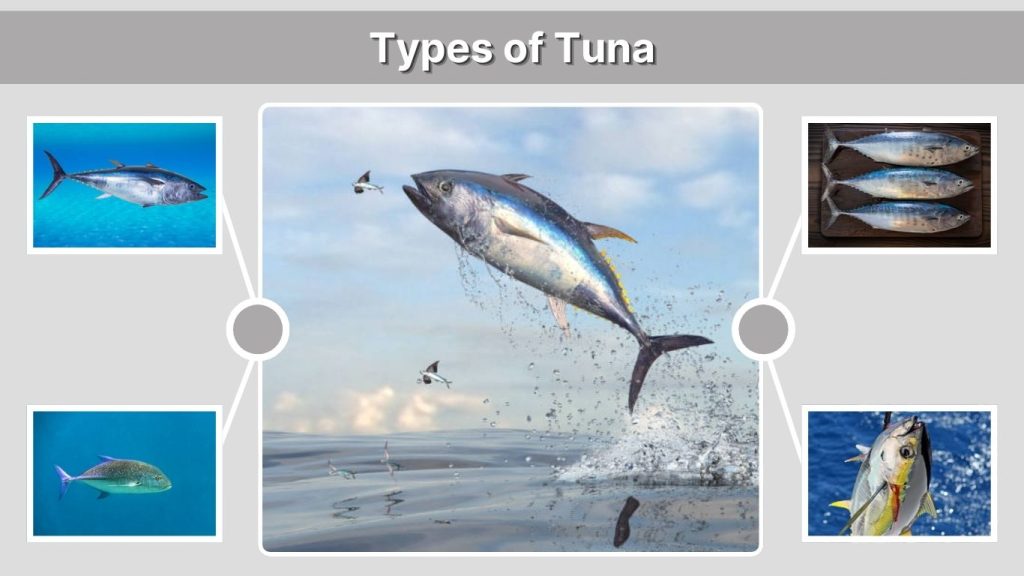
Not all tuna are the same. Different species vary in taste, texture, fat content, and mercury levels. Understanding the differences helps you choose the right type for your needs.
Albacore Tuna
Albacore tuna is often labeled as “white tuna” in canned products. It has a mild flavor and a firm, light-colored flesh. Albacore tends to contain more mercury than smaller species like skipjack, so moderation is important.
It is commonly sold canned and is also used in steaks.
Skipjack Tuna
Skipjack tuna is the most commonly used species in canned tuna products. It has a stronger flavor and darker flesh compared to albacore. One advantage of skipjack is that it generally contains lower levels of mercury.
Because of its smaller size and faster growth rate, it is often considered a more sustainable choice.
Yellowfin Tuna
Yellowfin tuna is frequently used in sushi and sashimi. It has a lean texture and a mild yet slightly richer taste. Yellowfin is also popular for grilling and searing as tuna steaks.
It is widely available fresh or frozen and is common in restaurants.
Bluefin Tuna
Bluefin tuna is considered a premium variety. It is highly valued in Japanese cuisine, especially for high-quality sushi. Bluefin has a rich, fatty texture and deep red color.
However, it is expensive and has faced serious overfishing concerns, making sustainability an important issue with this species.
Bigeye Tuna
Bigeye tuna is similar to bluefin in richness and fat content. It is often used in sashimi and high-end seafood dishes. Its flavor is bold and buttery compared to leaner tuna varieties.
Tuna Nutrition Facts
Tuna is widely regarded as a nutrient-dense food. A 100-gram serving of fresh tuna typically contains:
- Around 130–150 calories
- 25–30 grams of protein
- 1–5 grams of fat (depending on the species)
- Significant amounts of omega-3 fatty acids
- High levels of vitamin B12
- Vitamin D
- Selenium and iron
Tuna is low in carbohydrates and naturally free of sugar, making it suitable for many dietary plans.
Fresh Tuna vs Canned Tuna Nutrition
Both fresh and canned tuna provide excellent protein, but there are some differences:
- Canned tuna in water is lower in calories and fat.
- Canned tuna in oil has higher calories and fat due to the added oil.
- Canned tuna may contain more sodium, depending on the brand.
Protein content remains high in both forms, making either option a solid source of lean protein.
Health Benefits of Tuna

Tuna offers several potential health benefits when consumed in moderation as part of a balanced diet.
Supports Heart Health
Tuna is rich in omega-3 fatty acids, which are known to reduce inflammation and support cardiovascular health. Omega-3s may help lower triglyceride levels and support healthy blood vessels.
Including fish like tuna in your diet a few times per week may contribute to overall heart wellness.
Helps With Weight Loss
Because tuna is high in protein and relatively low in calories, it can support weight management. Protein helps increase feelings of fullness, which may reduce overall calorie intake.
Tuna is often included in high-protein and low-carb meal plans.
Promotes Brain Function
Omega-3 fatty acids, particularly DHA, play a role in brain health. Regular consumption of omega-3-rich fish may support cognitive function and overall mental performance.
Vitamin B12 in tuna also supports nerve function and energy production.
Supports Muscle Growth
Tuna is an excellent source of high-quality, complete protein. This means it contains all nine essential amino acids your body needs for muscle repair and growth. With around 25–30 grams of protein per 100 grams, tuna is a popular choice among athletes, bodybuilders, and active individuals.
Because it is naturally low in fat (especially when packed in water), tuna provides lean protein without excessive calories, making it ideal for muscle-building and cutting phases.
Boosts Immune System
Tuna contains important micronutrients such as selenium, vitamin D, and vitamin B12. Selenium acts as an antioxidant, helping protect cells from damage. Vitamin D supports immune regulation, while B12 plays a role in red blood cell production and nervous system function.
Including nutrient-dense foods like tuna in your diet can help support overall immune health.
Mercury in Tuna – Is It Safe?
One of the most common concerns about tuna is mercury content. Mercury is a naturally occurring heavy metal that can accumulate in oceans due to environmental pollution. Larger, longer-living fish like tuna can accumulate higher levels of mercury because they consume smaller fish over time.
While tuna is nutritious, moderation is key to minimizing potential risks.
Mercury Levels by Type
Mercury levels vary depending on the species:
- Bluefin and bigeye tuna tend to have higher mercury levels.
- Albacore tuna has moderate mercury levels.
- Skipjack tuna generally contains lower levels of mercury.
For this reason, light canned tuna (often made from skipjack) is usually recommended over albacore for frequent consumption.
How Much Tuna Is Safe to Eat?
General dietary guidelines suggest:
- Adults can safely consume 2–3 servings of low-mercury fish per week.
- Pregnant women and young children should limit higher-mercury varieties and choose lower-mercury options like skipjack.
If you eat tuna regularly, varying your seafood choices can help reduce overall mercury exposure.
How to Cook Tuna

Tuna is extremely versatile and can be prepared in many ways. It works well in both simple home recipes and more advanced culinary dishes.
How to Cook Tuna Steak
Tuna steaks are best cooked quickly over high heat. Popular methods include:
- Pan-searing: Cook for 1–2 minutes per side for a rare center.
- Grilling: Adds a smoky flavor while keeping the inside tender.
- Baking: Suitable for thicker cuts but avoid overcooking.
Tuna can become dry if cooked too long, so many chefs prefer serving it medium-rare.
Easy Tuna Recipes
Tuna is commonly used in everyday meals such as:
- Tuna salad with mayonnaise or Greek yogurt
- Tuna sandwiches or wraps
- Tuna pasta dishes
- Tuna casseroles
Canned tuna is especially convenient for quick lunches and budget-friendly dinners.
Can You Eat Tuna Raw?
Yes, tuna can be eaten raw if it is labeled sushi-grade or sashimi-grade. This means it has been handled and frozen according to strict safety standards to reduce the risk of parasites.
Always purchase raw tuna from a trusted source and store it properly before consumption.
Fresh vs Canned Tuna
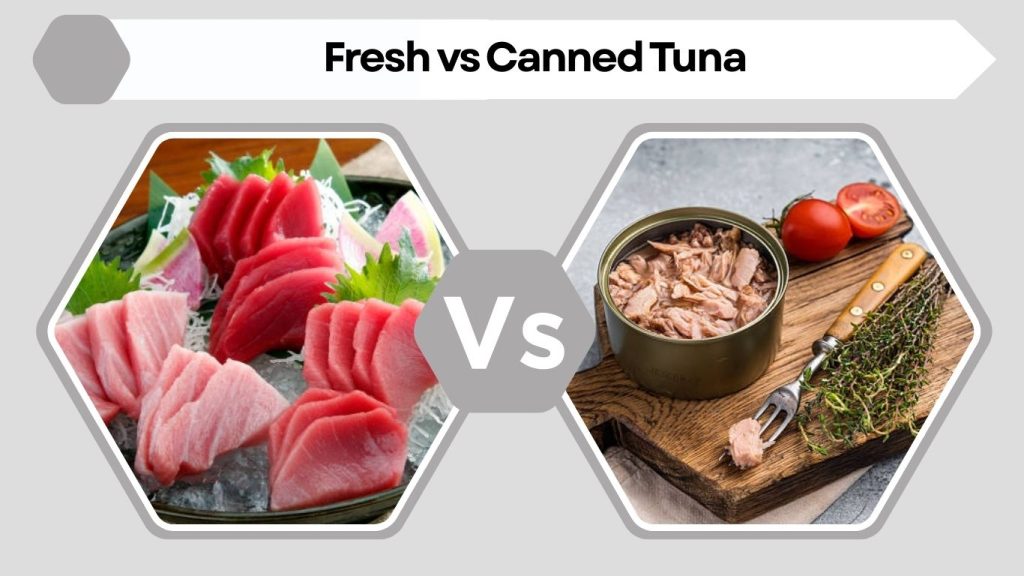
Both fresh and canned tuna have advantages.
Fresh tuna offers superior texture and flavor, especially for grilling or sushi. It typically contains no added sodium and has a more natural taste.
Canned tuna is convenient, affordable, and has a long shelf life. It is ideal for quick meals and requires no preparation.
Nutritionally, both provide high protein and omega-3 fatty acids, though canned varieties may contain added salt or oil.
Buying and Storing Tuna
Choosing and storing tuna correctly helps preserve quality and safety.
How to Choose Fresh Tuna
When buying fresh tuna:
- Look for bright red or pink flesh.
- The texture should be firm and moist.
- It should smell fresh and mild, not overly fishy.
Avoid tuna that looks dull or has a strong odor.
How to Store Tuna Properly
Fresh tuna should be:
- Refrigerated immediately
- Consumed within 1–2 days
- Stored in the coldest part of the refrigerator
For longer storage, tuna can be frozen in airtight packaging for several months.
Canned tuna should be stored in a cool, dry place. Once opened, transfer leftovers to a sealed container and refrigerate for up to 3–4 days.
Sustainability and Environmental Concerns
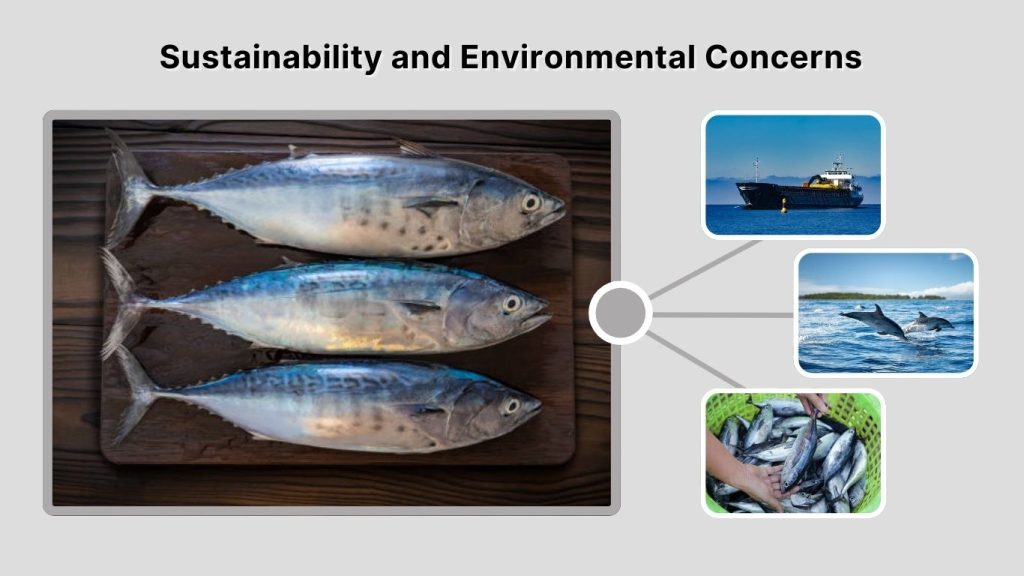
Overfishing has become a serious issue for certain tuna species, especially bluefin tuna. High global demand has placed pressure on wild populations.
When purchasing tuna, look for:
- MSC (Marine Stewardship Council) certification
- Dolphin-safe labeling
- Sustainably caught claims
Choosing responsibly sourced tuna supports ocean conservation efforts and helps maintain healthy fish populations.
Who Should Limit Tuna Intake?
While tuna is generally healthy, some individuals should monitor consumption more carefully:
- Pregnant and breastfeeding women
- Young children
- Individuals sensitive to mercury exposure
These groups should prioritize low-mercury options and follow recommended serving guidelines.
Conclusion
Tuna is a nutritious, protein-rich fish that offers numerous health benefits, from supporting heart health to promoting muscle growth. It is versatile, affordable, and easy to prepare in both fresh and canned forms. However, because of mercury concerns and sustainability issues, it is important to consume tuna in moderation and choose responsibly sourced options. When enjoyed as part of a balanced diet, tuna can be a valuable and healthy addition to your weekly meal plan.