


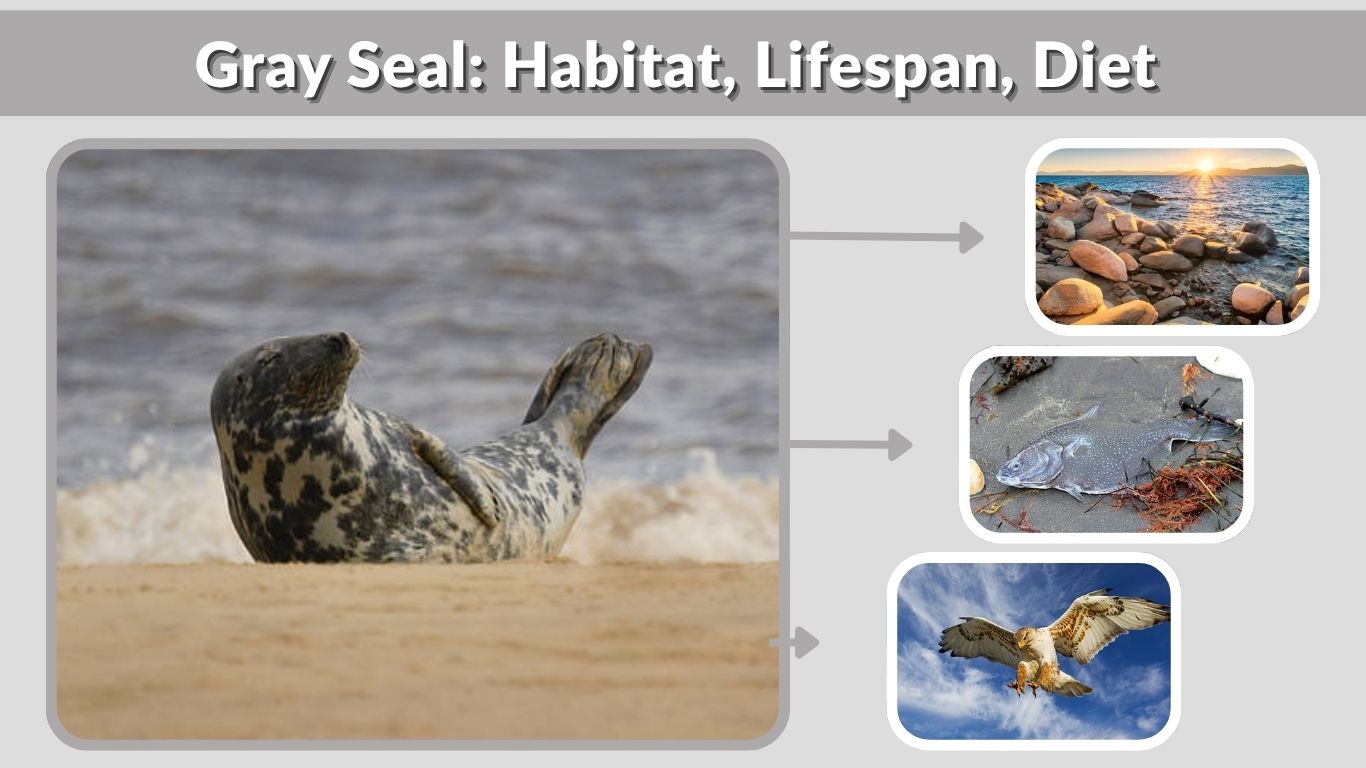
The gray seal is a fascinating marine mammal found along the coasts of the North Atlantic Ocean. Known for its large size, distinctive long snout, and playful behavior, this species plays an important role in maintaining marine ecosystems. From their unique breeding habits to their remarkable diving abilities, gray seals offer a glimpse into the complex world of ocean life. Understanding their habitat, diet, and lifecycle helps highlight the importance of conserving these incredible animals.
What Is a Gray Seal?
The gray seal (Halichoerus grypus) is one of the largest seal species in the world and belongs to the “true seal” family, also known as earless seals. These seals are well adapted to life in both water and on land, often seen resting on rocky shores or sandbanks.
The name “gray” or “grey” seal refers to the same species—the spelling varies depending on regional preferences (American vs British English). Gray seals are known for their distinctive “horsehead” profile, especially in males, and their spotted coats.
Gray Seal Identification
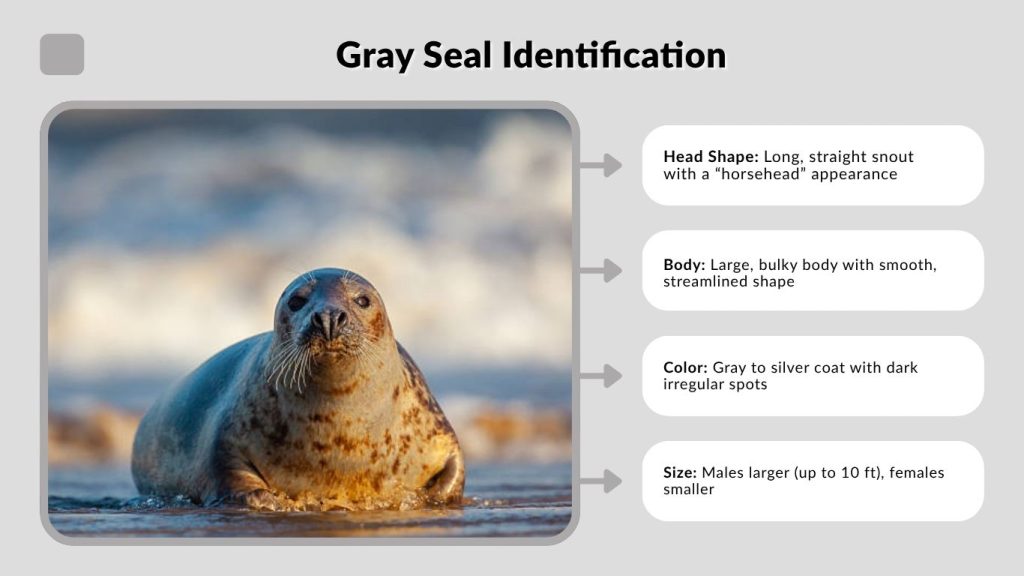
Gray seals are large, powerful marine mammals that are relatively easy to identify thanks to their unique head shape, body size, and coat patterns. Their distinctive “horse-like” profile and spotted appearance set them apart from other seal species. Observing differences in size, coloration, and behavior can help quickly identify gray seals in the wild.
Quick Identification Features
- Head Shape: Long, straight snout with a “horsehead” appearance
- Body: Large, bulky body with smooth, streamlined shape
- Color: Gray to silver coat with dark irregular spots
- Size: Males larger (up to 10 ft), females smaller
Male vs Female Differences
- Males: Darker color, bigger size, more pronounced snout
- Females: Lighter gray with more visible spotting, smaller build
Behavior Clues
- Often seen resting (“hauling out”) on beaches or rocks
- Moves awkwardly on land but swims gracefully
- Frequently surfaces briefly while swimming
Habitat Clues
- Found along rocky coasts, islands, and sandbanks
- Common in North Atlantic coastal regions
These key features make gray seals easy to distinguish from other marine mammals when observed in their natural coastal habitats.
Grey Seal Habitat
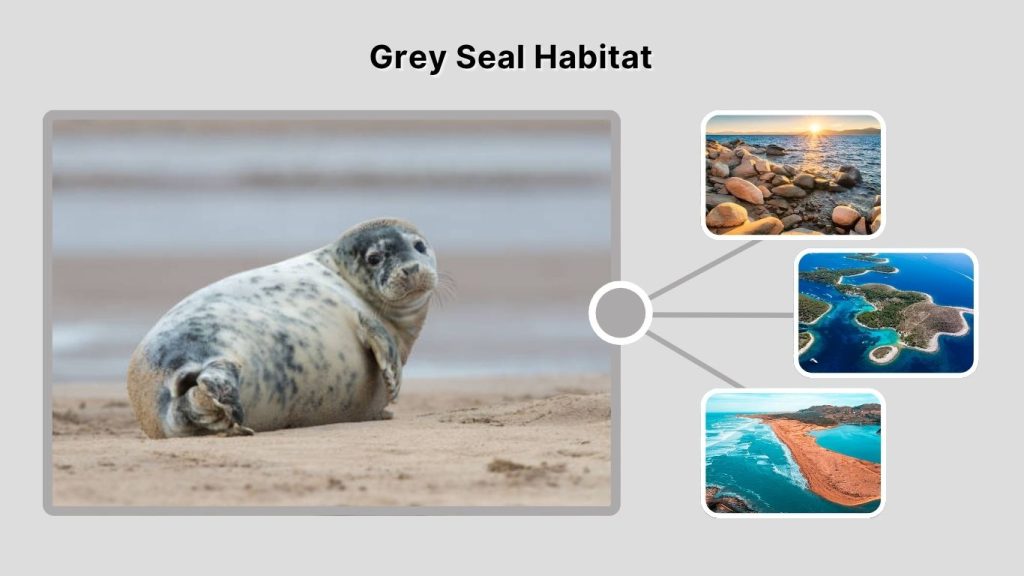
Preferred Environments
Gray seals are commonly found in coastal waters, especially around rocky shores, islands, and sandbanks. They prefer areas where they can easily move between land and sea for resting and breeding.
Geographic Distribution
These seals are widely distributed across the North Atlantic Ocean. Major populations can be found along the coasts of the United Kingdom, Ireland, eastern Canada, the northeastern United States, and parts of northern Europe.
Seasonal Movement
Gray seals are not long-distance migrants but may travel locally in search of food or suitable breeding grounds. They often gather in large groups at specific haul-out sites during breeding and molting seasons.
Grey Seal Baby (Pups)
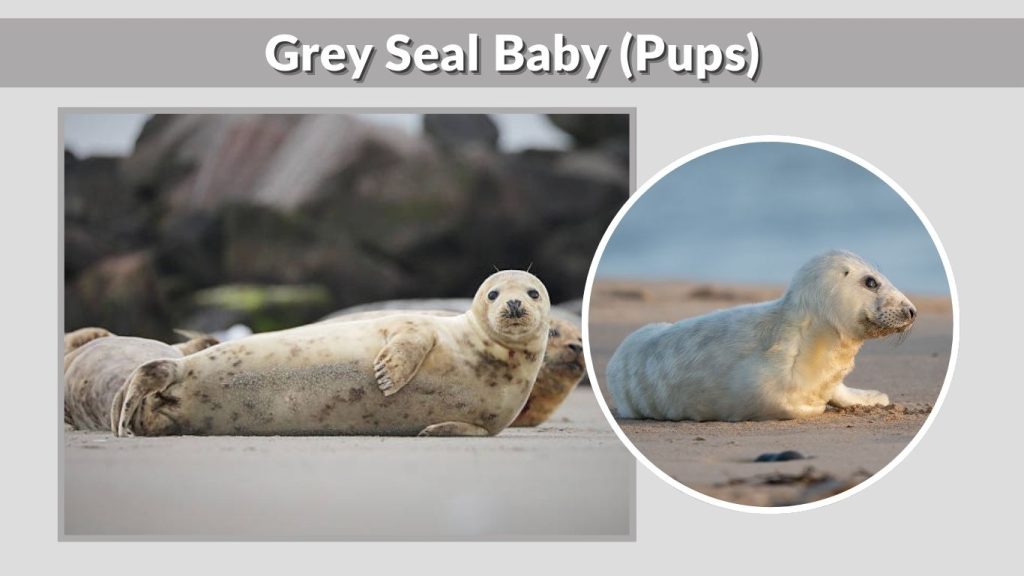
Birth and Appearance
Gray seal pups are born on land, typically on isolated beaches or rocky areas. At birth, they are covered in a soft, white, fluffy coat known as lanugo, which helps keep them warm.
Early Life
During the first few weeks of life, pups rely entirely on their mother’s milk, which is rich in fat and nutrients. This allows them to gain weight rapidly in a short period.
Growth and Development
After about 2 to 3 weeks, the pups shed their white coat and develop a more water-resistant fur. At this stage, they begin to learn how to swim and gradually become independent.
Grey Seal Diet
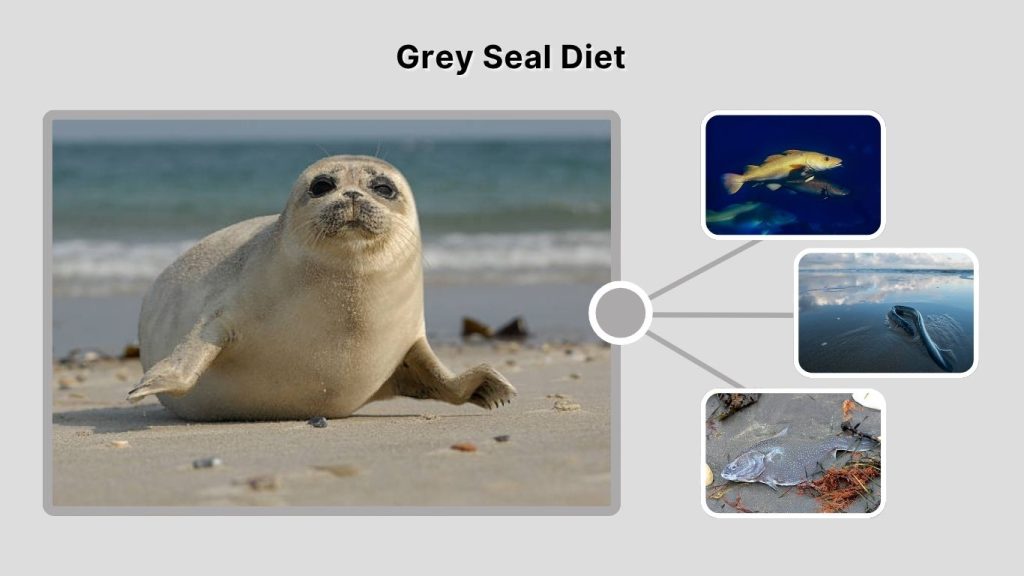
Main Food Sources
Gray seals primarily feed on fish such as cod, herring, sand eels, and flatfish. Their diet may vary depending on location and food availability.
Hunting Behavior
These seals are skilled hunters and excellent divers. They can dive deep into the ocean and remain underwater for extended periods while searching for prey.
Feeding Adaptations
Gray seals have strong jaws and sharp teeth that help them catch and consume slippery fish. Their streamlined bodies and powerful flippers make them efficient swimmers and hunters.
Grey Seal Lifespan
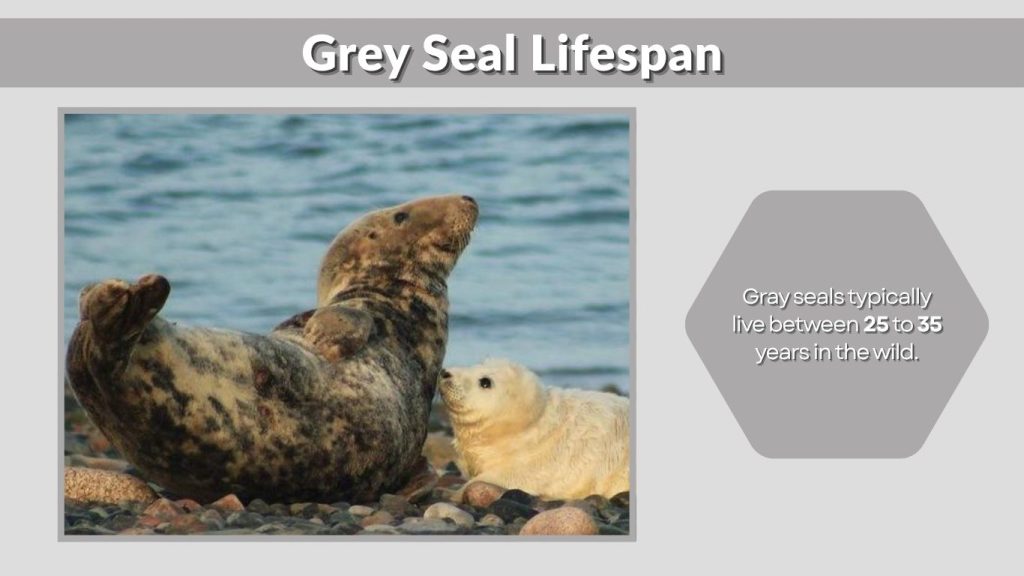
Average Lifespan
Gray seals typically live between 25 to 35 years in the wild, although some individuals may live longer under favorable conditions.
Lifespan Differences
Females often live longer than males, partly because males engage in more aggressive competition during breeding seasons, which can lead to injuries.
Factors Affecting Lifespan
Several factors influence their lifespan, including predation, food availability, environmental conditions, and human-related threats such as fishing gear entanglement and pollution.
Grey Seal Facts
- Gray seals are one of the largest seal species in the North Atlantic
- They can dive for up to 20–30 minutes while hunting
- Known for their “horse-like” long snout
- Pups can double their weight within a few weeks
- They communicate using vocal sounds, especially during breeding season
Behavior and Social Structure
Gray seals are generally social animals, especially during breeding and molting seasons when they gather in large colonies. These groups, known as haul-outs, can include hundreds or even thousands of individuals.
While they may appear calm on land, gray seals can be quite active in the water. They communicate through vocalizations and body movements, particularly during mating season. Males often compete for dominance and access to females, displaying aggressive behavior toward rivals.
Predators and Threats
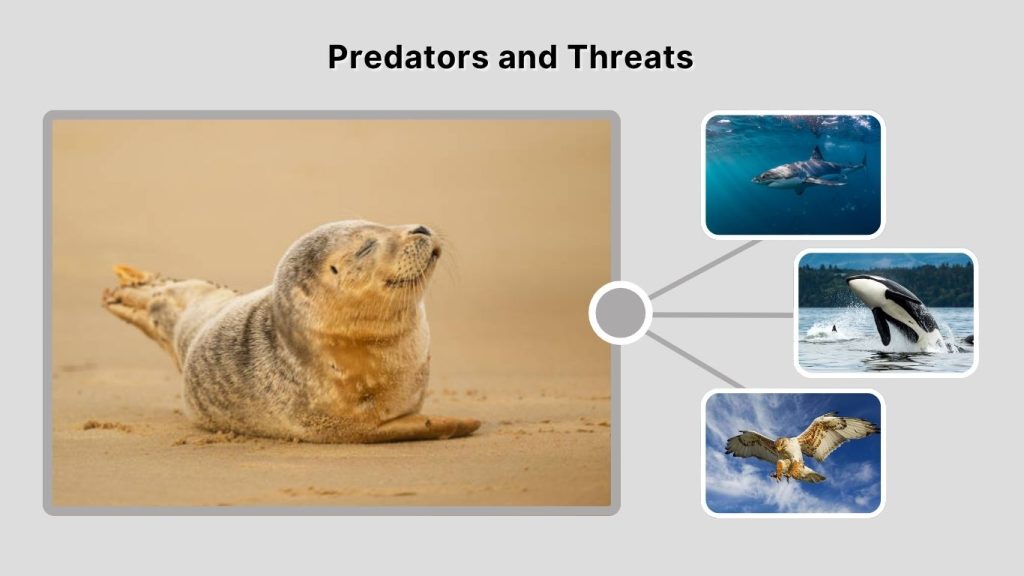
Adult gray seals have relatively few natural predators, but they can still be hunted by large marine predators such as sharks and orcas. Young pups are more vulnerable and may fall prey to birds of prey or other carnivores.
Human-related threats pose a significant risk to gray seals. These include:
- Entanglement in fishing nets
- Ocean pollution and plastic waste
- Habitat disturbance from coastal development
- Climate change affecting food availability
Importance in Marine Ecosystem
Gray seals play a crucial role in maintaining balance within marine ecosystems. As predators, they help regulate fish populations, preventing overpopulation of certain species.
They are also considered indicators of ocean health. Changes in their population or behavior can signal shifts in marine environments, making them important for scientific research and conservation efforts.
Grey Seal Lyrics Meaning
Origin of the Song
“Grey Seal” is a song by Elton John from his 1973 album Goodbye Yellow Brick Road. While the title references the animal, the song itself is more symbolic than literal.
Lyrics Interpretation
The lyrics of “Grey Seal” are often interpreted as abstract and poetic, reflecting themes of individuality, freedom, and emotional expression. The “grey seal” can be seen as a metaphor for something unique or misunderstood, standing apart from the ordinary.
Cultural Impact
Though not one of Elton John’s most mainstream hits, “Grey Seal” remains appreciated by fans for its energetic sound and imaginative lyrics. It adds an artistic and cultural dimension to the keyword, bridging wildlife and music.
Conservation Status
Gray seals were once heavily hunted, leading to significant population declines. However, conservation efforts and legal protections in many regions have helped their numbers recover.
Today, they are considered a species of least concern in many areas, though local populations may still face challenges. Ongoing conservation programs aim to protect their habitats and reduce human-related threats.
FAQs
Where do grey seals live?
They live along the coasts of the North Atlantic, including the UK, Canada, the United States, and northern Europe.
How long do grey seals live?
Gray seals typically live between 25 and 35 years in the wild.
What do baby grey seals look like?
They are born with a fluffy white coat that helps keep them warm before they develop adult fur.
Are grey seals dangerous?
They are generally not dangerous to humans but should not be approached in the wild, as they can become defensive.
Conclusion
The gray seal is a remarkable marine mammal known for its size, adaptability, and ecological importance. From their unique appearance and nurturing behavior to their role in maintaining ocean balance, these animals are an essential part of marine life. By understanding and protecting gray seals, we contribute to the preservation of healthy oceans and the diverse species that depend on them.