




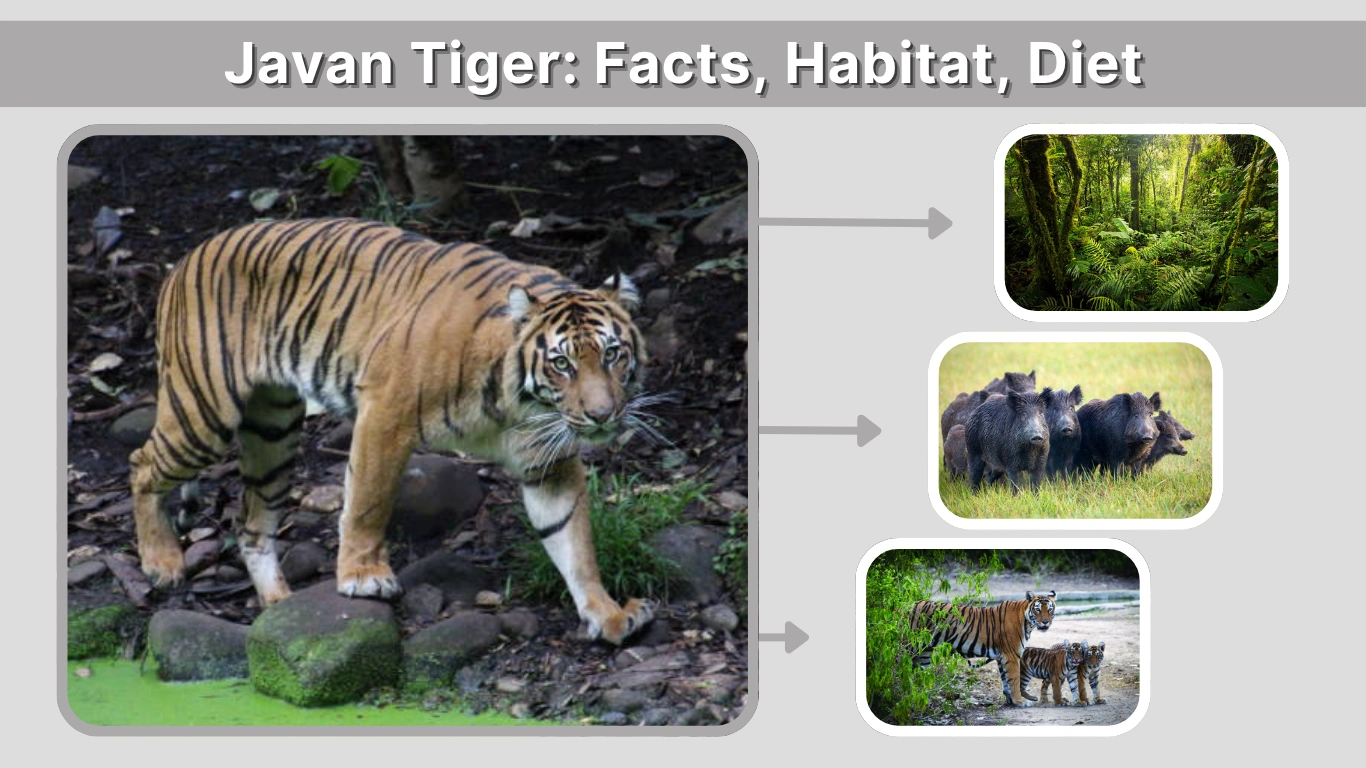
The Javan tiger was a rare and fascinating subspecies of tiger that once lived exclusively on the Indonesian island of Java. Known for its smaller size and ability to thrive in dense tropical forests, it was a powerful predator perfectly adapted to its environment. Over time, however, increasing human activity led to its decline and eventual extinction. Studying the Javan tiger provides valuable insight into its habitat, diet, behavior, and life cycle, while also highlighting the importance of conservation efforts to protect endangered species today.
What Was the Javan Tiger?
The Javan tiger (Panthera tigris sondaica) was a unique tiger subspecies that once lived exclusively on the Indonesian island of Java. It was smaller than most other tiger subspecies but highly adapted to its environment. This tiger was known for its agility, stealth, and ability to survive in dense tropical forests. As an island species, it evolved distinct physical and behavioral traits that set it apart from mainland tigers.
Scientific Classification
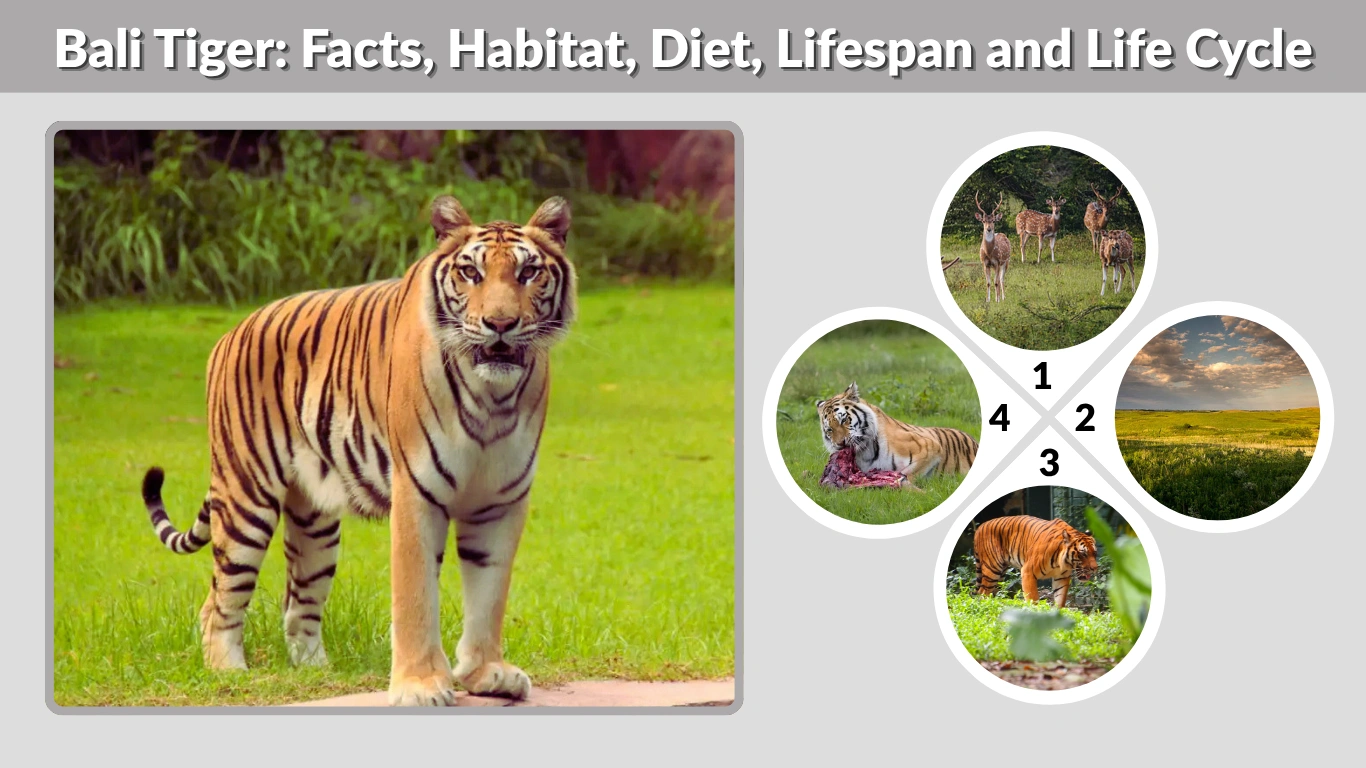
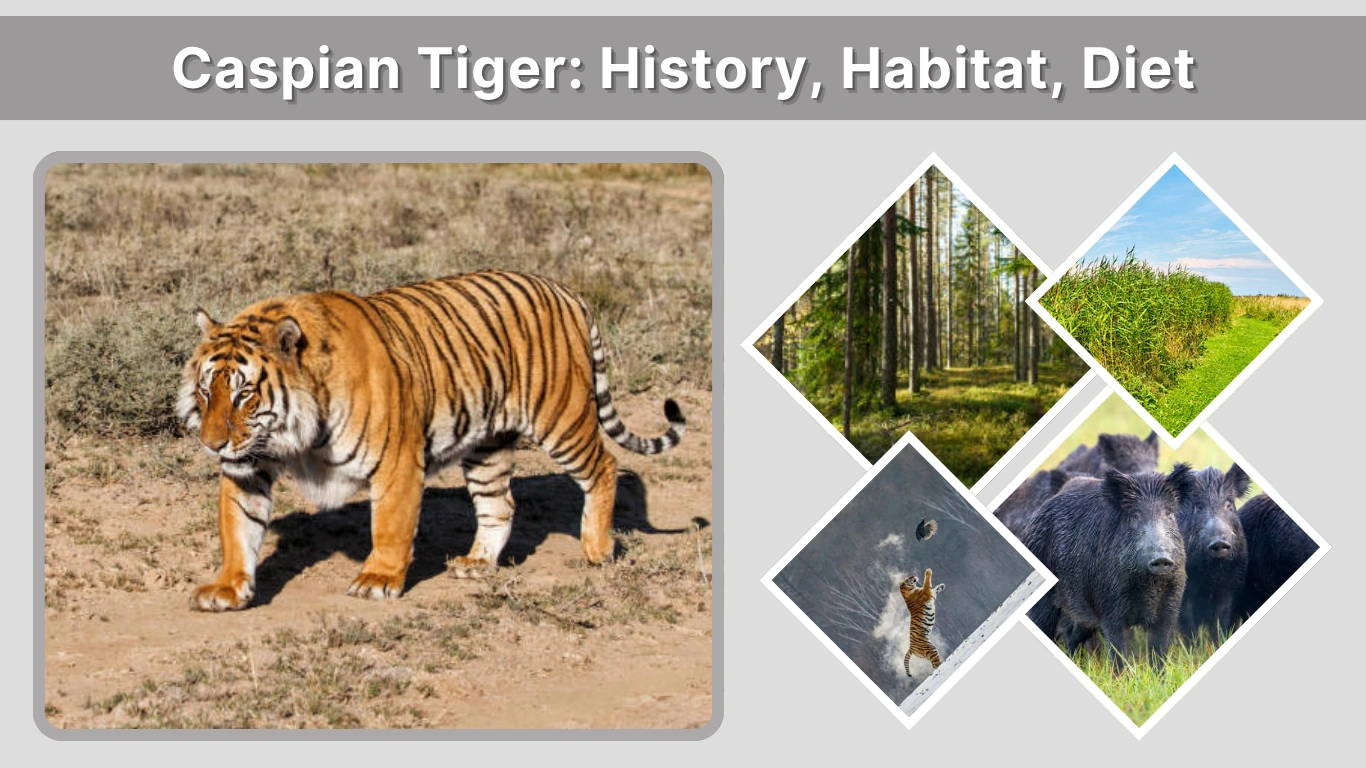
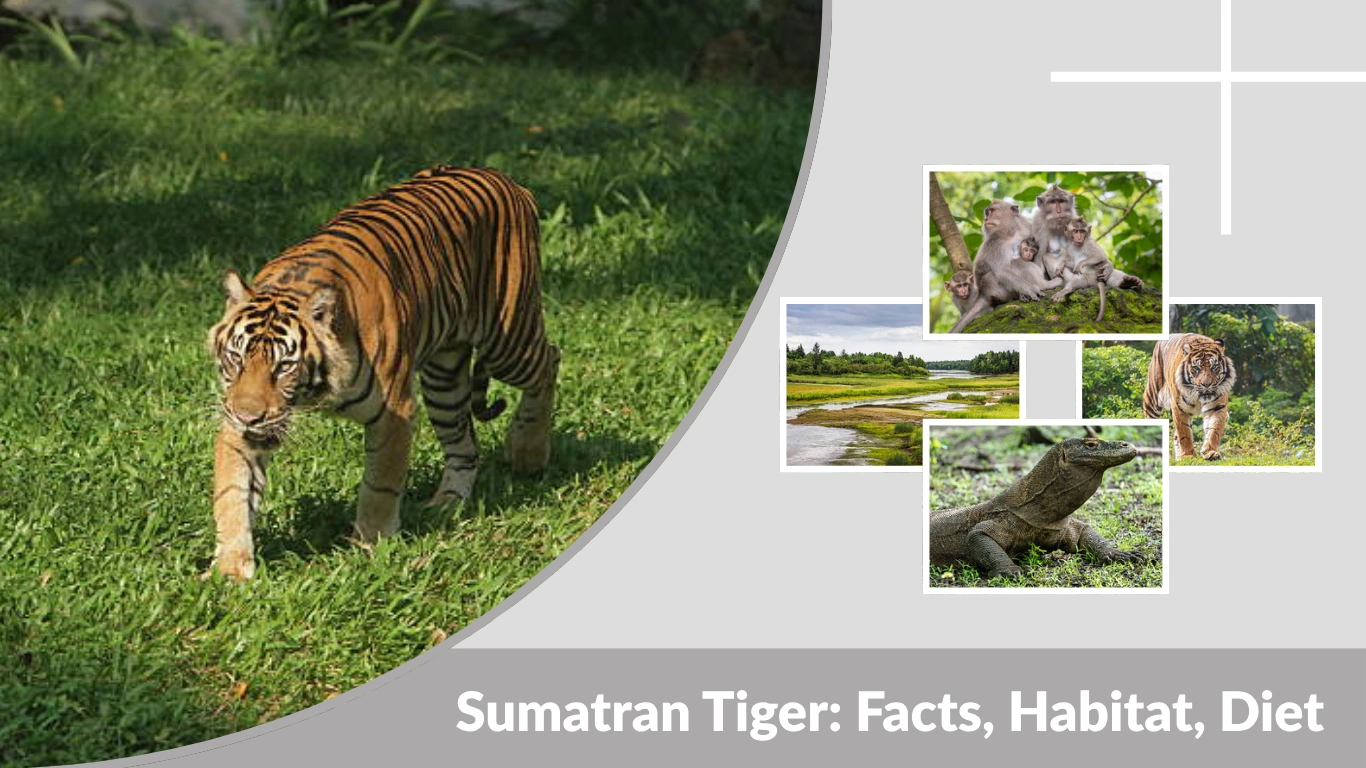
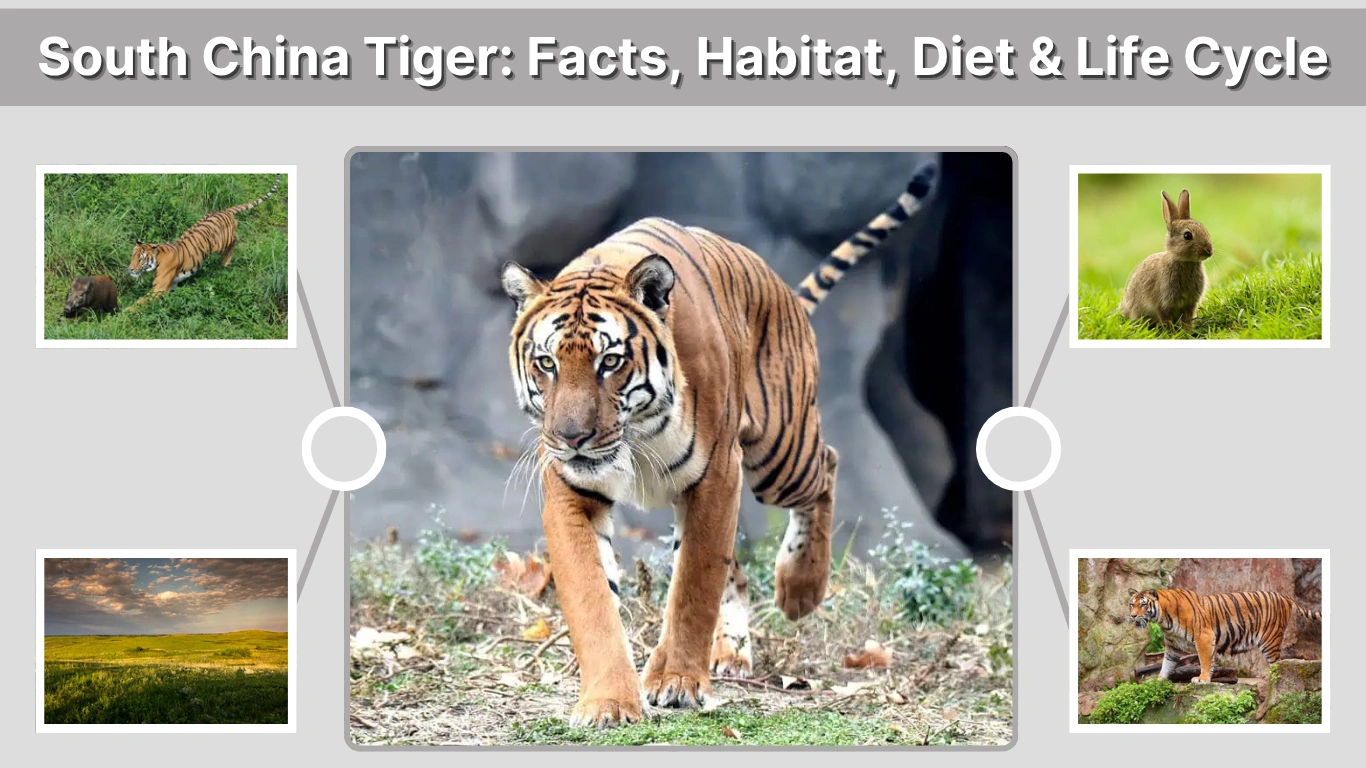
The Javan tiger belonged to the species Panthera tigris, which includes all tiger subspecies. Its scientific name, Panthera tigris sondaica, reflects its origin in the Sunda Islands. It was closely related to other Indonesian tigers such as the Bali tiger and the Sumatran tiger, though each had unique adaptations based on their habitats.
Javan Tiger Characteristics
The Javan tiger had several distinctive characteristics that helped it thrive in its environment. It was generally smaller in size compared to other tigers, which allowed it to move more easily through dense forests. Its coat was a deep orange color with narrow, closely spaced black stripes, providing effective camouflage.
It also had a relatively long and narrow skull, strong limbs, and sharp claws, making it an efficient predator. These features, combined with its stealthy nature, made it well-suited for hunting in thick vegetation where visibility was limited.
Javan Tiger Habitat and Distribution

The Javan tiger was endemic to the island of Java, meaning it was found nowhere else in the world. Its habitat was shaped by the island’s geography, which included dense forests, mountains, and coastal areas.
Geographic Location
The tiger’s range covered much of Java, especially in regions with abundant forest cover. Over time, as human populations grew and land use changed, its range became increasingly restricted. It was eventually confined to isolated forest areas, particularly in the western and eastern parts of the island.
Habitat Type
The Javan tiger preferred tropical rainforests, mountainous regions, and areas with dense vegetation. These habitats provided the cover needed for hunting and protection. Access to water sources was also important, as it supported both the tiger and its prey.
The dense forests of Java offered ideal conditions for ambush hunting. However, these same habitats became vulnerable to deforestation and agricultural expansion, which played a major role in the tiger’s decline.
Javan Tiger Diet and Hunting Behavior

As a carnivorous predator, the Javan tiger relied on a variety of prey species to survive. Its diet and hunting methods were closely linked to its forest environment.
Javan Tiger Diet
The Javan tiger primarily fed on medium to large-sized animals. Its common prey included deer species, wild boar, and smaller mammals. Occasionally, it might prey on livestock, especially when natural prey became scarce.
The availability of prey was crucial for its survival. As human activities reduced wildlife populations, the tiger faced increasing difficulty in finding food.
Javan Tiger Hunting Techniques
The Javan tiger was a skilled hunter that relied on stealth and patience. It used dense vegetation to hide and slowly approach its prey before launching a sudden attack. Unlike animals that chase prey over long distances, it depended on short bursts of speed and powerful strikes.
It was mostly nocturnal, hunting at night when it had a better chance of surprising its prey. Its strong jaws and sharp teeth allowed it to deliver a fatal bite, ensuring a successful hunt.
Javan Tiger Life Cycle and Lifespan
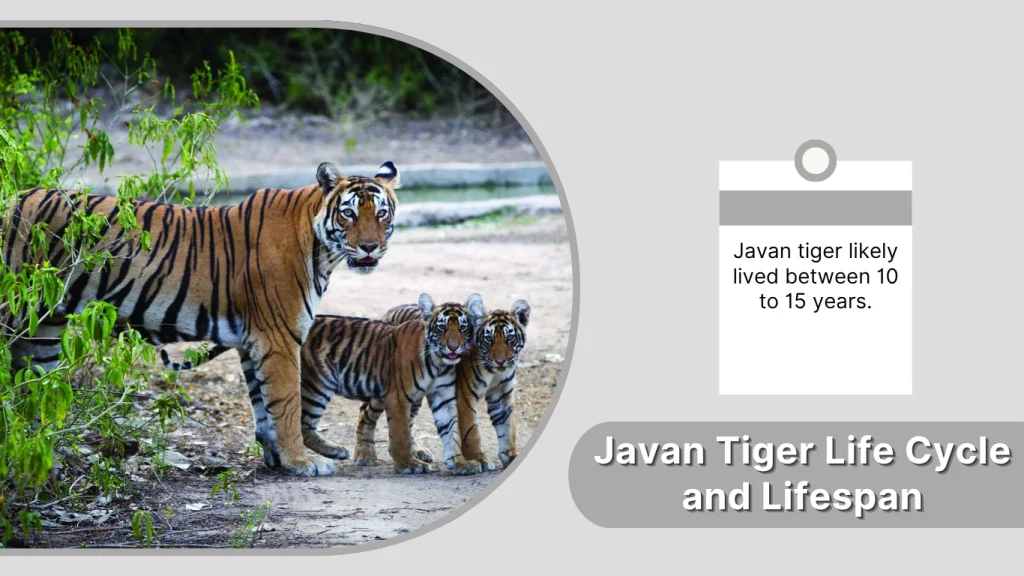
The life cycle of the Javan tiger followed a pattern similar to other tiger subspecies, though it was influenced by environmental conditions and availability of resources.
Javan Tiger Life Cycle
The life cycle began with the birth of cubs, usually in litters of two to three. Cubs were born blind and dependent on their mother for survival. During the early months, they stayed hidden in dens while the mother hunted for food.
As they grew, the cubs learned essential survival skills such as hunting and territorial behavior. By the time they reached adolescence, they began to explore independently. Eventually, they established their own territories as adults.
Javan Tiger Lifespan
In the wild, the Javan tiger likely lived between 10 to 15 years, depending on environmental conditions and threats. Factors such as food availability, habitat quality, and human interference played a significant role in determining lifespan.
In areas where prey was scarce or human activity was high, survival rates were much lower. This contributed to the gradual decline of the species over time.
Key Facts About the Javan Tiger
The Javan tiger had several notable traits that made it unique among tiger subspecies.
- Smallest tiger subspecies in Indonesia
- Endemic to the island of Java
- Adapted to dense tropical forests
- Declared extinct in the late 20th century
Why Did the Javan Tiger Go Extinct?
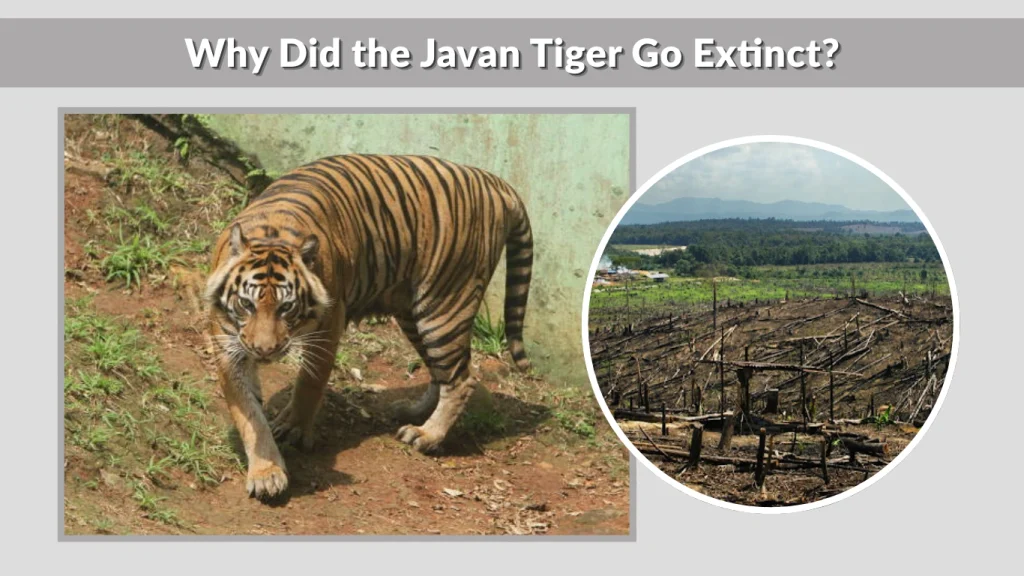
The extinction of the Javan tiger was the result of multiple interconnected factors, most of which were driven by human activity.
Human Activities
Human population growth on the island of Java led to widespread deforestation and land conversion. Forests were cleared for agriculture, settlements, and infrastructure, leaving the tiger with limited habitat.
Loss of Prey
As forests disappeared, so did many of the animals that the tiger depended on for food. Overhunting by humans reduced prey populations, making it increasingly difficult for the tiger to survive.
Hunting and Conflict
The Javan tiger was often hunted due to fear and conflict with humans. As it occasionally preyed on livestock, it was seen as a threat and targeted for elimination. Over time, these pressures led to a dramatic decline in its population.
Timeline of Extinction
The decline of the Javan tiger occurred gradually over several decades as human pressure on its environment increased.
- Early 20th century: Habitat loss begins and population starts declining
- 1950s–1970s: Sightings become rare and populations shrink
- 1980s: Last confirmed evidence of existence
- Declared extinct afterward
Javan Tiger vs Other Tigers

The Javan tiger shared similarities with other tiger subspecies but also had unique differences shaped by its island environment. These differences were influenced by geography, climate, and available resources.
Javan Tiger vs Bali Tiger
The Javan tiger and Bali tiger were both island subspecies found in Indonesia, but they differed in size and habitat. The Bali tiger was smaller and lived on a much smaller island, which limited its population. The Javan tiger, while still relatively small, had access to larger forested areas and a wider range of prey.
Both subspecies faced similar threats, including habitat loss and human conflict, which ultimately led to their extinction.
Javan Tiger vs Sumatran Tiger
The Sumatran tiger is the only surviving tiger subspecies in Indonesia today. Compared to the Javan tiger, it is slightly larger and has adapted to modern conservation efforts. While both lived in dense forests, the Sumatran tiger has benefited from protected reserves and wildlife conservation programs.
In contrast, the Javan tiger did not receive sufficient protection in time, which contributed to its disappearance.
Ecological Role and Impact
The Javan tiger played a crucial role as an apex predator in its ecosystem. It helped regulate populations of herbivores such as deer and wild boar, preventing overgrazing and maintaining ecological balance.
With its extinction, this balance was disrupted. Without a top predator, prey populations could increase unchecked, leading to damage to vegetation and long-term changes in the ecosystem. This imbalance can also affect other species that depend on the same habitat, reducing biodiversity over time.
The disappearance of the Javan tiger is a clear example of how the loss of a single species can have widespread environmental consequences.
Conservation Lessons
The extinction of the Javan tiger provides important lessons for wildlife conservation today. It highlights the need for early action and long-term strategies to protect endangered species.
Importance of Protecting Habitats
One of the key lessons is the importance of preserving natural habitats. The destruction of forests on Java removed the essential environment that the tiger needed to survive. Protecting forests and ecosystems ensures that wildlife has the space and resources required to live and reproduce.
Preventing Future Extinctions
Preventing extinction requires a combination of conservation efforts, including strict laws, community involvement, and sustainable development. Raising awareness about endangered species and promoting responsible land use can help reduce the risk of similar losses in the future.
Conservation programs around the world now focus on protecting remaining tiger populations, showing that lessons from the past can lead to positive change.
FAQs
When did the Javan tiger go extinct?
The Javan tiger is believed to have gone extinct in the late 20th century, with the last confirmed evidence dating back to the 1980s. After that, no reliable sightings were recorded, leading scientists to officially declare it extinct.
Where did the Javan tiger live?
The Javan tiger lived exclusively on the island of Java in Indonesia. It inhabited dense tropical forests, mountainous areas, and regions with thick vegetation that provided cover and access to prey.
What did the Javan tiger eat?
The Javan tiger primarily fed on animals such as deer, wild boar, and smaller mammals. Its diet depended on the availability of prey within its forest habitat, which declined over time due to human activities.
How long did the Javan tiger live?
The Javan tiger likely had a lifespan of around 10 to 15 years in the wild. However, factors such as habitat loss, limited food supply, and human threats often reduced its chances of reaching full lifespan.
Why did the Javan tiger go extinct?
The extinction of the Javan tiger was mainly caused by habitat destruction, loss of prey, and human conflict. Rapid population growth and agricultural expansion on Java left little space for the tiger to survive.
Conclusion
The Javan tiger was once a vital part of Indonesia’s natural heritage, thriving in the dense forests of Java. Its extinction serves as a powerful reminder of the consequences of unchecked human activity on wildlife. By understanding its history, habitat, and decline, we gain valuable insights into the importance of conservation. Protecting existing species and their environments is essential to ensure that such losses are not repeated in the future.