





Water animals come in countless forms, from colorful reef dwellers to powerful ocean predators. This list introduces 25 of the most common aquatic species found in marine and freshwater environments. Each creature plays a unique role in its ecosystem. Whether you’re exploring underwater life for education or curiosity, this guide provides detailed insights into their identification, habitat, diet, and behavior. Dive into the fascinating world beneath the surface.
1. Clownfish
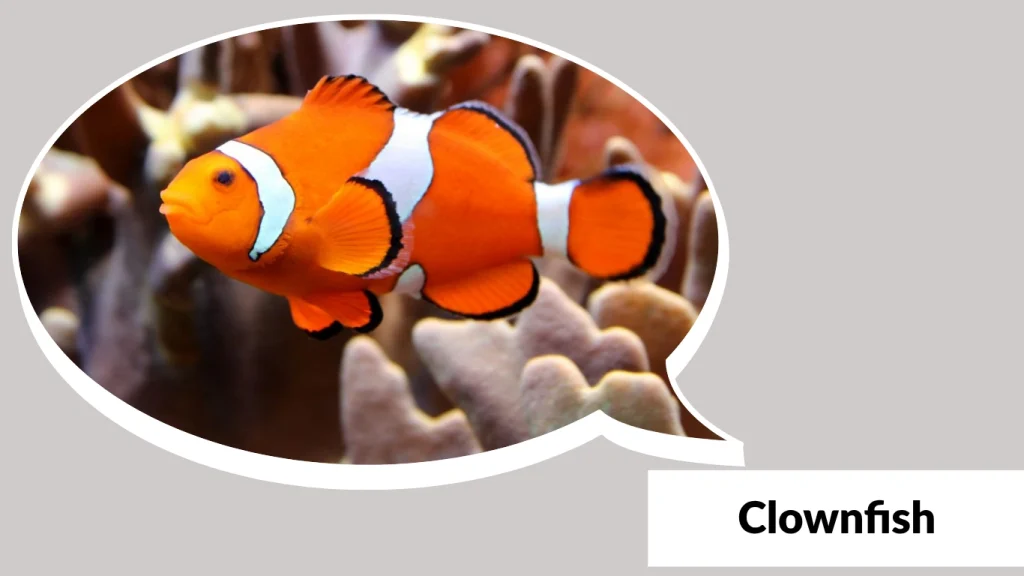
Clownfish are brightly colored, small marine fish known for their symbiotic relationship with sea anemones. They are one of the most recognizable tropical fish due to their orange bodies with white stripes and playful swimming behavior.
Identification
- Orange body with white vertical stripes
- Small size (3–5 inches)
- Rounded fins
- Found in warm shallow reefs
Habitat
Clownfish primarily inhabit the warm waters of the Indian and Pacific Oceans, including the Great Barrier Reef and the Red Sea. They live among the tentacles of sea anemones, which offer protection from predators.
Diet
Clownfish are omnivores. They feed on small invertebrates, algae, plankton, and leftover food from sea anemones. Occasionally, they also eat parasites off their anemone host.
Behavior
They are territorial and form monogamous pairs. Clownfish exhibit unique swimming patterns and rely on sea anemones for shelter and protection.
2. Goldfish
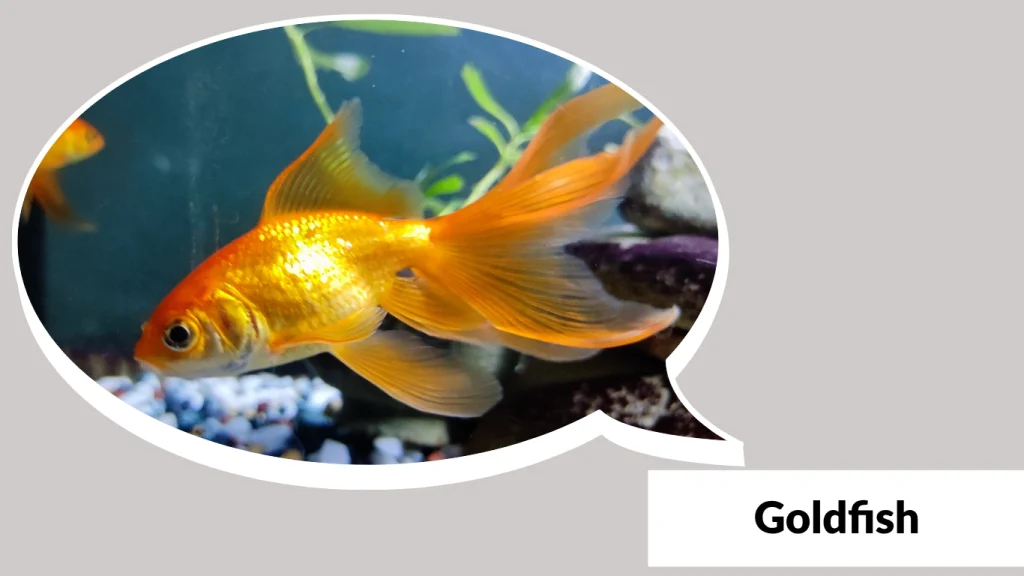
Goldfish are one of the most popular freshwater aquarium pets, recognized for their vibrant colors and graceful swimming. They have been domesticated for centuries and come in many varieties.
Identification
- Colors range from orange, red, white, black to yellow
- Rounded body with flowing fins
- Size varies (6–14 inches in tanks, larger in ponds)
- No scales around the head in some varieties
Habitat
Goldfish thrive in slow-moving freshwater environments like ponds, lakes, and home aquariums. They prefer cool, oxygen-rich waters.
Diet
Goldfish are omnivores. They eat flakes, pellets, aquatic plants, insect larvae, and algae, often foraging along the bottom.
Behavior
Goldfish are social and active swimmers. They can recognize their owners and learn feeding routines, showing signs of intelligence and adaptability.
3. Blue Tang
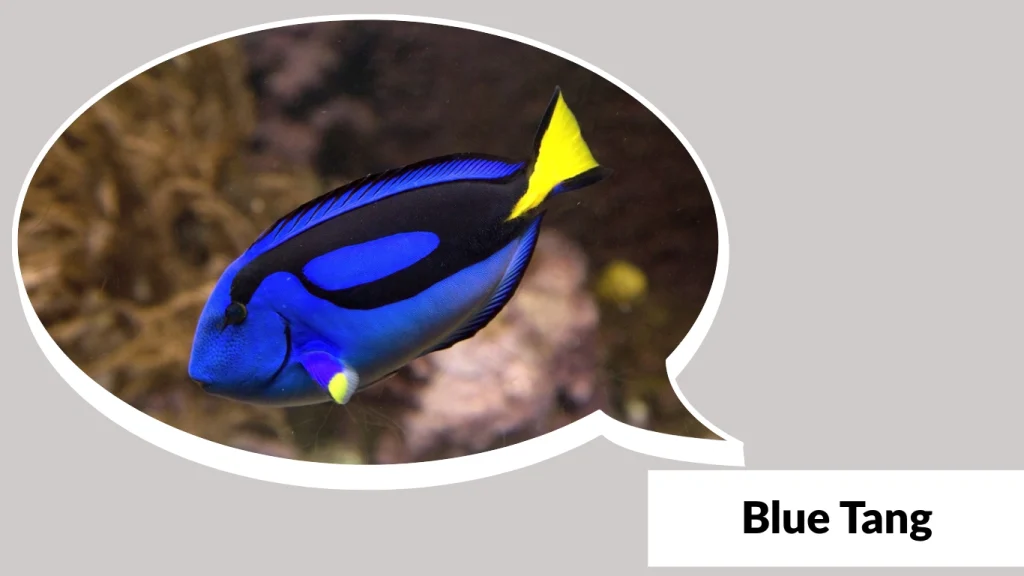
The Blue Tang, also known as the Regal Tang or Paracanthurus hepatus, is a popular marine fish known for its bright blue body and yellow tail. It gained worldwide fame from animated films.
Identification
- Bright royal blue body with black markings
- Vibrant yellow tail
- Oval, flat body shape
- Typically 6–12 inches in length
Habitat
Blue Tangs inhabit coral reefs in the Indo-Pacific region. They prefer clear, warm, shallow waters with plenty of hiding spots among rocks and corals.
Diet
They primarily feed on algae, helping keep reef surfaces clean. They may also consume plankton and small invertebrates occasionally.
Behavior
Blue Tangs are active swimmers and often seen darting in and out of reef crevices. Though usually solitary, they may form small groups in the wild.
4. Guppy
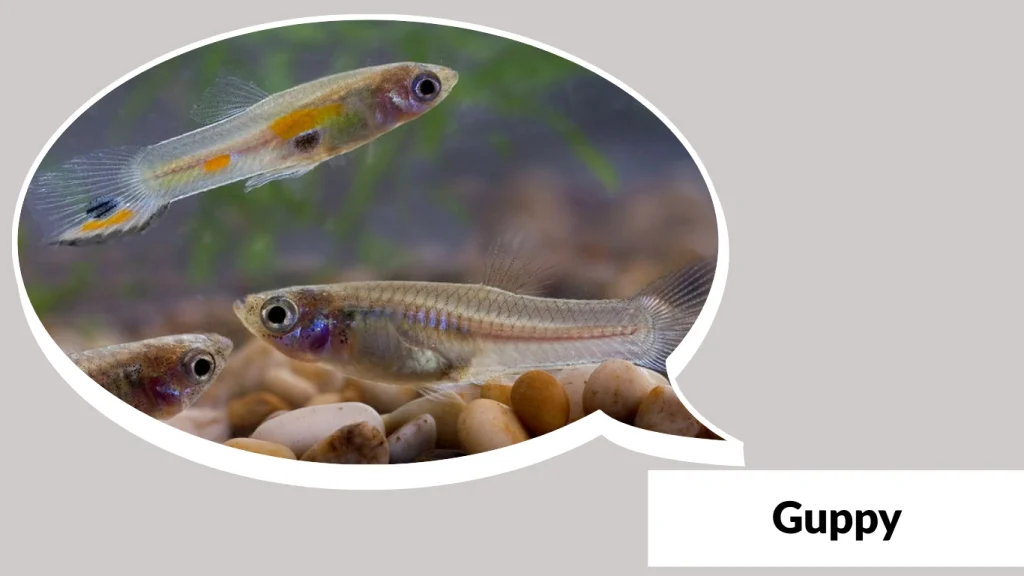
Guppies are small, colorful freshwater fish often found in aquariums around the world. They are easy to care for and known for their fast reproduction and diverse color patterns.
Identification
- Small size (1.5–2.5 inches)
- Males are brightly colored with patterned tails
- Females are larger and duller in color
- Rounded or fan-shaped tail fins
Habitat
Guppies originate from rivers and streams in northeastern South America but are now widespread due to aquarium trade. They thrive in warm, slow-moving freshwater with vegetation.
Diet
Guppies are omnivorous. They eat algae, mosquito larvae, brine shrimp, and fish flakes. In the wild, they forage for small aquatic organisms.
Behavior
They are social and peaceful fish, often swimming in groups. Males perform displays to attract females, and their high reproductive rate makes them ideal for breeding.
5. Angelfish
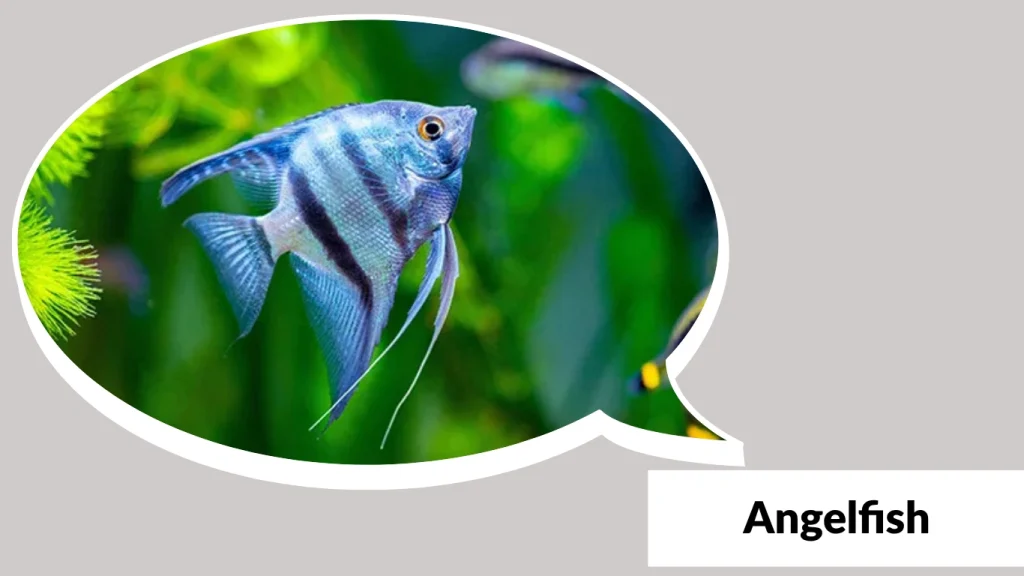
Angelfish are elegant freshwater fish recognized for their tall, triangular fins and graceful swimming. They are a favorite in home aquariums and belong to the cichlid family.
Identification
- Laterally compressed, disk-shaped body
- Long, flowing dorsal and anal fins
- Color patterns vary: silver, black, striped, marbled
- Size: 6–10 inches tall including fins
Habitat
Native to the Amazon River Basin, angelfish live in slow-moving freshwater with dense vegetation and submerged roots or branches.
Diet
They are omnivores and feed on small crustaceans, worms, insect larvae, and plant matter. In aquariums, they accept flakes, pellets, and live food.
Behavior
Angelfish are semi-aggressive, especially during breeding. They form monogamous pairs and guard their eggs fiercely. Their movements are slow and deliberate, adding to their visual appeal.
6. Betta Fish

Betta fish, also known as Siamese fighting fish, are vibrant freshwater fish admired for their vivid colors and long, flowing fins. They are territorial and often kept alone due to their aggressive nature.
Identification
- Bright colors: red, blue, turquoise, white, and more
- Long, flowing fins (especially in males)
- Small size (2.5–3 inches)
- Males have more elaborate fins than females
Habitat
Bettas originate from shallow freshwater environments in Southeast Asia, such as rice paddies, ponds, and slow-moving streams. They prefer warm, still waters with plenty of vegetation.
Diet
Betta fish are carnivorous. They eat insects, insect larvae, brine shrimp, bloodworms, and high-protein fish pellets. Their upturned mouths help them feed at the water’s surface.
Behavior
Bettas are solitary and highly territorial, especially males, who will flare their gills and fins to assert dominance. They build bubble nests during breeding and show parental care toward eggs.
7. Salmon
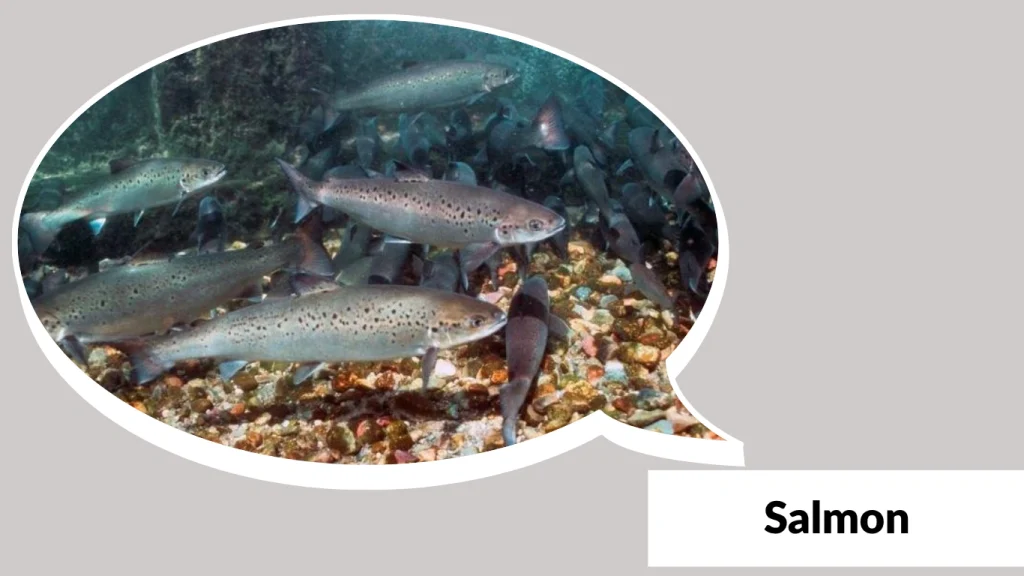
Salmon are migratory fish known for their epic journey from the ocean back to freshwater rivers to spawn. They are an essential species in aquatic food chains and important for human consumption.
Identification
- Torpedo-shaped body
- Silver sides, darker back, and spots depending on species
- Size: varies by species (14–30 inches common)
- Changes color during spawning
Habitat
Salmon are anadromous: they hatch in freshwater, migrate to the ocean to mature, and return to rivers to spawn. They inhabit North Atlantic and Pacific waters.
Diet
Young salmon feed on aquatic insects and plankton. Adults in the ocean consume fish, squid, crustaceans, and other marine animals.
Behavior
Salmon are famous for their upstream spawning runs, often leaping over obstacles to reach their birthplace. After spawning, many species die, providing nutrients to the ecosystem.
8. Tuna

Tuna are large, fast-swimming saltwater fish known for their streamlined bodies and global commercial importance. They migrate long distances across oceans and are valued for their meat.
Identification
- Torpedo-shaped body with metallic blue upper body and silver belly
- Narrow tail base with finlets behind dorsal and anal fins
- Size ranges widely; Bluefin can exceed 1,000 pounds
- Smooth skin with small, embedded scales
Habitat
Tuna inhabit warm temperate and tropical waters of the Atlantic, Pacific, and Indian Oceans. They prefer open oceans (pelagic zone) and often swim in schools.
Diet
Tuna are carnivorous. They feed on smaller fish like mackerel, anchovies, and herring, as well as squid and crustaceans. Their speed makes them top ocean predators.
Behavior
Tuna are highly migratory, traveling thousands of miles. They are constant swimmers and can regulate their body temperature slightly above water temperature, which helps in fast hunting.
9. Catfish
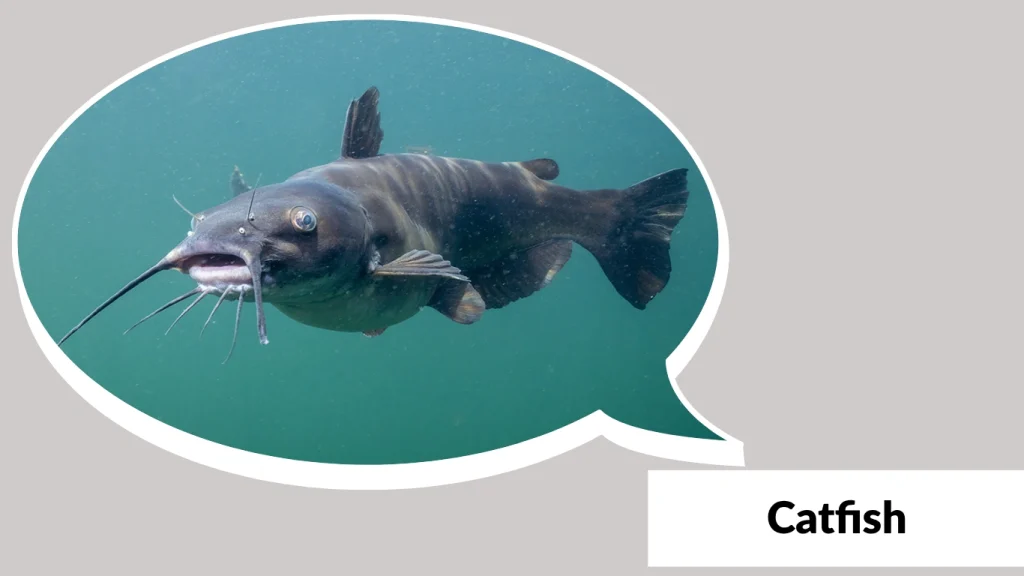
Catfish are bottom-dwelling freshwater fish named for their whisker-like barbels. They come in various sizes and species and are common in lakes, rivers, and ponds.
Identification
- Scaleless, smooth skin
- Long barbels (whiskers) around the mouth
- Flattened head and wide mouth
- Colors range from gray to brown to olive
Habitat
Catfish live in freshwater habitats such as slow-moving rivers, lakes, swamps, and ponds. Some species also tolerate brackish or slightly salty water.
Diet
They are opportunistic omnivores and scavengers. Catfish feed on insects, larvae, small fish, crustaceans, algae, and decaying matter on the bottom.
Behavior
Catfish are mostly nocturnal and use their barbels to detect food in dark or murky water. Many are sedentary, but some species like channel catfish are active and social.
10. Shrimp
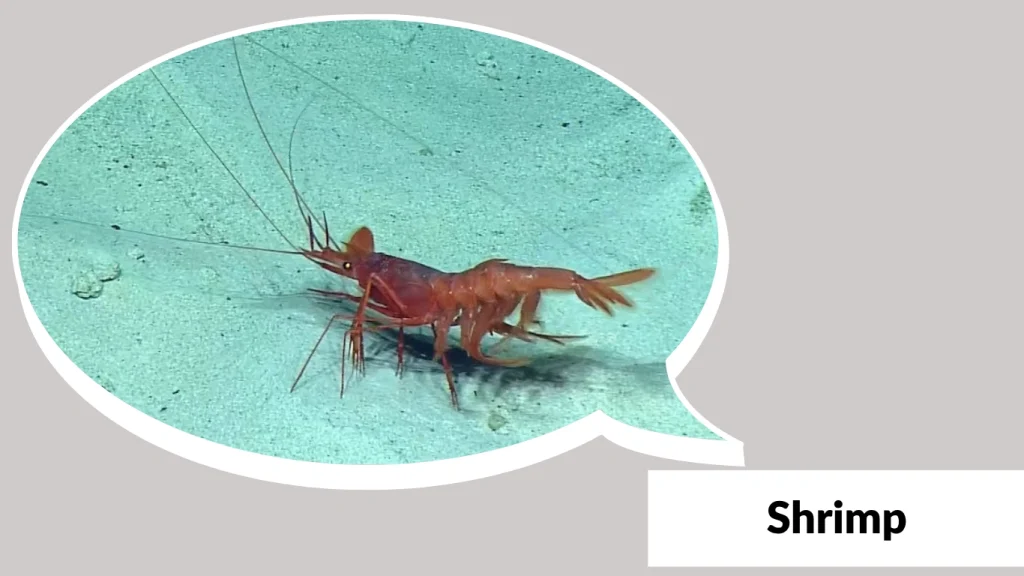
Shrimp are small, slender-bodied crustaceans commonly found in marine and freshwater habitats. They play a vital role in aquatic ecosystems and are a popular seafood worldwide.
Identification
- Long, segmented body with a flexible abdomen
- Ten legs, including pincers on the front pair
- Transparent or pinkish exoskeleton
- Size ranges from less than 1 inch to over 8 inches
Habitat
Shrimp live in oceans, rivers, estuaries, and lakes. They are found at various depths, from shallow coastal waters to deep sea floors, often near sand or mud.
Diet
Shrimp are omnivores. They consume algae, plankton, detritus, dead organisms, and small invertebrates. Their scavenging nature helps keep ecosystems clean.
Behavior
Shrimp are active foragers and may swim backward quickly using their tail. They often gather in groups and are prey for many larger aquatic animals.
11. Crab
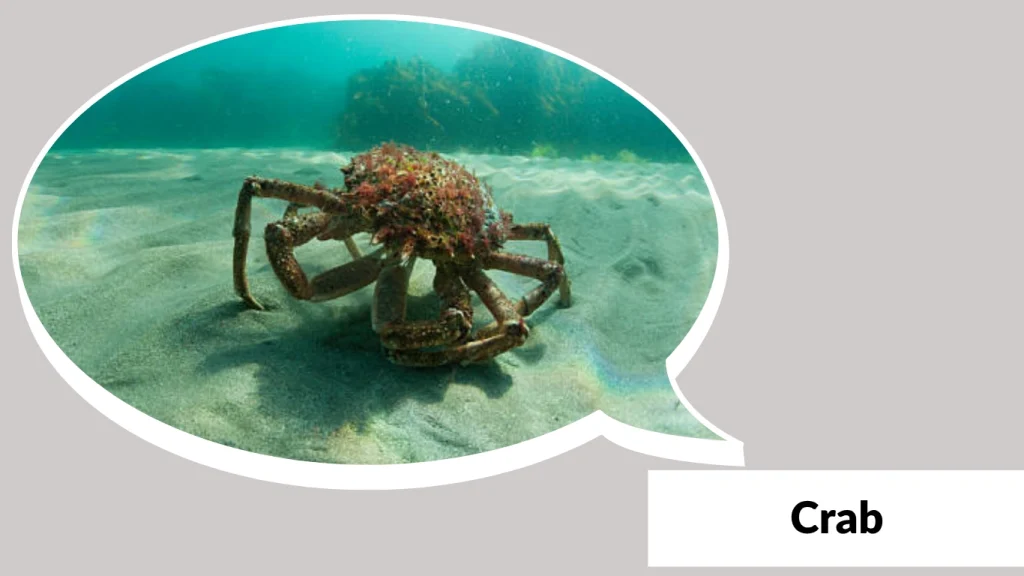
Crabs are crustaceans with a hard exoskeleton and a distinctive sideways walk. They are found in oceans, freshwater, and on land near water.
Identification
- Broad, flat body with a tough carapace
- Ten legs, including large front claws (chelae)
- Eyes on stalks and two antennae
- Varies in color and size depending on species
Habitat
Crabs live in various environments including shallow marine waters, estuaries, riverbanks, and coastal land. Some species, like the fiddler crab, live in burrows on beaches.
Diet
Crabs are omnivorous scavengers. They feed on algae, mollusks, worms, detritus, and plant material. Some are active predators as well.
Behavior
Crabs are often territorial and use their claws for defense and communication. They molt regularly to grow and may bury themselves in sand or mud for protection.
12. Lobster
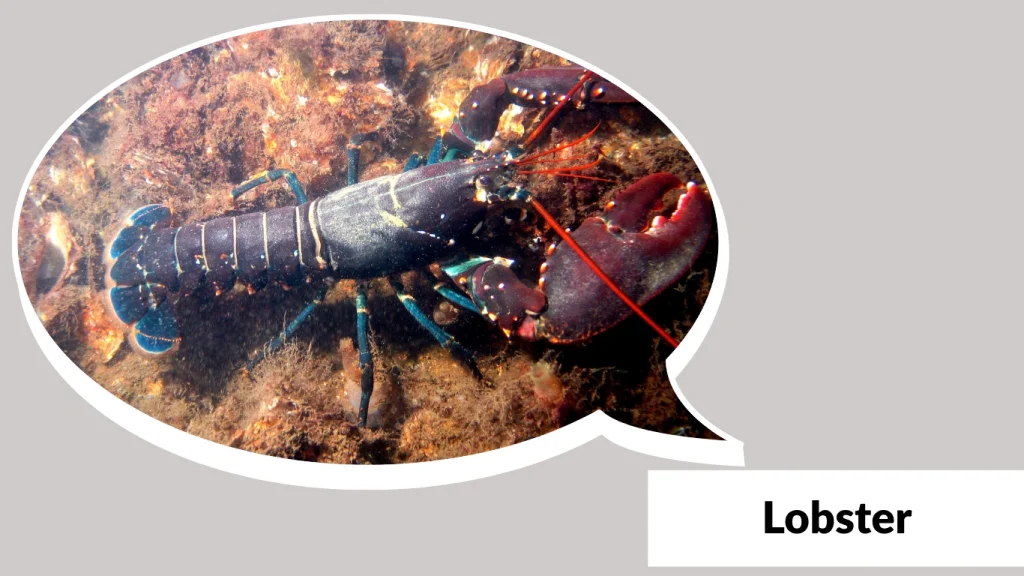
Lobsters are large marine crustaceans with powerful claws and long antennae. They are prized in seafood cuisine and play important ecological roles in benthic marine habitats.
Identification
- Hard exoskeleton with segmented body and tail
- Two large claws—one crusher, one cutter
- Long antennae and multiple small walking legs
- Color typically dark bluish-green to brown; red after cooking
Habitat
Lobsters live on the ocean floor in rocky crevices or burrows, especially in cold, coastal waters of the Atlantic Ocean. They prefer habitats with hiding spots.
Diet
Lobsters are omnivorous scavengers. They eat mollusks, crabs, urchins, fish, algae, and decaying organic matter. Their claws help crush and cut prey.
Behavior
Lobsters are mostly nocturnal and solitary. They molt to grow and may fight during mating or territorial disputes. They use chemical signals and touch for communication.
13. Octopus
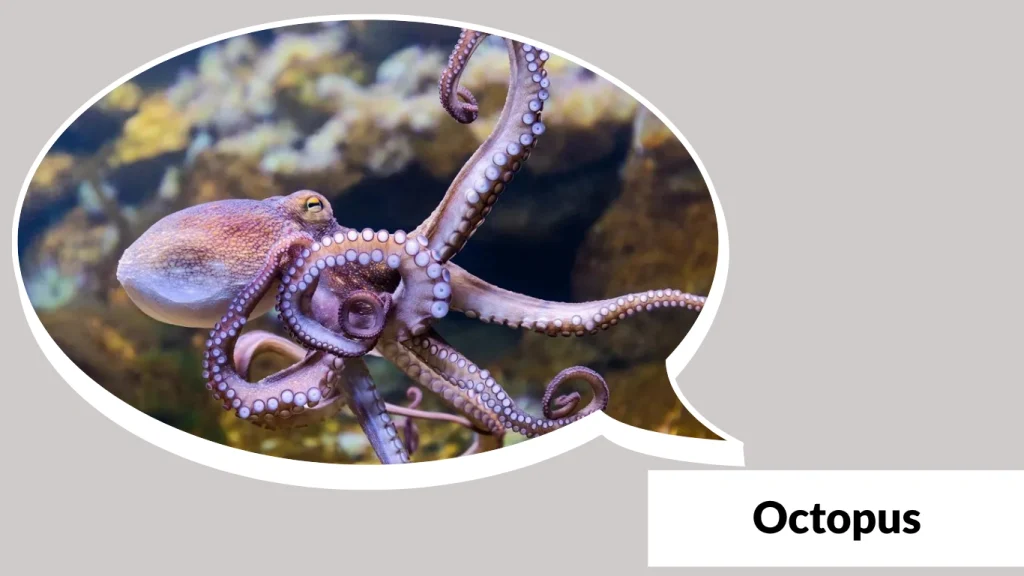
Octopuses are intelligent, soft-bodied mollusks known for their eight arms, problem-solving ability, and ability to camouflage. They are found in oceans worldwide.
Identification
- Soft, rounded body (mantle)
- Eight long arms with suction cups
- No internal skeleton or shell
- Skin color and texture can rapidly change
Habitat
Octopuses inhabit coral reefs, ocean floors, and rocky crevices in both shallow coastal areas and deep oceans. They often hide in dens or under rocks.
Diet
Octopuses are carnivores. They hunt crabs, shrimp, fish, and mollusks. They use their beak-like mouth to pierce and consume prey, often with venom.
Behavior
Highly intelligent and solitary, octopuses use camouflage, jet propulsion, and ink clouds for defense. They can unscrew lids, escape tanks, and remember problem-solving tasks.
14. Squid

Squids are fast-swimming, soft-bodied cephalopods related to octopuses and cuttlefish. Known for their streamlined shape and jet propulsion, they play a key role in ocean food chains.
Identification
- Elongated body with fins on both sides
- Eight arms and two longer feeding tentacles
- Internal shell called a “pen”
- Color varies; many can change color and glow
Habitat
Squids live in oceans worldwide, from surface waters to deep sea environments. Some species prefer coastal areas, while others are pelagic and roam the open ocean.
Diet
Squids are carnivorous and aggressive hunters. They eat fish, shrimp, other squids, and plankton. They use their tentacles to grab prey and a sharp beak to consume it.
Behavior
Squids are excellent swimmers, using jet propulsion for bursts of speed. Many display complex communication with color changes. Some form schools, while others live alone.
15. Jellyfish
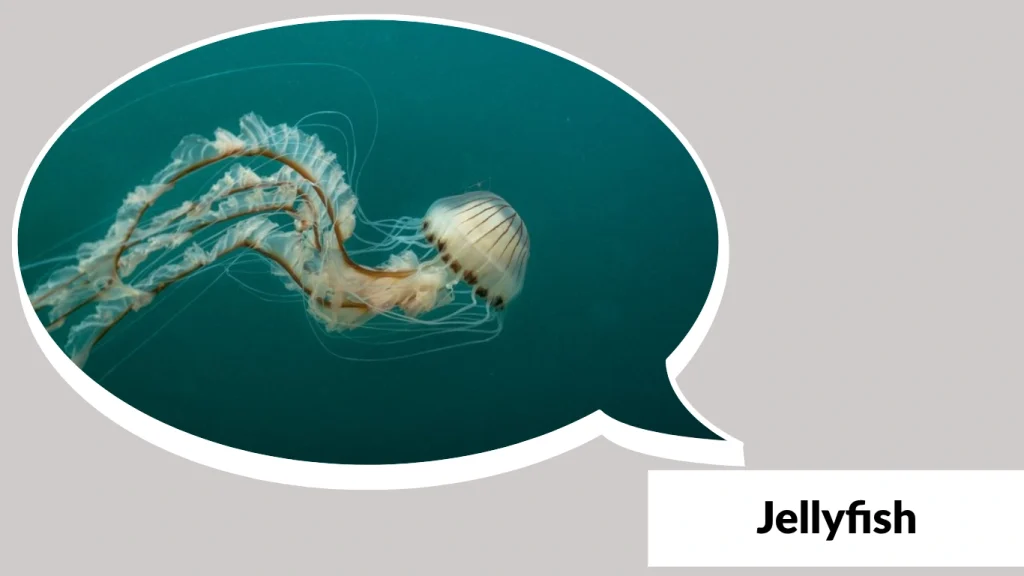
Jellyfish are gelatinous marine animals with umbrella-shaped bodies and trailing tentacles. They’ve existed for over 500 million years and are known for their stinging cells.
Identification
- Bell-shaped, transparent body
- Long, trailing tentacles or oral arms
- Lacks bones, brain, or heart
- Size ranges from under 1 inch to over 6 feet
Habitat
Jellyfish inhabit all oceans, from shallow coastal waters to the deep sea. Some species drift with the currents, while others can weakly swim by pulsating their bell.
Diet
Jellyfish feed on plankton, small fish, eggs, and larvae. Their tentacles contain nematocysts that stun or kill prey before drawing it into the mouth.
Behavior
Jellyfish are passive drifters but can move vertically by contracting their bell. Many exhibit bioluminescence. Blooms of jellyfish can occur seasonally, impacting fisheries and swimmers.
16. Sea Turtle
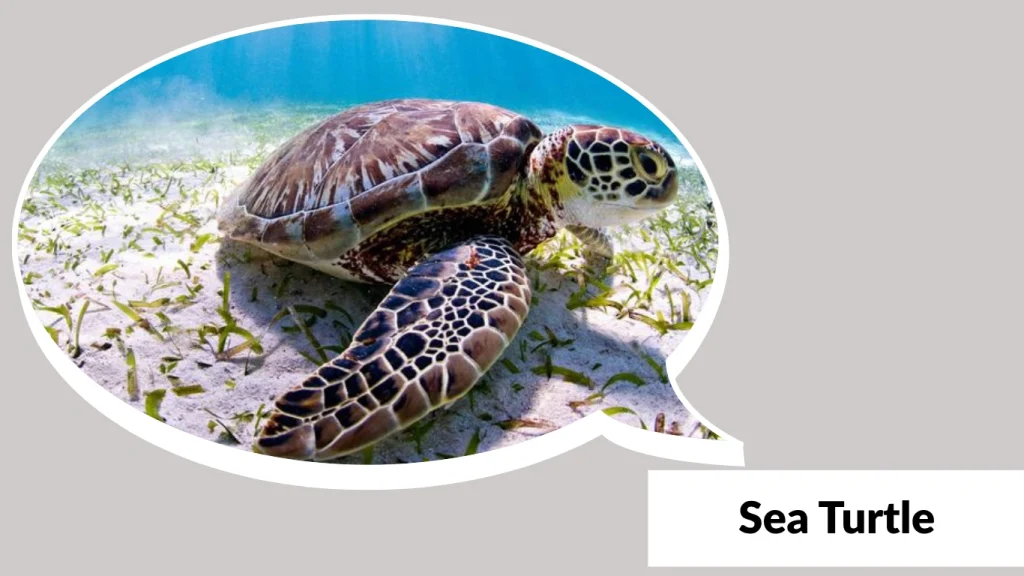
Sea turtles are ancient marine reptiles known for their long migrations, large flippers, and hard shells. They are vital to marine ecosystems and are protected worldwide due to declining populations.
Identification
- Streamlined, oval shell (carapace)
- Four large flippers adapted for swimming
- Beak-like mouth without teeth
- Species vary in size and color (green, loggerhead, leatherback, etc.)
Habitat
Sea turtles inhabit tropical and subtropical oceans. They live in coastal regions, coral reefs, open seas, and estuaries. Nesting occurs on sandy beaches.
Diet
Diet varies by species. Green sea turtles primarily eat seagrass and algae (herbivorous), while others like loggerheads eat crabs, jellyfish, and mollusks (omnivorous or carnivorous).
Behavior
Sea turtles undertake long migrations between feeding and nesting grounds. Females return to their birth beaches to lay eggs. They spend most of their lives underwater, surfacing to breathe.
17. Dolphin

Dolphins are intelligent, social marine mammals known for their playful behavior, vocalizations, and high cognitive abilities. They belong to the cetacean family along with whales and porpoises.
Identification
- Streamlined, torpedo-shaped body
- Prominent dorsal fin and long beak-like snout
- Smooth skin in gray, blue, or black tones
- Blowhole on top of the head for breathing
Habitat
Dolphins inhabit both coastal and open ocean waters worldwide. Some species prefer shallow bays, while others are found far offshore.
Diet
Dolphins are carnivorous and feed on fish, squid, and crustaceans. They use echolocation to find and hunt prey, often cooperatively in pods.
Behavior
Highly social, dolphins live in pods and communicate with clicks, whistles, and body movements. They display intelligence through tool use, play, and complex group behavior.
18. Whale
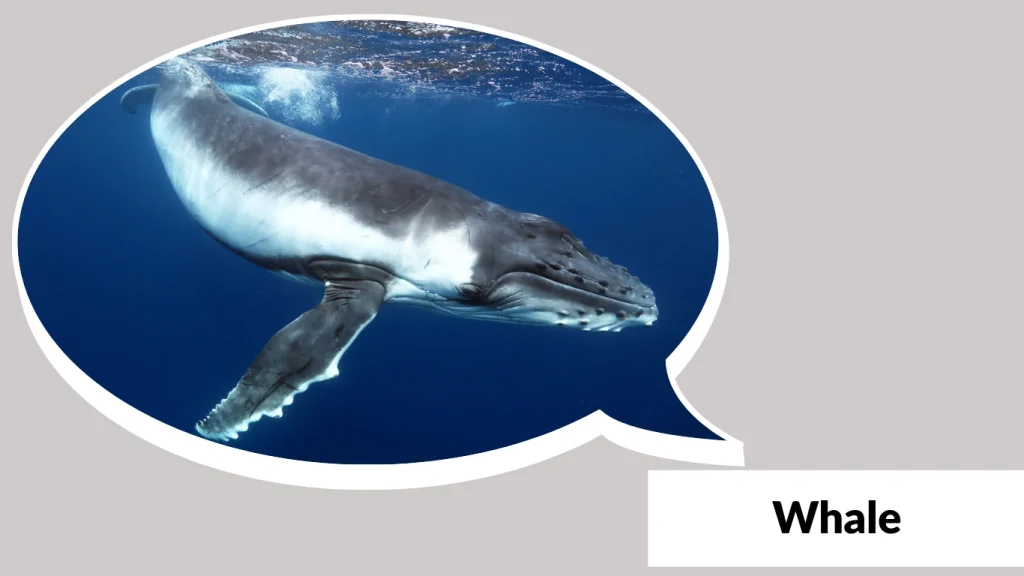
Whales are large marine mammals known for their immense size, intelligence, and long migrations. They are divided into two main groups: baleen whales and toothed whales.
Identification
- Streamlined, massive body with horizontal tail flukes
- Blowhole(s) on top of the head for breathing
- Size varies from 20 feet (dwarf sperm whale) to over 100 feet (blue whale)
- Skin texture may show barnacles or scars
Habitat
Whales are found in oceans worldwide, from polar to tropical waters. Many migrate between feeding grounds in cold regions and breeding grounds in warmer zones.
Diet
Baleen whales filter-feed on plankton, krill, and small fish using baleen plates. Toothed whales (like sperm whales and orcas) hunt fish, squid, and marine mammals.
Behavior
Whales exhibit breaching, spy-hopping, and tail slapping. They communicate through complex songs and echolocation. Some species travel thousands of miles during seasonal migrations.
19. Seahorse
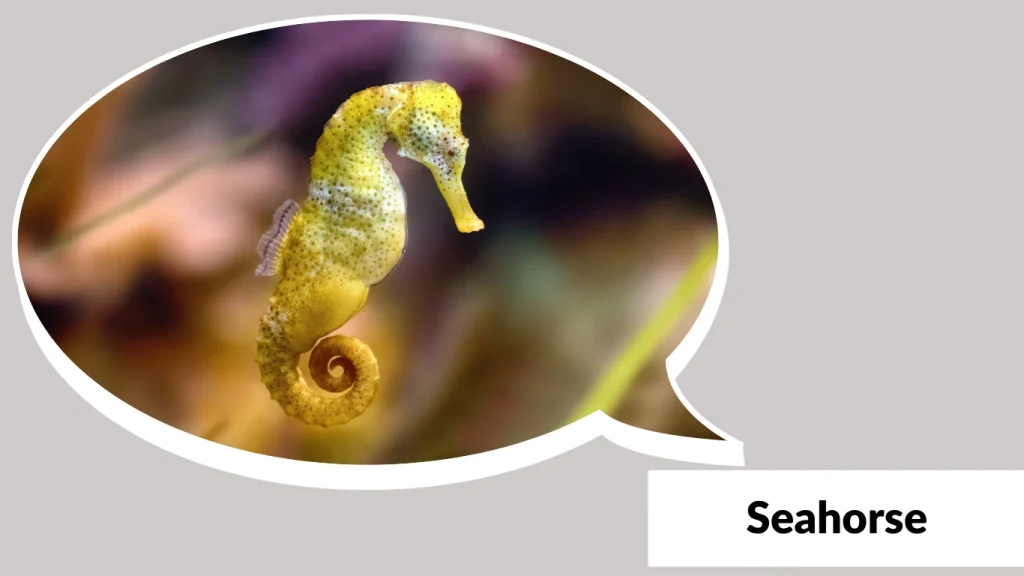
Seahorses are small, upright-swimming fish with horse-like heads and curled tails. They are unique among fish for their vertical posture and male pregnancy.
Identification
- Horse-shaped head with tubular snout
- Bony, armor-like plates covering body
- Prehensile curled tail used to grip objects
- Small dorsal fin on back and pectoral fins behind the head
Habitat
Seahorses live in shallow tropical and temperate waters. They are commonly found in seagrass beds, coral reefs, and mangroves where they anchor themselves with their tails.
Diet
Seahorses feed on tiny crustaceans, plankton, and small shrimp. They suck in prey using their snout, consuming food almost constantly due to their lack of a stomach.
Behavior
Seahorses are poor swimmers and rely on camouflage. They form monogamous pairs and perform daily mating dances. Males carry and birth the young in a specialized brood pouch.
20. Starfish
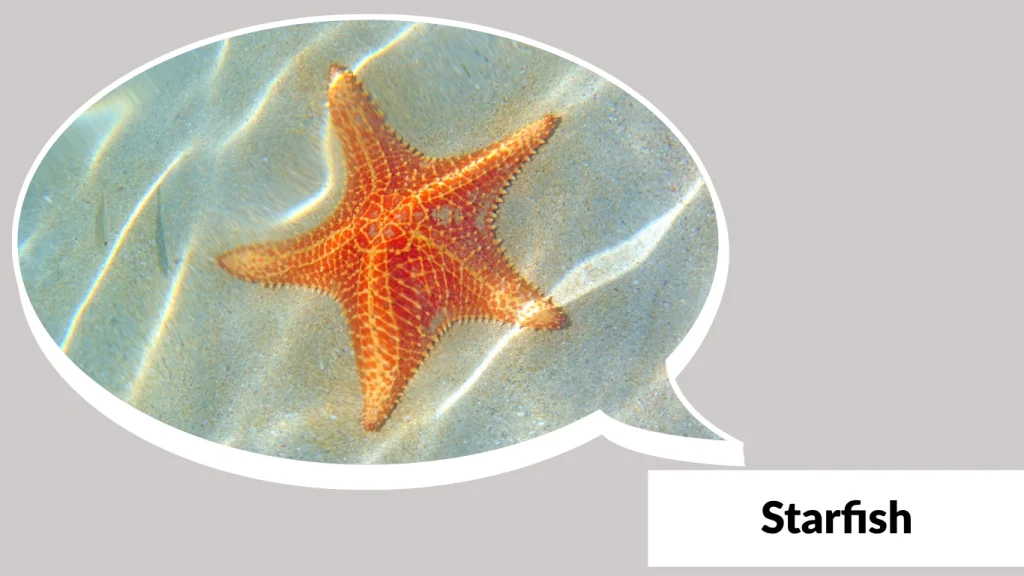
Starfish, also known as sea stars, are echinoderms with a unique radial symmetry and the ability to regenerate lost limbs. Despite their name, they are not fish.
Identification
- Typically five arms radiating from a central disc (some species have more)
- Tough, spiny skin with vibrant colors
- Tube feet on the underside of arms for movement
- No head, brain, or eyes (but light-sensitive eye spots at arm tips)
Habitat
Starfish inhabit marine environments ranging from tidal pools to deep sea floors. They are commonly found on rocks, coral reefs, and sandy or muddy bottoms.
Diet
Starfish are carnivores or scavengers. They feed on mollusks like clams and oysters by everting their stomachs to externally digest prey. Some also eat detritus and plankton.
Behavior
Starfish move slowly using tube feet and have excellent regenerative abilities. They are solitary and use chemical cues to locate food and avoid predators.
21. Eel

Eels are long, snake-like fish found in both freshwater and marine habitats. They have a smooth, scaleless appearance and some species undertake remarkable migrations.
Identification
- Elongated, cylindrical body
- Slimy, scaleless skin (some have small embedded scales)
- Continuous dorsal, caudal, and anal fin
- Varies in color from brown to green, black, or yellow
Habitat
Eels live in rivers, lakes, and oceans. Freshwater eels (like American and European eels) migrate to the sea to spawn, while many marine eels live in reefs or seabeds.
Diet
Eels are carnivorous. They feed on fish, invertebrates, worms, and crustaceans. They often hunt at night and ambush prey from hiding spots.
Behavior
Eels are mostly nocturnal and secretive, hiding in crevices or burrows during the day. Some species, like the electric eel, generate electric shocks to hunt or defend.
22. Stingray
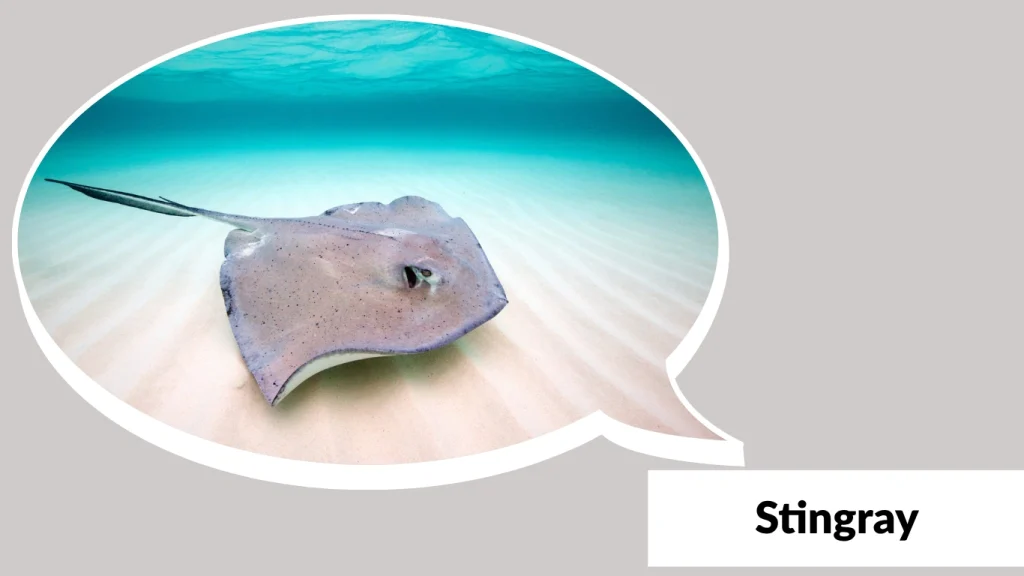
Stingrays are flat-bodied, cartilaginous fish related to sharks. They are known for their graceful swimming and a venomous stinger on their tail used for defense.
Identification
- Flat, diamond or disc-shaped body
- Eyes on top, mouth and gills underneath
- Long, whip-like tail often with one or more barbed spines
- Varies in color; often sandy or mottled for camouflage
Habitat
Stingrays inhabit coastal tropical and subtropical marine waters, including sandy bottoms, coral reefs, and seagrass beds. Some species also live in freshwater rivers and lakes.
Diet
They feed on bottom-dwelling prey like mollusks, crustaceans, worms, and small fish. Stingrays use their flattened teeth to crush hard-shelled food.
Behavior
Stingrays often lie buried in sand, moving with gentle flaps of their pectoral fins. While usually docile, they will sting defensively if stepped on or threatened.
23. Sea Urchin
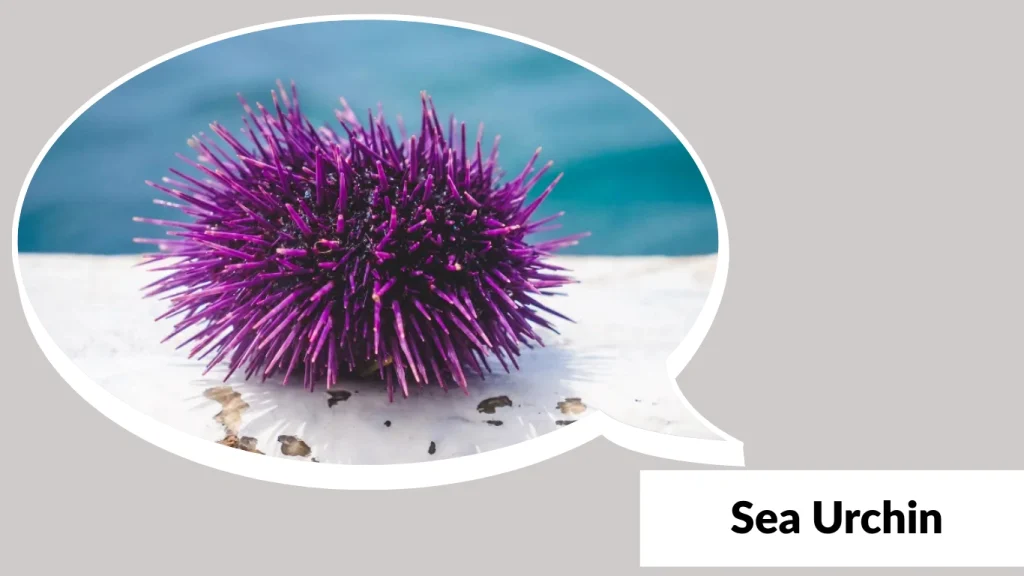
Sea urchins are small, round echinoderms covered in spines. Despite their tough appearance, they play a crucial role in maintaining kelp forest and reef ecosystems.
Identification
- Globe-shaped body encased in a hard shell (test)
- Covered in long, movable spines
- Tiny tube feet and mouth located on the underside
- Varies in color: black, red, green, purple
Habitat
Sea urchins live on rocky seafloors, coral reefs, and tide pools in oceans worldwide. They cling to substrates using their tube feet and spines.
Diet
They primarily graze on algae, scraping it off rocks with a specialized mouth called Aristotle’s lantern. Some species also feed on decomposing matter or small invertebrates.
Behavior
Sea urchins move slowly and use their spines and tube feet for mobility and defense. Some species cluster in groups and can alter local ecosystems if overpopulated.
24. Manta Ray

Manta rays are large, majestic rays known for their triangular pectoral fins, horn-shaped cephalic fins, and graceful gliding through open waters. They are gentle giants of the sea.
Identification
- Broad, flat body with triangular “wings”
- Cephalic fins (like horns) on either side of the head
- Long, whip-like tail without a stinger
- Can grow up to 23 feet in wingspan
Habitat
Manta rays inhabit tropical and subtropical oceans. They prefer open water near reefs, seamounts, and coastal areas where plankton is abundant.
Diet
Manta rays are filter feeders. They swim with their mouths open, consuming plankton, small fish, and microscopic organisms. Their cephalic fins help funnel food into their mouths.
Behavior
Highly intelligent and curious, manta rays are often seen breaching the surface or interacting with divers. They migrate long distances and frequently visit cleaning stations on reefs.
25. Swordfish

Swordfish are large, predatory fish named for their long, flattened, sword-like upper jaw. They are powerful swimmers and among the fastest fish in the ocean.
Identification
- Long, pointed bill (sword) extending from the upper jaw
- Streamlined, torpedo-shaped body
- Large dorsal fin and crescent-shaped tail
- Typically dark gray or brown on top, lighter below
Habitat
Swordfish are found in temperate and tropical oceans worldwide. They inhabit deep, open waters and are often found at various depths depending on temperature and prey availability.
Diet
Swordfish are carnivores. They hunt squid, octopus, and other fish, often stunning prey with quick swipes of their sword. Their diet varies with depth and location.
Behavior
Solitary and migratory, swordfish can dive over 1,000 meters deep. They are known for their speed and agility. Unlike many fish, they can elevate their eye and brain temperatures for better deep-water vision.