


From household pets to ancient giants, the animal kingdom offers an incredible variety of species whose names begin with the letter H. This list features 60 fascinating animals grouped into categories like mammals, birds, insects, sea creatures, and more. Whether you’re curious about the humble hamster or the massive Hatzegopteryx, this guide offers a bite-sized overview of each, helping you explore the diversity of life that starts with H.
Mammals That Start with H
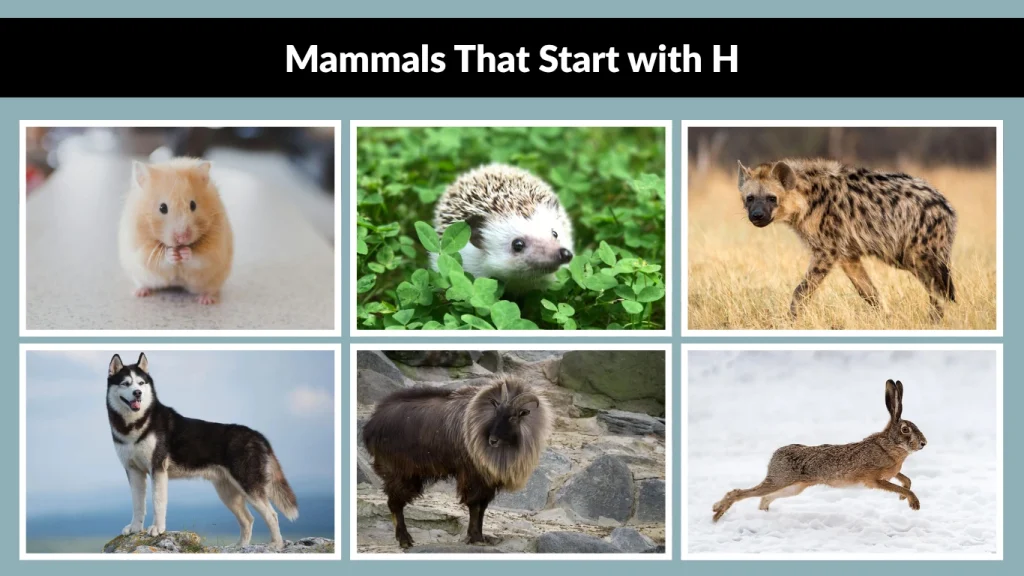
Mammals are warm-blooded animals with fur or hair, and most give birth to live young. This group features six common mammals whose names begin with the letter H, ranging from adorable pets to wild species found in forests and mountains.
1. Hamster
Hamsters are small, nocturnal rodents that are popular as household pets. They have cheek pouches to carry food and love burrowing in bedding.
In the wild, hamsters live in dry areas like deserts and steppes. They are solitary and territorial, requiring individual housing in captivity.
2. Hedgehog
Hedgehogs are known for their spiny backs and ability to curl into a tight ball when threatened. They feed on insects, worms, and small invertebrates.
Native to Europe, Asia, and Africa, hedgehogs are mostly nocturnal. Some people keep them as exotic pets due to their unique appearance.
3. Hyena
Hyenas are carnivorous mammals often found in Africa. They are famous for their powerful jaws and eerie, laughter-like vocalizations.
Although they resemble dogs, hyenas are more closely related to cats. They live in social groups called clans and are excellent hunters and scavengers.
4. Husky
Huskies are medium-sized working dogs bred for pulling sleds in cold climates. They have thick fur and are known for their stamina and strength.
With striking blue or multicolored eyes, huskies are friendly, energetic, and intelligent. They need regular exercise and a strong-willed owner.
5. Himalayan Tahr
The Himalayan tahr is a large wild goat native to the rugged mountains of the Himalayas. It has a thick reddish-brown coat to survive cold altitudes.
These herbivores are agile climbers, often seen on steep cliffs. Males have curved horns and form small herds with females and young.
6. Hare
Hares are fast-running mammals with long legs and large ears. They differ from rabbits in size, behavior, and habitat preferences.
Hares live in open fields or grasslands and make nests in shallow depressions. They rely on speed and camouflage to escape predators.
Birds That Start with H

Birds are feathered, warm-blooded animals with beaks and most have the ability to fly. In this group, you’ll find six bird species beginning with the letter H, ranging from predators of the sky to small backyard visitors.
7. Hawk
Hawks are powerful birds of prey known for their sharp talons and keen eyesight. They soar high and dive swiftly to catch rodents, reptiles, or small birds.
They are found on every continent except Antarctica. Hawks play an important role in the ecosystem by controlling pest populations.
8. Heron
Herons are tall, long-legged wading birds often seen near wetlands and shallow waters. They hunt fish and frogs with their pointed bills.
Herons are patient hunters, standing still for long periods before striking. Some species migrate great distances between breeding and wintering grounds.
9. Harrier
Harriers are medium-sized raptors that glide low over fields and marshes in search of prey. They have a distinct owl-like facial disk that aids hearing.
These birds often nest on the ground and feed on small mammals and birds. The northern harrier is the most widespread species in North America.
10. Hornbill
Hornbills are tropical birds with large, curved bills and a casque on top. They are known for their unique nesting behavior, where the female seals herself inside a tree cavity.
They feed on fruit, insects, and small animals. Native to Africa and Asia, hornbills are admired for their striking appearance and interesting calls.
11. House Sparrow
The house sparrow is a small, adaptable bird commonly seen in urban and rural areas. Males have gray crowns and black bibs, while females are brown and streaked.
These social birds build nests in crevices or buildings and often live near humans. They feed on seeds, crumbs, and insects.
12. Hummingbird
Hummingbirds are tiny birds known for their rapid wing beats and ability to hover. They feed on nectar using their long, slender beaks.
Found mostly in the Americas, hummingbirds come in dazzling colors. They play an important role in pollination and have incredibly fast metabolisms.
Reptiles & Amphibians
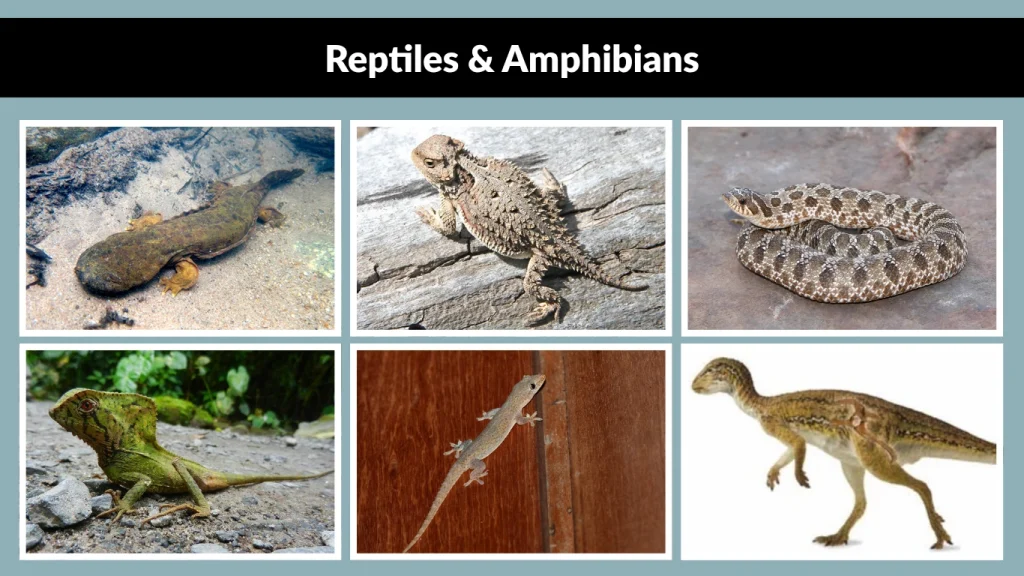
Reptiles and amphibians are cold-blooded animals that often depend on their environment to regulate body temperature. This group includes six fascinating creatures that begin with the letter H, some of which dwell in water while others roam dry land.
13. Hellbender
The hellbender is a giant aquatic salamander found in streams of the eastern United States. It has wrinkly skin and can grow over two feet long.
Hellbenders breathe through their skin and prefer clean, fast-moving water. They’re rarely seen and are considered indicators of good water quality.
14. Horned Toad
Despite the name, the horned toad is actually a lizard, also known as the horned lizard. It has a flattened body and spiny armor-like scales.
Native to North America, it uses camouflage and can squirt blood from its eyes as a defense. It mostly feeds on ants and small insects.
15. Hognose Snake
Hognose snakes are harmless colubrid snakes known for their upturned snouts. They use their nose to dig and burrow in sandy soils.
When threatened, they may hiss, flatten their necks, or even play dead. These snakes are non-venomous and primarily eat frogs, toads, and rodents.
16. Helmeted Iguana
The helmeted iguana is a tree-dwelling lizard found in Central and South America. It gets its name from the distinctive crest or “helmet” on its head.
These lizards are excellent climbers and can blend into their surroundings. They are shy and mostly feed on insects and small invertebrates.
17. House Gecko
House geckos are small, agile lizards that are commonly seen on walls and ceilings in warm regions. They’re often found near lights where insects gather.
These geckos are nocturnal and helpful for pest control. They have adhesive toe pads that allow them to climb smooth surfaces effortlessly.
18. Hypsilophodon
Hypsilophodon was a small, fast herbivorous dinosaur that lived during the Early Cretaceous period. Though extinct, it’s an important part of paleontological history.
It was likely bipedal and used its speed to evade predators. Fossils have been found in Europe, particularly on the Isle of Wight in England.
Insects and Spiders

Insects and spiders are invertebrates that make up a vast portion of Earth’s biodiversity. This group includes six species that begin with the letter H—some are common household pests, while others are marvels of nature.
19. Horsefly
Horseflies are large, fast-flying insects known for their painful bite. Females feed on blood, while males usually feed on nectar.
They are often found near water, where they lay eggs. Their bite can be irritating to humans and livestock, making them a nuisance in summer.
20. Hoverfly
Hoverflies resemble bees or wasps but are harmless. They get their name from their ability to hover in place while flying.
They play an important role in pollination and pest control. Their larvae often feed on aphids, benefiting garden ecosystems.
21. Harlequin Bug
The harlequin bug is a colorful insect with bold orange and black patterns. It is a type of stink bug that emits a foul odor when disturbed.
These bugs are agricultural pests, particularly in the southern United States. They damage plants by piercing and sucking juices from stems and leaves.
22. Hercules Beetle
The Hercules beetle is one of the largest beetles in the world, with males sporting long, horn-like projections. It belongs to the rhinoceros beetle family.
Native to Central and South America, they are mostly nocturnal and feed on decaying fruit and bark. Despite their fierce appearance, they are harmless to humans.
23. House Spider
House spiders are common in human dwellings. They spin webs in corners to catch flies, mosquitoes, and other small insects.
Most species are harmless and even helpful in controlling pests. They vary in size and color, often going unnoticed unless disturbed.
24. Hornet
Hornets are a type of large wasp known for their aggressive defense of nests. Their sting can be painful and dangerous to those allergic.
They are social insects that build paper-like nests in trees, eaves, or attics. Hornets prey on other insects and help control pest populations.
Sea Creatures That Start with H
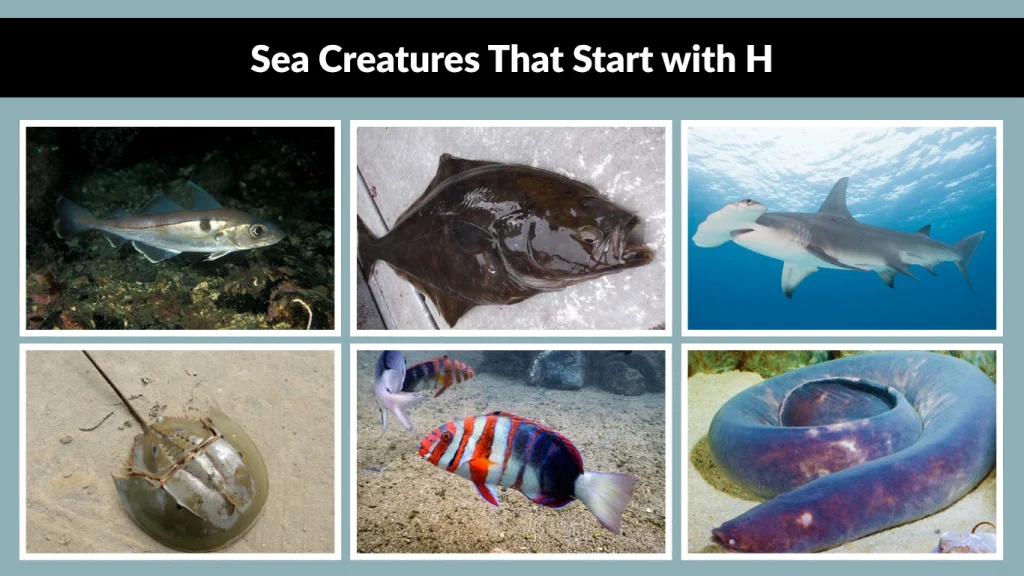
The ocean is home to a wide variety of fascinating animals, including many that begin with the letter H. This group features six sea creatures, ranging from deep-sea scavengers to large, predatory fish commonly found in coastal waters.
25. Haddock
Haddock is a saltwater fish related to cod and commonly found in the North Atlantic. It has a distinctive black spot near each pectoral fin.
It’s an important commercial fish, often used in fish and chips. Haddock live near the ocean floor and feed on crustaceans, worms, and mollusks.
26. Halibut
Halibut are large flatfish that can grow to enormous sizes. They have both eyes on one side of their body and live on the seafloor.
They’re prized for their mild, firm flesh and are commonly caught in the North Pacific and Atlantic. Halibut are slow growers but long-lived.
27. Hammerhead Shark
Hammerhead sharks are easily recognized by their wide, flattened heads. Their unique head shape improves sensory perception and helps locate prey.
They inhabit warm waters around the world and often swim in schools. Though intimidating, most species are not dangerous to humans unless provoked.
28. Horseshoe Crab
Horseshoe crabs are ancient marine arthropods that have existed for over 400 million years. They have a hard, dome-shaped shell and a long tail spine.
They’re not true crabs and are more closely related to spiders. Their blue blood is valuable for medical testing due to its clotting properties.
29. Harlequin Tuskfish
The harlequin tuskfish is a brightly colored reef fish with blue teeth and bold orange and white bands. It’s found in the Western Pacific Ocean.
This carnivorous fish uses its sharp teeth to crush shellfish and crustaceans. It’s a favorite in marine aquariums due to its striking appearance.
30. Hagfish
Hagfish are jawless, eel-like creatures that live on the ocean floor. They’re known for producing slime as a defense mechanism when threatened.
They feed on dead or dying sea animals by burrowing into the carcass. Despite their primitive appearance, they play an important ecological role as scavengers.
Farm Animals
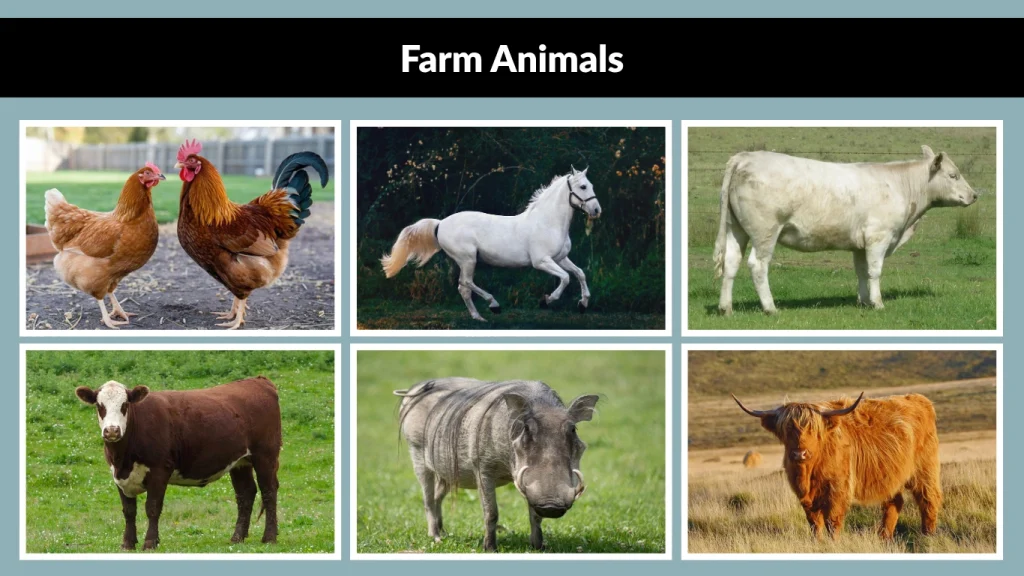
Farm animals are domesticated creatures raised for food, labor, or companionship. In this group, you’ll find six familiar farm animals that begin with the letter H, each playing a unique role in agricultural life around the world.
31. Hen
A hen is an adult female chicken, commonly kept for egg production. Hens are social birds and often establish a pecking order within their flock.
They lay one egg almost daily under proper conditions. Hens are easy to care for and are found on farms and in backyard coops.
32. Horse
Horses are large, hoofed mammals that have been used by humans for centuries for travel, work, and sport. They are intelligent and social animals.
On farms, horses may be used for pulling plows, transportation, or herding livestock. They require ample space, grooming, and a specialized diet.
33. Heifer
A heifer is a young female cow that has not yet given birth. Farmers raise heifers to become dairy or breeding cows in the future.
They are an important part of cattle operations, especially in the dairy industry. Heifers need proper nutrition and care to reach maturity.
34. Herford
Hereford is a beef cattle breed known for its white face and red body. They are hardy, adaptable, and efficient in converting feed into meat.
Originating in England, Herefords are now found worldwide. Their calm temperament makes them easy to handle, and they thrive in diverse climates.
35. Hog
A hog is a domesticated pig typically raised for meat, such as bacon and pork. Hogs are intelligent animals with strong rooting instincts.
They are often raised in pens and require a balanced diet and clean conditions. Hogs grow quickly and are a major part of the meat industry.
36. Highland Cow
The Highland cow is a Scottish cattle breed known for its long horns and shaggy coat. This fur helps them survive harsh mountain weather.
They are primarily raised for beef and are known for their docile nature. Highland cows graze on rough terrain and are visually striking animals.
Wild Animals
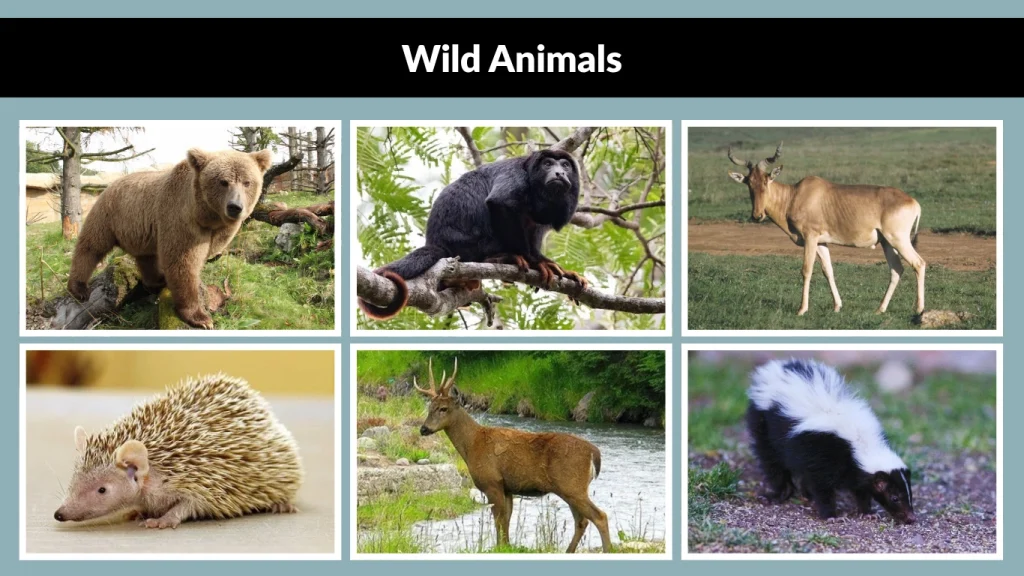
Wild animals live freely in natural habitats such as forests, mountains, grasslands, and deserts. This group features six wild species starting with the letter H, each uniquely adapted to survive and thrive in the wild.
37. Himalayan Bear
The Himalayan bear, also known as the Asiatic black bear, lives in the mountainous regions of the Himalayas. It has a distinctive white crescent on its chest.
These bears are omnivores, feeding on plants, fruits, and small animals. They hibernate during the winter and are considered vulnerable due to habitat loss.
38. Howler Monkey
Howler monkeys are large New World monkeys known for their deep, echoing calls that travel miles through the forest. They are among the loudest land animals.
Native to Central and South America, they live in treetops and eat leaves and fruit. Their prehensile tails help them grip branches with ease.
39. Hartebeest
Hartebeests are large antelopes native to Africa. They have a long, sloping back and distinctive lyre-shaped horns that curve outward and inward.
These grassland dwellers live in herds and are fast runners, reaching speeds over 50 km/h. They graze primarily on grasses and rely on open plains.
40. Hedgehog Tenrec
The hedgehog tenrec is a small, spiny mammal found only in Madagascar. Although it resembles a hedgehog, it is part of a separate mammalian family.
This nocturnal insectivore curls into a ball when threatened. It feeds on insects, worms, and small invertebrates and prefers warm, tropical environments.
41. Huemul
The huemul is a rare, endangered deer species native to the Andes mountains in Chile and Argentina. It is the national animal of Chile.
These stocky, short-legged deer are well adapted to cold, rugged terrain. Huemuls are shy and elusive, and their populations are now critically low.
42. Hooded Skunk
The hooded skunk is a small mammal found in Central America and the southwestern United States. It gets its name from the thick white stripe over its head and neck.
Like other skunks, it sprays a foul-smelling liquid for defense. It is nocturnal and feeds on insects, fruits, and small animals.
Exotic or Rare Animals
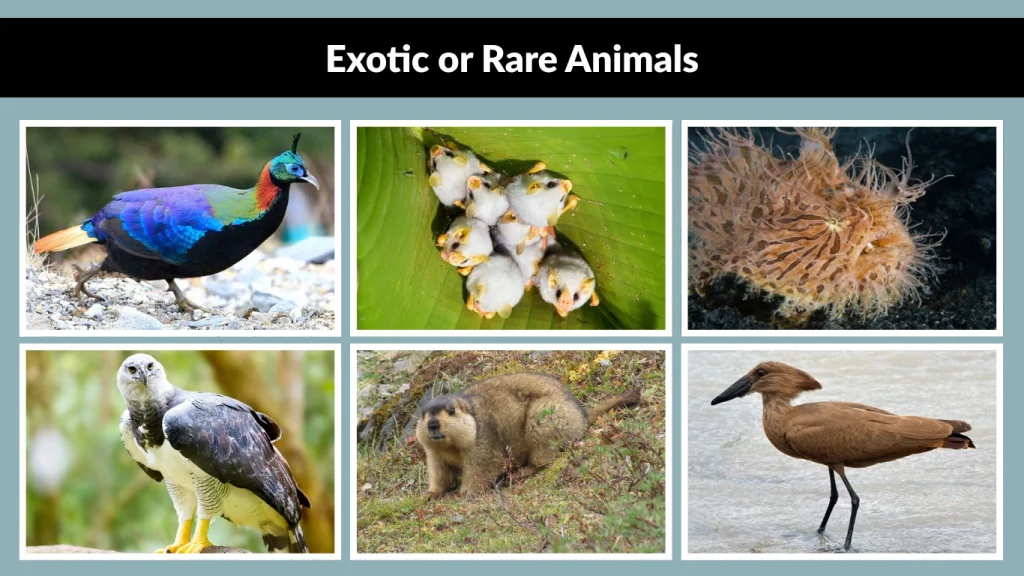
Exotic or rare animals are species that are unusual to encounter in everyday life. They often live in remote or specialized habitats and may be prized for their unique appearance, behavior, or ecological significance. This group includes six intriguing animals that start with the letter H.
43. Himalayan Monal
The Himalayan monal is a brightly colored pheasant native to the Himalayan forests. Males have iridescent plumage with metallic green, blue, and red feathers.
It’s the national bird of Nepal and prefers high-altitude wooded areas. These birds are shy, feed on roots and insects, and are active mostly during the day.
44. Honduran White Bat
The Honduran white bat is a tiny, leaf-dwelling bat with pure white fur and a yellow nose and ears. It roosts under large tropical leaves.
Found in Central America, it uses its sharp teeth to cut and fold leaves into tents. Despite its ghostly look, it’s harmless and feeds on fruit.
45. Hairy Frogfish
The hairy frogfish is a bizarre-looking marine creature covered in hair-like spines. It uses a modified fin like a fishing rod to lure prey.
This species blends into coral reefs and ambushes fish using its massive mouth. It’s rare to spot in the wild due to its excellent camouflage.
46. Harpy Eagle
The harpy eagle is one of the world’s largest and most powerful eagles. It lives in tropical rainforests of Central and South America.
It has a crown of feathers and strong talons capable of catching monkeys and sloths. Due to habitat destruction, it’s now considered near-threatened.
47. Himalayan Marmot
The Himalayan marmot is a large, burrowing rodent found in alpine meadows above 3,500 meters. It lives in colonies and hibernates through winter.
These animals emit loud whistles when alarmed. Though they look like groundhogs, they’re adapted to colder, thinner air in mountainous zones.
48. Hammerkop
The hammerkop is a medium-sized wading bird from Africa, named for its hammer-shaped head. It builds enormous, domed nests with sticks and mud.
Hammerkops are often seen near freshwater searching for fish, frogs, and insects. Their unique nesting and social behavior make them quite distinctive.
Pets and Domesticated Animals
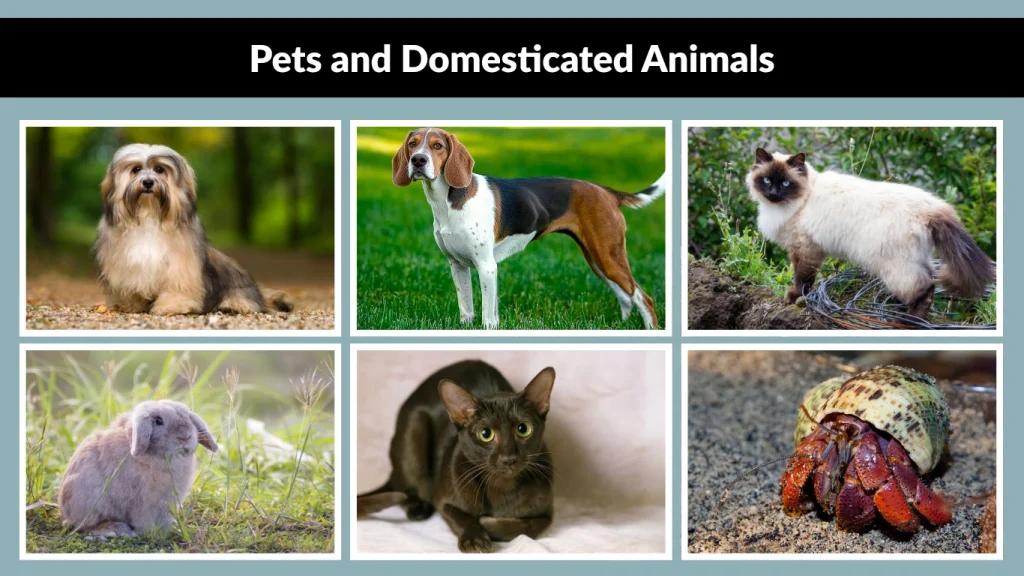
Pets and domesticated animals live closely with humans, offering companionship, utility, or both. This group highlights six animals that start with the letter H, commonly found in homes or kept for specific purposes.
49. Havanese Dog
The Havanese is a small, fluffy toy dog breed known for its cheerful personality and silky coat. It originates from Cuba and is the national dog of the country.
These dogs are affectionate and friendly, making them excellent companions. They are also intelligent and easy to train, thriving in family environments.
50. Harrier Dog
The Harrier is a medium-sized scent hound bred for hunting hares and foxes. It resembles a small English foxhound with a strong build and energetic nature.
Harriers are pack animals that enjoy outdoor activity. With proper training and space to roam, they make loyal and fun-loving pets.
51. Himalayan Cat
The Himalayan cat is a long-haired breed with striking blue eyes and a gentle temperament. It’s a cross between a Persian and a Siamese.
These cats are affectionate, quiet, and enjoy lounging indoors. Their thick coats require regular grooming, and they thrive best in calm environments.
52. Holland Lop Rabbit
The Holland Lop is a small domestic rabbit with floppy ears and a compact body. It is one of the most popular pet rabbit breeds worldwide.
They are friendly, gentle, and enjoy human interaction. Holland Lops require a clean, safe enclosure and time outside for exercise and bonding.
53. Havana Brown Cat
The Havana Brown is a rare cat breed known for its chocolate-brown coat and green eyes. It was developed in the 1950s through careful breeding.
These cats are playful, curious, and affectionate toward their owners. They do well in quiet households and form strong human attachments.
54. Hermit Crab
Hermit crabs are small crustaceans that live in discarded shells for protection. They are popular invertebrate pets due to their unique behavior.
They are social and do best in groups. Hermit crabs require proper humidity, temperature, and access to both fresh and salt water to stay healthy.
Extinct or Prehistoric Animals
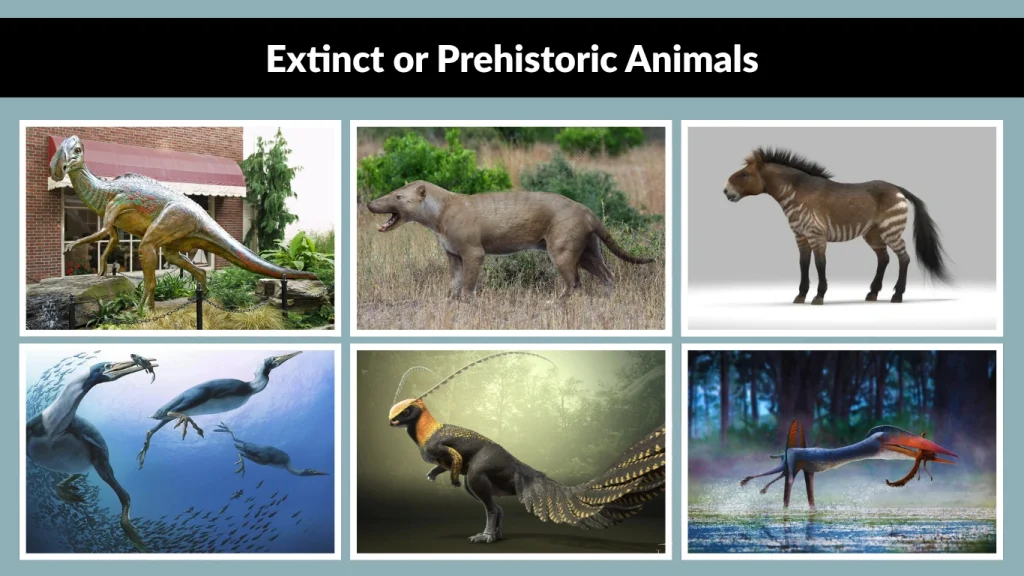
Extinct or prehistoric animals are species that no longer exist today but once roamed the Earth in ancient times. This group highlights six animals starting with the letter H that are known from fossil records or scientific discovery.
55. Hadrosaurus
Hadrosaurus was a duck-billed herbivorous dinosaur from the Late Cretaceous period. It had strong hind legs and a large, flat snout used for grazing.
Fossils were first discovered in North America. It likely lived in herds and used its complex teeth to chew tough plant material effectively.
56. Hyaenodon
Hyaenodon was a prehistoric carnivore that lived about 40 to 15 million years ago. It had a massive skull and strong jaws ideal for crushing bone.
Despite its name, it wasn’t related to modern hyenas. Hyaenodon roamed ancient forests and plains, preying on smaller animals with its powerful bite.
57. Hippidion
Hippidion was a stocky, extinct horse species native to South America. It had a short face and adapted limbs for fast movement across open terrain.
It became extinct around 10,000 years ago, likely due to climate change and human activity. Fossils have been found in Argentina and other regions.
58. Hesperornis
Hesperornis was a flightless, diving bird that lived during the Late Cretaceous period. It had sharp teeth and strong legs for swimming in ancient seas.
Its body was streamlined for underwater hunting. Fossil remains suggest it preyed on fish and lived in coastal environments similar to today’s seabirds.
59. Hypsilophodon
Hypsilophodon was a small, fast herbivorous dinosaur that lived in the Early Cretaceous. It had long legs, a stiff tail, and sharp eyesight for spotting danger.
It likely traveled in groups and fed on low-growing vegetation. Fossils have been found primarily in Europe, especially on the Isle of Wight.
60. Hatzegopteryx
Hatzegopteryx was a giant pterosaur with an enormous wingspan and thick neck bones. It lived in what is now Romania during the Late Cretaceous period.
It was likely a top predator on its island habitat, feeding on small dinosaurs. Its fossils suggest it was one of the largest flying animals ever known.