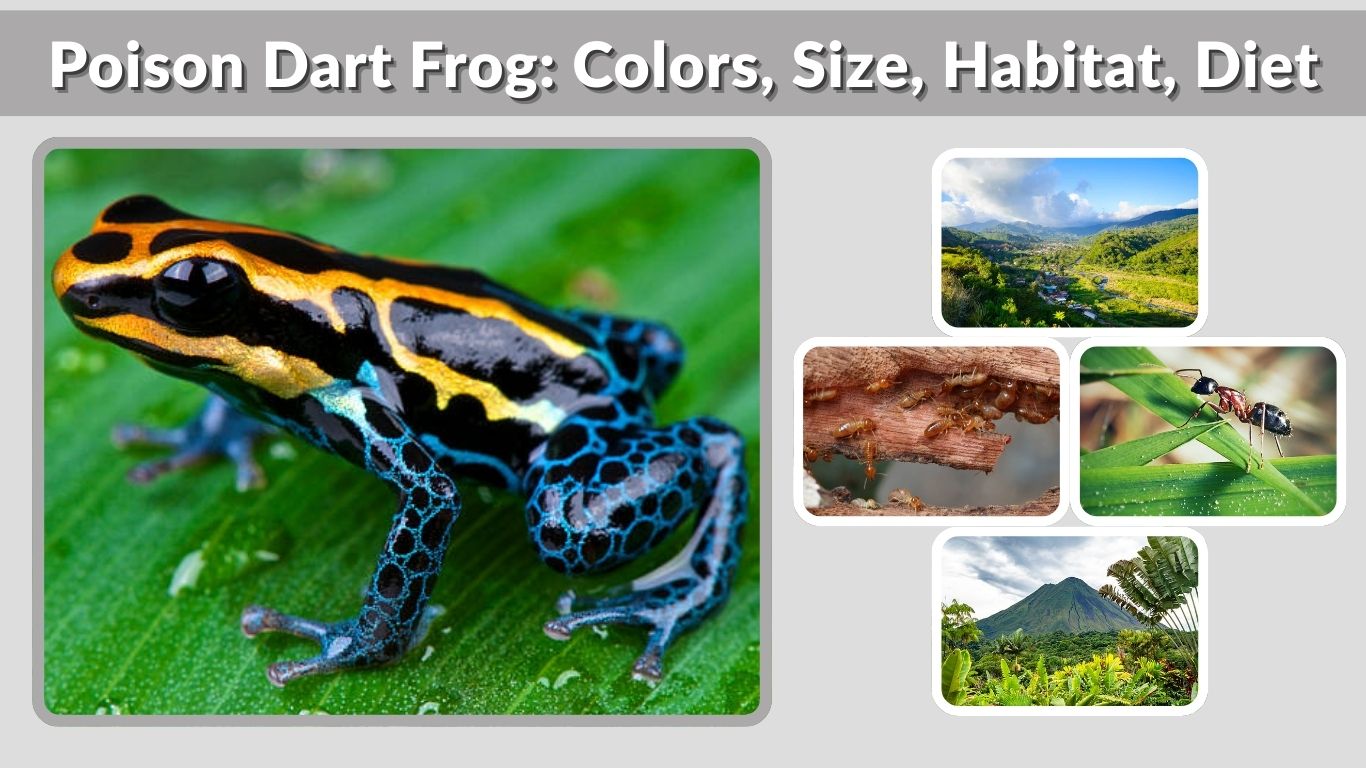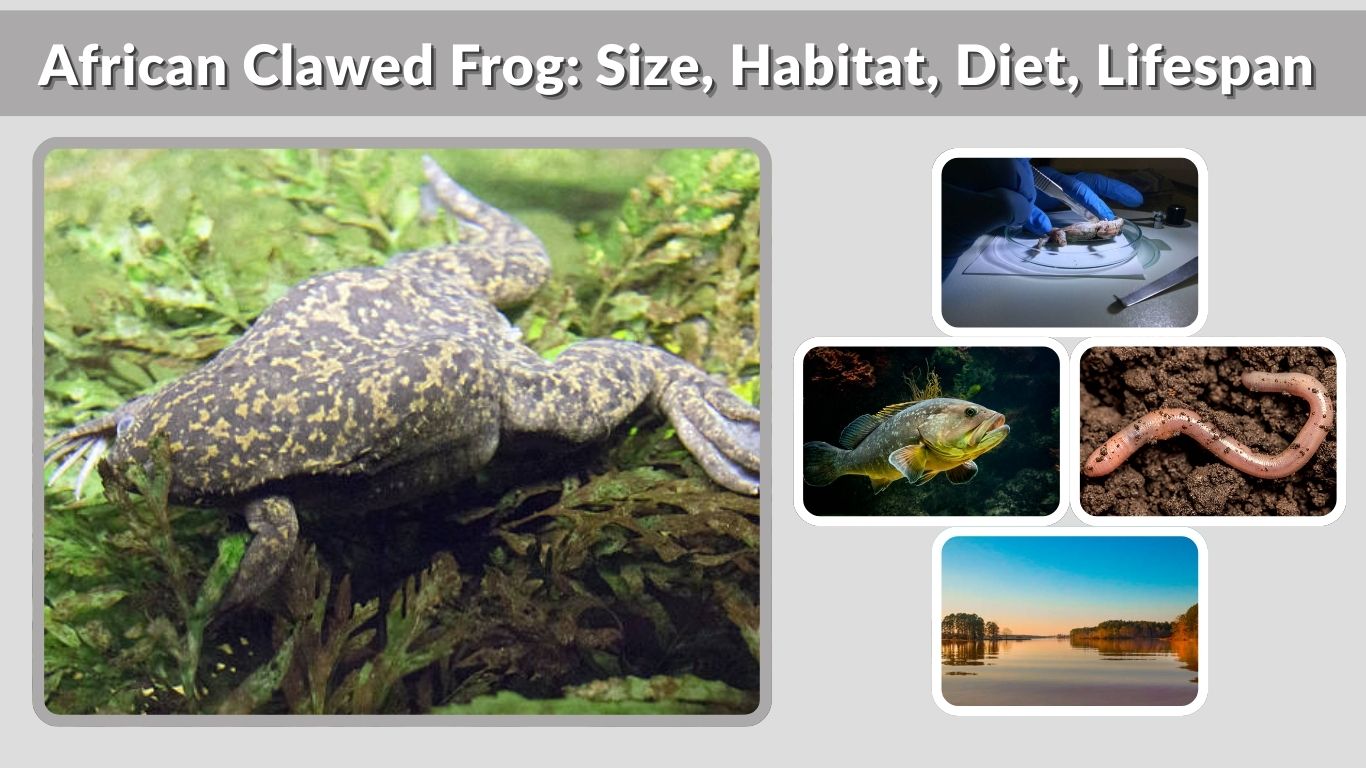





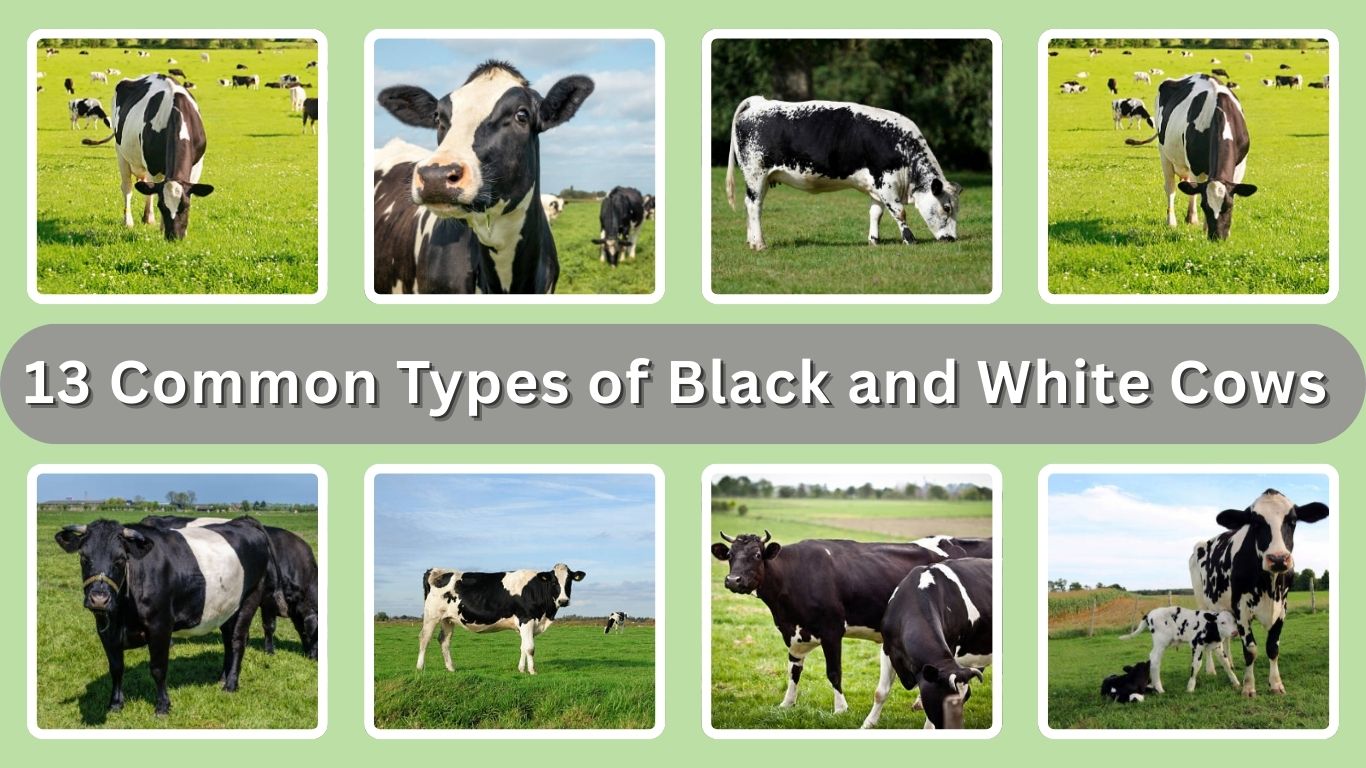
Black and white cows are among the most recognizable cattle in the world and are especially famous for their role in dairy farming. These cows are primarily valued for milk production, though some are also kept for breeding and conservation purposes. Different regions have developed their own black-and-white cattle types, each adapted to local climates, management systems, and production goals. Understanding these common black-and-white cow types helps farmers, students, and livestock enthusiasts identify breeds and choose animals suited to specific dairy needs.
1. Holstein Cattle
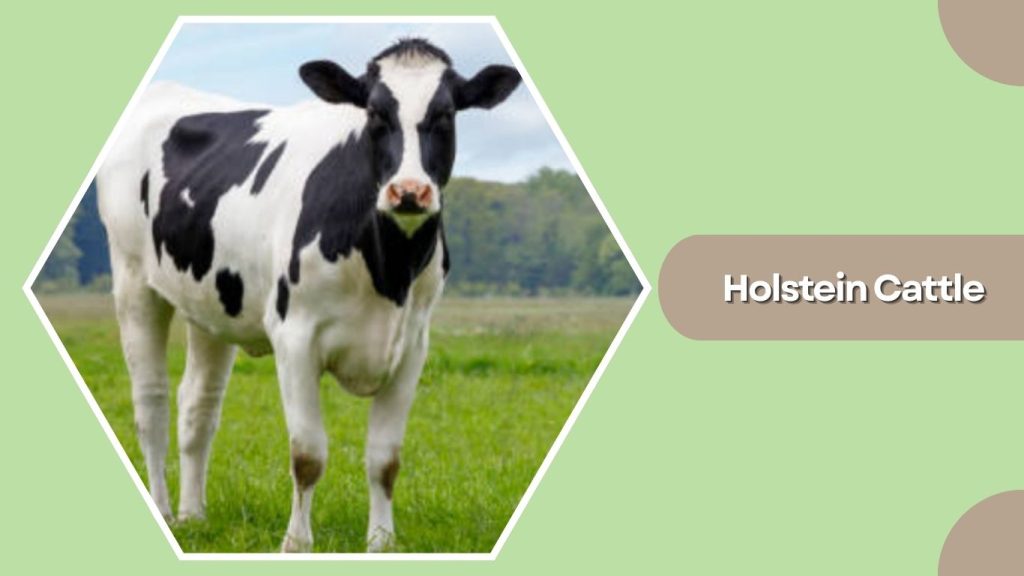
Holstein cattle are the most common black-and-white dairy cows in the world, widely recognized for their outstanding milk production. They are the backbone of commercial dairy farming due to their high efficiency, fast adaptability, and consistent performance under modern management systems.
Identification
- Large body size with a tall, angular frame
- Distinct black-and-white appearance
- Prominent udder with strong milk veins
- Long legs and wide muzzle
Color Pattern
Holsteins are best known for their striking black-and-white coat pattern. The black markings vary greatly in size and shape, making each cow’s pattern unique. Some Holsteins may also appear red-and-white due to a recessive gene, but black-and-white remains the most common and recognizable form worldwide.
Production Traits
This breed is famous for producing very high volumes of milk, often more than any other dairy breed. Although the butterfat percentage is moderate compared to smaller dairy breeds, the sheer quantity of milk makes Holsteins ideal for fluid milk production and large-scale dairy operations.
Management and Adaptability
Holstein cattle perform best under good nutrition, housing, and health management. They adapt to a wide range of climates when properly cared for, but they require higher-quality feed and attentive management to maintain productivity and longevity.
2. Friesian Cattle
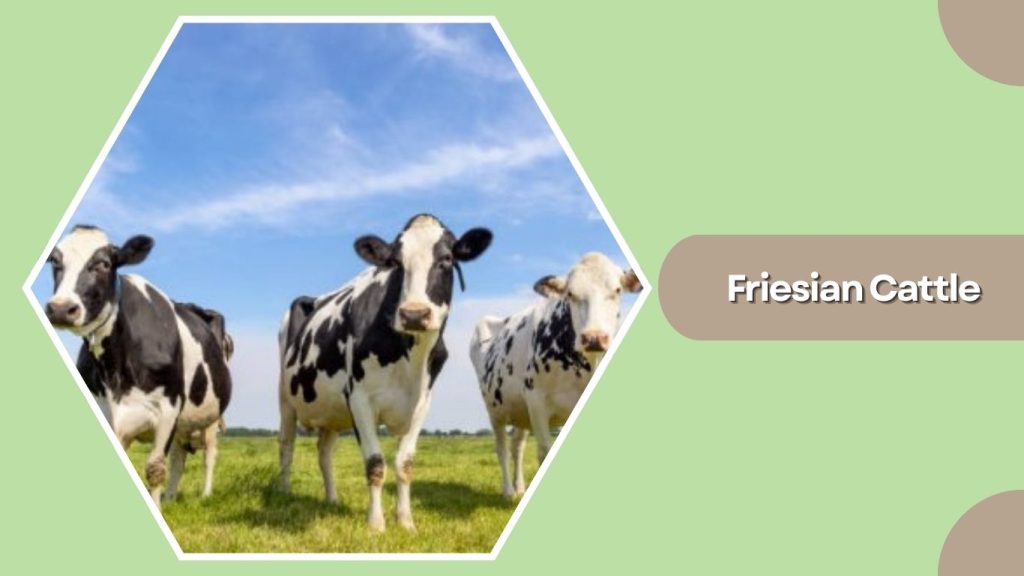
Friesian cattle are well-known black-and-white dairy cows valued for strong milk production and robust body structure. They are commonly used in traditional and commercial dairy systems, especially in temperate regions.
Identification
- Large, strong body with good depth
- Classic black-and-white coat
- Well-developed udder
- Strong legs and hooves
Color Pattern
Friesian cattle display a bold black-and-white coat pattern, usually with larger black patches than modern Holsteins. The contrast is clear and uniform, contributing to their easy visual identification.
Production Traits
Friesians produce high volumes of milk, slightly lower than Holsteins but often with better butterfat content. Their milk is suitable for both fluid consumption and processing.
Management and Adaptability
They perform well under pasture-based and mixed systems. Friesians are hardy, long-lived, and respond well to moderate feeding and management practices.
3. Holstein Friesian Cattle
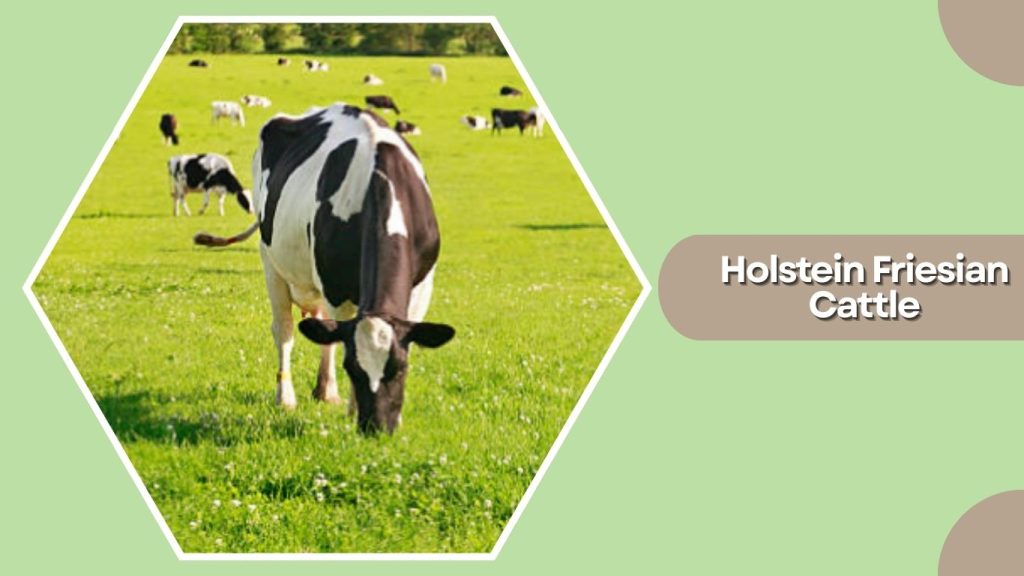
Holstein Friesian cattle are an improved dairy type developed for maximum milk yield. They are the most widely used black-and-white cows in intensive dairy farming worldwide.
Identification
- Tall, angular body with dairy character
- Distinct black-and-white markings
- Large, well-attached udder
- Long neck and legs
Color Pattern
The coat pattern consists of sharply defined black patches on a white background. Patch size and distribution vary widely, giving each animal a unique appearance. Black-and-white is dominant, though red-and-white may occasionally occur.
Production Traits
Holstein Friesians are unmatched in milk volume, making them ideal for large-scale dairy operations. Milk fat is moderate, but overall yield ensures high total output.
Management and Adaptability
They thrive under intensive management with high-quality feed. While adaptable to many climates, they require careful health and nutrition management to sustain peak performance.
4. British Friesian Cattle
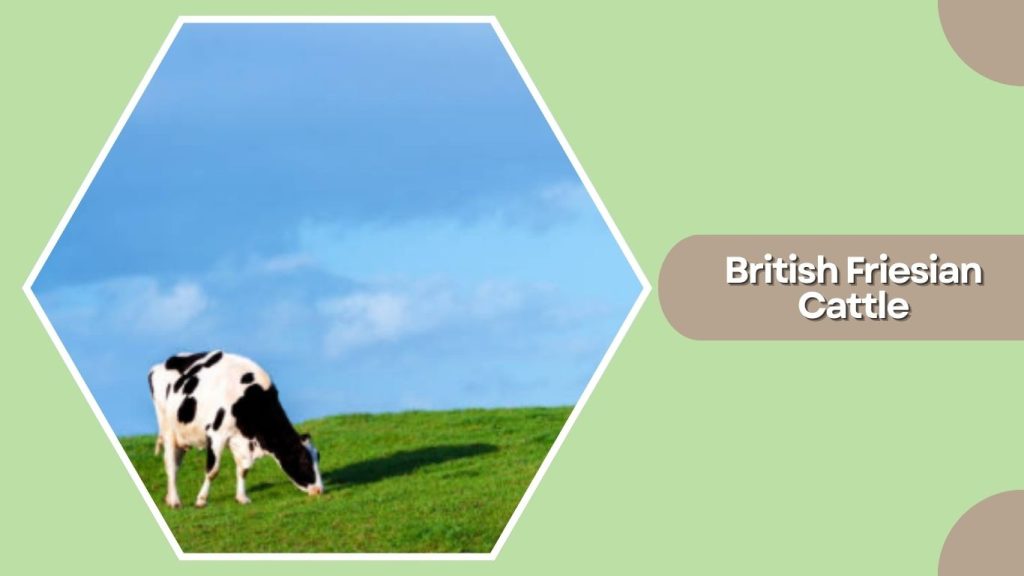
British Friesian cattle are a hardy black-and-white dairy breed known for balanced milk production, strong fertility, and long working life. They are especially valued in grass-based and mixed farming systems.
Identification
- Large, robust body with strong bone structure
- Black-and-white coat with clear markings
- Deep chest and wide frame
- Sound legs and hooves
Color Pattern
British Friesians have a traditional black-and-white coat, often with more white on the body compared to modern Holsteins. The markings are usually bold and well defined, giving the breed a classic dairy appearance.
Production Traits
They produce good volumes of milk with better butterfat and protein levels than high-yield Holsteins. This makes their milk suitable for both fluid use and dairy processing.
Management and Adaptability
This breed performs well in pasture-based systems and under moderate input conditions. British Friesians are known for durability, fertility, and ease of management.
5. Dutch Friesian Cattle
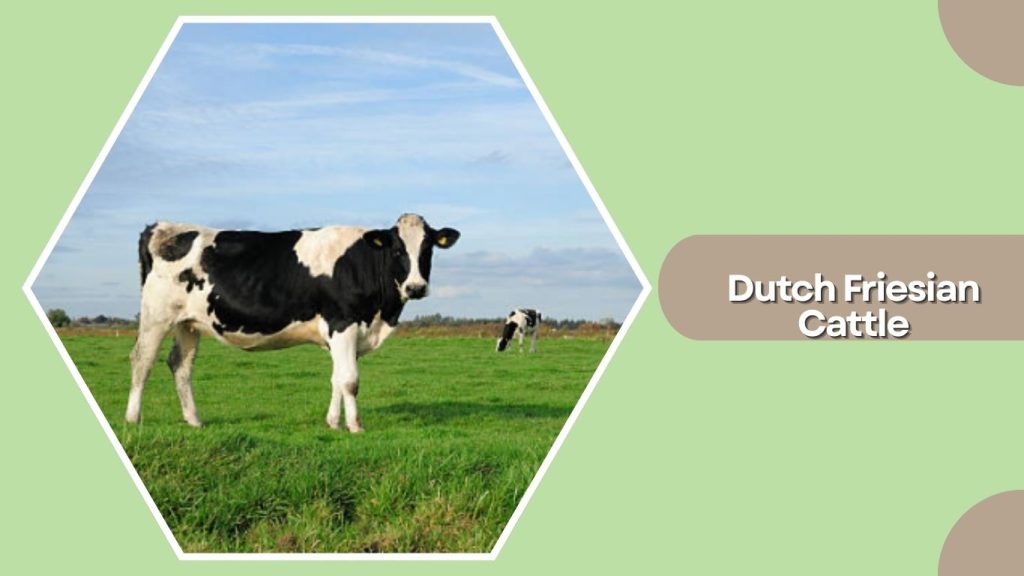
Dutch Friesian cattle are traditional dairy cows valued for strength, adaptability, and reliable milk production. They are commonly found in small to medium-scale dairy farms.
Identification
- Large frame with strong build
- Black-and-white coat with broad patches
- Well-developed udder
- Calm temperament
Color Pattern
The breed shows a classic black-and-white pattern with large black areas over the body. The contrast is strong, and the markings are often less fragmented than those seen in modern Holsteins.
Production Traits
Dutch Friesians produce moderate to high milk yields with good fat and protein content. Their milk is well suited for cheese, butter, and other dairy products.
Management and Adaptability
They adapt well to cooler climates and pasture-based systems. Dutch Friesian cattle are hardy, require less intensive management, and are valued for longevity and steady performance.
6. German Black Pied Cattle
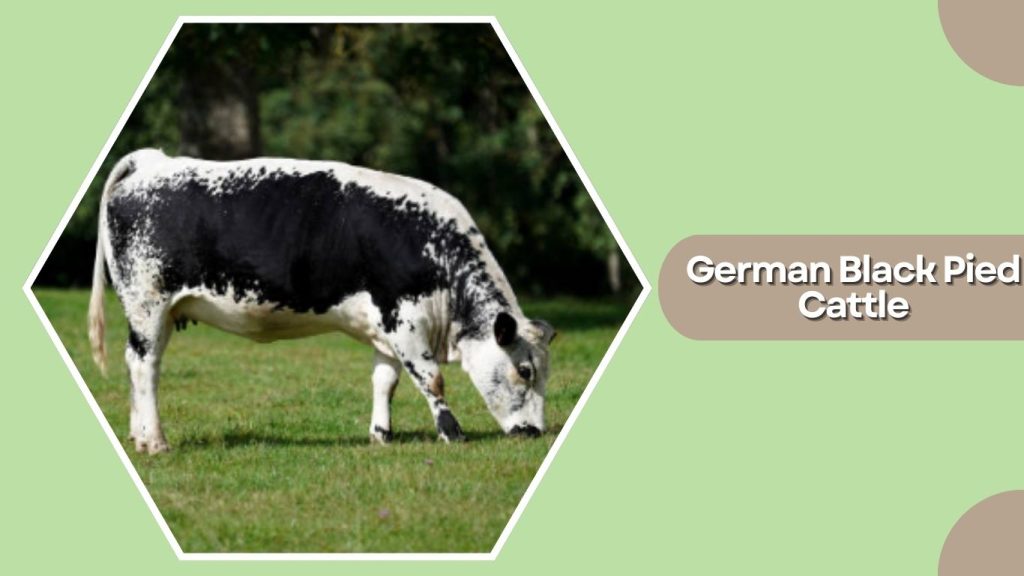
German Black Pied cattle are a traditional black-and-white dairy breed valued for balanced milk production, strength, and adaptability. They are commonly used in mixed farming systems and are known for their functional durability.
Identification
- Medium to large body with solid frame
- Clearly defined black-and-white coat
- Strong legs and well-shaped hooves
- Well-attached udder
Color Pattern
This breed displays a classic black-and-white pattern with evenly distributed markings. Black patches are usually medium to large in size, creating a clear contrast against the white background and giving the breed a uniform appearance.
Production Traits
German Black Pied cattle produce moderate to high amounts of milk with good fat and protein content. Their milk is suitable for both direct consumption and dairy processing.
Management and Adaptability
They perform well under pasture-based and semi-intensive systems. The breed is hardy, easy to manage, and well suited to cooler climates and moderate feeding conditions.
7. Swedish Friesian Cattle
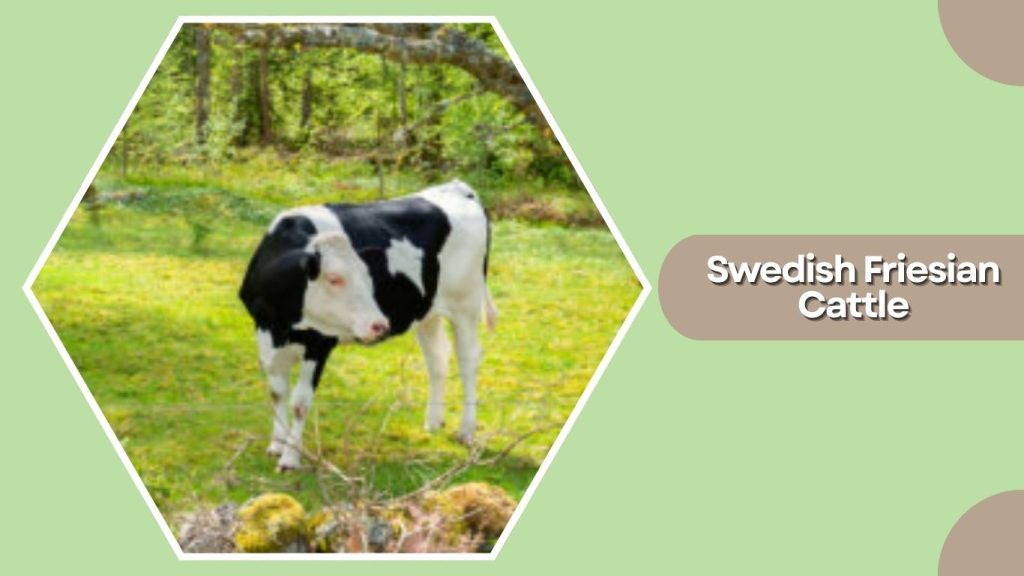
Swedish Friesian cattle are black-and-white dairy cows known for strong health traits, fertility, and reliable milk production. They are widely appreciated for efficiency and longevity.
Identification
- Medium to large dairy frame
- Black-and-white coat with clean markings
- Strong udder attachment
- Active but manageable temperament
Color Pattern
Swedish Friesians show a well-balanced black-and-white coat pattern. The markings are usually neat and symmetrical, contributing to a refined dairy appearance while maintaining the classic Friesian look.
Production Traits
They produce good volumes of milk with balanced butterfat and protein levels. The breed is valued for consistent production rather than extreme yield.
Management and Adaptability
This breed adapts well to cold and temperate climates. Swedish Friesians are resilient, perform efficiently on pasture, and are known for strong disease resistance and long productive lives.
8. Danish Black and White Cattle
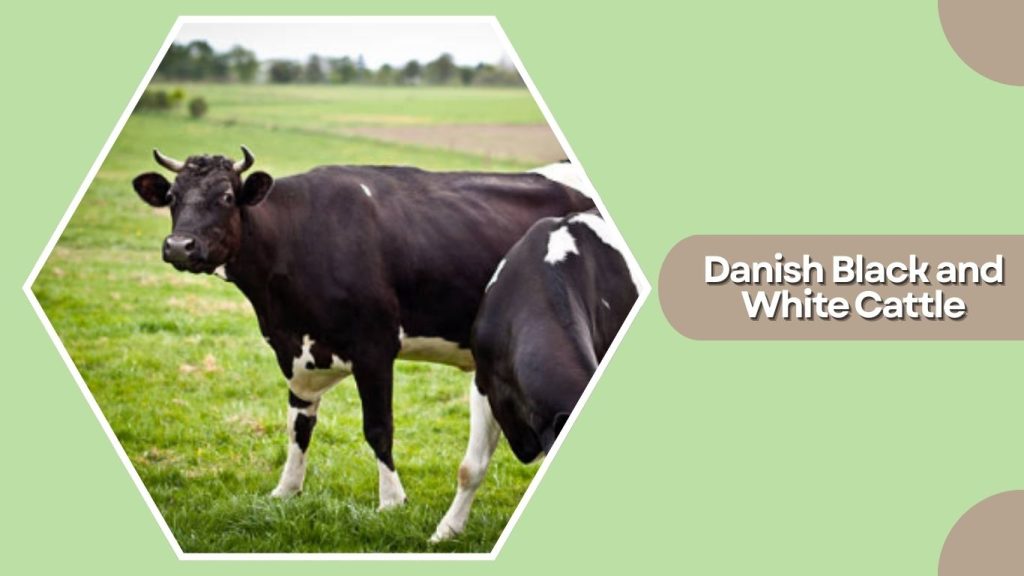
Danish Black and White cattle are productive dairy cows known for efficiency, strong milk yield, and good health traits. They are commonly used in structured dairy systems with a focus on consistency and performance.
Identification
- Large, angular dairy frame
- Clear black-and-white coat
- Well-developed udder
- Strong legs and feet
Color Pattern
The coat shows a classic black-and-white pattern with clearly separated patches. Black markings are usually well defined and evenly distributed, giving the breed a clean and uniform appearance.
Production Traits
They produce high volumes of milk with moderate fat and protein levels. The breed is valued for steady production and good feed conversion efficiency.
Management and Adaptability
Danish Black and White cattle perform well under intensive and semi-intensive systems. They respond positively to good nutrition and health management and adapt well to cooler climates.
9. Polish Black and White Cattle
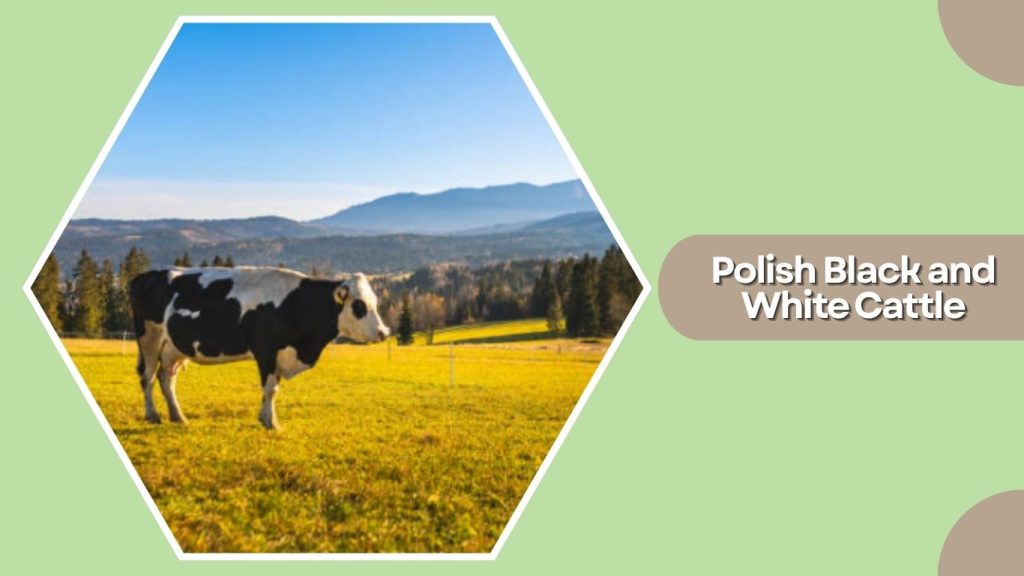
Polish Black and White cattle are hardy dairy cows appreciated for adaptability, fertility, and dependable milk production. They are widely kept on small and medium-scale farms.
Identification
- Medium to large body size
- Strong frame with good depth
- Black-and-white coat
- Sound legs and hooves
Color Pattern
This breed displays traditional black-and-white markings, often with larger black areas across the body. The pattern is bold and consistent, closely resembling classic Friesian-type cattle.
Production Traits
Polish Black and White cattle produce moderate to good milk yields with balanced fat and protein content. Their milk is suitable for both fluid use and dairy processing.
Management and Adaptability
They are well adapted to varied climates and farming systems. The breed is resilient, easy to manage, and performs reliably under pasture-based and mixed management conditions.
10. Israeli Holstein Cattle
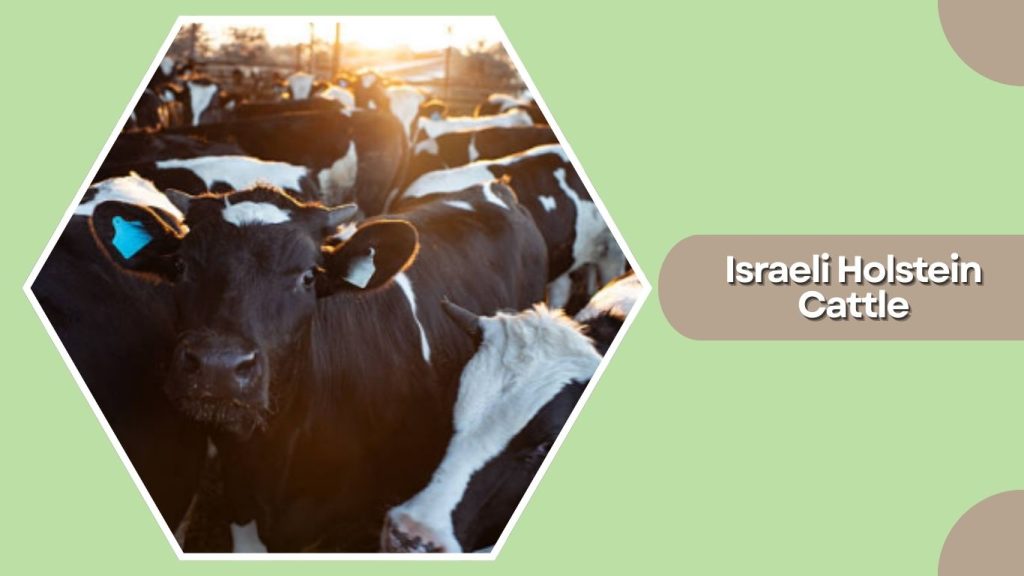
Israeli Holstein cattle are a highly improved black-and-white dairy type developed for extremely high milk production under challenging climates. They are considered one of the most productive dairy cattle populations in the world.
Identification
- Large, tall dairy frame
- Distinct black-and-white coat
- Large, well-attached udder
- Long legs and strong body structure
Color Pattern
The coat pattern is typically bold black-and-white, with large black patches over a white base. Markings are clearly defined, maintaining the classic Holstein appearance.
Production Traits
Israeli Holsteins are renowned for exceptionally high milk yield. Milk composition is moderate in fat and protein, but total output is very high, making them ideal for intensive dairy systems.
Management and Adaptability
They are well adapted to hot climates when managed with advanced nutrition, cooling systems, and health care. Proper management is essential to maintain performance and animal welfare.
11. Canadian Holstein Cattle
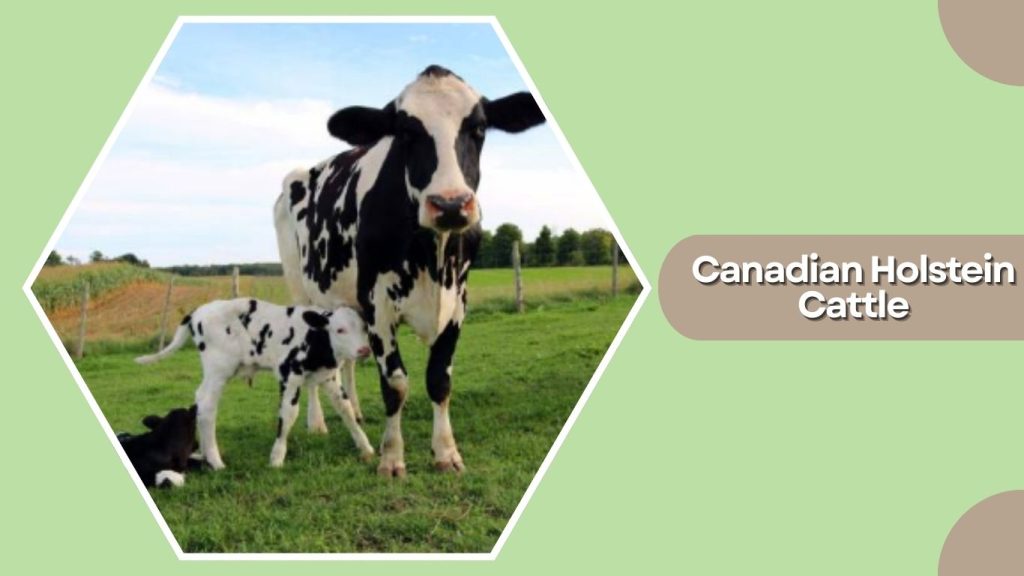
Canadian Holstein cattle are globally respected for their strong genetics, high milk production, and excellent conformation. They are widely used in breeding programs around the world.
Identification
- Large, well-balanced dairy body
- Classic black-and-white coat
- Strong udder attachment
- Straight legs and sound feet
Color Pattern
Canadian Holsteins display a striking black-and-white pattern with sharp contrast. Patch size and distribution vary, but the overall appearance remains clean and uniform.
Production Traits
They produce high volumes of milk with improved butterfat and protein levels compared to some other Holstein types. This balance makes them valuable for both milk volume and quality.
Management and Adaptability
Canadian Holsteins perform well in temperate climates and intensive dairy systems. They respond strongly to quality feed, proper housing, and structured herd management.
12. American Holstein Cattle
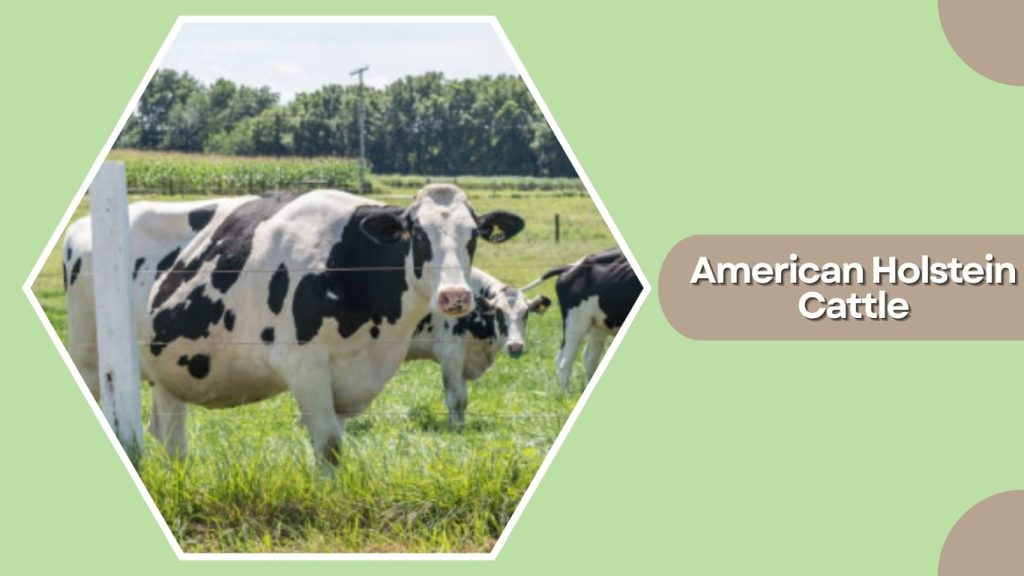
American Holstein cattle are a highly productive black-and-white dairy type developed for maximum milk yield. They are the dominant dairy breed in large commercial farms, especially in intensive production systems.
Identification
- Very large, tall dairy frame
- Distinct black-and-white markings
- Large udder with strong milk veins
- Long neck and legs
Color Pattern
American Holsteins show a bold black-and-white coat with sharply defined patches. The size and placement of black markings vary widely, giving each animal a unique pattern while maintaining the classic Holstein look.
Production Traits
They are known for extremely high milk production. While milk fat and protein are moderate, the total milk volume is among the highest of all dairy cattle breeds.
Management and Adaptability
This breed performs best under intensive management with high-quality feed and health care. They adapt to different climates when management practices are optimized.
13. Dutch Belted Cattle
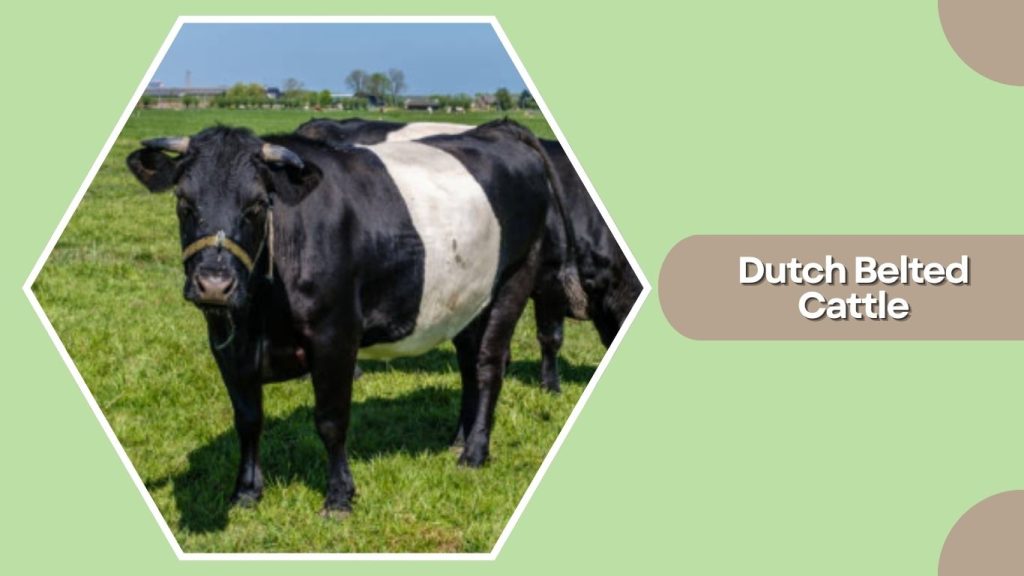
Dutch Belted cattle are a distinctive black-and-white dairy breed known for their unique appearance and efficient milk production. They are often kept on small farms and in heritage breed programs.
Identification
- Medium-sized, well-proportioned body
- Black coat with a wide white belt around the midsection
- Straight back and strong legs
- Calm and alert temperament
Color Pattern
The most striking feature is the white belt encircling the body between the shoulders and hips, set against a solid black background. This pattern is consistent and easily recognizable.
Production Traits
Dutch Belted cattle produce moderate quantities of milk with good butterfat and protein levels. Their milk is suitable for home dairies and small-scale processing.
Management and Adaptability
They are hardy, adaptable, and perform well on pasture-based systems. Dutch Belted cattle are efficient grazers and require relatively low maintenance compared to larger dairy breeds.