





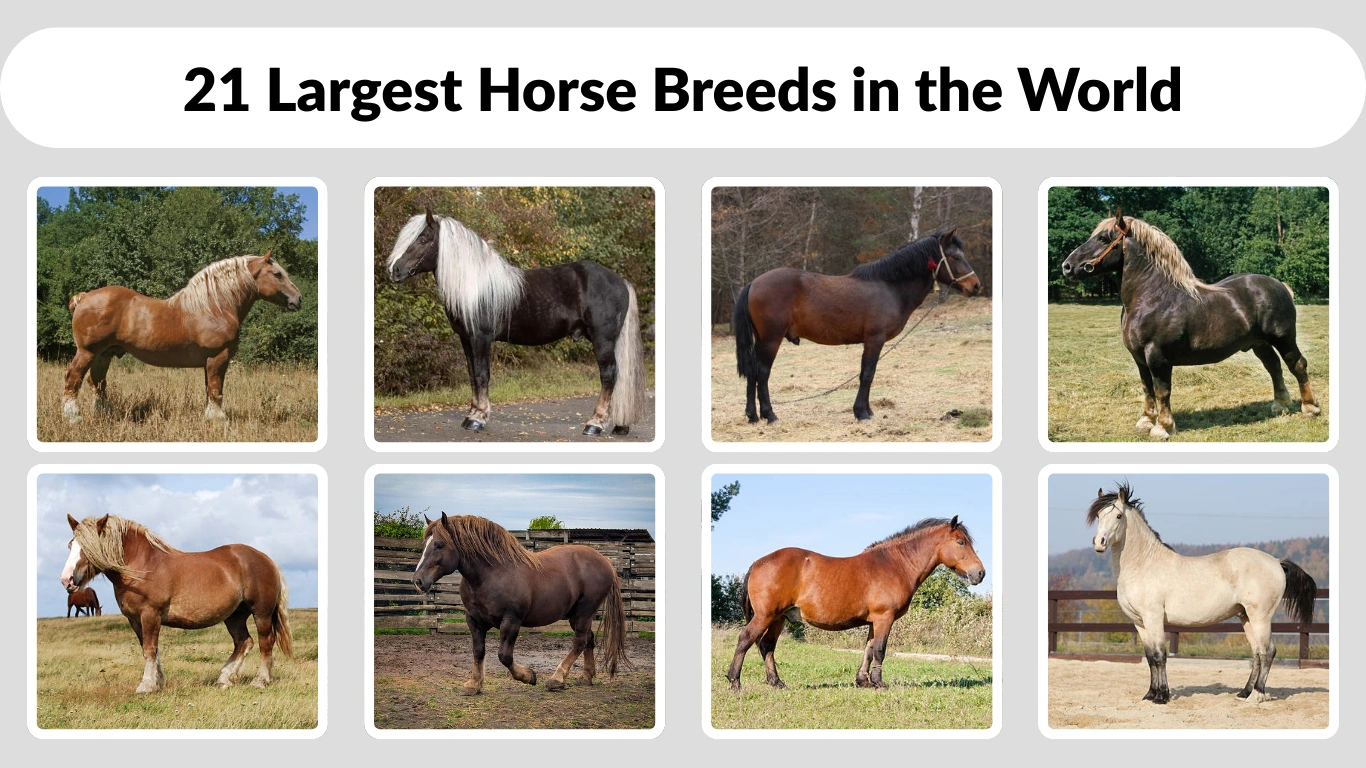
Across history, humans have selectively bred horses not only for speed and elegance, but also for sheer size and power. The world’s largest horse breeds were developed to pull heavy loads, work vast farmland, and handle demanding industrial and agricultural tasks. These massive horses are defined by their towering height, incredible strength, and solid bone structure. This guide highlights 21 of the largest horse breeds in the world, showcasing the true giants of the equine world and the roles they were bred to perform.
1. Shire Horse
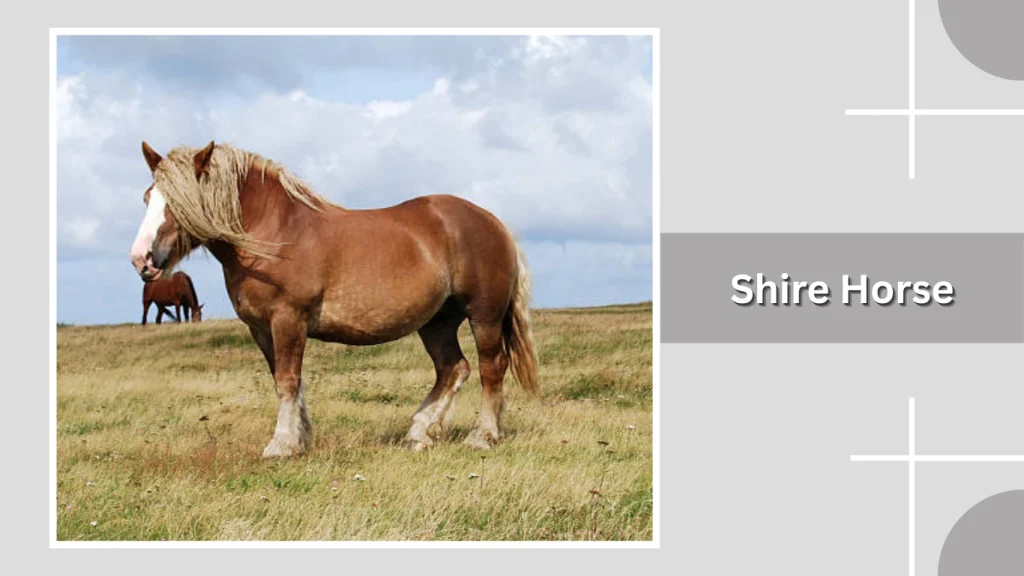
The Shire Horse is widely regarded as the largest horse breed in the world, famous for its immense size, strength, and historic role in heavy farm and industrial work. Originating in England, the Shire was bred to pull heavy loads and perform demanding labor, earning a reputation as a true giant among horses.
Identification
- Extremely tall and massive build
- Heavy feathering on lower legs
- Broad chest and powerful shoulders
- Large head with a straight facial profile
- Typically black, bay, or gray in color
Size and Weight
Shire Horses are the tallest of all horse breeds. Adult Shires commonly stand 17 to 19 hands high, with some individuals exceeding 19 hands. Their weight usually ranges from 1,800 to over 2,400 pounds (820–1,100 kg), making them unmatched in overall size and pulling power.
Common Uses
Historically, Shires were used for plowing fields, hauling wagons, and pulling heavy carts. Today, they are seen in parades, agricultural demonstrations, forestry work, and breed exhibitions showcasing their strength.
Care and Considerations
Due to their size, Shire Horses require large living spaces, strong fencing, and higher daily feed intake. Regular hoof care and grooming of their feathered legs are essential to prevent infections and maintain soundness.
2. Clydesdale
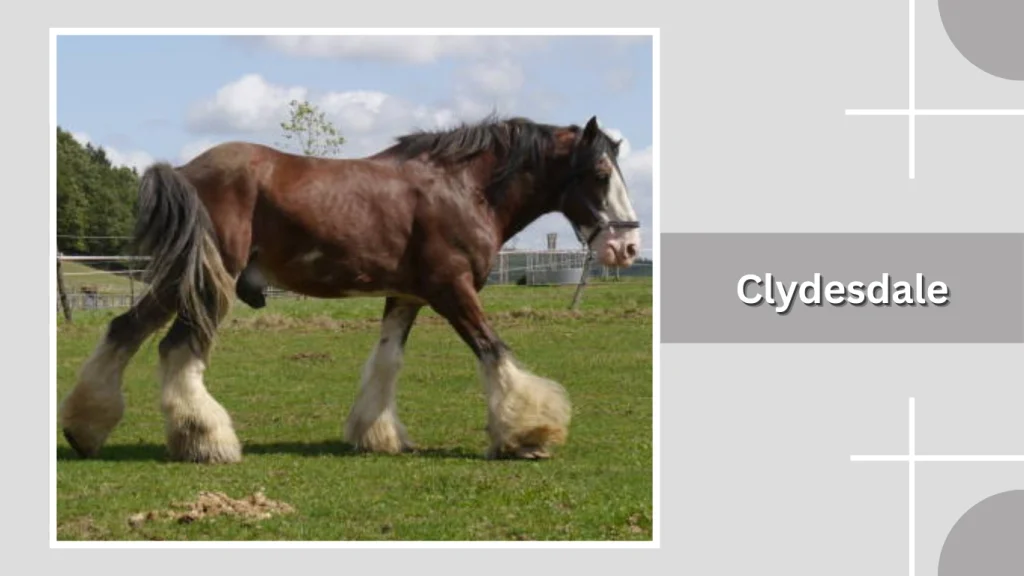
The Clydesdale is a massive draft horse best known for its towering height, strength, and distinctive feathered legs. Originating in Scotland, this breed was developed for heavy farm work and hauling, and today it is admired worldwide for its impressive appearance.
Identification
- Very tall, heavy-boned body
- Long legs with abundant feathering
- Broad chest and strong shoulders
- Slightly convex facial profile
- Commonly bay with white markings
Size and Weight
Clydesdales typically stand between 16.2 and 18 hands high, though some exceed 18 hands. Their weight usually ranges from 1,800 to 2,300 pounds (820–1,045 kg), giving them exceptional strength combined with graceful movement.
Common Uses
They are commonly used in parades, ceremonial events, driving, farm demonstrations, and promotional appearances.
Care and Considerations
Their large size requires spacious housing and sturdy equipment. Regular grooming of leg feathering and consistent hoof care are essential to prevent skin and mobility issues.
3. Belgian
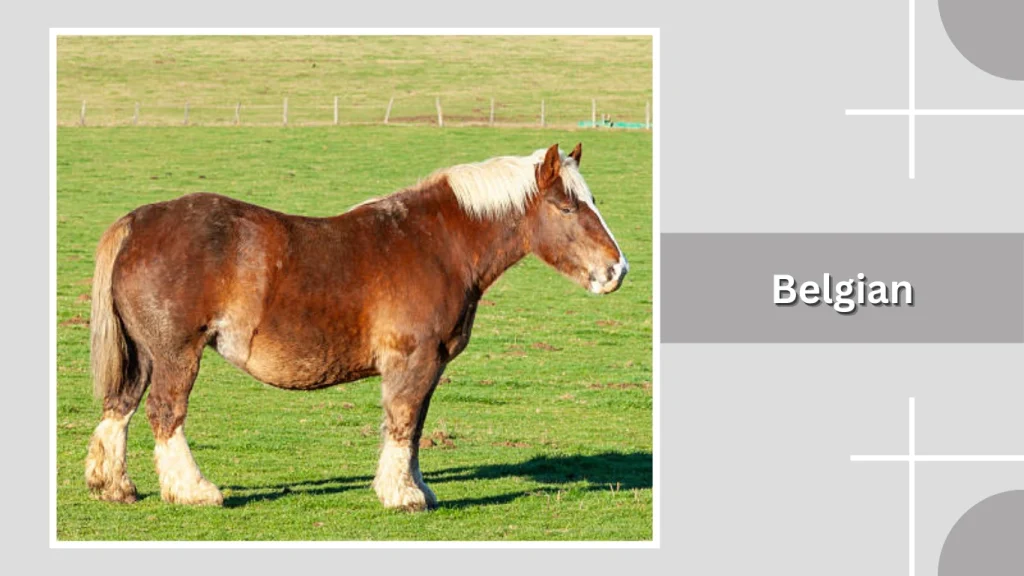
The Belgian is one of the heaviest and most powerful draft horse breeds in the world. Originating in Belgium, it is renowned for its incredible pulling strength and solid, muscular build.
Identification
- Massive, muscular frame
- Short, powerful legs
- Broad head with a calm expression
- Deep chest and wide back
- Typically chestnut or sorrel with a flaxen mane
Size and Weight
Belgians usually stand between 16 and 18 hands high and are among the heaviest horse breeds. Adult horses commonly weigh between 1,800 and 2,400 pounds (820–1,090 kg), with some individuals exceeding this range.
Common Uses
They are widely used in farming, logging, pulling competitions, and agricultural exhibitions due to their unmatched power.
Care and Considerations
Belgians require high-quality nutrition to support their size and workload. Regular exercise, hoof trimming, and joint care are important to maintain long-term health and soundness.
4. Percheron
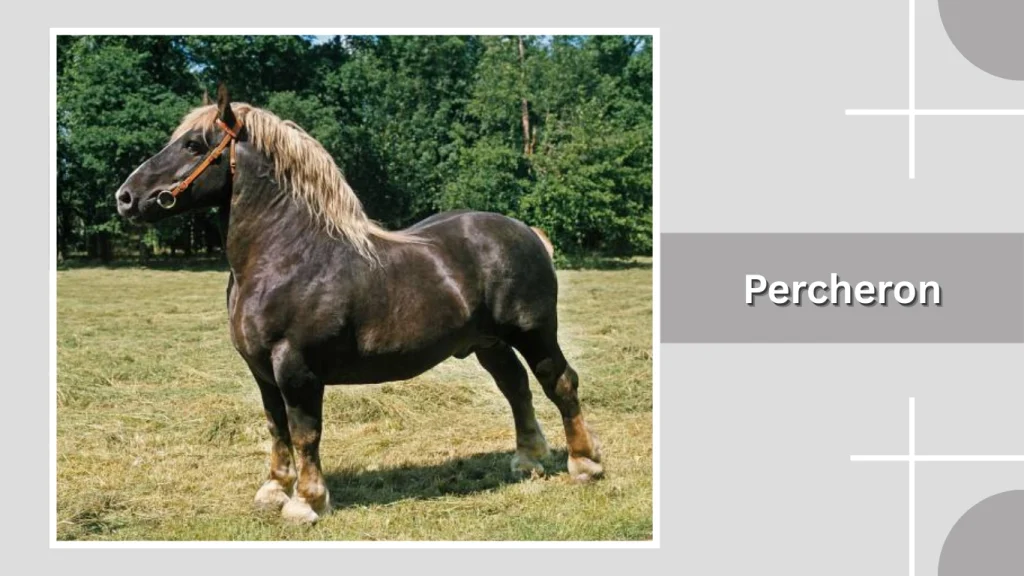
The Percheron is a large and elegant draft horse originating from France, known for combining immense strength with refined movement. Unlike some heavier draft breeds, the Percheron is also valued for its stamina and versatility.
Identification
- Large, muscular yet balanced body
- Clean legs with little to no feathering
- Broad chest and powerful hindquarters
- Straight or slightly convex facial profile
- Commonly gray or black in color
Size and Weight
Percherons typically stand between 16 and 18 hands high, with some individuals reaching 19 hands. Their weight generally ranges from 1,800 to 2,600 pounds (820–1,180 kg), making them one of the heaviest draft breeds.
Common Uses
They are used in farming, carriage driving, logging, parades, and competitive draft horse events.
Care and Considerations
Percherons benefit from regular exercise to maintain muscle tone. Proper hoof care and balanced nutrition are essential due to their size and workload.
5. Suffolk Punch
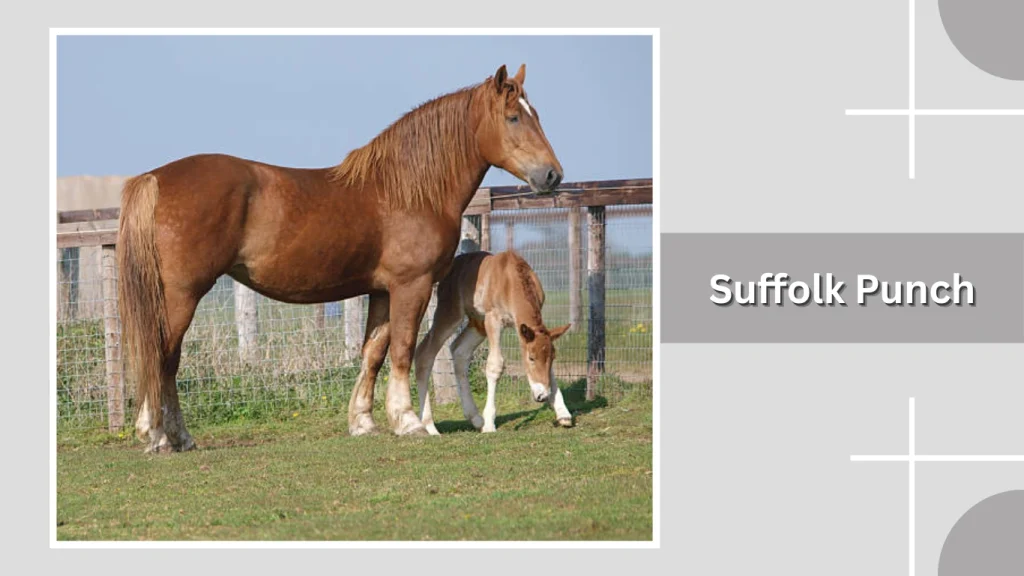
The Suffolk Punch is a powerful draft horse developed in England, recognized for its solid build and exceptional work ethic. It is one of the oldest English horse breeds and is prized for strength and endurance.
Identification
- Short, compact, and muscular body
- Broad chest and strong shoulders
- Clean legs with minimal feathering
- Rounded head with a straight profile
- Always chestnut in color
Size and Weight
Suffolk Punch horses usually stand between 16 and 17.2 hands high and weigh approximately 1,900 to 2,200 pounds (860–1,000 kg). Their compact build contributes to impressive pulling power.
Common Uses
They are traditionally used for heavy farm work, plowing, logging, and agricultural demonstrations.
Care and Considerations
Although hardy, Suffolk Punch horses require consistent exercise to prevent weight gain. Routine hoof care and proper nutrition help support their muscular structure.
6. Ardennes
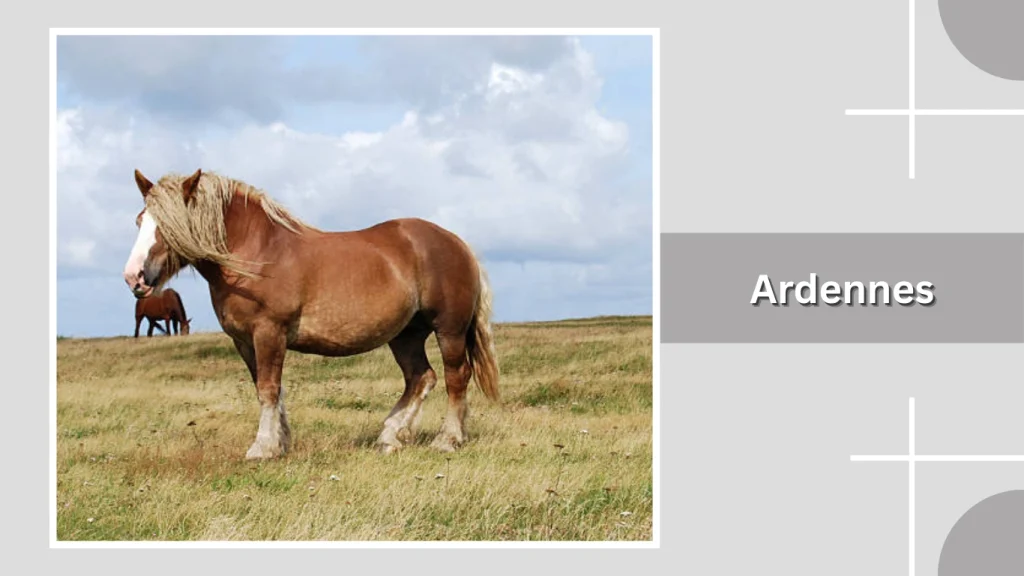
The Ardennes is one of the oldest and heaviest draft horse breeds in Europe, originating from the Ardennes region of France and Belgium. It is known for its immense strength, compact build, and historical use in agriculture and warfare.
Identification
- Very stocky, compact body
- Short, strong legs
- Broad chest and thick neck
- Large head with a straight profile
- Common coat colors include bay, roan, and chestnut
Size and Weight
Ardennes horses typically stand between 15 and 16.3 hands high. Despite being shorter than some draft breeds, they are extremely heavy, usually weighing between 1,600 and 2,200 pounds (725–1,000 kg).
Common Uses
They are used for heavy farm work, logging, meat production in some regions, and draft horse exhibitions.
Care and Considerations
Their dense build requires careful weight management. Regular exercise and proper hoof care are essential to support joints and overall mobility.
7. Dutch Draft
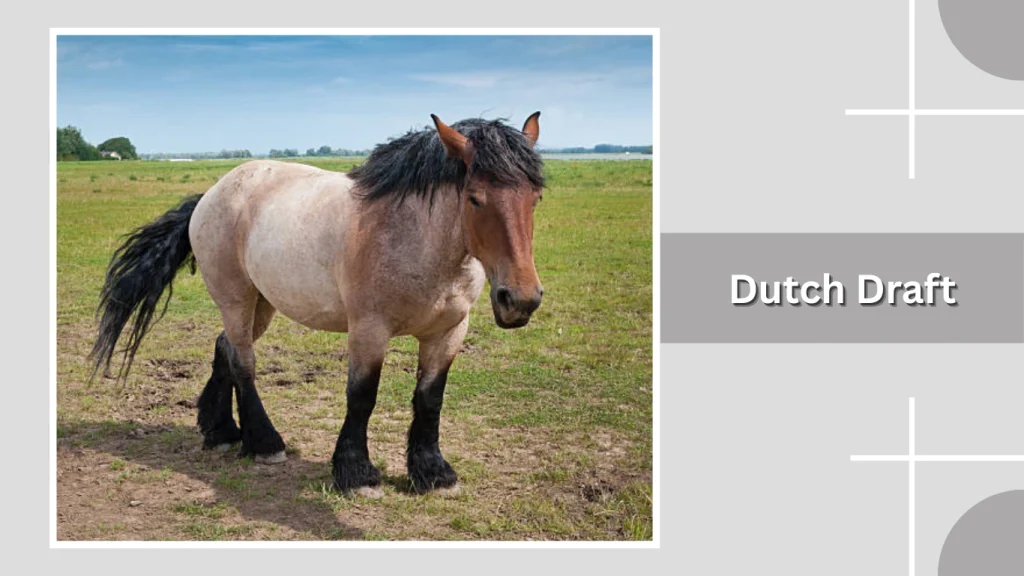
The Dutch Draft is a powerful draft horse developed in the Netherlands, influenced by Belgian and Ardennes bloodlines. It is known for strength, durability, and a solid working structure.
Identification
- Massive, muscular build
- Short, thick neck and broad shoulders
- Strong legs with light feathering
- Large head with calm expression
- Typically bay, chestnut, or roan
Size and Weight
Dutch Draft horses generally stand between 16 and 17 hands high and weigh approximately 1,700 to 2,200 pounds (770–1,000 kg), making them among the heaviest working horse breeds.
Common Uses
They are primarily used for agricultural work, logging, pulling competitions, and traditional draft demonstrations.
Care and Considerations
Due to their strength and weight, they require sturdy facilities and equipment. Consistent hoof trimming and balanced nutrition help maintain long-term soundness.
8. Irish Draught
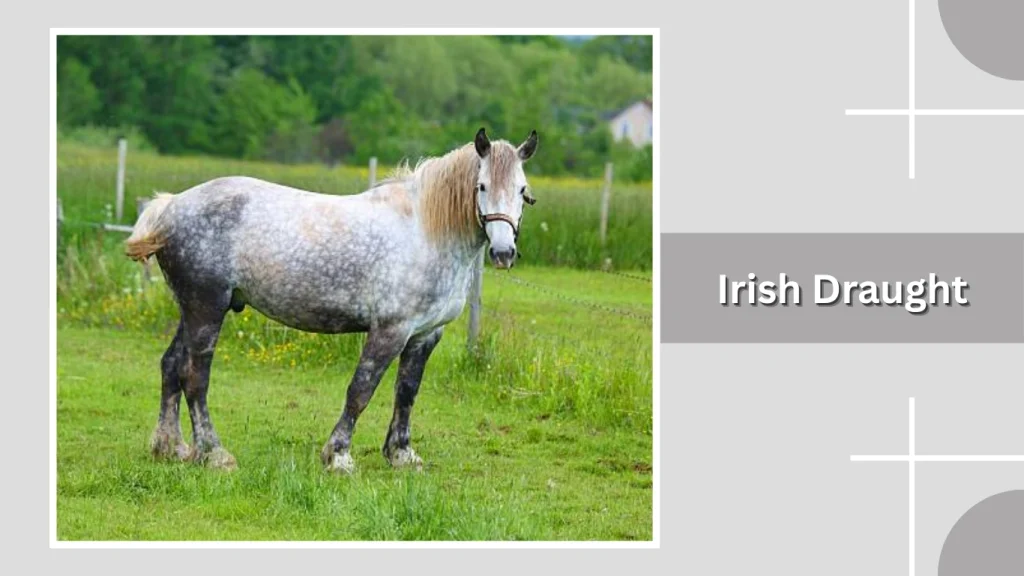
The Irish Draught is a large, powerful horse developed in Ireland for farm work and utility riding. While known for versatility, it is also one of the heavier and taller traditional working horses.
Identification
- Strong, substantial frame
- Deep chest and solid bone
- Slightly convex facial profile
- Powerful hindquarters
- Commonly gray, bay, chestnut, or black
Size and Weight
Irish Draught horses typically stand between 16 and 17.3 hands high. Their weight generally ranges from 1,500 to 1,900 pounds (680–860 kg), giving them both strength and stamina.
Common Uses
They are used for farm work, riding, hunting, driving, and as foundation stock for sport horse breeding.
Care and Considerations
They are hardy horses but benefit from regular exercise and controlled feeding. Good hoof care is important due to their solid bone and workload.
9. American Cream Draft
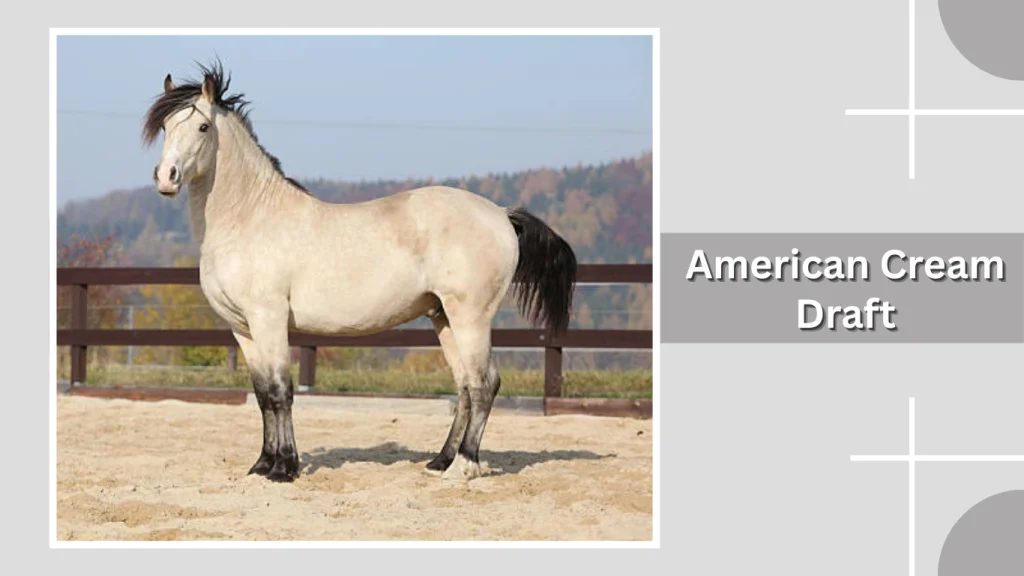
The American Cream Draft is a rare draft horse breed developed in the United States. It is best known for its distinctive cream-colored coat and impressive strength.
Identification
- Muscular, heavy draft build
- Cream or light gold coat
- Pink skin with amber eyes
- Broad chest and strong legs
- Medium feathering on lower legs
Size and Weight
American Cream Draft horses usually stand between 15.3 and 16.3 hands high. Their weight commonly ranges from 1,600 to 2,000 pounds (725–910 kg).
Common Uses
They are used for farm work, driving, parades, exhibitions, and breed conservation programs.
Care and Considerations
Their light skin can be sensitive to sun exposure, so shelter is important. Regular grooming, proper nutrition, and routine hoof care support overall health.
10. Australian Draft Horse

The Australian Draft Horse is a large, powerful breed developed in Australia from several British draft horse lines. It was bred to handle heavy farm work in challenging conditions.
Identification
- Large, muscular body
- Broad chest and strong shoulders
- Solid legs with light to moderate feathering
- Large head with a straight profile
- Common colors include bay, chestnut, black, and gray
Size and Weight
Australian Draft Horses typically stand between 16 and 17.2 hands high and weigh around 1,700 to 2,200 pounds (770–1,000 kg), giving them excellent strength and endurance.
Common Uses
They are used for heavy farm work, plowing, pulling equipment, and agricultural exhibitions.
Care and Considerations
They require ample space and consistent exercise. Proper nutrition and regular hoof care are important to support their size and workload.
11. Russian Heavy Draft
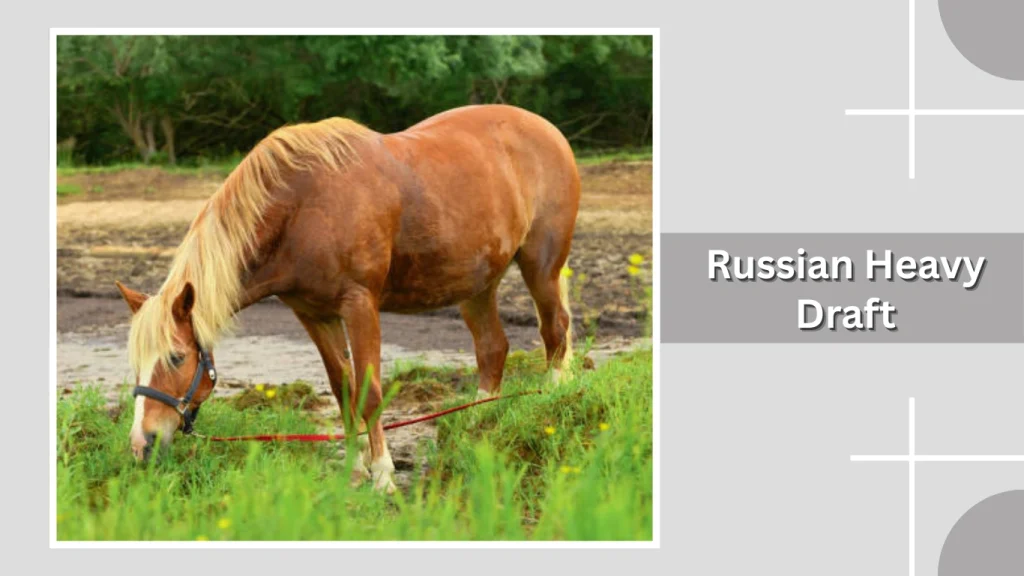
The Russian Heavy Draft is a robust draft horse breed developed in Russia for agricultural and industrial work. It is known for strength, cold tolerance, and a compact, muscular build.
Identification
- Stocky, powerful frame
- Thick neck and broad chest
- Short, strong legs
- Large head with a straight profile
- Commonly chestnut, bay, or red roan
Size and Weight
Russian Heavy Draft horses usually stand between 15.2 and 16.2 hands high. They typically weigh between 1,500 and 2,000 pounds (680–910 kg).
Common Uses
They are used for farm work, hauling, logging, and traditional draft demonstrations.
Care and Considerations
They are well adapted to cold climates but still require regular exercise and hoof care. Balanced feeding helps prevent excessive weight gain.
12. Lithuanian Heavy Draft
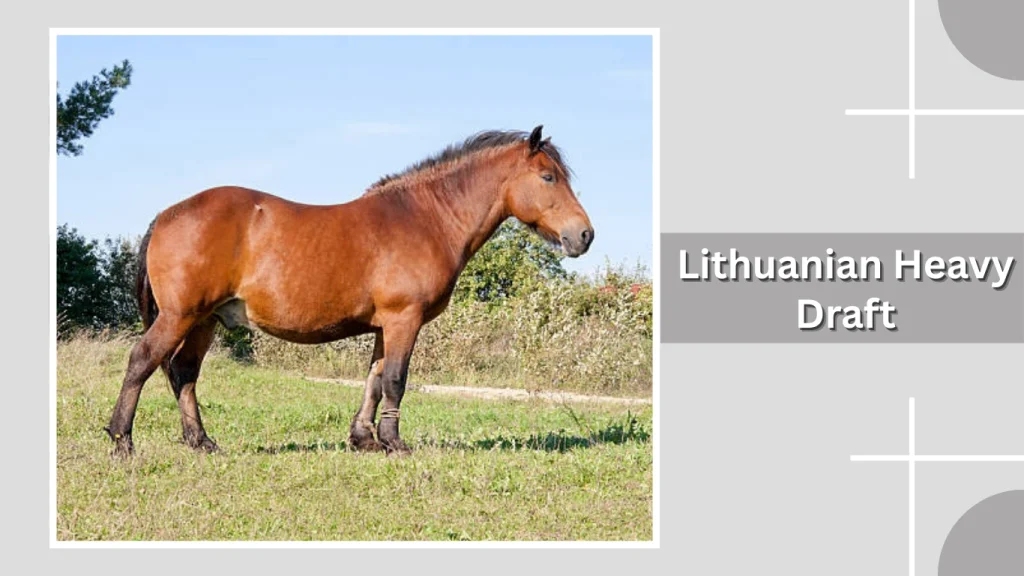
The Lithuanian Heavy Draft is a strong and durable draft horse breed developed in Lithuania for demanding agricultural work. It is valued for its power, endurance, and adaptability to harsh climates.
Identification
- Large, muscular body
- Broad chest and thick neck
- Strong legs with light feathering
- Solid bone structure
- Common colors include bay, chestnut, and black
Size and Weight
Lithuanian Heavy Draft horses generally stand between 15.3 and 16.3 hands high. Their weight typically ranges from 1,600 to 2,200 pounds (725–1,000 kg).
Common Uses
They are used for farming, hauling heavy loads, logging, and traditional draft horse work.
Care and Considerations
They are hardy horses but need regular hoof care and controlled feeding to maintain mobility and joint health.
13. Breton
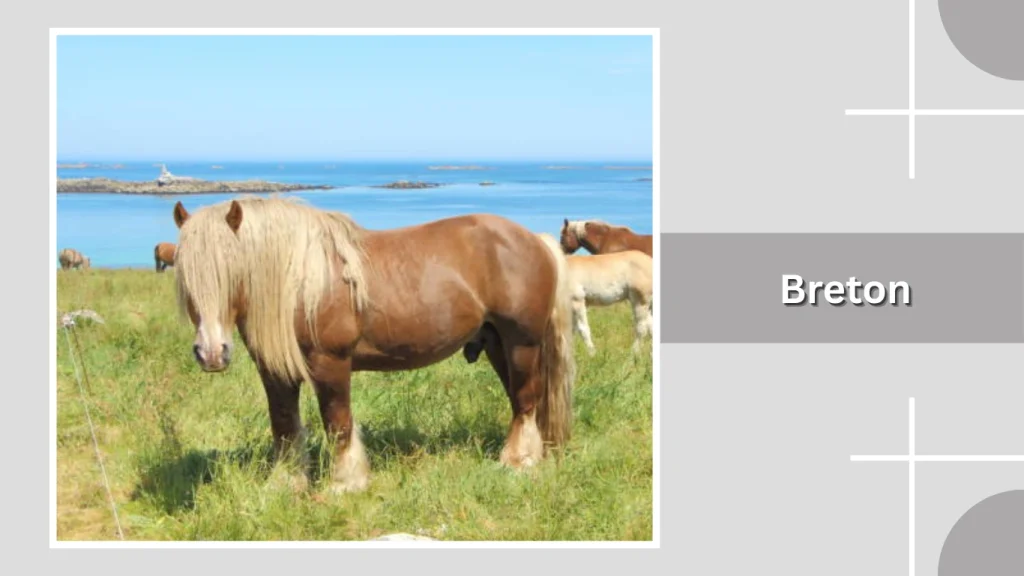
The Breton is a powerful draft horse originating from France, known for its compact build and exceptional pulling strength. It has long been used for farm work and transportation.
Identification
- Compact, heavy-bodied frame
- Broad chest and strong hindquarters
- Short, sturdy legs
- Large head with a straight profile
- Common coat colors include chestnut and bay
Size and Weight
Breton horses typically stand between 15 and 16.2 hands high and weigh approximately 1,600 to 2,300 pounds (725–1,045 kg).
Common Uses
They are used for agricultural work, logging, hauling, and draft horse competitions.
Care and Considerations
Due to their stocky build, weight management is important. Regular exercise and routine hoof care help maintain soundness.
14. Italian Heavy Draft
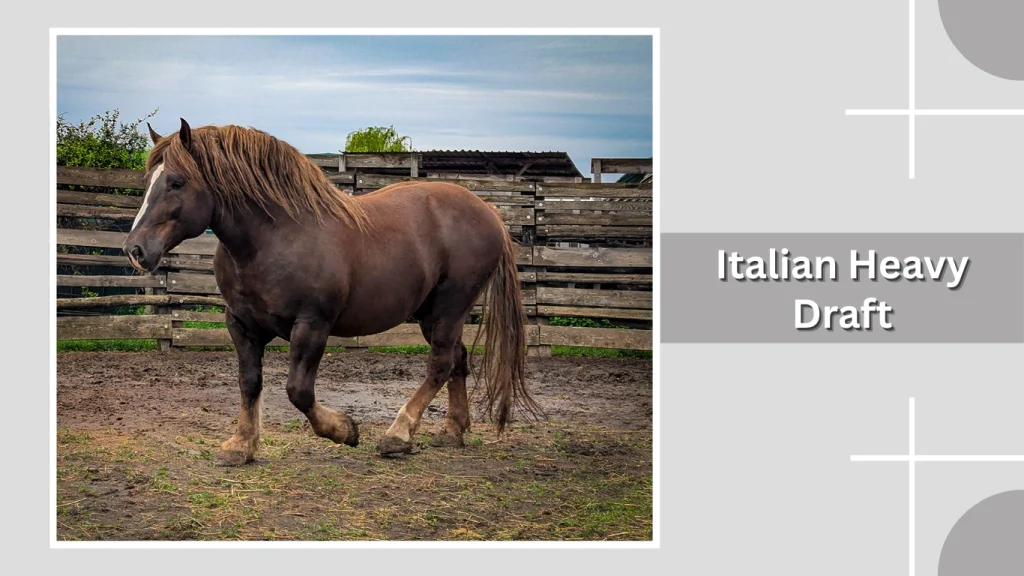
The Italian Heavy Draft is a strong and fast-growing draft horse developed in Italy for agricultural and industrial work. It is known for power, efficiency, and a solid working structure.
Identification
- Large, muscular body
- Broad chest and strong shoulders
- Short, powerful legs
- Well-proportioned head with straight profile
- Commonly bay, chestnut, or black
Size and Weight
Italian Heavy Draft horses generally stand between 15.3 and 16.3 hands high. Their weight typically ranges from 1,600 to 2,200 pounds (725–1,000 kg).
Common Uses
They are used for heavy farm work, hauling, logging, and draft horse exhibitions.
Care and Considerations
They require balanced nutrition and regular exercise to support muscle development. Routine hoof care is essential for long-term soundness.
15. Spanish Heavy Draft
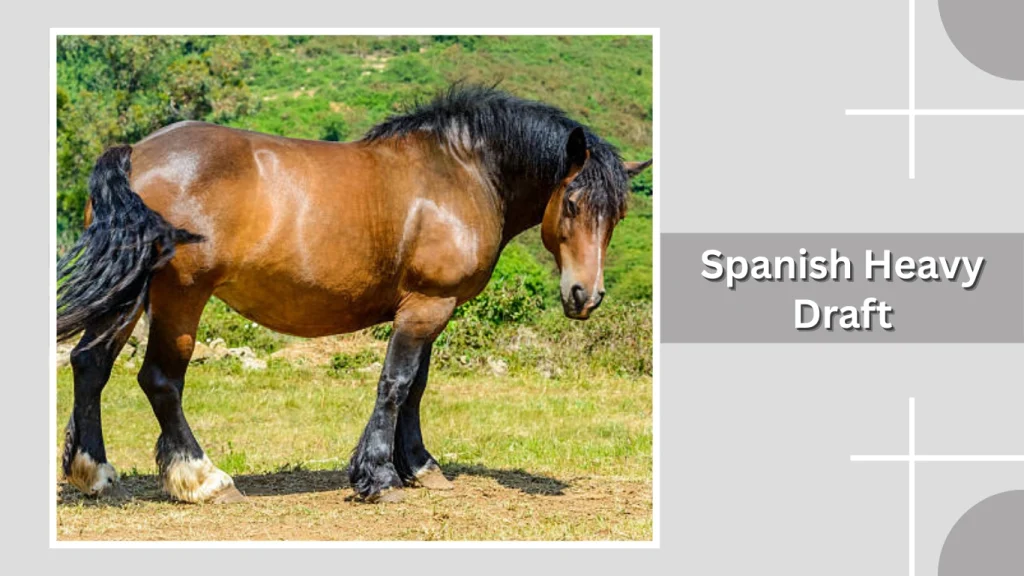
The Spanish Heavy Draft is a robust working horse developed for agricultural tasks in Spain. It combines strength with endurance and adaptability to warmer climates.
Identification
- Solid, muscular frame
- Broad chest and strong neck
- Powerful hindquarters
- Straight or slightly convex facial profile
- Common coat colors include bay, chestnut, and gray
Size and Weight
Spanish Heavy Draft horses typically stand between 15.2 and 16.2 hands high. They generally weigh between 1,500 and 2,000 pounds (680–910 kg).
Common Uses
They are used for farm labor, hauling, forestry work, and traditional draft demonstrations.
Care and Considerations
They are well adapted to warm environments but still require regular hoof care, exercise, and proper hydration to maintain health.
16. South German Coldblood
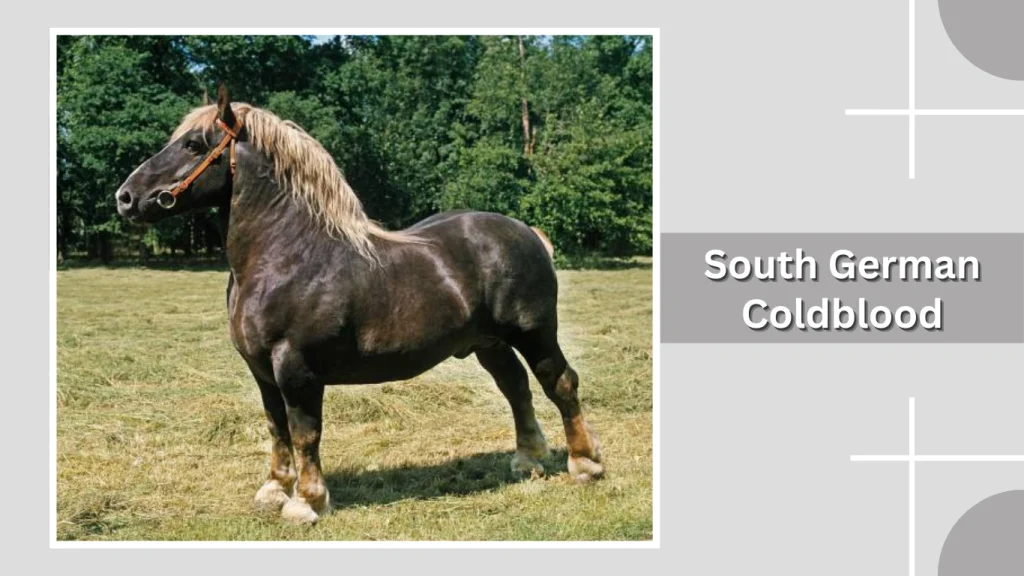
The South German Coldblood is a powerful draft horse developed in southern Germany for heavy agricultural and forestry work. It is admired for strength, balance, and durability.
Identification
- Large, muscular body
- Broad chest and powerful hindquarters
- Strong legs with moderate feathering
- Straight facial profile
- Common colors include bay, chestnut, and roan
Size and Weight
South German Coldbloods typically stand between 15.3 and 16.3 hands high. Their weight generally ranges from 1,600 to 2,300 pounds (725–1,045 kg).
Common Uses
They are used in farming, logging, pulling competitions, and draft horse exhibitions.
Care and Considerations
They require regular exercise to maintain strength and mobility. Proper hoof care and balanced nutrition are essential due to their heavy build.
17. Jutland Horse
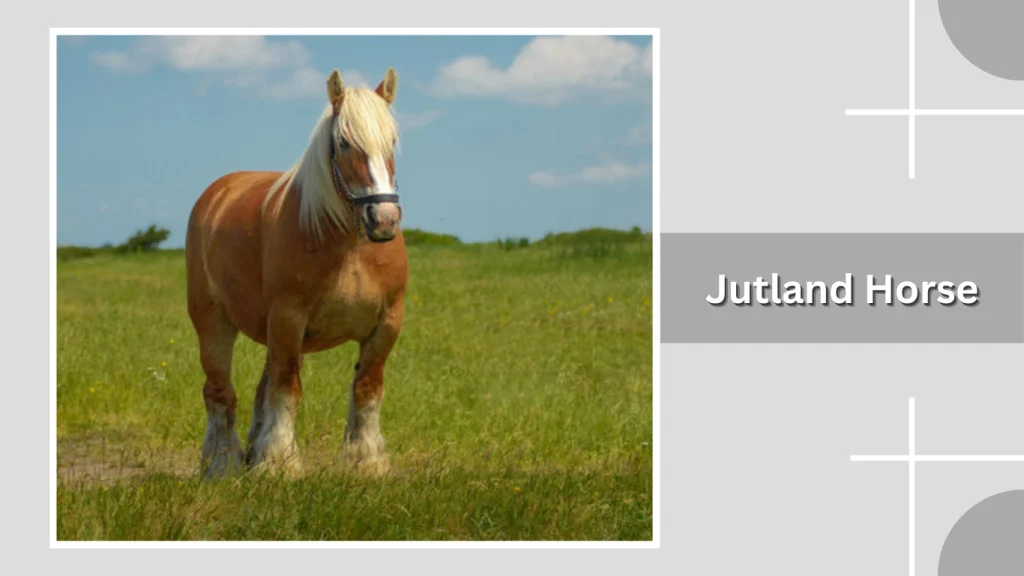
The Jutland Horse is a heavy draft breed from Denmark, known for its massive frame and historical use in agriculture and military supply hauling.
Identification
- Very stocky, muscular build
- Broad chest and thick neck
- Short, strong legs
- Large head with calm expression
- Typically chestnut with flaxen mane
Size and Weight
Jutland Horses usually stand between 15.2 and 16.2 hands high. They commonly weigh between 1,600 and 2,200 pounds (725–1,000 kg).
Common Uses
They are traditionally used for farm work, hauling, logging, and ceremonial draft displays.
Care and Considerations
Because of their dense build, weight management is important. Regular hoof trimming and consistent exercise help maintain joint health and soundness.
18. North Swedish Horse
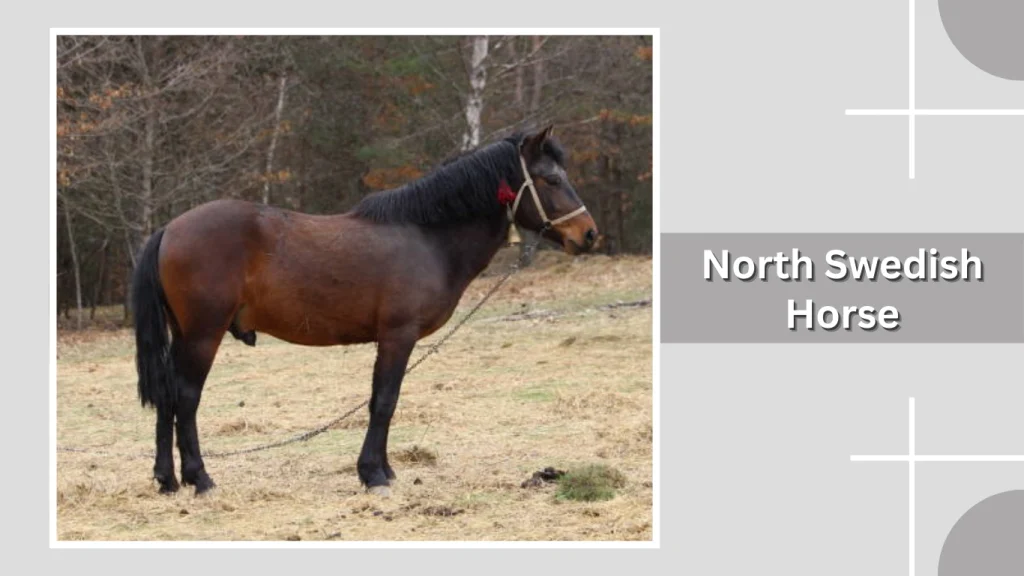
The North Swedish Horse is a strong and compact draft breed developed in Sweden for farm work and forestry. It is well adapted to cold climates and rough terrain, making it a reliable working horse.
Identification
- Compact, muscular body
- Broad chest and strong neck
- Short, sturdy legs
- Well-shaped head with straight profile
- Commonly black, bay, or chestnut
Size and Weight
North Swedish Horses typically stand between 15 and 16 hands high. Their weight generally ranges from 1,500 to 2,000 pounds (680–910 kg), giving them excellent pulling strength relative to size.
Common Uses
They are used for forestry work, farming, hauling, and traditional draft horse activities.
Care and Considerations
They are hardy and low-maintenance but still require regular exercise and hoof care. Controlled feeding helps prevent excess weight gain.
19. Black Forest Horse
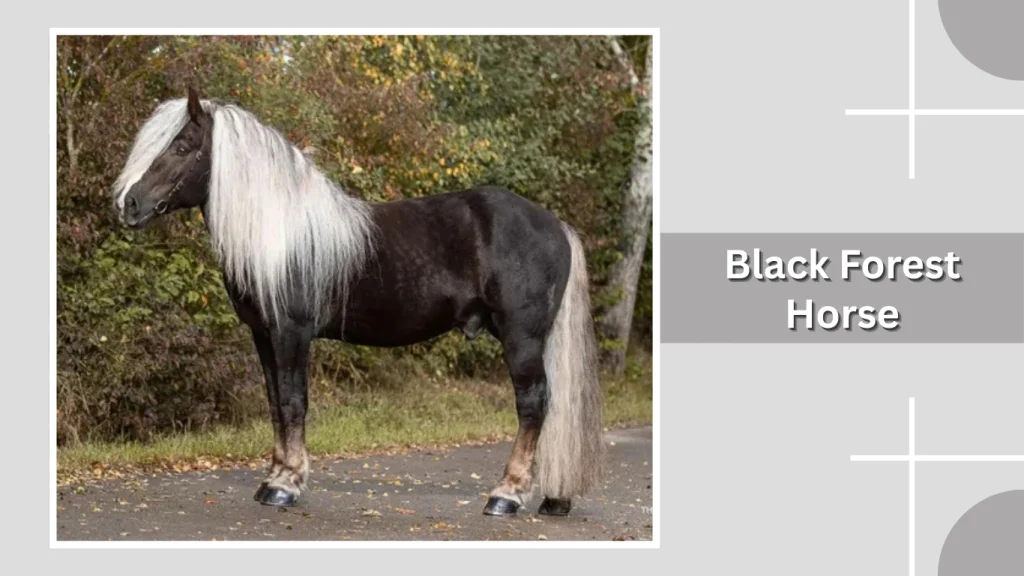
The Black Forest Horse, also known as the Black Forest Coldblood, originates from Germany and is known for its striking appearance and strength. It is slightly lighter than some draft breeds but still considered among the larger working horses.
Identification
- Stocky yet elegant build
- Long, flowing flaxen mane and tail
- Strong legs with light feathering
- Refined head with kind expression
- Typically chestnut with flaxen mane
Size and Weight
Black Forest Horses usually stand between 14.3 and 15.3 hands high. Their weight typically ranges from 1,300 to 1,700 pounds (590–770 kg).
Common Uses
They are used for light farm work, driving, forestry, parades, and exhibitions.
Care and Considerations
Regular grooming of the mane and tail is important to maintain their appearance. Balanced nutrition and routine hoof care support long-term health.
20. Friesian
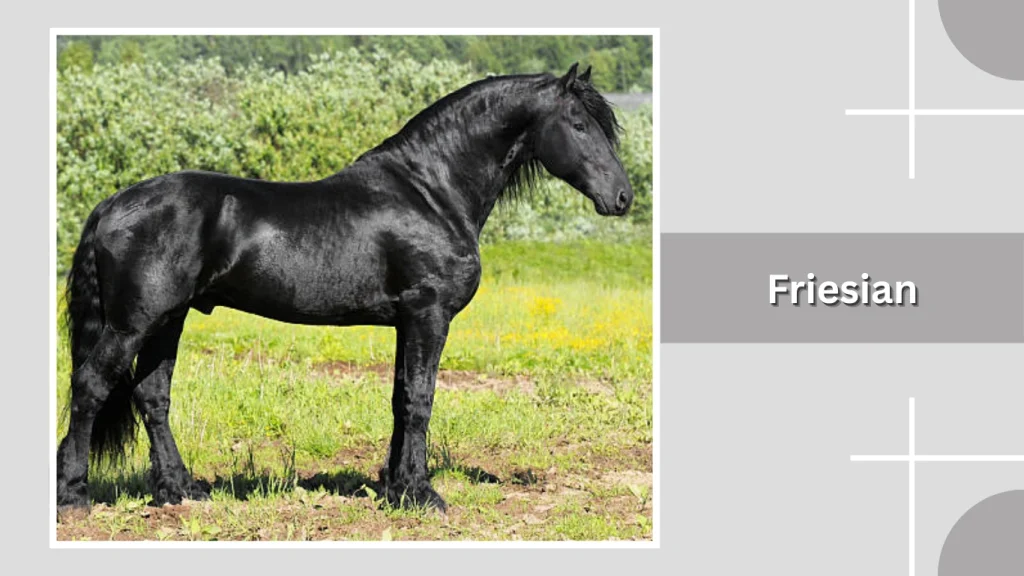
The Friesian is a large, elegant horse breed originating from the Netherlands. While lighter than traditional draft horses, its height, powerful frame, and striking appearance place it among the world’s largest horse breeds.
Identification
- Tall, muscular body with elegant proportions
- Long, flowing mane and tail
- Feathering on lower legs
- Arched neck with high head carriage
- Almost always solid black
Size and Weight
Friesians typically stand between 16 and 17 hands high, with some individuals exceeding this height. Their weight usually ranges from 1,300 to 1,800 pounds (590–820 kg).
Common Uses
They are used for dressage, driving, parades, exhibitions, and ceremonial events due to their dramatic movement and appearance.
Care and Considerations
Their thick mane, tail, and leg feathering require frequent grooming. Regular exercise is important to maintain strength and prevent joint issues.
21. Hungarian Draft Horse

The Hungarian Draft Horse is a heavy working breed developed in Hungary for agriculture and hauling. It is known for strength, endurance, and adaptability to demanding labor.
Identification
- Large, solidly built frame
- Broad chest and powerful shoulders
- Strong legs with minimal feathering
- Large head with straight profile
- Common colors include bay, chestnut, and black
Size and Weight
Hungarian Draft Horses generally stand between 15.3 and 16.3 hands high. Their weight commonly ranges from 1,600 to 2,200 pounds (725–1,000 kg).
Common Uses
They are used for farm work, logging, hauling heavy loads, and traditional draft horse demonstrations.
Care and Considerations
They require consistent exercise and proper nutrition to support their heavy build. Regular hoof care and joint management are essential for long-term soundness.