



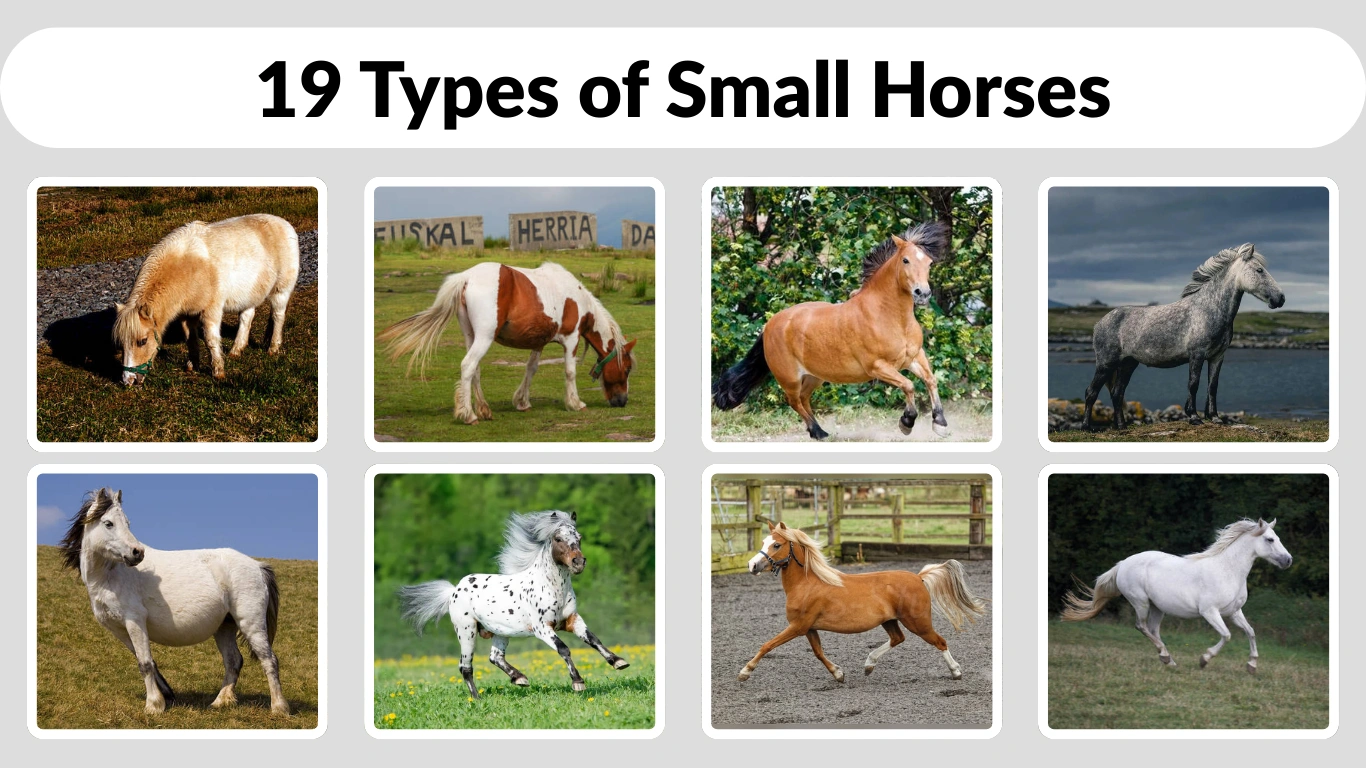
Small horses and ponies are admired worldwide for their strength, intelligence, and versatility despite their compact size. From ancient mountain breeds to family-friendly riding ponies, these small equines have played important roles in farming, transport, sport, and companionship. In this guide, you’ll discover 19 different types of small horses and ponies, each with unique traits, temperaments, and uses that make them special and well-suited for various lifestyles.
1. Shetland Pony
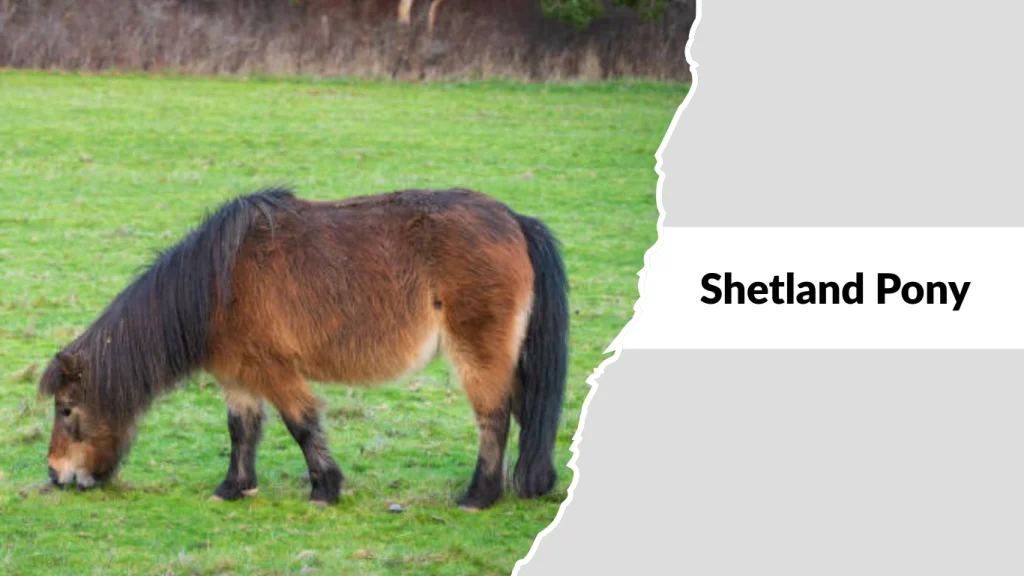
The Shetland Pony is one of the smallest and strongest pony breeds in the world, originating from the harsh Shetland Islands of Scotland. Despite its compact size, this breed is famous for its power, intelligence, and resilience. Shetland Ponies are commonly kept as children’s ponies, companion animals, and light driving ponies.
Identification
- Height: Usually under 42 inches
- Body: Short, stocky, and muscular
- Coat: Very thick double coat
- Mane & Tail: Long, heavy, and coarse
- Colors: Black, bay, chestnut, gray, palomino, and more
Temperament
Shetland Ponies are intelligent, bold, and confident. They can be affectionate and loyal but are also known for being stubborn if not trained with consistency and patience.
Uses
Traditionally used for hauling and farm work, Shetland Ponies today are popular for children’s riding, driving competitions, therapy programs, and as family-friendly ponies.
Lifespan
With proper care, Shetland Ponies often live 25–30 years, and some individuals live even longer.
Unique Traits
Their exceptional strength relative to size allows them to pull loads far heavier than expected, making them one of the strongest pony breeds pound for pound.
2. Miniature Horse
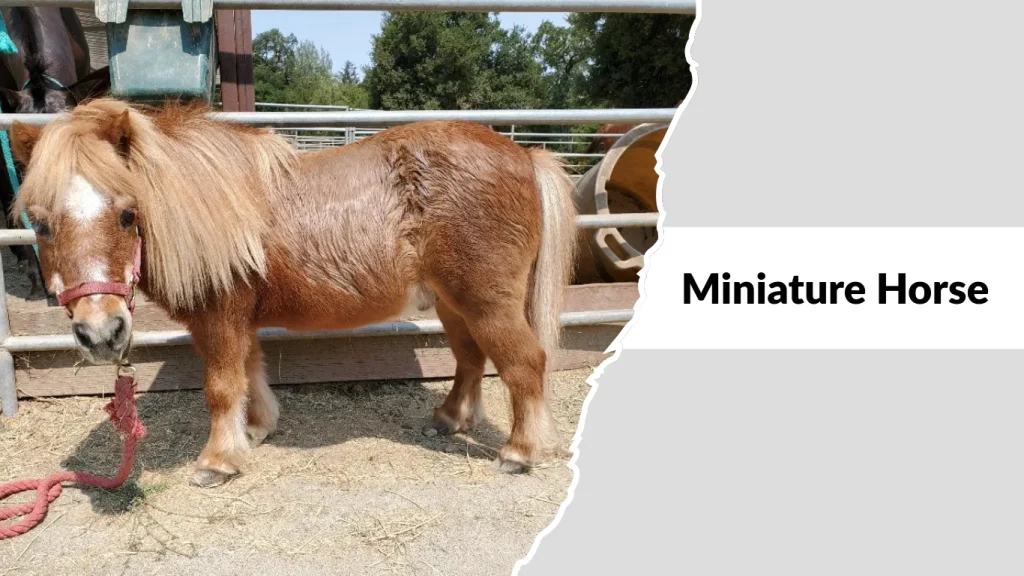
The Miniature Horse is bred to resemble a full-sized horse in perfect proportion, only much smaller. Unlike ponies, it maintains refined horse-like features and is valued for companionship, therapy work, and light driving rather than riding.
Identification
- Height: Usually under 34–38 inches
- Body: Well-proportioned, horse-like build
- Head: Refined with large, expressive eyes
- Legs: Straight and delicate
- Coat: Smooth and fine, varies by season
Temperament
Miniature Horses are gentle, intelligent, and highly social. They are easy to train, people-oriented, and known for forming strong bonds with handlers.
Uses
They are commonly used as companion animals, therapy and service animals, show horses, and for driving carts. They are not suitable for riding due to their size.
Lifespan
Miniature Horses often live longer than larger breeds, with an average lifespan of 25–35 years when well cared for.
Unique Traits
Their calm nature and compact size make them ideal therapy animals, and some are trained to assist individuals with disabilities similarly to service dogs.
3. Falabella
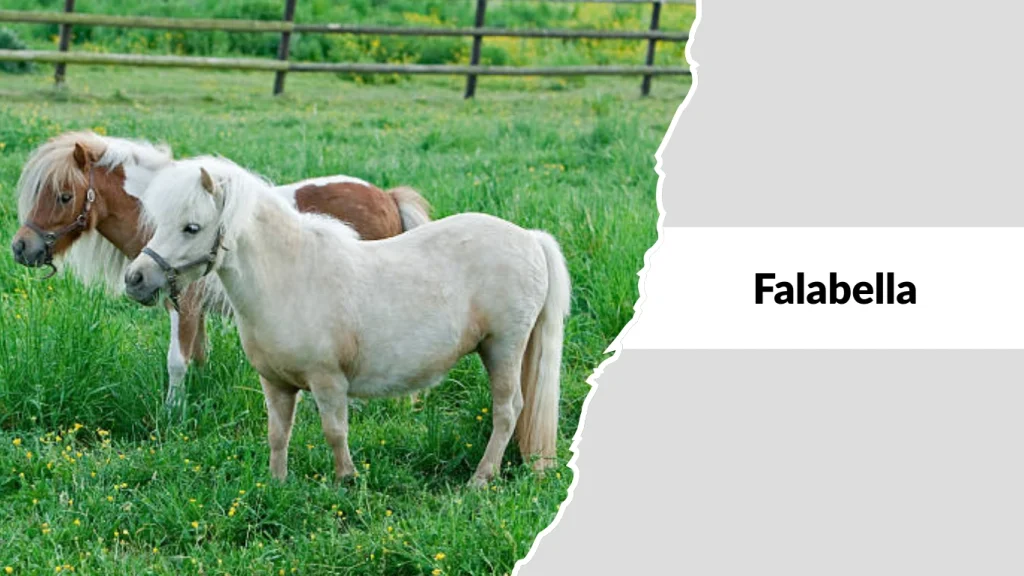
The Falabella is one of the smallest horse breeds in the world, developed in Argentina and known for its refined appearance. Unlike many ponies, it closely resembles a full-sized horse in miniature form, with balanced proportions and elegant features.
Identification
- Height: Commonly under 34 inches
- Body: Slim, well-balanced, horse-like proportions
- Head: Small and refined with alert eyes
- Legs: Fine-boned and straight
- Coat: Smooth, can be solid or spotted
Temperament
Falabellas are calm, intelligent, and friendly. They are easy to handle and tend to be cooperative, making them suitable for families and educational settings.
Uses
They are primarily kept as companion animals, show horses, and for light driving. Falabellas are not used for riding due to their extremely small size.
Lifespan
Falabella horses typically live 20–30 years, with some individuals reaching even greater ages under good care.
Unique Traits
Their pure miniature-horse proportions and consistent small size set them apart from other miniature and pony breeds.
4. Welsh Pony
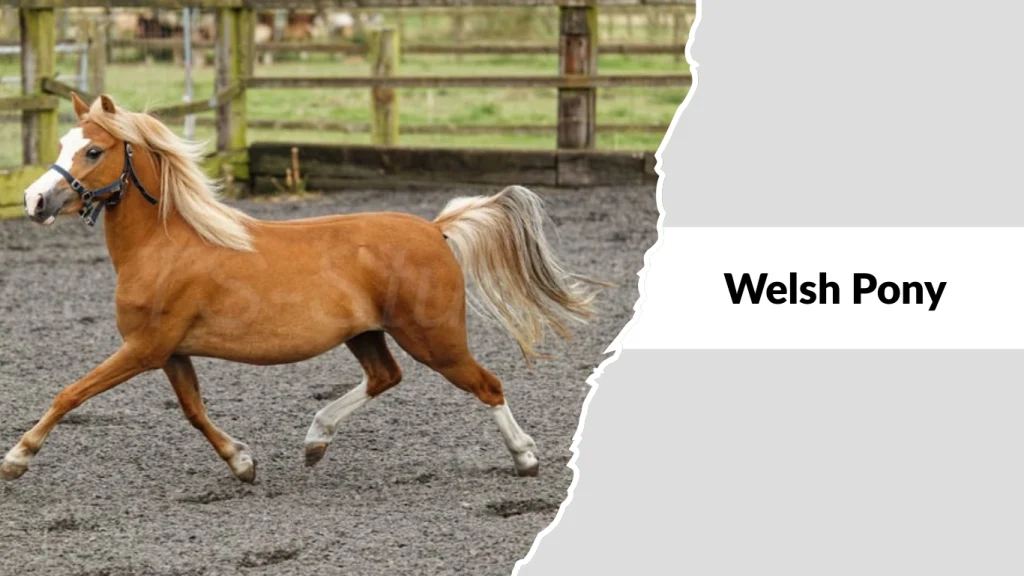
The Welsh Pony originates from Wales and is admired for its elegance, strength, and versatility. It combines refined looks with hardy pony traits, making it one of the most popular small horse types worldwide for both children and adults.
Identification
- Height: Varies by section, generally under 48 inches
- Body: Compact yet refined with strong hindquarters
- Head: Small with large eyes and neat ears
- Legs: Clean, straight, and well-defined
- Coat: Fine, dense coat in many colors
Temperament
Welsh Ponies are intelligent, willing, and energetic. They are known for their friendly nature and trainability, making them excellent for riders of different skill levels.
Uses
They are widely used for riding, driving, showing, and jumping. Welsh Ponies excel in competitive disciplines as well as family and youth riding programs.
Lifespan
With proper care, Welsh Ponies typically live between 25–30 years.
Unique Traits
Their natural movement and balanced conformation give them an advantage in show rings and performance events despite their small size.
5. Connemara Pony
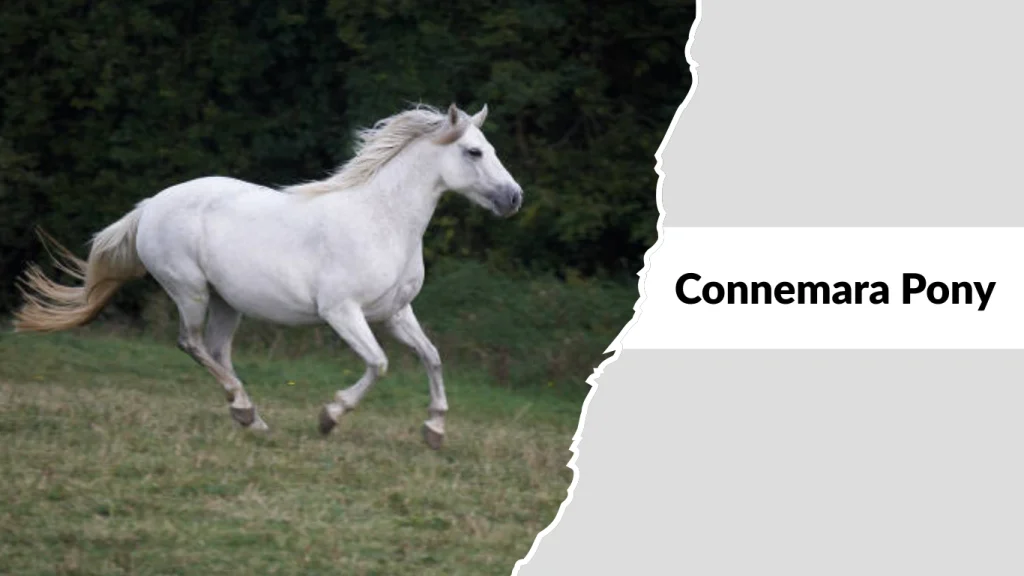
The Connemara Pony comes from the rugged west coast of Ireland and is known for its strength, athleticism, and calm temperament. It is larger than many small horses but is still considered a pony, prized for versatility and durability.
Identification
- Height: Usually 13–15 hands
- Body: Strong, well-balanced, and athletic
- Head: Kind expression with broad forehead
- Legs: Solid bone with good joints
- Coat: Thick and weather-resistant
Temperament
Connemara Ponies are gentle, intelligent, and dependable. They are easy to train and well-suited for both children and adult riders.
Uses
They are commonly used for riding, jumping, eventing, dressage, and driving, performing exceptionally well in both competition and leisure riding.
Lifespan
The average lifespan of a Connemara Pony is around 25–30 years.
Unique Traits
Their exceptional jumping ability and sure-footedness make them stand out among small horse breeds.
6. Exmoor Pony

The Exmoor Pony is one of the oldest native pony breeds, originating from the moorlands of southwestern England. It is known for its hardiness, primitive features, and ability to survive in harsh environments with minimal human care.
Identification
- Height: Around 11–12.3 hands
- Body: Deep-chested, compact, and strong
- Head: Large eyes with distinctive “toad eye” rims
- Legs: Short, sturdy, and well-boned
- Coat: Thick, waterproof coat, usually bay or brown
Temperament
Exmoor Ponies are calm, alert, and intelligent. They are cautious by nature but form strong bonds with handlers once trust is established.
Uses
Traditionally used for grazing conservation, they are also suitable for riding, driving, and pony trekking when trained.
Lifespan
Exmoor Ponies typically live 25–30 years, with many remaining active well into old age.
Unique Traits
Their natural insulation, including a double-layered coat and fat deposits, allows them to withstand cold, wet climates better than most pony breeds.
7. New Forest Pony
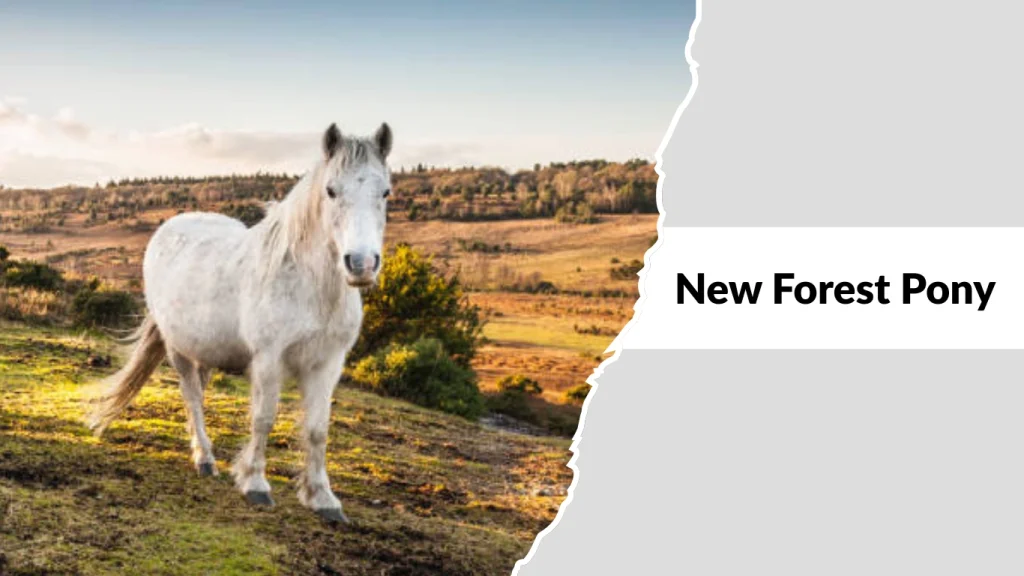
The New Forest Pony originates from southern England and is valued for its versatility, calm nature, and strong build. It developed in semi-wild conditions, which contributed to its hardiness and adaptable temperament.
Identification
- Height: Typically 12–14.2 hands
- Body: Strong, well-proportioned, and sturdy
- Head: Straight profile with kind eyes
- Legs: Clean with good bone
- Coat: Dense coat in various solid colors
Temperament
New Forest Ponies are gentle, sensible, and intelligent. They are known for being easy to handle, making them suitable for children, beginners, and experienced riders alike.
Uses
They are commonly used for riding, jumping, dressage, driving, and family ponies. Their balanced nature makes them popular in riding schools.
Lifespan
Most New Forest Ponies live between 20–30 years with proper care.
Unique Traits
Their natural balance of strength and calmness allows them to excel both as leisure ponies and in competitive disciplines.
8. Dartmoor Pony
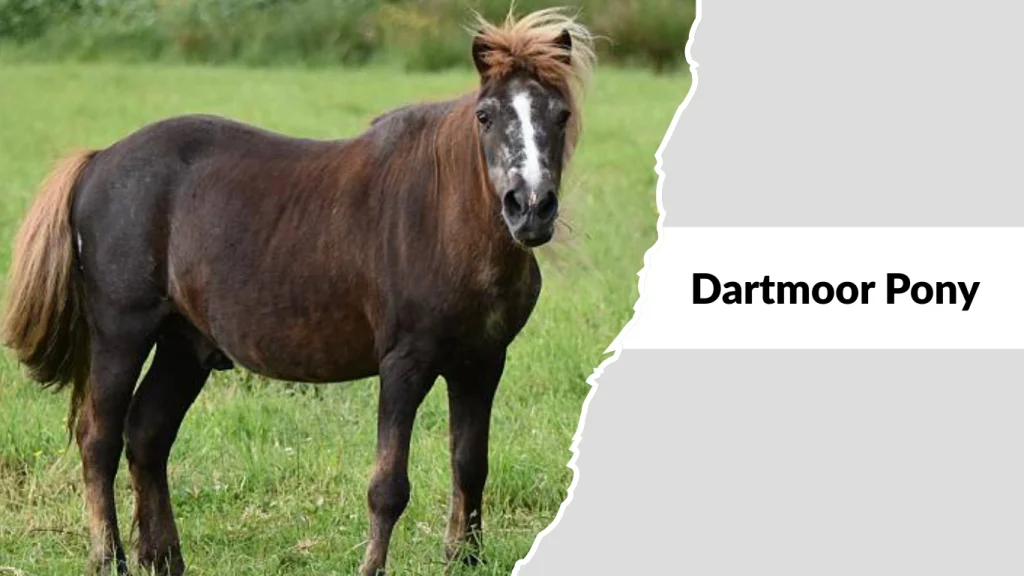
The Dartmoor Pony is a hardy native breed from the rugged Dartmoor region of England. It is admired for its toughness, gentle nature, and suitability as a reliable riding pony, especially for children.
Identification
- Height: Around 11.1–12.2 hands
- Body: Compact, deep-bodied, and strong
- Head: Small with a straight or slightly concave profile
- Legs: Short, sturdy, and well-boned
- Coat: Thick and weather-resistant, commonly bay, brown, or black
Temperament
Dartmoor Ponies are calm, intelligent, and willing. They are known for their sensible attitude and steady behavior, making them easy to train and handle.
Uses
They are mainly used for children’s riding, pony club activities, showing, and light driving. Their reliability makes them popular family ponies.
Lifespan
Dartmoor Ponies generally live 25–30 years when properly cared for.
Unique Traits
Their natural endurance and sure-footedness allow them to thrive in challenging terrain and variable weather conditions.
9. Icelandic Horse
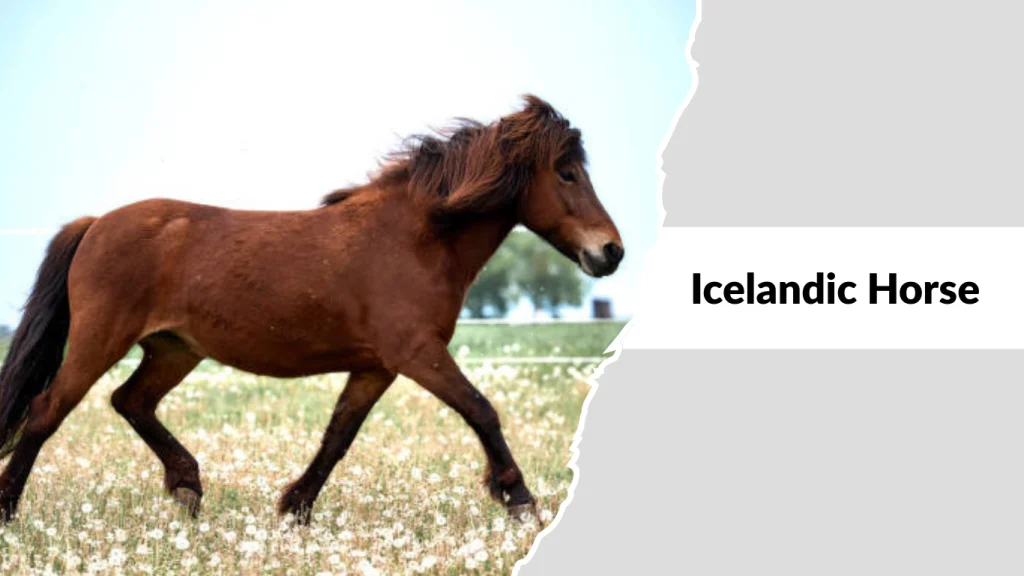
The Icelandic Horse is a small yet powerful breed that developed in isolation in Iceland for over a thousand years. Although compact, it is classified as a horse rather than a pony due to its strength, stamina, and unique gaits.
Identification
- Height: Around 13–14 hands
- Body: Short, sturdy, and muscular
- Head: Well-defined with alert eyes
- Legs: Strong with solid bone
- Coat: Very thick, with a dense mane and tail
Temperament
Icelandic Horses are friendly, confident, and intelligent. They are people-oriented and known for their calm, willing attitude under saddle.
Uses
They are used for riding, trail riding, farming tasks, and endurance activities. Their smooth gaits make them especially popular for long-distance riding.
Lifespan
Icelandic Horses often live 30–40 years, remaining active well into old age.
Unique Traits
They are famous for their additional gaits, especially the tölt, a smooth four-beat gait that provides exceptional rider comfort.
10. Haflinger
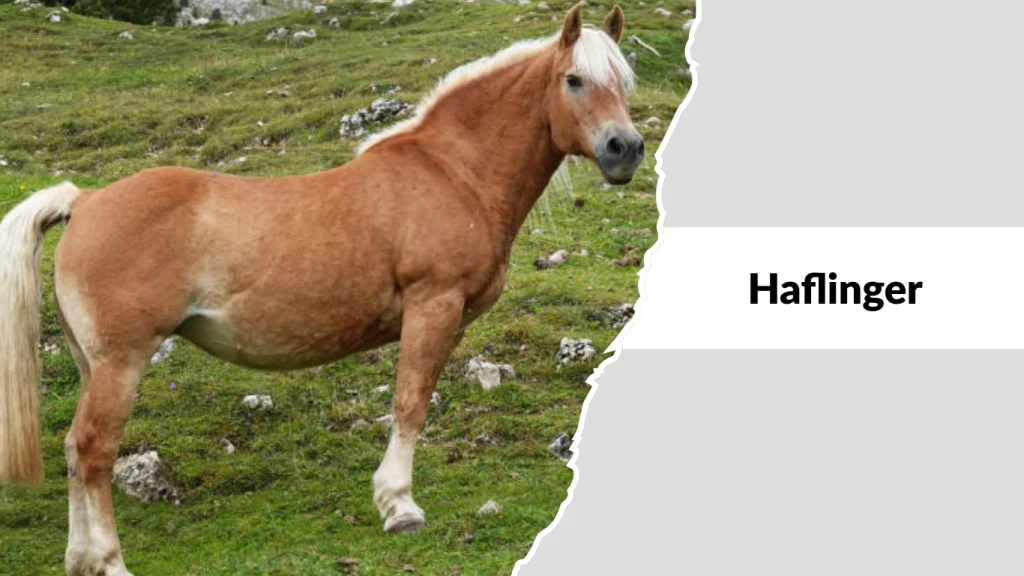
The Haflinger is a small but sturdy horse breed that originated in the Alpine regions of Austria and northern Italy. Known for its distinctive golden coat and flaxen mane, this breed combines strength, endurance, and a calm disposition.
Identification
- Height: Around 13.2–15 hands
- Body: Compact, muscular, and well-balanced
- Head: Refined with a kind expression
- Legs: Strong with good bone structure
- Coat: Chestnut with a light flaxen mane and tail
Temperament
Haflingers are gentle, willing, and intelligent. They are easy to train and well-known for their cooperative attitude, making them suitable for riders of all ages.
Uses
They are commonly used for riding, driving, packing, therapy programs, and light farm work. Haflingers perform well in both leisure riding and competitive disciplines.
Lifespan
Haflingers typically live 25–30 years when provided with proper care and management.
Unique Traits
Their exceptional strength relative to size and adaptability to mountainous terrain make them one of the most versatile small horse breeds.
11. Fjord Horse
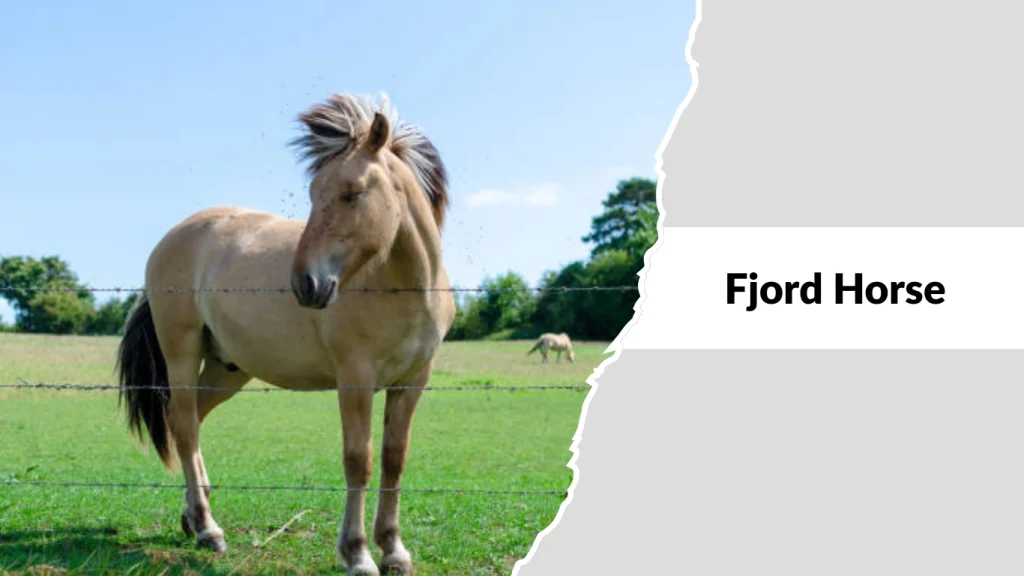
The Fjord Horse is an ancient and distinctive small horse breed from Norway, easily recognized by its dun coat and upright two-toned mane. It is known for strength, endurance, and a calm, dependable nature.
Identification
- Height: Around 13.2–14.2 hands
- Body: Compact, muscular, and powerful
- Head: Broad with a straight profile
- Legs: Short, strong, and well-boned
- Coat: Dun shades with primitive markings
Temperament
Fjord Horses are gentle, steady, and intelligent. They are willing workers with a patient attitude, making them suitable for beginners and experienced handlers alike.
Uses
They are used for riding, driving, farm work, therapy programs, and trail riding. Their reliability makes them popular for family and working environments.
Lifespan
Fjord Horses generally live between 25–30 years.
Unique Traits
Their distinctive dorsal stripe and natural primitive markings reflect their ancient lineage and set them apart visually from most other small horse breeds.
12. American Pony
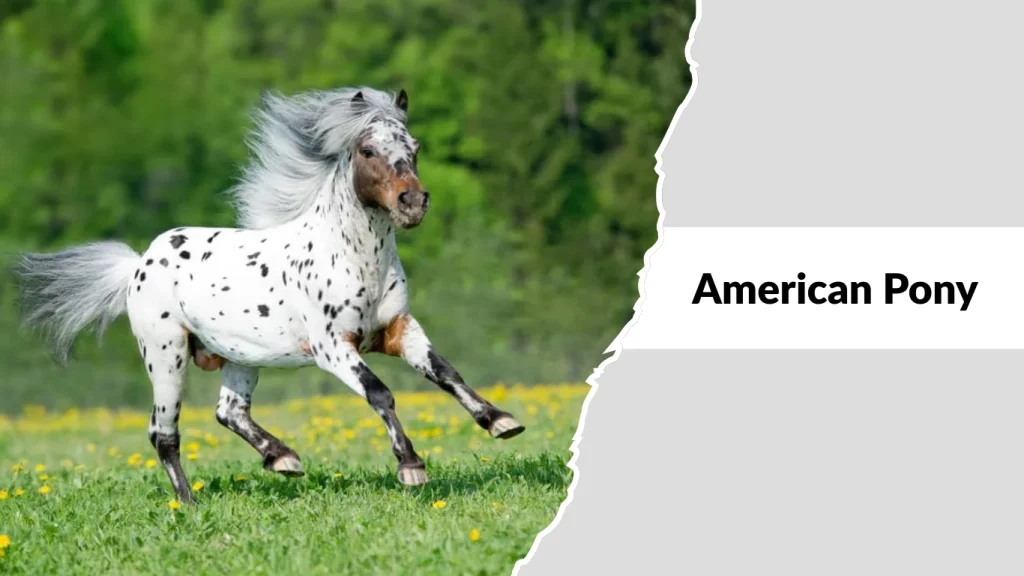
The American Pony was developed in the United States by blending various pony and small horse breeds to create a versatile, athletic, and family-friendly pony suited for riding and performance.
Identification
- Height: Typically 11.2–14 hands
- Body: Compact, muscular, and well-proportioned
- Head: Refined with alert expression
- Legs: Strong with good bone and balance
- Coat: Smooth, comes in many colors
Temperament
American Ponies are intelligent, energetic, and cooperative. They are known for their adaptability and willingness, making them suitable for young riders and training programs.
Uses
They are commonly used for children’s riding, pony club activities, jumping, showing, and general recreation.
Lifespan
Most American Ponies live between 20–30 years with proper care.
Unique Traits
Their combination of athletic ability and manageable size makes them especially popular in youth equestrian sports.
13. Highland Pony
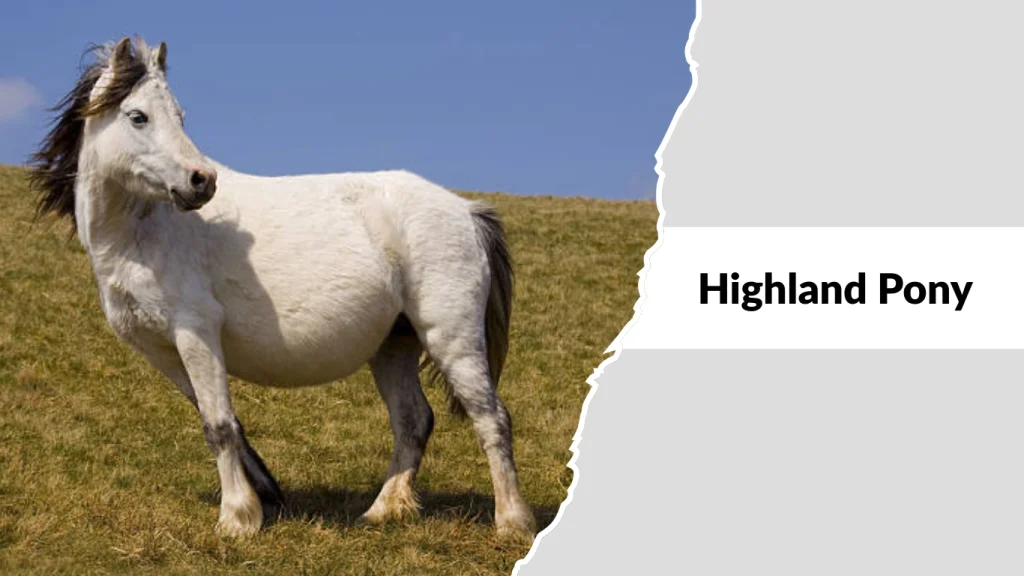
The Highland Pony is a strong and hardy native breed from Scotland, developed to survive rough terrain and severe weather. Despite its pony classification, it is one of the largest and most powerful small horse types.
Identification
- Height: Usually 13–14.2 hands
- Body: Deep-chested, broad, and muscular
- Head: Kind expression with a broad forehead
- Legs: Strong with substantial bone
- Coat: Thick, weather-resistant, often dun or gray
Temperament
Highland Ponies are calm, sensible, and friendly. They are known for their patience and reliability, making them suitable for novice riders and families.
Uses
They are used for riding, trekking, driving, packing, and conservation grazing. Their strength makes them ideal for carrying weight over long distances.
Lifespan
Highland Ponies commonly live 25–30 years with proper care.
Unique Traits
Their ability to thrive on sparse grazing and harsh climates highlights their exceptional endurance and resilience.
14. Eriskay Pony
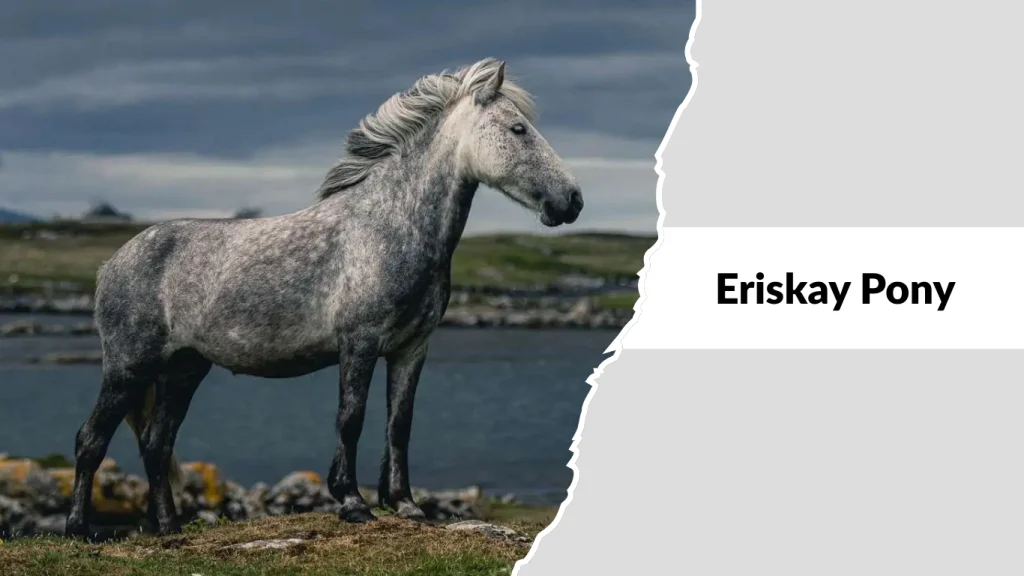
The Eriskay Pony is a rare native pony breed from the Outer Hebrides of Scotland. It developed in isolation on harsh coastal islands, which shaped its exceptional hardiness, strength, and ability to survive on limited resources. Today, it is valued both as a heritage breed and a practical small horse.
Identification
- Height: Usually 12–13 hands
- Body: Compact, sturdy, and deep-bodied
- Head: Broad with a straight profile
- Legs: Short, strong, and well-boned
- Coat: Thick and weatherproof, commonly gray, black, or bay
Temperament
Eriskay Ponies are calm, intelligent, and gentle. They are known for their steady nature and willingness to work, making them easy to handle even for less experienced owners.
Uses
Traditionally used for croft work, carrying peat, and farm tasks, they are now used for riding, driving, conservation grazing, and as family ponies.
Lifespan
Eriskay Ponies typically live between 25–30 years, often remaining active and healthy well into old age.
Unique Traits
Their ability to thrive on poor grazing and withstand strong winds and cold rain makes them one of the toughest small horse breeds in the world.
15. Kerry Bog Pony
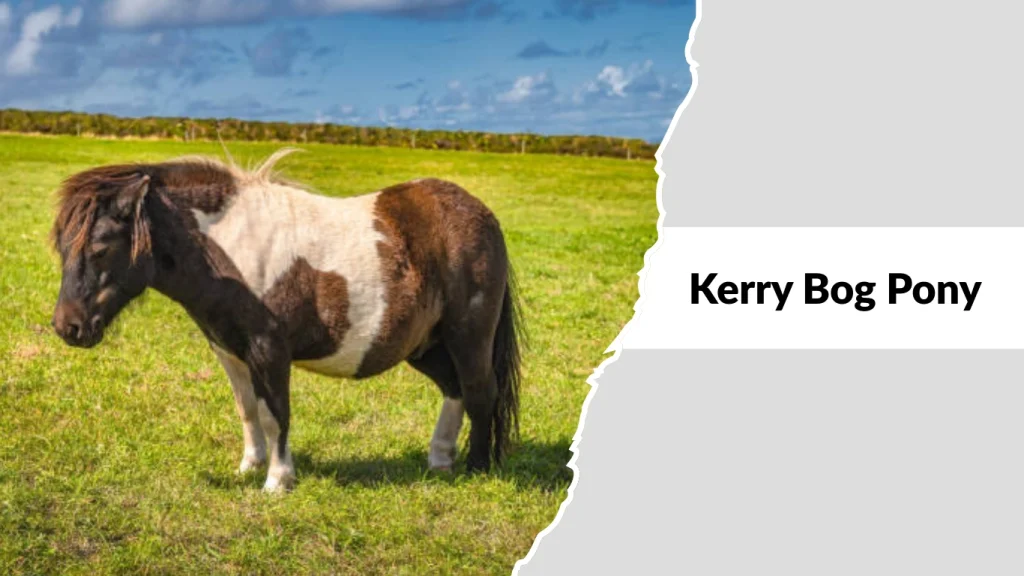
The Kerry Bog Pony is an ancient and rare pony breed native to southwestern Ireland. It developed in wet, boggy landscapes, which shaped its compact build, strength, and exceptional endurance. This breed is considered one of the foundation ponies of Ireland and is valued today for conservation, light work, and companionship.
Identification
- Height: Around 10–12 hands
- Body: Compact, deep-bodied, and strong
- Head: Short with a straight profile and alert eyes
- Legs: Short, sturdy, and well-suited for soft ground
- Coat: Thick and coarse, usually black or dark brown
Temperament
Kerry Bog Ponies are gentle, intelligent, and calm. They are known for their friendly attitude and cooperative nature, making them easy to manage and suitable for families.
Uses
Historically used for light farm work, carrying loads, and pulling carts, they are now used for driving, children’s ponies, conservation grazing, and as companion animals.
Lifespan
Kerry Bog Ponies commonly live 20–30 years with proper care and nutrition.
Unique Traits
Their ability to move efficiently across boggy, uneven terrain without sinking is a distinctive trait that reflects their unique environmental adaptation.
16. Pottok Pony
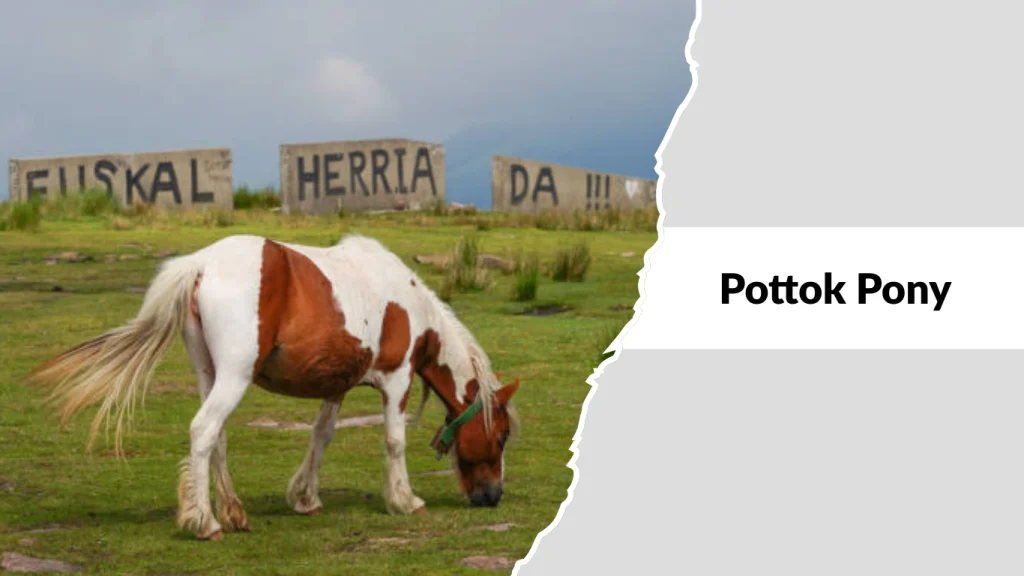
The Pottok Pony is a rare and ancient pony breed native to the Basque regions of France and Spain. It evolved in mountainous, forested terrain, which shaped its agility, endurance, and strong survival instincts. The breed exists in both semi-wild and domesticated forms and is an important part of Basque cultural heritage.
Identification
- Height: Typically 11–13 hands
- Body: Compact, sturdy, and well-muscled
- Head: Short with a straight or slightly concave profile
- Legs: Strong, sure-footed, and well-adapted to hills
- Coat: Thick and long, commonly black, bay, or chestnut
Temperament
Pottok Ponies are intelligent, alert, and independent. While cautious by nature, they become calm, loyal, reminding when properly handled and trained. Their adaptability makes them suitable for experienced and patient owners.
Uses
Traditionally used for light farm work and transport, Pottok Ponies today are used for riding, driving, trail work, conservation grazing, and as family ponies.
Lifespan
Pottok Ponies usually live between 25–30 years, maintaining good health with minimal intervention.
Unique Traits
Their strong primitive traits, including resilience, excellent balance, and low maintenance needs, make them especially suited for rugged and mountainous environments.
17. Gotland Pony
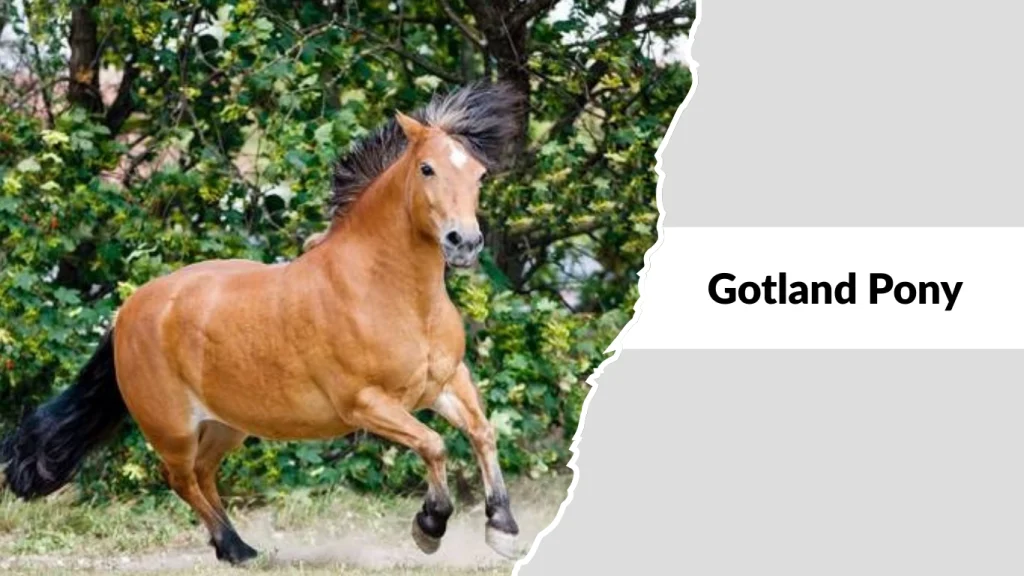
The Gotland Pony, also known as the Gotland Russ, is a hardy native pony breed from Sweden. It developed in semi-wild conditions, which contributed to its toughness, agility, and strong survival instincts. Today, it is valued as a children’s riding pony and for light driving work.
Identification
- Height: Usually 12–13 hands
- Body: Compact, strong, and well-balanced
- Head: Short with a straight profile
- Legs: Short, sturdy, and well-formed
- Coat: Thick and dense, commonly dun, gray, or brown
Temperament
Gotland Ponies are intelligent, energetic, and friendly. They are known for being willing learners and responsive, making them suitable for young riders when properly trained.
Uses
They are commonly used for children’s riding, driving, pony club activities, and recreational riding. Their agility also makes them suitable for light jumping and trail riding.
Lifespan
Gotland Ponies typically live between 25–30 years with good care.
Unique Traits
Their ability to thrive in harsh climates with minimal care reflects their strong natural resilience and primitive heritage.
18. Australian Pony
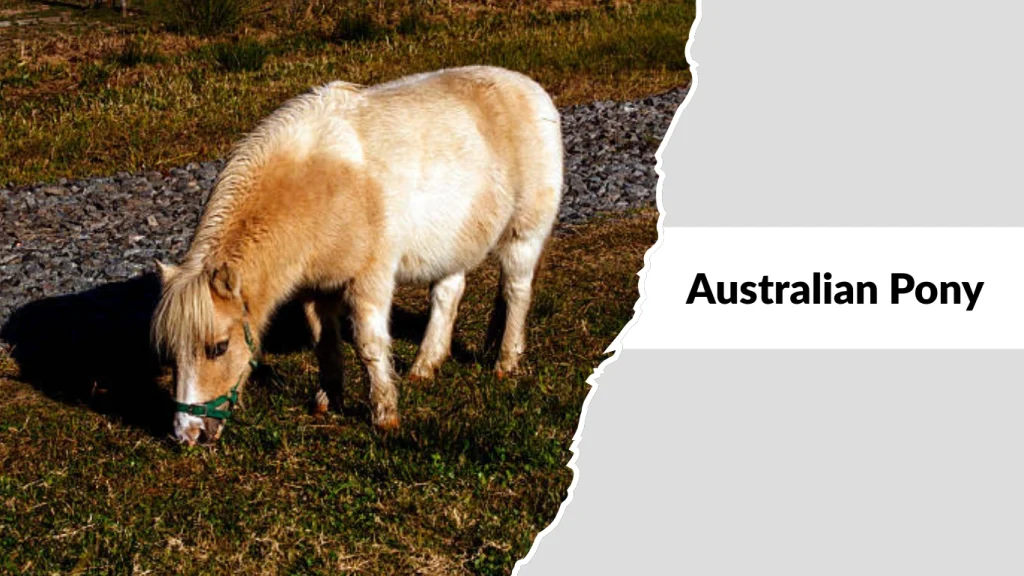
The Australian Pony was developed in Australia using a mix of British pony breeds to create a hardy, versatile, and athletic small horse suited to local conditions. It combines refinement with strength and is widely appreciated as a reliable riding pony, especially for younger riders.
Identification
- Height: Usually 12–14 hands
- Body: Well-proportioned, compact, and athletic
- Head: Refined with a straight profile
- Legs: Strong, clean, and well-aligned
- Coat: Smooth, comes in many solid colors
Temperament
Australian Ponies are intelligent, calm, and willing. They are known for their good manners and adaptability, making them easy to train and handle in a variety of environments.
Uses
They are commonly used for children’s riding, pony club activities, showing, jumping, dressage, and general recreation. Their balanced movement and steady temperament make them popular in riding schools.
Lifespan
Australian Ponies typically live between 20–30 years with proper care and management.
Unique Traits
Their ability to perform well across multiple disciplines while maintaining a manageable size makes them one of the most versatile small horse breeds in Australia.
19. Hucul Horse
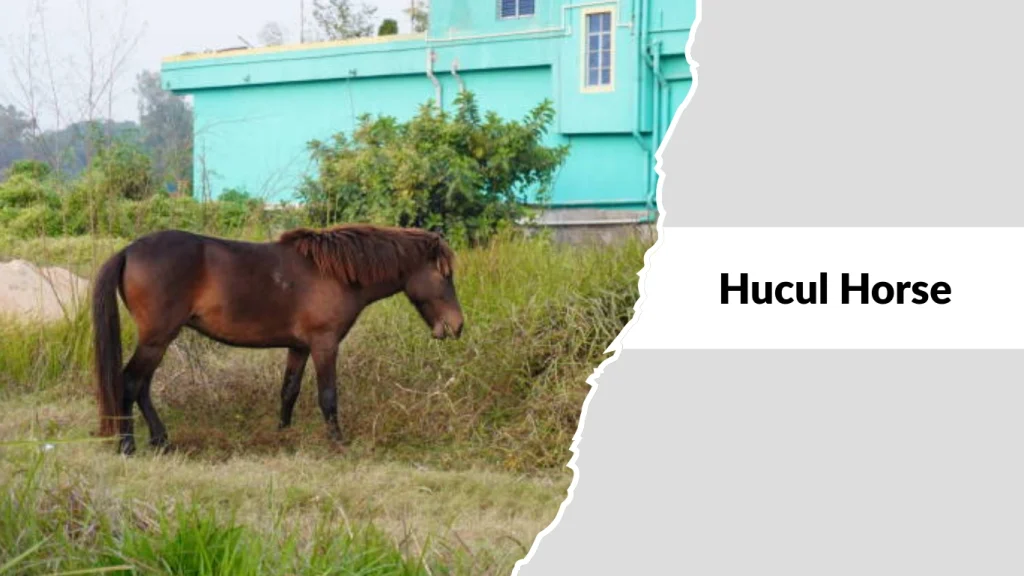
The Hucul Horse is a primitive small horse breed originating from the Carpathian Mountains of Eastern Europe. Shaped by rugged terrain and harsh weather, it is renowned for endurance, sure-footedness, and remarkable resilience. Although compact, the Hucul is powerful and capable, often classified among the toughest small horses in the world.
Identification
- Height: Around 13–14.2 hands
- Body: Compact, muscular, and deep-chested
- Head: Short with a straight or slightly convex profile
- Legs: Strong with hard hooves and dense bone
- Coat: Thick, often dun, bay, or black with primitive markings
Temperament
Hucul Horses are calm, intelligent, and dependable. They tend to be cautious but cooperative, forming strong bonds with handlers. Their steady mindset makes them suitable for patient beginners and experienced riders alike.
Uses
Traditionally used for pack work, forestry, and farm tasks, Huculs are now used for trail riding, trekking, driving, endurance riding, and conservation grazing. Their reliability makes them ideal for mountainous and forested regions.
Lifespan
Hucul Horses commonly live 25–30 years, often maintaining soundness and working ability well into old age.
Unique Traits
Their exceptional balance, hard hooves, and ability to navigate steep, uneven terrain without shoes highlight their ancient, primitive heritage.
FAQs
1. What is considered a small horse or pony?
A small horse or pony is generally defined as an equine that stands under 14.2 hands (58 inches) tall at the withers. Ponies often have stockier builds, thicker coats, and stronger bones compared to horses of similar height.
2. Are ponies different from miniature horses?
Yes. Ponies are small equines with distinct physical traits such as thicker necks, heavier manes, and shorter legs. Miniature horses are bred to look like full-sized horses in perfect proportion, just on a much smaller scale.
3. Can adults ride small horses or ponies?
Some small horses and larger pony breeds, such as Connemaras or Icelandic Horses, can comfortably carry adult riders. Smaller ponies and miniature horses are not suitable for adult riding.
4. Do small horses live longer than large horses?
In many cases, yes. Small horses and ponies often have longer lifespans than large horse breeds, commonly living 25–35 years with proper care.
5. Are small horses easier to care for than large horses?
Small horses generally require less feed and space, but they still need proper training, exercise, hoof care, and veterinary attention. Some ponies are prone to weight gain, so diet management is especially important.