



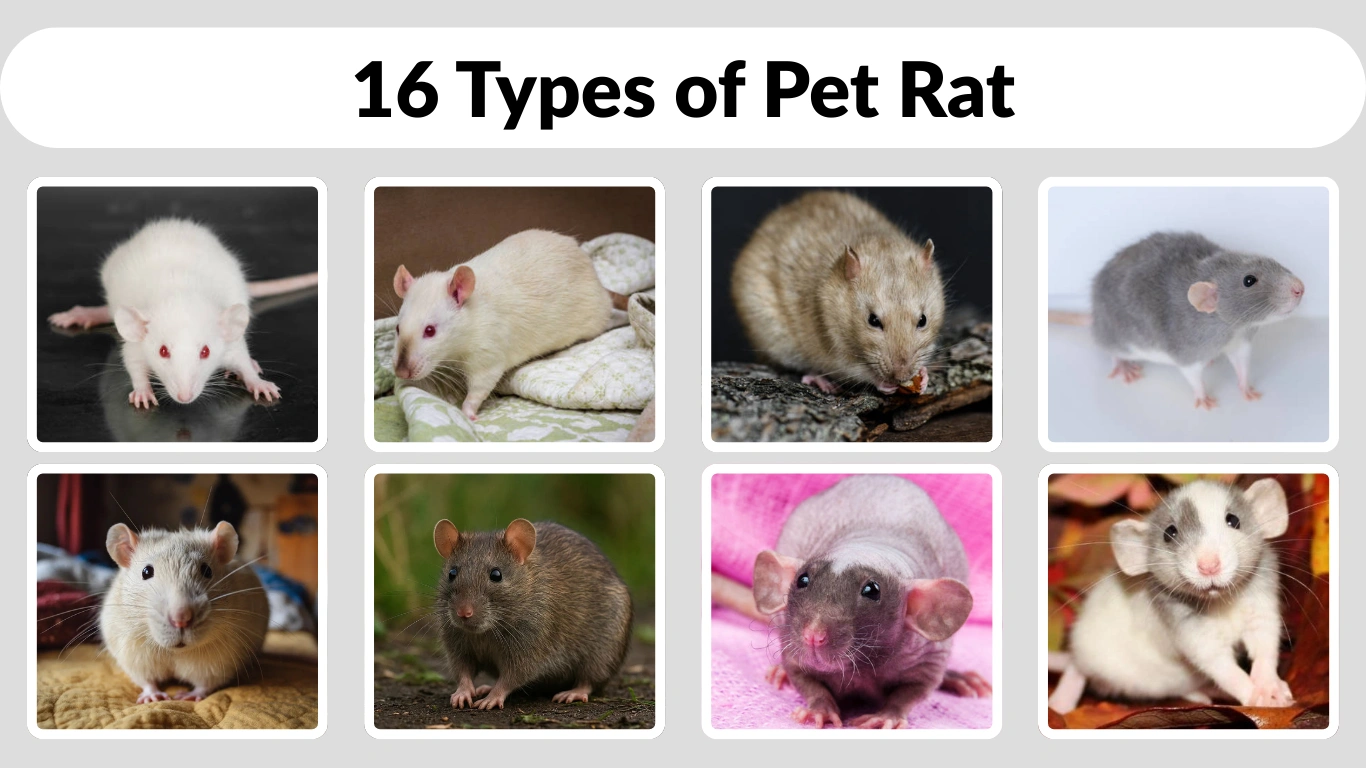
Pet rats are intelligent, social, and surprisingly affectionate animals that make excellent companions for both beginners and experienced owners. With proper care and regular interaction, they quickly form strong bonds with humans. There are many different types of pet rats, each with unique physical traits, coat types, and color patterns. Understanding these varieties helps potential owners choose the rat that best fits their lifestyle, care abilities, and personal preferences.
1. Standard Rat
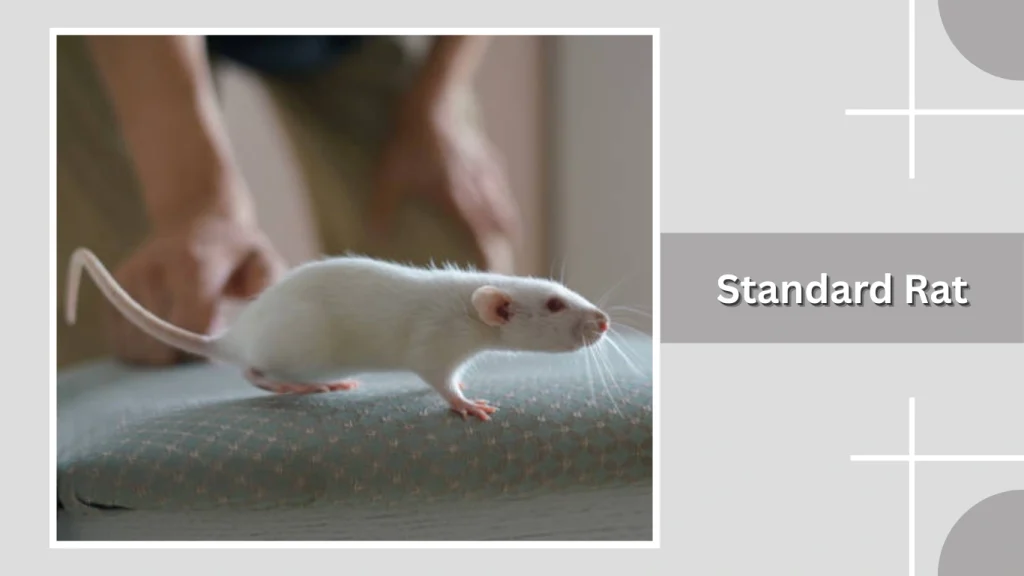
The Standard Rat is the most common and widely recognized type of pet rat. It serves as the foundation for many other rat varieties and is especially popular among first-time owners due to its balanced temperament, adaptability, and ease of care. Standard Rats are known for their intelligence, social nature, and strong bond with humans when properly handled.
Identification
- Medium-sized body with a smooth, short coat
- Ears set high on the head (not oversized)
- Long, slender tail proportional to body length
- Available in many colors and markings
Habitat
Standard Rats thrive in spacious, well-ventilated cages with multiple levels for climbing and exploring. A clean environment with soft bedding, hiding spots, and enrichment toys is essential. They prefer stable indoor temperatures and should be kept away from drafts and direct sunlight.
Behaviors
This type of rat is highly social and enjoys companionship, both from humans and other rats. Standard Rats are curious, playful, and quick learners. With regular interaction, they often show affectionate behaviors such as grooming their owners or resting on shoulders.
Diet and Lifecycle
A balanced diet for a Standard Rat includes high-quality rat pellets, fresh vegetables, occasional fruits, and clean water at all times. With proper nutrition and care, they typically live between two to three years, going through rapid growth in early months and reaching maturity around six months of age.
2. Dumbo Rat
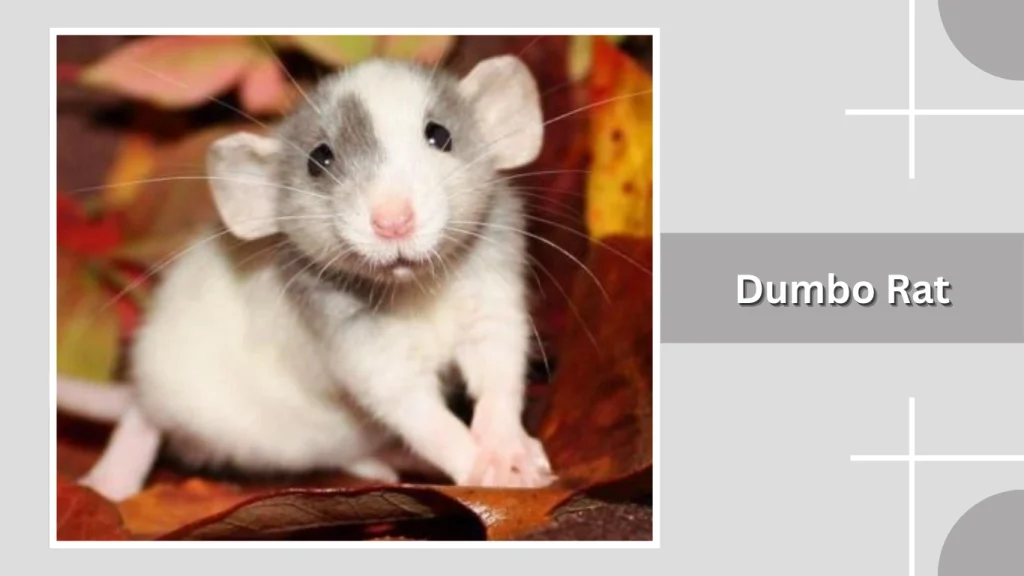
The Dumbo Rat is a popular and distinctive pet rat variety, best known for its large, round ears that sit lower on the sides of the head. This gives it a gentle, expressive appearance that many owners find especially appealing. Dumbo Rats are valued not only for their looks but also for their calm, friendly nature.
Identification
- Large, rounded ears positioned low on the head
- Broad head with a soft facial expression
- Medium-sized body similar to the Standard Rat
- Smooth coat available in various colors and patterns
Habitat
Dumbo Rats do well in the same type of environment as other pet rats. A roomy cage with solid flooring, climbing structures, nesting areas, and chew toys helps keep them comfortable and mentally stimulated. Cleanliness and good airflow are important for maintaining their health.
Behaviors
These rats are known for being especially docile and affectionate. Dumbo Rats enjoy human interaction, are easy to handle, and often display relaxed behavior. They are social animals and thrive when kept in pairs or small groups.
Diet and Lifecycle
Their diet should consist of nutritionally balanced rat pellets supplemented with fresh vegetables and occasional fruits or treats. Dumbo Rats typically live around two to three years, progressing from an active juvenile stage to a calmer adulthood with proper care and regular handling.
3. Hairless Rat
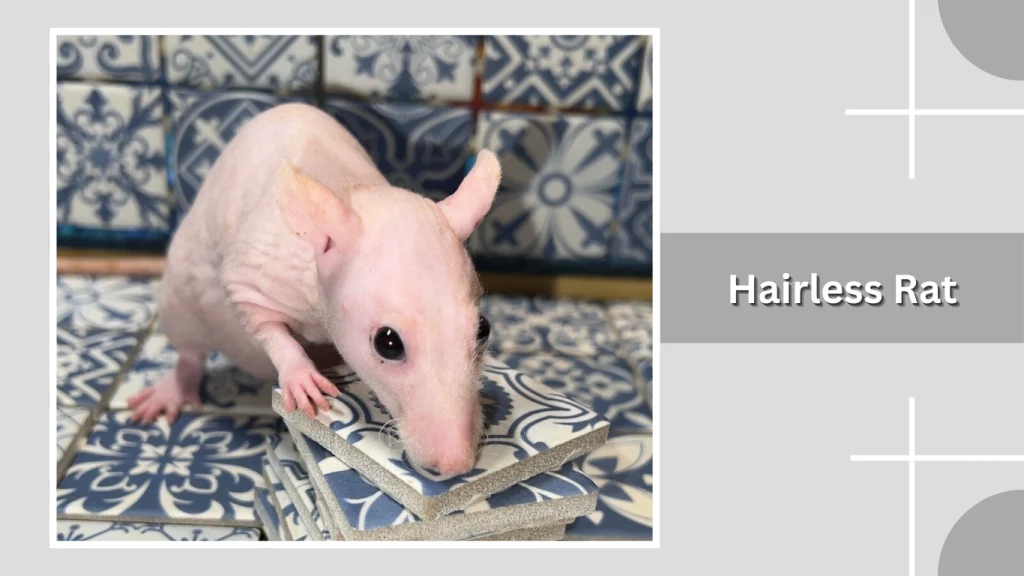
The Hairless Rat is a unique and eye-catching type of pet rat, recognized for its lack of fur and visible skin folds. Despite its unusual appearance, this rat is just as intelligent, social, and affectionate as other varieties. Hairless Rats require slightly more care due to their sensitive skin and temperature needs.
Identification
- Little to no fur, with exposed skin
- Visible wrinkles, especially around the neck and shoulders
- Prominent whiskers (often curly or broken)
- Body shape similar to Standard Rats
Habitat
Hairless Rats need a warm, draft-free environment to maintain body temperature. Their cage should include soft, non-abrasive bedding and cozy nesting materials. Extra cleanliness is important to prevent skin irritation or infections.
Behaviors
These rats are friendly, curious, and highly social. Hairless Rats often seek warmth and enjoy close contact with both humans and cage mates. They can be playful and affectionate but may rest more often to conserve energy.
Diet and Lifecycle
Due to a faster metabolism, Hairless Rats may eat slightly more than furred rats. A diet of quality rat pellets, fresh vegetables, and protein-rich foods supports their health. Their lifespan is usually shorter, averaging around one and a half to two and a half years with attentive care.
4. Rex Rat
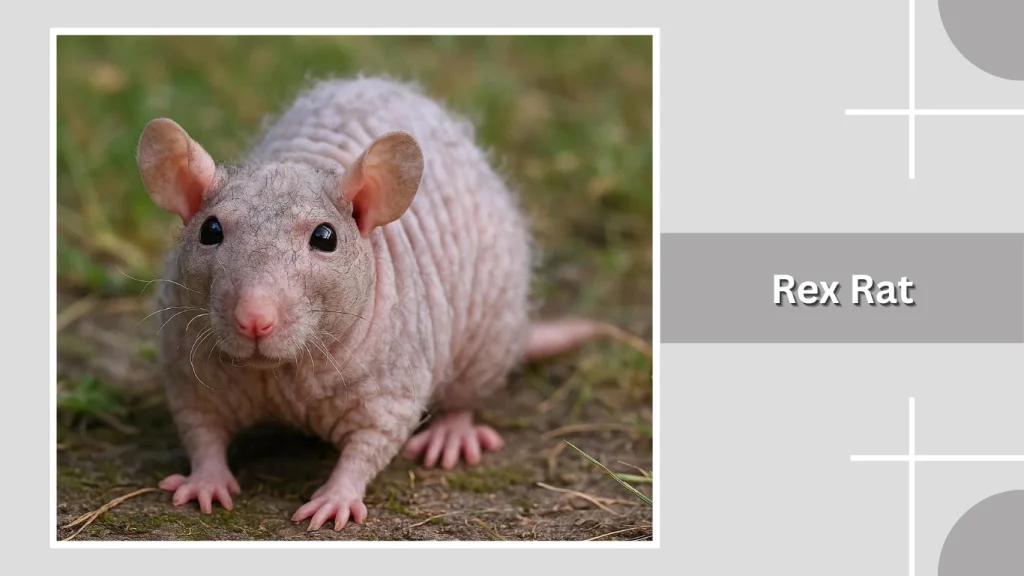
The Rex Rat is admired for its soft, curly coat and crinkled whiskers, giving it a plush and slightly tousled appearance. This variety is popular among pet owners who want a rat with a unique texture while still enjoying the friendly and intelligent personality common to all pet rats.
Identification
- Curly, wavy fur covering the body
- Crinkled or curled whiskers
- Slightly rough or plush coat texture
- Standard ear and body shape
Habitat
Rex Rats do best in clean, spacious cages with smooth surfaces to prevent coat damage. Soft bedding and regular cage maintenance help keep their fur and skin healthy. Adequate ventilation and enrichment items support both comfort and activity.
Behaviors
These rats are playful, social, and confident. Rex Rats enjoy interaction, exploration, and problem-solving activities. They adapt well to handling and often form strong bonds with their owners and cage companions.
Diet and Lifecycle
A balanced diet of quality rat pellets, fresh vegetables, and occasional treats supports steady growth and coat health. Rex Rats generally live two to three years, developing their signature curly coat fully as they mature.
5. Double Rex Rat
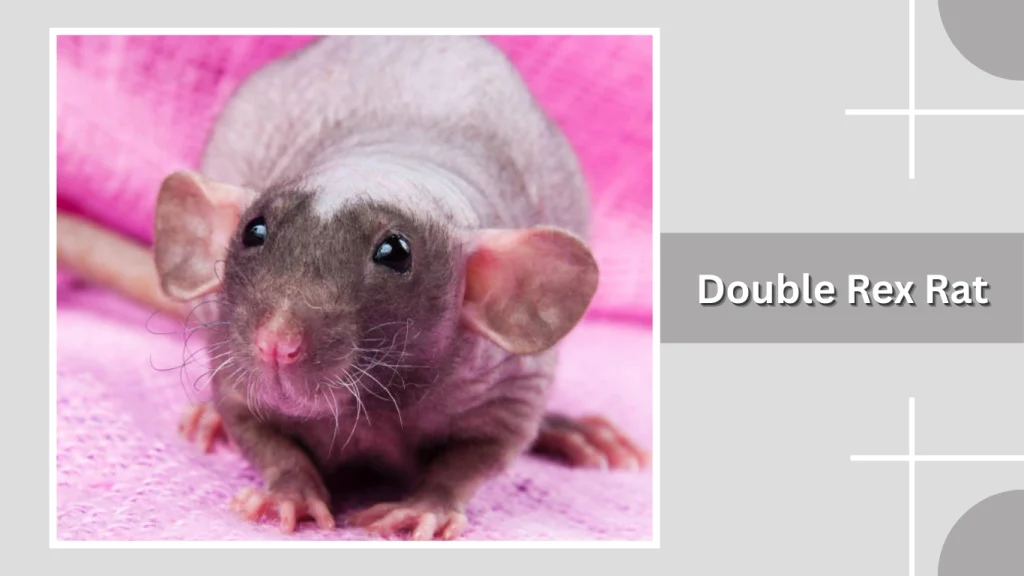
The Double Rex Rat is a striking variation known for its patchy coat and constantly changing appearance. As the name suggests, this type carries two rex genes, resulting in partial hair loss and uneven fur growth. Despite its unusual look, the Double Rex Rat shares the same affectionate and intelligent nature as other pet rats.
Identification
- Patchy fur with areas of hair loss
- Coat changes over time, sometimes appearing almost hairless
- Curly whiskers, often sparse or broken
- Body shape similar to Standard and Rex Rats
Habitat
Double Rex Rats need a warm, comfortable living space due to reduced insulation from fur. Soft bedding, nesting materials, and a clean cage help protect their skin. Avoid rough surfaces that could cause irritation.
Behaviors
These rats are social, curious, and people-oriented. Double Rex Rats enjoy interaction and mental stimulation and may seek warmth by cuddling with cage mates or their owners.
Diet and Lifecycle
A nutritious diet including balanced rat pellets, fresh vegetables, and adequate protein supports healthy growth. Double Rex Rats typically live around two to three years, with coat patterns continuing to change throughout their life.
6. Satin Rat
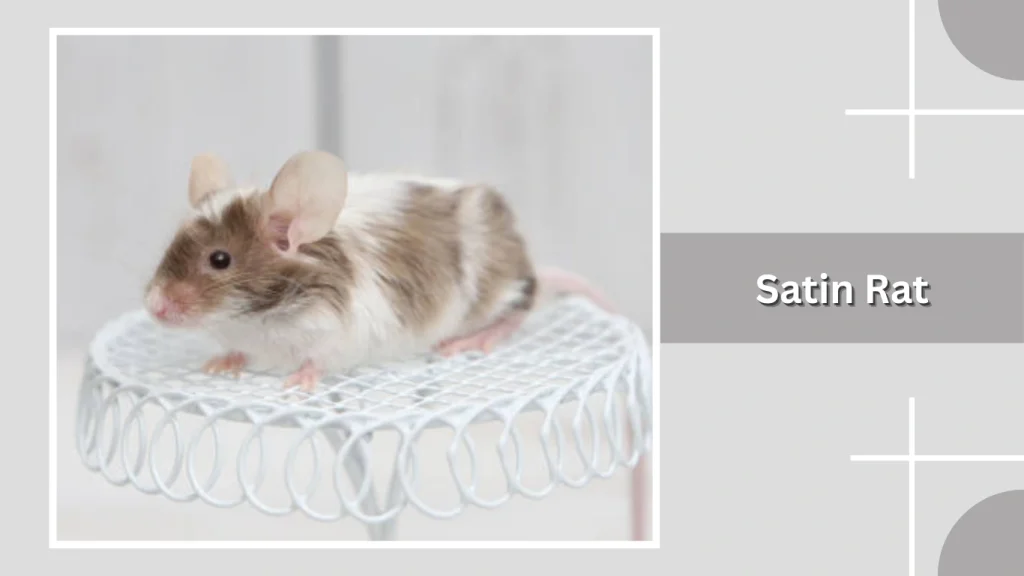
The Satin Rat is valued for its sleek, glossy coat that reflects light and gives the fur a shiny, silky appearance. This unique sheen sets it apart from other pet rat types, making it a favorite among enthusiasts. Satin Rats are not only attractive but also known for their gentle and friendly temperament.
Identification
- Smooth coat with a noticeable glossy shine
- Fine hair texture that lies flat against the body
- Standard ear placement and body structure
- Available in many colors and markings
Habitat
Satin Rats thrive in clean, spacious cages with good ventilation. Soft bedding and enrichment items help maintain coat quality and overall comfort. Regular cleaning is important to keep their fur free from oils and debris.
Behaviors
These rats are calm, social, and affectionate. Satin Rats enjoy handling and interaction, often showing curiosity and playfulness. They do well in pairs or groups and adapt easily to human routines.
Diet and Lifecycle
A balanced diet of high-quality rat pellets, fresh vegetables, and occasional fruits supports healthy development and coat condition. Satin Rats generally live two to three years, with their shiny coat becoming more pronounced as they mature.
7. Harley Rat
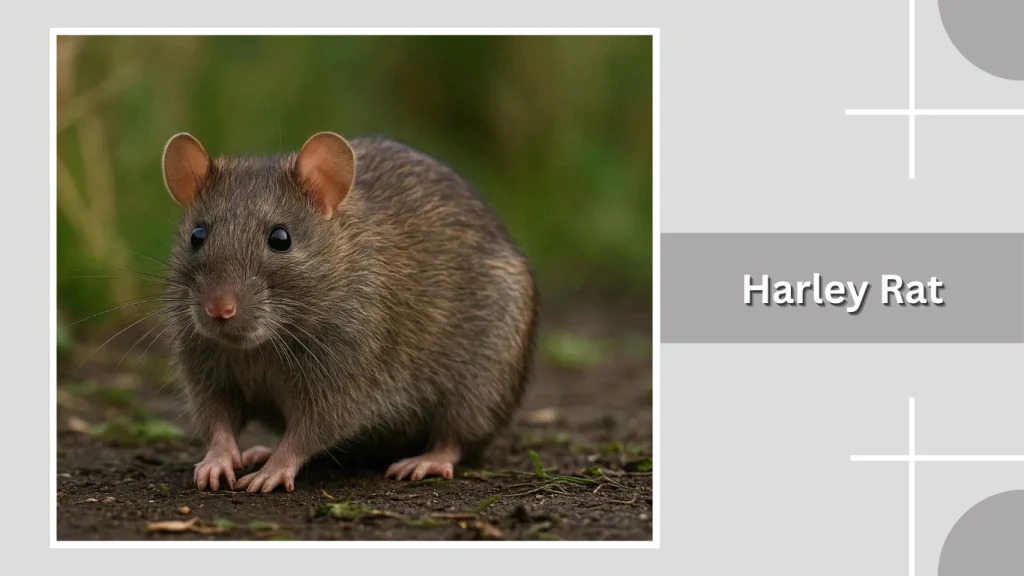
The Harley Rat is a rare and visually striking type of pet rat, known for its long, flowing coat that gives it a soft, fluffy appearance. This variety is often sought after by experienced rat enthusiasts due to its distinctive look and slightly higher grooming needs.
Identification
- Long, silky fur that grows longer than standard coats
- Hair parts naturally down the back
- Whiskers may be slightly wavy
- Standard body size and ear placement
Habitat
Harley Rats require a clean, well-maintained cage to prevent tangling or soiling of their long fur. Soft bedding, low-dust materials, and regular grooming help keep their coat in good condition. Spacious cages reduce friction against surfaces.
Behaviors
These rats are friendly, social, and intelligent. Harley Rats enjoy gentle handling and interaction but may be calmer compared to more active varieties. They bond well with owners and thrive with companionship.
Diet and Lifecycle
A nutritious diet of quality rat pellets, fresh vegetables, and occasional protein treats supports overall health and coat growth. Harley Rats typically live around two to three years, with their long coat becoming more pronounced as they reach adulthood.
8. Velveteen Rat

The Velveteen Rat is similar to the Rex Rat but has a softer, shorter, and more uniform wavy coat. Its plush texture gives it a smooth, velvety feel, which is how this variety gets its name. Velveteen Rats are appreciated for both their unique coat and their friendly, easygoing personality.
Identification
- Short, soft fur with gentle waves
- Less curly than Rex Rats
- Slightly wavy whiskers
- Standard body shape and ear placement
Habitat
Velveteen Rats do best in a clean, spacious cage with smooth surfaces. Soft bedding and nesting materials help protect their delicate coat. Regular cage cleaning ensures comfort and prevents skin or fur issues.
Behaviors
These rats are social, curious, and playful. Velveteen Rats enjoy exploring their environment and interacting with both humans and cage mates. They are generally calm and adapt well to regular handling.
Diet and Lifecycle
A balanced diet of quality rat pellets, fresh vegetables, and occasional fruits supports healthy growth and coat condition. Velveteen Rats usually live between two and three years, maintaining their soft coat throughout adulthood.
9. Manx Rat
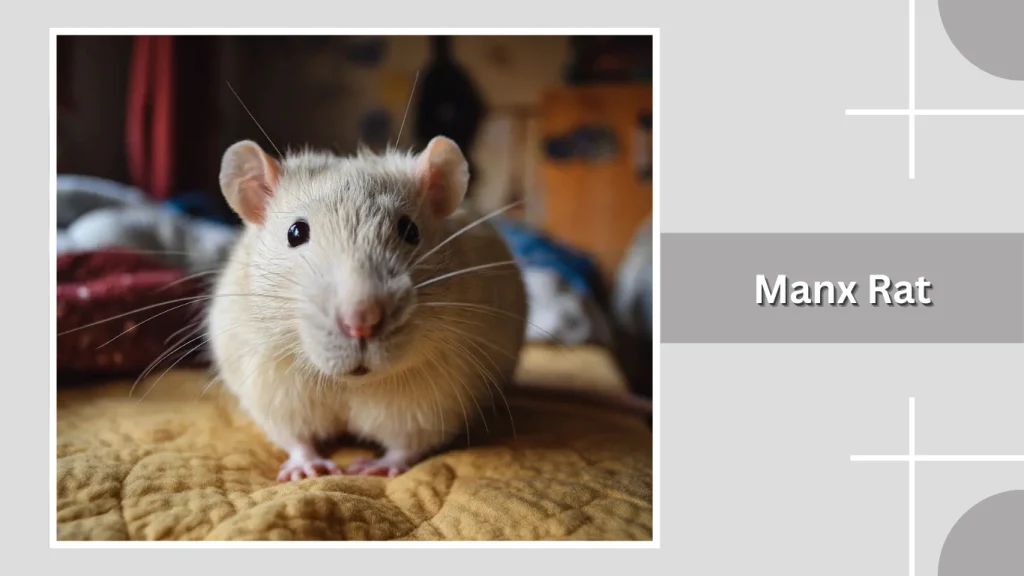
The Manx Rat is a rare and distinctive type of pet rat, best known for having little to no tail. This unique trait gives it a compact appearance, but it also comes with special care considerations. Manx Rats are generally kept by experienced owners due to potential health and mobility challenges.
Identification
- Partial or complete absence of a tail
- Rounded hindquarters
- Body may appear shorter than standard rats
- Coat and ear types vary
Habitat
Manx Rats require a carefully arranged habitat to support balance and movement. Cages should have solid floors, low ramps, and minimal climbing hazards. Soft bedding and easy access to food and water are essential for comfort.
Behaviors
These rats can be affectionate and social but may move differently compared to tailed rats. Manx Rats often rely more on caution when exploring and may prefer calmer environments with predictable layouts.
Diet and Lifecycle
A standard rat diet of high-quality pellets and fresh vegetables is suitable. Lifespan varies and may be shorter than average due to genetic factors, often ranging from one to two years with attentive care.
10. Patchwork Rat

The Patchwork Rat is a fascinating and ever-changing type of pet rat, known for its ability to shed and regrow fur in different patterns throughout its life. This constant change gives each Patchwork Rat a unique and unpredictable appearance, making it especially interesting to enthusiasts.
Identification
- Fur grows and sheds in irregular patches
- Coat pattern changes over time
- Whiskers may be curly or uneven
- Standard body shape and ear placement
Habitat
Patchwork Rats need a warm, clean environment to compensate for fluctuating fur coverage. Soft bedding and nesting materials help protect exposed skin. Regular cage cleaning reduces the risk of skin irritation.
Behaviors
These rats are friendly, social, and curious. Patchwork Rats enjoy interaction, exploration, and companionship. They typically adapt well to handling and show affectionate behavior toward owners.
Diet and Lifecycle
A nutritious diet including balanced rat pellets, fresh vegetables, and occasional protein treats supports skin and coat health. Patchwork Rats usually live around two to three years, with coat changes continuing throughout their lifespan.
11. Bristle Coat Rat
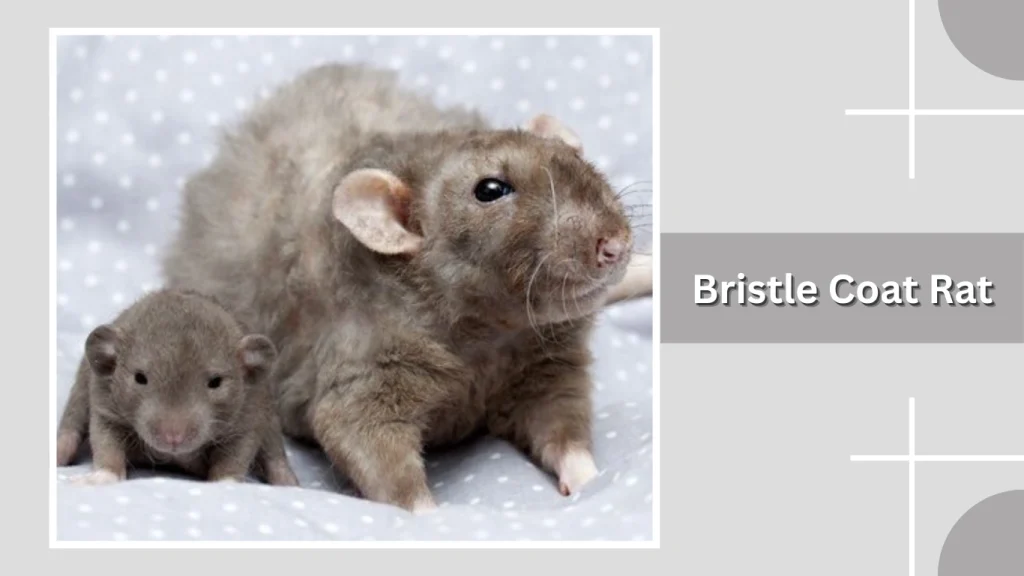
The Bristle Coat Rat is an uncommon pet rat variety recognized for its coarse, stiff fur that stands out from the smoother coats seen in most rats. This textured appearance gives it a rugged look while still maintaining the intelligent and social traits typical of pet rats.
Identification
- Short, stiff, and coarse fur
- Bristly texture noticeable to the touch
- Whiskers may be slightly rough or uneven
- Standard body size and ear placement
Habitat
Bristle Coat Rats benefit from clean cages with smooth surfaces to prevent skin irritation. Soft, low-dust bedding and regular maintenance help keep their skin and coat in good condition. Proper ventilation is important for overall health.
Behaviors
These rats are active, curious, and social. Bristle Coat Rats enjoy exploring their surroundings and interacting with both humans and other rats. They respond well to consistent handling and mental stimulation.
Diet and Lifecycle
A balanced diet of quality rat pellets, fresh vegetables, and occasional treats supports healthy growth. Bristle Coat Rats typically live two to three years, with their distinctive coat texture remaining consistent throughout adulthood.
12. Agouti Rat
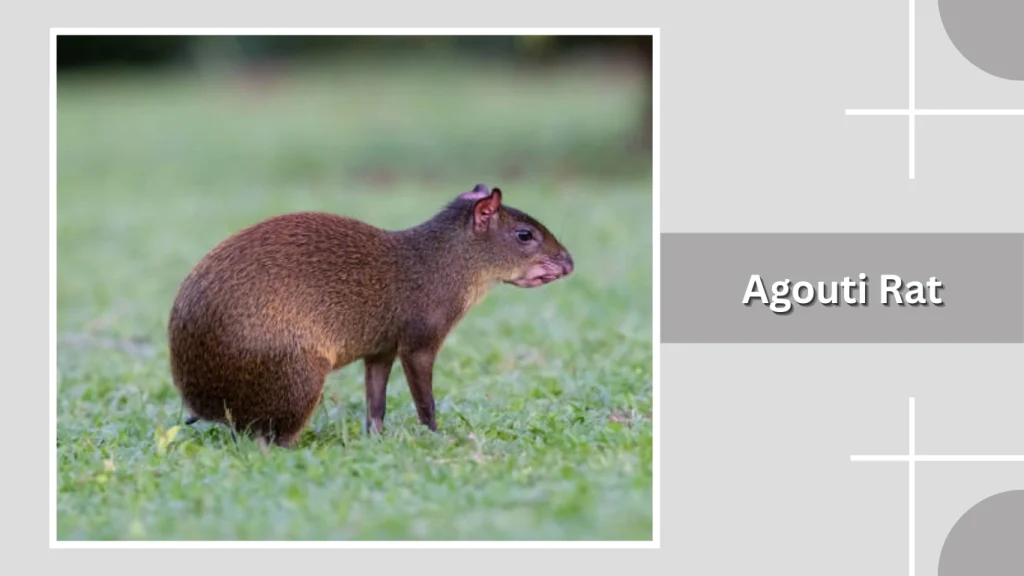
The Agouti Rat is one of the most natural and classic-looking pet rat types, closely resembling wild rats in coloration. Its coat features banded hairs that create a rich, earthy tone. Agouti Rats are popular for their hardy nature, intelligence, and balanced temperament.
Identification
- Brownish coat with black and tan banded hairs
- Lighter-colored belly
- Smooth, short fur
- Standard body shape and ear placement
Habitat
Agouti Rats thrive in spacious cages with plenty of enrichment such as tunnels, platforms, and chew toys. Clean bedding and good airflow help maintain coat and skin health. They adapt well to indoor environments.
Behaviors
These rats are alert, curious, and socially interactive. Agouti Rats enjoy exploring new spaces and engaging with their owners. With regular handling, they become confident and affectionate companions.
Diet and Lifecycle
A nutritious diet of high-quality rat pellets, fresh vegetables, and occasional fruits supports overall health. Agouti Rats typically live two to three years, maturing quickly and remaining active through most of their lifespan.
13. Russian Blue Rat
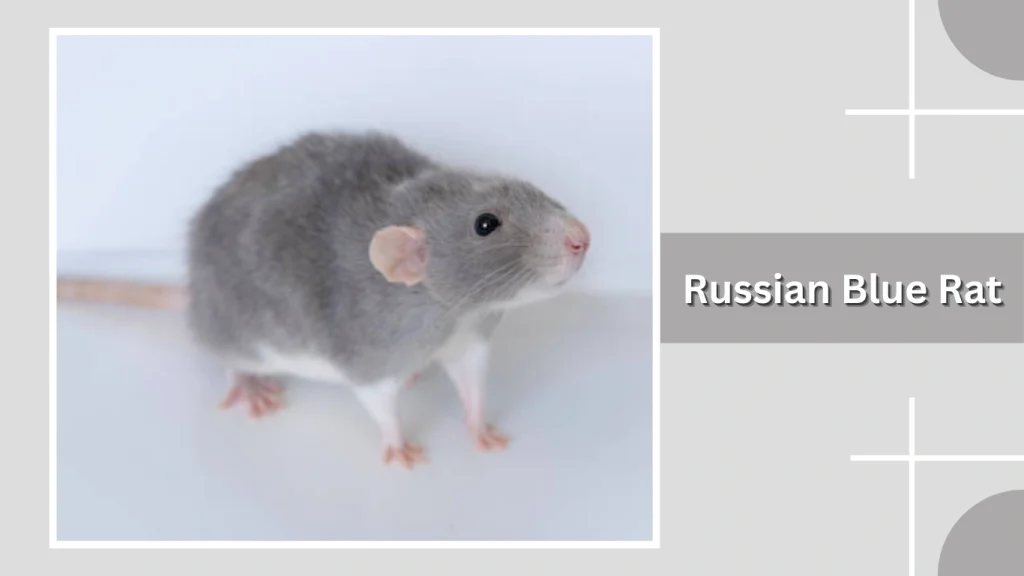
The Russian Blue Rat is admired for its cool-toned blue-gray coat, which gives it an elegant and refined appearance. This color variety is popular among pet owners and breeders due to its striking look combined with a calm, friendly personality.
Identification
- Blue-gray coat with a cool, slate tone
- Lighter belly compared to the back
- Smooth, short fur
- Standard body size and ear placement
Habitat
Russian Blue Rats do well in clean, spacious cages with proper ventilation. Soft bedding and enrichment items such as tunnels and chew toys help maintain comfort and mental stimulation. Stable indoor temperatures are ideal for their wellbeing.
Behaviors
These rats are gentle, social, and intelligent. Russian Blue Rats often display calm behavior and enjoy regular handling. They form strong bonds with their owners and thrive when kept with other rats.
Diet and Lifecycle
A balanced diet of quality rat pellets, fresh vegetables, and occasional treats supports healthy development. Russian Blue Rats usually live around two to three years, maintaining their distinctive coat color throughout adulthood.
14. Burmese Rat
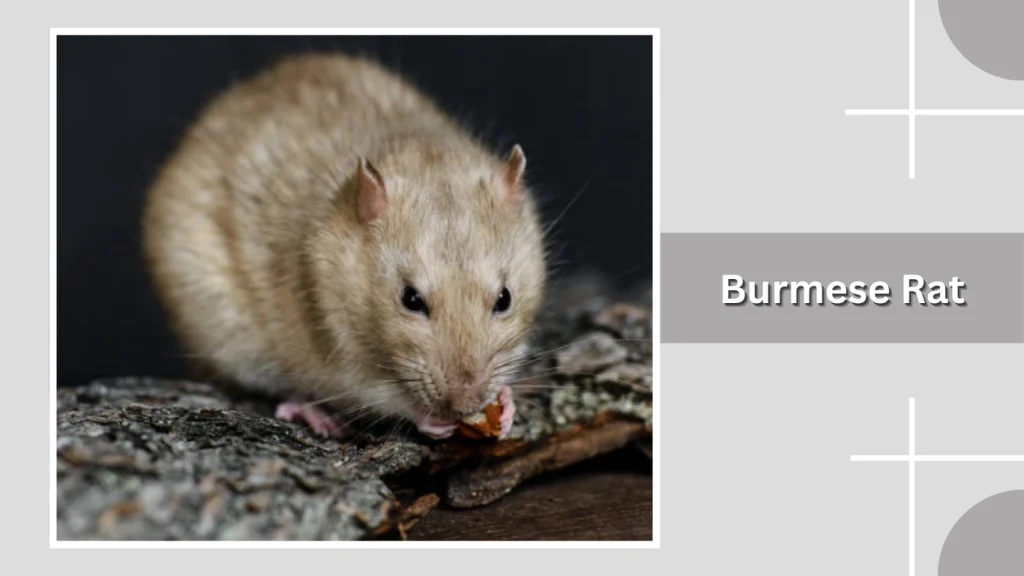
The Burmese Rat is known for its warm, rich coloration that gradually darkens toward the extremities. This elegant color variety gives the rat a soft, shaded appearance and makes it a favorite among pet rat enthusiasts who appreciate subtle coat patterns.
Identification
- Light beige to caramel body color
- Darker shading on face, ears, feet, and tail
- Smooth, short coat
- Standard body shape and ear placement
Habitat
Burmese Rats thrive in a clean, well-ventilated cage with plenty of space to move and explore. Soft bedding and hiding areas provide comfort and security. A stable indoor environment helps maintain their coat quality and health.
Behaviors
These rats are calm, affectionate, and social. Burmese Rats enjoy human interaction and adapt well to gentle handling. They are curious but generally less hyperactive than some other varieties.
Diet and Lifecycle
A nutritious diet of high-quality rat pellets, fresh vegetables, and occasional fruits supports steady growth and coat shading. Burmese Rats typically live two to three years, with their coloration becoming more defined as they mature.
15. Siamese Rat
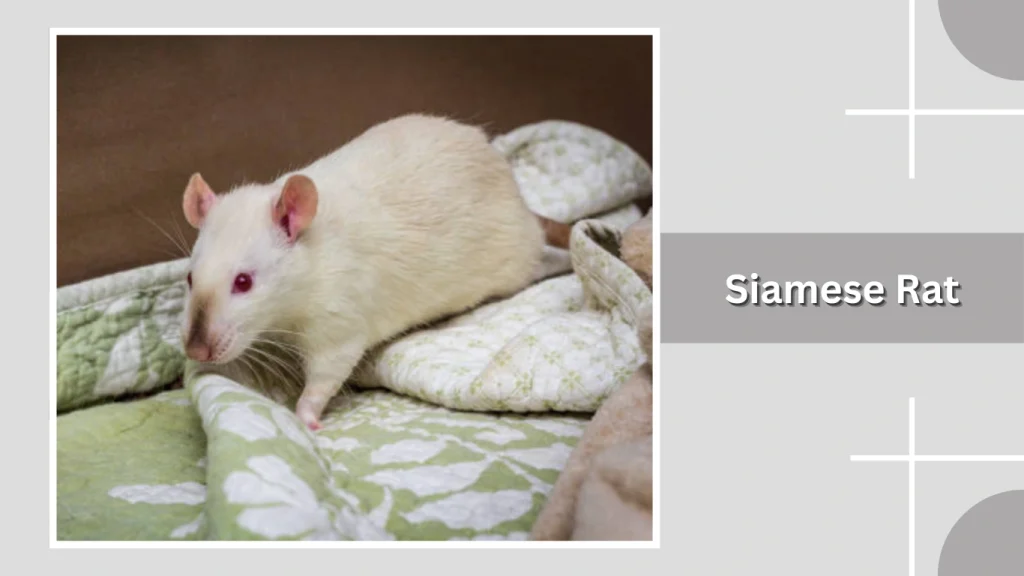
The Siamese Rat is easily recognized by its light-colored body and darker points, similar to Siamese cats. This striking contrast gives it a refined appearance that many pet owners find appealing. Siamese Rats are valued for both their looks and their friendly, people-oriented nature.
Identification
- Cream or off-white body color
- Darker points on nose, ears, feet, and tail
- Smooth, short coat
- Standard body size and ear placement
Habitat
Siamese Rats do well in clean, spacious cages with proper ventilation. Soft bedding, nesting areas, and enrichment toys help keep them comfortable and mentally stimulated. A stable indoor temperature supports consistent coat coloring.
Behaviors
These rats are social, intelligent, and affectionate. Siamese Rats enjoy interaction with humans and other rats, often showing curiosity and playfulness. Regular handling helps strengthen their friendly temperament.
Diet and Lifecycle
A balanced diet of quality rat pellets, fresh vegetables, and occasional treats supports healthy development. Siamese Rats generally live around two to three years, with their color points becoming more pronounced as they age.
16. Albino Rat
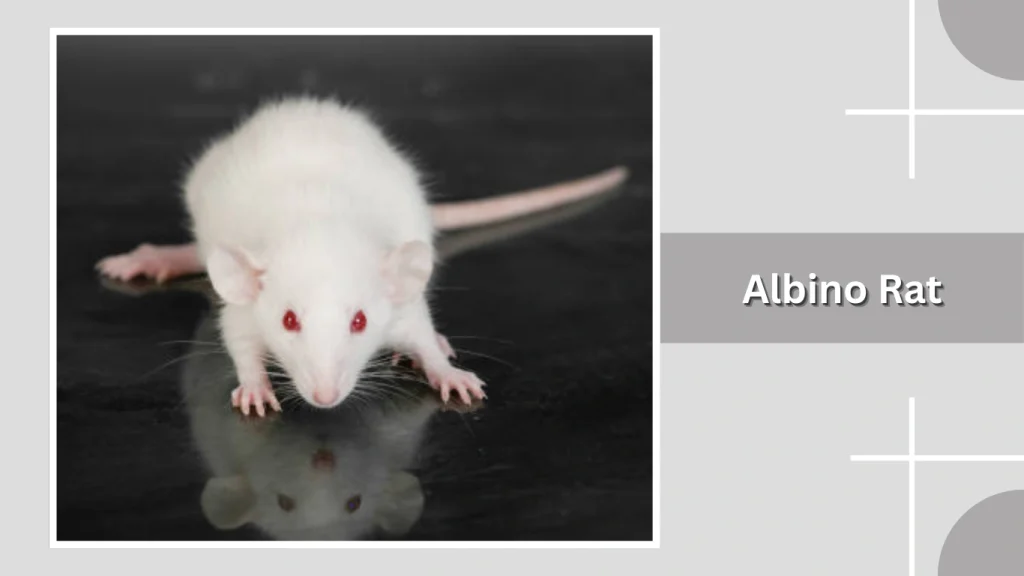
The Albino Rat is one of the most recognizable pet rat types, known for its pure white coat and distinctive red or pink eyes. Despite common myths, Albino Rats are no different in behavior or intelligence from other rats and are often gentle, social, and easy to handle.
Identification
- Solid white fur with no markings
- Red or pink eyes
- Smooth, short coat
- Standard body shape and ear placement
Habitat
Albino Rats thrive in clean, spacious cages with good ventilation. Because of their light-sensitive eyes, cages should be placed away from direct sunlight. Soft bedding, hiding spots, and enrichment items help create a comfortable living environment.
Behaviors
These rats are friendly, curious, and highly social. Albino Rats often rely more on scent and sound due to sensitive eyesight. With regular handling, they form strong bonds with their owners and enjoy companionship.
Diet and Lifecycle
A nutritious diet of high-quality rat pellets, fresh vegetables, and occasional fruits supports overall health. Albino Rats typically live two to three years, progressing from active juveniles to calmer adults with proper care.
FAQs
Are pet rats friendly animals?
Yes, pet rats are highly social, intelligent, and affectionate. With regular handling, they often form strong bonds with their owners.
Should pet rats be kept alone or in groups?
Pet rats should not be kept alone. They thrive in pairs or small groups, as social interaction is essential for their mental and emotional health.
What is the average lifespan of a pet rat?
Most pet rats live between two and three years, depending on genetics, diet, and overall care.
Do pet rats require a lot of maintenance?
Pet rats are relatively low-maintenance but do require regular cage cleaning, fresh food and water, and daily social interaction.
Are pet rats good for beginners?
Yes, pet rats—especially Standard and Dumbo Rats—are excellent for beginners due to their friendly nature, intelligence, and ease of care.