




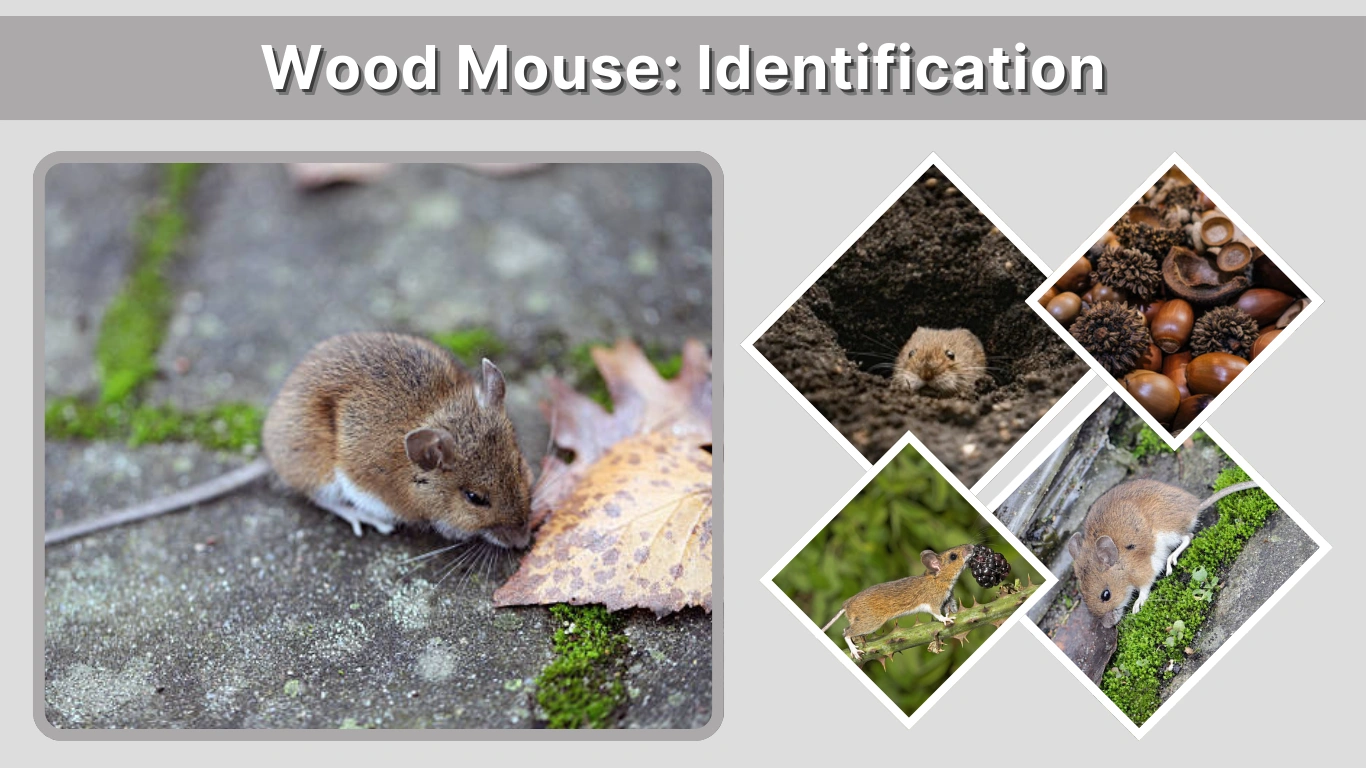
The wood mouse (Apodemus sylvaticus) is a small wild rodent commonly found across woodlands, hedgerows, farmland, and rural gardens. Often called the long-tailed field mouse, it is one of the most widespread mammals in Europe and is frequently confused with house mice and other field mice. Although it may occasionally enter sheds or homes, the wood mouse is primarily an outdoor species that plays an important role in natural ecosystems. Understanding wood mouse identification, habitat, and behavior helps distinguish it from pest species and explains its impact on both nature and agriculture.
What Is a Wood Mouse?

A wood mouse is a small, agile rodent belonging to the genus Apodemus. It is best known for its large eyes, long tail, and excellent jumping ability. Unlike house mice, wood mice are not dependent on humans for survival and are mainly associated with natural and semi-natural environments.
Scientific Classification
The scientific name of the wood mouse is Apodemus sylvaticus. It belongs to the family Muridae, which includes many mouse and rat species. The wood mouse is sometimes referred to as the long-tailed field mouse because of its extended tail and preference for outdoor habitats.
Origin and Distribution
Wood mice are native to Europe and parts of western Asia and North Africa. They are widespread across the United Kingdom, continental Europe, and nearby regions. Over time, they have successfully adapted to farmland, hedgerows, and even suburban gardens, as long as some natural cover is available.
Why Wood Mice Thrive in the Wild
Wood mice are highly adaptable. They can climb, dig, and jump effectively, helping them escape predators and access food. Their varied diet allows them to survive in different habitats, and their keen senses help them detect danger quickly. These traits make them one of the most successful small mammals in temperate ecosystems.
Physical Characteristics of the Wood Mouse
Wood mice have a delicate but athletic appearance, designed for speed and agility.
Size and Body Structure
An adult wood mouse typically measures about 8 to 10 centimeters in body length, with a tail of similar or slightly greater length. Most weigh between 15 and 30 grams. Their bodies are slender, with long hind legs that allow them to leap impressive distances relative to their size.
Fur Color and Texture
The upper coat is usually light brown to reddish-brown, while the underside is pale gray or white. The fur is soft and fine, offering insulation without restricting movement. Many individuals have a distinct white patch on the chest.
Tail, Eyes, and Ears
One of the easiest ways to recognize a wood mouse is by its large, dark eyes and prominent ears. These features improve night vision and hearing. The tail is long, thin, and lightly furred, helping with balance while climbing and jumping.
How to Identify a Wood Mouse

Correct identification is important because wood mice are often mistaken for house mice or other field species.
- Large, dark, protruding eyes
- Long tail, often as long as the body
- Brown back with a pale or white belly
- Prominent rounded ears
- Often a white chest patch
- Pointed snout
- Small, narrow droppings
Compared with house mice, wood mice usually look more alert and delicate, with bigger eyes and ears and a softer coat.
Wood Mouse Habitat and Living Areas

Wood mice occupy a wide range of outdoor environments, as long as shelter and food are available.
Natural Habitats
Woodlands, forests, hedgerows, meadows, and grasslands are prime habitats. They prefer areas with dense vegetation that provides cover from predators. Leaf litter, fallen logs, and thick undergrowth are especially important.
Human-Associated Areas
Although primarily wild, wood mice often live in gardens, farms, and rural landscapes. They may enter sheds, greenhouses, or barns in search of food or warmth, particularly in colder seasons.
Nesting and Burrowing
Wood mice build nests in underground burrows, under tree roots, or within dense vegetation. Nests are made from dry grass, leaves, moss, and shredded plant fibers. Burrow systems often include food storage chambers.
Wood Mouse Diet and Feeding Behavior

Common Foods
Wood mice are omnivores. Their diet includes seeds, grains, acorns, berries, fruits, shoots, and insects. They are skilled foragers and can climb plants and shrubs to reach food.
Seasonal Diet Changes
During spring and summer, wood mice feed heavily on insects, green plant parts, and fresh seeds. In autumn, they switch to energy-rich foods such as nuts, acorns, and grains. Winter diets rely more on stored food and any available seeds, bark, or underground plant material.
Food Storage Habits
Wood mice are well known for caching food. They carry seeds and nuts back to underground chambers or hidden nests, creating small stores that help them survive periods of shortage. This behavior also contributes to seed dispersal when forgotten caches sprout into new plants.
Signs of Wood Mouse Activity

Recognizing wood mouse presence helps gardeners and landowners understand what is happening in outdoor areas.
- Small, narrow droppings
- Tiny burrow openings in soil
- Gnawed nuts and seed shells
- Runways through grass or leaf litter
- Light scratching sounds at night
- Nesting debris under logs or sheds
These signs are usually found outdoors or in semi-outdoor structures rather than deep inside homes.
Wood Mouse Behavior and Lifestyle
Activity Patterns
Wood mice are mostly nocturnal. They leave their nests shortly after dusk and may travel considerable distances each night while foraging. Their strong hind legs allow them to jump and climb, helping them move through complex environments.
Reproduction and Life Cycle
Breeding mainly occurs from spring through autumn. Females can have several litters per year, with multiple pups in each litter. Young wood mice grow quickly and can begin breeding within a few months, allowing populations to increase rapidly under good conditions.
Predators and Survival Strategies
Wood mice are prey for many animals, including owls, foxes, weasels, snakes, and domestic cats. To survive, they rely on camouflage, speed, burrowing, and heightened senses. Their large eyes improve night vision, while their ears detect approaching danger.
Ecological Role and Problems Caused
Wood mice are important members of natural ecosystems, but they can also create conflicts in agricultural areas.
- Disperse seeds and nuts
- Help aerate soil through burrowing
- Serve as prey for many predators
- Feed on crops and stored grain
- Damage seedlings and garden plants
- Contaminate stored food in sheds
Their role as seed carriers supports forest regeneration, but in high numbers they may harm crops and gardens.
Wood Mouse vs House Mouse
Appearance Differences
Wood mice usually have larger eyes and ears, longer tails, and softer, browner fur. House mice tend to have smaller eyes, shorter tails relative to the body, and smoother gray or brown coats.
Habitat Differences
Wood mice live mainly outdoors in natural habitats, while house mice prefer indoor environments closely linked to humans. Wood mice may enter buildings temporarily, but they do not usually establish permanent indoor colonies.
Risk to Humans
House mice pose greater indoor health risks because they contaminate food and live inside buildings. Wood mice are more relevant to gardens and farms, where they affect crops and stored produce.
How to Manage and Prevent Wood Mice
Garden and Outdoor Control
Reducing dense vegetation, managing compost and woodpiles, protecting young plants, and storing animal feed securely can limit wood mouse populations around properties.
Protecting Homes and Sheds
Seal small gaps, repair doors, and use metal mesh on vents. Keep stored food in sealed containers, even in outdoor buildings.
When to Seek Professional Help
If wood mice cause repeated crop losses, invade buildings, or appear in unusually high numbers, professional wildlife or pest management services may be needed.
FAQs
What is a wood mouse?
A wood mouse is a small wild rodent species native to Europe and nearby regions. It lives mainly in forests, hedgerows, and farmland and is known for its large eyes, long tail, and active nocturnal behavior.
Are wood mice the same as house mice?
No. Wood mice are primarily outdoor animals, while house mice live mainly inside human buildings. They differ in appearance, habitat, and behavior, although they are sometimes confused.
Where do wood mice live?
Wood mice live in woodlands, fields, hedgerows, gardens, and rural landscapes. They nest in burrows, under roots, or in dense vegetation.
What do wood mice eat?
They eat seeds, nuts, fruits, grains, insects, and plant material. Their flexible diet helps them survive in different habitats and seasons.
Do wood mice enter houses?
Wood mice may enter sheds or homes during cold periods, but they usually do not stay permanently. They prefer outdoor environments and natural cover.