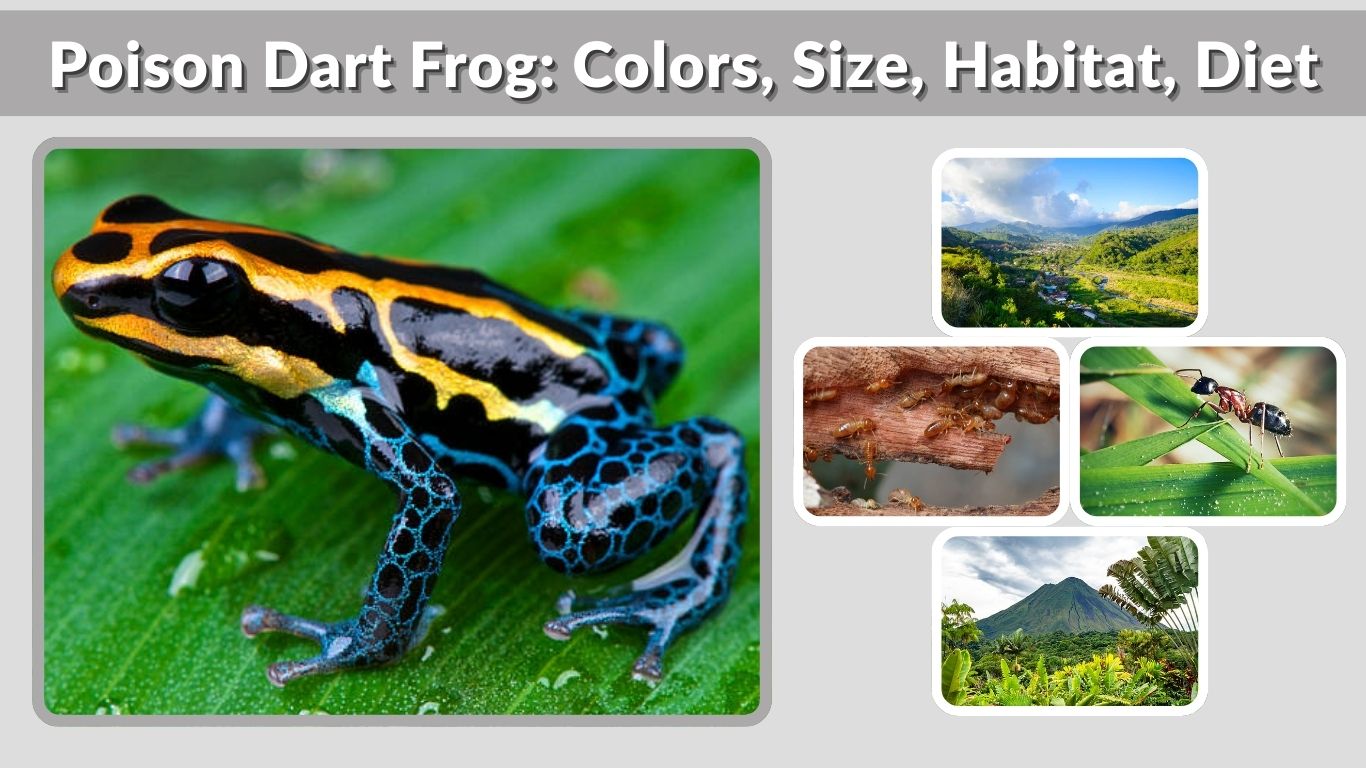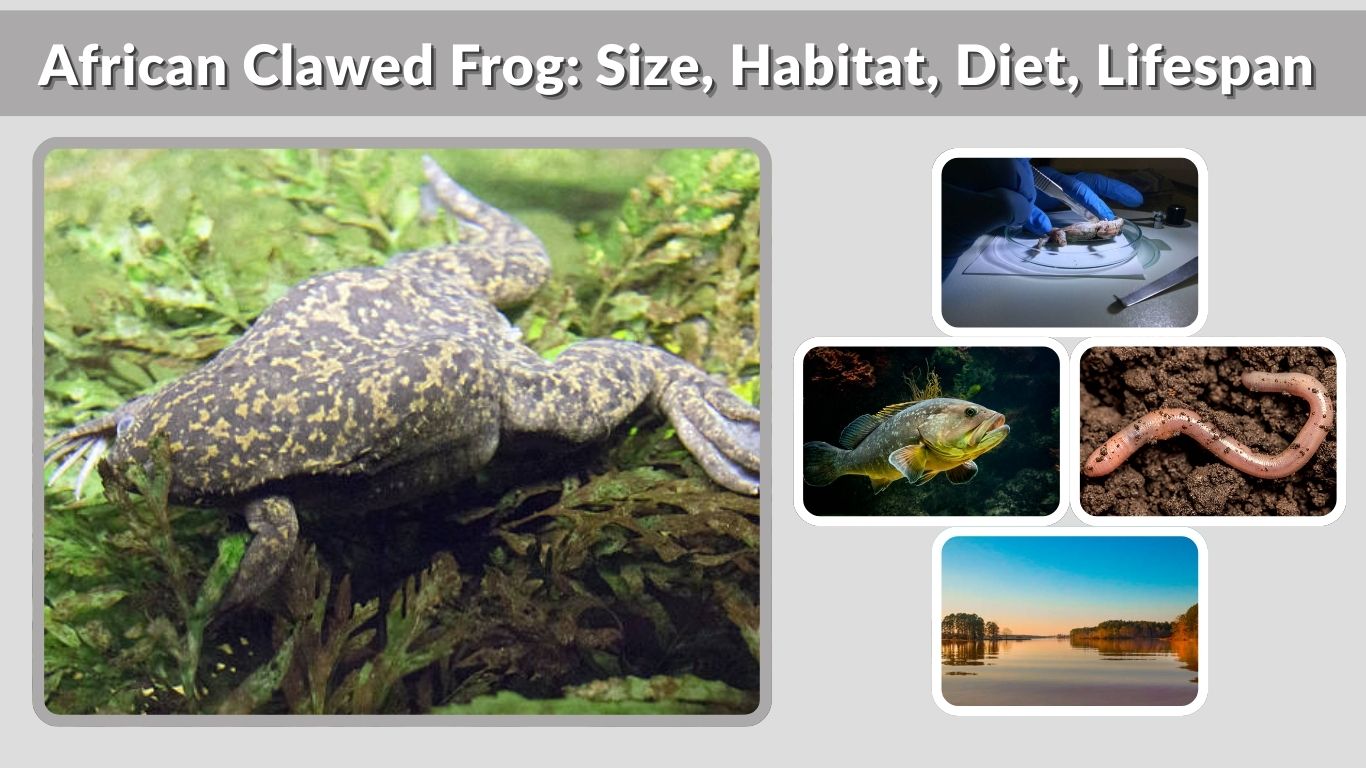





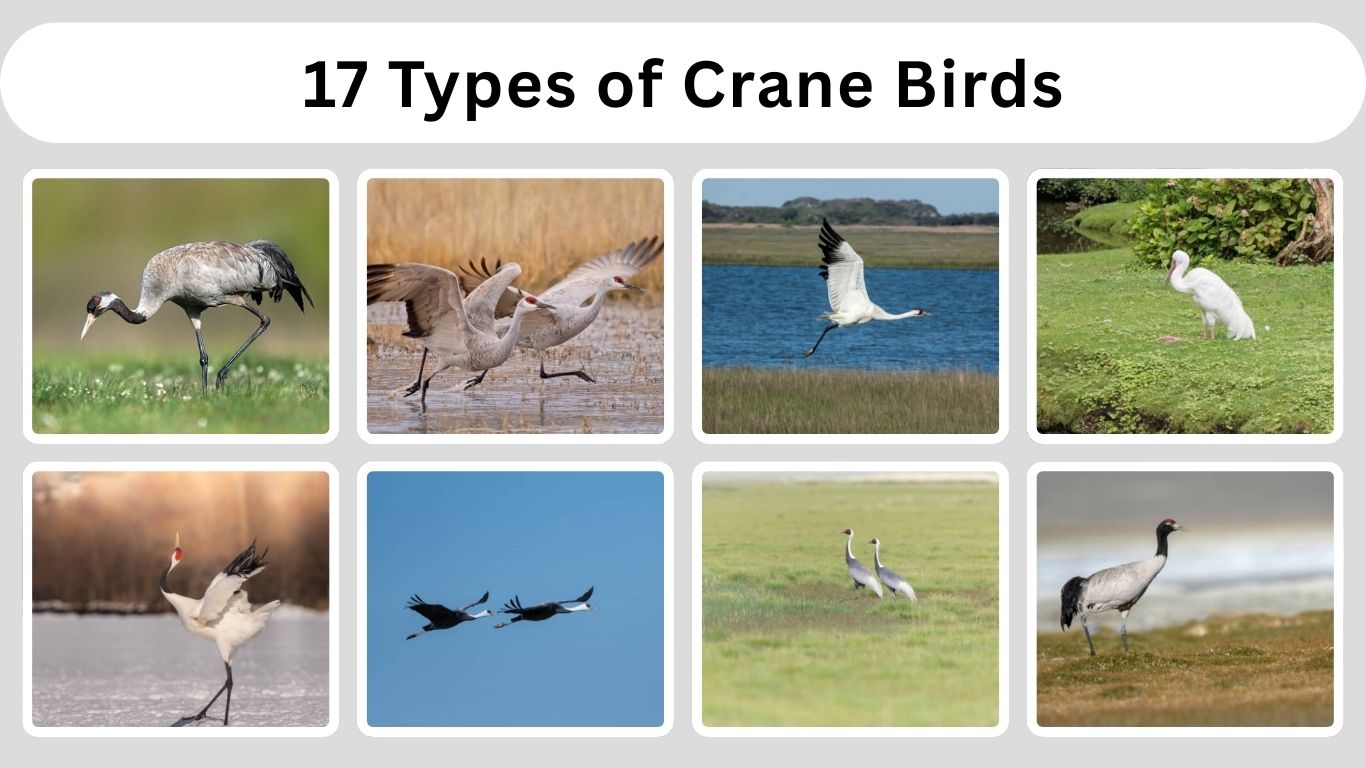
Cranes are tall, graceful birds known for their long legs, extended necks, and powerful, far-carrying calls. Found across North America, Europe, Asia, Africa, and Australia, they are strongly associated with wetlands, floodplains, and open grasslands. Cranes are especially famous for their elaborate courtship dances, which involve jumping, bowing, and wing spreading. From the massive sarus crane to the delicate demoiselle crane, these birds represent one of the most elegant groups of large water-associated birds in the world.
1. Common Crane
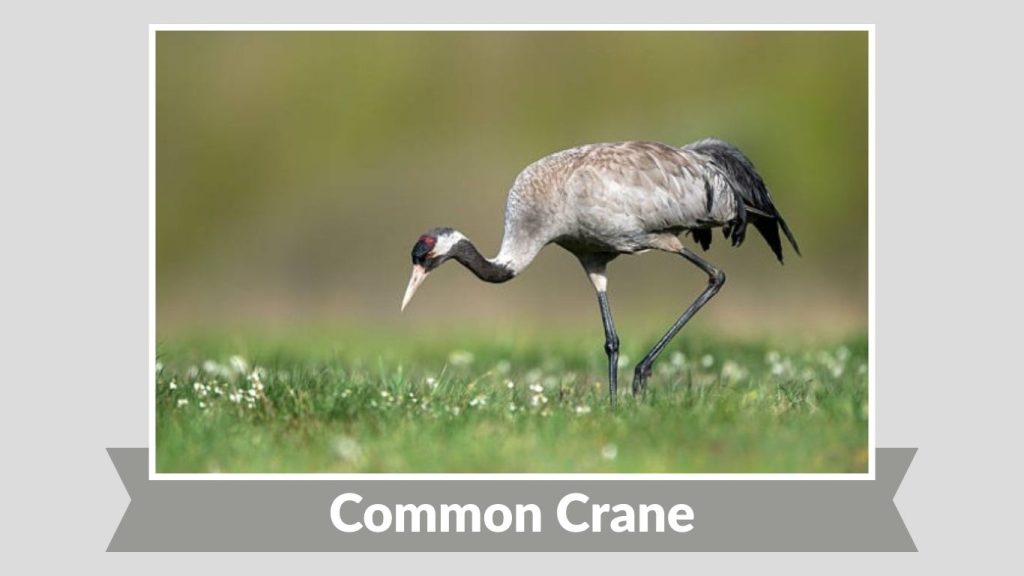
The common crane is one of the most widespread and well-known crane species, famous for its tall stature, elegant movements, and loud trumpeting calls. It is found across Europe and Asia, breeding in quiet wetlands and migrating long distances to warmer regions during winter. Large migrating flocks and spectacular courtship dances make this species especially admired by birdwatchers.
Identification
- Tall gray body with long neck and legs
- Distinct black and white pattern on the head and upper neck
- Red patch of bare skin on the crown
- Long pointed bill adapted for probing
- Broad wings with black flight feathers
Habitat
Common cranes live in marshes, bogs, wet meadows, shallow lakes, and river floodplains. During migration and winter, they also use agricultural fields and open grasslands for feeding, while returning to secluded wetlands for breeding and nesting.
Behaviors
They are highly social birds, often seen in pairs, family groups, or large flocks during migration. Common cranes are famous for their elaborate courtship dances, involving jumping, wing spreading, and tossing vegetation. They communicate with loud, far-carrying calls.
Diet and Lifespan
Their diet includes plant roots, seeds, grains, insects, frogs, small mammals, and reptiles. Common cranes forage both on land and in shallow water. In the wild, they typically live around 20–25 years, with some individuals surviving even longer.
2. Sandhill Crane
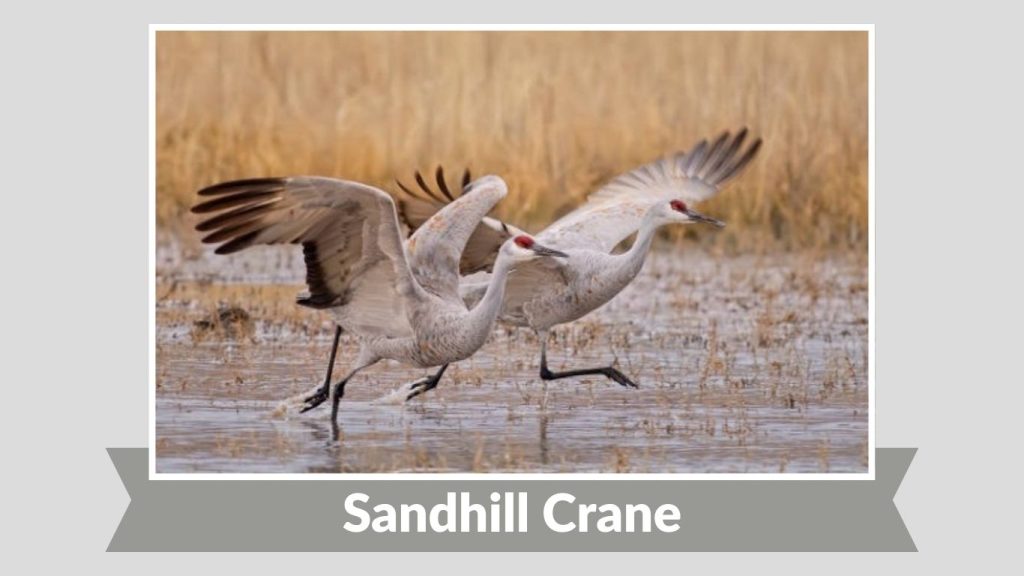
The sandhill crane is a large and graceful crane species best known for its loud rolling calls and massive seasonal gatherings, especially during migration in North America. It is one of the most abundant cranes in the world and occupies a wide range of open wetlands and grassland habitats.
Identification
- Tall gray body with long neck and legs
- Distinct red patch of bare skin on the forehead
- Straight, pointed bill adapted for probing soil and water
- Broad wings with dark flight feathers
- Often stained rusty-brown from iron-rich mud
Habitat
Sandhill cranes inhabit marshes, shallow wetlands, wet meadows, river valleys, grasslands, and agricultural fields. They breed in northern wetlands and tundra regions, while wintering in warmer open landscapes with access to shallow water for roosting.
Behaviors
They are highly social birds, often seen in pairs, family groups, or huge flocks during migration. Sandhill cranes are famous for their elaborate dancing displays, which include jumping, bowing, and wing flapping. Their loud calls help maintain contact over long distances.
Diet and Lifespan
Their diet includes seeds, grains, roots, berries, insects, worms, frogs, small mammals, and reptiles. Sandhill cranes are omnivorous and forage both on land and in shallow water. In the wild, they commonly live around 20–30 years.
3. Whooping Crane
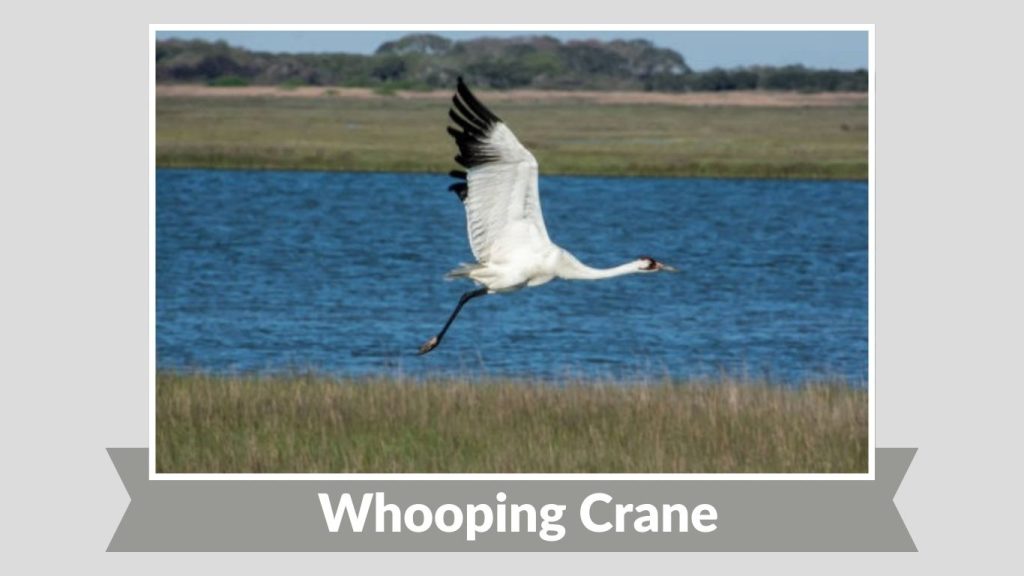
The whooping crane is the tallest bird in North America and one of the rarest cranes in the world, famous for its brilliant white plumage and powerful, trumpet-like call. Once nearly extinct, it is now the focus of major conservation efforts across its breeding and migration range.
Identification
- Tall white body with black wing tips
- Long black legs and long straight bill
- Bare red skin on the crown and face
- Very long neck and upright posture
- Broad wings with contrasting black feathers
Habitat
Whooping cranes inhabit shallow marshes, wetlands, coastal lagoons, tidal flats, and flooded grasslands. They breed in remote northern wetlands and migrate to coastal and inland marshes for wintering, relying on undisturbed habitats.
Behaviors
They are usually seen alone, in pairs, or in small family groups. Whooping cranes perform graceful courtship dances involving bowing, wing spreading, and leaps. They are strong, high-altitude migrants and communicate with loud, far-reaching calls.
Diet and Lifespan
Their diet includes crabs, insects, fish, frogs, small reptiles, rodents, and plant material such as roots and berries. They forage by probing in mud and shallow water. In the wild, whooping cranes often live 22–30 years.
4. Siberian Crane
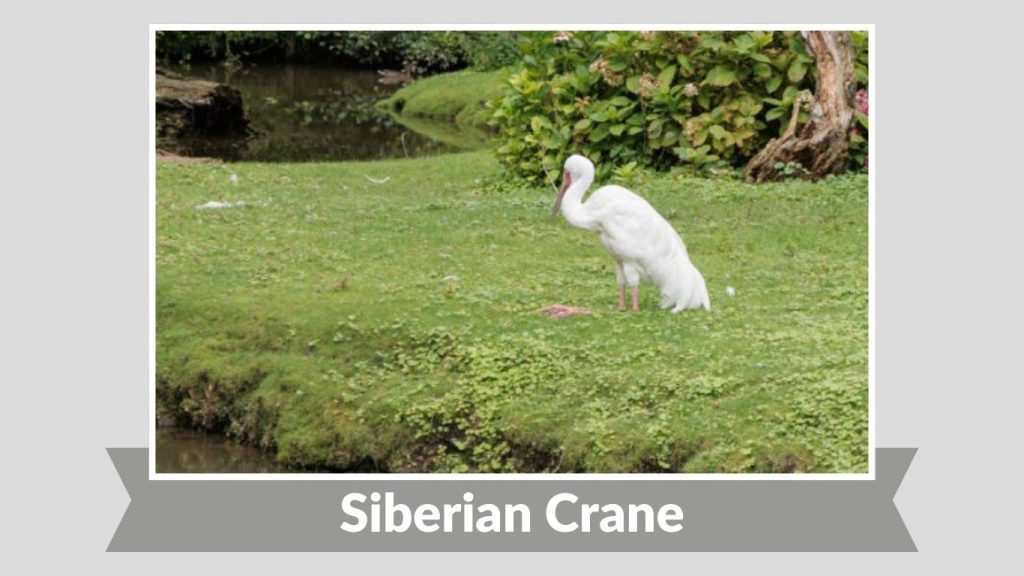
The Siberian crane is a critically endangered and highly migratory crane species, known for its almost entirely white body and strong dependence on pristine wetlands. It breeds in Arctic tundra regions and travels thousands of kilometers to wintering grounds in Asia.
Identification
- Almost completely white plumage
- Black primary wing feathers visible in flight
- Bare red facial skin around the eyes and bill base
- Long pinkish legs and long straight bill
- Slim, elegant body shape
Habitat
Siberian cranes inhabit Arctic tundra wetlands, marshes, shallow lakes, river floodplains, and coastal wetlands. They rely heavily on shallow freshwater habitats with abundant aquatic plants, especially during winter.
Behaviors
They are usually seen in pairs or small family groups, but may form larger flocks during migration. Siberian cranes are strong long-distance migrants and are known for their loud, high-pitched calls and graceful courtship dances.
Diet and Lifespan
Their diet mainly consists of aquatic plant roots, tubers, insects, mollusks, fish, and small amphibians. They forage by digging and probing in soft mud. In the wild, they can live around 20–25 years.
5. Red-crowned Crane
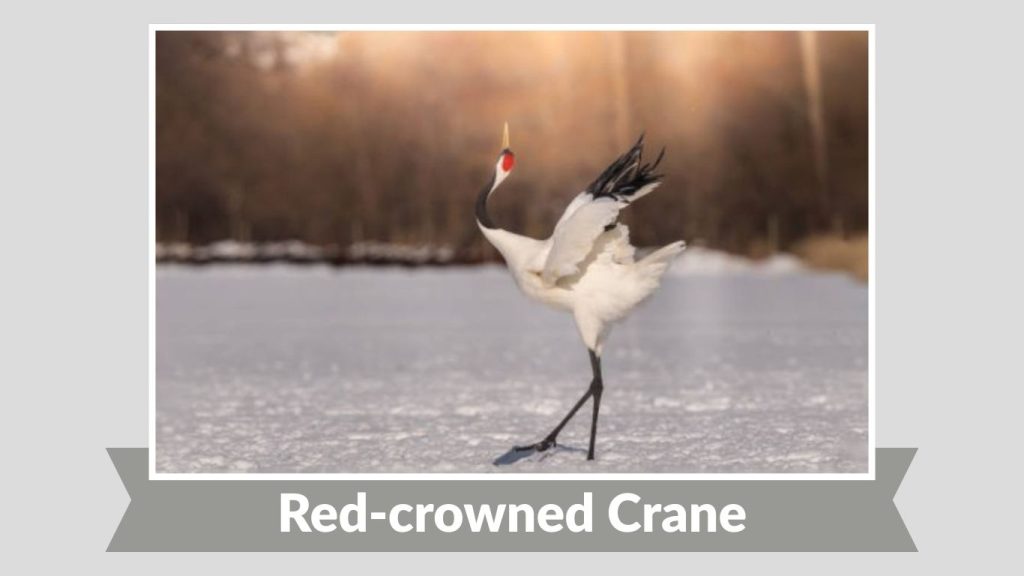
The red-crowned crane is one of the most iconic crane species, celebrated in East Asia as a symbol of longevity and good fortune. It is easily recognized by its pure white body, black neck, and vivid red patch on the crown.
Identification
- White body with contrasting black neck and wing feathers
- Bright red bare skin patch on the crown
- Long black legs and straight pointed bill
- Broad wings and tall elegant posture
- One of the largest crane species
Habitat
Red-crowned cranes inhabit freshwater marshes, river floodplains, wet meadows, coastal wetlands, and rice fields. They depend on shallow wetlands for feeding and secluded marshes for breeding and nesting.
Behaviors
They are usually seen in pairs or small family groups and are famous for elaborate courtship dances involving leaps, bows, and wing displays. Red-crowned cranes are strongly territorial during breeding season and produce loud, resonant calls.
Diet and Lifespan
Their diet includes fish, frogs, insects, crustaceans, small mammals, and aquatic plants. They forage in shallow water and wet fields. In the wild, red-crowned cranes often live 25–30 years.
6. Hooded Crane
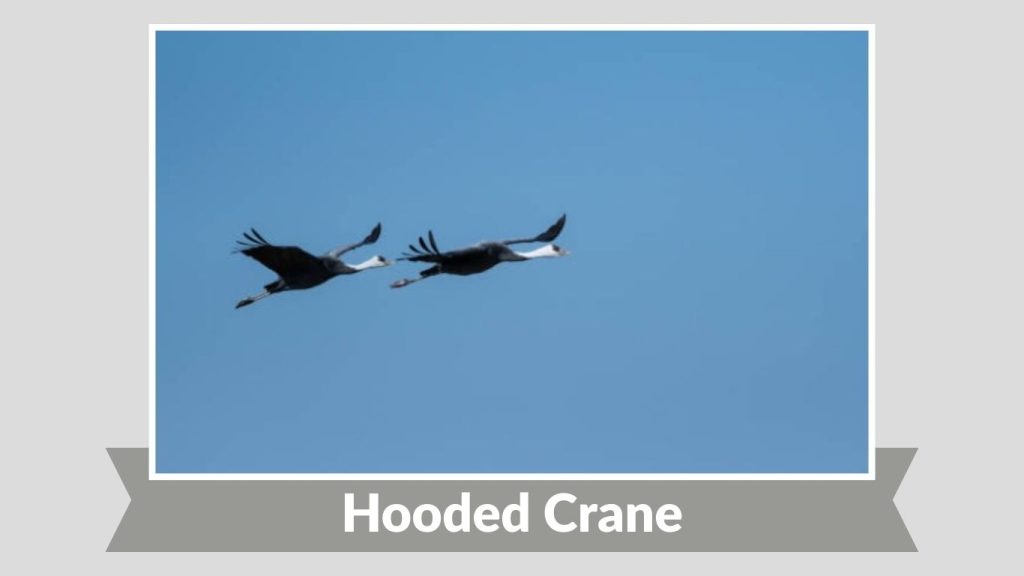
The hooded crane is a medium-sized crane species known for its graceful appearance and the contrasting white “hood” formed by its head and neck. It breeds in parts of Siberia and migrates to East Asia for the winter.
Identification
- Slate-gray body with darker wings
- White head and neck forming a hood-like appearance
- Bare red patch on the crown
- Long black legs and straight bill
- Slender, elegant build
Habitat
Hooded cranes inhabit boreal wetlands, marshes, river valleys, flooded meadows, and shallow lakes. During winter, they often use agricultural fields, reservoirs, and coastal wetlands.
Behaviors
They are social birds, usually seen in pairs, family groups, or flocks during migration and winter. Hooded cranes perform coordinated dances that include wing spreading and jumping. They communicate with loud, bugling calls.
Diet and Lifespan
Their diet includes insects, fish, frogs, plant roots, seeds, and grains. They forage by probing soft mud and wet soil. In the wild, hooded cranes typically live around 20–25 years.
7. White-naped Crane
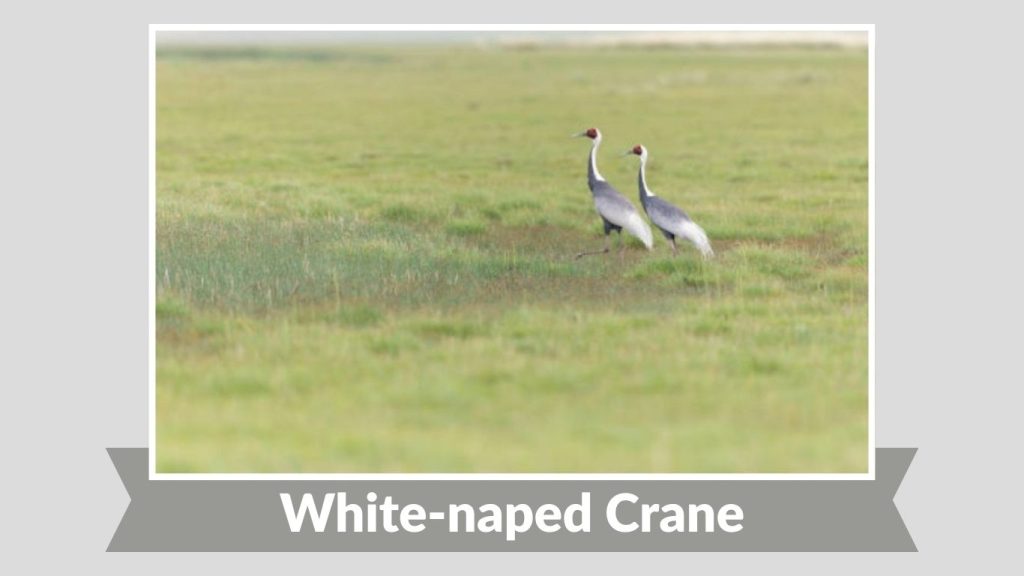
The white-naped crane is a tall, elegant crane species named for the broad white stripe that runs from the back of its head down the neck. It breeds in northeastern Asia and migrates south to China, Korea, and Japan during winter.
Identification
- Gray body with darker wings
- Distinct white stripe along the back of the neck
- Bare red facial skin around the eyes
- Long dark legs and straight pointed bill
- Slender but tall appearance
Habitat
White-naped cranes inhabit open wetlands, river floodplains, marshes, wet meadows, and shallow lakes. In winter, they also use rice fields, reservoirs, and agricultural landscapes near water.
Behaviors
They are usually seen in pairs or small family groups, forming larger flocks outside the breeding season. White-naped cranes are known for their synchronized courtship dances and loud, trumpet-like calls that carry long distances.
Diet and Lifespan
Their diet includes plant roots, seeds, grains, insects, frogs, and small fish. They forage by probing soft soil and shallow water. In the wild, white-naped cranes commonly live around 20–25 years.
8. Black-necked Crane
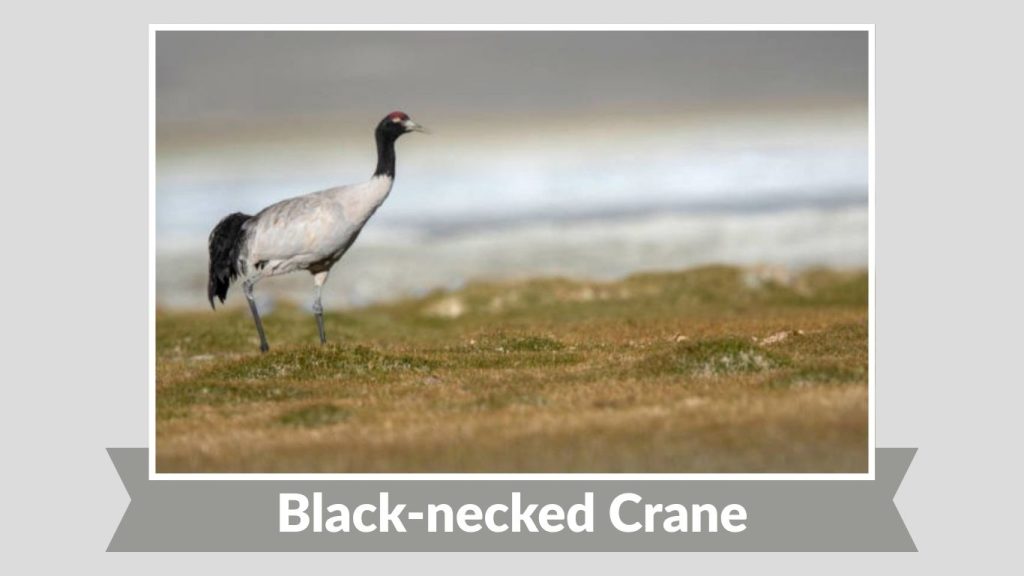
The black-necked crane is the only crane species adapted to high-altitude plateaus, making it especially unique among cranes. It is native to the Tibetan Plateau and surrounding regions, where it lives in cold alpine wetlands.
Identification
- Pale gray body with contrasting black head and neck
- Red bare skin patch on the crown
- Long dark legs and straight pointed bill
- Broad wings with black flight feathers
- Tall, upright posture
Habitat
Black-necked cranes inhabit high-altitude marshes, alpine wetlands, river valleys, shallow lakes, and wet meadows. During winter, they may also forage in agricultural fields near mountain settlements.
Behaviors
They are usually seen in pairs or small family groups, forming flocks during migration and winter. Black-necked cranes perform elegant courtship dances and communicate with loud, resonant calls adapted to open mountain landscapes.
Diet and Lifespan
Their diet includes plant tubers, grains, insects, small mammals, and aquatic invertebrates. They forage both in wetlands and farmland. In the wild, black-necked cranes often live around 20–25 years.
9. Demoiselle Crane
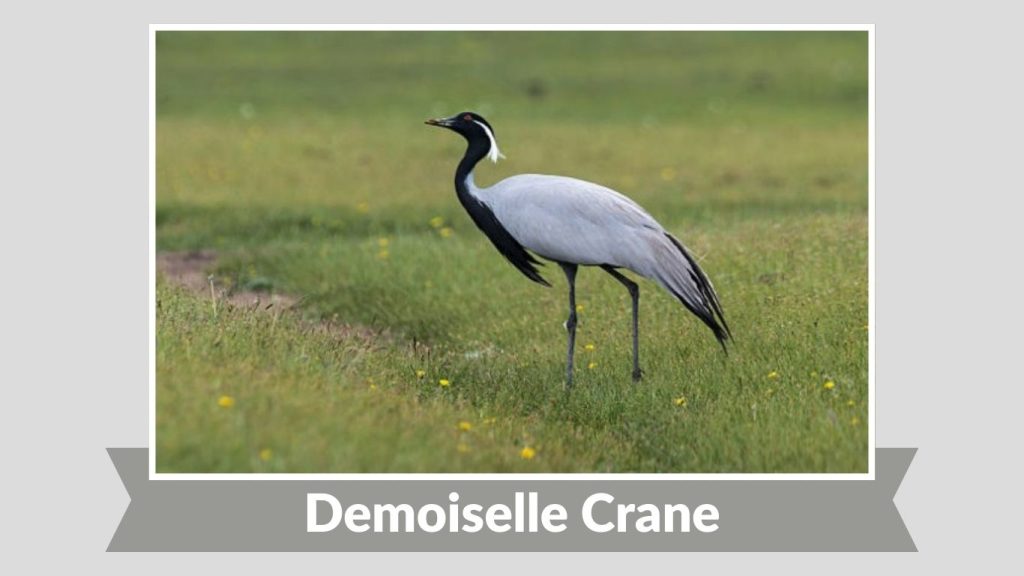
The demoiselle crane is one of the smallest crane species, admired for its slim build, graceful movements, and long white facial plumes. It breeds across Central Asia and migrates to Africa and the Indian subcontinent.
Identification
- Pale gray body with slender shape
- Black head and neck with long white plume-like feathers
- Shorter bill compared to larger cranes
- Long dark legs and elegant posture
- Narrow wings suited for agile flight
Habitat
Demoiselle cranes inhabit open grasslands, semi-deserts, steppe regions, and shallow wetlands. They often breed near small lakes or marshes and forage widely in dry open landscapes.
Behaviors
They are highly social, often seen in flocks outside the breeding season. Demoiselle cranes are famous for their lively dances involving quick steps, jumps, and wing flicks. They are strong migrants and can cross high mountain ranges.
Diet and Lifespan
Their diet includes seeds, grains, insects, small reptiles, rodents, and plant material. They forage mainly on land, occasionally wading in shallow water. In the wild, they generally live about 15–20 years.
10. Blue Crane
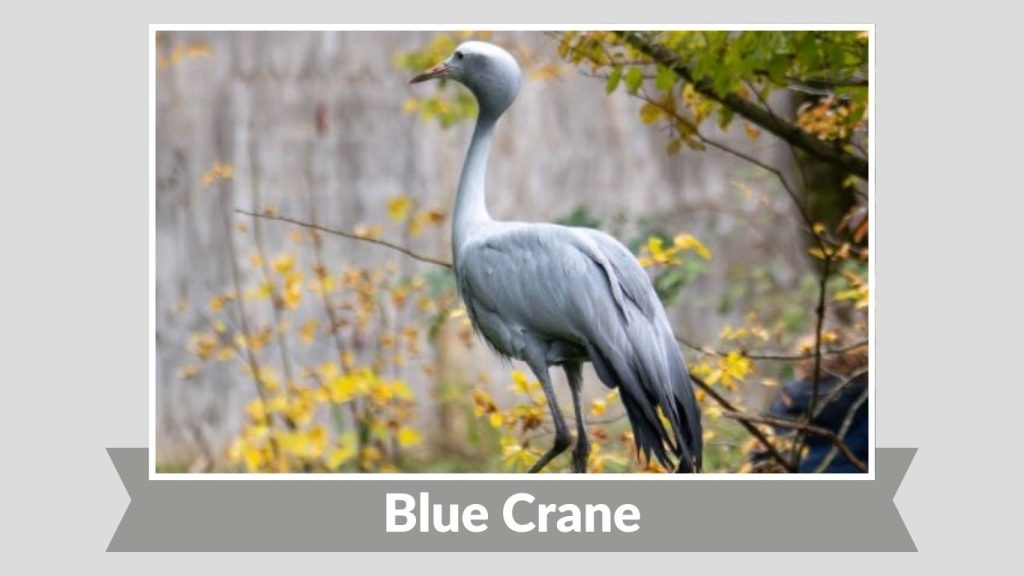
The blue crane is South Africa’s national bird and is famous for its pale bluish-gray plumage and long, flowing wing feathers. It is mainly found in southern Africa, especially in open grasslands and agricultural regions.
Identification
- Pale blue-gray body plumage
- Very long dark wing feathers that trail near the ground
- Long slender neck and straight pointed bill
- Dark legs and graceful posture
- Relatively slim compared to other cranes
Habitat
Blue cranes inhabit open grasslands, dry plains, agricultural fields, and shallow wetlands. They prefer wide, open spaces with short vegetation and nearby water sources.
Behaviors
They are usually seen in pairs or small family groups, forming flocks outside the breeding season. Blue cranes are known for elegant dances and soft, trumpet-like calls. They walk slowly while foraging and are strong, steady flyers.
Diet and Lifespan
Their diet includes seeds, grains, insects, small reptiles, frogs, and small mammals. They forage mainly on land. In the wild, blue cranes typically live around 20–25 years.
11. Wattled Crane
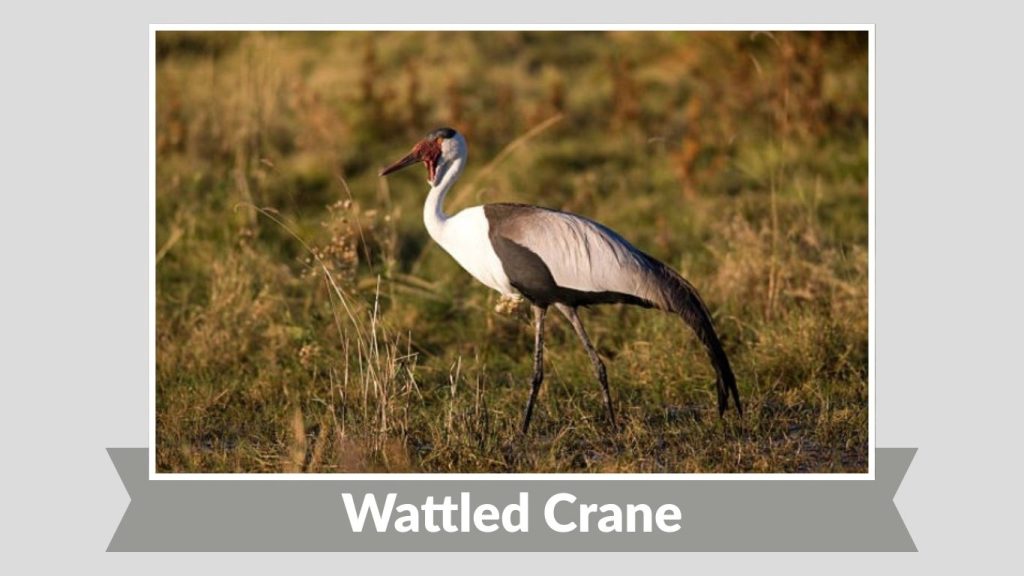
The wattled crane is a large and striking crane species recognized by the long red wattles hanging from its face and throat. It is native to sub-Saharan Africa and strongly associated with permanent wetlands.
Identification
- Gray body with white upper neck and face
- Long red fleshy wattles on the cheeks and throat
- Black crown and upper neck
- Long dark legs and straight pointed bill
- Tall, powerful build
Habitat
Wattled cranes inhabit large marshes, floodplains, wet grasslands, and shallow lakes. They depend heavily on undisturbed wetlands with abundant aquatic vegetation.
Behaviors
They are usually seen in pairs or small family groups and are highly territorial during breeding. Wattled cranes perform slow, ceremonial dances and communicate with deep, resonant calls. They are strong flyers but prefer quiet, isolated habitats.
Diet and Lifespan
Their diet mainly includes aquatic plant tubers, seeds, insects, frogs, and small fish. They forage extensively in shallow wetlands. In the wild, wattled cranes often live around 20–25 years.
12. Sarus Crane
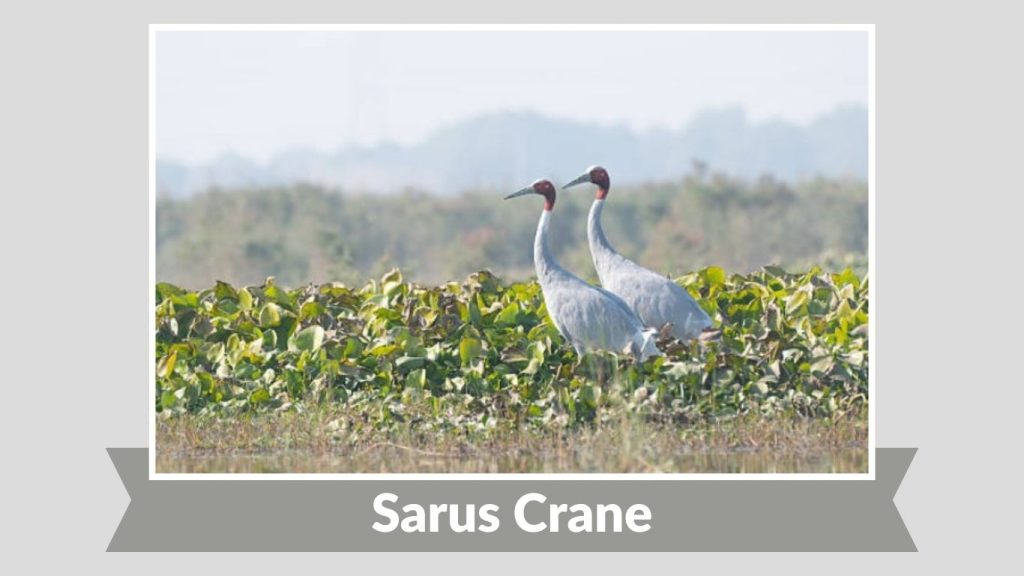
The sarus crane is the tallest flying bird in the world and is easily recognized by its impressive height and bright red head and upper neck. It is widely distributed across South Asia, Southeast Asia, and northern Australia, where it is often seen in open wetlands and agricultural landscapes.
Identification
- Very tall gray body with long neck and legs
- Bare red skin covering the head and upper neck
- Straight, pointed pale bill
- Broad wings with darker flight feathers
- Upright, towering posture
Habitat
Sarus cranes inhabit marshes, shallow lakes, flooded fields, river floodplains, and wet grasslands. They are also commonly found in rice paddies and agricultural wetlands, often living close to human settlements.
Behaviors
They are usually seen in pairs or small family groups and are famous for strong pair bonds. Sarus cranes perform elaborate courtship dances and produce loud, resonant calls. They are mostly resident but may move locally with seasonal water changes.
Diet and Lifespan
Their diet includes plant roots, tubers, insects, frogs, fish, reptiles, and small mammals. They forage by probing soft mud and shallow water. In the wild, sarus cranes often live around 20–25 years.
13. Brolga

The brolga is a tall Australian crane species closely related to the sarus crane and is known for its elegant dances and loud, trumpeting calls. It is widespread across northern and eastern Australia, especially in tropical and subtropical wetlands.
Identification
- Gray body with darker wing feathers
- Bare red skin on the head and throat
- Greenish-gray crown
- Long dark legs and straight pointed bill
- Tall, upright stance
Habitat
Brolgas inhabit freshwater marshes, swamps, floodplains, grasslands, and shallow lakes. During dry seasons, they often forage in open grasslands and agricultural fields near wetlands.
Behaviors
They are social birds, often seen in pairs or flocks outside the breeding season. Brolgas are famous for elaborate dancing displays that include leaps, bows, and wing spreads. They communicate with loud, resonant trumpeting calls.
Diet and Lifespan
Their diet includes plant tubers, seeds, grains, insects, frogs, reptiles, and small mammals. They forage both in wetlands and on land. In the wild, brolgas usually live around 20–25 years.
14. Grey Crowned Crane
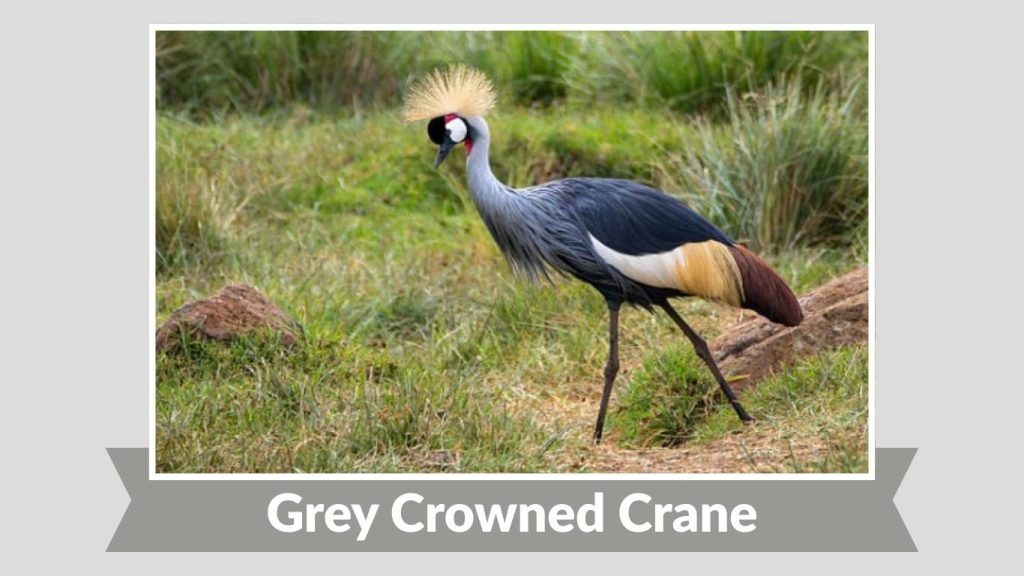
The grey crowned crane is one of the most visually striking cranes, famous for its golden crown of stiff feathers. It is widely distributed across eastern and southern Africa and is often seen in grasslands near wetlands.
Identification
- Gray body with white wings edged in chestnut and gold
- Bright golden crown of stiff feathers
- White cheeks with a red throat patch
- Black head and long dark legs
- Elegant, upright posture
Habitat
Grey crowned cranes inhabit wet grasslands, marsh edges, savannas, agricultural fields, and shallow wetlands. Unlike most cranes, they often roost in trees.
Behaviors
They are social birds, often seen in pairs, family groups, or flocks. Grey crowned cranes are excellent dancers, performing energetic courtship displays with jumping and wing spreading. They are also more arboreal than other cranes and can perch in trees.
Diet and Lifespan
Their diet includes seeds, grasses, insects, frogs, small reptiles, and grains. They forage mainly on land. In the wild, grey crowned cranes commonly live around 20–25 years.
15. Black Crowned Crane
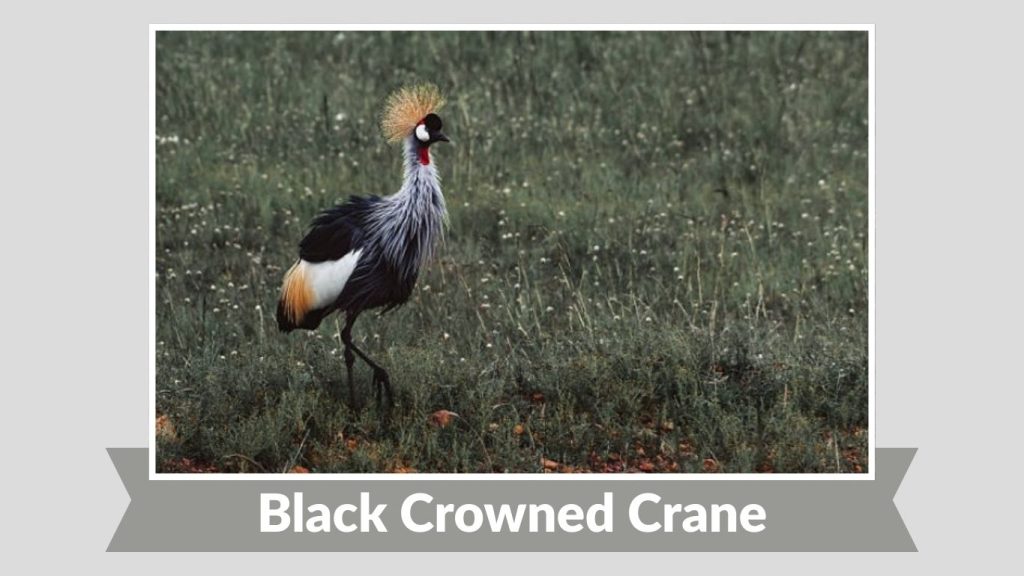
The black crowned crane is a colorful African crane species closely related to the grey crowned crane and easily recognized by its golden crown and darker head. It is found mainly in western and central Africa, where it inhabits wetlands and open grasslands.
Identification
- Dark gray to blackish body
- Bright golden crown of stiff feathers
- White cheeks with a red throat patch
- Black head and long dark legs
- Graceful, upright stance
Habitat
Black crowned cranes inhabit wet savannas, marshes, floodplains, river valleys, rice fields, and grassy wetlands. They often stay close to shallow water but also forage widely in open grasslands and farmland.
Behaviors
They are social birds, usually seen in pairs, family groups, or flocks. Black crowned cranes are known for lively courtship dances and loud, trumpet-like calls. Unlike most cranes, they can roost in trees.
Diet and Lifespan
Their diet includes seeds, grasses, insects, frogs, small reptiles, and grains. They forage mainly on land and in shallow wetlands. In the wild, black crowned cranes typically live around 20–25 years.
16. Eurasian Crane
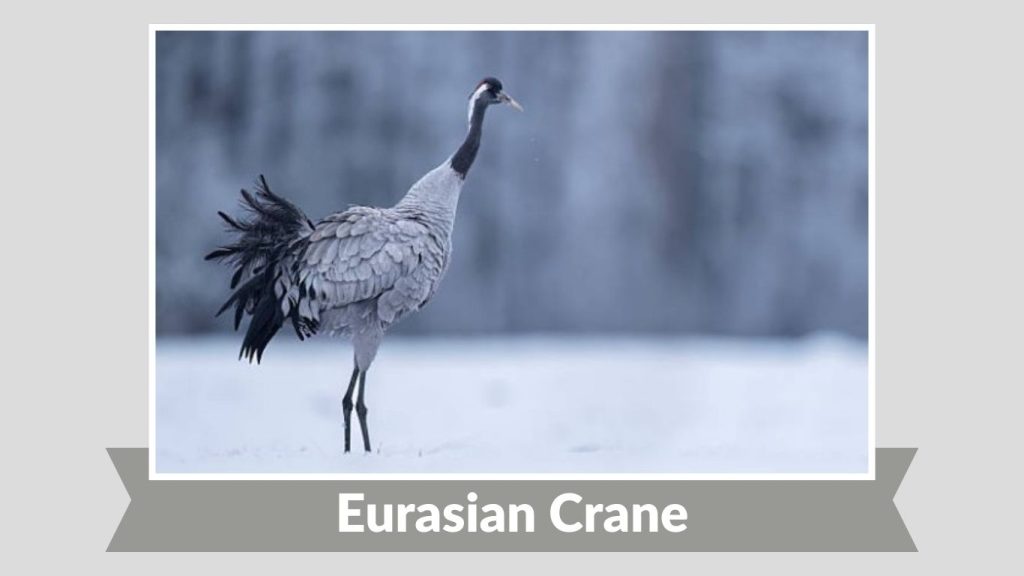
The Eurasian crane, often considered the same species as the common crane, is a tall and elegant bird widely distributed across Europe and northern Asia. It is well known for its long migrations, loud trumpeting calls, and spectacular flock gatherings during migration.
Identification
- Gray body with long neck and legs
- Black and white head pattern with red crown patch
- Long straight bill adapted for probing
- Broad wings with black flight feathers
- Tall, upright posture
Habitat
Eurasian cranes inhabit marshes, bogs, wetlands, river floodplains, wet meadows, and shallow lakes. Outside the breeding season, they frequently forage in agricultural fields and open grasslands.
Behaviors
They are highly social birds, often seen in pairs, family groups, or large migrating flocks. Eurasian cranes perform elaborate dances and communicate with loud, far-carrying calls. They are powerful migrants, traveling great distances between breeding and wintering areas.
Diet and Lifespan
Their diet includes seeds, grains, roots, insects, frogs, small mammals, and reptiles. They forage on land and in shallow water. In the wild, Eurasian cranes often live around 20–25 years.
17. Australian Crane (Brolga Subspecies)
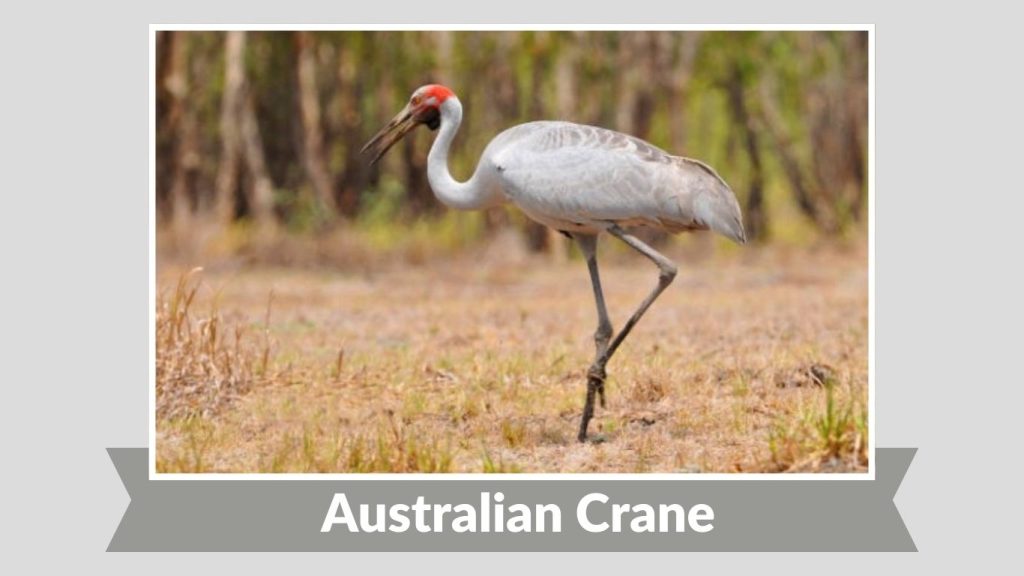
The Australian crane, commonly referring to the brolga in an Australian context, is a tall and elegant crane native to Australia and New Guinea. It is well known for its loud trumpeting calls and spectacular dancing displays, which are often seen in open wetlands and grasslands.
Identification
- Gray body with darker wing feathers
- Bare red skin on the head and throat
- Greenish-gray crown
- Long dark legs and straight pointed bill
- Tall, upright posture
Habitat
Australian cranes inhabit freshwater marshes, swamps, floodplains, shallow lakes, wet grasslands, and agricultural fields. They prefer open landscapes with nearby wetlands and often move seasonally in response to rainfall.
Behaviors
They are social birds, usually found in pairs, family groups, or flocks. Australian cranes are famous for elaborate dances involving jumping, bowing, and wing spreading. They communicate with loud, resonant calls that can be heard over long distances.
Diet and Lifespan
Their diet includes plant tubers, seeds, grains, insects, frogs, reptiles, and small mammals. They forage both in wetlands and open fields. In the wild, they typically live around 20–25 years.
FAQs
What is the main difference between cranes and storks?
Cranes are generally slimmer, have straighter bills, and are famous for their elaborate courtship dances and loud trumpeting calls. Storks are heavier-bodied, often silent, and rely more on bill clattering. Cranes also form strong pair bonds and perform complex social displays.
Where are crane birds commonly found?
Cranes are found across North America, Europe, Asia, Africa, and Australia. They mainly inhabit wetlands, marshes, river floodplains, wet grasslands, and agricultural fields. Most species depend on shallow water for feeding and open landscapes for breeding and migration stopovers.
Are all crane species migratory?
Not all cranes are migratory. Many northern species, such as the common crane and Siberian crane, migrate long distances between breeding and wintering grounds. However, some tropical species, like the sarus crane and crowned cranes, are mostly resident and move only locally.
What do cranes usually eat in the wild?
Cranes are omnivorous birds that eat seeds, grains, roots, tubers, insects, frogs, fish, small reptiles, and mammals. They forage by walking slowly and probing soil or shallow water. Their flexible diet helps them survive in both natural wetlands and farmland.
How long do crane birds live?
Most cranes live between 20 and 30 years in the wild, depending on species and habitat quality. Larger cranes often live longer than smaller ones. In protected environments, some cranes have been recorded living over 35 to 40 years.