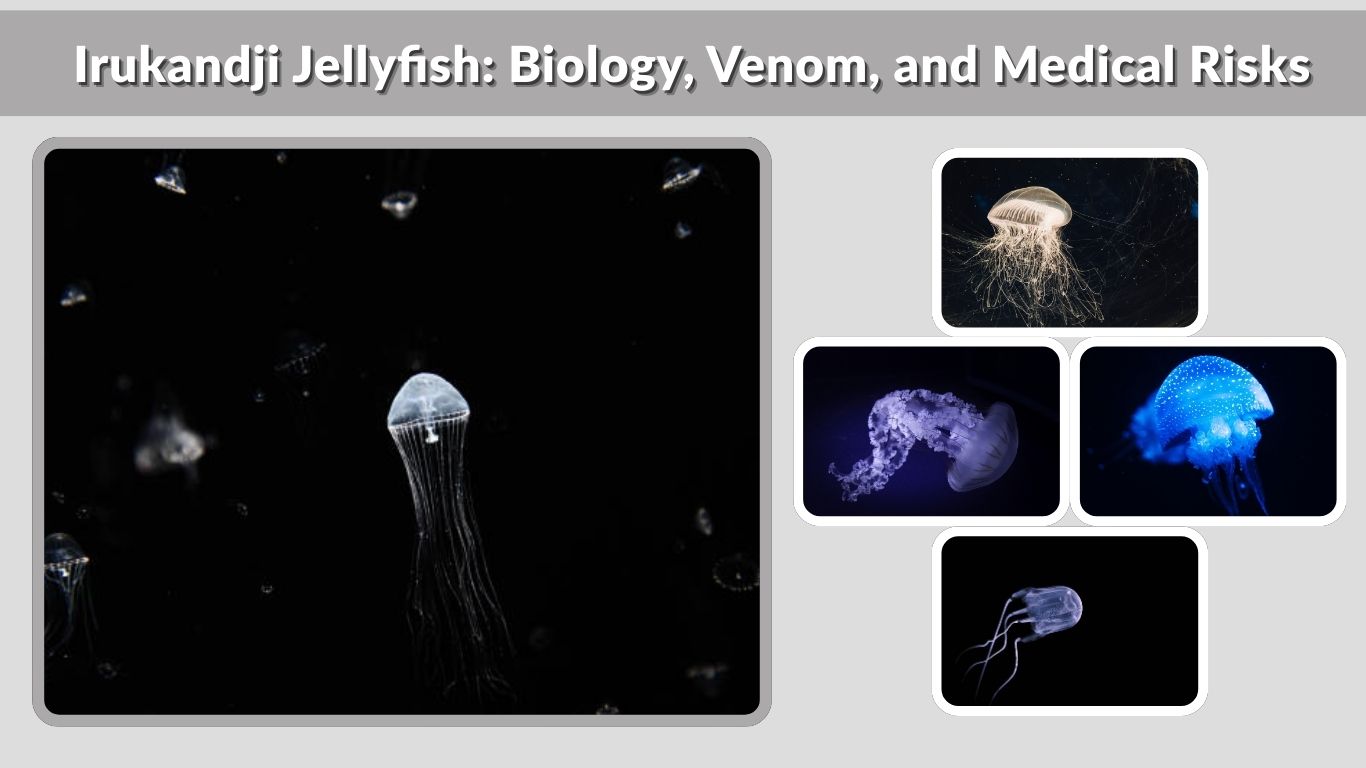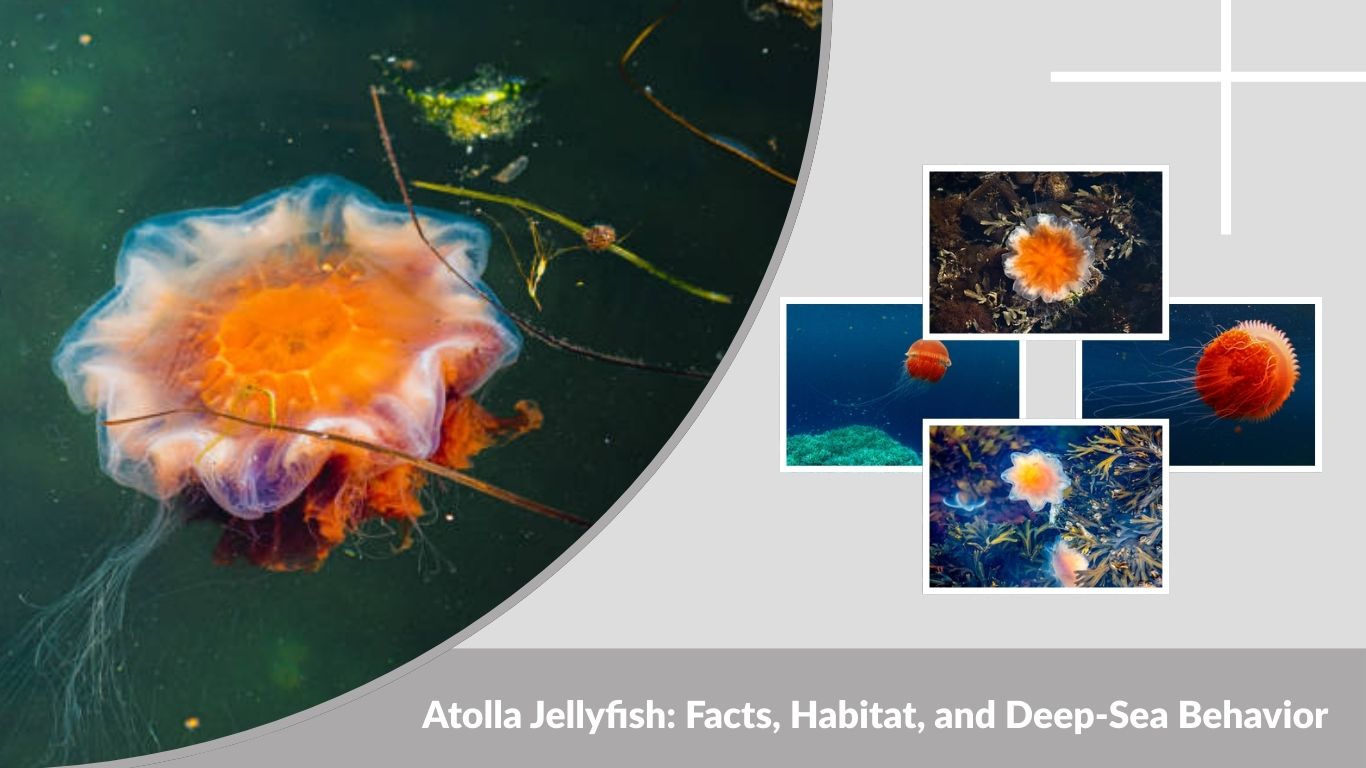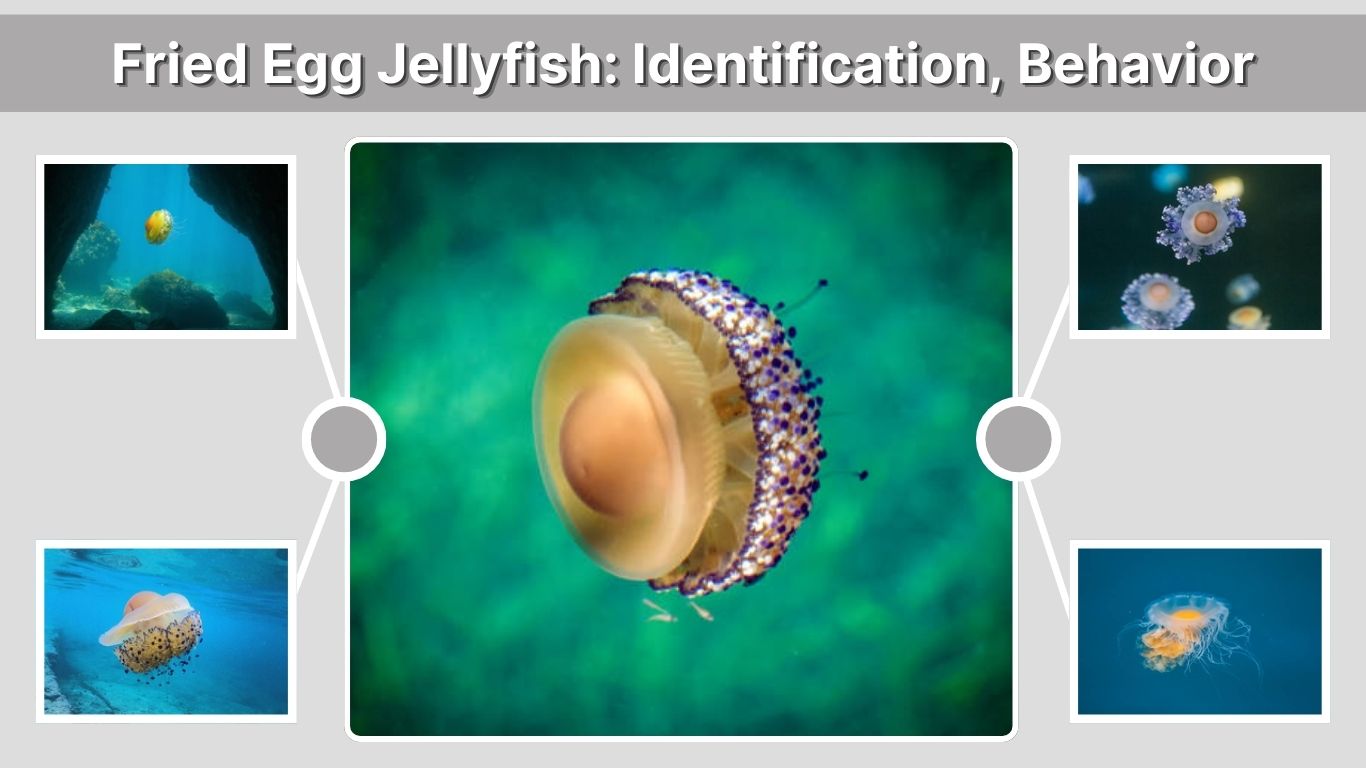




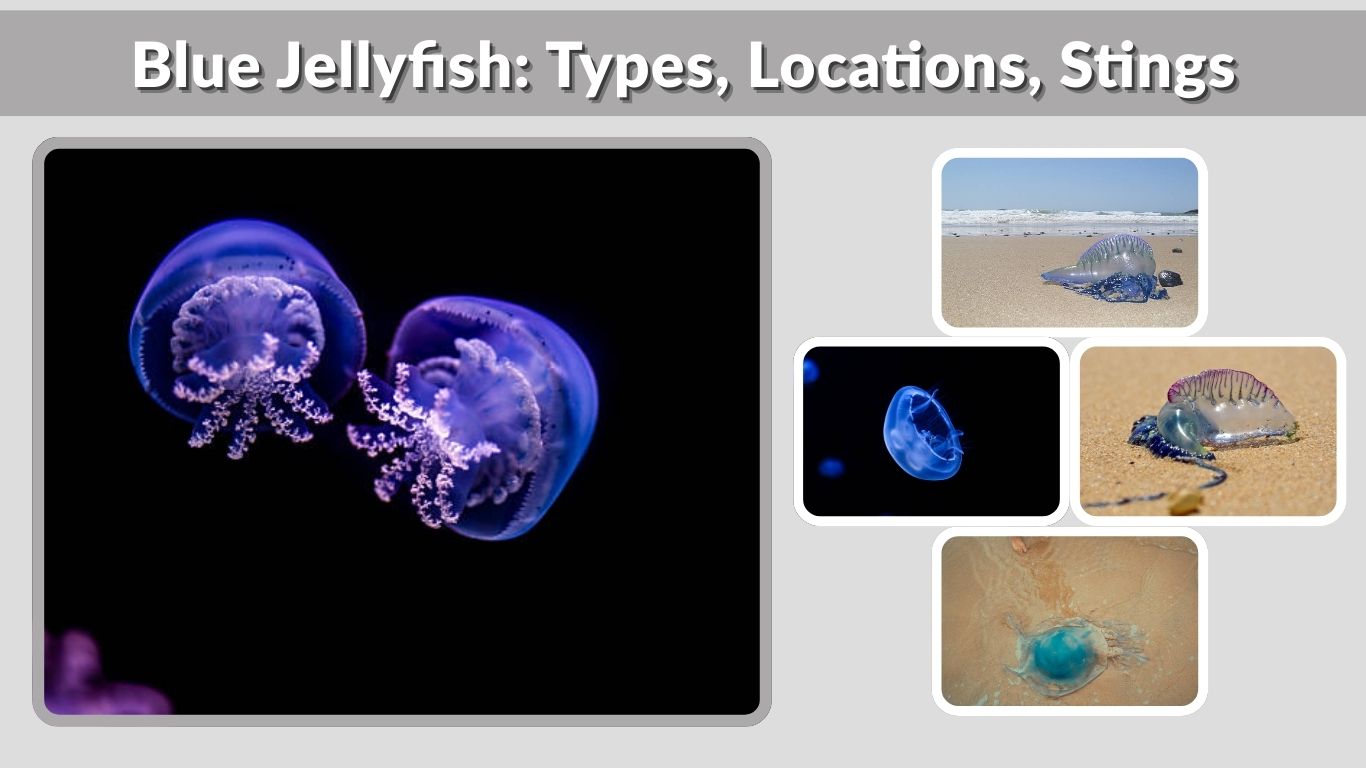
The term blue jellyfish is commonly used by beachgoers, travelers, and marine life enthusiasts to describe jellyfish with a striking blue appearance. From glowing blue shapes drifting in the ocean to blue jellyfish washing up on beaches, these creatures often spark curiosity—and sometimes concern. However, “blue jellyfish” does not refer to a single species. Instead, it includes several different jellyfish and jellyfish-like animals found in oceans around the world. In this article, we’ll explore the most common types of blue jellyfish, where they are found, and why they often appear on beaches.
What Is a Blue Jellyfish?
A blue jellyfish is not a scientific classification but a descriptive term used for jellyfish that appear blue, purple, or bluish-transparent in color. This coloration can be caused by natural pigments, light refraction, or the way sunlight passes through their gelatinous bodies.
Because multiple species share this blue appearance, people often confuse harmless jellyfish with venomous ones. Understanding the differences between blue jellyfish types is important, especially in coastal areas where stings may occur.
Common Types of Blue Jellyfish
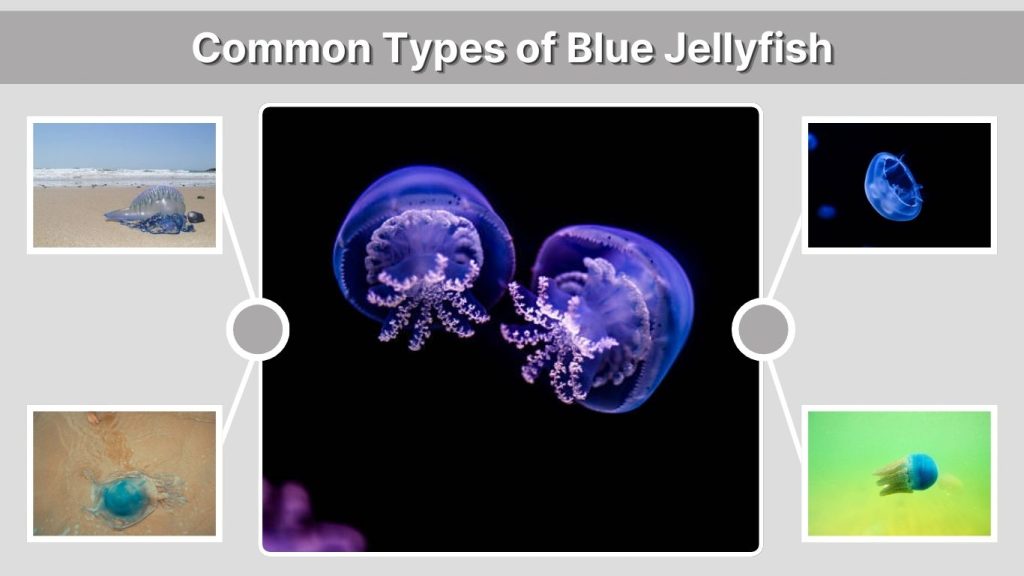
Blue Bottle Jellyfish (Portuguese Man o’ War)
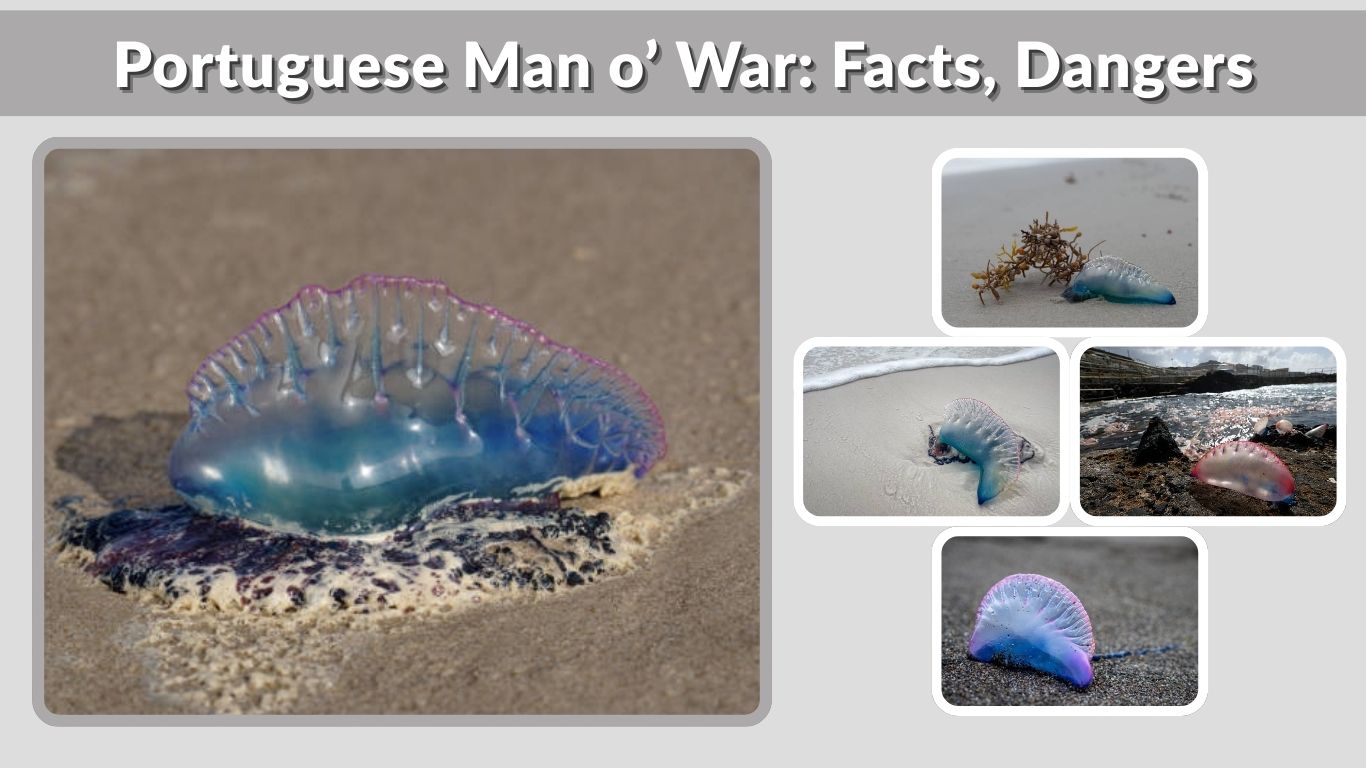
The blue bottle jellyfish is one of the most well-known and feared blue jellyfish seen on beaches. Technically, it is not a true jellyfish, but a siphonophore—a colony of organisms working together as one. It has a bright blue or purple gas-filled float that sits on the surface of the water, with long tentacles trailing beneath.
Blue bottle jellyfish are notorious for their painful sting, which can cause intense burning, redness, and welts. Even when washed up on shore, their tentacles can still sting, making them especially dangerous to touch.
Blue Cannonball Jellyfish
The blue cannonball jellyfish is a round, firm jellyfish often found in warmer waters. It gets its name from its cannonball-like shape. While it may appear intimidating, this species is generally harmless to humans, producing only a very mild sting or none at all.
Blue cannonball jellyfish are sometimes seen floating near the surface or washed ashore in groups. Their blue coloration varies from pale blue to grayish-blue depending on lighting and water conditions.
Blue Moon Jellyfish
The blue moon jellyfish is a color variation of the common moon jellyfish. It has a translucent bell with a soft blue tint and distinctive horseshoe-shaped organs visible through its body. Blue moon jellyfish are often found in aquariums due to their gentle movement and mild sting.
Unlike blue bottle jellyfish, blue moon jellyfish are not considered dangerous and rarely cause more than minor skin irritation.
Other Blue-Colored Jellyfish
Several other jellyfish species can appear blue under certain conditions, including sea nettles and small hydromedusae. Their color may change depending on water temperature, depth, and sunlight exposure, adding to the confusion around blue jellyfish identification.
Where Are Blue Jellyfish Found?
Blue jellyfish are found in oceans around the world, especially in coastal and temperate regions. Their presence often depends on ocean currents, wind patterns, and seasonal changes.
Blue Jellyfish in Australia
Blue jellyfish in Australia are commonly reported along coastal beaches, especially during warmer months. The most frequently seen species is the blue bottle jellyfish, which is often blown ashore by strong winds and currents. Australian beaches regularly post warnings when large numbers appear, as stings are common among swimmers.
Blue Jellyfish in Florida
Blue jellyfish in Florida are also a frequent sight, particularly along the Atlantic coast and the Gulf of Mexico. Beachgoers may encounter blue cannonball jellyfish or Portuguese Man o’ War, especially after storms. Reports of blue jellyfish on Florida beaches tend to increase during seasonal migrations and changing ocean conditions.
Why Do Blue Jellyfish Wash Up on Beaches?
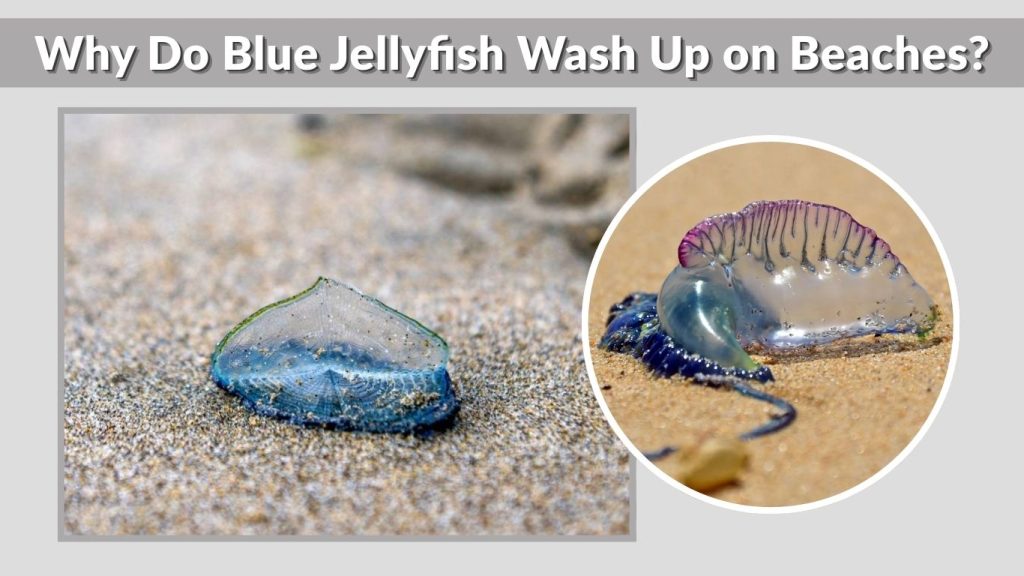
Seeing a blue jellyfish on the beach is more common than many people realize. Jellyfish have limited control over their movement and are largely carried by ocean currents, tides, and wind. Strong onshore winds and storms can push large numbers of jellyfish toward land, causing mass strandings along beaches.
Seasonal jellyfish blooms also increase the chances of beach encounters. Even when blue jellyfish appear dead or dried out on sand, they can still sting, making it important to avoid touching them with bare skin.
Blue Jellyfish Sting: Is It Dangerous?
A blue jellyfish sting can range from mild irritation to severe pain, depending on the species involved. Blue moon jellyfish and blue cannonball jellyfish typically cause little to no reaction. However, blue bottle jellyfish are known for their painful stings and should be treated with caution.
Symptoms of a blue jellyfish sting may include burning pain, redness, swelling, and raised welts on the skin. In rare cases, individuals may experience nausea or allergic reactions. Children and people with sensitive skin are generally more affected by stings.
Blue Jellyfish Sting First Aid and Safety Tips
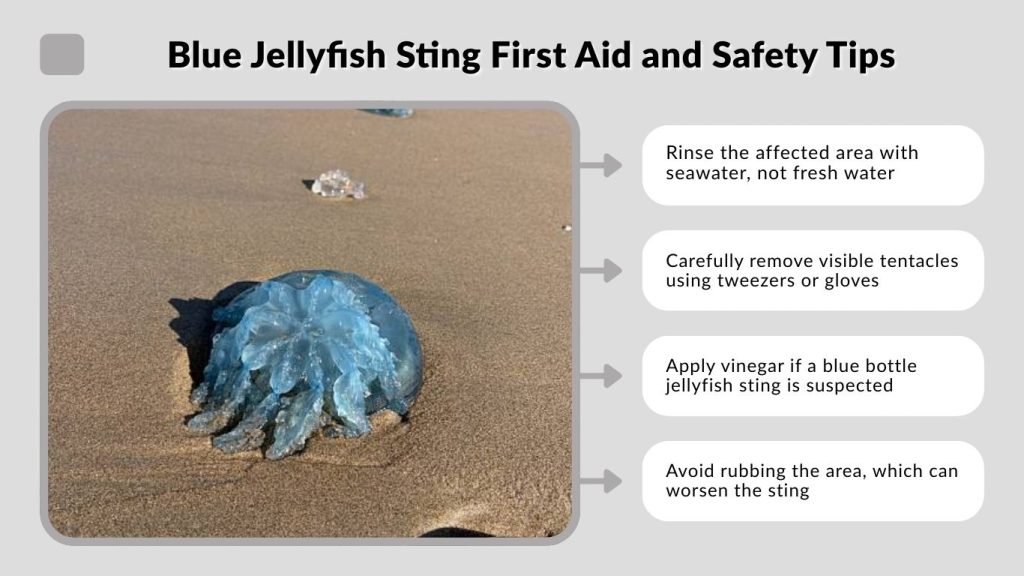
If you or someone else is stung by a blue jellyfish, proper first aid is essential:
- Rinse the affected area with seawater, not fresh water
- Carefully remove visible tentacles using tweezers or gloves
- Apply vinegar if a blue bottle jellyfish sting is suspected
- Avoid rubbing the area, which can worsen the sting
Swimmers should always follow local beach warnings and avoid entering the water when jellyfish sightings are reported.
Blue Jellyfish in California
Blue jellyfish in California are less common but still appear occasionally, particularly after storms or changes in ocean temperature. Species such as small hydromedusae or sea nettles may appear blue in cold Pacific waters. While most are harmless, beachgoers should still avoid contact, as species identification can be difficult.
Blue Jellyfish in Pop Culture
Blue Jellyfish SpongeBob
Blue jellyfish in SpongeBob SquarePants are famously featured in Jellyfish Fields, where jellyfish are portrayed as friendly, musical creatures. While entertaining, this portrayal can be misleading, as real jellyfish—especially blue bottle jellyfish—can be dangerous.
Despite this, SpongeBob has played a major role in making jellyfish iconic and recognizable to children and adults alike.
Blue Jellyfish Aesthetic and Visual Appeal
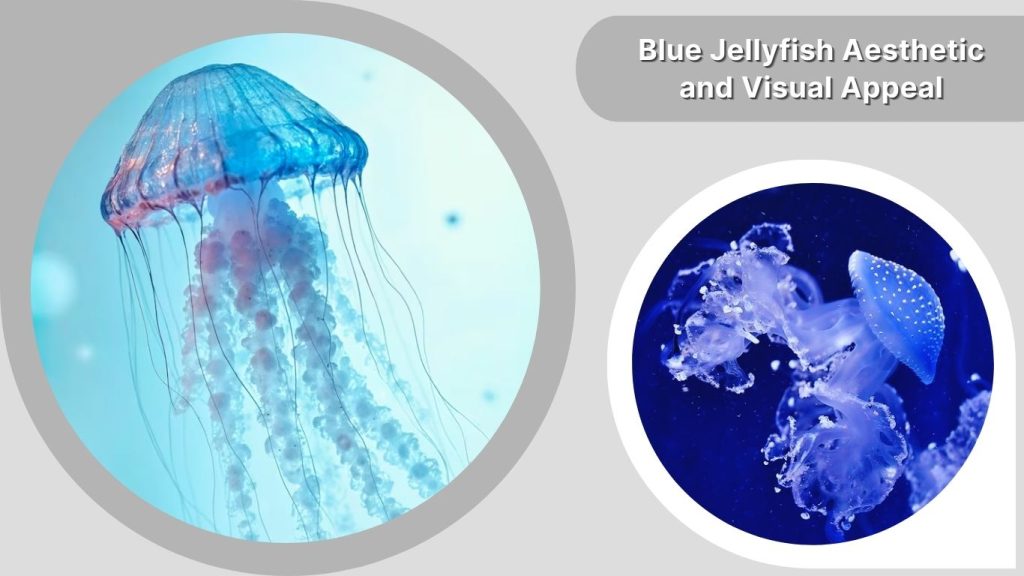
The blue jellyfish aesthetic has become popular in photography, digital art, and design. Their glowing, floating appearance often symbolizes calmness, mystery, and the beauty of marine life. Blue jellyfish images are widely used in wallpapers, social media posts, and ocean-themed artwork.
Under certain lighting conditions, blue jellyfish can appear to glow, adding to their dreamlike appeal.
Blue Jellyfish Clipart and Media Use
Blue jellyfish clipart is commonly used in educational materials, children’s books, presentations, and design projects. Accurate clipart is important, as incorrect illustrations can lead to confusion between harmless and venomous species. Many educational resources now label jellyfish clearly to promote beach safety awareness.
Fun and Interesting Blue Jellyfish Facts
- Not all blue jellyfish are true jellyfish
- Some species can sting even after death
- Blue coloration helps jellyfish blend into ocean water
- Jellyfish have existed for over 500 million years
These facts highlight how ancient and adaptable jellyfish truly are.
FAQs
What is a blue jellyfish?
The term “blue jellyfish” does not refer to one specific species. It is a common name used for several jellyfish and jellyfish-like animals that appear blue, such as the blue bottle jellyfish, blue moon jellyfish, and blue cannonball jellyfish. Some are harmless, while others can sting.
Are blue jellyfish dangerous to humans?
Some blue jellyfish are harmless, but others can be dangerous. Blue moon jellyfish and blue cannonball jellyfish usually cause little or no irritation. However, blue bottle jellyfish can deliver painful stings, even after washing up on shore, so contact should always be avoided.
What should I do if I get stung by a blue jellyfish?
If stung, rinse the area with seawater and carefully remove any tentacles using gloves or tweezers. Do not rub the skin or use fresh water. If a blue bottle jellyfish sting is suspected, applying vinegar can help deactivate stinging cells.
Why are blue jellyfish often found on beaches?
Blue jellyfish often wash up on beaches due to ocean currents, tides, and strong winds. Storms and seasonal jellyfish blooms can push large numbers toward shore. Even stranded jellyfish may still sting, so they should never be touched.
Are blue jellyfish found in Florida and Australia?
Yes, blue jellyfish are found in both regions. In Florida, blue cannonball jellyfish and Portuguese Man o’ War are commonly reported. In Australia, blue bottle jellyfish are frequently seen on beaches, especially during warmer months and windy conditions.