




The humpback whale is one of the most fascinating marine mammals in the world, known for its massive size, haunting songs, and spectacular breaching displays. Found in oceans across the globe, these whales are highly migratory and travel thousands of kilometers each year. Their intelligence, social behavior, and unique feeding techniques make them a favorite among researchers and wildlife enthusiasts. Understanding humpback whales helps us appreciate their role in maintaining the balance of marine ecosystems.
What Is a Humpback Whale?
Scientific Classification
The humpback whale, scientifically known as Megaptera novaeangliae, belongs to the baleen whale group. Unlike toothed whales, baleen whales filter their food from the water using comb-like plates in their mouths. Humpback whales are part of the family Balaenopteridae, which includes other large whales such as blue whales and fin whales.
Physical Characteristics
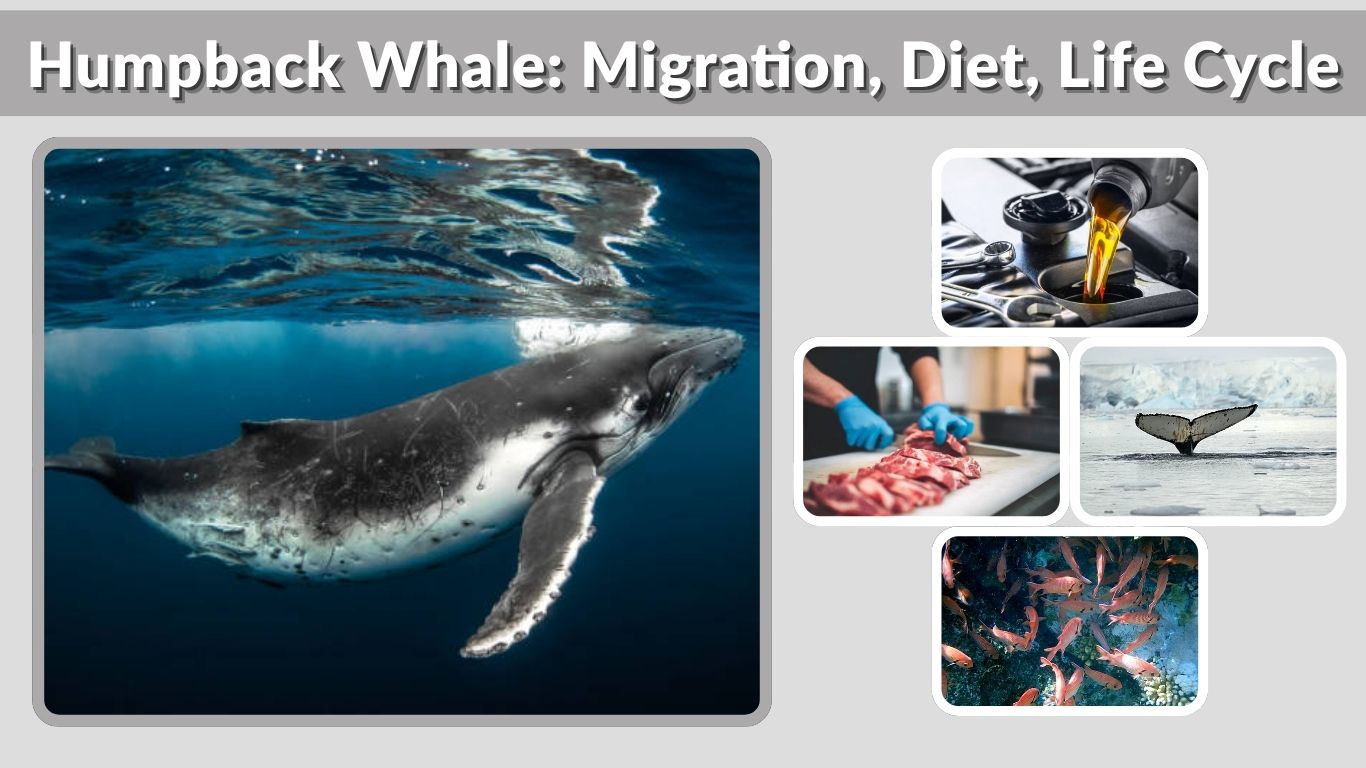
Humpback whales are easily recognizable due to their unique body shape and long pectoral fins. They typically grow between 40 to 60 feet in length and can weigh up to 40 tons. Their bodies are mostly black or dark gray, often with white patterns on their underside and tail flukes. These patterns are unique to each whale, much like human fingerprints, allowing scientists to identify individuals.
Another distinctive feature is the small hump on their back, which becomes visible when they arch before diving. Their long flippers, which can reach up to one-third of their body length, are the longest of any whale species.
Unique Behaviors
Humpback whales are famous for their dramatic behaviors, especially breaching—when they leap out of the water and crash back down with a loud splash. They also perform tail slaps and fin slaps, which may be used for communication or play.
One of their most remarkable traits is their complex songs. Male humpback whales produce long, structured vocalizations that can last for hours. These songs are believed to play a role in mating and can travel great distances underwater.
Humpback Whale Habitat
Global Distribution
Humpback whales are found in all major oceans, from the icy waters of the Arctic and Antarctic to tropical seas near the equator. This wide distribution makes them one of the most widespread whale species.
Seasonal Habitats
These whales do not stay in one place year-round. Instead, they move between feeding and breeding areas depending on the season. During the summer months, humpback whales are commonly found in cold, nutrient-rich waters where food is abundant. In winter, they migrate to warmer tropical or subtropical regions to breed and give birth.
Preferred Environment
Humpback whales can be seen both in open ocean waters and near coastlines. They often prefer shallow coastal areas during breeding season, as these provide safer environments for newborn calves. Temperature and food availability play a key role in determining where they spend their time.
Humpback Whale Migration
Migration Routes
Humpback whales are known for having some of the longest migration routes of any mammal. For example, whales that feed in Alaska often travel to Hawaii or Mexico to breed. Similarly, populations in the Southern Hemisphere migrate between Antarctica and warmer regions such as Australia or Africa.
Distance and Timing
These migrations can span up to 8,000 kilometers or more each year. Humpback whales typically begin their journey as seasons change, moving toward warmer waters in winter and returning to colder feeding grounds in summer. The timing of migration is closely linked to environmental conditions and food availability.
Reasons for Migration
The main reasons for migration are feeding and reproduction. Cold waters are rich in krill and small fish, providing the nutrition humpback whales need to build energy reserves. Warmer waters, on the other hand, offer a safer environment for mating and raising calves, as there are fewer predators and more stable conditions.
Humpback Whale Diet
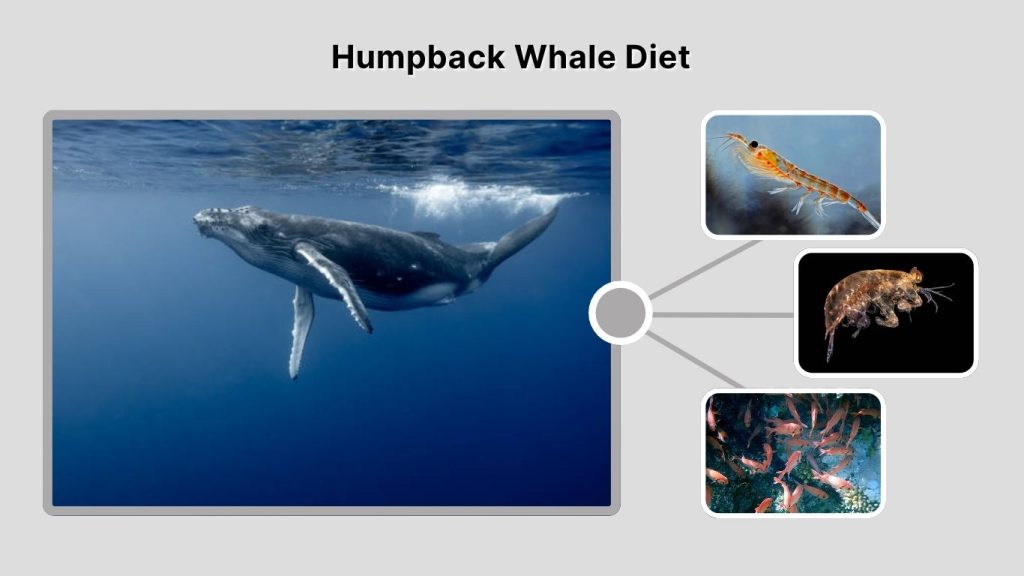
What Do Humpback Whales Eat?
Humpback whales primarily feed on krill, plankton, and small schooling fish such as herring and sardines. As baleen whales, they do not chew their food but instead filter it from the water.
Feeding Techniques
One of the most fascinating feeding methods used by humpback whales is called bubble-net feeding. In this cooperative technique, a group of whales swims in a circle while releasing bubbles underwater. These bubbles form a “net” that traps fish in a tight cluster. The whales then swim upward with their mouths open, capturing large amounts of prey in a single gulp.
Daily Food Intake
During feeding season, humpback whales consume massive quantities of food—often up to 1–1.5 tons per day. This is essential for building the fat reserves they need to survive long migrations and periods with little or no feeding.
Humpback Whale Hunting (History & Threats)
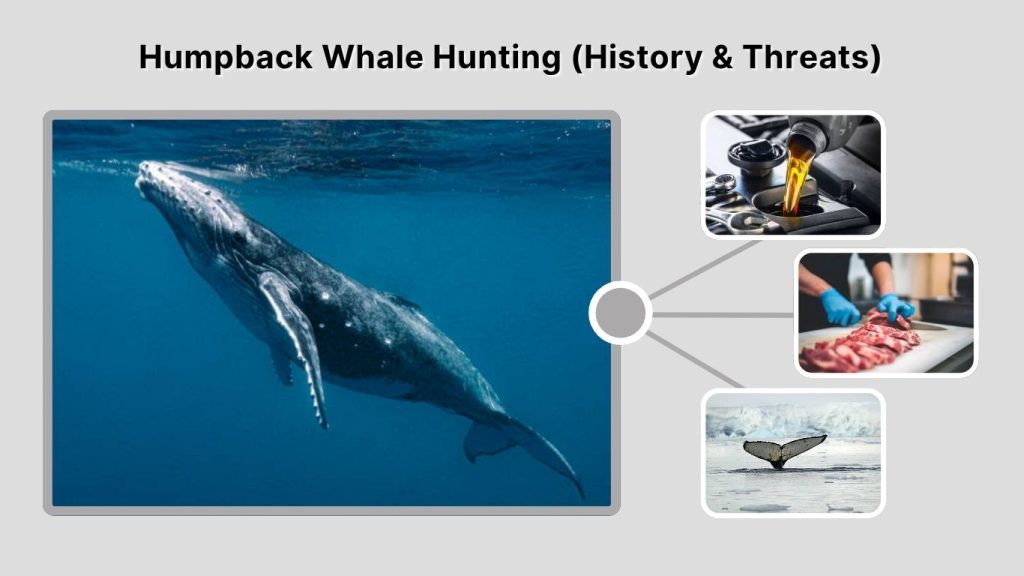
Commercial Whaling History
Humpback whales were once heavily hunted during the 19th and 20th centuries for their oil, meat, and baleen. Commercial whaling drastically reduced their population worldwide, pushing the species close to extinction in some regions. At the peak of whaling, thousands of humpback whales were killed each year, causing a severe decline in their numbers.
Population Decline and Recovery
The situation began to improve after international protections were introduced. In 1986, the International Whaling Commission (IWC) banned commercial whaling, giving humpback whale populations a chance to recover. Since then, many populations have shown significant improvement, although recovery rates vary depending on the region.
Modern Threats
Despite conservation efforts, humpback whales still face several threats today. Ship strikes are a major concern, especially in busy shipping lanes. Fishing gear entanglement can also cause injury or death. Additionally, ocean pollution, climate change, and underwater noise pollution can disrupt their feeding and communication.
Humpback Whale Life Cycle
Birth and Early Life
Humpback whales are born in warm tropical waters during the winter months. These environments provide a safer space for newborn calves, as there are fewer predators and calmer conditions. At birth, calves are already quite large and capable of swimming alongside their mothers.
Growth Stages
The life cycle of a humpback whale includes several stages: calf, juvenile, and adult. Calves grow rapidly during their first year, gaining strength and learning essential survival skills. As juveniles, they begin to explore more independently, eventually reaching adulthood after several years.
Lifespan and Reproduction
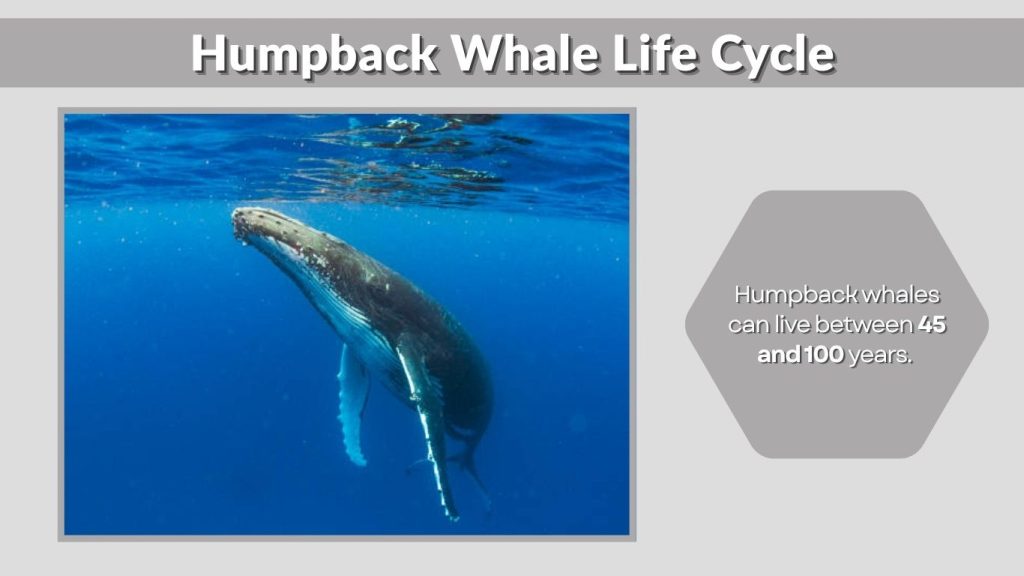
Humpback whales can live between 45 and 100 years. Females typically give birth every two to three years after a gestation period of about 11–12 months. Mating usually occurs in warm breeding grounds, where males compete for the attention of females, often through displays and vocalizations.
Humpback Whale Baby (Calves)
Birth and Size
A baby humpback whale, known as a calf, is usually about 10 to 15 feet long at birth and can weigh around one ton. Despite their size, they are vulnerable and rely heavily on their mothers for survival.
Nursing and Care
Calves feed on their mother’s milk, which is extremely rich in fat and helps them grow quickly. A strong bond forms between mother and calf, with the mother providing protection and guidance during the early stages of life.
Early Survival Challenges
Young humpback whales face several challenges, including predators such as orcas and the physical demands of long migrations. During their first migration, calves stay close to their mothers, learning important routes and behaviors necessary for survival.
Humpback Whale vs Blue Whale
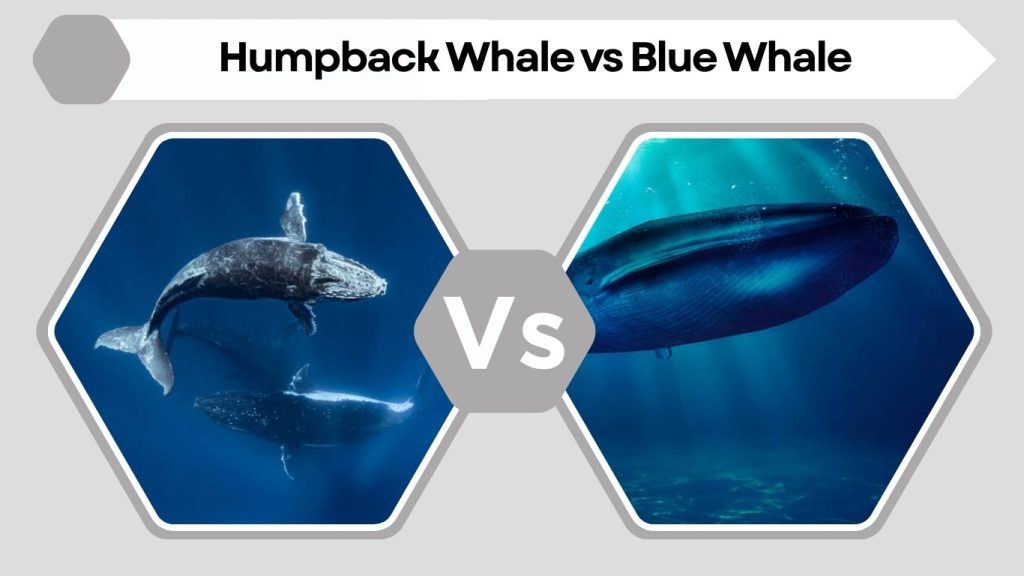
Size Comparison
The blue whale is the largest animal ever known to exist, reaching lengths of up to 100 feet and weighing more than 150 tons. In comparison, humpback whales are smaller but still massive, typically reaching up to 60 feet in length.
Behavior Differences
Humpback whales are known for their acrobatic behaviors, such as breaching and tail slapping. Blue whales, on the other hand, are generally less active at the surface and are more difficult to observe performing such dramatic actions.
Diet and Feeding
Both humpback and blue whales feed primarily on krill and small fish. However, humpback whales use more complex feeding techniques like bubble-net feeding, while blue whales typically feed by lunging through dense patches of krill.
Visibility and Human Interaction
Humpback whales are more commonly seen by humans due to their coastal habits and surface activity. Their behaviors make them a popular attraction for whale-watching tours around the world.
Interesting Facts About Humpback Whales
- Humpback whale songs can last for hours and change over time
- Each whale has a unique tail pattern used for identification
- They have some of the longest migrations of any mammal
- Their long pectoral fins help with maneuverability
- They are considered highly intelligent and social animals
Conservation Status
Current Population Trends
Today, many humpback whale populations are recovering, thanks to international protection efforts. Some groups have returned to near pre-whaling numbers, though others remain vulnerable.
Protection Efforts
Global initiatives such as the ban on commercial whaling and the establishment of marine protected areas have played a major role in their recovery. Researchers also monitor whale populations to ensure their continued survival.
Why Conservation Matters
Humpback whales play an important role in maintaining the health of marine ecosystems. Their feeding and migration patterns help distribute nutrients throughout the ocean, supporting other marine life. Protecting them ensures the balance of ocean biodiversity.
Conclusion
Humpback whales are truly remarkable creatures, known for their intelligence, long migrations, and unique behaviors. From their complex feeding strategies to their strong maternal bonds, these whales play a vital role in ocean ecosystems. Although they have made a strong recovery from past hunting, ongoing conservation efforts are still essential. By protecting humpback whales, we help preserve not only a single species but the health and balance of the entire marine environment.
FAQs
What do humpback whales eat?
Humpback whales mainly eat krill, plankton, and small fish, using baleen plates to filter food from the water.
How far do humpback whales migrate?
They can travel up to 8,000 kilometers or more each year between feeding and breeding grounds.
Are humpback whales endangered?
Many populations have recovered, but they still face threats and are protected under international laws.
How big is a baby humpback whale?
A newborn calf is typically 10–15 feet long and weighs about one ton.