




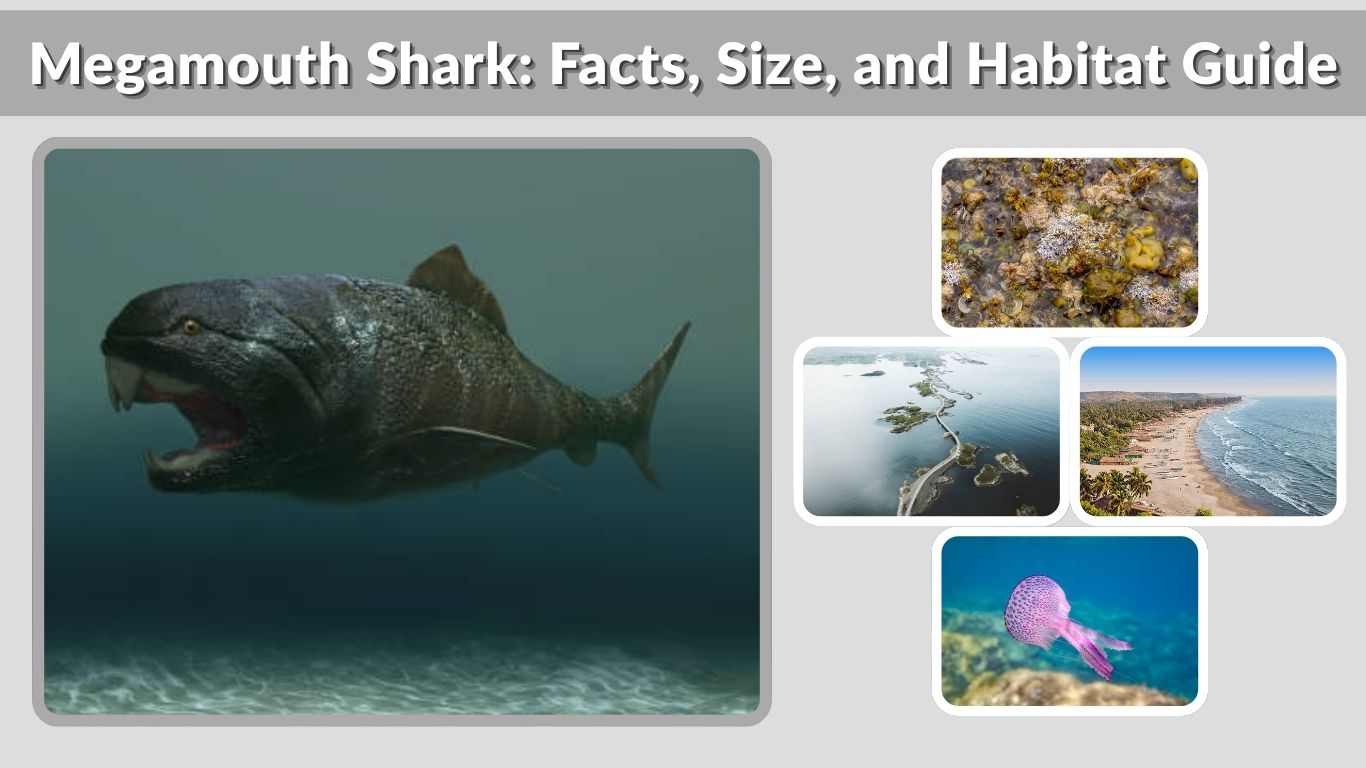
Hidden in the dark depths of the ocean lives one of the rarest and most mysterious sharks ever discovered—the megamouth shark. First identified in 1976, this unusual species surprised scientists with its enormous mouth and gentle filter-feeding behavior. Unlike most sharks that hunt large prey, the megamouth feeds primarily on tiny plankton. With fewer than a few hundred recorded sightings worldwide, it remains one of the least understood marine animals. Its deep-sea lifestyle and elusive nature continue to fascinate researchers and ocean enthusiasts alike.
What Is the Megamouth Shark?
The megamouth shark (Megachasma pelagios) is a deep-sea shark species known for its massive mouth and rare appearances. It belongs to a small group of sharks that feed by filtering plankton from the water, making it very different from predatory sharks like great whites or tiger sharks.
Scientific Classification
The scientific name of the megamouth shark is Megachasma pelagios. It is the only species in its family, Megachasmidae, making it biologically unique. More importantly, it is one of only three known filter-feeding shark species in the world. The other two are the whale shark and the basking shark. However, unlike those species, the megamouth prefers deep offshore waters and is rarely seen near the surface.
Why It’s Called the Megamouth
The name “megamouth” comes directly from its most striking feature—its enormous, wide mouth. The shark’s mouth can measure over 4 feet (1.3 meters) across in large individuals. Its rubbery lips and broad head are specifically adapted for filter feeding. Instead of sharp teeth for tearing prey, it has small teeth and specialized gill rakers that help trap plankton and other tiny organisms.
How Rare Is It?
The megamouth shark is considered extremely rare. Since its discovery in 1976, fewer than 300 confirmed specimens have been recorded globally. Most encounters happen accidentally when the shark is caught in fishing nets. Because it spends much of its life in deep water, scientists still know very little about its population size or exact distribution.
Discovery of the Megamouth Shark
The discovery of the megamouth shark is relatively recent compared to other large marine animals. For centuries, humans explored the oceans without ever knowing this giant existed.
The 1976 Accidental Discovery
In November 1976, a U.S. Navy ship operating near Hawaii accidentally caught a large, unfamiliar shark in its anchor. When scientists examined the animal, they realized it was a completely new species. This 15-foot-long shark did not resemble any known shark at the time. Its large head and soft body confused researchers, but further studies confirmed it was a previously undiscovered species.
This event marked one of the most exciting marine discoveries of the 20th century.
Why It Took So Long to Discover
There are several reasons why the megamouth shark remained hidden for so long. First, it inhabits deep offshore waters, often staying between 500 and 3,000 feet below the surface during the day. Second, it moves slowly and does not frequently approach coastal areas. Unlike whale sharks, which are often seen near the surface, megamouth sharks spend most of their time far from human activity.
Megamouth Shark Size and Physical Features
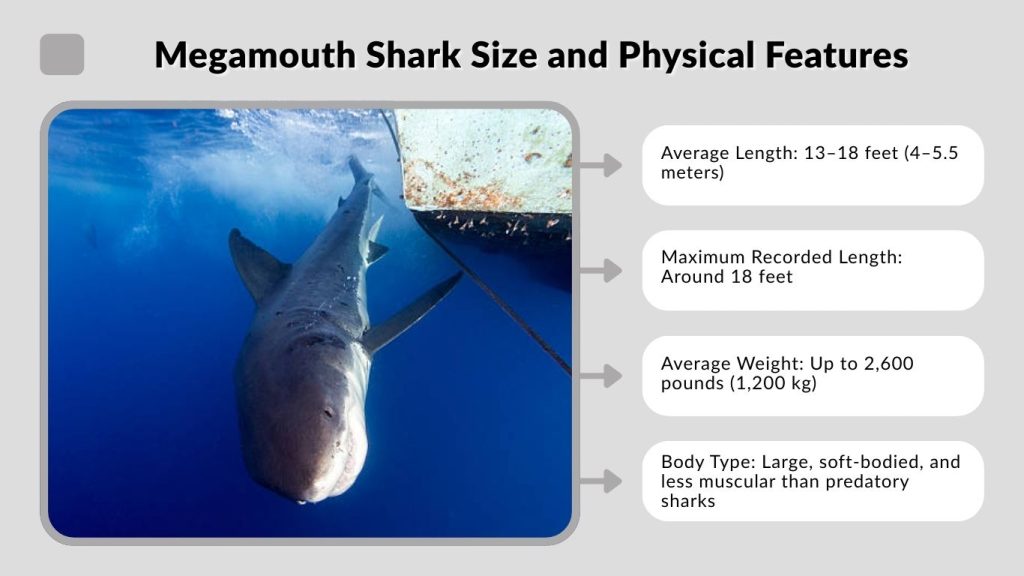
The megamouth shark is a large but slow-moving deep-sea species known for its unusual body shape and massive mouth. Although it is not the longest shark in the ocean, its physical structure makes it one of the most distinctive. Unlike fast predatory sharks, the megamouth has a softer body built for energy-efficient swimming and filter feeding rather than speed or hunting.
Size Overview
- Average Length: 13–18 feet (4–5.5 meters)
- Maximum Recorded Length: Around 18 feet
- Average Weight: Up to 2,600 pounds (1,200 kg)
- Body Type: Large, soft-bodied, and less muscular than predatory sharks
Key Physical Features
- Enormous Mouth: Can measure over 4 feet wide
- Rubbery Lips: Thick, pale-colored upper lip
- Small Teeth: Designed for filter feeding, not tearing prey
- Gill Rakers: Specialized structures to trap plankton
- Dark Coloration: Brown or black upper body with lighter underside
- Small Eyes: Adapted to deep, low-light environments
- Broad, Rounded Head: Gives it a distinctive appearance
- Long Pectoral Fins: Help with slow, steady swimming
The megamouth shark’s body is perfectly adapted to its deep-sea, plankton-feeding lifestyle, making it one of the most unique sharks in the world.
Habitat and Distribution
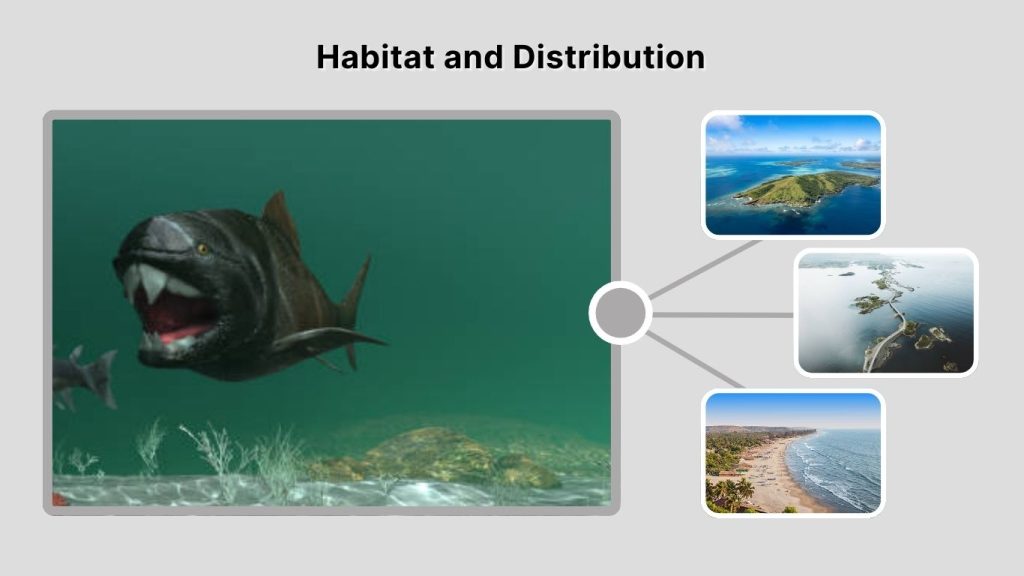
Although the megamouth shark is extremely rare, recorded sightings show that it lives in tropical and temperate waters around the world.
Where Does the Megamouth Shark Live?
Megamouth sharks have been found in the Pacific, Atlantic, and Indian Oceans. Many sightings have occurred near Japan, Taiwan, the Philippines, Indonesia, California, Hawaii, and parts of South America. However, these sightings are scattered and unpredictable.
Unlike coastal shark species, the megamouth prefers offshore waters far from land. It is considered a pelagic species, meaning it lives in the open ocean rather than near the seabed or shoreline.
Depth Range and Vertical Migration
One of the most interesting behaviors of the megamouth shark is its vertical migration pattern. During the day, it typically stays in deep water, often between 500 and 3,000 feet (150–900 meters) below the surface. At night, it moves closer to the surface to feed.
This daily movement follows the migration of plankton, which rise toward the surface after sunset. By tracking its food source, the megamouth conserves energy and increases feeding efficiency. This behavior also explains why nighttime sightings are slightly more common than daytime encounters.
What Does the Megamouth Shark Eat?
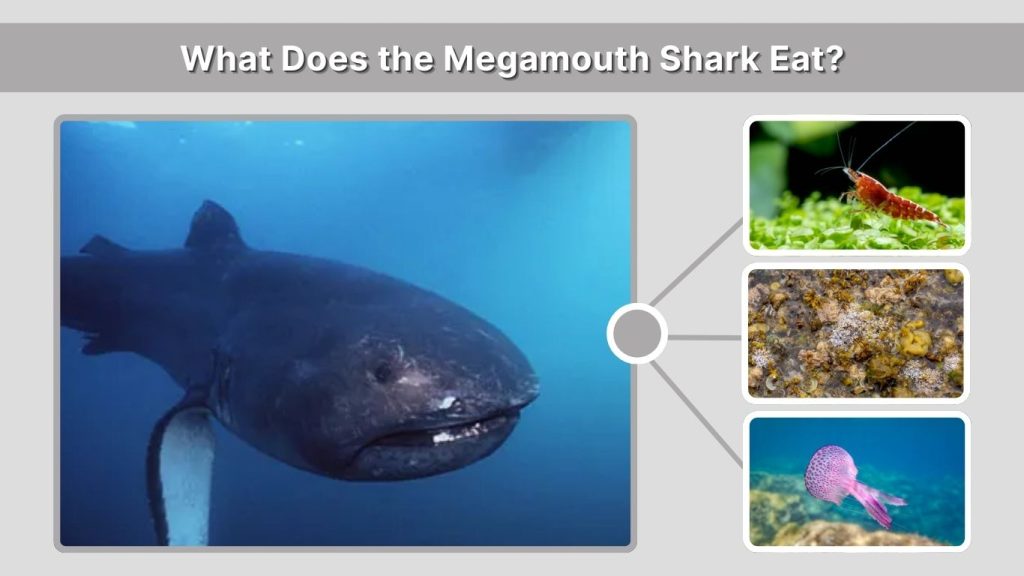
The megamouth shark is a filter feeder, meaning it feeds by straining small organisms from the water rather than hunting large prey.
Its diet mainly consists of plankton, tiny shrimp-like creatures called krill, jellyfish, and other small marine organisms. When feeding, the shark swims slowly with its mouth wide open, allowing water to flow inside. Specialized gill rakers trap food particles while excess water exits through the gills.
Unlike aggressive predatory sharks, the megamouth does not chase fish or attack large animals. Its feeding style is similar to that of the whale shark and basking shark. However, while whale sharks often feed near the surface in daylight, the megamouth typically feeds at night in deeper waters.
Behavior and Lifestyle
Because sightings are so rare, much about the megamouth shark’s behavior remains unknown. However, scientists have gathered some important insights.
Is the Megamouth Shark Dangerous?
There are no recorded attacks on humans by megamouth sharks. In fact, they are considered harmless. Their small teeth and plankton-based diet make them completely non-threatening to people.
When encountered, they appear slow-moving and calm. Most captured individuals showed no signs of aggression. For this reason, the megamouth shark is viewed as one of the gentlest large sharks in the ocean.
Reproduction and Life Cycle
Very little is known about the reproduction of the megamouth shark. Scientists believe it is likely ovoviviparous, meaning eggs develop inside the mother’s body and hatch internally before live young are born. This reproductive method is common among many shark species.
However, no pregnant megamouth shark has been thoroughly studied, and very few juvenile specimens have been recorded. This lack of data makes it difficult to understand their breeding cycle, lifespan, or population growth rate.
Megamouth Shark vs Other Filter-Feeding Sharks
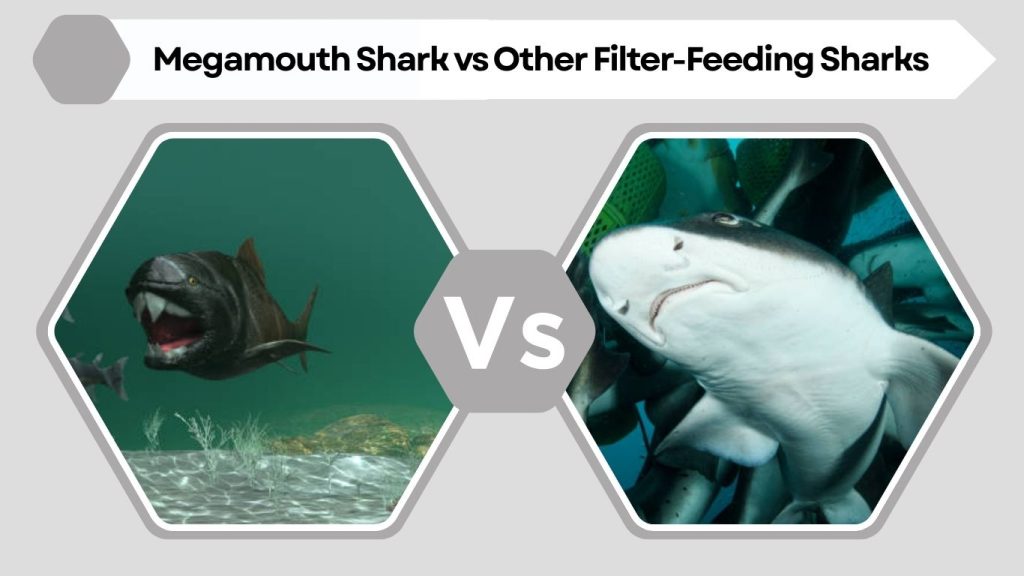
The megamouth shark is often compared to the other two filter-feeding sharks: the whale shark and the basking shark.
The whale shark is the largest fish in the world and can grow over 40 feet long. It is commonly seen near the surface in warm waters and is known for its spotted pattern. In contrast, the megamouth is smaller, darker in color, and prefers deeper water.
The basking shark, found mostly in cooler waters, also feeds near the surface with its mouth wide open. However, it has a more streamlined body compared to the softer, bulkier shape of the megamouth.
The main differences lie in habitat depth, body structure, and frequency of sightings. Among the three, the megamouth shark remains the rarest and least understood.
Conservation Status and Threats
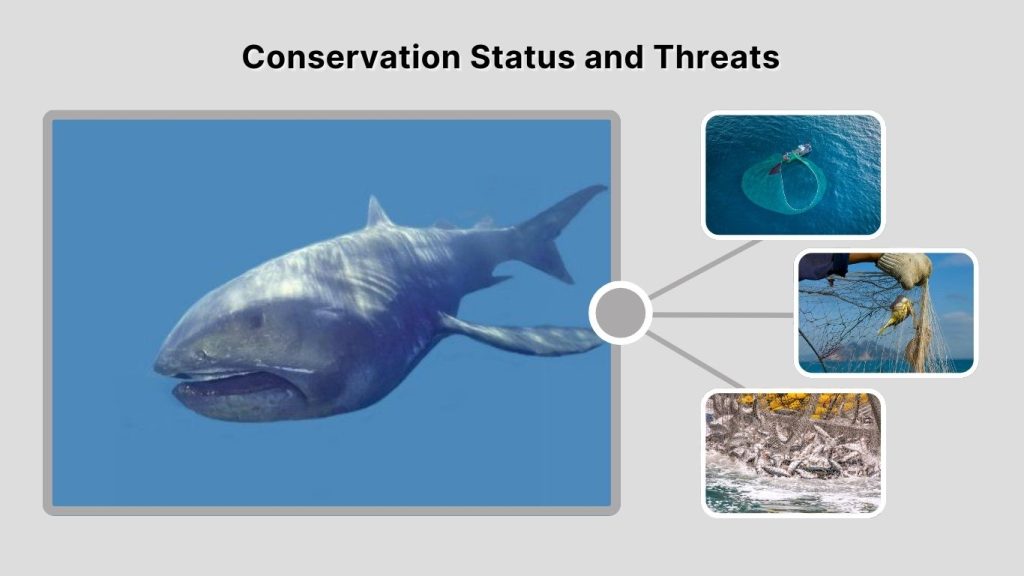
The megamouth shark is currently classified as “Least Concern” by the International Union for Conservation of Nature (IUCN). However, this does not mean it is safe from threats. The classification mainly reflects the lack of sufficient data rather than a stable population.
The greatest threat to megamouth sharks is accidental capture in fishing nets, known as bycatch. Because they inhabit offshore waters, they are sometimes caught by deep-sea fishing operations targeting other species.
Since population numbers are unknown, even small losses could significantly affect the species. Continued research and monitoring are necessary to better understand its conservation needs.
Fascinating Megamouth Shark Facts
- Fewer than 300 specimens have been officially recorded since 1976.
- It is the only living member of its shark family, Megachasmidae.
- It performs daily vertical migration to follow plankton.
- Its large mouth can stretch over 4 feet wide.
- It remains one of the ocean’s greatest scientific mysteries.
Conclusion
The megamouth shark is one of the rarest and most fascinating sharks in the world. Discovered only in 1976, it continues to surprise scientists with its deep-sea habits and gentle filter-feeding lifestyle. Unlike aggressive shark species, the megamouth plays a quiet but important role in maintaining ocean ecosystems by feeding on plankton.
Because so little is known about this mysterious giant, ongoing research is essential. Protecting deep-sea environments will help ensure that this remarkable shark remains part of our planet’s marine biodiversity for generations to come.