




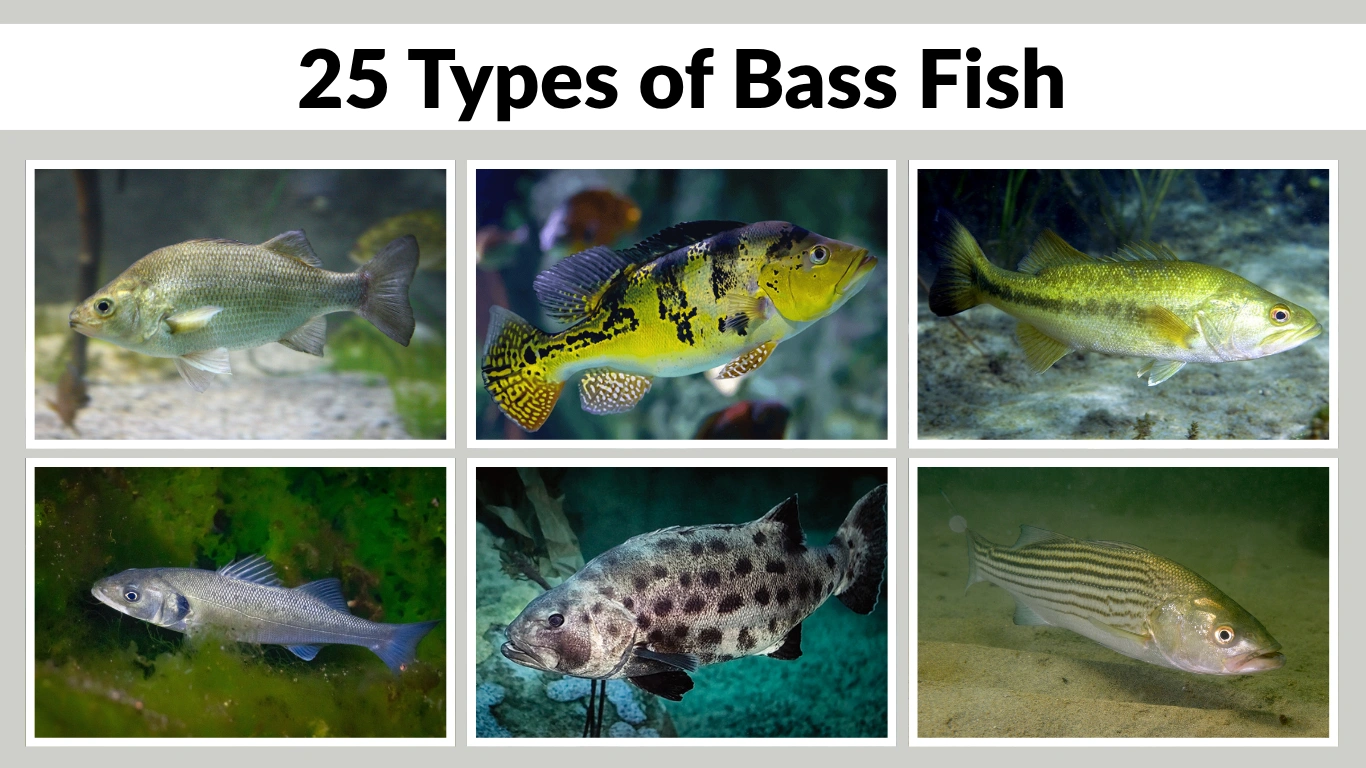
Bass fish are among the most popular game species in both freshwater and saltwater, prized for their fighting ability, adaptability, and culinary value. From the iconic largemouth bass to exotic peacock bass, each species has unique characteristics and habitats. In this guide, we’ll explore 25 types of bass fish, providing their common and scientific names along with key identification details for anglers and enthusiasts alike.
1. Largemouth Bass (Micropterus salmoides)

The largemouth bass is one of the most popular freshwater game fish in North America, renowned for its aggressive strikes, strong fights, and adaptability to various habitats. It is a favorite among sport anglers and is also widely stocked in lakes and ponds for recreational fishing.
Identification
- Common Name: Largemouth Bass
- Scientific Name: Micropterus salmoides
- Size: Typically 12–24 inches, weighing 1–5 lbs (can exceed 20 lbs)
- Color: Olive-green body with a dark horizontal stripe along the sides
- Shape: Elongated, robust body with a large mouth extending past the eye
- Habitat Type: Freshwater lakes, ponds, rivers, and reservoirs
Habitat and Distribution
Native to eastern and central North America but introduced worldwide for sport fishing. They thrive in warm, slow-moving, or still waters with abundant vegetation.
Behavior and Diet
Largemouth bass are ambush predators, feeding on fish, crayfish, frogs, and even small birds. They prefer to hide in cover such as submerged logs, weeds, or rocks before striking at passing prey.
2. Smallmouth Bass (Micropterus dolomieu)
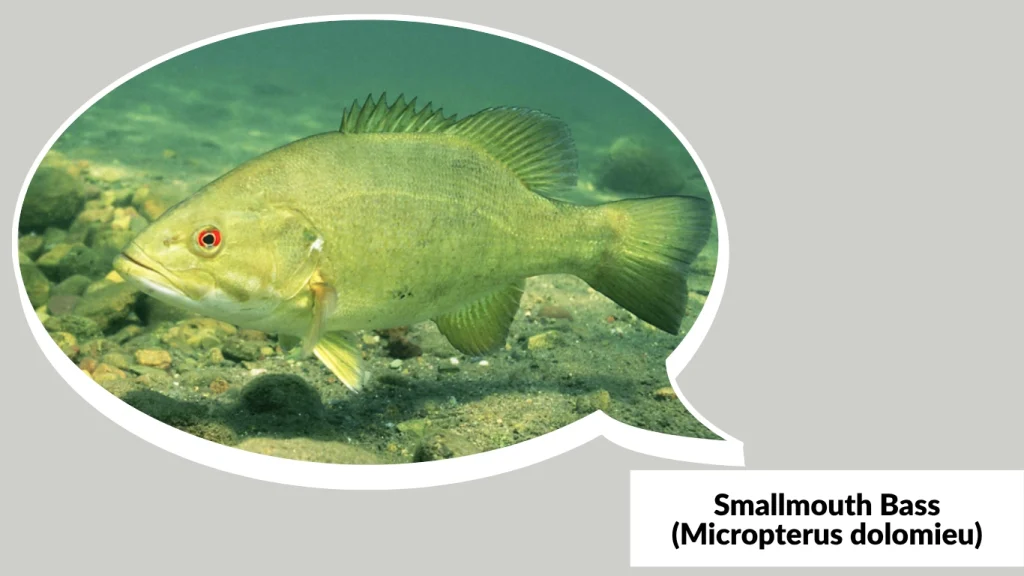
The smallmouth bass is a prized freshwater sport fish known for its spirited fight, acrobatic jumps, and adaptability to cooler, clearer waters compared to its largemouth relative. Anglers often refer to them as “bronze backs” due to their rich brownish coloration.
Identification
- Common Name: Smallmouth Bass
- Scientific Name: Micropterus dolomieu
- Size: Typically 10–20 inches, weighing 1–4 lbs (record catches can exceed 10 lbs)
- Color: Bronze to brown body with vertical dark bars on the sides
- Shape: More streamlined and smaller mouth compared to largemouth bass; mouth ends before the eye
- Habitat Type: Freshwater rivers, streams, and lakes with rocky or sandy bottoms
Habitat and Distribution
Native to the Great Lakes and Mississippi River basin in North America, smallmouth bass have been introduced to many parts of the U.S., Canada, and even overseas. They prefer cool, clear, and oxygen-rich waters, often found near rock piles, gravel beds, and submerged structures.
Behavior and Diet
Smallmouth bass are aggressive feeders, preying on crayfish, minnows, aquatic insects, and small fish. They are most active in the early morning and late evening, often patrolling shallower waters during feeding periods.
3. Spotted Bass (Micropterus punctulatus)

Spotted bass, sometimes called “Kentucky bass,” are a close relative of the largemouth and smallmouth bass, but with distinct features that set them apart. They are known for their strong fight, making them a popular target for competitive anglers.
Identification
- Common Name: Spotted Bass / Kentucky Bass
- Scientific Name: Micropterus punctulatus
- Size: Typically 10–18 inches, weighing 1–3 lbs (larger individuals can exceed 7 lbs)
- Color: Olive-green to brown with small black spots along the sides and a broken horizontal stripe
- Shape: Similar body shape to largemouth bass but with a smaller mouth and rough patch on the tongue
- Habitat Type: Freshwater rivers, reservoirs, and lakes with clear to slightly turbid water
Habitat and Distribution
Native to the Mississippi River basin and southeastern U.S., spotted bass thrive in moderate to fast-moving waters, often around submerged timber, rocky banks, and ledges.
Behavior and Diet
Spotted bass feed on shad, minnows, crayfish, and aquatic insects. They are aggressive and often school together, making them a fun challenge for anglers using crankbaits, spinnerbaits, or soft plastics.
4. Guadalupe Bass (Micropterus treculii)
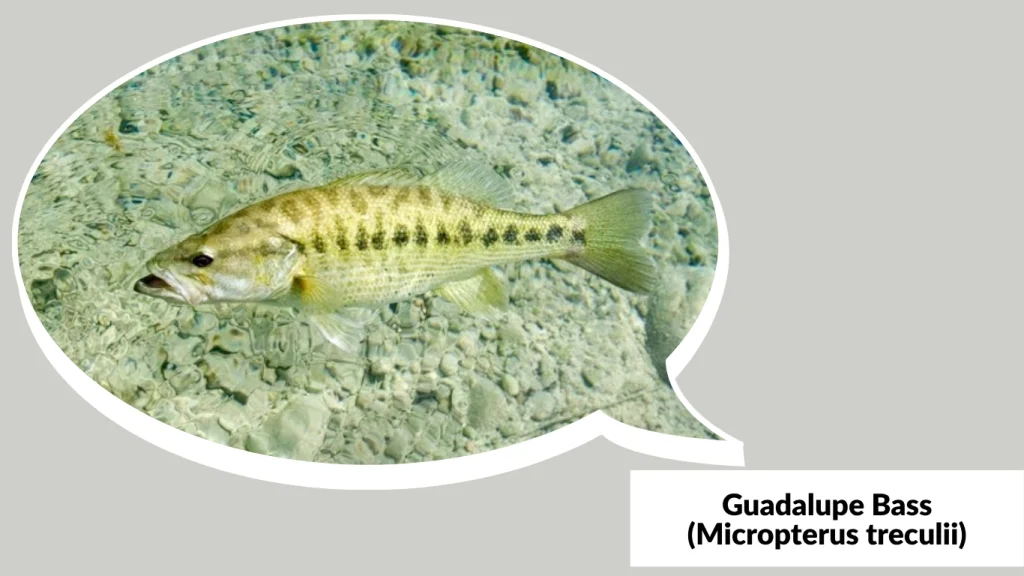
The Guadalupe bass is the official state fish of Texas and is prized for its spirited fight despite its smaller size. It is closely related to the spotted bass and thrives in clear, fast-flowing streams, making it a favorite among river anglers. Conservation efforts have been crucial in protecting its limited range.
Identification
- Common Name: Guadalupe Bass
- Scientific Name: Micropterus treculii
- Size: Typically 8–16 inches, weighing 1–3 lbs
- Color: Olive-green to yellowish body with diamond-shaped markings along the sides
- Shape: Slender, elongated body with a mouth ending before the eye
- Habitat Type: Freshwater rivers and streams with rocky or gravel bottoms
Habitat and Distribution
Endemic to Texas, especially in the Edwards Plateau region, including the Guadalupe, Colorado, and San Antonio River systems. They prefer clear, cool streams with moderate to swift currents.
Behavior and Diet
Guadalupe bass feed on small fish, crayfish, and aquatic insects. They are active predators, often striking lures like small crankbaits, spinnerbaits, and flies. Hybridization with introduced smallmouth bass has been a conservation concern, leading to restocking and habitat restoration programs.
5. Alabama Bass (Micropterus henshalli)

The Alabama bass is a relatively new recognized species, separated from the spotted bass group in 2008. Known for its aggressive feeding and adaptability, it can outcompete native bass species in certain waters, which has made it both a sportfishing favorite and a management challenge.
Identification
- Common Name: Alabama Bass
- Scientific Name: Micropterus henshalli
- Size: Typically 12–18 inches, weighing 1–5 lbs (can reach 7+ lbs)
- Color: Olive-green body with dark blotches forming a broken stripe along the sides
- Shape: Similar to spotted bass but generally larger with a deeper body
- Habitat Type: Freshwater reservoirs, rivers, and large creeks
Habitat and Distribution
Native to the Mobile River Basin in Alabama, Georgia, and Mississippi. Due to intentional and accidental introductions, they are now found in many other southeastern and western U.S. waters, where they can hybridize with and displace other black bass species.
Behavior and Diet
Alabama bass feed on shad, minnows, crayfish, and aquatic insects. They are aggressive hunters that often school, making them easier to target with lures like swimbaits, jerkbaits, and topwater plugs. They are known for their strong fight relative to size.
6. Florida Bass (Micropterus floridanus)

The Florida bass, also called the Florida largemouth bass, is a subspecies of largemouth bass known for its exceptional growth potential and trophy size. It is a favorite target for anglers seeking record-breaking catches, particularly in southern U.S. waters.
Identification
- Common Name: Florida Bass / Florida Largemouth Bass
- Scientific Name: Micropterus floridanus
- Size: Commonly 14–26 inches, weighing 2–8 lbs, but can exceed 20 lbs in optimal conditions
- Color: Olive-green body with a prominent dark horizontal stripe along the sides
- Shape: Large, elongated body with a very wide mouth extending past the eye
- Habitat Type: Freshwater lakes, ponds, rivers, and canals with warm water and abundant vegetation
Habitat and Distribution
Native to Florida and parts of the southeastern United States, but widely stocked in warm climates worldwide, including California, Texas, Japan, and South Africa, due to their large size and sportfishing appeal.
Behavior and Diet
Florida bass are ambush predators feeding on fish, crayfish, frogs, and even small birds or mammals. They thrive in warm, vegetated waters and are often targeted using topwater lures, big swimbaits, and live bait for trophy catches.
7. Redeye Bass (Micropterus coosae)

The redeye bass is a smaller, lesser-known member of the black bass family, appreciated for its beauty and spirited fight. It is easily identified by its distinct reddish eyes and vibrant coloration, especially during spawning.
Identification
- Common Name: Redeye Bass
- Scientific Name: Micropterus coosae
- Size: Typically 8–15 inches, weighing 0.5–2 lbs
- Color: Olive-green to bronze with red or orange eyes and irregular vertical blotches on the sides
- Shape: Slender body with a mouth ending just before the eye
- Habitat Type: Freshwater rivers and streams with rocky, sandy, or gravel bottoms
Habitat and Distribution
Native to the Coosa River system in Alabama, Georgia, and South Carolina. Prefers cool, clear streams with moderate to fast current.
Behavior and Diet
Feeds on small fish, crayfish, and aquatic insects. Redeye bass are aggressive feeders for their size and will strike a variety of lures, including small crankbaits, spinnerbaits, and soft plastics. They are often targeted by anglers seeking an active fight in scenic, shallow river environments.
8. Suwannee Bass (Micropterus notius)

The Suwannee bass is a rare and localized black bass species, admired for its vibrant coloration and strong fight relative to its small size. Its limited range makes it a special catch for anglers in Florida and Georgia.
Identification
- Common Name: Suwannee Bass
- Scientific Name: Micropterus notius
- Size: Typically 8–12 inches, weighing 0.5–2 lbs
- Color: Dark olive-green to bronze with irregular blotches along the sides; males in spawning season often show bright turquoise coloring on the cheeks and throat
- Shape: Compact, muscular body with a smaller mouth compared to largemouth bass
- Habitat Type: Freshwater rivers and streams with limestone bottoms and clear, flowing water
Habitat and Distribution
Endemic to the Suwannee and Ochlockonee River systems in northern Florida and southern Georgia. Prefers cool, spring-fed rivers with moderate current and abundant rock cover.
Behavior and Diet
Feeds on crayfish, minnows, and aquatic insects. Known for its aggressive strikes and stamina during the fight. Conservation efforts are important as its limited range makes it vulnerable to habitat changes and pollution.
9. Shoal Bass (Micropterus cataractae)

The shoal bass is one of the most sought-after river bass species due to its aggressive nature, beautiful markings, and preference for challenging habitats. It is often mistaken for smallmouth bass but is genetically distinct.
Identification
- Common Name: Shoal Bass
- Scientific Name: Micropterus cataractae
- Size: Typically 12–20 inches, weighing 1–5 lbs, with trophy fish exceeding 8 lbs
- Color: Olive to bronze body with distinct vertical bars; lacks a tooth patch on the tongue (unlike spotted bass)
- Shape: Streamlined, muscular body suited for strong currents
- Habitat Type: Freshwater rivers with rocky shoals and swift currents
Habitat and Distribution
Native to the Apalachicola River basin in Georgia, Alabama, and Florida. Found primarily around rocky shoals, ledges, and fast-moving water.
Behavior and Diet
Shoal bass are opportunistic predators feeding on crayfish, shad, and aquatic insects. They are known for their explosive topwater strikes and strength, making them a favorite for anglers who enjoy river fishing. Conservation concerns exist due to habitat fragmentation and hybridization with other bass species.
10. Choctaw Bass (Micropterus haiaka)
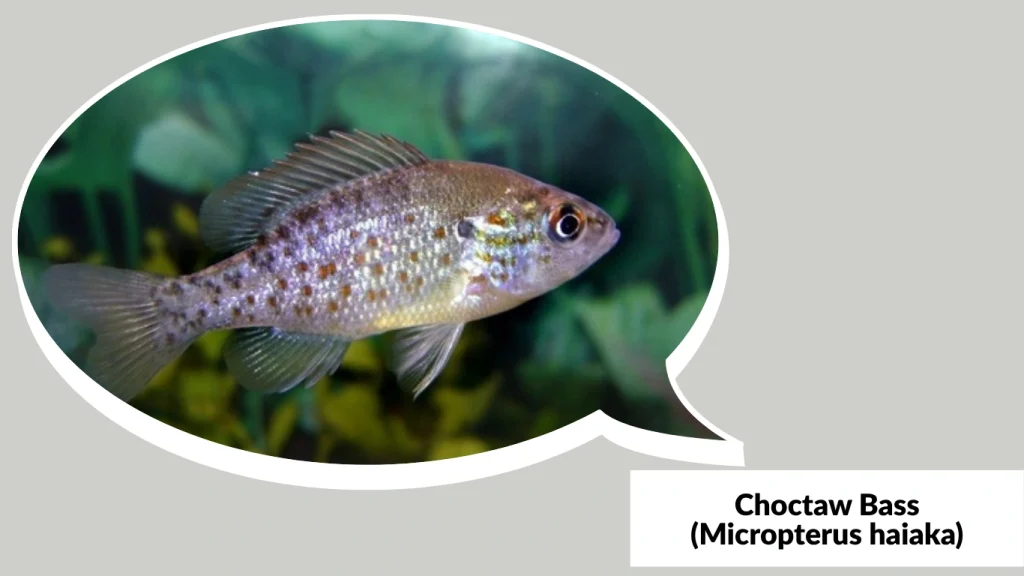
The Choctaw bass is one of the newest recognized black bass species, officially described in 2013. Closely related to the spotted bass, it was previously overlooked due to its similar appearance but is now valued for its unique genetics and localized range.
Identification
- Common Name: Choctaw Bass
- Scientific Name: Micropterus haiaka
- Size: Typically 10–16 inches, weighing 1–3 lbs
- Color: Olive-green body with a broken horizontal stripe of dark blotches; faint vertical bars along the sides
- Shape: Similar to spotted bass but slightly more slender; small tooth patch present on the tongue
- Habitat Type: Freshwater rivers and streams with moderate flow and clear water
Habitat and Distribution
Endemic to the Choctawhatchee and Yellow River systems in Florida and Alabama. Prefers cool, clear streams with sandy or rocky bottoms and submerged woody cover.
Behavior and Diet
Feeds primarily on small fish, crayfish, and aquatic insects. Choctaw bass are aggressive feeders that respond well to soft plastics, crankbaits, and live bait. Their limited distribution makes them a unique and prized catch for dedicated anglers.
11. Striped Bass (Morone saxatilis)

The striped bass is a highly prized game fish, both in freshwater and saltwater environments. Known for its powerful runs, large size, and striking striped pattern, it is a favorite for both commercial and sport anglers.
Identification
- Common Name: Striped Bass / Striper
- Scientific Name: Morone saxatilis
- Size: Commonly 20–40 inches, weighing 10–30 lbs; trophy fish can exceed 60 lbs
- Color: Silvery body with 7–9 horizontal black stripes running from head to tail
- Shape: Streamlined, elongated body built for speed and endurance
- Habitat Type: Anadromous—spawning in freshwater rivers, feeding in coastal and offshore waters
Habitat and Distribution
Native to the Atlantic coast of North America, from Florida to Canada, and inland rivers such as the Hudson and Chesapeake Bay tributaries. They have been successfully introduced to many freshwater reservoirs across the U.S.
Behavior and Diet
Striped bass feed on menhaden, herring, shad, and squid. They are powerful hunters, often chasing baitfish into shallow waters, making them ideal targets for trolling, casting lures, or live bait fishing. They are also known for seasonal migrations that anglers eagerly anticipate.
12. White Bass (Morone chrysops)
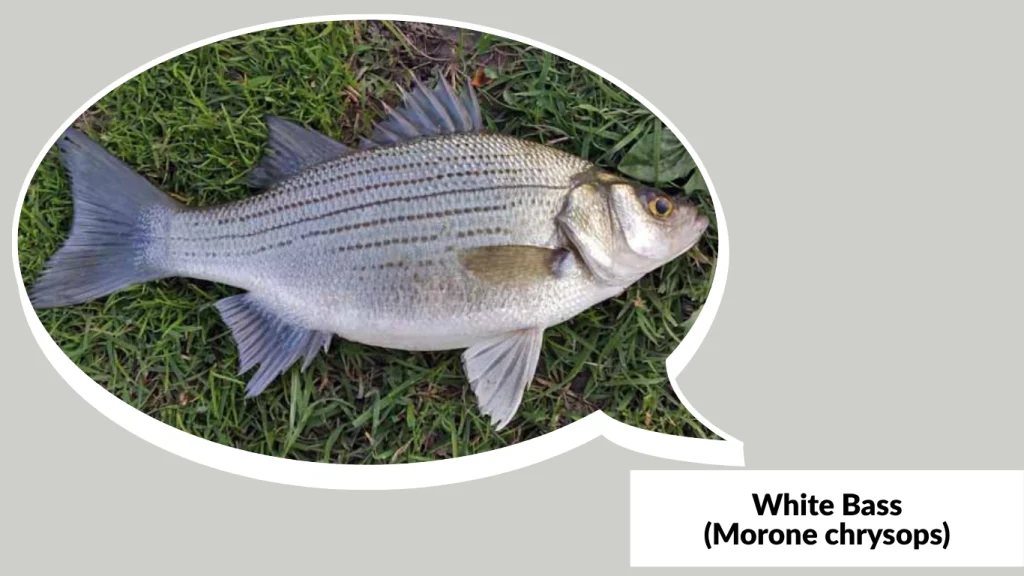
The white bass is a schooling game fish known for its energetic fight and abundance in many freshwater systems. Popular with both recreational and commercial fishers, it’s often targeted during its spring spawning runs when large numbers gather in shallow waters.
Identification
- Common Name: White Bass
- Scientific Name: Morone chrysops
- Size: Typically 10–15 inches, weighing 1–3 lbs
- Color: Silvery-white body with faint horizontal stripes along the sides
- Shape: Deep, laterally compressed body with a slightly forked tail
- Habitat Type: Freshwater lakes, reservoirs, and rivers
Habitat and Distribution
Native to the central United States, particularly in the Mississippi River basin, the Great Lakes, and connected waterways. They have also been stocked in many reservoirs and lakes across North America.
Behavior and Diet
White bass are schooling predators that feed on shad, minnows, and aquatic insects. They are most active during low-light periods and are known for their aggressive strikes. During the spring spawn, they migrate upstream into rivers and tributaries, creating excellent opportunities for shore and boat anglers.
13. Yellow Bass (Morone mississippiensis)

The yellow bass is a smaller relative of the white and striped bass, recognized for its golden-yellow hue and smaller size. While not as large as other bass species, it is valued by anglers for its scrappy fight and abundance in certain regions.
Identification
- Common Name: Yellow Bass
- Scientific Name: Morone mississippiensis
- Size: Typically 6–12 inches, weighing 0.5–1.5 lbs
- Color: Silvery-golden body with distinct yellow tint and broken horizontal stripes
- Shape: Deep, laterally compressed body with a forked tail
- Habitat Type: Freshwater rivers, lakes, and reservoirs
Habitat and Distribution
Native to the Mississippi River basin, especially in states like Mississippi, Arkansas, Missouri, and Tennessee. They prefer slow-moving or still waters with sandy or muddy bottoms.
Behavior and Diet
Yellow bass feed on small fish, insect larvae, and crustaceans. They often school in large numbers, making them easier to catch in quantity. Active throughout the year, they are especially aggressive in cooler months, biting on small jigs, minnows, and spinners.
14. Black Sea Bass (Centropristis striata)
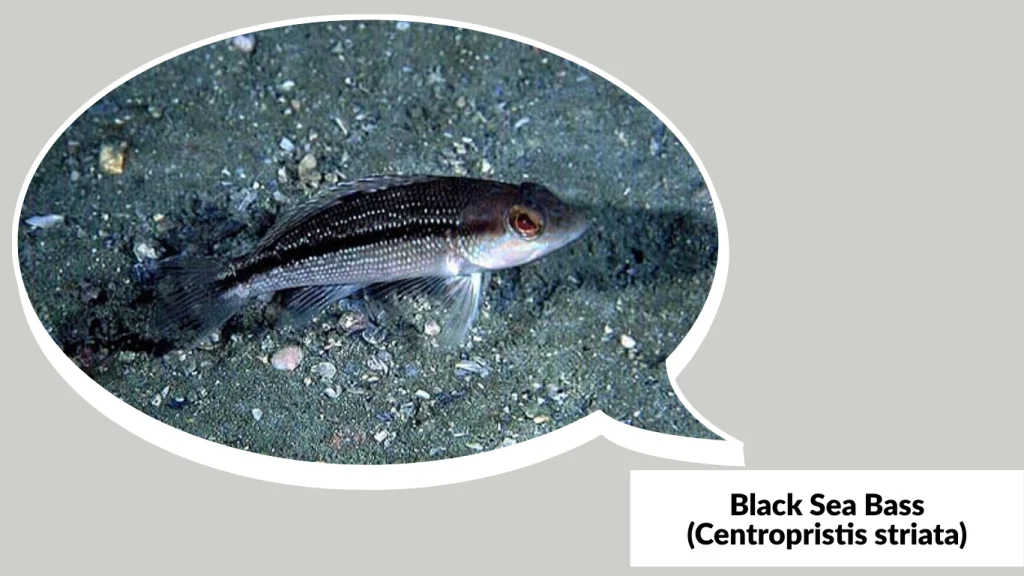
The black sea bass is a popular saltwater game and food fish, known for its tasty, flaky flesh and striking appearance. Despite its name, it’s not a true bass but belongs to the grouper family. It is highly sought after by both recreational and commercial fisheries along the U.S. Atlantic coast.
Identification
- Common Name: Black Sea Bass
- Scientific Name: Centropristis striata
- Size: Typically 10–20 inches, weighing 1–5 lbs; larger specimens can exceed 8 lbs
- Color: Dark gray to black body with lighter undersides; males develop a pronounced hump and iridescent blue-green highlights during spawning
- Shape: Stout, elongated body with a continuous dorsal fin and rounded tail in juveniles (square in adults)
- Habitat Type: Coastal saltwater reefs, rocky bottoms, and wrecks
Habitat and Distribution
Found along the western Atlantic coast from Maine to Florida, with the highest abundance between Massachusetts and North Carolina. They prefer structured habitats such as reefs, shipwrecks, and rocky ledges in depths of 20–150 feet.
Behavior and Diet
Black sea bass are opportunistic feeders, preying on crabs, shrimp, squid, and small fish. They are protogynous hermaphrodites, meaning they start life as females and can change into males as they grow larger. This species is most actively targeted during warmer months when they move closer to shore.
15. Giant Sea Bass (Stereolepis gigas)

The giant sea bass is an impressive and massive saltwater fish, renowned for its sheer size and power. Despite its name, it is not a true bass but is instead related to groupers. Once heavily overfished, strict protections have allowed populations to slowly recover, making encounters with these giants a rare and memorable experience for divers and anglers.
Identification
- Common Name: Giant Sea Bass
- Scientific Name: Stereolepis gigas
- Size: Commonly 4–7 feet long, weighing 200–500 lbs (recorded specimens over 800 lbs)
- Color: Dark gray to black with small white spots; juveniles are orange with dark bars
- Shape: Very large, deep-bodied fish with a massive head and broad tail
- Habitat Type: Coastal rocky reefs, kelp forests, and offshore pinnacles
Habitat and Distribution
Native to the northeastern Pacific Ocean, found from northern California to Baja California, Mexico. They prefer rocky bottoms, kelp forests, and areas with abundant prey, typically at depths of 20–150 feet, but can go deeper.
Behavior and Diet
Giant sea bass are apex predators, feeding on fish, lobsters, crabs, squid, and octopus. They are generally slow-moving but can make powerful lunges when attacking prey. Due to their size and longevity (living over 70 years), they are highly susceptible to overfishing, which is why they are now protected in U.S. waters.
16. European Sea Bass (Dicentrarchus labrax)
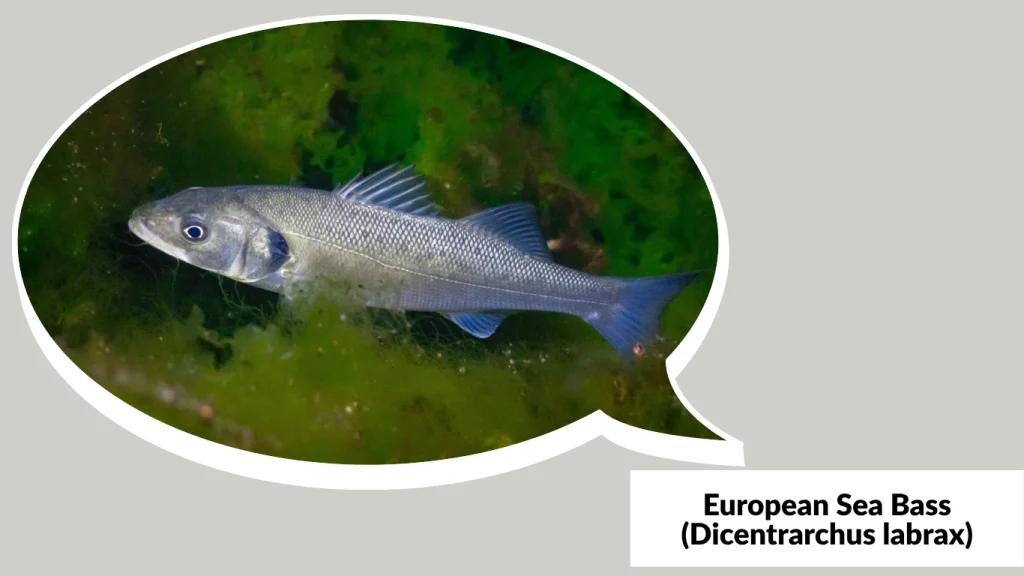
The European sea bass is a prized saltwater game and table fish, admired for its mild, delicate flavor and popularity in Mediterranean cuisine. Known for its versatility in cooking and strong fight when hooked, it is a favorite among both commercial fishers and recreational anglers.
Identification
- Common Name: European Sea Bass
- Scientific Name: Dicentrarchus labrax
- Size: Typically 16–28 inches, weighing 2–15 lbs (exceptional specimens can exceed 20 lbs)
- Color: Silvery body with a bluish or gray back and white belly; faint spots may be present on the back in juveniles
- Shape: Streamlined, elongated body with a slightly forked tail
- Habitat Type: Coastal and estuarine waters, occasionally venturing into freshwater
Habitat and Distribution
Found along the eastern Atlantic coast from Norway to Senegal, including the Mediterranean Sea and parts of the Black Sea. Prefers rocky shores, sandy bays, and estuaries, often in shallow waters less than 100 feet deep.
Behavior and Diet
European sea bass are opportunistic predators, feeding on small fish, crustaceans, and squid. They are often caught using live bait, lures, or fly fishing techniques. Highly migratory, they move to warmer southern waters in winter and return north in summer for feeding.
17. Spotted Sea Bass (Lateolabrax maculatus)

The spotted sea bass is a strong, fast saltwater predator popular among anglers in East Asia. It is known for its aggressive strikes, good fighting ability, and high-quality meat, making it both a sport and commercial fishing target.
Identification
- Common Name: Spotted Sea Bass
- Scientific Name: Lateolabrax maculatus
- Size: Typically 12–24 inches, weighing 1–6 lbs
- Color: Silvery body with dark spots scattered along the upper sides and back; darker dorsal area with lighter belly
- Shape: Streamlined, elongated body with a slightly forked tail
- Habitat Type: Coastal waters, estuaries, and brackish river mouths
Habitat and Distribution
Native to the western Pacific Ocean, particularly along the coasts of China, Korea, and Japan. They inhabit shallow coastal areas, rocky reefs, and river estuaries, often moving between saltwater and brackish environments.
Behavior and Diet
Spotted sea bass are active predators feeding on small fish, shrimp, and squid. They are most active during dawn and dusk, often ambushing prey in tidal currents. Popular fishing methods include lure casting, jigging, and live bait fishing near rocky structures and harbor walls.
18. Japanese Sea Bass (Lateolabrax japonicus)
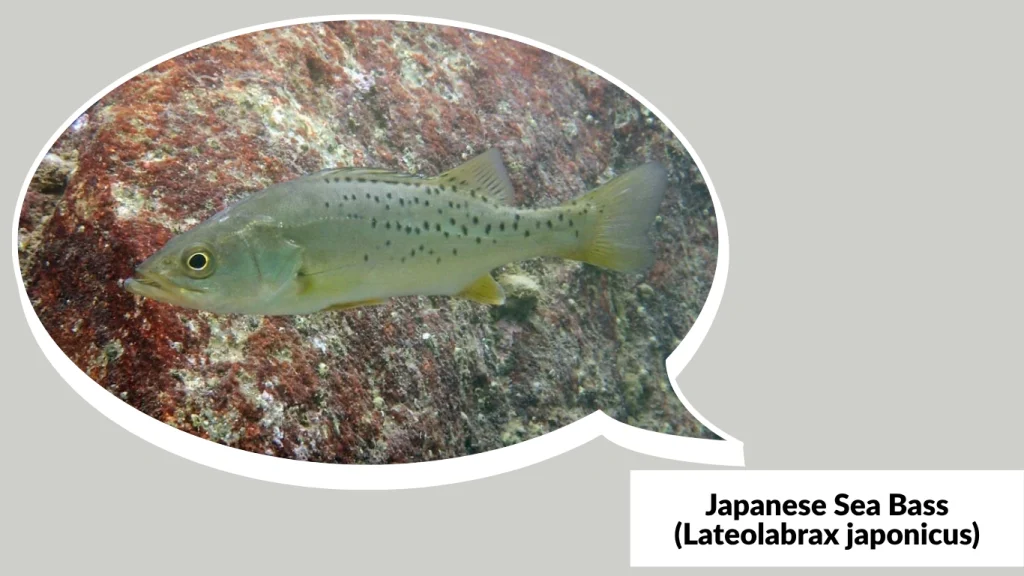
The Japanese sea bass is a prized game fish in East Asia, highly regarded for its powerful fight and culinary quality. It is closely related to the spotted sea bass but typically grows larger and is a key target for both inshore and offshore anglers.
Identification
- Common Name: Japanese Sea Bass
- Scientific Name: Lateolabrax japonicus
- Size: Typically 20–35 inches, weighing 4–15 lbs (record fish can exceed 40 lbs)
- Color: Silvery body with a bluish-gray back and a lighter belly; faint small spots may be present in juveniles but fade with age
- Shape: Long, streamlined body with a slightly forked tail and a large mouth
- Habitat Type: Coastal waters, estuaries, and tidal rivers
Habitat and Distribution
Native to the northwestern Pacific Ocean, found mainly around Japan, Korea, and parts of China. They frequent rocky shorelines, reefs, harbor areas, and river mouths, often migrating seasonally between offshore and inshore waters.
Behavior and Diet
Japanese sea bass are active predators feeding on anchovies, sardines, shrimp, and squid. They are popular targets for lure fishing, especially with topwater plugs and minnows during feeding frenzies. Their peak activity often occurs at night or during tidal changes, making them a favorite among dedicated sport anglers.
19. Rock Bass (Ambloplites rupestris)

The rock bass is a small but feisty freshwater fish, well-known among panfish anglers for its aggressiveness and willingness to bite a variety of baits. Despite its name, it is not a true bass but belongs to the sunfish family.
Identification
- Common Name: Rock Bass
- Scientific Name: Ambloplites rupestris
- Size: Typically 6–12 inches, weighing 0.5–1.5 lbs
- Color: Olive-green to golden-brown body with dark mottling; red eyes are a distinctive feature
- Shape: Deep, laterally compressed body with spiny dorsal fins
- Habitat Type: Freshwater lakes, rivers, and streams with rocky or gravel bottoms
Habitat and Distribution
Native to the Great Lakes, Hudson Bay, and Mississippi River basins, rock bass have been introduced to many areas across North America. They prefer clear waters with rocky or sandy substrates, often found near submerged logs, docks, and aquatic vegetation.
Behavior and Diet
Rock bass are opportunistic feeders, consuming insects, crayfish, small fish, and worms. They are aggressive biters and can be caught on live bait, small spinners, jigs, and flies. Active during the day, they often school in small groups around rocky structures.
20. Peacock Bass (Cichla ocellaris)
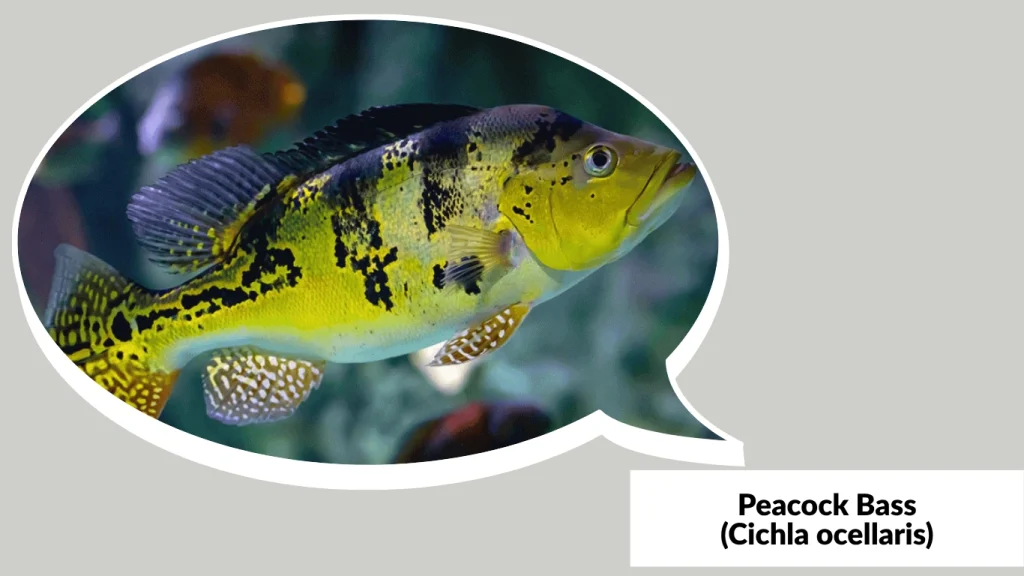
The peacock bass is a strikingly colorful and powerful freshwater predator, highly prized by sport anglers for its aggressive strikes and incredible fighting ability. Despite its name, it is not a true bass but a member of the cichlid family.
Identification
- Common Name: Peacock Bass
- Scientific Name: Cichla ocellaris
- Size: Typically 12–24 inches, weighing 2–8 lbs; trophy specimens can exceed 20 lbs
- Color: Bright yellow to golden body with dark vertical bars and a distinctive black spot (ocellus) on the tail, surrounded by a yellow or orange ring
- Shape: Elongated, muscular body with a large mouth and slightly forked tail
- Habitat Type: Freshwater rivers, lakes, and reservoirs in warm climates
Habitat and Distribution
Native to the Amazon and Orinoco River basins in South America but introduced to parts of the United States (notably Florida) and other tropical regions for sport fishing. They prefer warm, slow-moving or still waters with submerged structures.
Behavior and Diet
Peacock bass are fierce predators that primarily feed on smaller fish but will also take crustaceans and insects. Known for their explosive topwater strikes, they are most often caught using live bait, jerkbaits, and surface lures. Their strength and endurance make them one of the most exciting freshwater game fish to catch.
21. Butterfly Peacock Bass (Cichla ocellaris)
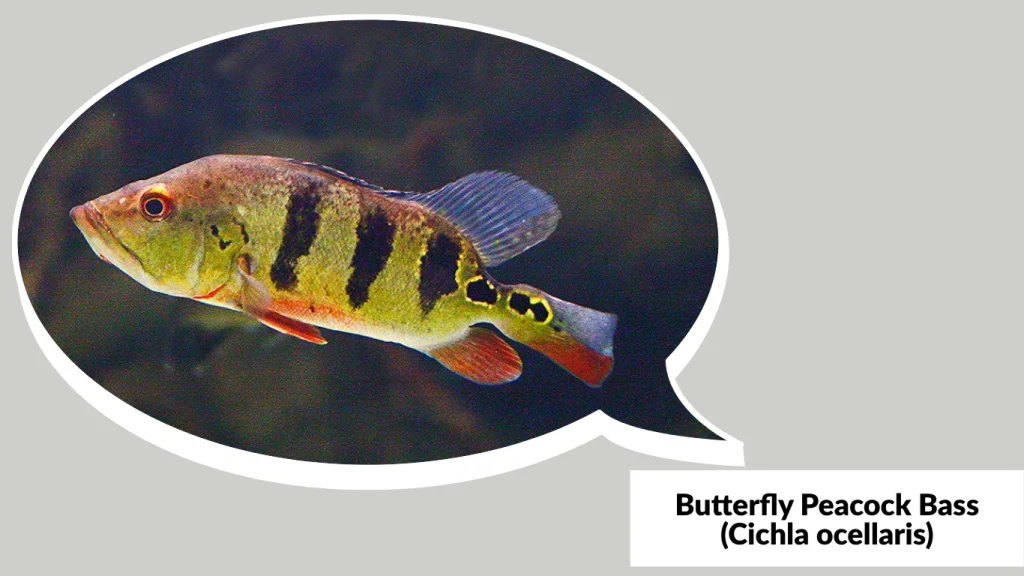
The butterfly peacock bass is a vibrant and aggressive freshwater predator, closely related to other peacock bass species but smaller in size. Introduced to certain regions for sport fishing, it has become a favorite among anglers due to its striking appearance and fierce fight.
Identification
- Common Name: Butterfly Peacock Bass
- Scientific Name: Cichla ocellaris
- Size: Typically 14–22 inches, weighing 2–7 lbs
- Color: Golden-yellow to greenish body with three dark vertical bars and a black tail spot (ocellus) rimmed in orange or yellow
- Shape: Streamlined, muscular body with a large mouth and slightly forked tail
- Habitat Type: Warm freshwater lakes, canals, and slow-moving rivers
Habitat and Distribution
Native to the Amazon and Orinoco River basins in South America but introduced to South Florida in the 1980s for sport fishing and to control invasive fish species. They thrive in warm, clear waters with submerged vegetation or rocky cover.
Behavior and Diet
Butterfly peacock bass are ambush predators, feeding mainly on smaller fish such as shad, tilapia, and minnows. They are known for aggressive topwater strikes, especially in the early morning and late afternoon. Popular lures include jerkbaits, surface plugs, and live baitfish.
22. Orinoco Peacock Bass (Cichla orinocensis)

The Orinoco peacock bass is a large, hard-fighting freshwater predator native to South America. It is admired for its powerful runs, striking coloration, and popularity among trophy anglers seeking a challenging catch in exotic fishing destinations.
Identification
- Common Name: Orinoco Peacock Bass
- Scientific Name: Cichla orinocensis
- Size: Typically 15–30 inches, weighing 5–15 lbs; trophy specimens can exceed 20 lbs
- Color: Golden to olive-green body with three bold black vertical bars and a distinctive black tail spot (ocellus) rimmed in gold or orange
- Shape: Elongated, muscular body with a large mouth and slightly forked tail
- Habitat Type: Freshwater rivers, floodplains, and lagoons in tropical climates
Habitat and Distribution
Native to the Orinoco River basin in Venezuela and Colombia. Prefers slow-moving backwaters, lagoons, and flooded forests rich in cover such as submerged trees and vegetation.
Behavior and Diet
Orinoco peacock bass are apex predators, feeding mainly on smaller fish but also on crustaceans and insects. They are aggressive hunters, often striking surface lures with explosive force. Anglers target them with topwater plugs, jerkbaits, and live bait for thrilling fights and trophy catches.
23. Speckled Peacock Bass (Cichla temensis)
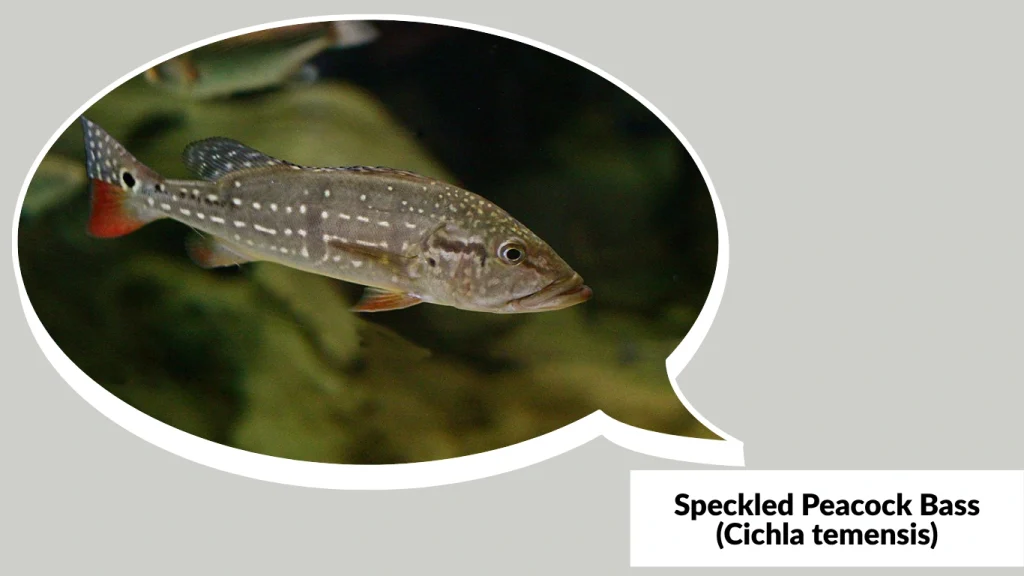
The speckled peacock bass is the largest and most powerful of all peacock bass species, sought after by trophy anglers for its incredible size, beauty, and aggressive nature. It is considered one of the top freshwater game fish in the world.
Identification
- Common Name: Speckled Peacock Bass
- Scientific Name: Cichla temensis
- Size: Typically 20–36 inches, weighing 10–25 lbs; record specimens exceed 30 lbs
- Color: Two distinct phases—spawning phase features vivid yellow-orange body with three dark vertical bars; non-spawning phase shows a dark, speckled green body with white spots
- Shape: Long, muscular body with a slightly forked tail and large mouth
- Habitat Type: Warm freshwater rivers, lagoons, and floodplain lakes
Habitat and Distribution
Native to the Rio Negro, Orinoco, and other major river systems in Brazil, Venezuela, and Colombia. Prefers slow-moving or still waters with submerged trees, root systems, and deep pools.
Behavior and Diet
The speckled peacock bass is a ferocious predator, feeding mainly on baitfish such as tetras and sardines. Known for explosive surface strikes, blistering runs, and acrobatic jumps, they are best targeted with topwater lures, large swimbaits, and live bait. Their immense strength makes them a bucket-list catch for serious anglers.
24. White Perch (Morone americana)

The white perch is a small, silvery fish often mistaken for a young striped bass, though it is actually a member of the temperate bass family. Despite its name, it is not a true perch. It is popular among anglers for its abundance, ease of catching, and mild, flaky meat.
Identification
- Common Name: White Perch
- Scientific Name: Morone americana
- Size: Typically 8–12 inches, weighing 0.5–1.5 lbs
- Color: Silvery-white body with a faint greenish or gray back and no distinct stripes
- Shape: Deep, laterally compressed body with a slightly forked tail
- Habitat Type: Freshwater lakes, rivers, estuaries, and brackish coastal waters
Habitat and Distribution
Native to the Atlantic coast of North America, ranging from South Carolina to Nova Scotia, and found inland in many lakes and rivers. They thrive in both fresh and brackish waters, often in slow-moving or still environments.
Behavior and Diet
White perch are opportunistic feeders, consuming small fish, insects, and crustaceans. They often form large schools, making them easy to locate and catch in quantity. They bite readily on worms, minnows, jigs, and small spinners, making them a favorite target for family and recreational fishing trips.
25. Temperate Bass (Morone species group)

The term “temperate bass” refers to a group of closely related fish in the genus Morone, which includes popular game fish such as striped bass, white bass, and yellow bass. These species are known for their adaptability to varying water conditions, strong fights, and importance in both recreational and commercial fishing.
Identification
- Common Name: Temperate Bass (group)
- Scientific Name: Morone spp.
- Size: Varies greatly by species—from 8–12 inches for yellow bass to over 40 inches for striped bass
- Color: Generally silvery with darker backs and, in many species, horizontal stripes
- Shape: Deep, laterally compressed bodies with slightly forked tails
- Habitat Type: Freshwater lakes, rivers, estuaries, and coastal waters, depending on species
Habitat and Distribution
Temperate bass are native to North America, with species found along the Atlantic coast, in the Mississippi River basin, and in inland lakes and reservoirs. Some are anadromous, migrating between saltwater and freshwater, while others live entirely in freshwater.
Behavior and Diet
These bass are schooling predators that feed on smaller fish, shad, crustaceans, and insects. They are active hunters, often chasing baitfish to the surface, creating exciting fishing opportunities. Anglers target them using live bait, spoons, crankbaits, and topwater lures, especially during seasonal runs or feeding frenzies.