




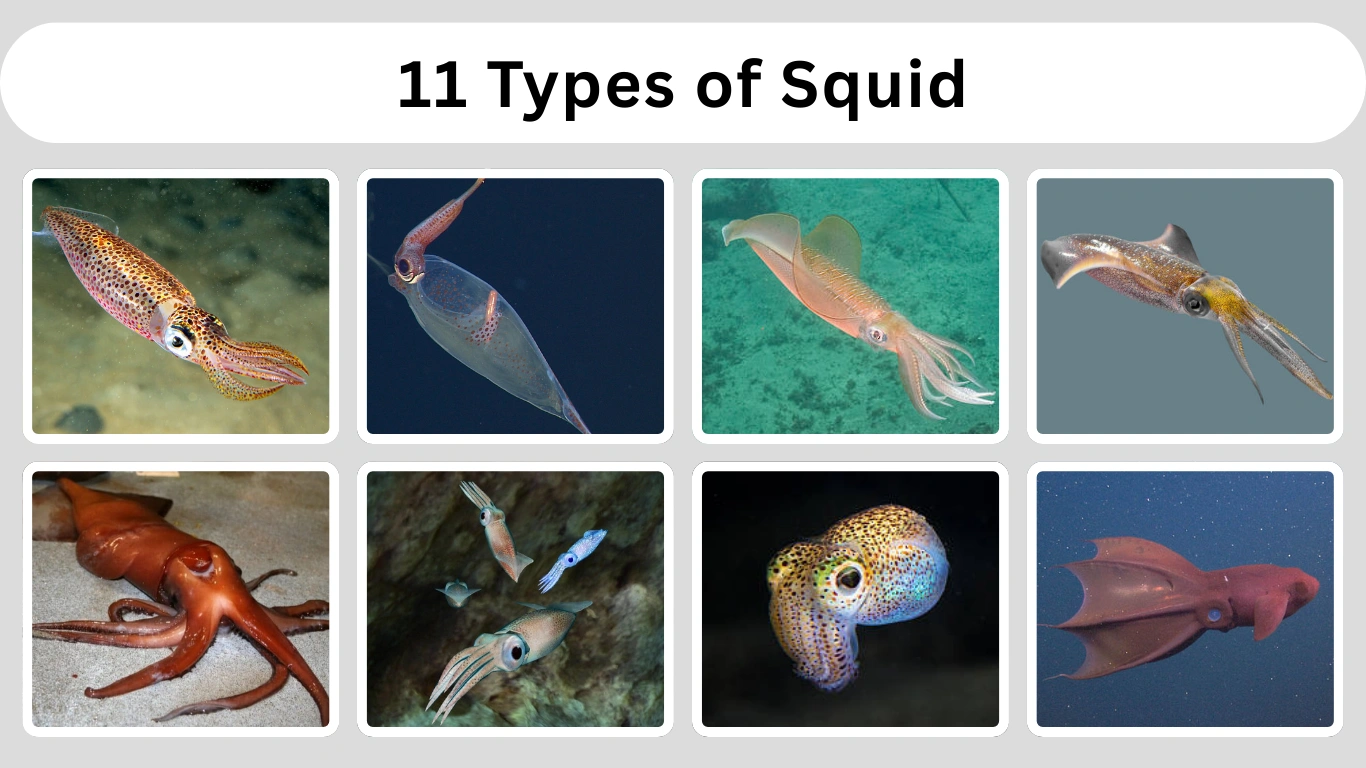
Squid are intelligent, fast-moving cephalopods found in oceans around the world, ranging from shallow coral reefs to the deepest parts of the sea. Known for their advanced eyes, jet propulsion, and rapid color-changing abilities, squid play a vital role in marine ecosystems as both predators and prey. This guide introduces 11 notable types of squid, highlighting their diversity in size, behavior, habitat, and unique adaptations.
1. Giant Squid (Architeuthis dux)

The giant squid is one of the largest and most mysterious invertebrates on Earth. Living in deep ocean waters, it is rarely seen alive and has long been the subject of maritime legends and scientific fascination.
Identification
- Extremely long body with two extended feeding tentacles
- Total length can exceed 40 feet
- Large mantle with triangular fins at the rear
- Massive eyes, each up to 10 inches wide
Habitat and Distribution
Giant squids inhabit deep ocean waters worldwide, usually at depths of 1,000 to 3,000 feet. They are most commonly found in the Atlantic, Pacific, and Indian Oceans, far from coastal areas.
Behavior and Diet
They are ambush predators that feed mainly on deep-sea fish and other squid. Using their long tentacles, they grasp prey and pull it toward their sharp, beak-like mouth.
Size and Adaptations
The giant squid’s enormous eyes help it detect faint light in the deep sea. Its large size and powerful tentacles make it one of the top predators in its dark, high-pressure environment.
2. Colossal Squid (Mesonychoteuthis hamiltoni)

The colossal squid is the heaviest squid species ever discovered and is considered the largest invertebrate by mass. It is even bulkier than the giant squid and is perfectly adapted to the extreme cold of deep Antarctic waters.
Identification
- Shorter but much thicker body than the giant squid
- Large, broad mantle with strong fins
- Arms and tentacles lined with rotating hooks
- Biggest eyes in the animal kingdom
Habitat and Distribution
Colossal squids live in the deep, cold waters of the Southern Ocean surrounding Antarctica. They are typically found at depths ranging from 1,000 to over 7,000 feet.
Behavior and Diet
They are powerful ambush predators that feed on large fish such as Patagonian toothfish and other squid. Their hooked arms help them securely capture struggling prey.
Size and Strength
Although shorter than the giant squid, the colossal squid is far heavier, with individuals weighing over 1,000 pounds. Its muscular build makes it a dominant predator in Antarctic deep-sea ecosystems.
3. Humboldt Squid (Dosidicus gigas)

The Humboldt squid, also known as the jumbo squid, is a large and aggressive species famous for its intelligence and rapid color changes. It is commonly found in large groups and is one of the most studied squid species.
Identification
- Reddish-brown to deep purple body coloration
- Mantle length usually 2–4 feet
- Eight arms and two long feeding tentacles with suckers
- Powerful, muscular build
Habitat and Distribution
Humboldt squid inhabit the eastern Pacific Ocean, from Chile to California. They prefer deep offshore waters but often migrate toward the surface at night.
Behavior and Diet
They are active hunters that feed on fish, crustaceans, and other squid. Humboldt squid hunt cooperatively in schools and communicate using rapid flashes of color.
Intelligence and Aggression
This species shows complex behaviors, including problem-solving and coordinated attacks. Its strong beak and speed make it a formidable predator in its range.
4. Vampire Squid (Vampyroteuthis infernalis)
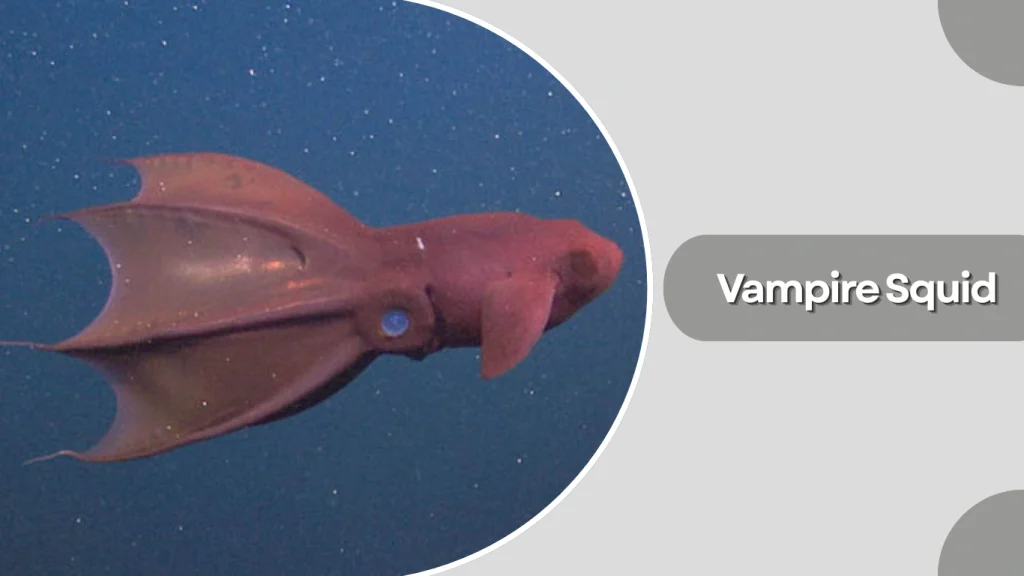
The vampire squid is a small, deep-sea species known for its dark coloration and unique defensive behavior. Despite its name, it neither sucks blood nor behaves aggressively, instead relying on clever adaptations to survive in low-oxygen environments.
Identification
- Dark red to black body with webbing between arms
- Mantle length usually 4–6 inches
- Large blue eyes relative to body size
- Soft, gelatinous body structure
Habitat and Distribution
Vampire squids inhabit deep ocean waters worldwide, typically at depths of 2,000 to 3,000 feet. They thrive in oxygen-minimum zones where few predators can survive.
Behavior and Diet
They feed mainly on marine snow—tiny organic particles drifting down from above. Unlike most squid, they do not actively hunt live prey.
Unique Defense Mechanism
When threatened, the vampire squid turns itself inside out, exposing spiny arm tips. It can also release bioluminescent mucus to confuse predators and escape.
5. Firefly Squid (Watasenia scintillans)

The firefly squid is a small but spectacular species known for its brilliant bioluminescent displays. It is especially famous in Japan, where seasonal gatherings create glowing blue coastal waters at night.
Identification
- Small mantle, usually 2–3 inches long
- Numerous blue bioluminescent organs on arms and body
- Reddish-brown body coloration
- Short arms with small suckers
Habitat and Distribution
Firefly squid are found mainly in the western Pacific Ocean, particularly around Japan. They inhabit deep waters during the day and migrate to shallow coastal areas at night.
Behavior and Diet
They feed on plankton, small fish, and crustaceans. Nightly vertical migrations allow them to hunt near the surface under cover of darkness.
Bioluminescent Display
The squid uses light to communicate, attract mates, and confuse predators. Massive spawning events create glowing shorelines, making this species visually iconic.
6. Reef Squid (Sepioteuthis species)
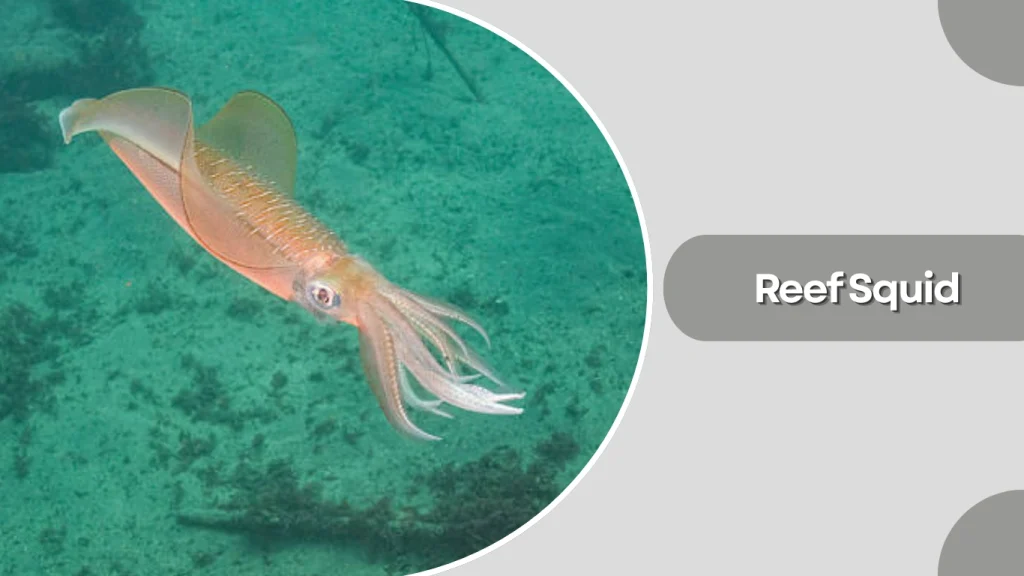
Reef squid are fast-swimming, highly intelligent squid commonly found in shallow tropical waters. They are known for their vivid color changes and complex social behaviors.
Identification
- Elongated, torpedo-shaped body
- Large fins running almost the full length of the mantle
- Big, expressive eyes
- Rapidly changing skin colors and patterns
Habitat and Distribution
Reef squid inhabit warm, shallow waters of the Indo-Pacific region. They are commonly seen near coral reefs, seagrass beds, and lagoons.
Behavior and Diet
They are active predators that feed on small fish and crustaceans. Reef squid often hunt in groups and use coordinated movements to surround prey.
Communication and Intelligence
Reef squid communicate using dynamic color signals and body postures. These visual displays are used for mating, territorial defense, and group coordination.
7. Bigfin Squid (Magnapinna species)
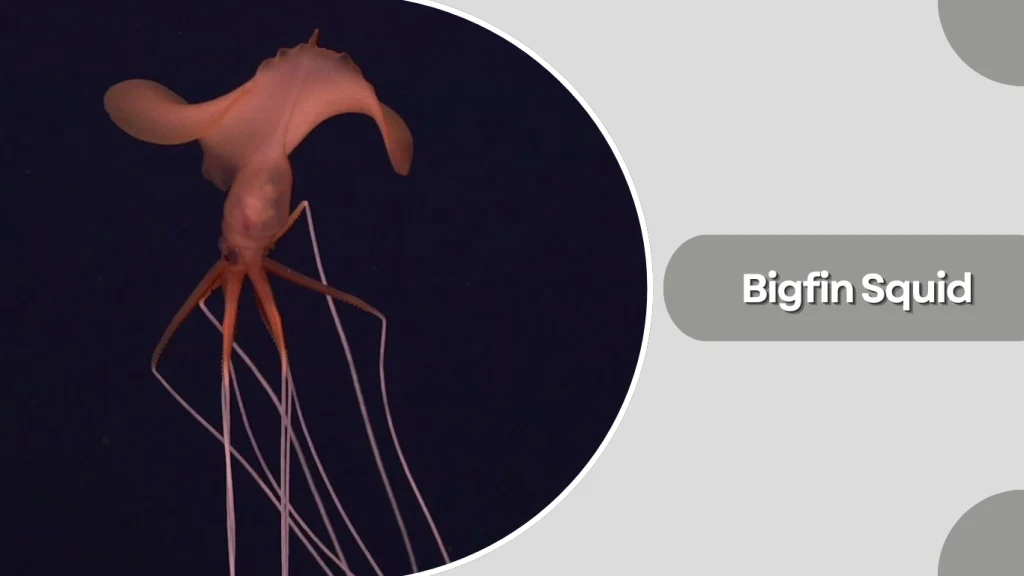
The bigfin squid is one of the most unusual and mysterious squid species ever recorded. It is known for its extremely long, thin arms and tentacles that give it a striking, alien-like appearance.
Identification
- Small mantle with extremely long, thread-like arms
- Arms and tentacles often held at right angles
- Pale or translucent body coloration
- Delicate, ribbon-like fins
Habitat and Distribution
Bigfin squid inhabit very deep ocean waters worldwide, often at depths greater than 3,000 feet. Most sightings come from deep-sea submersibles and remotely operated vehicles.
Behavior and Diet
Little is known about their feeding behavior. They are believed to capture small prey drifting in the water using their long arms.
Unique Appearance
The unusual arm posture and extreme length of the appendages make the bigfin squid one of the most distinctive deep-sea cephalopods ever observed.
8. Glass Squid (Cranchiidae family)
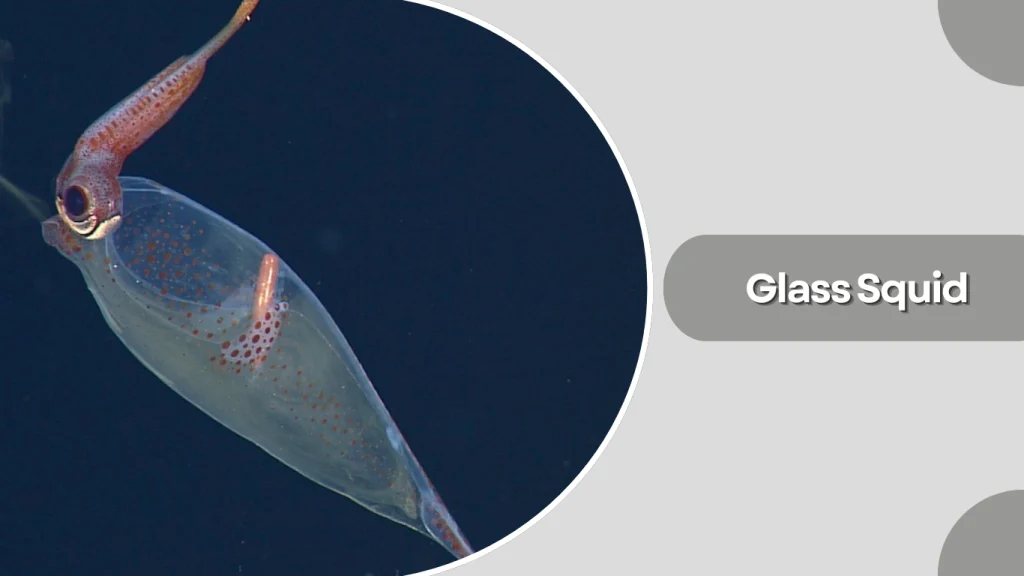
Glass squid are named for their transparent bodies, which make them difficult to see in open water. This family includes several species adapted to life in deep and mid-ocean environments.
Identification
- Nearly transparent mantle and arms
- Visible internal organs through the body
- Rounded body with short fins
- Large eyes relative to body size
Habitat and Distribution
Glass squid are found in oceans worldwide, mainly in open-ocean environments. Many species migrate vertically, living deep during the day and moving upward at night.
Behavior and Diet
They feed on plankton, small fish, and crustaceans. Their transparency provides camouflage, reducing visibility to predators.
Transparency Adaptation
The see-through body helps glass squid blend into the surrounding water. Some species can also inflate themselves with water to appear larger when threatened.
9. Bobtail Squid (Sepiolidae family)
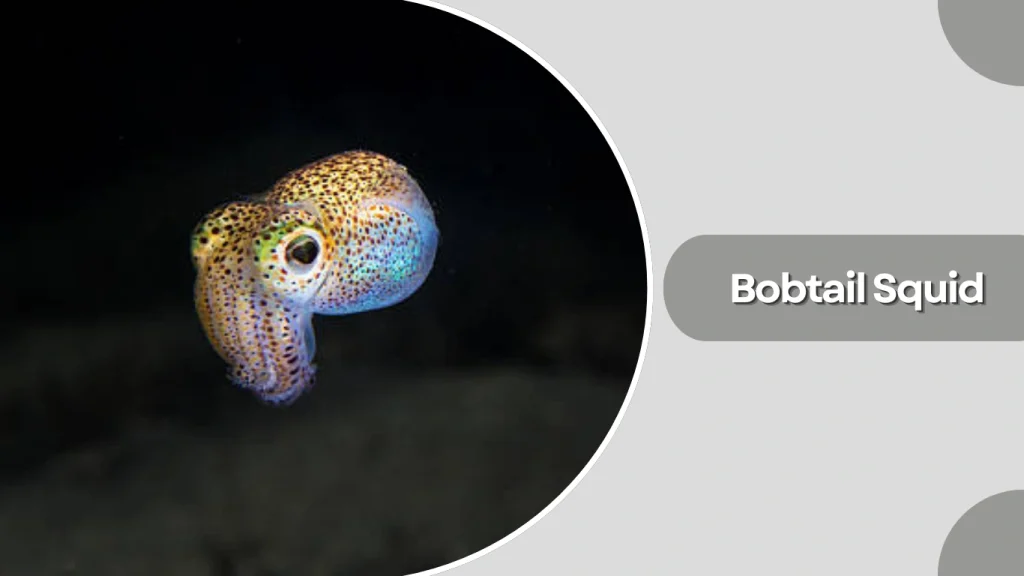
Bobtail squid are small, round-bodied cephalopods best known for their symbiotic relationship with bioluminescent bacteria. Despite their name, they are more closely related to cuttlefish than true squid.
Identification
- Small, rounded mantle usually under 2 inches
- Short arms and stubby appearance
- Large eyes compared to body size
- Soft, smooth body texture
Habitat and Distribution
Bobtail squid are found in shallow coastal waters worldwide. They prefer sandy or muddy seabeds where they can bury themselves during the day.
Behavior and Diet
They are nocturnal hunters, feeding on small crustaceans and worms. During daylight hours, they hide beneath the sand to avoid predators.
Bioluminescent Symbiosis
Bobtail squid host glowing bacteria in a special light organ. This light helps them blend with moonlight from above, reducing their shadow and making them harder to detect.
10. Market Squid (Doryteuthis opalescens)

The market squid is a commercially important species widely harvested for food. It is known for its schooling behavior and dramatic seasonal spawning events along coastal waters.
Identification
- Slender, elongated body with a smooth mantle
- Mantle length usually 6–8 inches
- Triangular fins at the rear of the mantle
- Color changes from translucent to reddish-brown
Habitat and Distribution
Market squid are found along the eastern Pacific Ocean, especially from California to Baja California. They prefer coastal waters and often gather near sandy seabeds.
Behavior and Diet
They are active swimmers that feed on small fish, plankton, and crustaceans. Market squid hunt in schools and use rapid bursts of speed to catch prey.
Spawning Behavior
During spawning season, large groups gather near shore to lay egg capsules on the seafloor. These events attract predators and create important feeding opportunities in coastal ecosystems.
11. Caribbean Reef Squid (Sepioteuthis sepioidea)
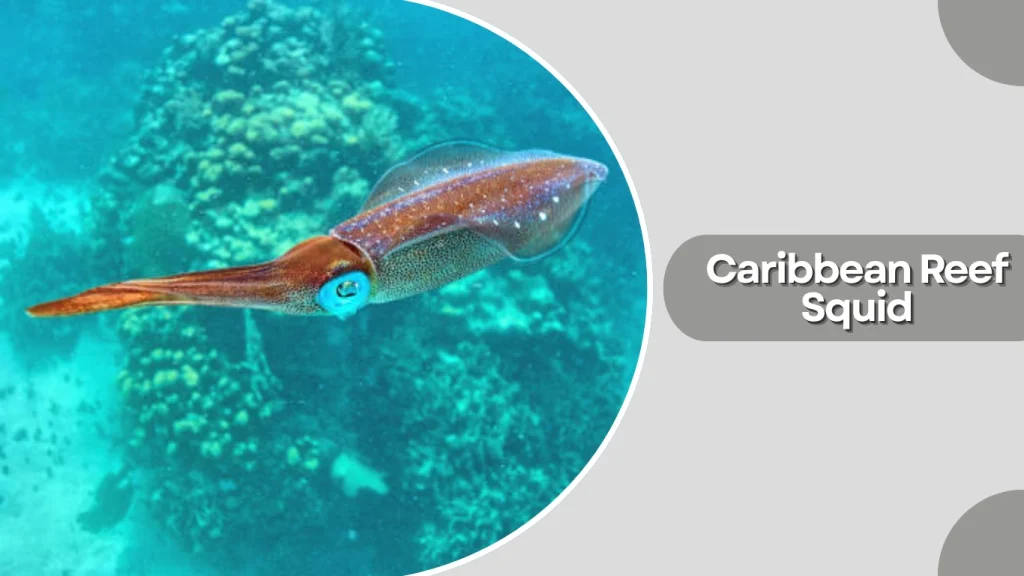
The Caribbean reef squid is a highly social and intelligent species commonly seen in shallow tropical waters. It is known for its complex communication through rapid color changes and body patterns.
Identification
- Elongated mantle with broad fins running along the sides
- Mantle length usually 8–12 inches
- Large, forward-facing eyes
- Ability to display intricate color patterns
Habitat and Distribution
This species inhabits warm waters of the western Atlantic Ocean and the Caribbean Sea. It is commonly found near coral reefs, seagrass beds, and shallow coastal areas.
Behavior and Diet
Caribbean reef squid hunt during the day, feeding on small fish and crustaceans. They often move in coordinated groups, using teamwork to corner prey.
Social Communication
They communicate using a combination of color flashes, stripes, and body postures. These signals help coordinate hunting, avoid conflict, and attract mates.
FAQs
What is the largest squid species in the world?
The colossal squid is considered the largest squid by mass, while the giant squid is the longest. Both live in deep ocean waters and can reach extraordinary sizes, making them the largest invertebrates known to science.
Are squids dangerous to humans?
Most squid are not dangerous to humans. Large species like the Humboldt squid can act aggressively if threatened, but attacks on humans are rare. Squid generally avoid people and use ink or speed to escape.
How do squids move so fast?
Squids use jet propulsion by forcefully expelling water through a siphon. This allows quick bursts of speed, helping them escape predators and capture prey efficiently in open water.
Can squids change color?
Yes, most squid can rapidly change color using specialized skin cells called chromatophores. This ability helps them communicate, camouflage themselves, attract mates, and intimidate rivals or predators.
What do squids eat?
Squids mainly feed on fish, crustaceans, plankton, and other squid. Their diet depends on species and habitat, but all squids are carnivorous and use their arms, tentacles, and sharp beak to eat prey.