
Brown recluse spiders are some of the most misunderstood arachnids in the U.S.—often feared, frequently misidentified, and surrounded by myths. Are they deadly? Can they climb walls? Do they really live in your state? In this guide, we’ve answered 45 of the most common and confusing questions about brown recluse spiders. From their appearance and behavior to their actual range and risk, here’s everything you need to know—clearly and simply.
Identification

Brown recluse spiders are often confused with other harmless species, but their features are quite specific once you know what to look for. They are small, secretive, and tend to avoid human activity.
What does a brown recluse spider look like?

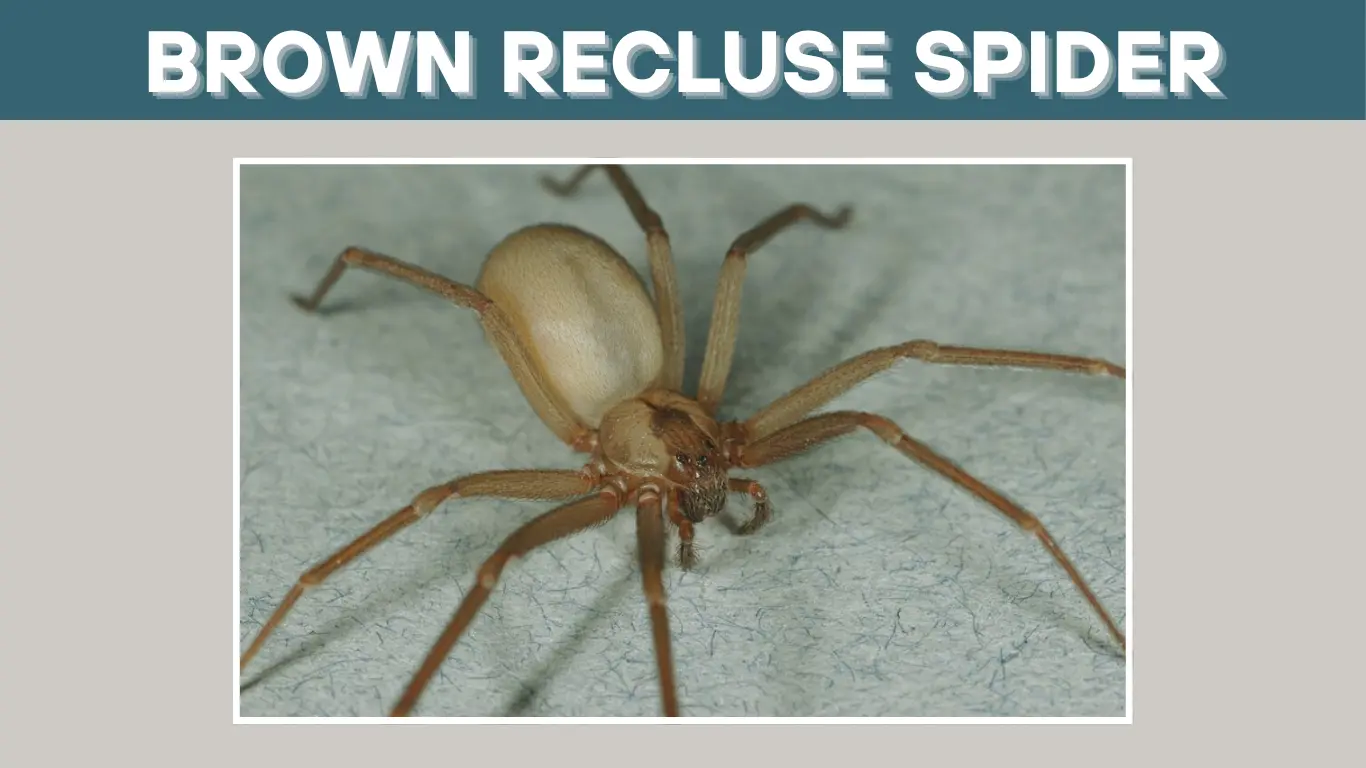
Brown recluse spiders are typically light to medium brown, sometimes with a slightly yellowish or grayish tone. The most recognized feature is a dark violin-shaped marking on their back, with the neck of the violin pointing toward the rear. However, this marking can vary and shouldn’t be the only thing you rely on.
Key characteristics include:
- Body length: 1/4 to 1/2 inch (6–11 mm)
- Eye pattern: six eyes arranged in three pairs (most spiders have eight)
- Legs: long, thin, and uniformly colored with no banding
- Body: oval and smooth, lacking fuzzy or spiny hairs
- Movement: slow and deliberate, not erratic
Their appearance is very uniform, unlike many spiders with patterns, stripes, or noticeable hair.
How to recognize a brown recluse spider?

To accurately recognize a brown recluse, focus on the combination of traits. The most reliable indicator is the six-eye pattern arranged in a semi-circle. Also, they do not have stripes or bands on their legs and are typically a consistent color across the whole body and legs. They avoid bright light and prefer to stay hidden in shoes, behind furniture, or in closets. These spiders are most often seen indoors in dark, undisturbed areas.
Can brown recluse spiders look red?
No, true brown recluse spiders do not appear red. Their color ranges from tan to dark brown but never red. If a spider looks reddish, it’s likely a different species such as a red house spider or a cobweb spider. In rare cases, poor lighting or reflective surfaces might make a brown recluse seem warmer in color, but they do not have a naturally red appearance.
Behavior & Traits
Brown recluse spiders are named for their shy, reclusive behavior. They prefer quiet, dark places and typically avoid human contact unless disturbed. Understanding their habits can help reduce accidental encounters.
Do brown recluse spiders build webs?

Yes, but not the typical circular webs seen with orb-weaving spiders. Brown recluse spiders build irregular, messy webs in undisturbed areas. These webs are used for shelter, not for catching prey. Instead, they are active hunters and roam at night to find food.
Can brown recluse spiders climb walls?
Yes, they can climb walls and other vertical surfaces, but not as easily as smaller, more agile spiders. Their flat bodies and strong legs help them maneuver in tight spaces, especially in corners, behind furniture, and within wall voids.
Can brown recluse spiders swim?

They don’t naturally seek water, but they can survive brief exposure. Brown recluses are not adapted for swimming, yet they may float or paddle short distances if trapped in water. However, they prefer dry environments and usually avoid moisture-rich areas.
Can brown recluse spiders jump?
No, brown recluse spiders do not jump. They move quickly in a straight line when fleeing, but they lack the powerful hind legs seen in jumping spiders. If a spider jumps, it is almost certainly not a recluse.
Do brown recluse spiders like water?

They do not. Brown recluses favor dry, warm environments and often avoid bathrooms, kitchens, or damp basements. If you find a spider near a water source, it’s likely a different species.
Do brown recluse spiders die after they bite?
No, they do not die after biting. Unlike bees that lose their stinger, brown recluse spiders can bite multiple times if needed. Biting is a last resort for them and only occurs if they feel trapped, such as when pressed against skin.
Bite & Venom
Brown recluse spiders have gained notoriety due to their venomous bites, but many of the fears surrounding them are exaggerated. Understanding their bite symptoms and actual danger level can help separate fact from fear.
Are brown recluse spiders dangerous?

Yes, they can be, but not in the way most people assume. While their bites are venomous and may cause tissue damage, most bites result in mild reactions. Serious complications are rare and often depend on the individual’s health, the bite location, and whether it becomes infected.
Are brown recluse spiders deadly?
Very rarely. Fatalities from brown recluse bites are extremely uncommon. In healthy adults, the bite is usually not life-threatening. Children, the elderly, or those with weakened immune systems may face greater risks, but even then, death is not a typical outcome.
Are brown recluse spiders aggressive?
No, they are not aggressive. True to their name, brown recluses avoid confrontation and will only bite if they are directly disturbed—like being trapped in clothing, bedsheets, or shoes.
Are brown recluse spiders poisonous?
The correct term is venomous, not poisonous. They inject venom through their fangs when they bite. Poison must be ingested or absorbed through skin; venom is injected.
Are brown recluse spiders venomous?
Yes, they are medically significant venomous spiders. Their venom contains a necrotic agent called sphingomyelinase D, which can destroy skin tissue. However, most bites heal without major intervention and don’t cause lasting damage.
Do brown recluse spiders bite?

Yes, but bites are rare and almost always defensive. They don’t bite unless provoked or pressed against the skin.
Do brown recluse spider bites hurt?
Initially, the bite may go unnoticed or feel like a light prick. Pain usually develops within 2–8 hours and can range from mild to intense, depending on the reaction. Redness, swelling, and tenderness often follow.
Do brown recluse spider bites itch?

Yes, itching is a common symptom. As the skin reacts to the venom, it may become red, irritated, and itchy. In some cases, the bite site may blister or develop a small open sore that takes time to heal.
Prevention & Control
Brown recluse spiders prefer to stay hidden and undisturbed, but they can still find their way into homes—especially in warmer regions. With a few consistent habits and home adjustments, you can lower the chance of encountering one indoors.
How to avoid brown recluse spiders?

Avoiding brown recluse spiders involves keeping your environment clean and clutter-free. Key tips include:
- Shake out clothing, towels, and shoes before use
- Store clothes and shoes off the floor
- Seal cracks and crevices around windows, doors, and baseboards
- Keep storage boxes tightly closed
- Reduce clutter in attics, closets, and basements
These steps eliminate potential hiding spots, which lowers the risk of accidental contact.
How to control brown recluse spiders?

Controlling brown recluse spiders takes a mix of environmental management and, if needed, targeted treatments. Consider:
- Setting sticky traps in corners and dark areas
- Vacuuming regularly behind furniture and along baseboards
- Using glue boards to monitor population levels
- Calling pest control if you see multiple spiders or suspect an infestation
Professional exterminators may use targeted residual insecticides in wall voids and crawl spaces.
How to deter brown recluse spiders?

You can deter recluses by making your space less attractive. Some deterrent strategies include:
- Keeping indoor humidity low
- Removing piles of wood, leaves, or cardboard from near the home
- Using essential oils like peppermint or citrus (not guaranteed but may help)
- Installing tight-fitting screens on windows and vents
The goal is to reduce both shelter and food sources, making your home less hospitable.
How to prevent brown recluse spider infestations?
Long-term prevention focuses on exclusion and awareness. Regularly inspect hidden areas, especially if you live in a known brown recluse region. Keep seasonal clothing in sealed containers, use caulking to block gaps, and avoid leaving boxes or bedding undisturbed for long periods. These proactive steps significantly reduce the chance of an infestation.
Habitat & Range
Brown recluse spiders are native to specific areas of the United States but are often wrongly reported in places where they don’t naturally live. Knowing where they actually thrive helps you assess the real risk in your area.
Where do brown recluse spiders live?

They are most commonly found in the central and southern United States, particularly in warm, dry environments. Indoors, they hide in:
- Basements
- Closets
- Behind furniture
- Inside shoes or folded clothes
Outdoors, they live under rocks, logs, woodpiles, or sheds. They prefer undisturbed areas with low traffic.
Where are brown recluse spiders found?
The core range includes states like Missouri, Kansas, Oklahoma, Arkansas, Texas, Louisiana, and surrounding areas. They are less likely to be found in northern or coastal states, although isolated reports exist due to accidental transport.
Are brown recluse spiders common?

In their natural range, yes. They are considered common in parts of the Midwest and South but are not widespread across the entire U.S. Reports outside their native range are often misidentifications of other harmless spiders.
Are brown recluse spiders endangered?
No, brown recluse spiders are not endangered. Their populations are stable, especially in areas where they thrive. However, due to their secretive nature, they are rarely seen, leading many to believe they are either rare or no longer present.
U.S. Locations
Brown recluse spiders are often rumored to live all over the United States, but their confirmed native range is much more limited. Below is a breakdown of their actual or unlikely presence across different states, based on verified data and expert reports.
States where brown recluse spiders are known to live

- Missouri
- Kansas
- Arkansas
- Oklahoma
- Texas
- Louisiana
- Mississippi
- Alabama
- Georgia (northern areas)
- Kentucky
- Tennessee
- Illinois (especially southern)
- Indiana (southern region)
- Iowa (southeastern corner)
- Nebraska (southeastern edge)
These states fall within the recluse spider’s natural distribution, and confirmed bites or sightings are common in these areas.
States where brown recluse sightings are rare or unlikely
- California – No native population; reported cases are usually misidentified or result from accidental transport
- Florida – Not considered native, but isolated specimens occasionally appear
- Michigan – No established populations; sightings are extremely rare and not confirmed
- Minnesota – Outside of range; sightings unconfirmed
- Montana – Too cold and dry for established populations
- New Jersey – Not within their range
- New York State – Cold climate and unsuitable conditions make presence highly unlikely
- North Carolina – Possible in the west, but uncommon overall
- Ohio – Southern part may have rare occurrences, but not widespread
- Oregon – Not part of their natural range
- Virginia – Some sightings in the southwest, but still uncommon
- Washington State – Too cold and wet for stable populations
- Wisconsin – Not native; very rare or misidentified
- Utah – Not part of their known habitat
- Colorado – Extremely rare, not confirmed as native
- Arizona – Desert areas may occasionally harbor them, but not established
- Chicago (Illinois) – Possible due to proximity to southern Illinois, but not typical in urban zones
While brown recluse spiders can be transported in boxes, furniture, or luggage, they don’t establish populations outside their preferred climate and range unless conditions are nearly identical. Most reported sightings in out-of-range states turn out to be harmless look-alikes.
Unique & Clarifying Questions
Brown recluse spiders spark a lot of curiosity and misinformation. This final section clears up some of the unusual or frequently misunderstood questions people often ask.
Can brown recluse spiders be found in Utah?
While not native to Utah, isolated specimens have occasionally been reported, usually from boxes or goods shipped from other states. However, there are no confirmed, established populations of brown recluses in Utah.
Are brown recluse spiders in Chicago?
Brown recluse spiders are not commonly found in Chicago. Northern Illinois, including the Chicago area, is outside their core habitat. Sightings here are rare and usually due to accidental transport. Most spiders mistaken for recluses in this region are harmless house spiders.
Can brown recluse spiders look red?
No. Brown recluse spiders have a tan to medium brown color. If a spider appears red or reddish-orange, it is likely a different species entirely. Lighting or reflections might cause temporary color distortion, but a true brown recluse is never red.
Do brown recluse spiders die after they bite?
No, they do not. Brown recluse spiders can bite more than once, and the act of biting doesn’t cause them any harm. They only bite when seriously threatened, and afterward, they typically retreat to safety.
Do brown recluse spiders like water?
No, they prefer dry, undisturbed environments. While they may occasionally wander into moist areas like basements, they avoid water and are not drawn to humid or wet conditions.
This wraps up all the unique and remaining questions related to brown recluse spiders in a concise and clarified way.
