
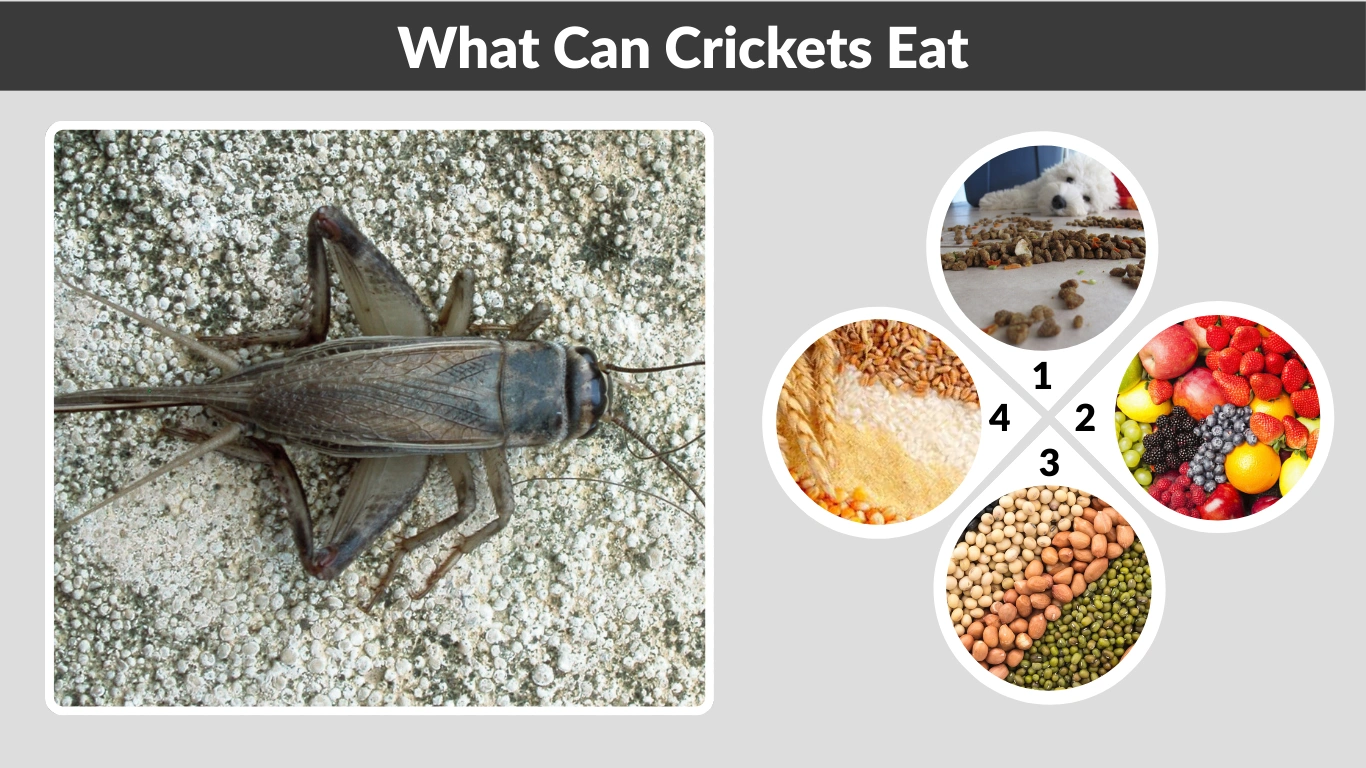
Crickets may look like tiny, simple insects, but their diet is surprisingly diverse. From fruits and vegetables to grains, seeds, and even other insects, crickets are natural scavengers that adapt to whatever food sources are available. Whether you’re raising crickets for pets, fishing bait, or simply curious about their eating habits in the wild, knowing what they eat helps you understand how they survive and thrive. In this guide, we’ll explore 16 different foods that crickets like to eat, with details on how each one supports their health and growth.
1. Fruits

Crickets are naturally attracted to sweet foods, and fruits are one of their favorites. They provide hydration, vitamins, and natural sugars that fuel cricket activity. Bananas, apples, grapes, and oranges are particularly popular, as crickets can easily nibble through the soft flesh. However, tougher skins like apple peels are usually left behind. Fruits also mimic some of the natural foods crickets encounter in the wild.
How Crickets Eat Fruits
They chew soft, juicy parts while avoiding hard or bitter sections. Always remove seeds and avoid citrus in excess, as too much acidity can harm them.
2. Vegetables
Vegetables are excellent for a balanced cricket diet, offering essential nutrients for growth and long-term health. Leafy greens like spinach, kale, and lettuce provide vitamins and minerals, while root vegetables such as carrots, sweet potatoes, and cucumbers offer energy and hydration. Vegetables also act as a good substitute when fruits are limited.
Best Feeding Practice
Chop vegetables into small, thin slices to make them easier for crickets to bite. Avoid feeding onions, garlic, or spicy peppers, as these can upset their digestion and create harmful effects.
3. Grains
Grains are a major food source for crickets, especially in captive breeding setups. Oats, wheat bran, rice, and cornmeal are commonly used because they are energy-rich and easy to store. Grains help crickets maintain stamina and are often used to supplement fresh foods like fruits and vegetables.
Feeding Tips
Crush or grind grains into smaller pieces so crickets can consume them easily. Dry grains can be mixed with protein sources to create a more balanced diet. Avoid heavily processed or flavored grains to prevent digestive issues.
4. Seeds
Seeds are a natural energy booster for crickets, providing fats, proteins, and essential nutrients. They can be a great supplement when raising crickets, especially for breeding females that require more strength. Safe options include sunflower seeds, chia seeds, and flax seeds. Since seeds are hard, whole ones may be difficult for smaller crickets to eat.
Feeding Tip
Always grind or crush seeds into smaller pieces or powder before feeding. This ensures easy digestion and prevents choking. Avoid salted or flavored seeds, as additives can harm crickets.
5. Dog Food
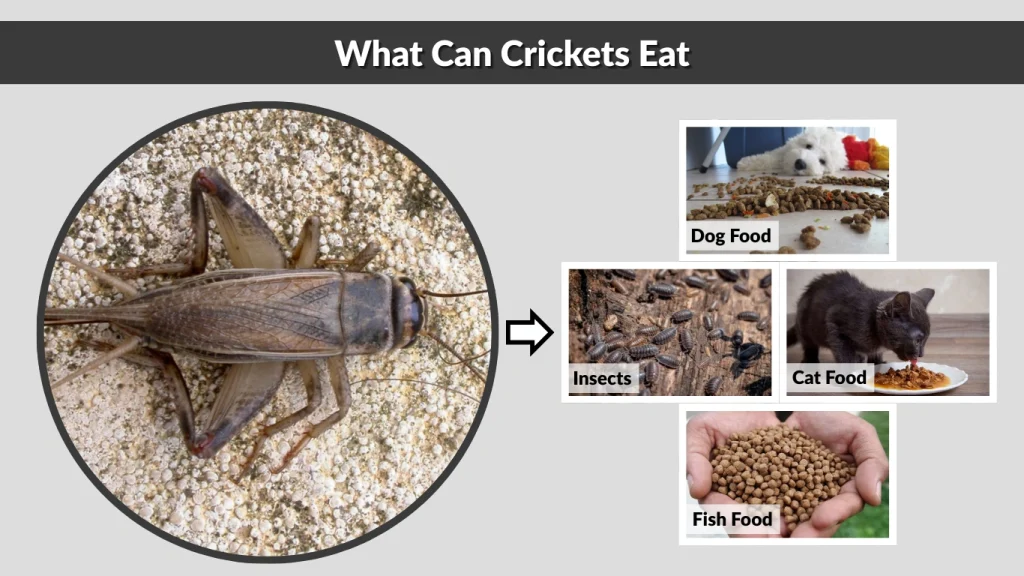
Dog food, particularly dry kibble, is one of the most popular commercial feeds for crickets. It contains a balanced mix of proteins, grains, and vitamins that support their growth and reproduction. Breeders often use crushed kibble because it’s affordable and widely available.
Serving Method
Break the kibble into fine crumbs or powder so crickets can easily chew it. Provide small portions daily to prevent mold from forming. Always avoid moist or spoiled kibble, as it can attract bacteria harmful to crickets.
6. Cat Food
Cat food is another excellent protein source for crickets, often even richer in protein than dog food. This makes it particularly beneficial for crickets being raised as feeder insects since it enhances their nutritional value for reptiles, amphibians, and birds.
Safety Note
Choose plain dry cat food over wet varieties, as moisture can quickly cause spoilage. Avoid fish-flavored or heavily processed cat foods, as the strong smell and oils may not be suitable. Crush the kibble into small pieces before offering it.
7. Fish Food
Fish food, especially flakes and pellets, is an excellent supplemental diet for crickets. It’s high in protein and contains a mix of vitamins and minerals designed for aquatic life but equally beneficial for insects. Many breeders prefer it because it’s lightweight, easy to store, and simple for crickets to consume.
Types of Fish Food
Flakes are easier for small crickets to nibble on, while pellets can be crushed into powder for larger groups. Always feed in moderation to prevent waste buildup.
8. Insects
Crickets are opportunistic and sometimes turn carnivorous, especially when food is scarce. They may eat smaller insects like mealworms, larvae, or even weaker and dead crickets from their colony. This provides them with essential proteins and helps satisfy their survival instincts.
Cannibalism in Crickets
Overcrowding and lack of protein often lead to cannibalism. To prevent this, always provide a protein-rich diet so crickets don’t resort to eating each other.
9. Flowers

Flowers are a surprising but natural food source for crickets in the wild. Petals and pollen provide them with nutrients and variety in their diet. Safe flowers include hibiscus, marigold, and dandelion. They also mimic some of the wild plants crickets feed on outdoors.
Feeding Tip
Always ensure flowers are free from pesticides or chemicals before offering them. Fresh flowers are best, and only small amounts should be provided to avoid waste.
10. Herbs
Herbs are not only aromatic but also packed with vitamins and minerals that benefit crickets. Fresh herbs like basil, parsley, and mint provide variety in their diet and keep them active. Some herbs can even help reduce odor in cricket enclosures because of their natural fragrance.
Feeding Tip
Offer herbs in small portions to avoid overwhelming crickets with strong flavors. Always wash thoroughly to remove pesticides, and avoid very strong herbs like oregano or thyme in large amounts.
11. Grass
Grass is one of the most natural foods for crickets, as it’s part of their wild diet. Fresh grass provides moisture and fiber, while dry grass or hay can serve as roughage. It helps mimic the crickets’ outdoor environment, making it an excellent option for those kept in captivity.
Fresh vs. Dry Grass
Fresh blades hydrate crickets, while dry grass is more of a filler food. Offering both types ensures balance.
12. Algae
Though less common, algae is a powerful nutrient source for crickets. It’s often provided in powdered form, such as spirulina, or in dried algae sheets used for aquarium pets. Algae is packed with proteins, minerals, and antioxidants, making it a superfood for crickets.
Feeding Tip
Mix powdered algae with grains or sprinkle over fruits and vegetables to encourage crickets to eat it. Always use natural, unsweetened algae products without additives.
13. Bread

Bread is a common household food that crickets will happily munch on. Whole wheat bread is more nutritious than white bread, offering fiber and some minerals. However, bread should only be given as an occasional snack because it lacks the full nutritional profile crickets need for long-term health.
Feeding Tip
Soften bread with a small amount of water to make it easier for crickets to chew. Avoid bread with butter, oil, or seasoning, as these can be harmful.
14. Cereals
Cereals can be a quick and convenient food option for crickets. Unsweetened cereals like bran flakes, oatmeal, and puffed rice provide energy and fiber. They are especially useful for gut-loading crickets before feeding them to pets.
Precaution
Avoid sugary cereals or those with chocolate, honey, or artificial additives. Crush into smaller pieces for easy consumption.
15. Vegetation (Leaves & Stems)
Crickets thrive on natural plant matter like leaves, vines, and stems. In the wild, they often nibble on corn husks, cucumber peels, and squash vines. This plant material provides fiber and mimics their outdoor diet, making them healthier and more active.
Feeding Tip
Always provide pesticide-free vegetation. Wash thoroughly and chop into manageable pieces before serving.
16. Human Leftovers (Safe Scraps)
Some human food scraps can be offered to crickets, but only safe and natural ones. Cooked rice, plain pasta, or fruit and vegetable peels can be given in small amounts. These leftovers reduce waste and supplement their diet.
Safety
Never feed crickets salty, oily, spicy, or processed leftovers, as these can harm or kill them. Stick to plain, simple scraps only.
FAQs
Do crickets eat spiders?
Yes, crickets can eat spiders, but it usually happens when they are hungry and lack other protein sources. They are opportunistic feeders and may attack small or weak spiders. However, this is rare in the wild and more common in overcrowded enclosures where food competition forces them to hunt.
Do crickets eat grass?
Grass is one of the most natural foods for crickets, especially for wild species. They nibble on fresh blades for hydration and fiber, and dry grass acts as roughage. While grass is not highly nutritious alone, it’s a safe and readily available food that complements a balanced diet.
Do crickets eat cockroaches?
Crickets generally don’t hunt cockroaches, but in extreme hunger they may nibble on dead or injured ones. Both insects share similar environments and diets, making competition more common than predation. If you’re raising crickets, it’s best not to rely on cockroaches as food, since they can carry bacteria and diseases.
Do crickets eat carrots?
Yes, carrots are a healthy food for crickets. They provide natural sugars, fiber, and hydration. Carrots are also easy to store and safe for regular feeding. Slice them thinly so crickets can chew easily. Besides nutrition, carrots help “gut-load” crickets, making them more nutritious if fed to reptiles or birds.
Do crickets eat ants?
Crickets and ants often share the same spaces, but crickets rarely eat live ants. They might scavenge on dead ants if no other protein is available. More often, ants are the aggressors, sometimes attacking cricket colonies. It’s best to keep ants away from crickets when raising them in captivity.
