
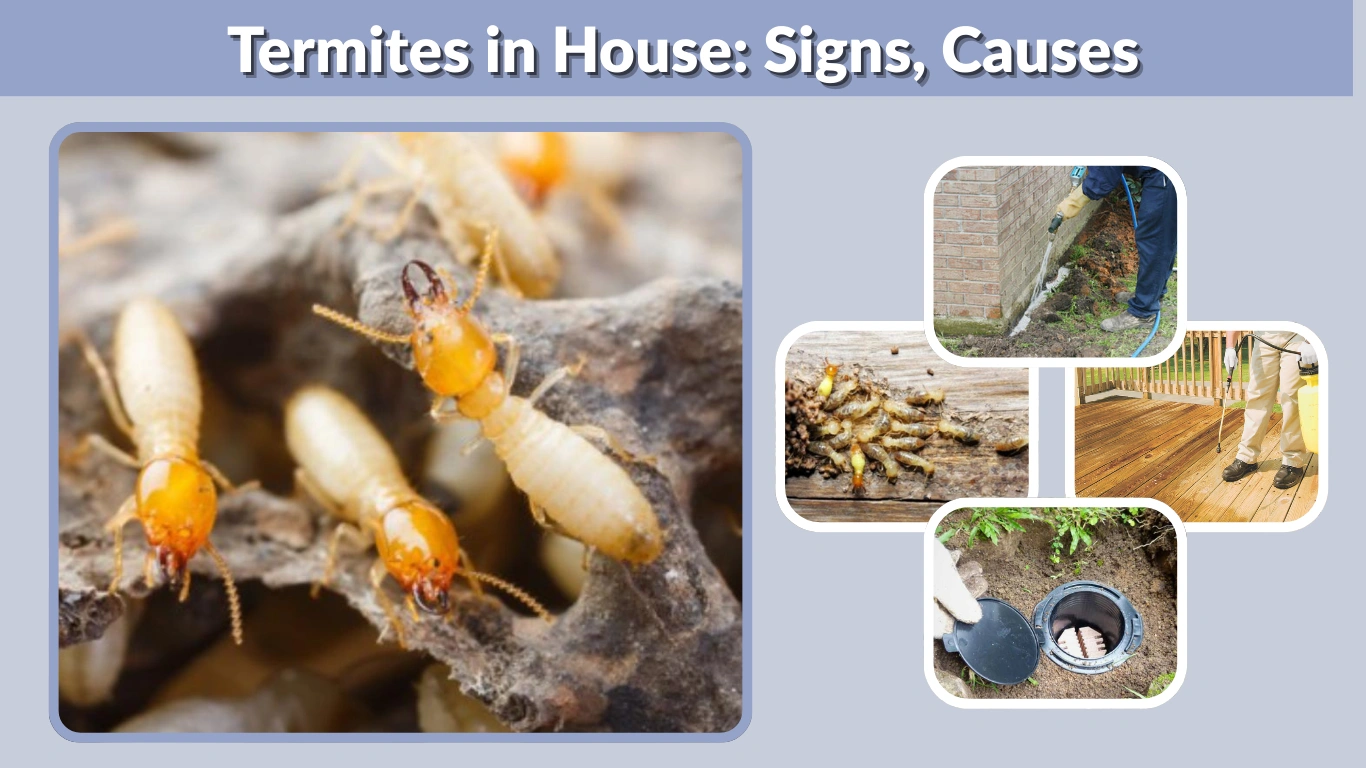
Finding termites in house structures can be alarming for any homeowner. These small insects feed on wood and other cellulose materials, which means they can silently damage walls, floors, furniture, and even the structural framework of a building. Because termites often remain hidden, infestations can grow for months or even years before being noticed. Understanding the signs, causes, and solutions for termites in a house is essential for protecting your property. Early detection and proper treatment can help prevent costly repairs and ensure your home remains safe and structurally sound.
What Are Termites?
Termites are small insects that live in large colonies and feed primarily on cellulose, a substance found in wood, paper, and plant materials. Because many homes contain wooden structures, termites can easily find food and shelter inside buildings.
Unlike ants, termites do not usually appear in open spaces. Instead, they hide within walls, floors, and wooden beams, slowly consuming wood from the inside. Over time, this hidden damage can weaken the structure of a home.
Termites play an important role in nature by breaking down dead wood and plant material. However, when they invade houses, they become destructive pests that can cause serious damage.
Types of Termites Found in Houses
Several termite species can invade homes, but the most common ones include the following.
Subterranean termites
Subterranean termites live underground and build mud tubes to reach food sources. These termites are the most destructive because they form large colonies and can cause significant structural damage.
Drywood termites
Drywood termites live directly inside wood and do not require soil contact. They are commonly found in wooden furniture, beams, and attic structures.
Dampwood termites
Dampwood termites prefer wood with high moisture content. They are often found in areas with water leaks, poor drainage, or decaying wood.
Signs of Termites in House

Detecting termites early is important to prevent severe damage. Because termites often stay hidden, homeowners should watch for several warning signs that may indicate an infestation.
Mud Tubes on Walls or Foundation
Subterranean termites build mud tubes to travel between their underground nests and wooden structures. These pencil-sized tunnels are often found along foundations, walls, or crawl spaces. Mud tubes protect termites from predators and help maintain moisture as they move.
Hollow or Damaged Wood
Termites eat wood from the inside, leaving a thin outer surface intact. As a result, wood may appear normal but sound hollow when tapped. Damaged wood may also show blistering or uneven surfaces.
Discarded Wings
During certain seasons, termites swarm to create new colonies. After swarming, they shed their wings. Finding piles of tiny wings near windows, doors, or light sources is often a strong sign of termite activity in the house.
Termite Droppings (Frass)
Drywood termites produce small droppings known as frass. These droppings look like tiny pellets and may appear near wooden structures or furniture. The presence of frass can indicate that termites are living inside nearby wood.
Stuck Doors and Windows
Termite damage can cause wood to swell or warp. As a result, doors and windows may become difficult to open or close properly. While this issue can also be caused by humidity, it can sometimes indicate termite activity.
What Causes Termites in a House?

Understanding what attracts termites to a home can help prevent infestations. Several factors make houses more appealing to termites.
Moisture Problems
Termites are attracted to moisture because it helps them survive. Leaking pipes, poor drainage, and damp basements create ideal conditions for termite colonies. Homes with excessive moisture are more likely to experience termite infestations.
Wood-to-Soil Contact
When wooden parts of a house touch the soil, termites can easily access them. Deck posts, wooden siding, and fence posts that come into contact with the ground provide a direct path for termites to enter the home.
Cracks in Foundation
Small cracks in the foundation can act as entry points for termites. Subterranean termites can travel through these openings to reach wooden structures inside the house.
Nearby Termite Colonies
If termite colonies exist in nearby trees, stumps, or soil, they may eventually spread to nearby homes in search of food.
Poor Home Maintenance
Neglecting routine maintenance can increase the risk of termite infestations. Untreated wood, damaged structures, and unsealed gaps provide easy opportunities for termites to enter and thrive inside a house.
How Termites Enter a House
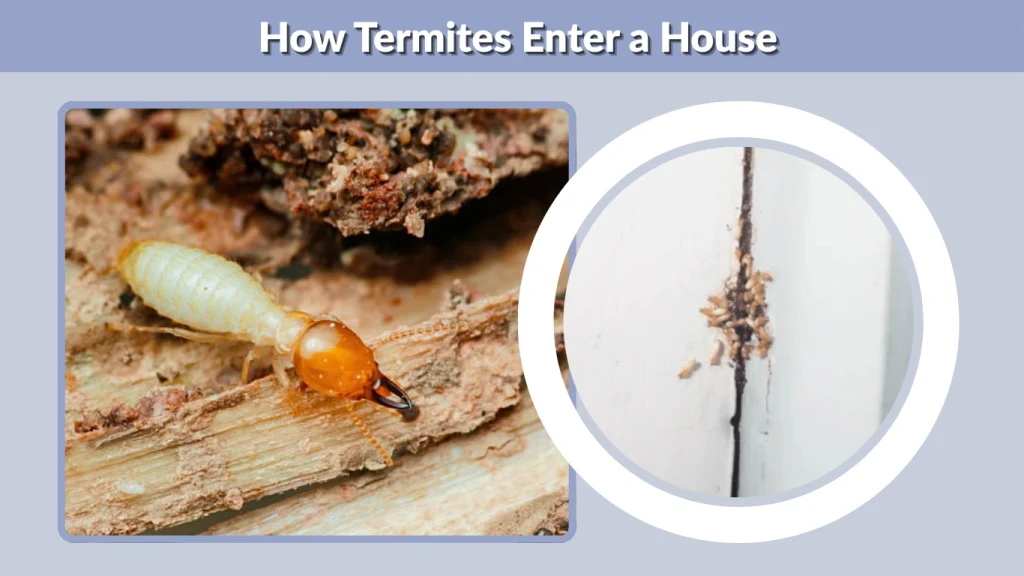
Termites are capable of entering homes through very small openings. Subterranean termites often build mud tubes along foundations to reach wooden structures above ground. These tubes allow them to travel safely while maintaining the moisture they need to survive.
Another common entry point is through cracks in the foundation or walls. Even tiny gaps can provide access for termites searching for food sources inside the home.
Termites may also enter through gaps around plumbing pipes, electrical wiring, or utility lines that pass through walls and foundations.
In some cases, termites enter through wooden structures that are already connected to the ground, such as decks, fences, or wooden siding. Once termites gain access to these structures, they can easily spread into other parts of the house.
How to Get Rid of Termites in House
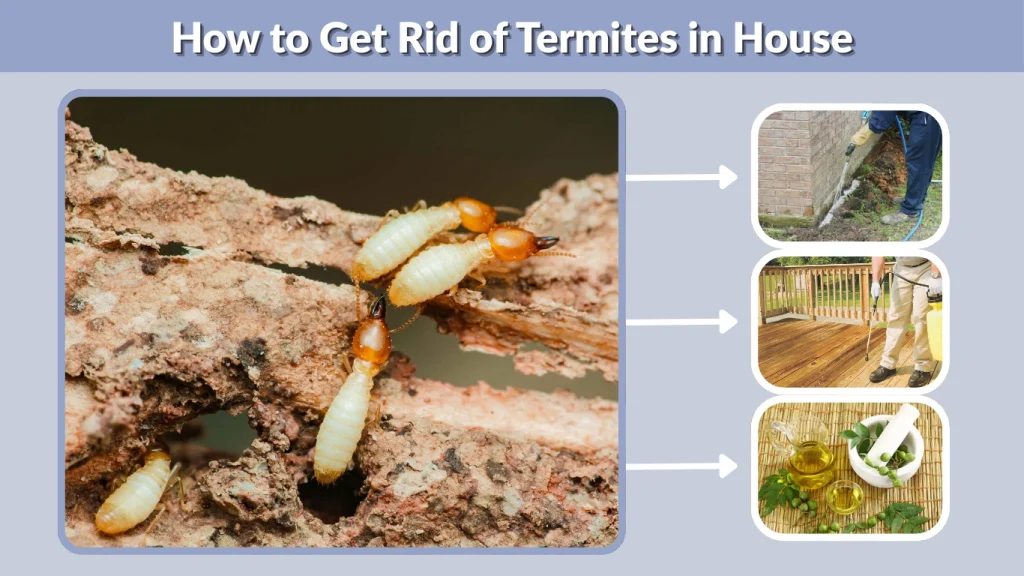
If you discover termites in your house, it is important to act quickly. Termites can multiply rapidly and cause increasing damage if left untreated. Several treatment methods can help eliminate termites and protect your home.
Liquid Termite Treatments
Liquid termite treatment is one of the most common and effective methods for controlling termites. This method involves applying liquid termiticides to the soil around the foundation of a house.
The chemical creates a protective barrier that termites cannot cross. When termites come into contact with the treated soil, they carry the chemical back to their colony, helping eliminate other members of the colony.
Liquid treatments are particularly effective against subterranean termites and can provide long-term protection when applied correctly.
Termite Bait Systems
Termite bait systems are another popular solution for termite infestations. In this method, bait stations are placed in the soil around the home.
The bait contains substances that termites consume and carry back to their colony. Over time, the bait spreads throughout the colony and gradually eliminates it.
Bait systems also allow pest control professionals to monitor termite activity and detect future infestations early.
Wood Treatment
Wood treatment targets termites living directly inside wooden structures. Special chemicals, such as borate-based solutions, are applied to wood surfaces.
These chemicals penetrate the wood and kill termites that come into contact with it. Wood treatments are often used for exposed beams, furniture, and newly constructed homes.
Fumigation
Fumigation is usually recommended for severe infestations, especially those caused by drywood termites. In this treatment, the entire house is covered with a tent and filled with a fumigant gas.
The gas spreads throughout the building and reaches termites hiding deep inside walls and wooden structures. Although fumigation is very effective, homeowners usually need to leave the property for a short period while the treatment is completed.
Natural Termite Control
Some homeowners prefer natural solutions to control termites. While these methods may work for small infestations, they are usually less effective for large termite colonies.
Common natural termite treatments include:
- Orange oil, which can kill termites on contact
- Neem oil, which disrupts termite growth and reproduction
- Beneficial nematodes, microscopic organisms that attack termites in the soil
Natural methods are often used as supplementary treatments rather than complete solutions.
DIY Methods to Remove Termites from a House
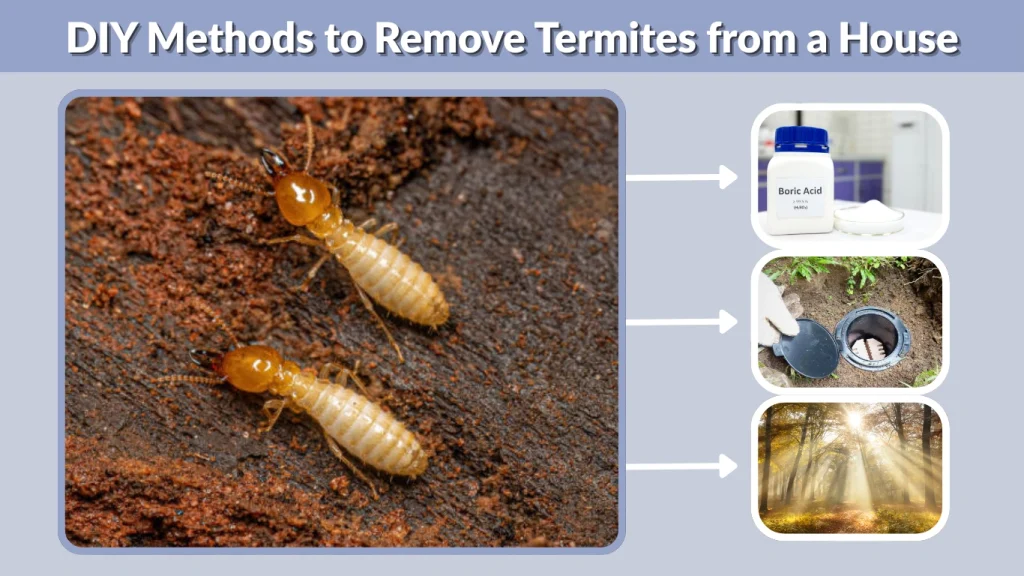
Homeowners sometimes try DIY termite control methods before calling professionals. These approaches may help reduce termite activity in minor infestations.
Boric Acid Treatment
Boric acid is a widely used natural insecticide. It damages the termite’s nervous and digestive systems, eventually killing the insects.
Boric acid powder or solutions can be applied to cracks, crevices, and areas where termite activity is visible.
Cardboard Termite Traps
Cardboard traps can attract termites because cardboard contains cellulose, which termites feed on.
Placing damp cardboard near termite activity may draw termites into the trap. Once the cardboard is filled with termites, it can be removed and destroyed.
Sunlight Exposure
Termites cannot survive long in direct sunlight. If small wooden items or furniture are infested, placing them in sunlight for several hours may help kill the termites.
Vinegar Solution
A mixture of vinegar and lemon juice can be sprayed into termite holes or cracks. The acidic solution may kill termites on contact, although it may not eliminate the entire colony.
Professional Termite Control
Professional termite control services are often the most reliable way to eliminate termites completely. Pest control specialists have advanced tools and experience to detect hidden infestations.
The process usually begins with a detailed inspection of the property. Experts look for termite activity, entry points, and structural damage.
After the inspection, they recommend the most effective treatment plan, which may include liquid barriers, bait systems, or fumigation. Professional services often include follow-up inspections to ensure the termites do not return.
Damage Caused by Termites in House
Termites can cause significant damage if they are not treated quickly. One of the most serious risks is structural damage to the home.
Structural Damage
Termites feed on wooden beams, floors, and support structures. Over time, this damage can weaken the stability of the building.
Furniture Damage
Wooden furniture such as tables, cabinets, and chairs can also become infested with termites. Once termites begin feeding inside furniture, the damage may spread quickly.
Financial Costs
Repairing termite damage can be expensive. In severe cases, homeowners may need to replace large sections of wood or structural components.
How to Prevent Termites in House
Preventing termites is easier and less expensive than dealing with a large infestation.
Reduce Moisture Around the Home
Fix leaking pipes, improve drainage, and maintain proper ventilation to reduce moisture levels.
Keep Firewood Away from the House
Firewood and wooden debris should be stored away from the home and elevated above the ground.
Seal Cracks and Entry Points
Sealing cracks in the foundation, walls, and around utility lines can help prevent termites from entering.
Use Termite-Resistant Materials
Using treated wood or termite-resistant materials during construction can reduce the risk of infestations.
Schedule Regular Inspections
Annual termite inspections help detect early signs of activity and ensure your home remains protected.
FAQs
How do I know if there are termites in my house?
Common signs include mud tubes on walls or foundations, hollow-sounding wood, discarded wings near windows, and small droppings near wooden structures. If you notice any of these signs, it is important to inspect your home or contact a pest control professional.
What attracts termites to a house?
Termites are attracted to moisture, untreated wood, and easy access to food sources. Leaky pipes, wood touching the soil, and cracks in foundations can all increase the risk of termite infestations.
Can termites destroy a house?
Yes, termites can cause serious structural damage if left untreated. Over time, they can weaken beams, floors, and support structures, making the home unsafe.
Is it safe to live in a house with termites?
While termites do not usually pose direct health risks to humans, their presence can lead to serious structural damage. It is important to address the problem quickly to prevent further damage.
How quickly should termites be treated?
Termites should be treated as soon as they are discovered. Early treatment helps prevent the infestation from spreading and reduces the risk of costly repairs.
