

Termites are among the most destructive pests that can invade homes and buildings. These tiny insects feed on wood and other cellulose materials, causing serious structural damage over time. In many cases, homeowners do not realize they have termites until the infestation becomes severe. Effective termite treatment is essential to eliminate colonies, protect property, and prevent further damage. Whether through professional pest control services or reliable DIY solutions, understanding the available treatment methods can help you take the right action quickly and protect your home from costly repairs.
What Are Termites?
Termites are small insects that live in colonies and feed primarily on cellulose found in wood, paper, and plant materials. Because many homes contain wooden structures, termites can easily find food and shelter within walls, floors, and foundations.
Unlike ants, termites silently eat away at wood from the inside, which makes infestations difficult to detect in the early stages. Over time, they can weaken structural components of a house, including beams, flooring, and furniture.
Types of Termites
There are several types of termites, but the most common ones that damage homes include:
Subterranean termites
These termites live underground and build mud tubes to reach wooden structures. They are the most destructive type and are responsible for most termite damage worldwide.
Drywood termites
Drywood termites live directly inside wood and do not require contact with soil. They are commonly found in furniture, wooden beams, and attic structures.
Dampwood termites
These termites prefer wood with high moisture levels. They are often found in damp or decaying wood, especially in areas with poor drainage or water leaks.
Signs of Termite Infestation
Recognizing the early signs of termite activity can help you take action before severe damage occurs.
Common signs include:
- Mud tubes along walls or foundations
- Hollow-sounding wood when tapped
- Discarded wings near windows or doors
- Small holes or cracks in wood surfaces
- Termite droppings, also called frass
If you notice any of these signs, it is important to inspect your home immediately or contact a pest control professional.
Why Termite Treatment Is Important
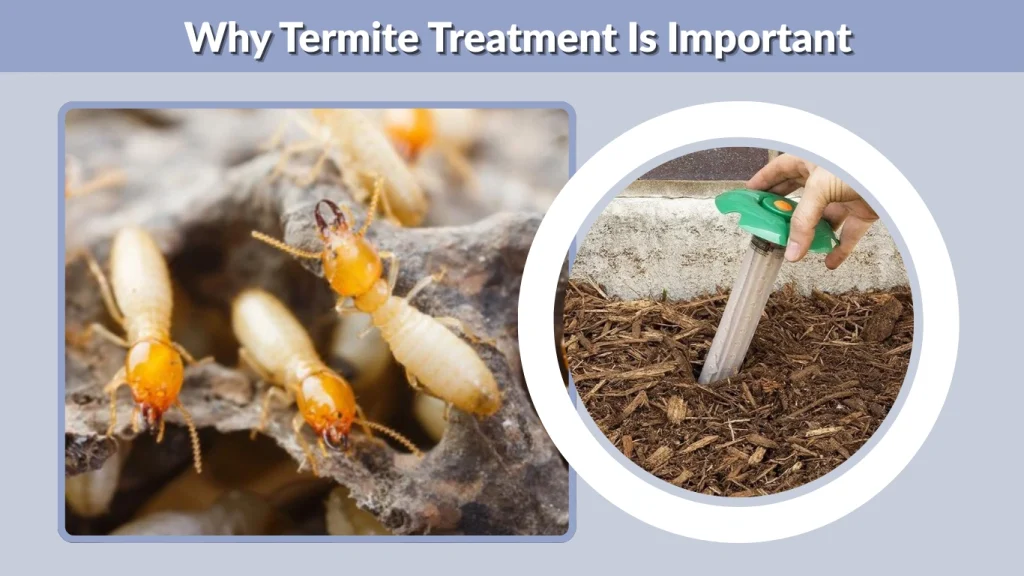
Termite treatment is essential because untreated infestations can cause serious damage to a property. Termites can silently destroy wooden structures for months or even years before they are detected.
One of the main reasons termite treatment is necessary is to protect the structural integrity of your home. Termites feed continuously, and a large colony can consume significant amounts of wood in a short time.
Another reason is the financial impact. Repairing termite damage can be extremely expensive. Treating termites early helps homeowners avoid major repair costs and maintain the value of their property.
Proper termite treatment also prevents the infestation from spreading. Termite colonies can expand quickly, and if left untreated, they may spread to other areas of the building or nearby structures.
Types of Termite Treatments
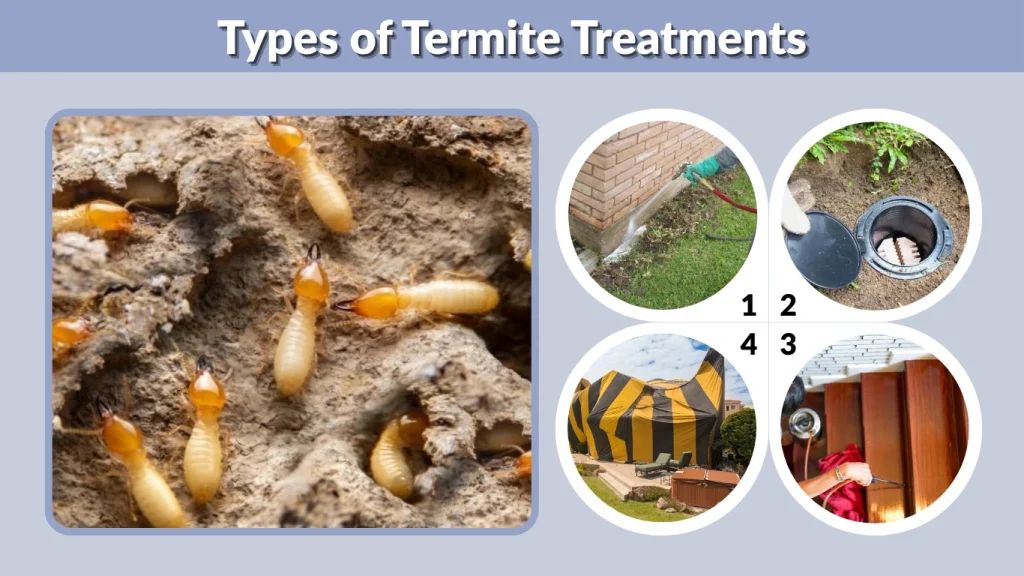
Several treatment methods are available to eliminate termites. The best option depends on the type of termites, the size of the infestation, and the structure of the property.
Liquid Termite Treatment
Liquid termite treatment is one of the most commonly used solutions. This method involves applying liquid termiticides to the soil around the foundation of a building.
The chemical creates a protective barrier that prevents termites from entering the structure. When termites come into contact with the treated soil, they carry the chemical back to their colony, helping eliminate other termites as well.
This treatment is particularly effective against subterranean termites and can provide long-term protection when applied correctly.
Termite Bait Systems
Termite bait systems are another effective treatment method. These systems involve placing bait stations in the soil around the property.
The bait contains slow-acting substances that termites consume and carry back to their colony. Over time, the bait spreads throughout the colony, gradually eliminating it.
Bait systems are often used as part of long-term termite management because they help monitor termite activity and prevent future infestations.
Wood Treatment
Wood treatment targets termites directly within wooden structures. Special chemicals, such as borate-based solutions, are applied to wood surfaces to kill termites and prevent further infestation.
This method is commonly used for exposed wooden structures, furniture, and newly constructed buildings.
Wood treatments can provide long-lasting protection because the chemicals penetrate the wood and remain active for many years.
Fumigation Treatment
Fumigation is a powerful termite treatment used for severe infestations, especially those caused by drywood termites. In this method, the entire structure is covered with a large tent, and a gas fumigant is released inside the building.
The gas penetrates wood, walls, and other hidden spaces where termites may live. This allows the treatment to reach areas that are difficult to access with other methods.
Fumigation usually takes one to three days, and homeowners must leave the property during the process. Although it is highly effective, fumigation does not provide long-term protection, so preventive measures are often recommended afterward.
Heat Treatment
Heat treatment is an eco-friendly termite control method that uses high temperatures to eliminate termites. Specialized equipment raises the temperature in infested areas to levels that termites cannot survive.
This method is particularly useful for localized infestations in furniture or specific rooms. Heat treatment does not rely on chemicals, making it a safer option for many homeowners.
However, it requires professional equipment and expertise to ensure the heat reaches all termite hiding spots.
Natural Termite Treatment
Some homeowners prefer natural termite treatment options that use environmentally friendly substances. These treatments are typically used for smaller infestations or as preventive measures.
Common natural solutions include:
Orange oil treatment
Orange oil contains a compound called d-limonene that can kill termites on contact when applied directly to infested wood.
Neem oil
Neem oil interferes with termite growth and reproduction, helping reduce termite populations over time.
Beneficial nematodes
These microscopic worms are natural parasites that attack termites in the soil and help control colonies naturally.
While natural treatments can be helpful, they are usually less effective for large infestations.
DIY Termite Treatment Methods
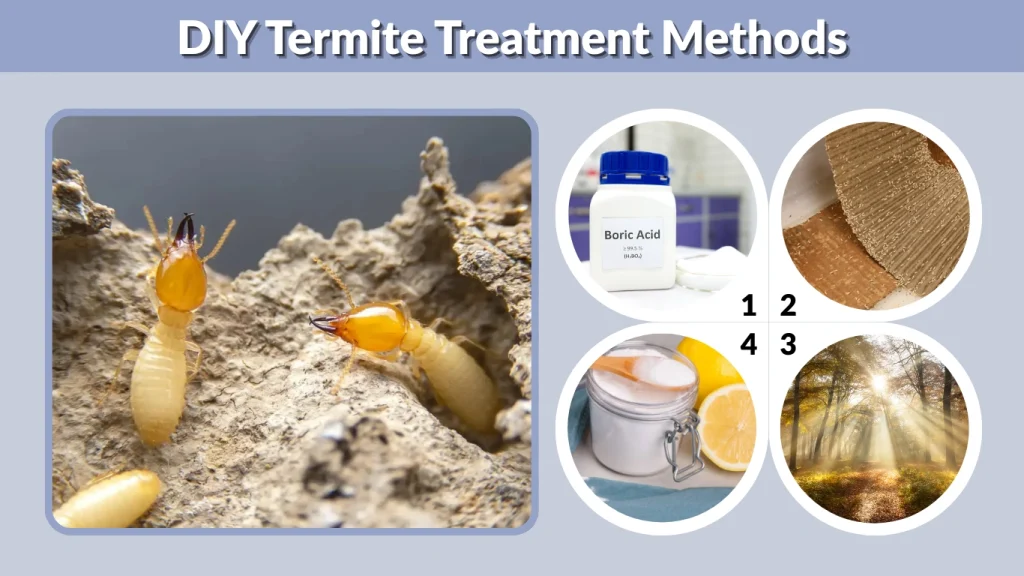
Some homeowners attempt DIY termite treatment methods to control small infestations before calling professionals.
Boric Acid Treatment
Boric acid is one of the most common DIY termite treatments. It works by damaging the termites’ digestive system and nervous system.
Homeowners can apply boric acid powder or solutions to affected wood, cracks, and areas where termite activity is visible.
Cardboard Trap Method
Cardboard traps are a simple way to attract termites because cardboard contains cellulose, which termites feed on.
Place damp cardboard near termite activity. Once termites gather inside the trap, remove it and destroy it to eliminate a portion of the colony.
Sunlight Exposure
Termites cannot survive long in direct sunlight. If furniture or small wooden items are infested, placing them outside in direct sunlight for several hours can help kill termites.
Vinegar and Lemon Solution
A mixture of vinegar and lemon juice can be sprayed into termite holes or cracks in wood. The acidic solution can kill termites on contact, though it may not eliminate entire colonies.
DIY treatments can help in minor cases, but severe infestations usually require professional termite control.
Professional Termite Treatment
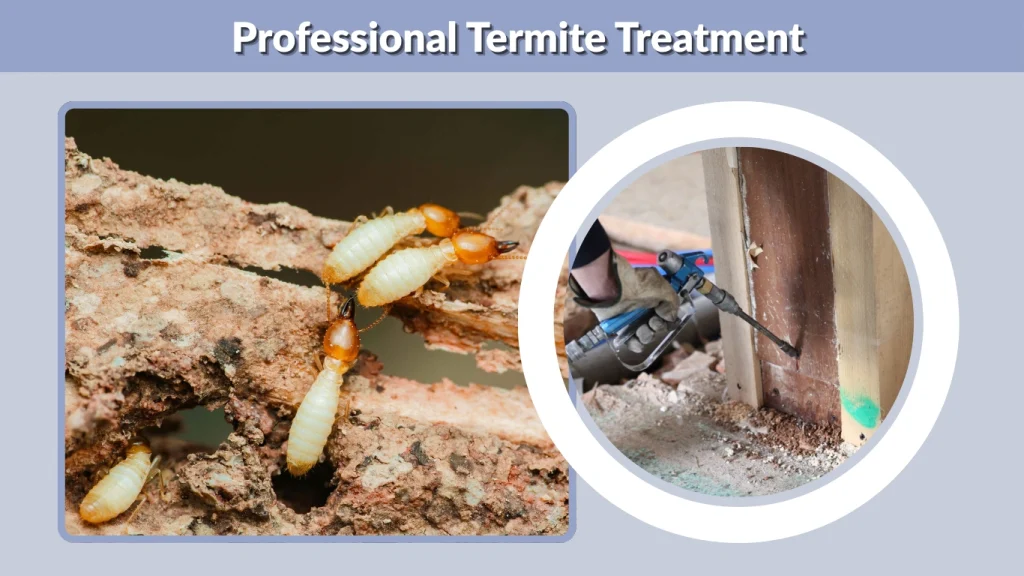
Professional pest control services are often the most effective solution for termite infestations. Experts have specialized equipment, advanced chemicals, and experience in identifying termite species and colony locations.
A professional termite treatment typically begins with a detailed inspection of the property. Pest control specialists look for termite activity, entry points, and structural damage.
After the inspection, they recommend the most appropriate treatment method, such as liquid treatments, bait systems, or fumigation. Professional services often include warranties or follow-up inspections to ensure the infestation does not return.
Termite Treatment Cost
The cost of termite treatment varies depending on several factors.
Average Treatment Costs
Localized termite treatment may cost a few hundred dollars, while whole-house fumigation can cost significantly more depending on the size of the property.
Factors Affecting Cost
Several factors influence the total cost of termite treatment, including:
- The type of termites present
- The size of the infestation
- The size of the home or building
- The treatment method used
Although professional treatment can be expensive, it is often far less costly than repairing major termite damage.
How to Prevent Termites After Treatment
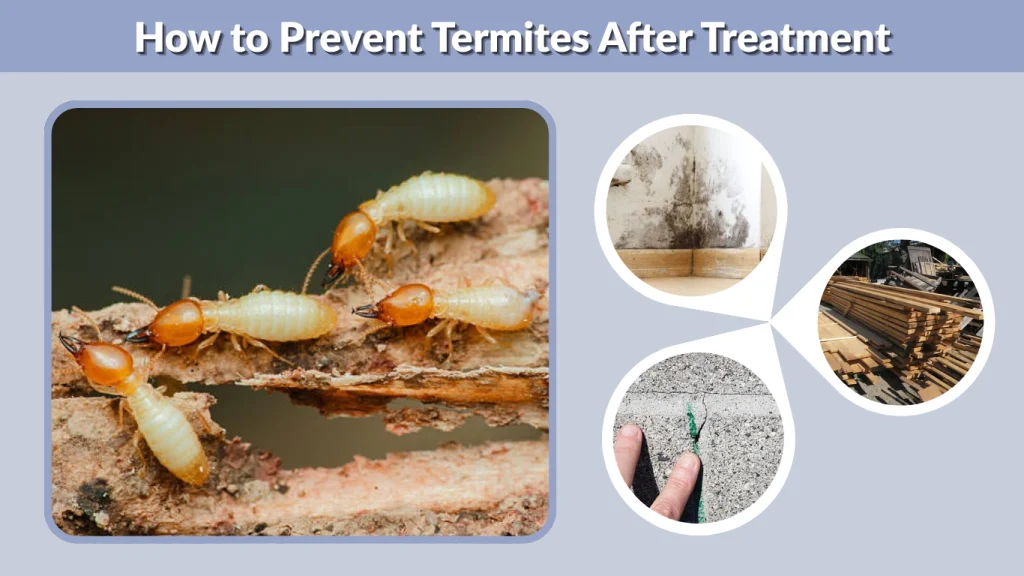
Preventing termites after treatment is essential to protect your home from future infestations.
Remove Moisture Sources
Termites are attracted to moisture. Fixing leaks, improving drainage, and maintaining proper ventilation can help reduce termite activity.
Store Wood Properly
Firewood, lumber, and wooden debris should be kept away from the house and elevated from the ground.
Seal Cracks and Gaps
Sealing cracks in foundations, walls, and around pipes can help block termite entry points.
Regular Termite Inspections
Scheduling annual termite inspections helps detect early signs of infestation and ensures your home remains protected. Regular monitoring is one of the most effective ways to maintain long-term termite control.
Conclusion
Termites can cause serious damage if left untreated, making early detection and proper treatment essential. From liquid barriers and bait systems to natural and DIY solutions, there are several methods available for effective termites treatment. Choosing the right treatment depends on the type of infestation and the condition of the property. In many cases, professional pest control services provide the most reliable and long-lasting results. By combining proper treatment with preventive measures and regular inspections, homeowners can protect their homes from termite damage and maintain a safe, termite-free environment.
FAQs
What is the most effective termite treatment?
Liquid soil treatments and termite bait systems are widely considered the most effective termite control methods. Liquid treatments create a chemical barrier around the home, while bait systems eliminate the entire colony over time. The best option depends on the termite type, infestation level, and property structure.
Can I treat termites myself?
Small infestations can sometimes be treated using DIY methods such as boric acid, traps, or natural oils. However, larger infestations usually require professional termite control services to fully eliminate the colony and prevent termites from returning.
How long does termite treatment take?
The time required depends on the treatment method. Liquid treatments may begin working within days, while bait systems may take several weeks to eliminate a colony. Fumigation treatments usually take one to three days to complete.
How often should termite treatment be done?
Many professional termite treatments can last between five and ten years. However, annual inspections and preventive measures are recommended to ensure that new termite colonies do not invade your home.
Are termite treatments safe for pets and humans?
Modern termite treatments are generally safe when applied correctly by professionals. In some cases, homeowners and pets may need to leave the house during treatment, especially during fumigation. Once the treatment is complete, the home is typically safe to re-enter.
