
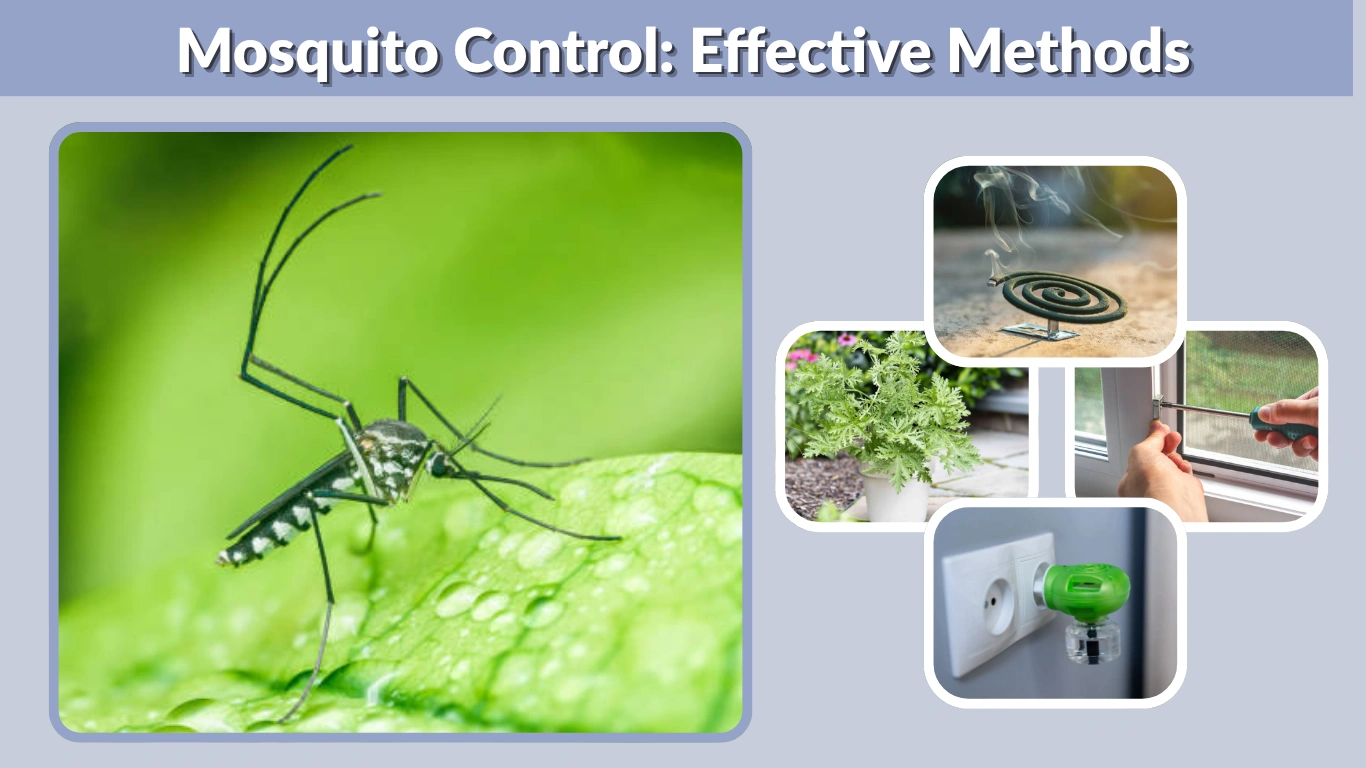
Mosquitoes are more than just annoying insects—they are a serious threat to human health. In many parts of the world, especially in warm and humid regions, mosquitoes spread dangerous diseases such as dengue, malaria, and chikungunya. Their rapid breeding and adaptability make them difficult to control, which is why effective mosquito control strategies are essential.
Mosquito control involves reducing mosquito populations and preventing their breeding to minimize risks to humans. Whether at home or in the community, proper control methods can significantly improve comfort and safety. This article explores the importance of mosquito control, how mosquitoes breed, and practical ways to manage them effectively.
What Is Mosquito Control?
Mosquito control refers to the methods and practices used to reduce mosquito populations and prevent their spread. The main goal is to limit breeding, control larvae, and reduce the number of adult mosquitoes that can bite humans and spread diseases.
Mosquito control can be applied at different levels, including personal, household, and community efforts. It involves a combination of techniques such as eliminating breeding sites, using repellents, and applying chemical or biological treatments.
Effective mosquito control is not about completely eliminating mosquitoes—which is nearly impossible—but about managing their population to reduce health risks and improve living conditions.
Why Mosquito Control Is Important
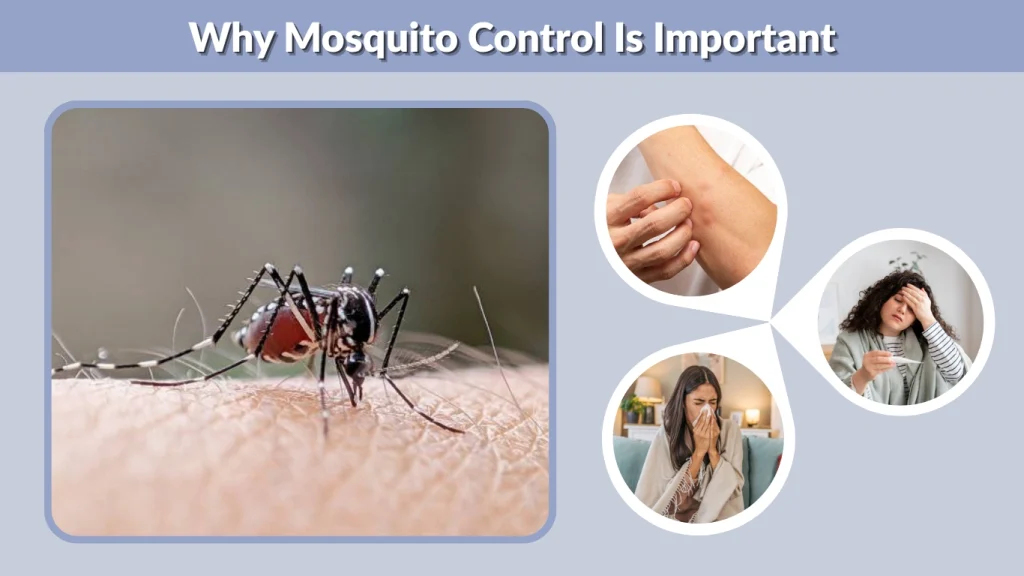
Mosquito control plays a vital role in protecting public health and improving daily life. Without proper control measures, mosquito populations can grow rapidly, especially during rainy seasons.
Key Reasons
- Disease Prevention
Mosquitoes are carriers of serious diseases like dengue, malaria, and Zika virus. Controlling their population helps reduce the spread of these illnesses. - Improved Comfort
Mosquito bites cause itching, irritation, and sleep disturbance. Effective control helps create a more comfortable living environment. - Community Health Protection
Large mosquito populations can lead to outbreaks of diseases, affecting entire communities. Control efforts help maintain public health and safety.
Understanding Mosquito Breeding
To control mosquitoes effectively, it is important to understand how and where they breed. Mosquitoes require water to complete their life cycle, making stagnant water the most common breeding ground.
Common Breeding Sites
- Standing water in containers, buckets, and flower pots
- Blocked drains and gutters
- Old tires and discarded items that collect rainwater
- Ponds, puddles, and waterlogged areas
Even small amounts of water can support mosquito breeding. For example, water collected in bottle caps or plant trays can be enough for mosquitoes to lay eggs.
Mosquito eggs hatch into larvae, which grow in water before becoming adult mosquitoes. This process can take as little as 7 to 10 days, allowing mosquito populations to increase rapidly if breeding sites are not controlled.
Mosquito Control at Home
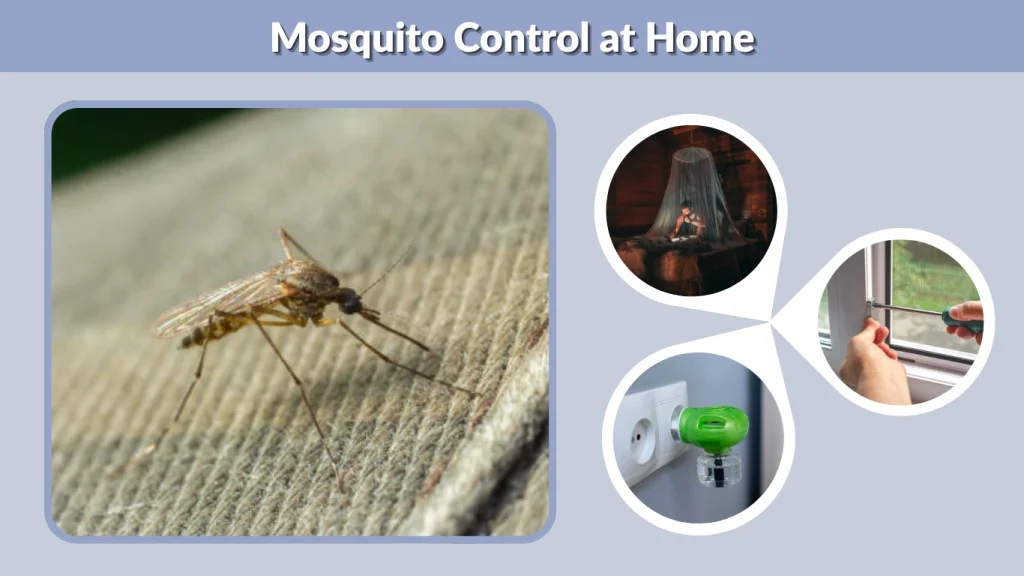
Controlling mosquitoes at home is one of the most effective ways to reduce exposure and prevent bites. Both indoor and outdoor measures are necessary for better results.
Indoor Control
Indoor mosquito control focuses on keeping mosquitoes out and reducing their presence inside the house.
- Use mosquito nets while sleeping, especially in high-risk areas
- Install window and door screens to block entry
- Use electric vaporizers or repellents indoors
- Keep rooms clean and well-ventilated
Outdoor Control
Outdoor control is essential to stop mosquitoes from breeding near your home.
- Remove all sources of standing water regularly
- Clean drains and gutters to prevent water buildup
- Dispose of unused containers and tires properly
- Maintain gardens and avoid water accumulation in plant pots
Combining indoor and outdoor control methods provides the best protection against mosquitoes.
Chemical Mosquito Control Methods
Chemical control methods are widely used to reduce mosquito populations quickly and effectively. These methods involve the use of insecticides and other chemical agents to kill mosquitoes at different stages of their life cycle.
Common Methods
- Insecticide Sprays
These sprays are used indoors and outdoors to kill adult mosquitoes. They provide immediate results but may need repeated use. - Fogging
Fogging is often used in communities during outbreaks of mosquito-borne diseases. It releases fine insecticide mist to target adult mosquitoes in large areas. - Larvicides
These chemicals are applied to water sources to kill mosquito larvae before they develop into adults.
Pros and Cons
Chemical methods are highly effective and fast-acting. However, excessive use may lead to environmental concerns and resistance in mosquito populations. It is important to use these methods carefully and follow safety guidelines.
Natural Mosquito Control Methods
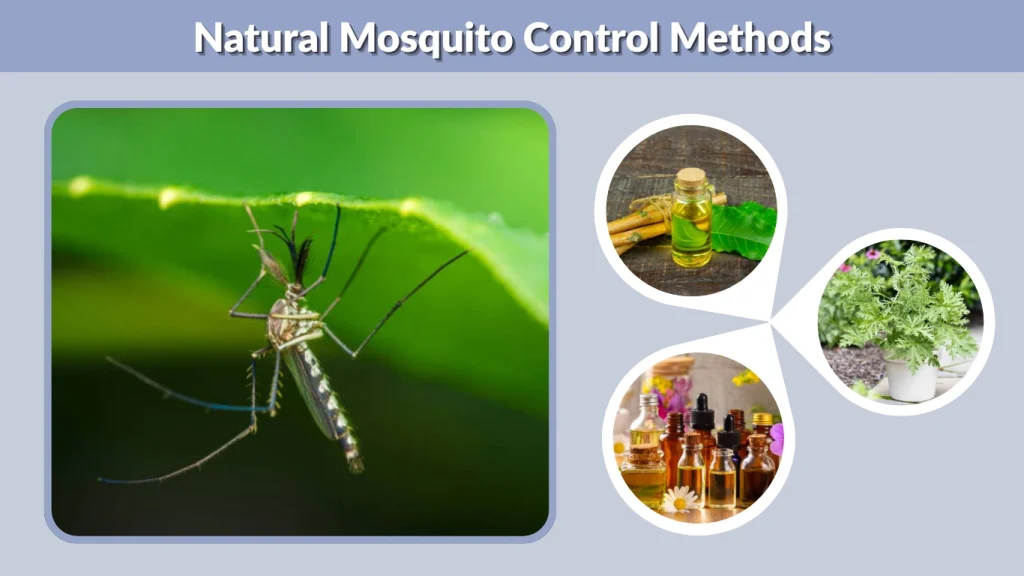
Natural mosquito control methods are ideal for those who prefer eco-friendly and chemical-free solutions. These methods are safer for humans, pets, and the environment, although they may require consistent use.
Common Natural Methods
- Neem Oil: Acts as a natural repellent and can be applied to the skin or used in sprays
- Citronella: Found in candles and oils, helps repel mosquitoes effectively
- Essential Oils: Oils like lavender, eucalyptus, and peppermint can deter mosquitoes
- Mosquito-Repelling Plants: Plants such as tulsi (holy basil), marigold, and lemongrass help keep mosquitoes away
Natural methods work best when combined with other control strategies for better effectiveness.
Biological Mosquito Control
Biological control uses natural predators and organisms to reduce mosquito populations. This method is environmentally friendly and suitable for long-term control.
Examples
- Larvae-Eating Fish: Fish like guppies and mosquito fish feed on mosquito larvae in water bodies
- Bacteria (BTI): A naturally occurring bacterium that kills mosquito larvae without harming other wildlife
- Predatory Insects: Certain insects feed on mosquito larvae and help control their population
Biological methods are commonly used in ponds, lakes, and community water systems.
Environmental Mosquito Control
Environmental control focuses on eliminating breeding grounds and improving sanitation to prevent mosquito growth. It is one of the most effective long-term strategies.
Key Actions
- Proper waste disposal to prevent water collection
- Improving drainage systems
- Regular cleaning of surroundings
- Community awareness and participation
When communities work together, environmental control can significantly reduce mosquito populations.
Best Mosquito Control Products
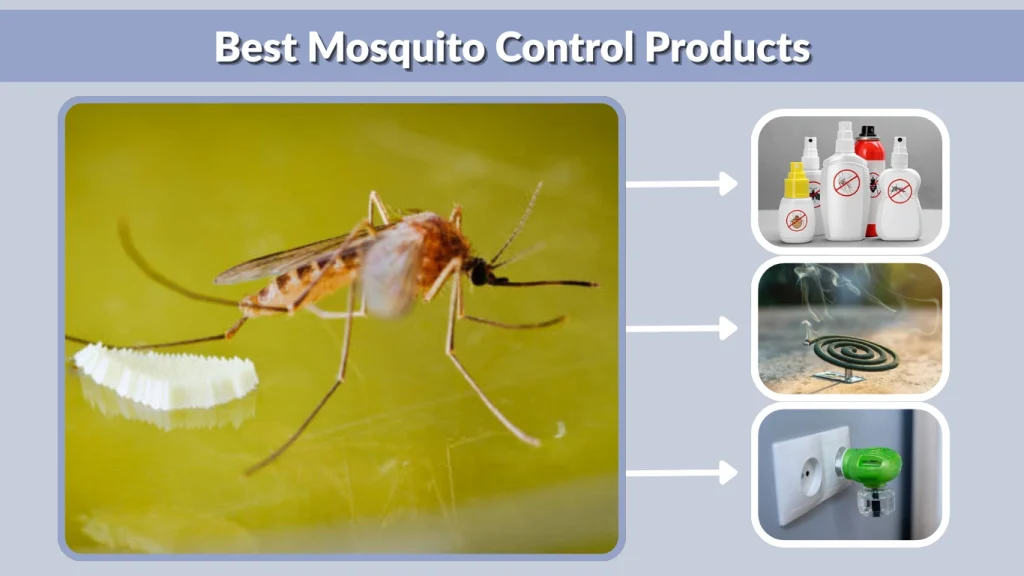
Using the right products can enhance mosquito control efforts, especially in areas with high mosquito activity.
Types of Products
- Mosquito Sprays: Kill mosquitoes quickly in indoor and outdoor spaces
- Mosquito Coils: Produce smoke that repels mosquitoes
- Electric Vaporizers: Release repellent chemicals slowly for long-lasting protection
- Mosquito Traps: Attract and capture mosquitoes using light or carbon dioxide
Choosing safe and effective products ensures better results and minimizes health risks.
Quick Tips for Effective Mosquito Control
- Eliminate standing water regularly
- Use repellents consistently
- Keep your home clean and dry
- Combine multiple control methods for better results
FAQs
What is the most effective mosquito control method?
The most effective approach is a combination of methods, including removing breeding sites, using repellents, and applying insecticides when necessary. No single method works alone.
How can I control mosquitoes at home naturally?
You can use neem oil, citronella, essential oils, and mosquito-repelling plants. Removing stagnant water is also a key step in natural mosquito control.
How do mosquitoes breed?
Mosquitoes lay eggs in standing water. The eggs hatch into larvae, which grow in water before becoming adult mosquitoes.
Are mosquito control chemicals safe?
They are generally safe when used properly, but overuse can harm the environment and human health. Always follow instructions carefully.
Can mosquitoes be completely eliminated?
Completely eliminating mosquitoes is not possible, but their population can be significantly reduced through proper control and prevention methods.
Conclusion
Mosquito control is essential for protecting health and maintaining a comfortable living environment. Since mosquitoes breed quickly and spread dangerous diseases, taking proactive steps is crucial.
By understanding mosquito breeding habits and applying a combination of control methods—such as environmental management, natural remedies, biological solutions, and chemical treatments—you can effectively reduce mosquito populations.
Consistency is key. Regular cleaning, proper water management, and the use of protective measures can make a significant difference in keeping mosquitoes under control and ensuring a safer environment for everyone.
