
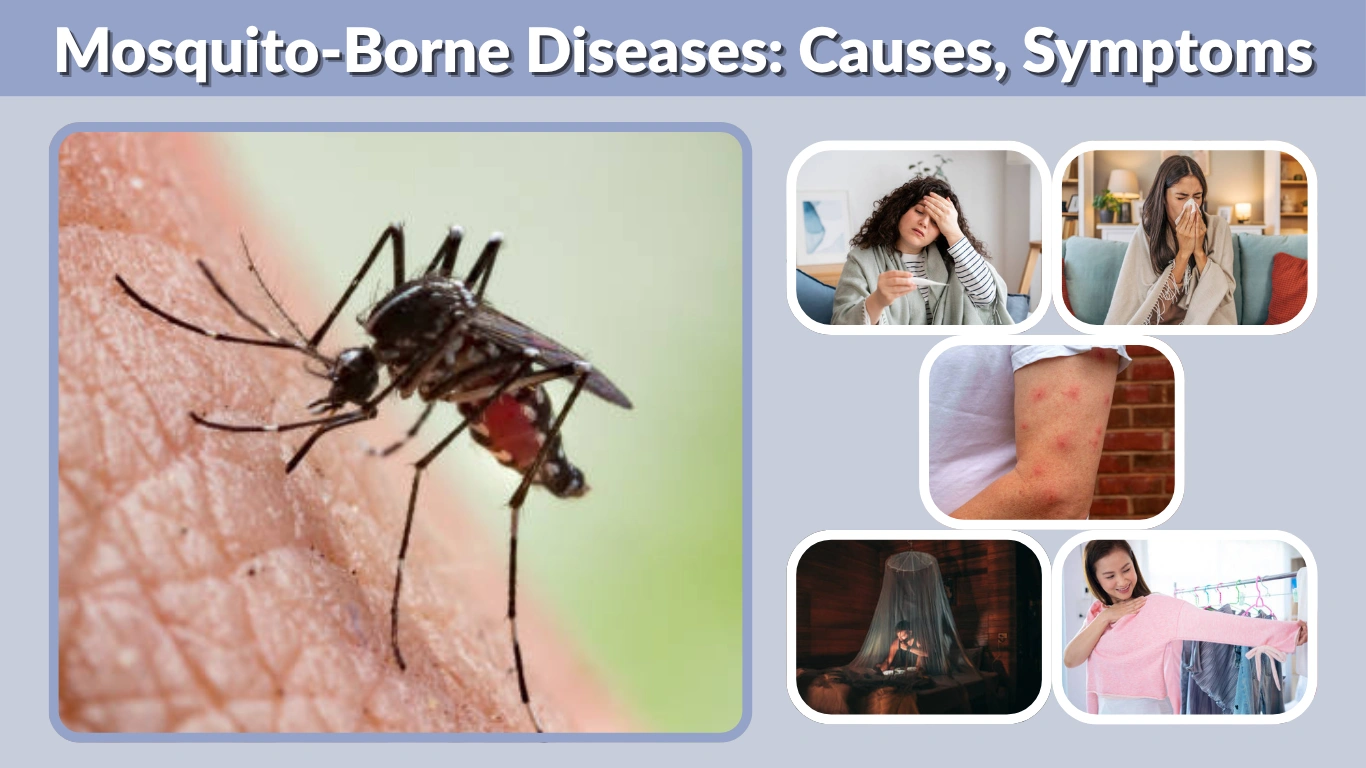
Mosquito-borne diseases are illnesses transmitted to humans through the bite of infected mosquitoes. These diseases are a major public health concern, particularly in tropical and subtropical regions where warm temperatures and humidity create ideal breeding conditions. Infections such as malaria, dengue, and Zika affect millions of people each year, ranging from mild illness to severe, life-threatening conditions. Understanding how these diseases spread, recognizing their symptoms, and adopting preventive measures are essential steps in protecting individuals and communities from their harmful impact.
What Are Mosquito-Borne Diseases?
Mosquito-borne diseases are infections caused by pathogens that are transmitted through mosquito bites. These pathogens can include viruses, parasites, and, in rare cases, bacteria. Mosquitoes act as carriers, also known as vectors, transferring these harmful organisms from one host to another.
When a mosquito bites an infected person or animal, it can pick up the pathogen. The pathogen then develops inside the mosquito and is passed on to another person when the mosquito bites again. This cycle allows diseases to spread quickly, especially in areas with high mosquito populations. These diseases vary in severity, with some causing mild symptoms and others leading to serious complications or death if untreated.
How Do Mosquitoes Transmit Diseases?
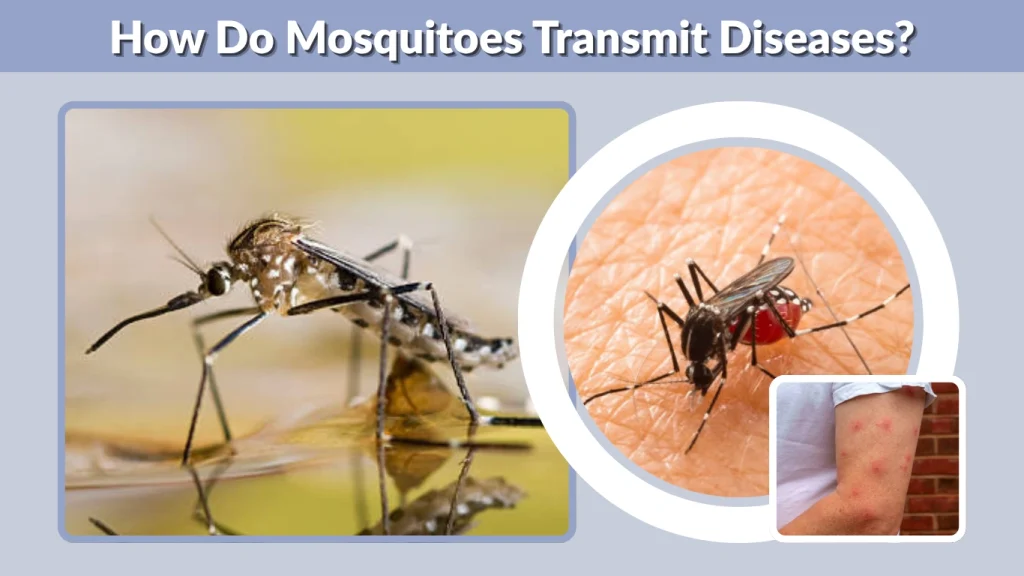
Infection Process
- A mosquito bites an infected person or animal and ingests the pathogen
- The pathogen multiplies inside the mosquito’s body
- The infected mosquito bites another person
- The pathogen enters the bloodstream of the new host
Types of Pathogens
- Viruses such as dengue, Zika, and yellow fever
- Parasites such as Plasmodium, which causes malaria
- Rare bacterial agents in specific cases
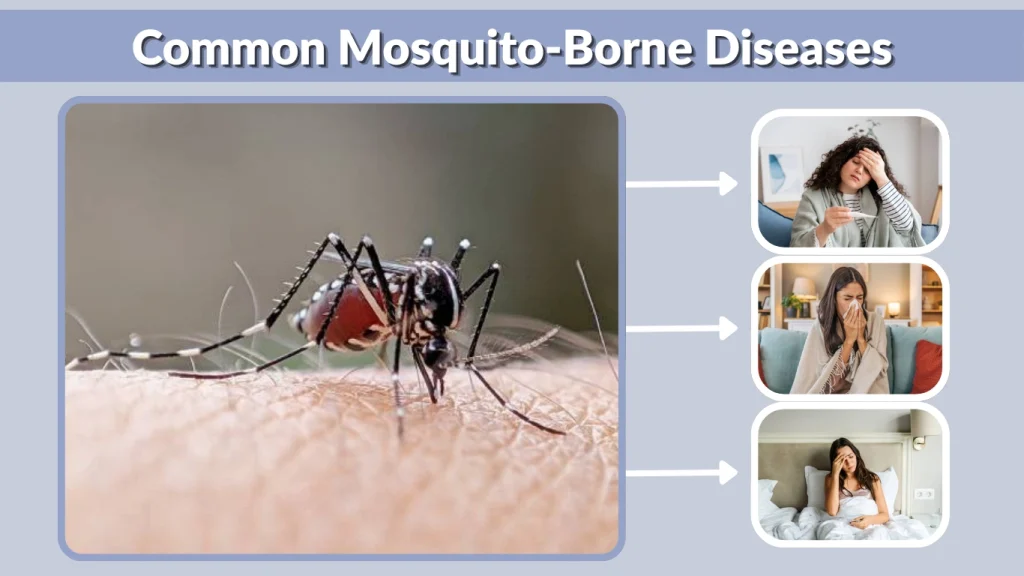
Common Mosquito-Borne Diseases
Malaria
Malaria is one of the most widespread and deadly mosquito-borne diseases. It is caused by Plasmodium parasites and transmitted through the bite of infected Anopheles mosquitoes. Symptoms typically include high fever, chills, sweating, and fatigue. If not treated promptly, malaria can lead to severe complications and even death, especially in young children and vulnerable populations.
Dengue Fever
Dengue fever is a viral infection transmitted by Aedes mosquitoes. It is common in urban and semi-urban areas. Symptoms include high fever, severe headache, joint and muscle pain, and skin rashes. In severe cases, dengue can develop into dengue hemorrhagic fever, which can be life-threatening and requires immediate medical attention.
Chikungunya
Chikungunya is another viral disease spread by Aedes mosquitoes. It is known for causing intense joint pain, often accompanied by fever and fatigue. While rarely fatal, the joint pain can persist for weeks or even months, affecting daily activities and quality of life.
Zika Virus
The Zika virus is usually a mild infection for most people, causing symptoms such as fever, rash, and conjunctivitis. However, it poses a significant risk to pregnant women, as it can lead to birth defects, including microcephaly in newborns. This makes prevention especially important in affected regions.
Yellow Fever
Yellow fever is a serious viral disease transmitted by infected mosquitoes. Symptoms range from mild fever and headache to severe conditions involving liver damage, jaundice, and bleeding. Vaccination is one of the most effective ways to prevent yellow fever in high-risk areas.
Symptoms of Mosquito-Borne Diseases
Mosquito-borne diseases often share similar symptoms, which can make early diagnosis challenging. However, recognizing common signs can help individuals seek timely medical care.
- Fever and chills
- Headache and fatigue
- Muscle and joint pain
- Nausea and vomiting
- Skin rashes
The severity of symptoms depends on the type of disease, the individual’s immune system, and how quickly treatment is received. In some cases, symptoms may worsen rapidly, leading to complications that require urgent medical attention.
Risk Factors and Affected Regions
Mosquito-borne diseases are more common in regions where environmental conditions support mosquito breeding. Warm temperatures, high humidity, and frequent rainfall create ideal habitats for mosquitoes to thrive. Tropical and subtropical areas such as parts of Asia, Africa, and South America are particularly vulnerable.
Poor sanitation, overcrowding, and lack of proper waste management also contribute to the spread of these diseases. Stagnant water in open containers, drains, and construction sites provides perfect breeding grounds. Additionally, climate change has expanded mosquito habitats into new regions, increasing the risk of outbreaks even in areas that were previously less affected.
Prevention of Mosquito-Borne Diseases
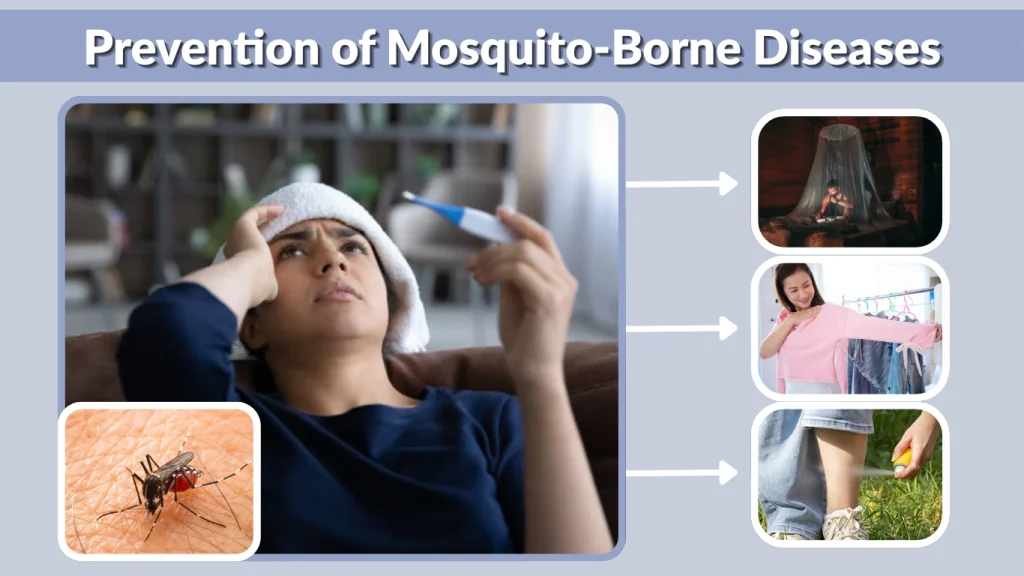
Personal Protection
- Use mosquito repellents on exposed skin
- Wear long-sleeved clothing and protective garments
- Sleep under insecticide-treated bed nets
Environmental Control
- Remove standing water from surroundings
- Clean drains, containers, and water storage areas
- Keep surroundings dry and well-maintained
Community Measures
- Public awareness and education programs
- Government mosquito control initiatives
- Regular sanitation and waste management efforts
Importance of Early Diagnosis and Treatment
Early diagnosis plays a critical role in managing mosquito-borne diseases. Many of these illnesses begin with common symptoms like fever and fatigue, which can easily be mistaken for minor infections. However, delaying treatment can allow the disease to progress into more severe stages.
Timely medical attention helps in accurate diagnosis and appropriate treatment, reducing the risk of complications. In diseases like malaria and dengue, early intervention can be life-saving. Access to healthcare, awareness of symptoms, and prompt testing are essential components in controlling the impact of these diseases.
Global Impact of Mosquito-Borne Diseases
Mosquito-borne diseases have a significant impact on global health and economies. Millions of people are affected each year, leading to increased healthcare costs and loss of productivity. In many developing countries, these diseases place a heavy burden on already strained healthcare systems.
Efforts to control mosquito populations and prevent disease transmission require coordinated actions at local, national, and international levels. Research, vaccination programs, and improved public health strategies continue to play an important role in reducing the spread and impact of these diseases worldwide.
Conclusion
Mosquito-borne diseases remain a serious threat to human health, especially in regions where environmental conditions favor mosquito breeding. Understanding how these diseases spread, recognizing their symptoms, and taking preventive measures are key to reducing their impact.
By focusing on personal protection, environmental control, and community awareness, individuals and governments can work together to minimize the risks. Early diagnosis and proper treatment further help in managing these diseases effectively, ultimately contributing to healthier communities and improved quality of life.
FAQs
What are the most common mosquito-borne diseases?
The most common mosquito-borne diseases include malaria, dengue fever, chikungunya, Zika virus, and yellow fever. These diseases are widespread in tropical and subtropical regions and can range from mild illnesses to severe, life-threatening conditions.
How do mosquitoes spread diseases?
Mosquitoes spread diseases by acting as carriers of pathogens. When they bite an infected person or animal, they pick up the pathogen and later transmit it to another person through subsequent bites, allowing the disease to spread.
What are the symptoms of mosquito-borne diseases?
Common symptoms include fever, chills, headache, muscle and joint pain, nausea, and skin rashes. The severity of symptoms varies depending on the disease and the individual’s health condition.
How can mosquito-borne diseases be prevented?
Prevention includes using mosquito repellents, wearing protective clothing, eliminating standing water, and maintaining clean surroundings. Community efforts and public health measures also play an important role in reducing mosquito populations.
Which regions are most affected by mosquito-borne diseases?
Tropical and subtropical regions such as Asia, Africa, and South America are most affected due to favorable climates for mosquito breeding. However, climate change is increasing the risk in other parts of the world as well.
